

Understand Maine Requirements
If you are getting ready to place your Maine landscape architect stamp order, you might be a bit unsure about the state’s exact guidelines. After all, ensuring you meet Maine’s standards for professional practice is key to protecting both your reputation and your clients’ interests. Like many states, Maine requires licensed landscape architects to use an official stamp or seal on project documents. This helps confirm that your work meets the necessary rules and reflects your commitment to upholding professional ethics. In short, your stamp is more than a formality, it’s a mark of trust.
So, what does that trust actually look like in Maine? The simplest answer is that your stamp needs to include specific details required by the Maine licensing board, typically featuring your name, your license number, and the words “Landscape Architect” or similar text, depending on the official design. Because these elements must comply with state standards, ordering your stamp from a trusted provider is essential.
Understanding these guidelines might feel overwhelming, but it’s easier if you break them down step by step. First, check that you’ve got the correct license information at hand. Second, verify whether Maine calls for specific wording in your seal or if there’s a standardized design. And third, confirm that the vendor you use knows the local requirements so your stamp or seal arrives perfectly legal. By following these steps, you can simplify the entire process and keep your professional life hassle-free.
Recognize Why A Stamp Matters
It’s tempting to think a stamp is just a piece of rubber or metal that adds your name to official documents. In reality, it’s a big piece of your professional presentation. When you stamp a set of plans or drawings, you signal that those documents come with your expertise. Anyone who looks at them, clients, contractors, or state officials, can easily see you’ve taken responsibility for the quality and accuracy of the design.
Beyond that confidence boost, the Maine landscape architect seal or stamp represents your compliance with statewide regulations. If a concern arises about your project, the stamp helps identify who prepared the documents. It also demonstrates that you’ve met the minimal educational, experiential, and licensing requirements. Consider it your professional signature, one that reassures property owners, public agencies, and fellow professionals alike.





How To Place Your Stamp Order
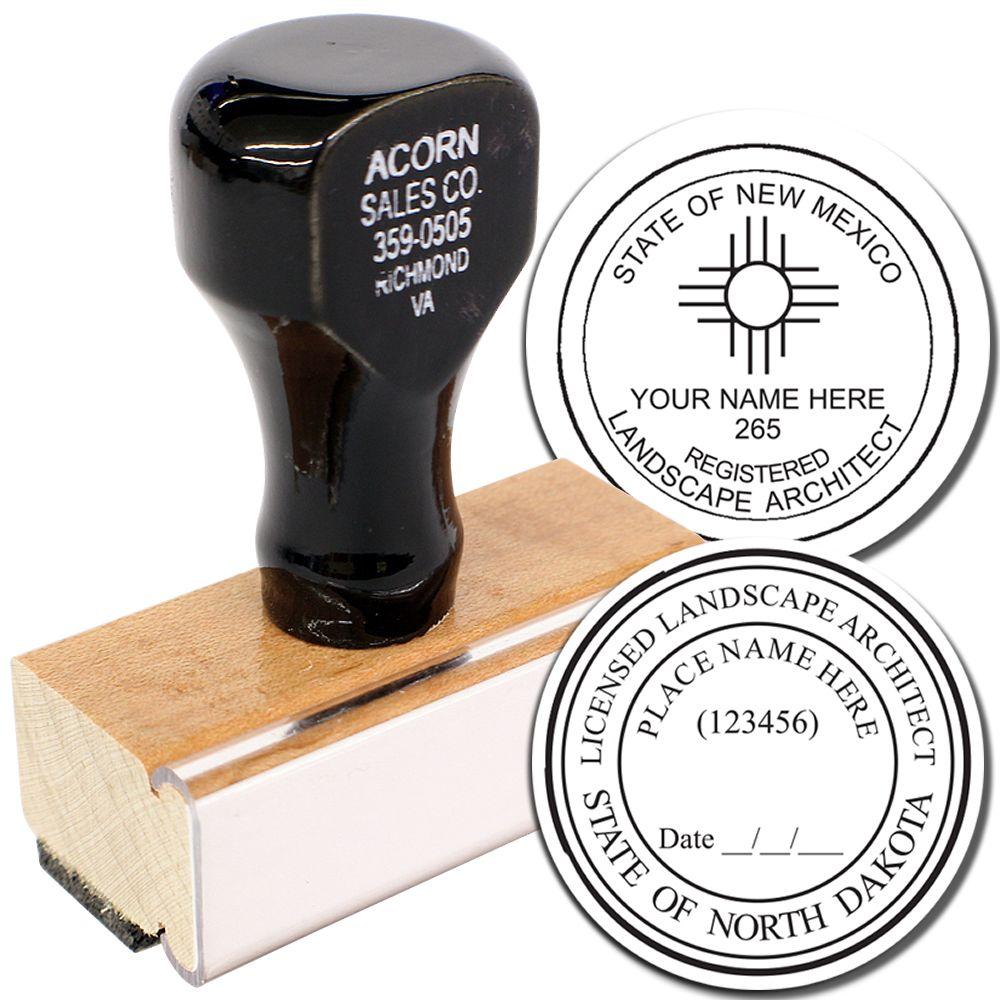
Let’s walk through the ordering process. The best approach is to gather your licensing details first. That means confirming your name as recorded by the licensing board, your license number, and any relevant wording you need on the seal. You’ll also want to check format preferences. Maine might permit both a round seal or rectangular stamp, but it’s wise to double-check. Once you have these details, placing your Maine landscape architect stamp order goes much smoother.
Confirm Your Info
Make sure your name, license number, and chosen title match what’s on your official license. Any minor discrepancy can lead to complications.Choose A Quality Supplier
Reputable vendors know local regulations and produce stamps reflecting all required elements in a quality layout. This ensures your stamp not only looks correct but is fully valid.Decide On Stamp Type
Would you prefer a self-inking stamp, a pre-inked stamp, an embosser, or a classic rubber model? Each has its advantages. We’ll talk more about picking the right format in the next section.-
Specify Any Extra Touches
Maybe you want a certain size or ink color. Some states don’t care about color, but others do. Maine usually isn’t strict on ink color, yet it’s always good to confirm. Review And Approve
Before the vendor finalizes your stamp, you’ll typically get a proof or sample image. Check that everything matches your licensing details exactly. Approve only once you’re 100% certain.
When everything is in order, your new stamp or seal doesn’t just show compliance, it also saves you from future headaches. An accurate seal ensures smooth project approvals, fewer questions from regulators, and a polished professional presentation.
Choose The Best Format
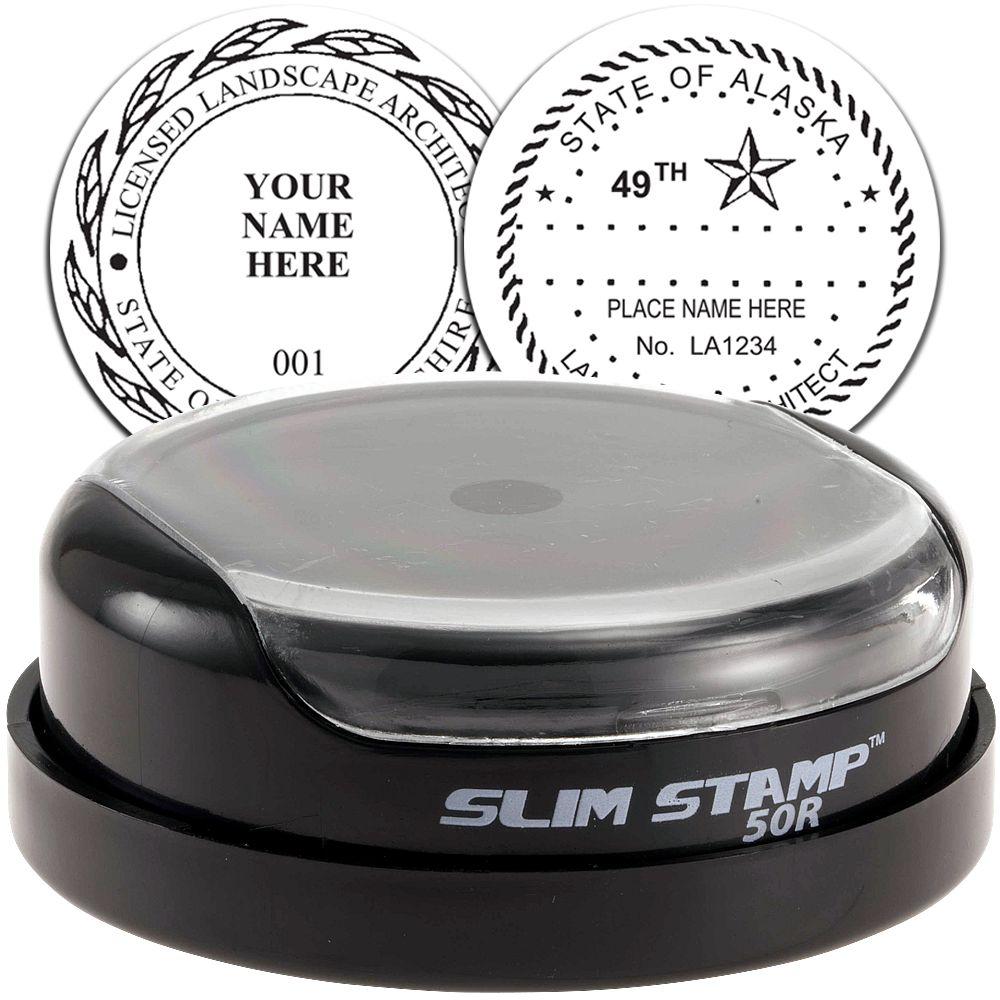
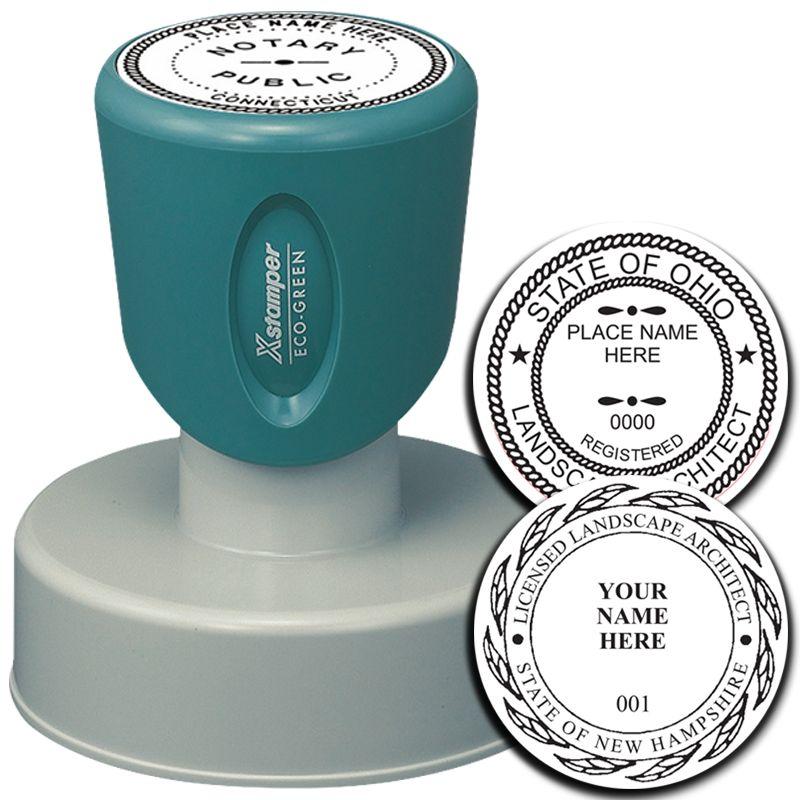
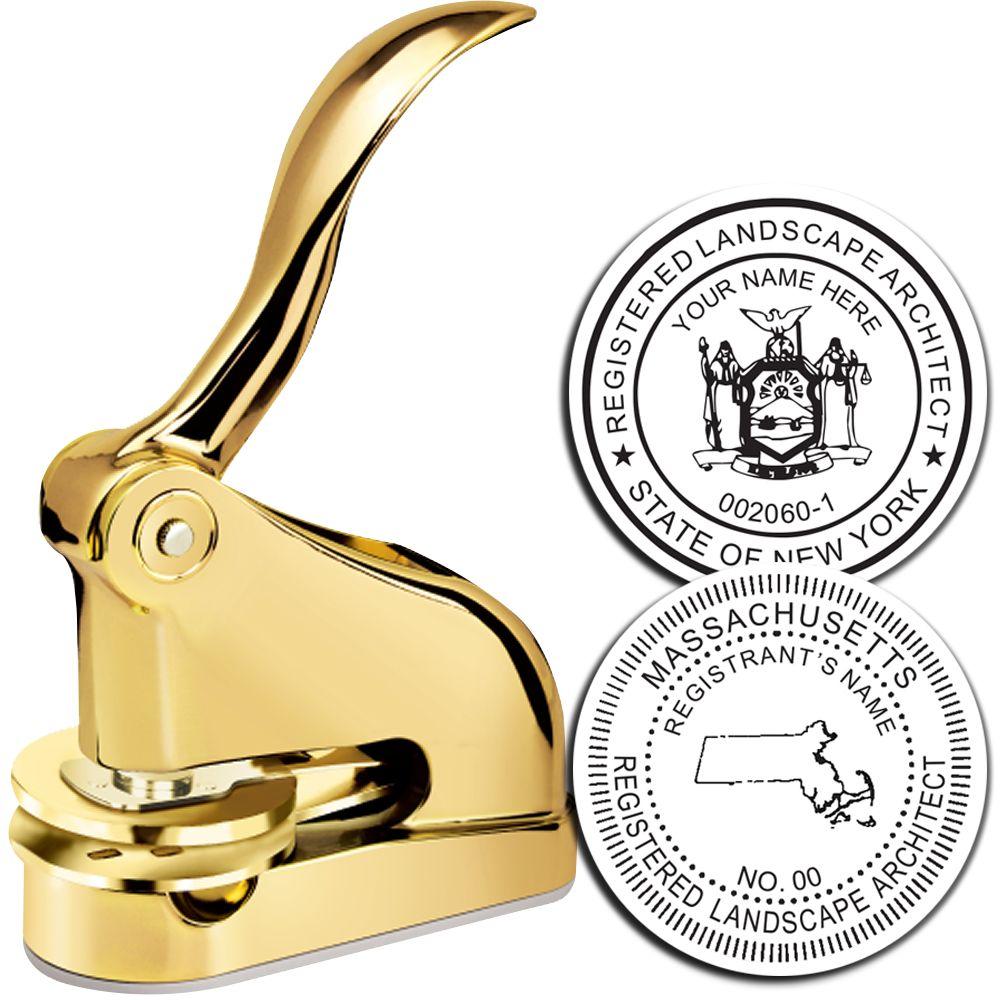
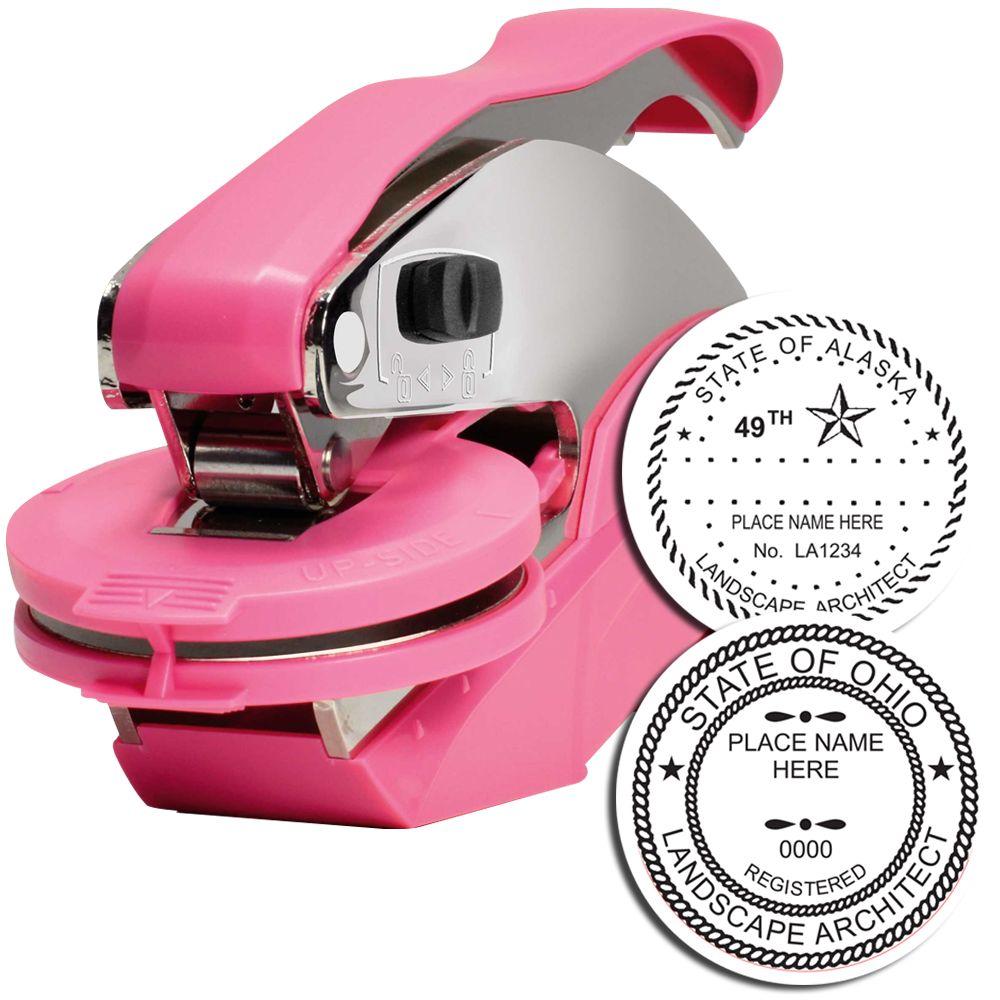
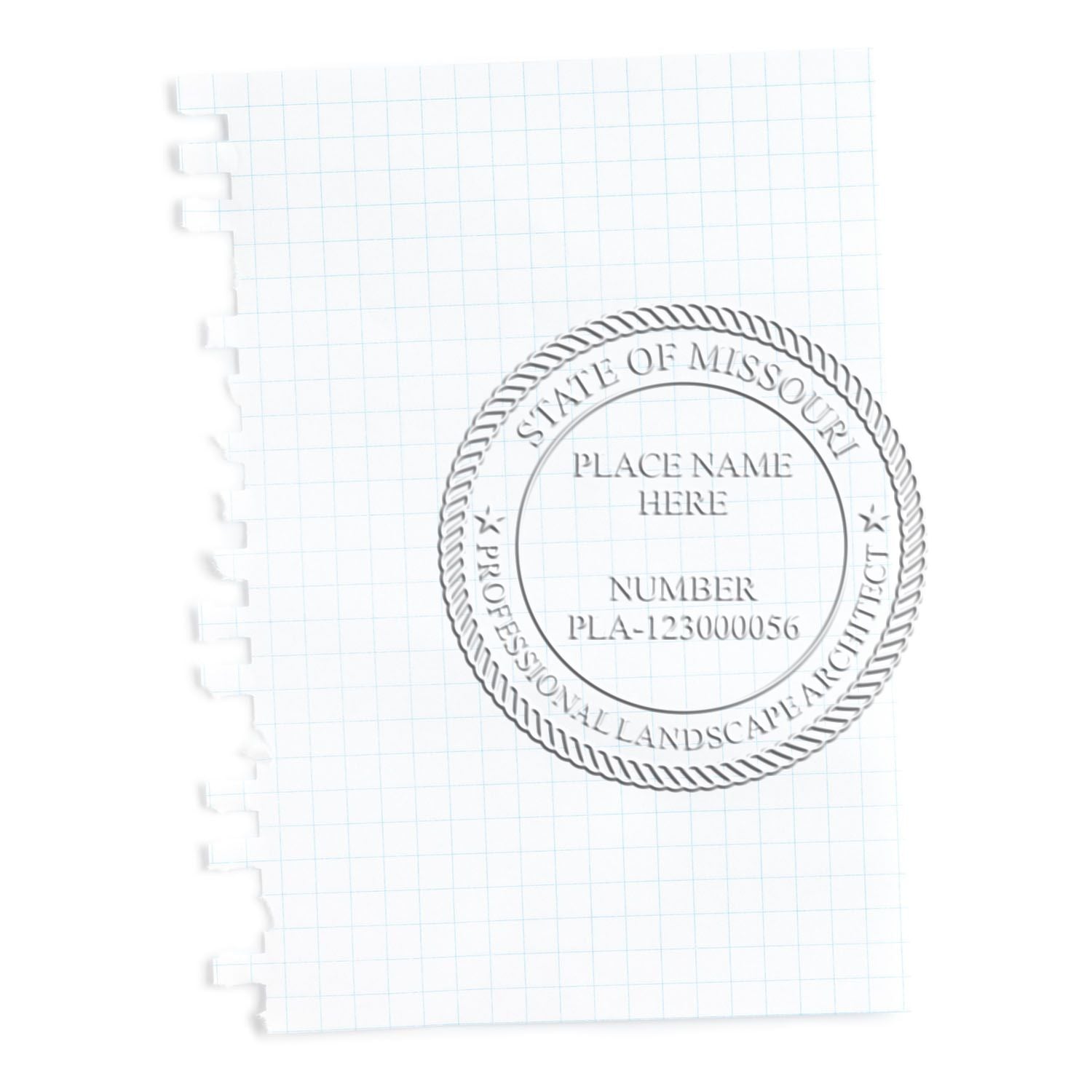
You might be wondering which stamp type to pick. Some professionals like a self-inking stamp for quick, clean impressions. Others prefer a traditional rubber stamp they can use with a separate ink pad. And some find an embosser offers a more formal flair, raising the paper surface for a tactile seal.
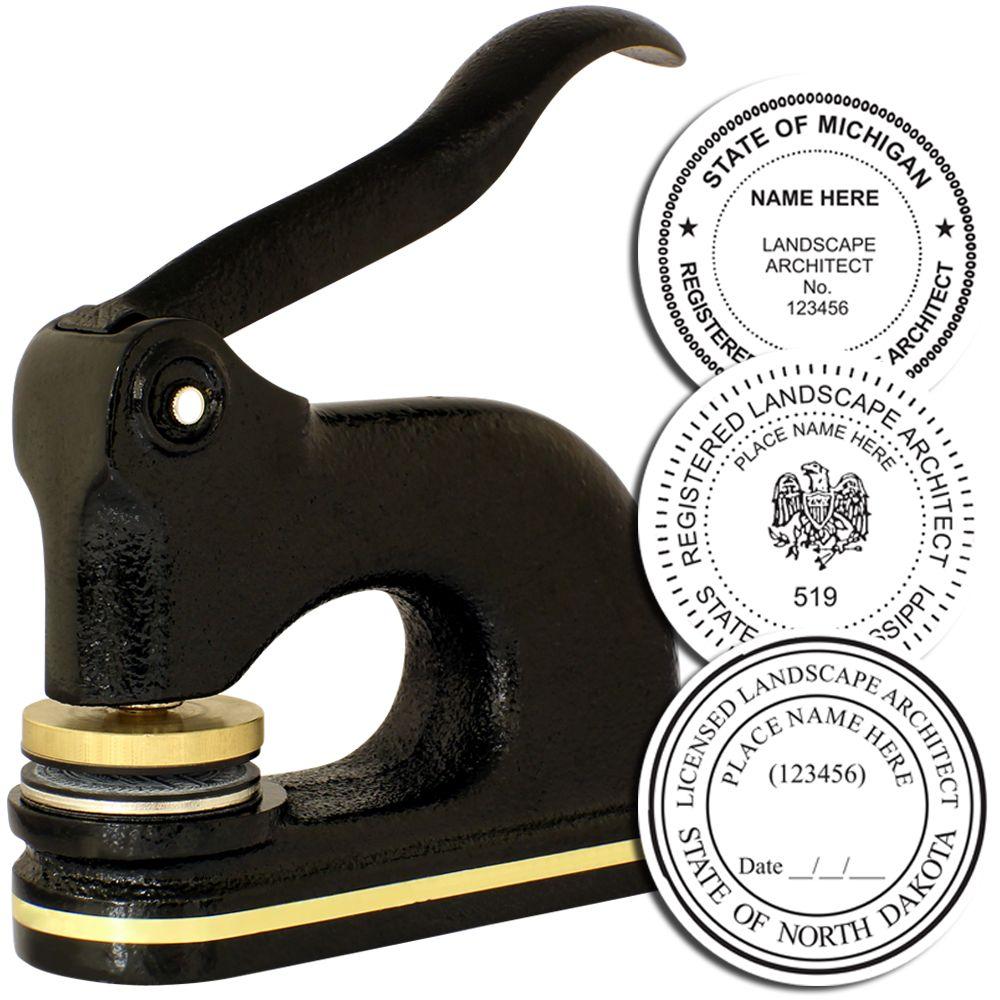

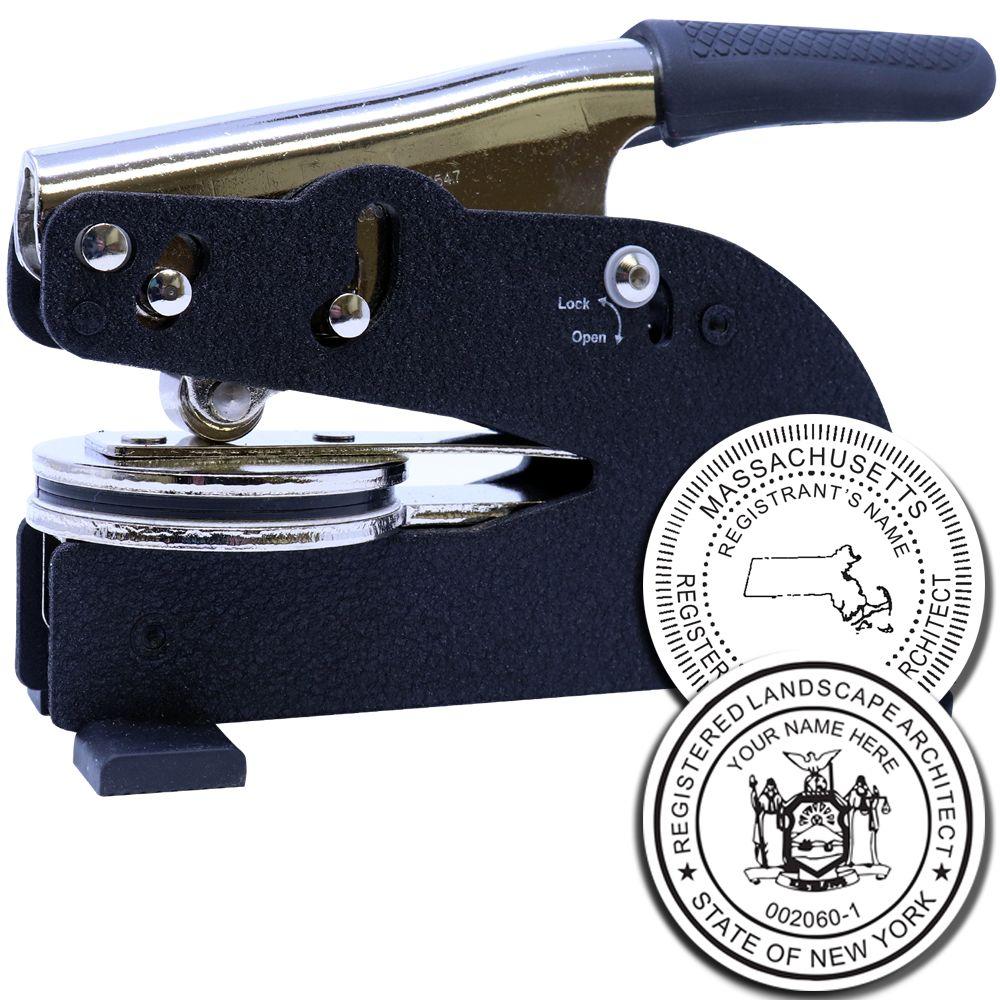
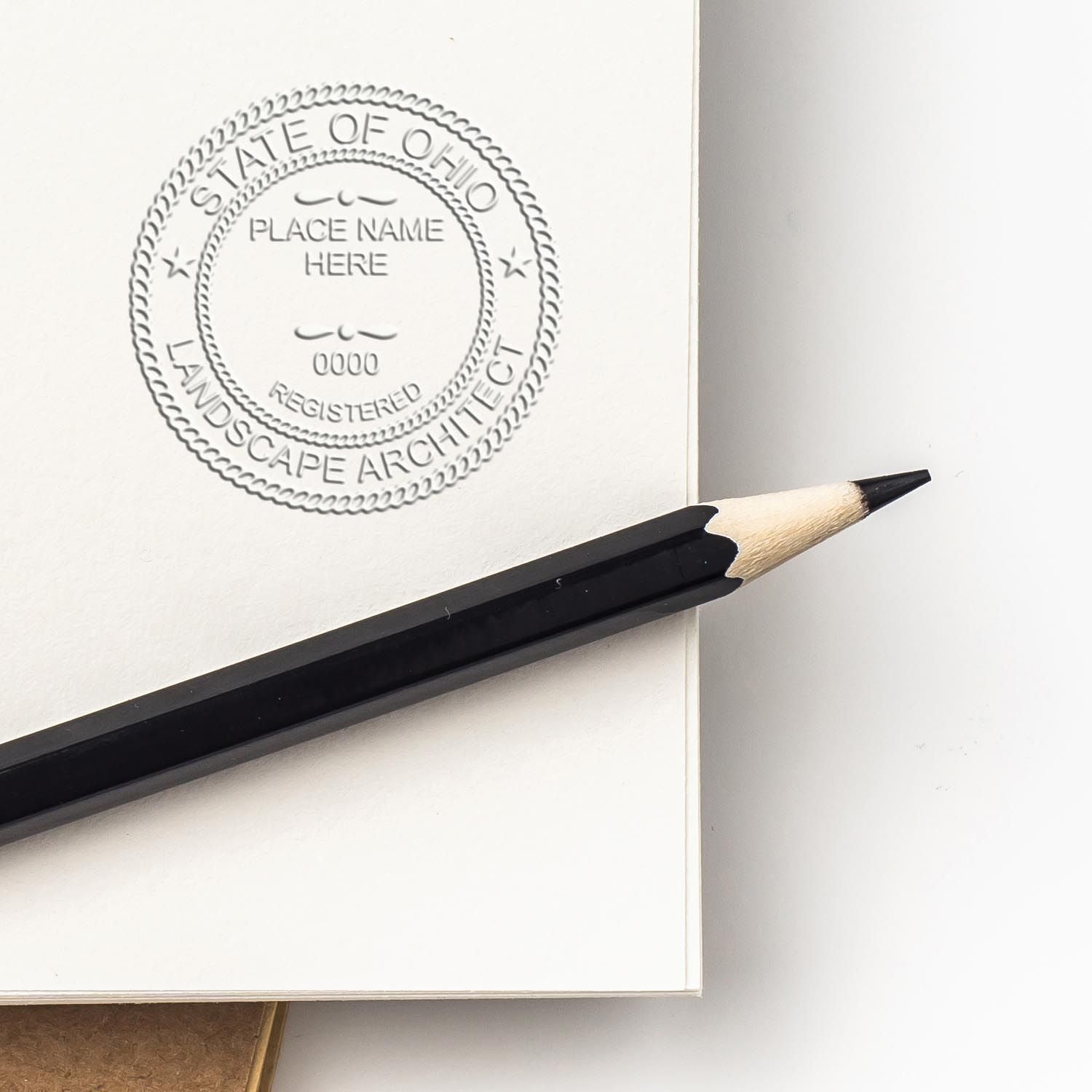


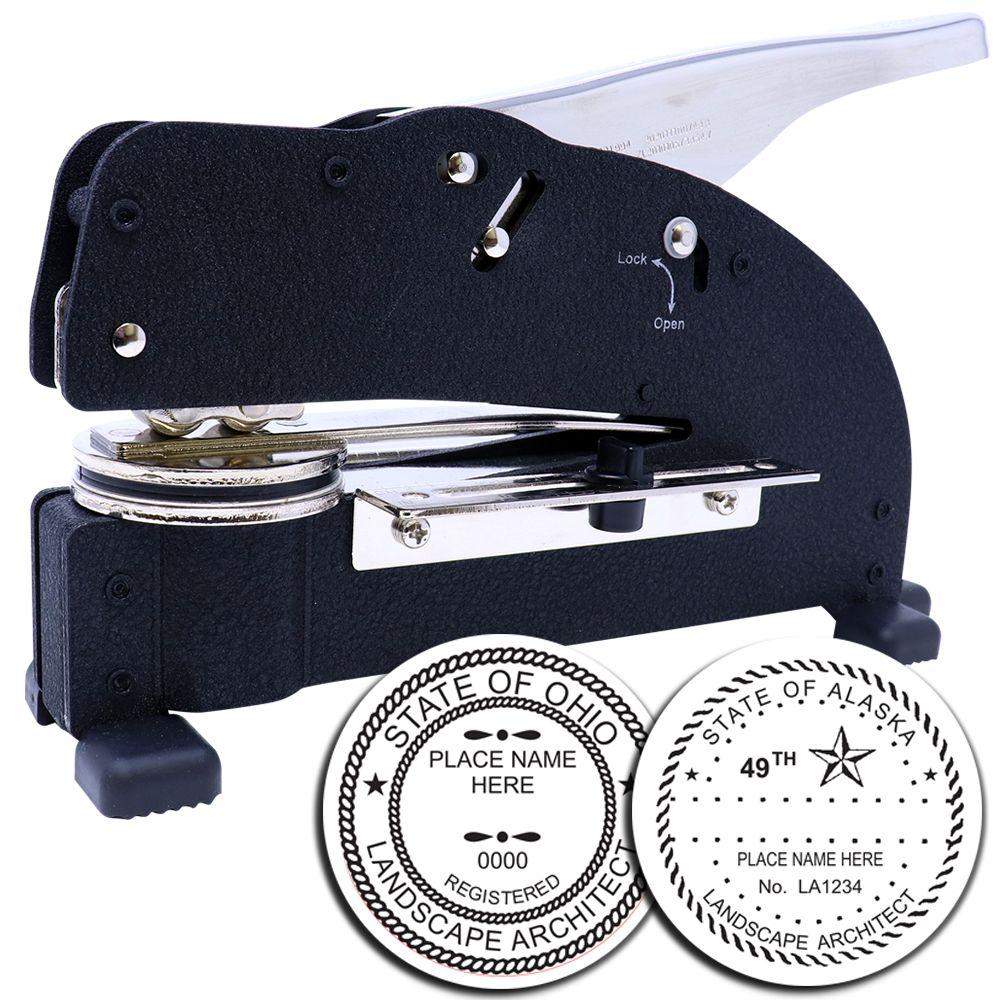
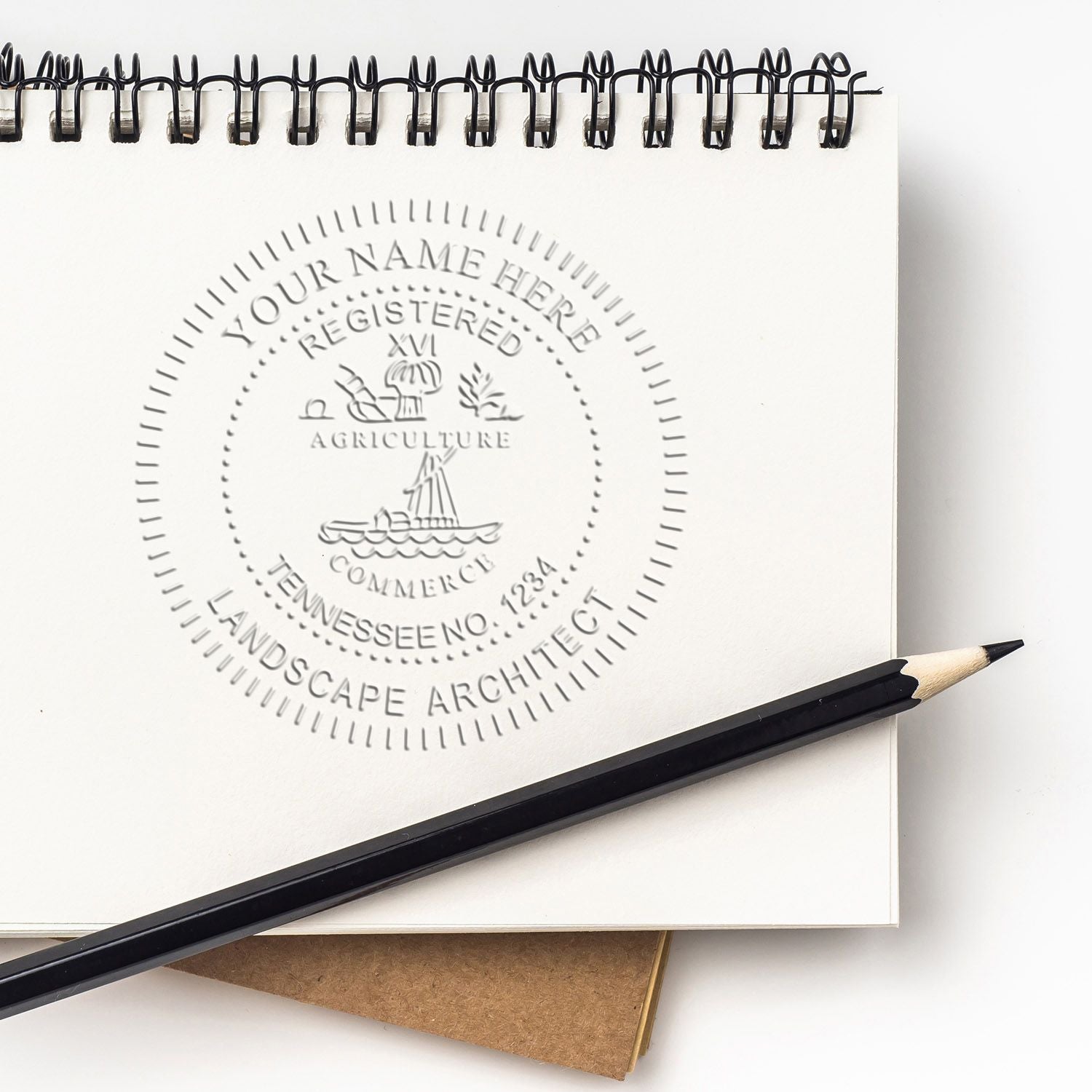
Below is a handy comparison table to help you decide:
| Stamp Type | Key Features | Pros | Cons |
|---|---|---|---|
| Self-Inking | Built-in ink pad | Quick, convenient, minimal mess | |
| Pre-Inked | Ink infused in the stamp die | Creates crisp, consistent impressions | Tends to be more expensive |
| Traditional Ink | Classic rubber, separate ink pad | Flexible, can change pad color at will | Can be messier if not handled carefully |
| Embosser | Presses raised impression into paper | Distinctive, formal appearance, no ink needed | Requires more force, can be cumbersome for large volumes |
Your choice truly depends on your daily workflow. For instance, if you stamp multiple documents a day, a self-inking or pre-inked model may be more convenient. But if you only stamp occasionally and prefer a timeless look, an embosser might be perfect. There’s no single right answer, just pick the format that lines up best with how you typically handle your stamped documents.
Discover Key Stamp Features
A quality stamp can make your life easier. So how do you evaluate what’s good versus what’s going to land you in trouble? Here are a few features to keep an eye on:
Durability of Materials
Look into models made of sturdy plastic or metal frames, especially if you’ll be stamping frequently. Lightweight designs might feel cheaper, but they can still be durable if they’re from a reputable supplier.Crisp Impressions
Verify that the stamp die (the part that actually makes contact with the paper) is made with precision. Blurry text or soft edges won’t look professional, and they can make your name or license number hard to read.Proper Sizing
Maine’s licensing regulations may specify a stamp diameter (if it’s round) or set dimension requirements. Always confirm the exact size mandate to avoid the hassle of re-ordering if you get it wrong.Portability
Some stamps and embossers are pretty bulky, so if you travel between projects a lot, look for a compact model. Make sure it’s easy to stow away without risk of damage.
Tying all these features together is the hallmark of a good supplier. The best businesses will make it clear why their stamp materials excel. That way, you go into your purchase with confidence and focus on your actual landscape architect work, rather than worrying about another piece of office equipment.





Rely On A Trusted Supplier
You’d probably agree there’s nothing worse than having to reorder a professional stamp because the first one wasn’t up to state standards. That’s why picking the right company matters so much. We recommend searching for a vendor with a proven track record, someone who knows the ins and outs of Maine regulations and offers friendly customer service when you have questions.
Acorn Sales, for instance, has been around since 1964 and specializes in official stamps and seals for a variety of professional fields. Not only do they understand the licensing requirements in Maine, but they also offer a free digital seal when you purchase your physical stamp. That digital seal can be a lifesaver if you need to submit electronic documents for quick approvals. Having both physical and digital options lends some extra flexibility to your day-to-day tasks. This balanced approach is especially useful when you have multiple projects on tight deadlines and need to send stamped documents by email or online portals.
When you partner with a well-established supplier, you’re less likely to run into issues with incorrect designs, slow shipping, or poor-quality impressions. Plus, you can typically call them if you need to re-check the state’s guidelines or confirm you’ve used the right license information. That personalized level of support can take away a lot of stress from the ordering process and help you feel confident about your final product.
Maintain Compliance With Maine Rules
It’s not enough simply to buy your stamp. Once it’s in your hands, you’ll want to stay on top of state regulations so your seal remains valid. If you let your professional license lapse, or if you need to update your name or license number, be sure to order a new stamp that reflects those changes right away.
Here are a few best practices:
Keep Your License Current
Renew your Maine license on time. If the licensing board updates any rules about sealing documents, be sure to adapt your routine accordingly.Use The Stamp Appropriately
Don’t stamp documents you haven’t personally overseen or created. It’s all part of professional ethics, your stamp signals that you reviewed and approved that design.-
Store The Stamp Securely
Keep your Maine landscape architect stamp or seal in a safe spot, such as a locked drawer. You don’t want anyone else using it without your permission. Revisit Regulations Regularly
Maine’s guidelines for landscape architects may evolve over time. Paying attention to official updates helps you keep your stamp usage perfectly legal.
Staying compliant involves more than following rules. It’s about safeguarding your reputation, maintaining consistent project standards, and ensuring the integrity of your work. After all, nothing sours a client relationship faster than a regulatory snag. By staying proactive, you’ll avoid last-minute panic and keep focusing on creating beautiful, functional outdoor spaces for the people of Maine.
Ordering your Maine stamp
Congratulations! You’re now well-equipped to handle everything surrounding your Maine landscape architect stamp order. You know the importance of adhering to state guidelines, the various stamp types available, and the best practices for using your seal effectively. Placing your order can be a stress-free process when you take a moment to confirm your license details, decide which format suits you best, and partner with a reliable supplier like Acorn Sales (in business since 1964 and offering free digital seals).
Once you have your stamp, it’s all about consistent professional use. Keep your license current, follow Maine’s protocols, and don’t forget to store that seal securely. After all, you’ve invested significant time and effort into becoming a licensed landscape architect, so protecting your credential is worth the extra care. If you have a unique stamping tip or a favorite trick for staying organized, feel free to share it with others who might be in the same boat. And rest easy knowing that your work, backed by your official stamp, is recognized in the great state of Maine. Go forth and design outdoorsy wonders with complete confidence!
Frequently Asked Questions
What Information Must Appear On My Maine Stamp?
Your full professional name, your license number, and a clear reference to your title (Landscape Architect) typically belong on the stamp. Check Maine’s latest guidelines to ensure you meet all requirements.
Can I Get A Digital Seal Instead Of A Physical Stamp?
Yes, you can. Many states, including Maine, now accept digital seals. Acorn Sales provides a free digital seal with a physical stamp purchase, which is super handy if you handle online submissions.
Is An Embosser A Valid Option In Maine?
Yes, an embosser is generally valid. Just confirm that your design follows Maine’s official specifications. Some professionals like the raised effect because it feels more formal and durable for official documents.
Can I Share My Seal With Another Licensed Professional?
No, you shouldn’t. Your seal is unique to you and serves as your personal signature on official documents. Sharing it could raise major ethical and legal concerns.
Does Ink Color Matter In Maine?
Usually Maine doesn’t specify an official ink color. However, your stamping or sealing impression must be legible. Double-check the guidelines or ask your supplier if you’re unsure about color rules.








