

Defining The Maryland Landscape Architect Seal
Professionals often seek a reliable solution for a Maryland landscape architect seal online. They must satisfy state regulations, ensure document authenticity, and uphold quality standards. This seal is mandatory for authorized drawings, project submissions, and official reports.
Maryland’s legal framework requires licensed landscape architects to place an accurate impression of their seal on final documents. This practice distinguishes authorized work from unauthorized practice. When designers need to secure their credentials, they typically look for a convenient, compliant, and clearly readable seal.
Official Regulations And Standards
The Maryland Department of Labor oversees professional licensing. Landscape architects must follow specific rules about seal content, diameter, and usage. Each seal should display the licensee’s name and relevant credentials.
Accuracy remains important. If the seal has errors in text or layout, officials may reject an entire submission. Designers who follow these rules simplify their approval process and avoid legal issues. For full compliance, they keep a current license and ensure the seal meets each updated guideline.
Where To Find Quality Seals Online
Online vendors provide fast access to professional-grade seals. These suppliers often specialize in multiple states, including Maryland. Their catalogs include stamps, embossers, and often digital options.
Among these providers, Acorn Sales stands out for reliability and longevity. They have been in business since 1964 and offer a free digital seal with certain purchases. Their catalog covers embossing devices, pre-inked stamps, and everything in between. They also ensure that each item meets state-approved specifications. Sourcing a Maryland landscape architect seal online from a trusted supplier can save time and reduce errors in final documents.
Types Of Seals And Stamps
Maryland regulations allow a variety of physical and digital options. Landscape architects usually decide between three main product types, based on personal preference and document requirements.
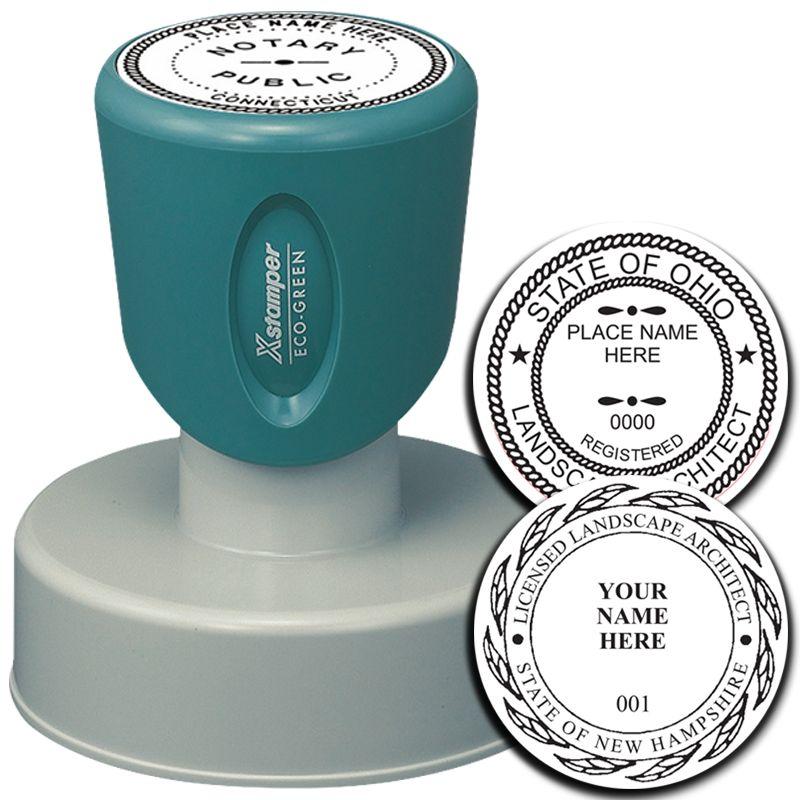
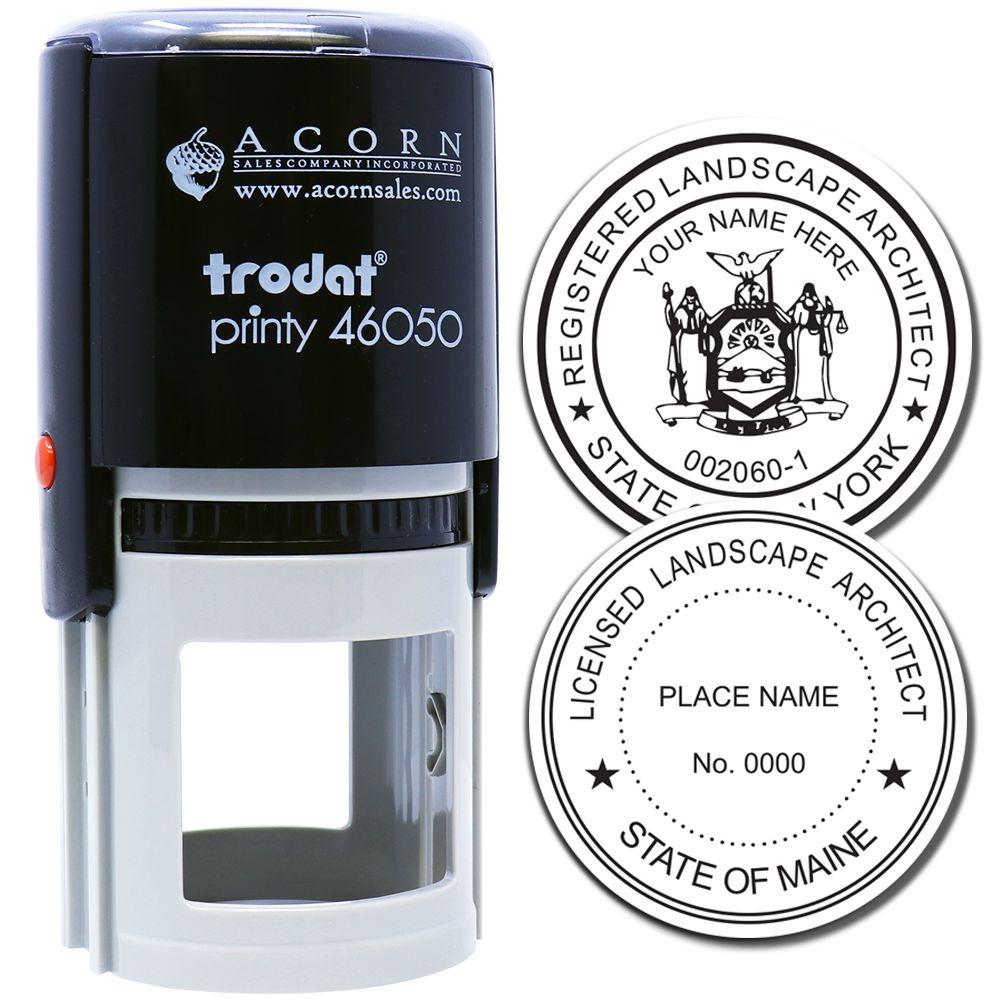
Self-Inking Stamps
A self-inking stamp has an internal ink pad. This design produces rapid stamping on large document sets. Architects with high output benefit most from this convenience.





Pre-Inked Stamps
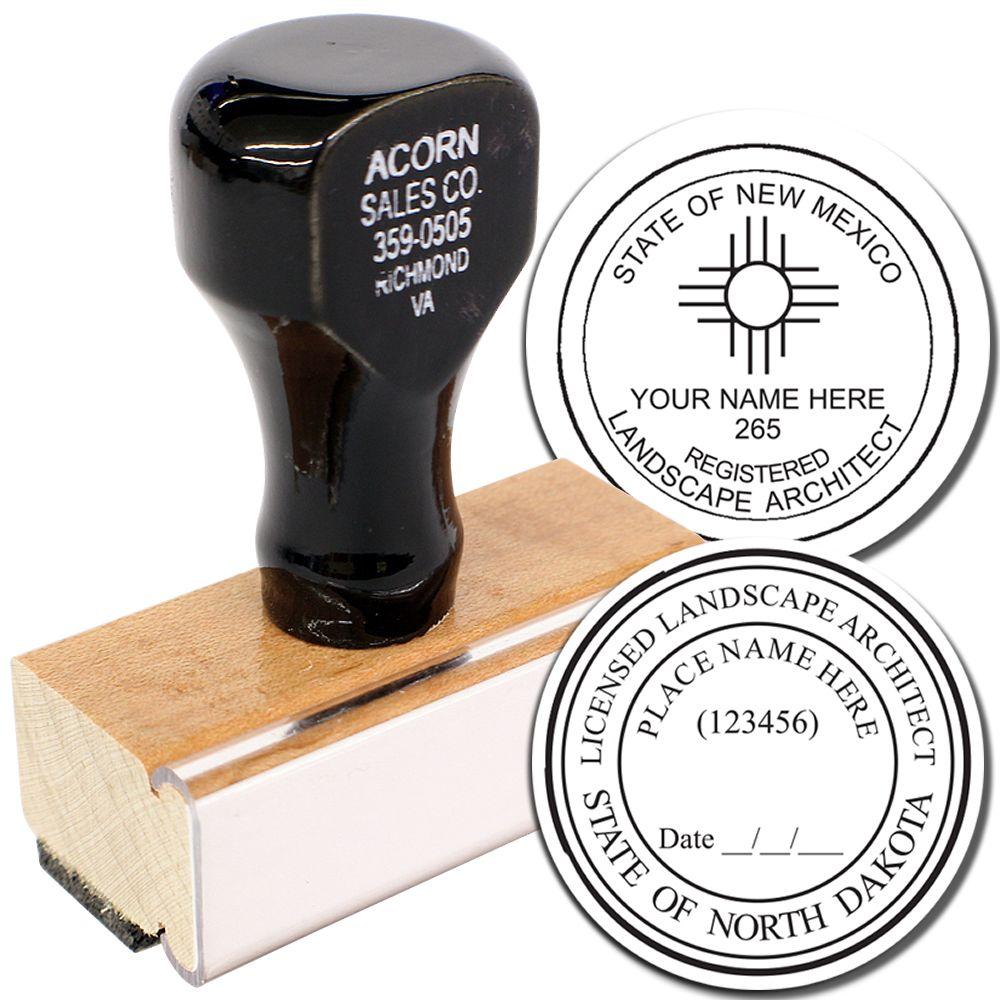
Pre-inked stamps generally offer crisp, detailed impressions. They use special ink reservoirs for longer-lasting performance. Many professionals value this clarity for formal submissions. They do tend to cost a bit more, but quality remains high.
Embossing Seals
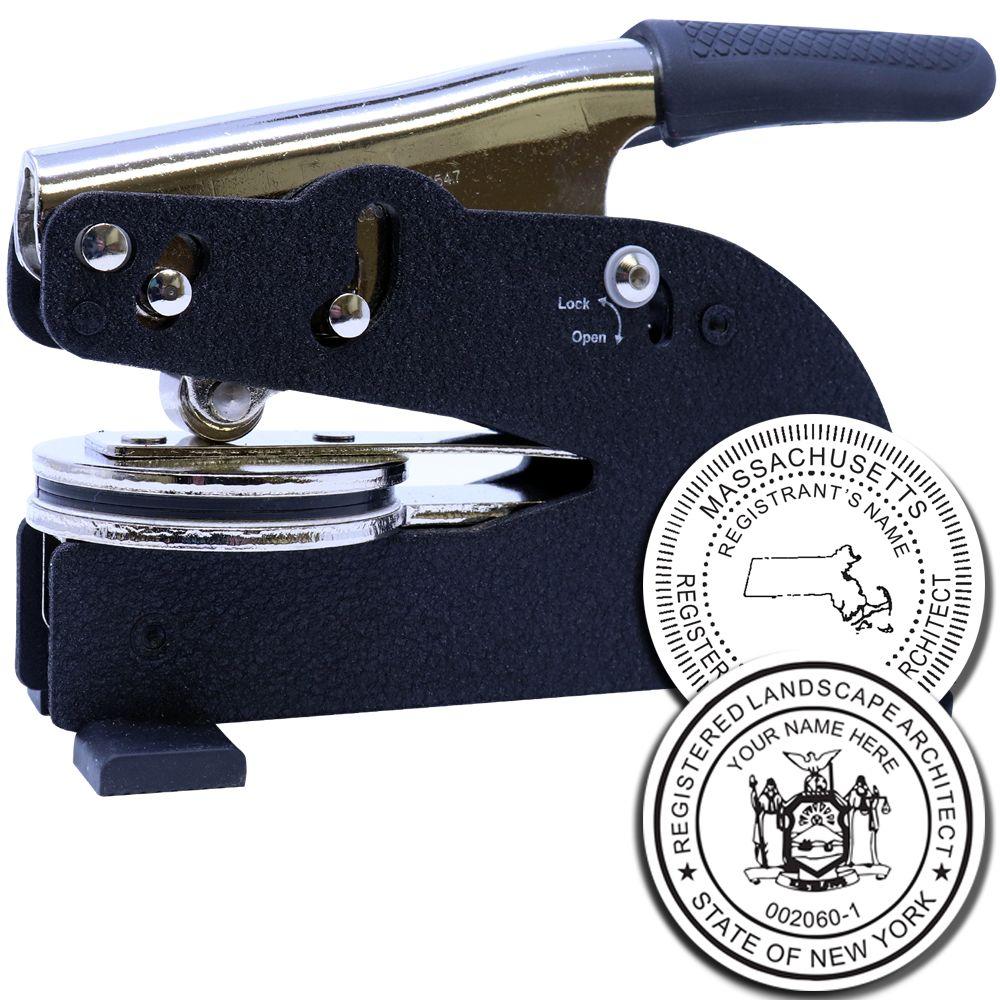
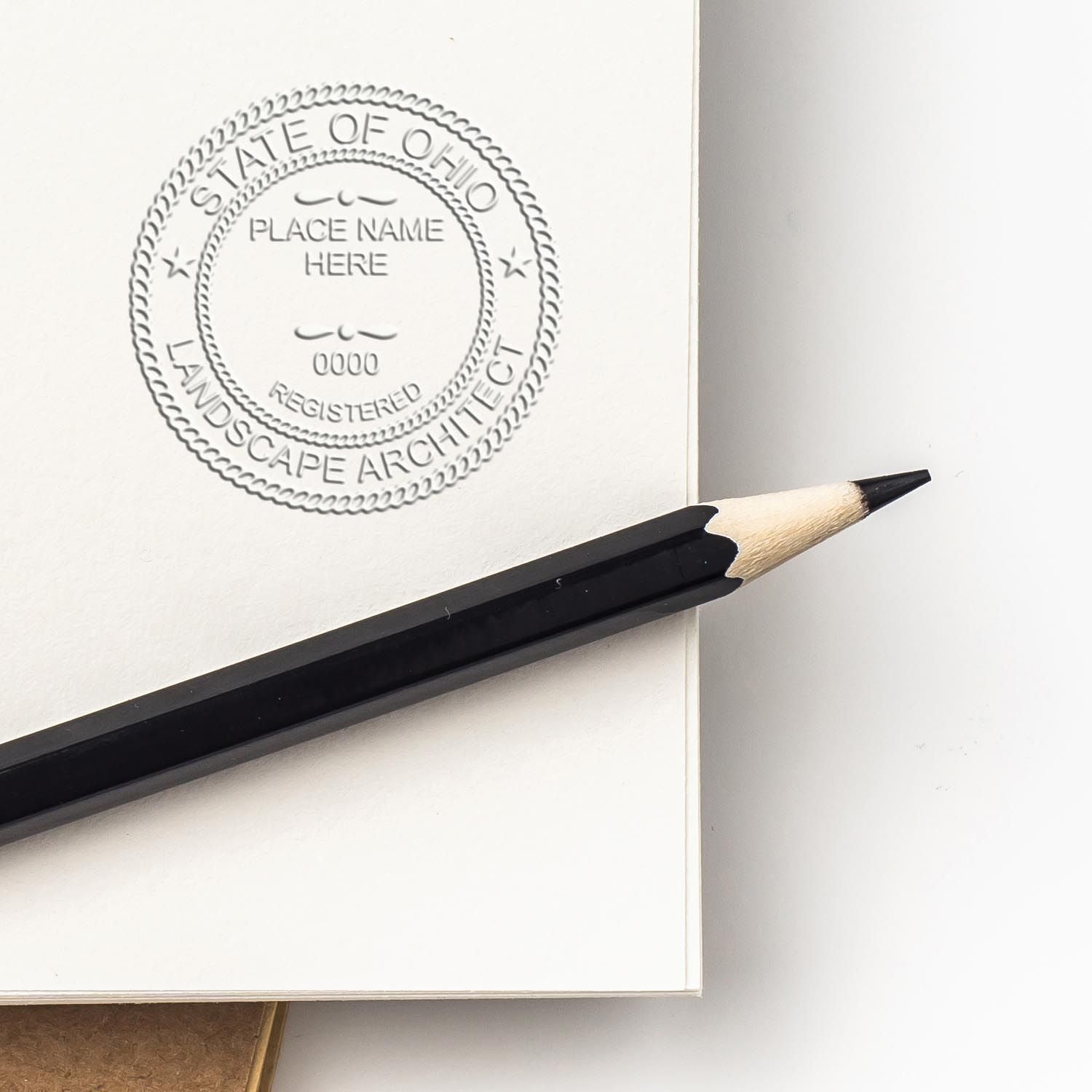
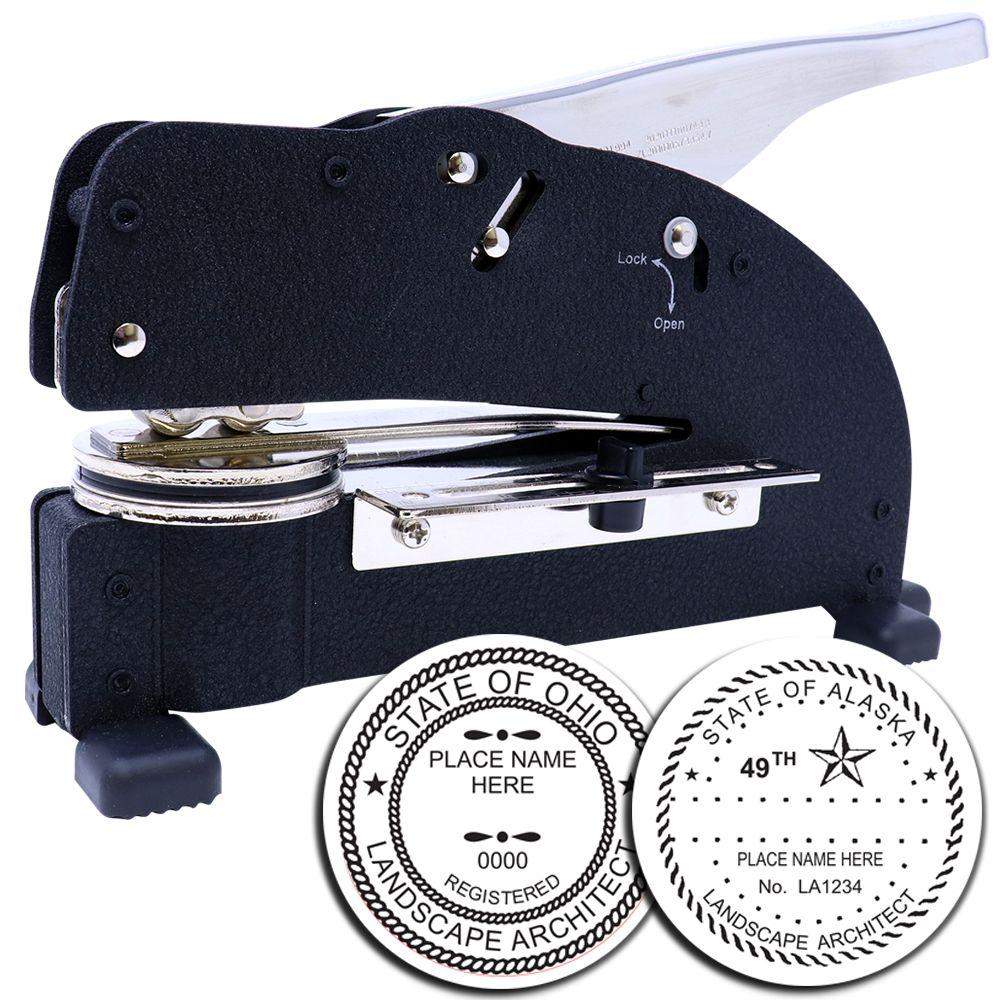
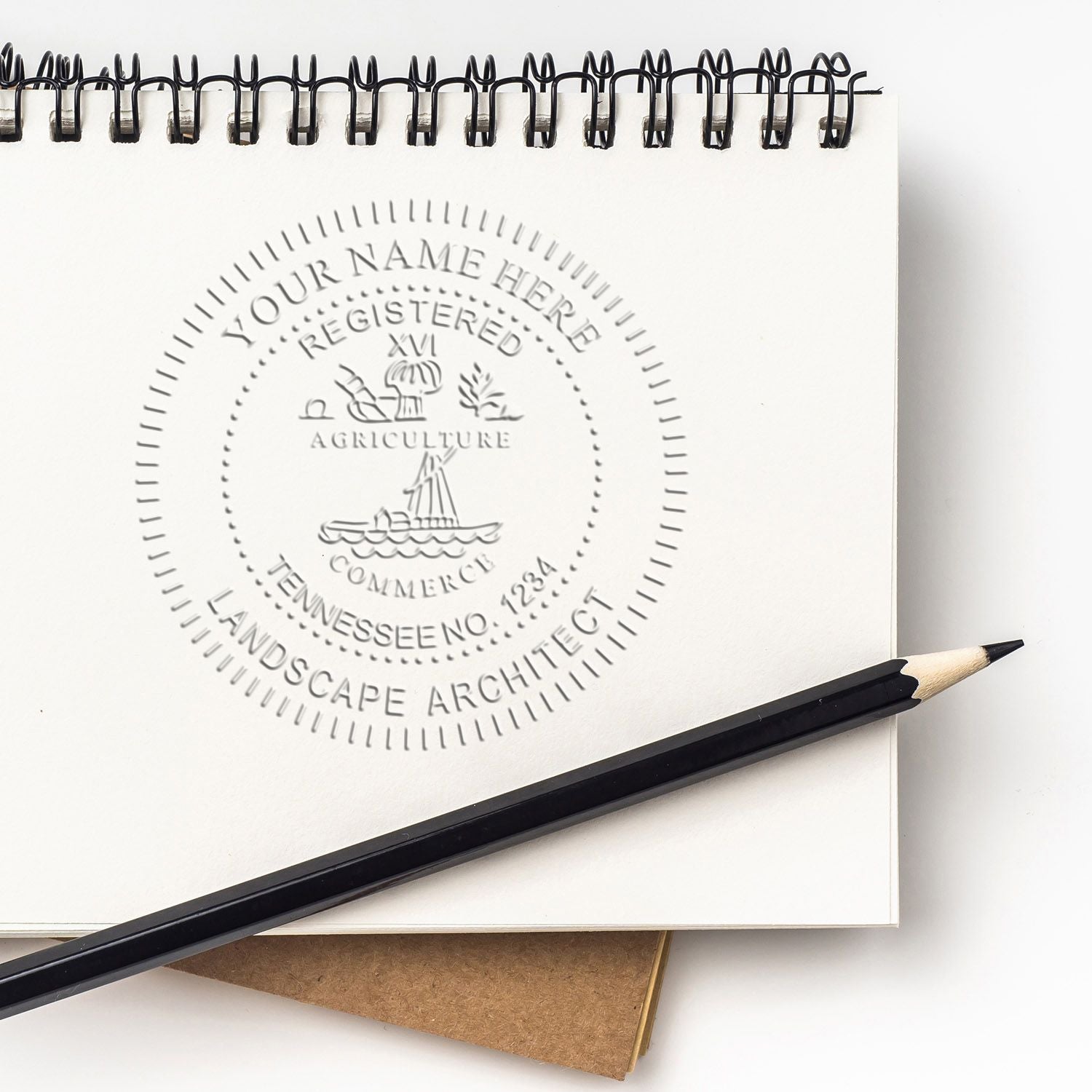
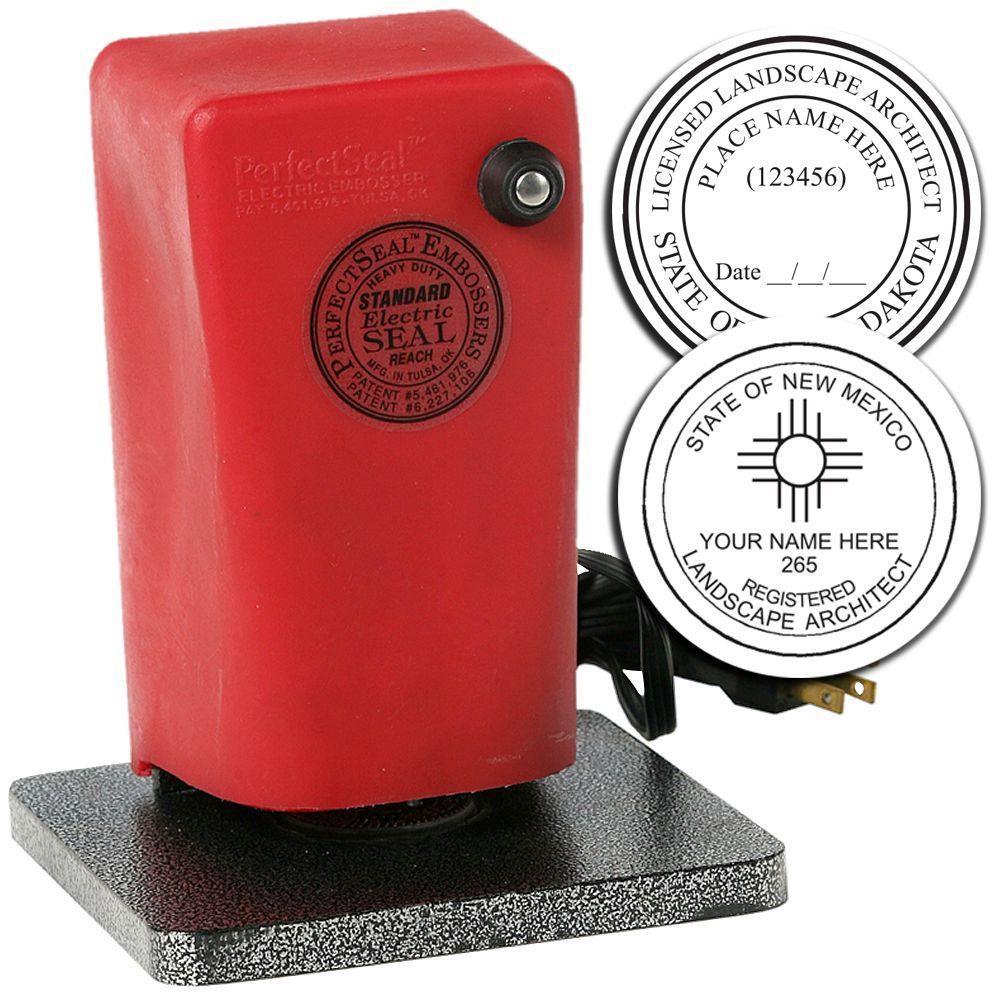
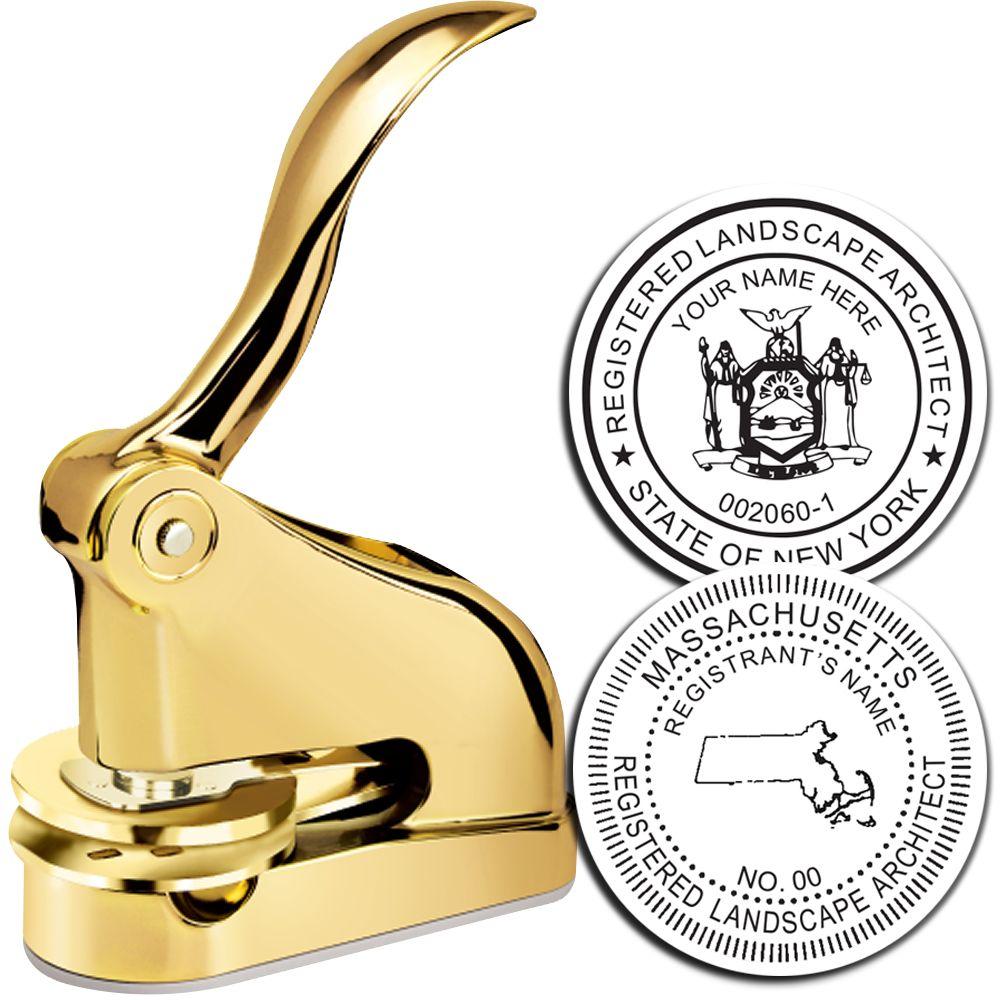
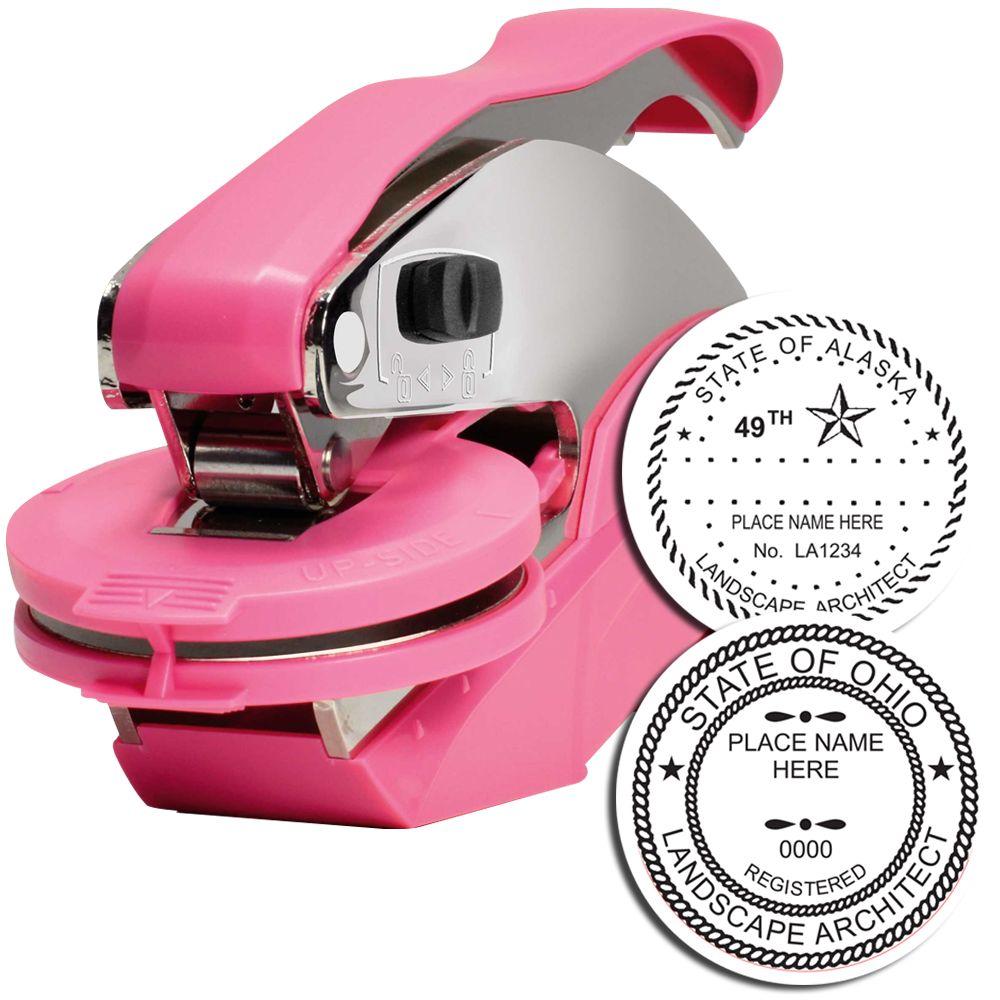
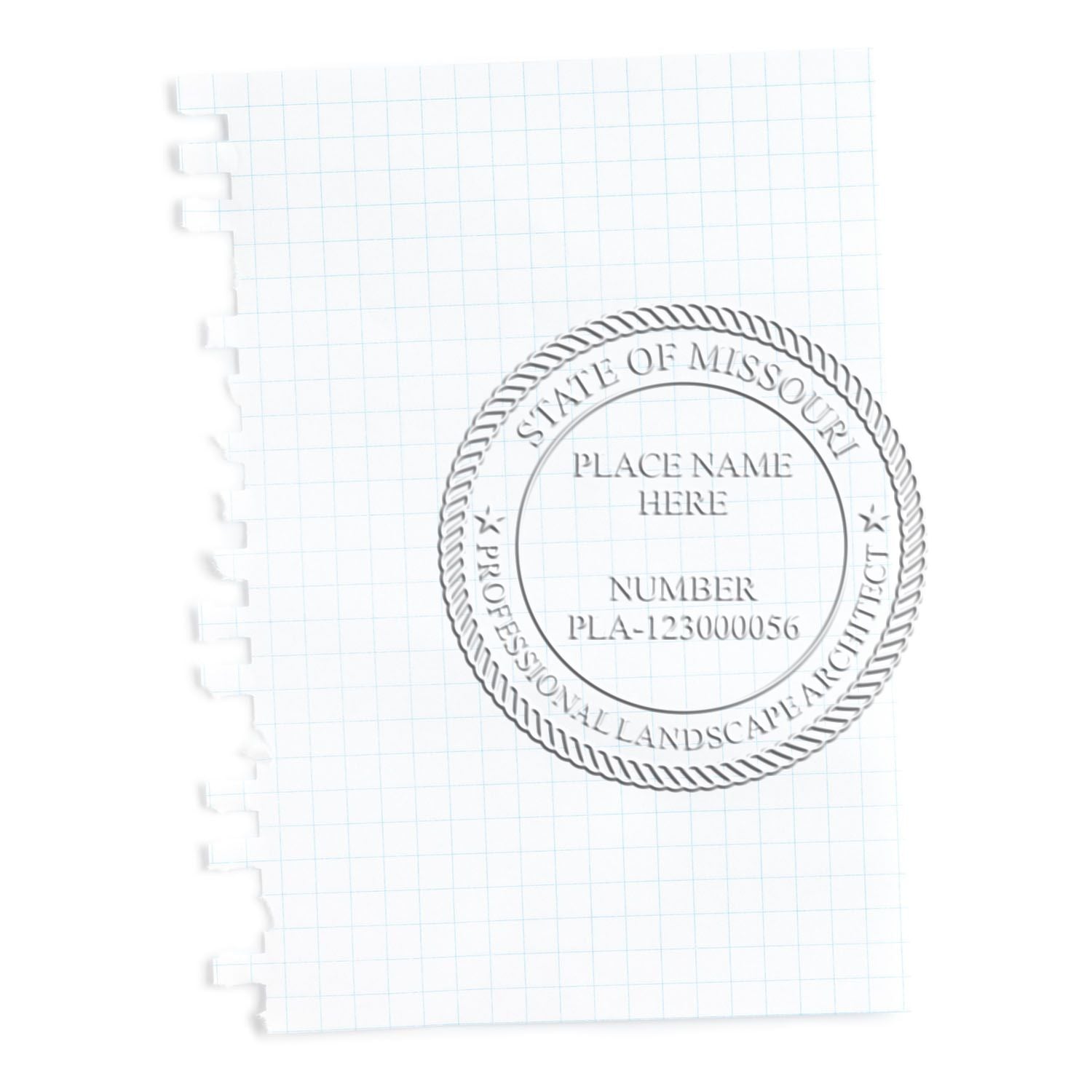
An embossing seal manually creates a raised impression. This texture adds security and sophistication. These seals do not require ink. They produce a tactile imprint that is hard to replicate or modify. On the other hand, they require physical force to press documents, which can become tiring if used on large stacks.
Below is a simple comparison table:
| Seal Type | Key Feature | Pros | Cons |
|---|---|---|---|
| Self-Inking | Built-in ink pad | Fast stamping | Ink pads require occasional replacing |
| Pre-Inked | Ink reservoir inside the body | Sharp impressions, long-lasting ink | Usually higher cost |
| Embossing | Raised imprints, no ink needed | Elegant finish, secure impression | Requires manual pressure |
Ordering Steps And Tips
Searching for a suitable seal involves a few key steps. First, confirm your official name and license number. The seal must match the records on file with the Maryland licensing authority.
Next, verify the design requirements. Double-check the specified diameter and ensure your name and license stand out. Some architects also need a matching stamp device for larger volumes of paperwork. In many cases, they choose a Maryland Landscape Architect Stamp to complement the embossed seal. Both can share identical text, so all documents maintain a uniform look.
Finally, compare shipping times and total costs. Review the vendor’s return policy in case any detail needs a tweak. If the company offers an additional digital file, it can be extremely useful for online or paperless submissions. Once everything is confirmed, completing the purchase takes only a few clicks.
Common Pitfalls And How To Avoid Them
Some professionals overlook official guidelines. That can lead to rework, missed deadlines, and potential penalties. Checking current Maryland licensing rules prevents confusion. Regulations may change, so using outdated guidelines could cost time or money.



Another pitfall involves buying from unverified sellers. Bargain-basement options sometimes yield unclear or misspelled impressions. Faulty designs can tarnish an architect’s reputation and cause reviewers to question the authenticity of the material. Verifying the company’s track record is a vital safeguard.
Inconsistent impressions also create complications. If blueprints and supporting documents show multiple seal styles, officials may wonder if the project is legitimate. Consistency across all deliverables helps maintain a professional image and clear project submission flow.
About Acorn Sales
Acorn Sales is known for serving professionals nationwide. They have offered stamps, seals, and marking tools since 1964. Their specialists understand each state’s unique requirements. This insight ensures clients receive a product that aligns with local regulations.
The company also provides a free digital seal. That helps architects handle electronic deliverables, especially as green initiatives grow. Clients appreciate the quick turnaround, detailed customer service, and dependable product range. When they need a Maryland landscape architect seal online, many turn to Acorn Sales for quality, speed, and consistency.
Acorn Sales follows a thorough quality check process. Each physical seal is tested for clarity and alignment. They also verify that digital seals meet state standards for design and text layout. This attention to detail helps architects avoid rejections and keep their schedules on track.
Ensuring Long-Term Compliance
Once a product ships, the professional’s responsibility continues. Maryland boards may update rules, or the architect’s license number might change over time. Regularly reviewing local laws and renewing credentials protect the seal’s validity.
Storing physical stamps in a clean, dry place preserves crisp impressions. Exposure to moisture can degrade ink or rust metal parts. Meanwhile, digital seals should remain password-protected. This reduces the risk of unauthorized use. A disciplined approach helps professionals preserve the stamp’s value for many years.





Navigating Digital Submissions
Many agencies now accept e-filed documents that require a digital seal. This shift can save paper, postage, and time. Still, digital sealing must follow the same content guidelines used for physical devices.
File formats often need to support a clear image of the seal. Architects should confirm if the reviewing department prefers a PDF or other file type. Some offices require password-protected stamping or specialized software. Ensuring compatibility eases each submission and reduces potential technological snags.
Balancing Cost And Quality
Price is a factor for any purchase, yet quality cannot be ignored. Low-cost offers sometimes cut corners, resulting in dull or uneven impressions. If an office rejects a substandard seal, the resulting delays might cost more than a higher-quality option.
Evaluating warranties can provide peace of mind. Some vendors replace or repair faulty stamps at no charge. Checking a company’s return policy can also help. A flexible, customer-friendly approach shows confidence in their product line. Buyers who review these features often discover that a slightly higher initial investment pays off in reliability.
Working With State Boards
Landscape architects must maintain open communication with the Maryland state board. They keep track of changes in certification requirements, official text for seals, and relevant updates to renewal deadlines. If confusion arises about layout or wording, a quick outreach can clarify matters.
Timely updates help professionals adjust the seal’s design before problems occur. This proactive habit saves time. It also builds trust between architects, regulators, and clients. Straightforward compliance leads to smoother reviews, faster approvals, and a stronger professional reputation.
Additional Considerations For Large Firms
Architectural firms with multiple team members often need standardized seals across employees. Consistency helps unify brand identity and ensures uniform documentation. A designated staff member might oversee seal orders, renewals, and updates.
Providing internal training also proves useful. New hires can learn how to apply seals correctly on different document types. A quick reference guide can illustrate correct stamping positions and compliance tips. These efforts reduce errors when employees serve multiple clients or juggle multiple projects.
Environmental Responsibility
Many architects favor digital solutions for eco-friendly benefits. Digital seals reduce the need for paper reprints. They also save ink and lessen the carbon footprint from shipping physical products.
Still, printed originals remain essential in some cases. For clients or authorities who demand hard-copy versions, an embossing seal can create an elegant impression. Balancing digital and physical tools gives a practice the flexibility to meet any client’s preference while remaining waste-conscious.
Why Reliable Service Matters
Receiving a flawed seal at the eleventh hour can stall a project. Prompt customer support ensures replacements arrive quickly if needed. A reputable vendor helps with layout changes, shipping questions, or urgent orders.
Fast turnaround allows design professionals to keep their own deadlines. Each delayed day can erode client trust. In a world where reputations are built on punctuality, a dependable seal provider keeps the process intact.
Integrating Seals In Daily Workflow
Many landscape architects integrate stamp usage into standard procedures. At the finalizing stage of each submittal, they apply the seal to show accountability. This step often follows internal quality checks.
Electronic submittals also include a digital seal layer before distribution. Firms sometimes store a standard file containing the signature block and seal. Then they simply drop it into new documents to save time. This standardized routine promotes consistent project documentation.
Staying informed about statewide requirements safeguards each architect’s professional standing. Selecting a trusted provider means consistent impressions, secure transactions, and timely support. When design firms or solo practitioners need to obtain a Maryland landscape architect seal online, reputable solutions offer reliability and compliance. Through careful planning and an eye for detail, professionals can meet their licensing responsibilities while maintaining smooth operations.
Frequently Asked Questions
What Are The Main Regulations For Maryland Landscape Architect Seals?
Maryland requires each licensed landscape architect to display a seal with specific design features. The seal typically includes the name, license number, and “Licensed Landscape Architect” text. Professionals should confirm these details match official records.
How Often Should A Physical Stamp Or Embosser Be Replaced?
It depends on usage. Heavy stamping may wear down devices faster. High-quality suppliers refurbish embossers if impressions become faint. Regular checks can identify when a device needs upkeep.
Is It Possible To Use Just A Digital Seal For Submissions?
That may work if the relevant agency allows electronic files with authorized digital markings. However, some jurisdictions still request physical copies. Architects often keep both a digital seal and a physical stamp to meet various scenarios.
Does Acorn Sales Offer A Guarantee On Their Seals?
Yes. Acorn Sales is known for dependable products and clear impressions. If there is a defect, they address it promptly. They also offer helpful customer support for reorder issues and design adjustments.
What Happens If Someone Uses My Seal Without Permission?
Unauthorized use can lead to legal repercussions for both the unauthorized user and the architect. Keeping physical stamps secured helps prevent misuse. For digital seals, password protection and secure file storage reduce the likelihood of fraudulent use.








