

Start with the right foundation
Picture yourself stepping into a new phase of your architectural career. You have the skills, you have the passion, and now you need the official stamp to seal the deal. That is where the right architect seal for licensing comes in. Not only is this seal a key step for compliance, but it also shows clients and colleagues that you are serious about your craft. Let’s explore how choosing the right seal can help you move forward with confidence.
Understand the purpose of an architect seal
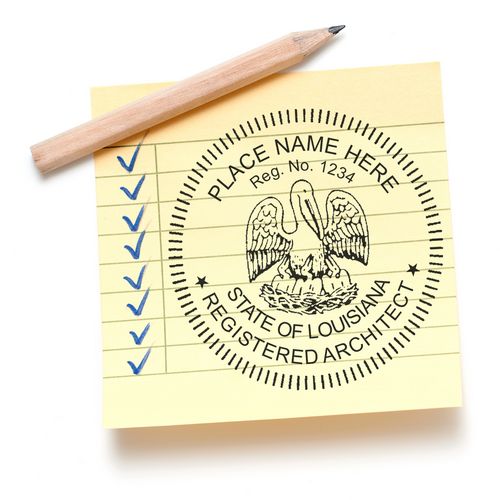
an architect seal serves as your professional signature on plans and documents. When clients or regulatory boards see that seal, they immediately recognize your credibility. Even if you rarely think about it day-to-day, your seal ensures that your work stands up to both legal and industry standards. In many states, sealing your plans is required before they can be used for construction or review. Without a compliant seal, you risk potential project delays or, worse, liability issues.




Demonstrate your professionalism
- Provide official documentation that meets local and state standards.
- Reassure clients and partners that you are licensed and authorized.
- Uphold the industry’s ethical and legal guidelines.
Choose a seal that meets regulations
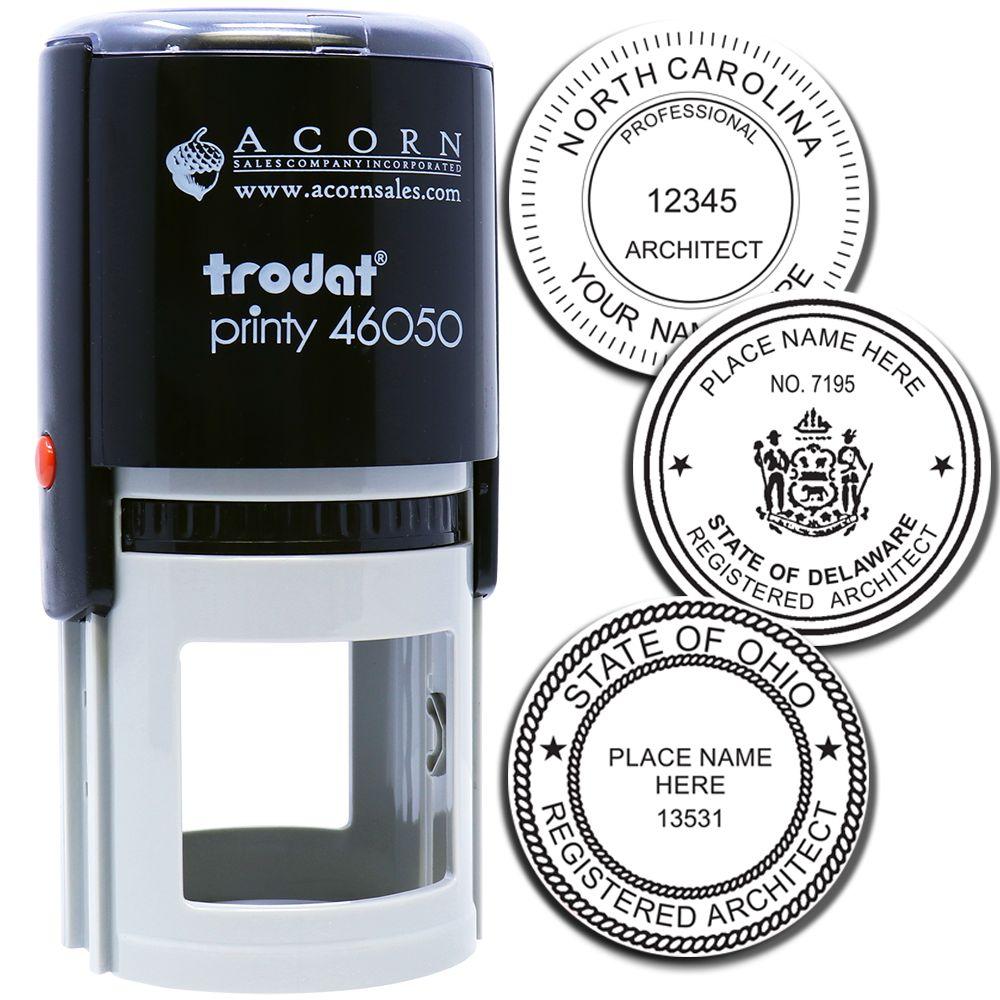
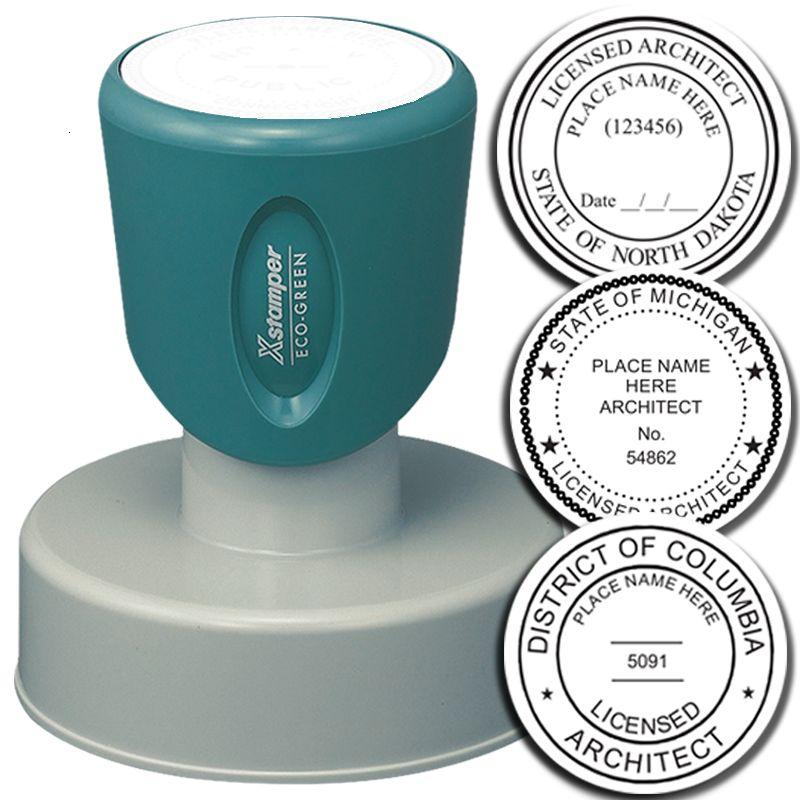
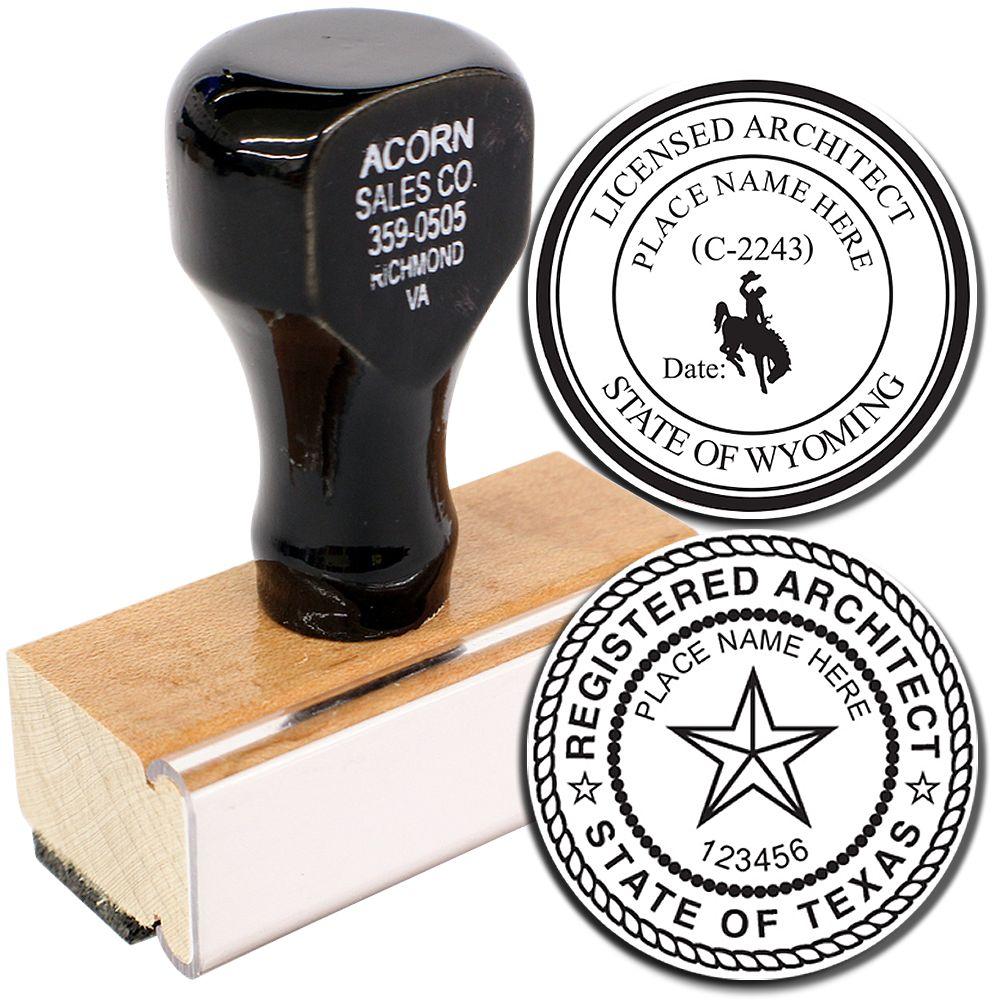
Architectural seals need to follow specific state guidelines. If you are unsure about your state’s requirements, consider referencing your licensing board’s website. These regulations may detail size, format, and even wording for the seal. One of the biggest mistakes people make is purchasing a seal that does not match their state’s layout. Fortunately, brands like Acorn Sales have over half a century of experience (since 1964) helping architects secure the correct seal from day one.
Look for state board compliance
- Confirm your seal meets the board’s size and text specifications.
- Work with a provider that knows each state’s layout and rules.
- Save time by avoiding re-orders or costly corrections.


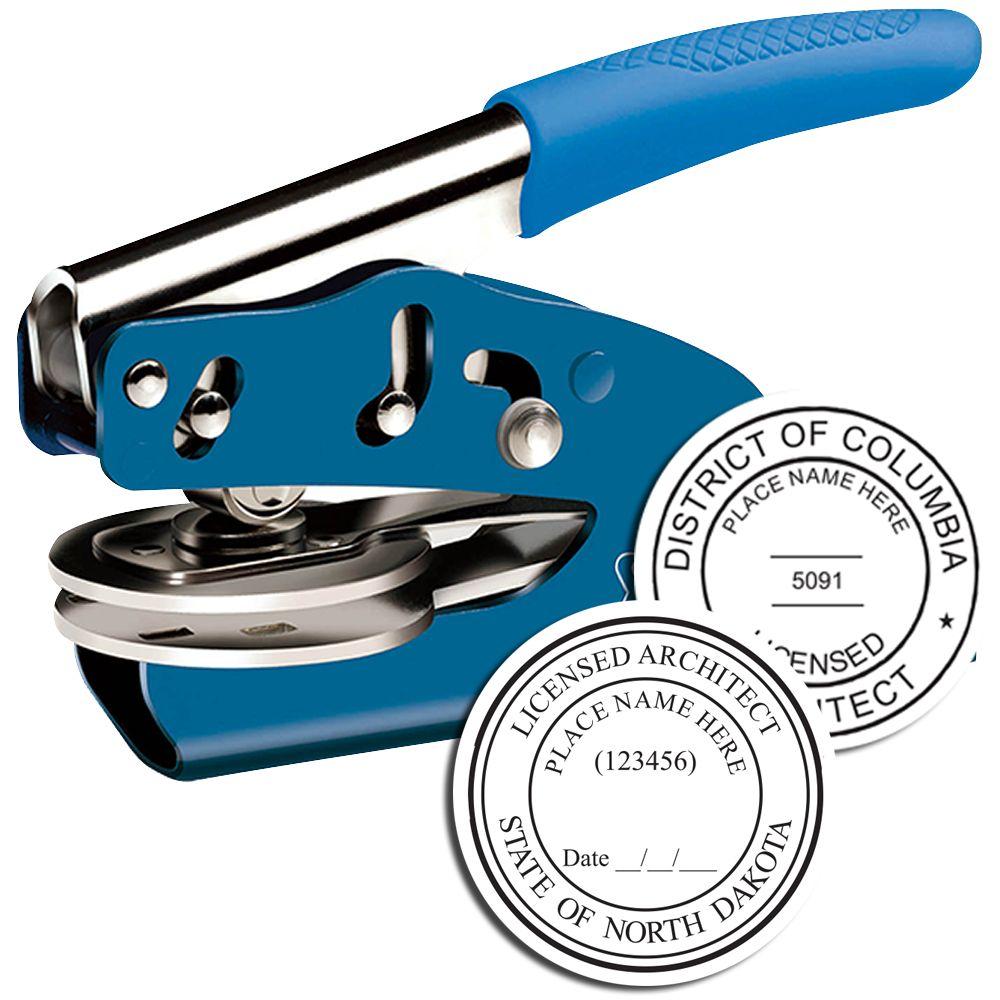

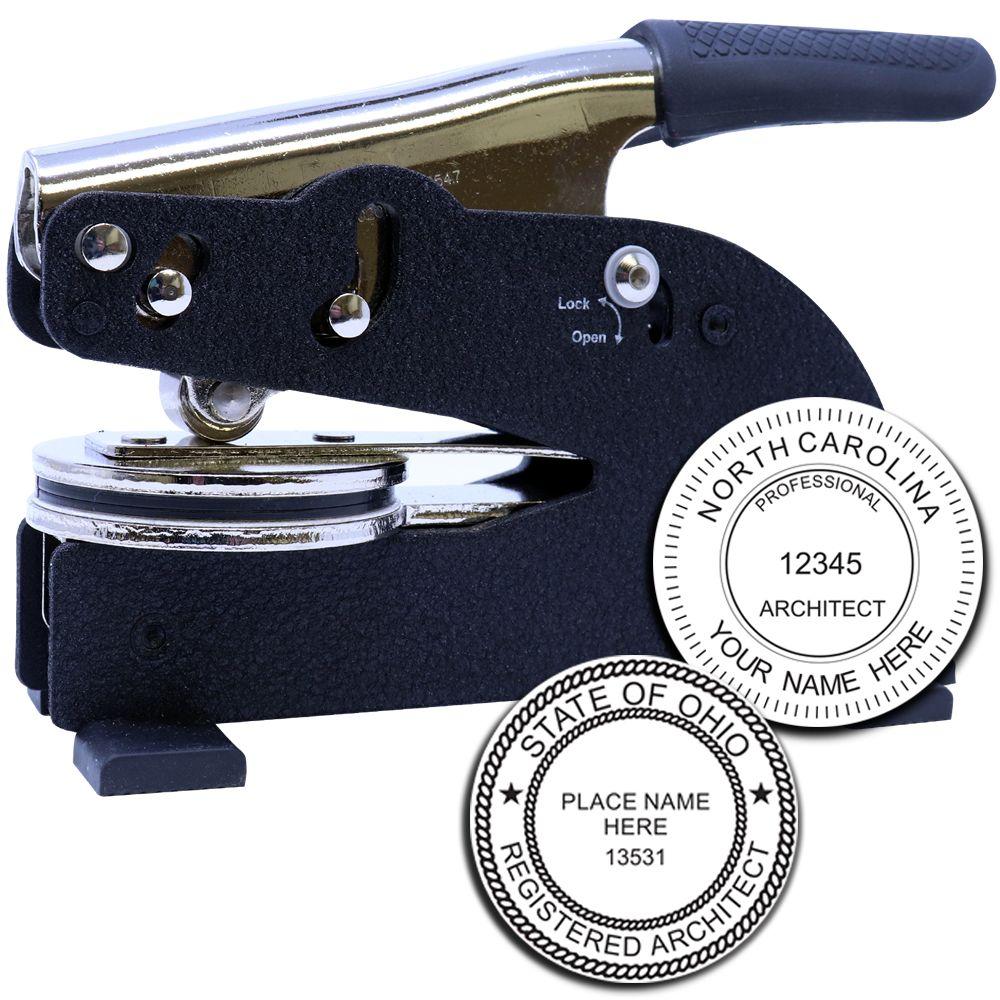
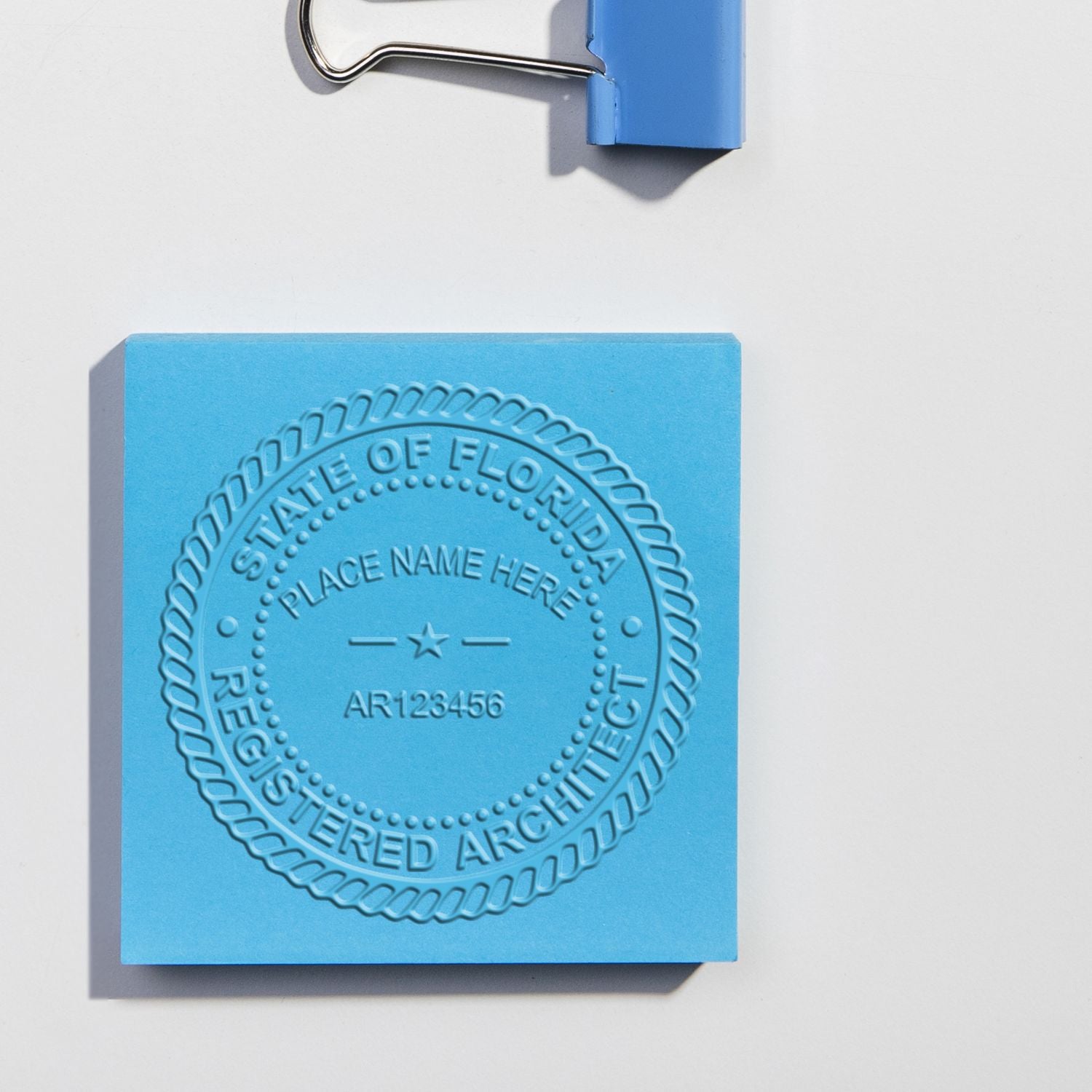
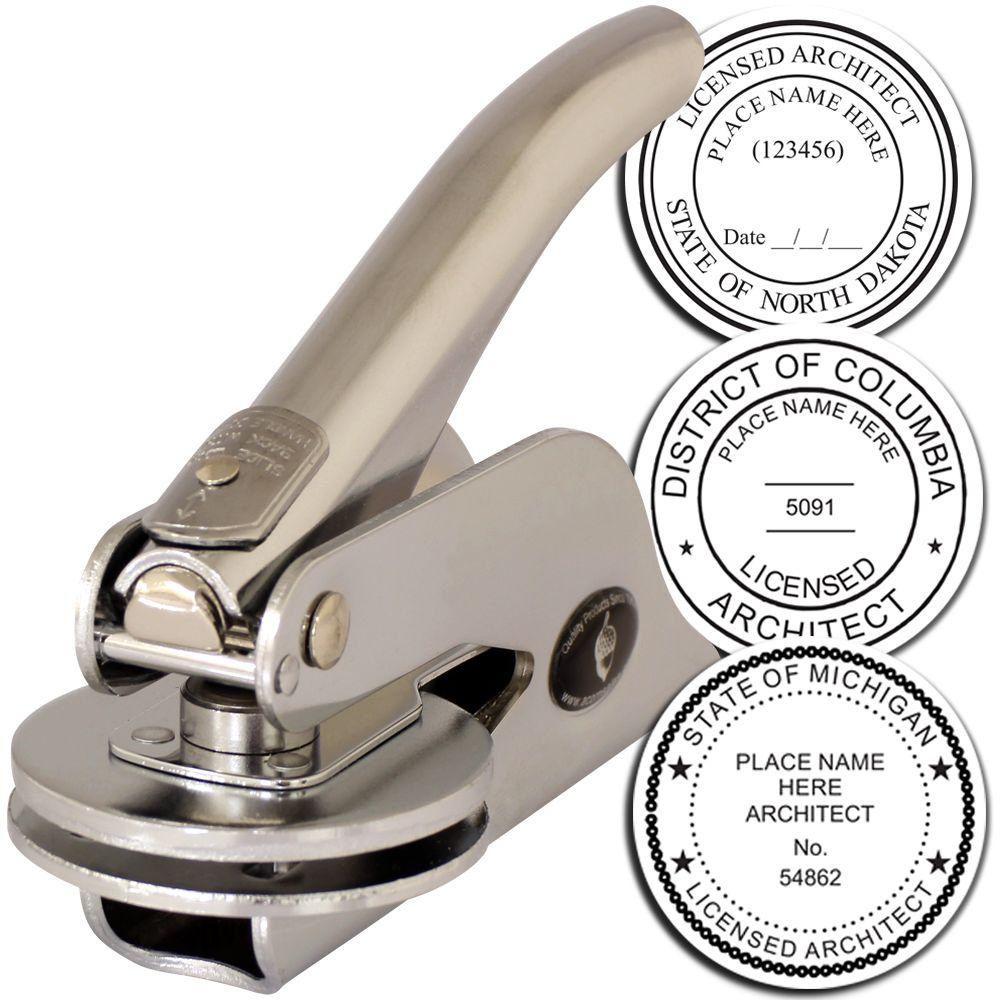
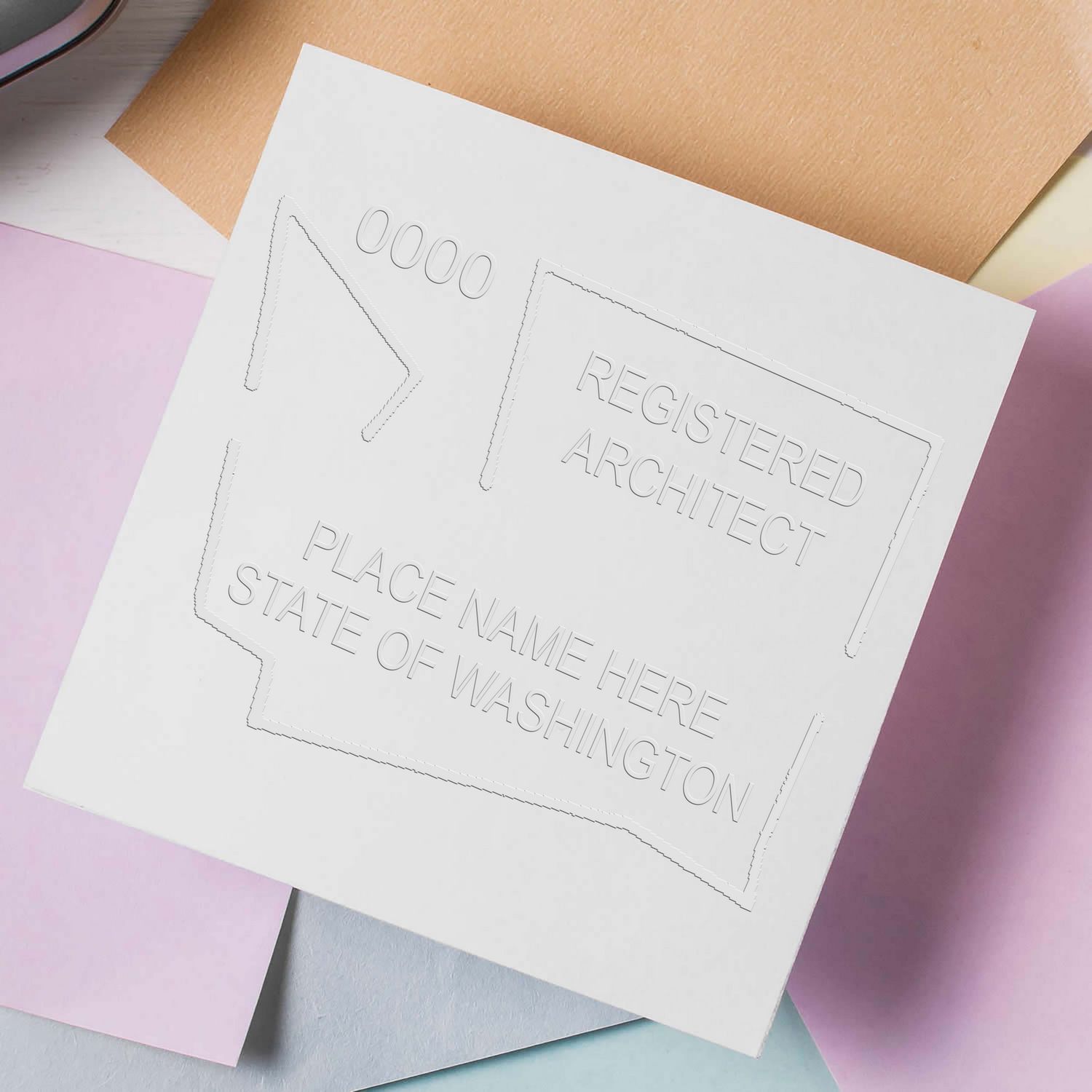
Explore your seal and stamp options
Nowadays, you have both physical stamps and sleek digital seals to consider. A traditional stamp leaves a clear, crisp image on paper, while digital seals give you flexibility for electronic documents. You might even want both if you frequently switch between paper submissions and online portals. Whichever you choose, make sure it complements your style of work.
Why digital plus physical?
- A physical stamp is great for on-site documentation.
- Digital files often require an e-seal for online submissions.
- Some providers, such as Acorn Sales, offer a free digital seal when you purchase a stamp, so you can cover both scenarios without extra hassle.
Find a trusted provider
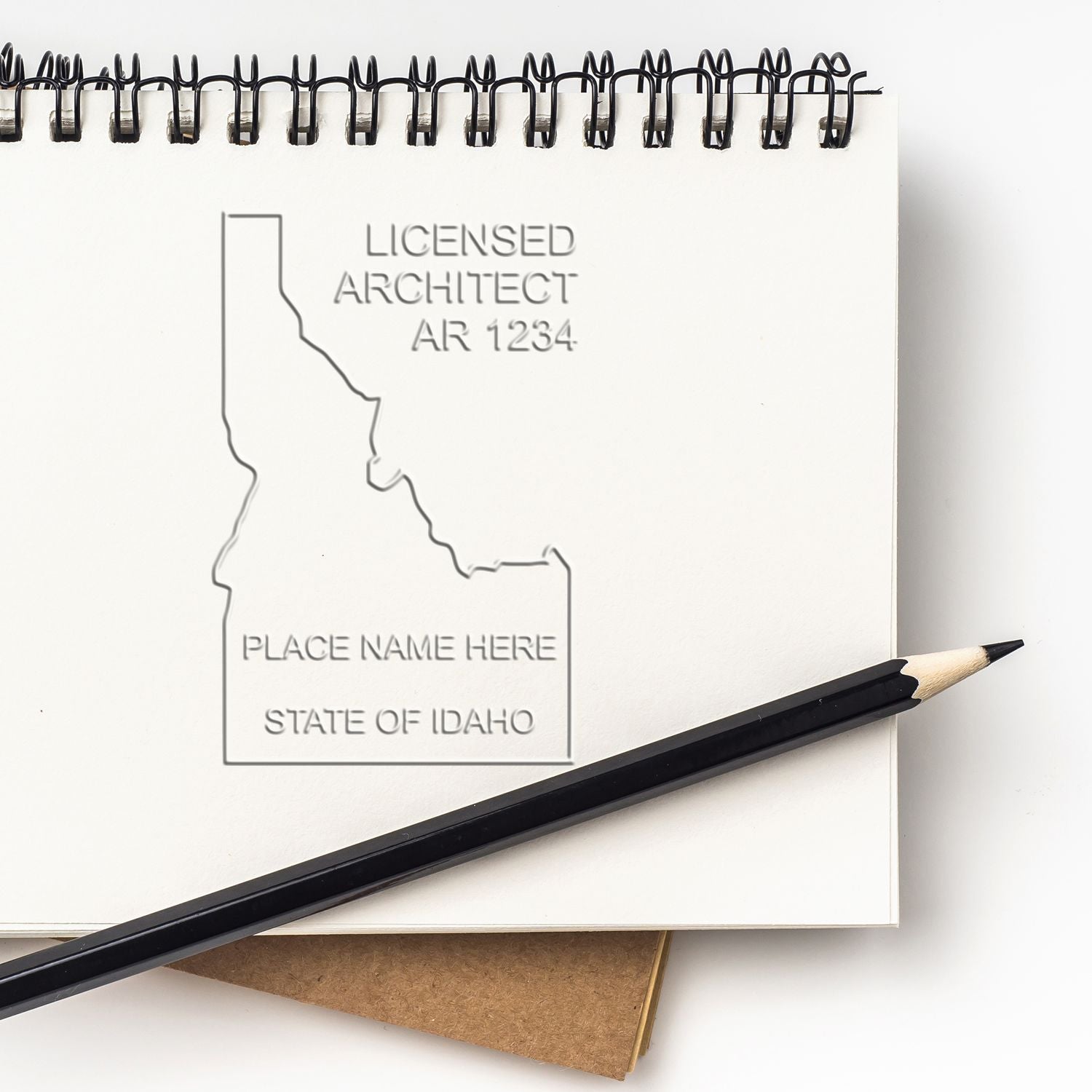
Getting an architect seal should feel straightforward, not stressful. If you want to be confident about your purchase, look for a provider like Acorn Sales that is known for quick service and consistent quality. Because they cater to state board guidelines, you can relax knowing your seal is made to the right regulations.


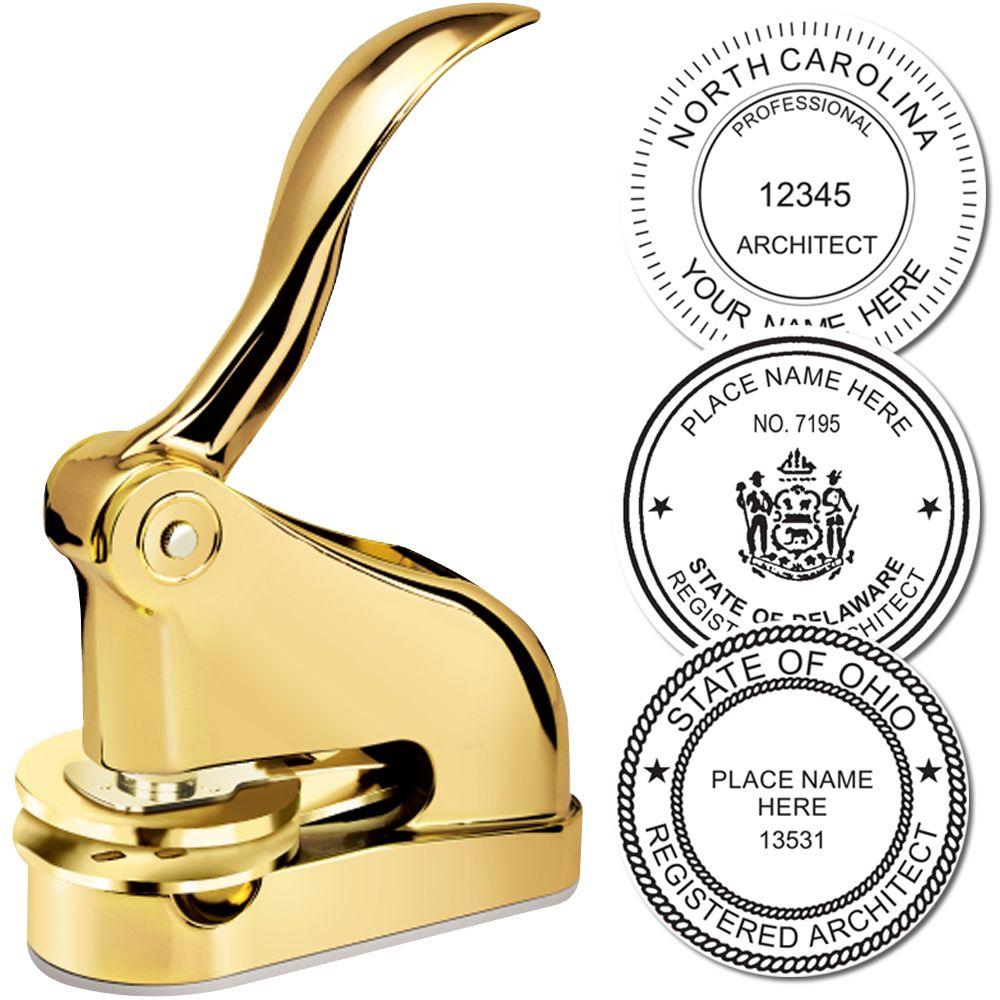
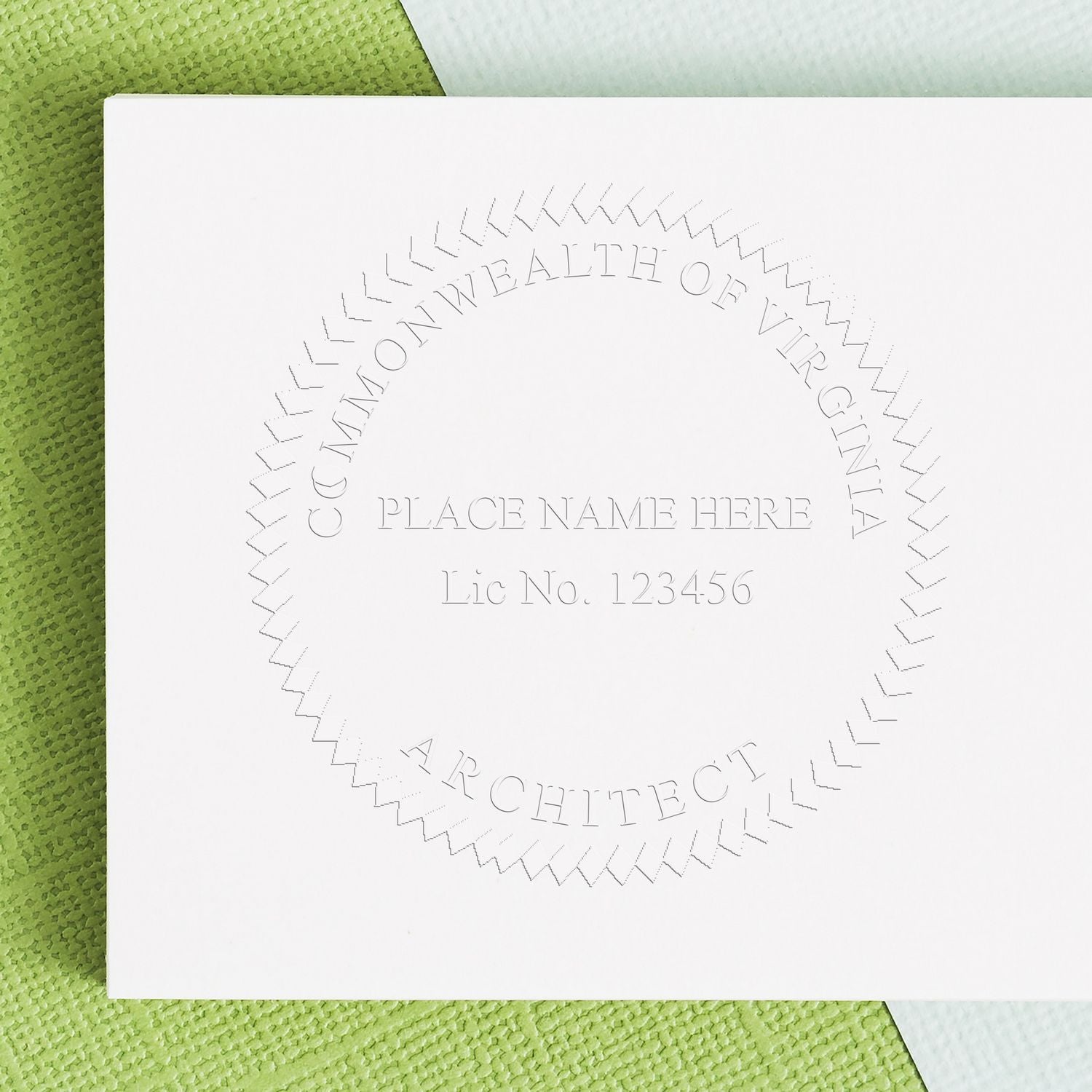


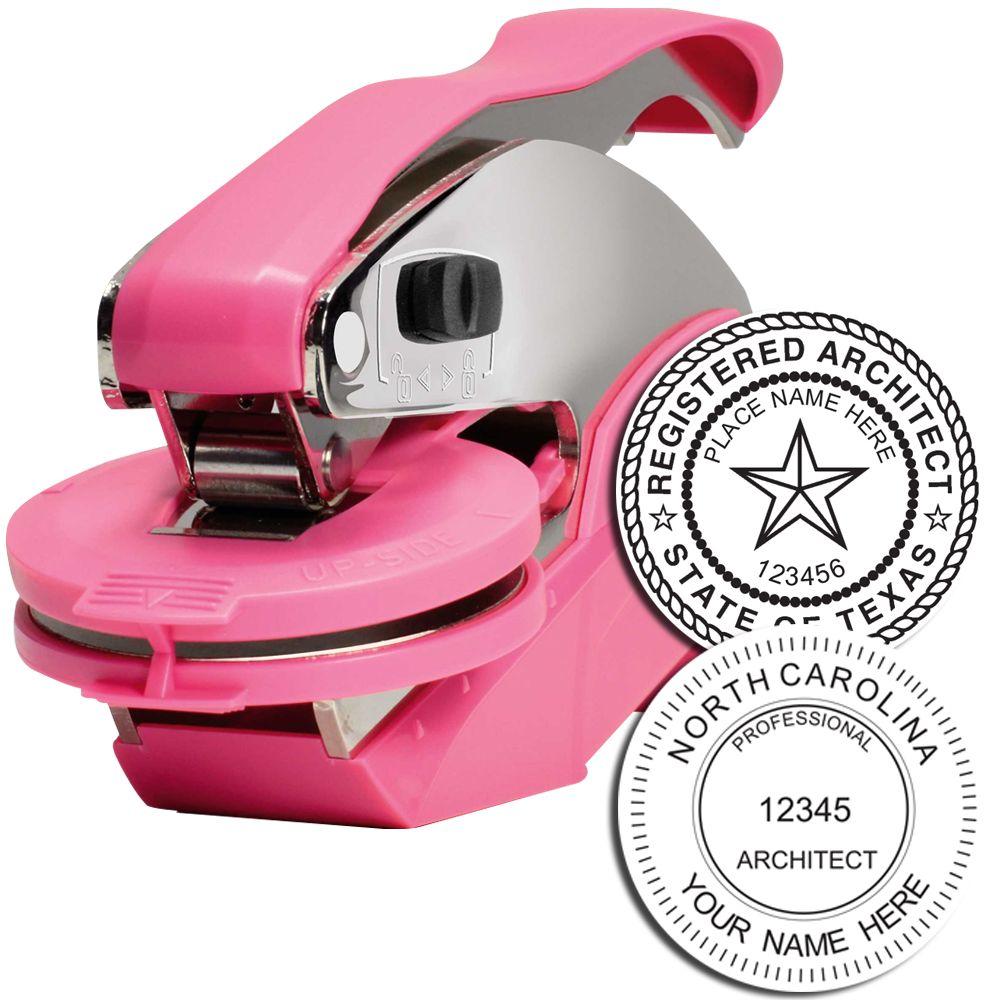
What to expect from a quality supplier
- Fast turnaround, so you can get back to your projects quickly.
- Clear instructions on how to use and care for your stamp.
- Knowledgeable support to answer any licensing questions.
Keep an eye on durability and clarity
A seal is an investment in your professional image. Opt for materials that can stand up to consistent use. You might be stamping several sets of plans, so you want a stamp that remains sharp and legible each time.
Tips to ensure long-lasting quality
- Store your stamp upright to avoid ink leakage.
- Wipe it clean regularly to maintain crisp impressions.
- Choose a sturdy mount, especially if you plan to travel with it.
Make your stamp part of your workflow
Now that you know what to look for, consider how your architect seal can integrate smoothly into your daily routine. If you often work on multiple projects at once, keep your stamps labeled for quick identification. Also, take advantage of a combination approach by using your physical stamp for tangible documents and a digital seal for online submissions. You’ll be amazed at how much time you save when you can rely on a single, trustworthy solution.
- If you are exploring various seal styles, check out our architect seal stamp page for more ideas.
- Set up a simple process: review final drawings, apply your seal, and finalize.
Ordering your architect seal
Securing the right architect seal for licensing is a straightforward way to boost your credibility and protect your work. By choosing a compliant seal from a trusted provider like Acorn Sales, you’ll gain a professional edge and the peace of mind that comes from meeting every requirement. Whether you opt for a physical stamp, a digital seal, or both, each impression represents your expertise.
So go ahead and invest in a seal that fits your needs, saves you time, and shows the world you are ready for that next career leap. After all, this small but mighty tool might just be the simplest way to get big opportunities in your architectural journey.
Frequently Asked Questions
What is an architect seal for licensing, and why do I need one?
An architect seal is your official professional mark used to sign and authenticate drawings, plans, and documents. In many states, it is required before architectural documents can be submitted for review or construction. Using the correct seal helps confirm your licensure, supports compliance with state board rules, and strengthens your professional credibility.
What are the typical architect seal requirements by state?
Architect seal requirements vary by state and may include specific rules for size, shape, wording, license number, and layout. Some boards also require a particular format for digital seals. Before ordering, always check your state licensing board’s current guidelines to make sure your seal is compliant and approved for use.
Should I choose a physical architect stamp, a digital seal, or both?
That depends on how you submit your work. A physical architect stamp is useful for paper plans and in-person documentation, while a digital seal is often needed for electronic submissions and online permitting portals. Many architects choose both so they can handle any project format without delays.
What are the most common mistakes when ordering an architect seal?
The most common mistakes include ordering a seal that does not match state board requirements, using the wrong license information, or choosing a format that is not accepted for digital filings. Another frequent issue is waiting until the last minute, which can cause project delays. Reviewing your state’s rules before ordering helps avoid costly corrections and reorders.
How do I know if an architect seal provider is trustworthy?
A reliable provider should understand state-specific licensing requirements, offer clear product details, provide fast turnaround, and help you choose the correct seal format. It also helps if they offer support for both physical and digital seal options. A trusted provider reduces the risk of compliance issues and makes the ordering process much easier.
Can a new architect or reciprocity applicant order a seal right away?
Yes, in most cases you can order a seal once you have the correct licensure details for the state where you will be practicing. If you are applying through reciprocity, make sure your seal matches the destination state’s requirements, not just your original license state. This is especially important because each board may have different rules for architect stamp licensing and approval.








