
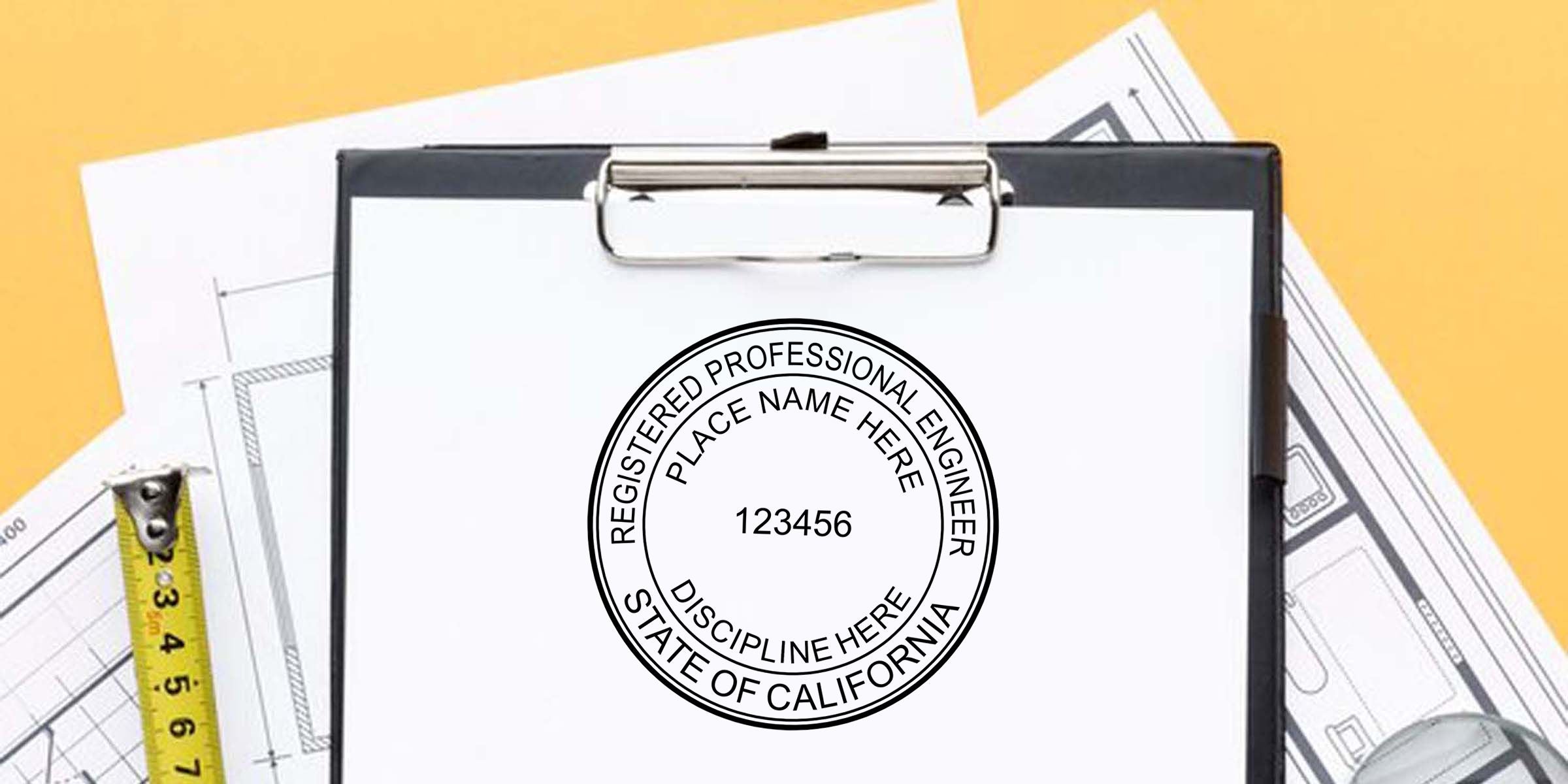
If you’re looking into a professional engineer stamp size for your next project, you probably want to ensure it meets legal guidelines while also staying convenient to use. The right dimensions help your seal appear crisp, legible, and professional. Let’s explore the essentials so you can feel confident every time you apply your seal.
Know your stamp size
Why dimensions matter
Choosing the correct stamp size is about clarity. Too small, and the words might blur or become unreadable. Too large, and it can look cumbersome on official documents. By sticking to appropriate dimensions, you ensure that your seal stands out without overpowering the page.



Common stamp measurements
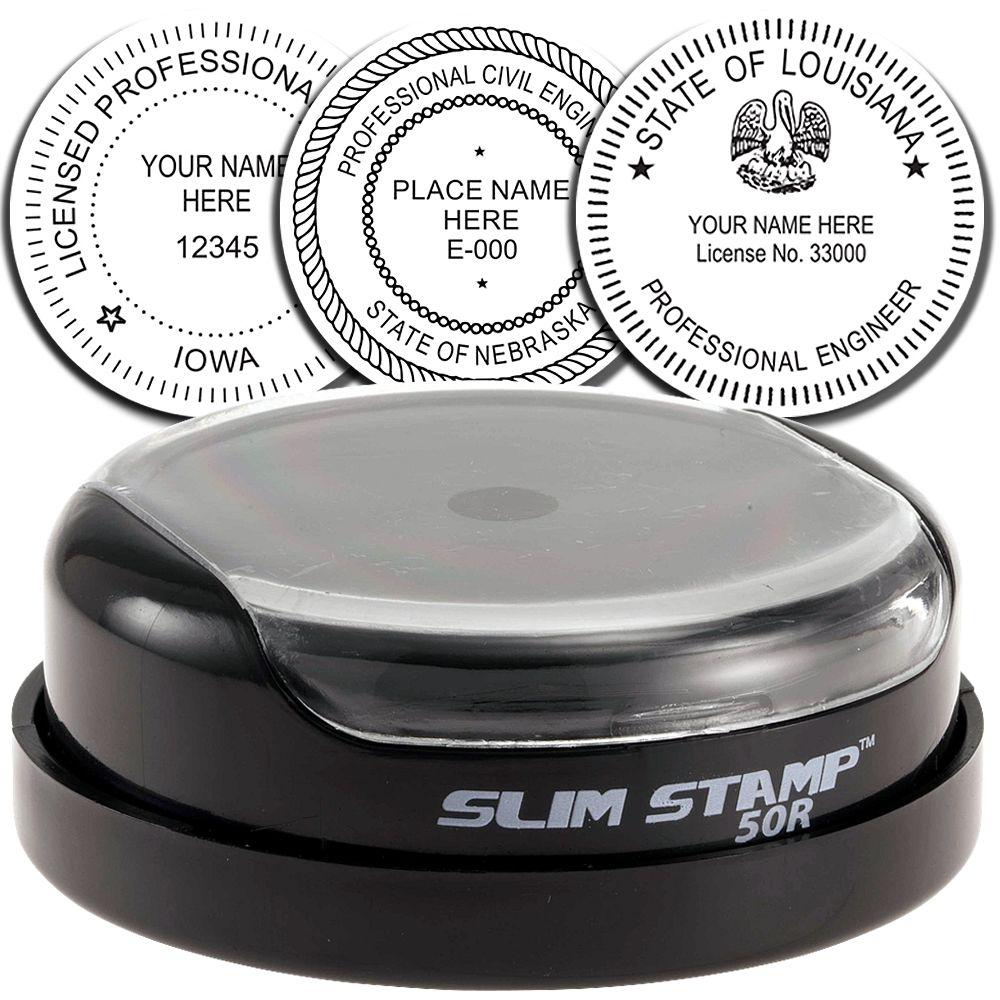
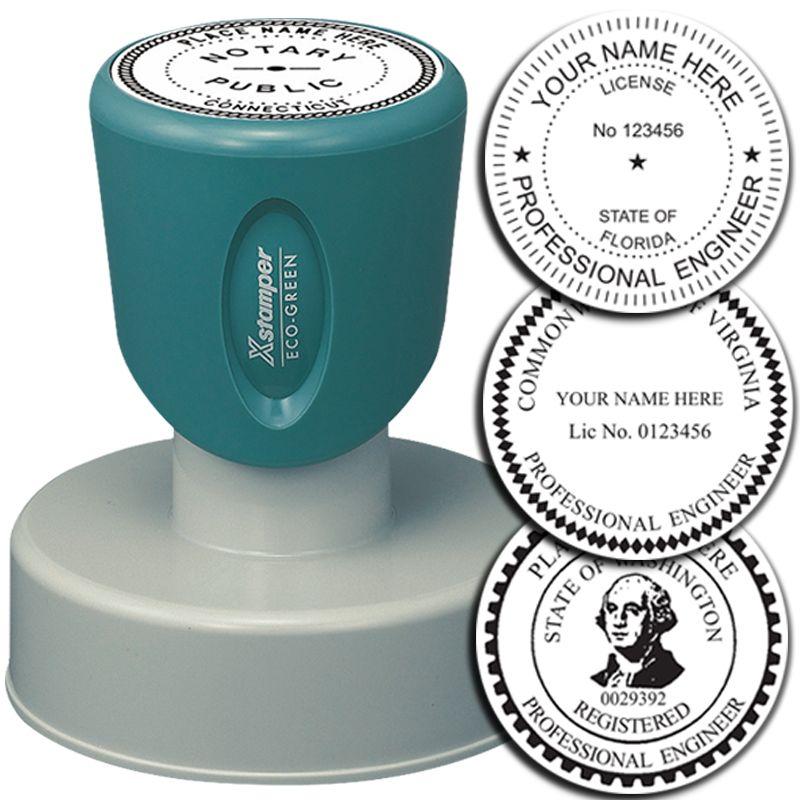
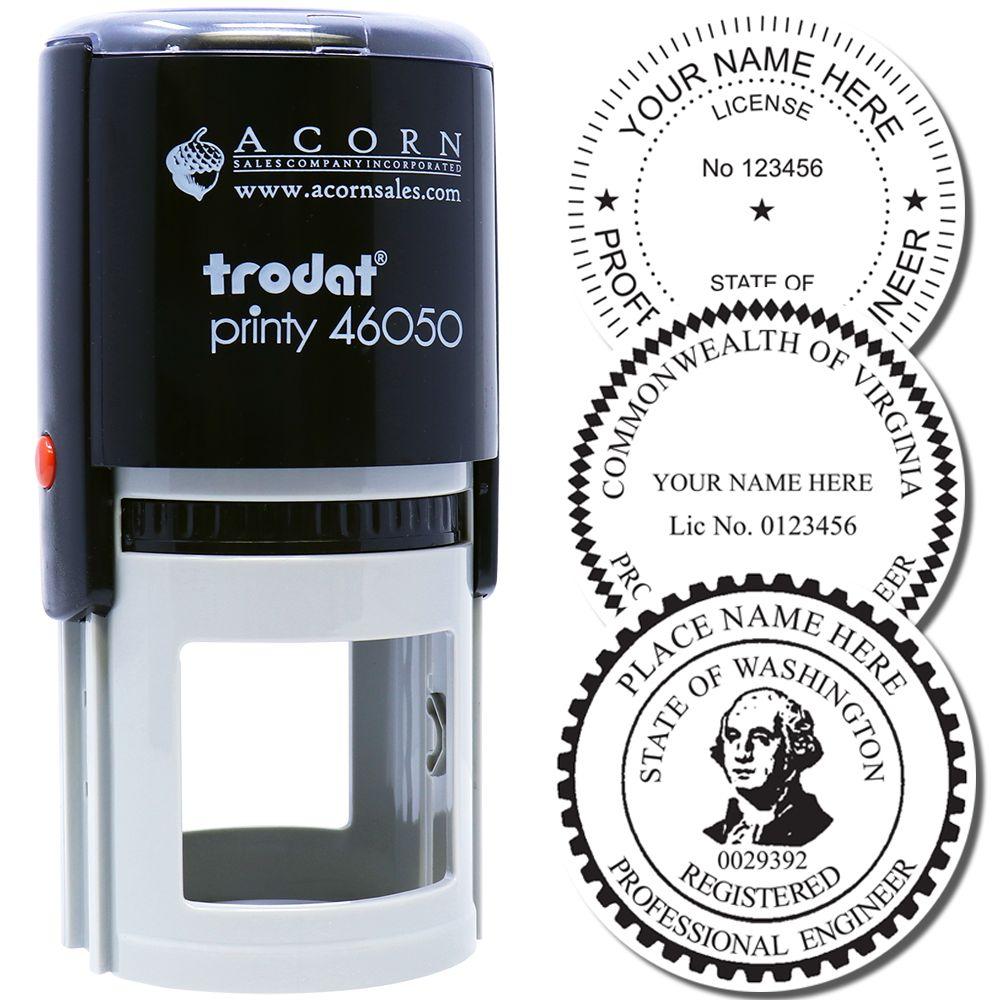
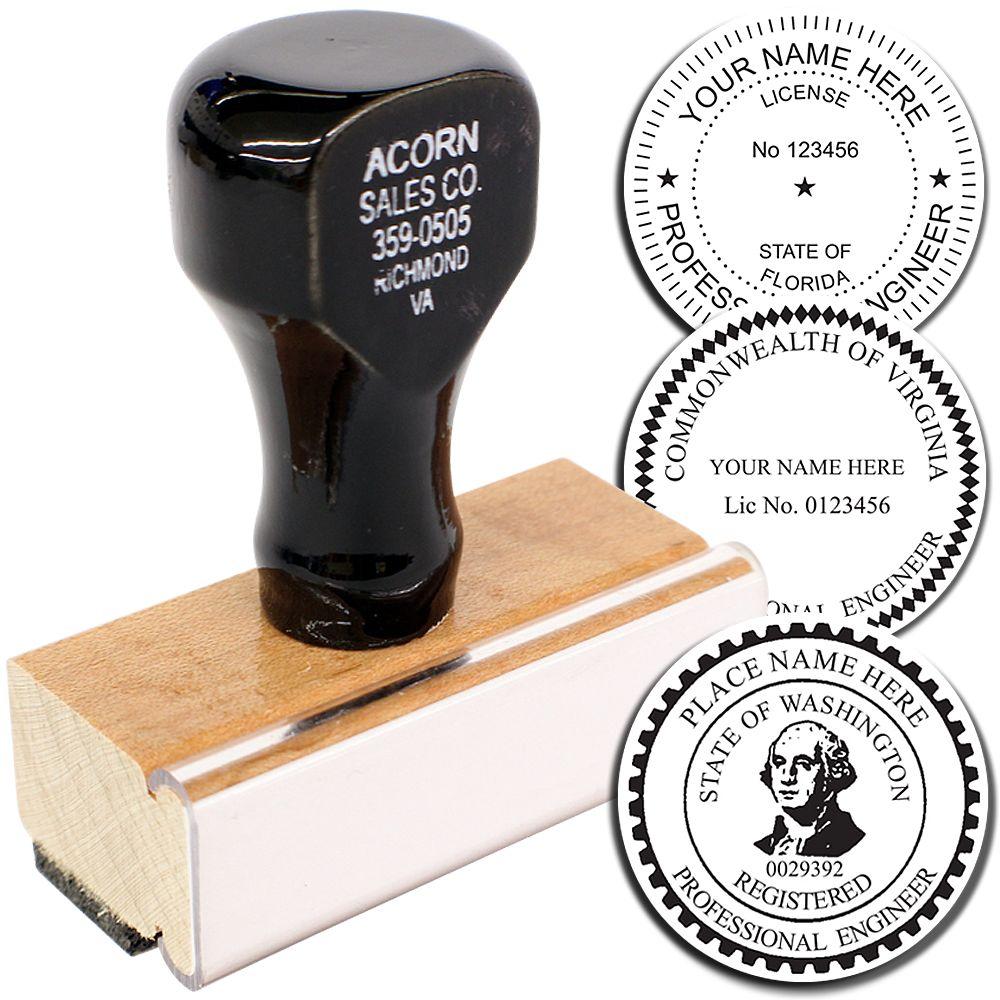
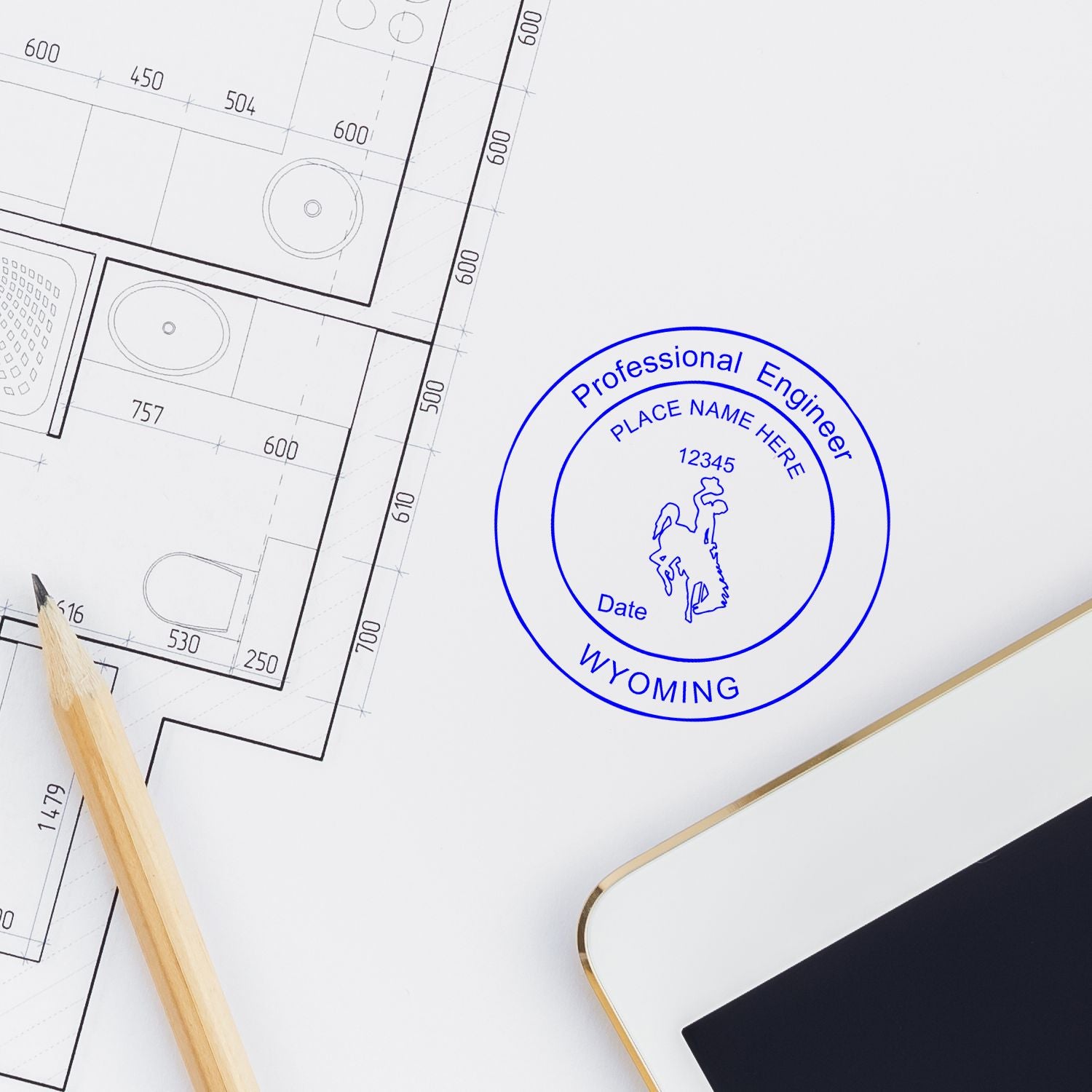
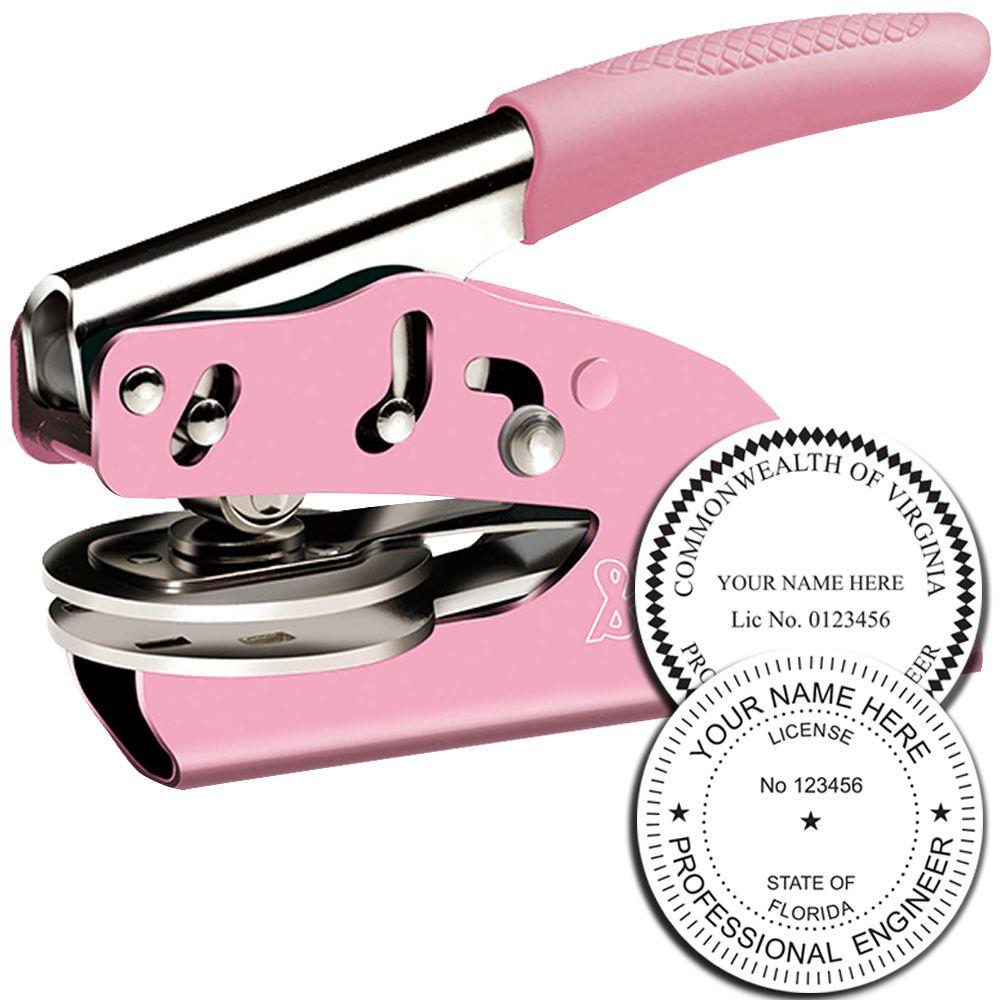
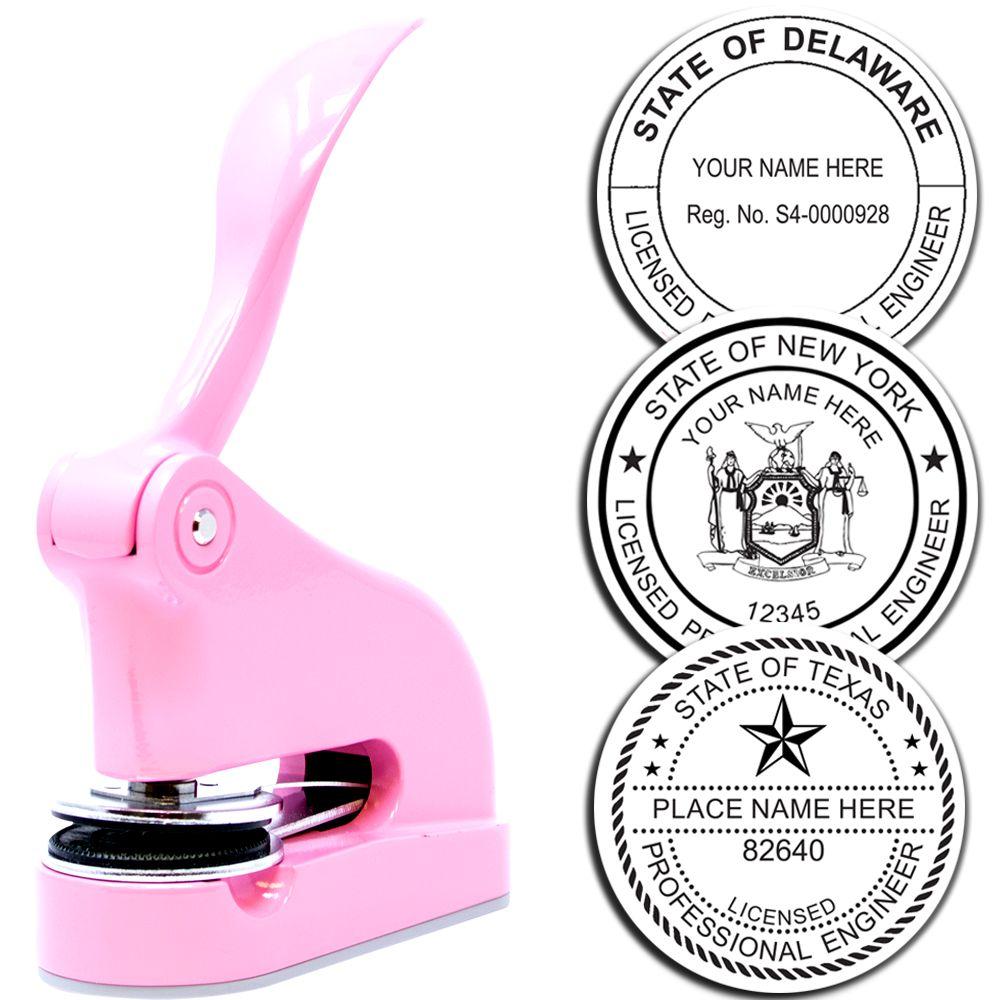
Many states suggest a two-inch circular seal for engineering work. However, some variations do exist. Before you finalize your order, take a quick look at your state’s guidelines. Here’s a quick snapshot of typical sizing:
- Circular seals: Generally 1.5 to 2 inches in diameter.
- Rectangular seals: Typically around 1 x 2.5 inches.
Meet state regulations
Check official guidelines
Every state has its own set of standards for engineering seals. Some specify a particular diameter or design, while others allow more flexibility. If you’re unsure, contact your state licensing board for the most up-to-date requirements. It’s better to double-check now than to reorder stamps later.
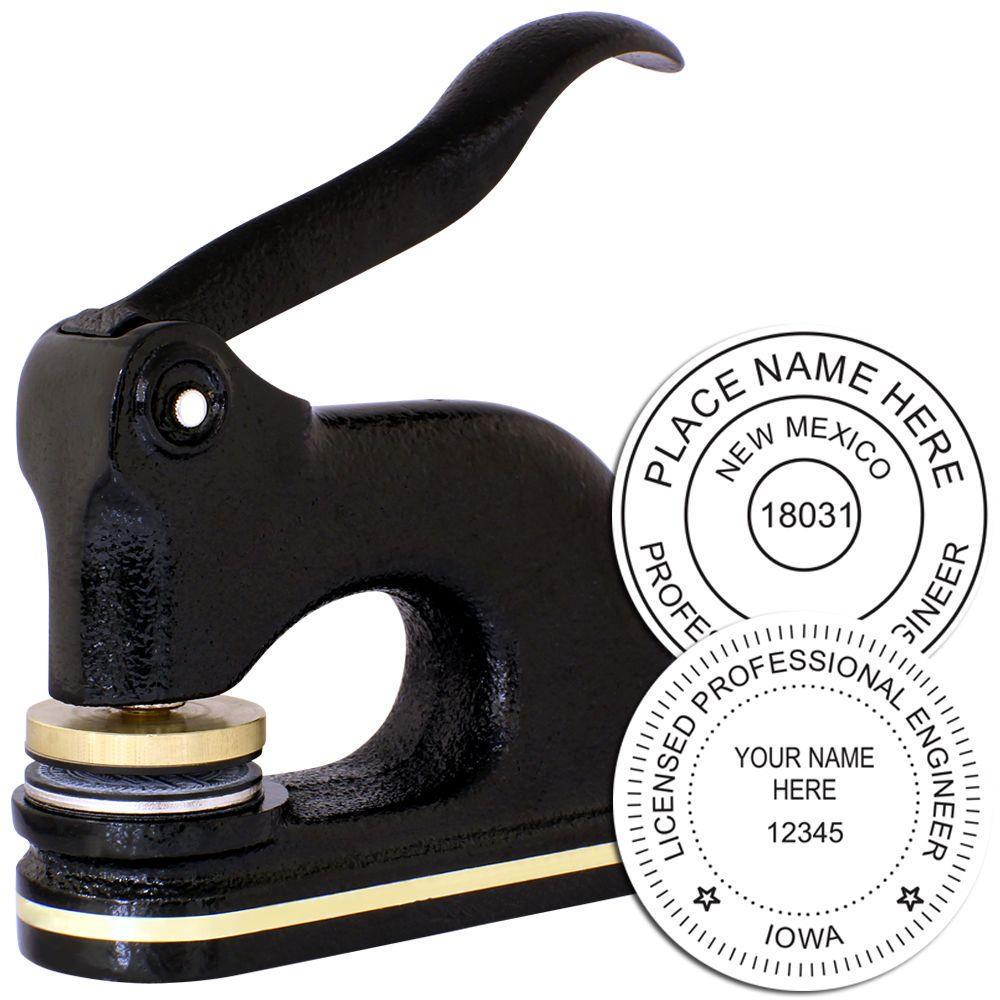
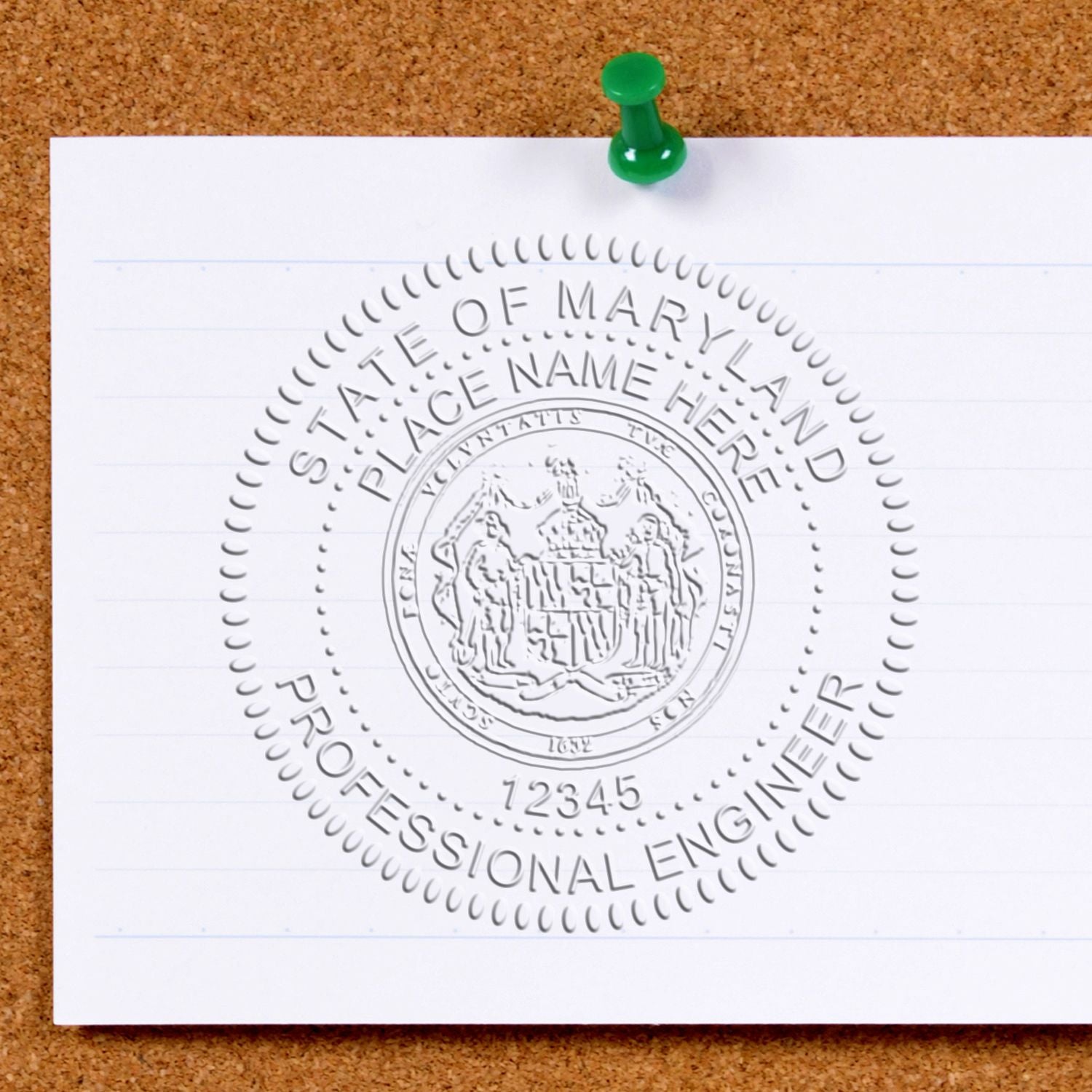
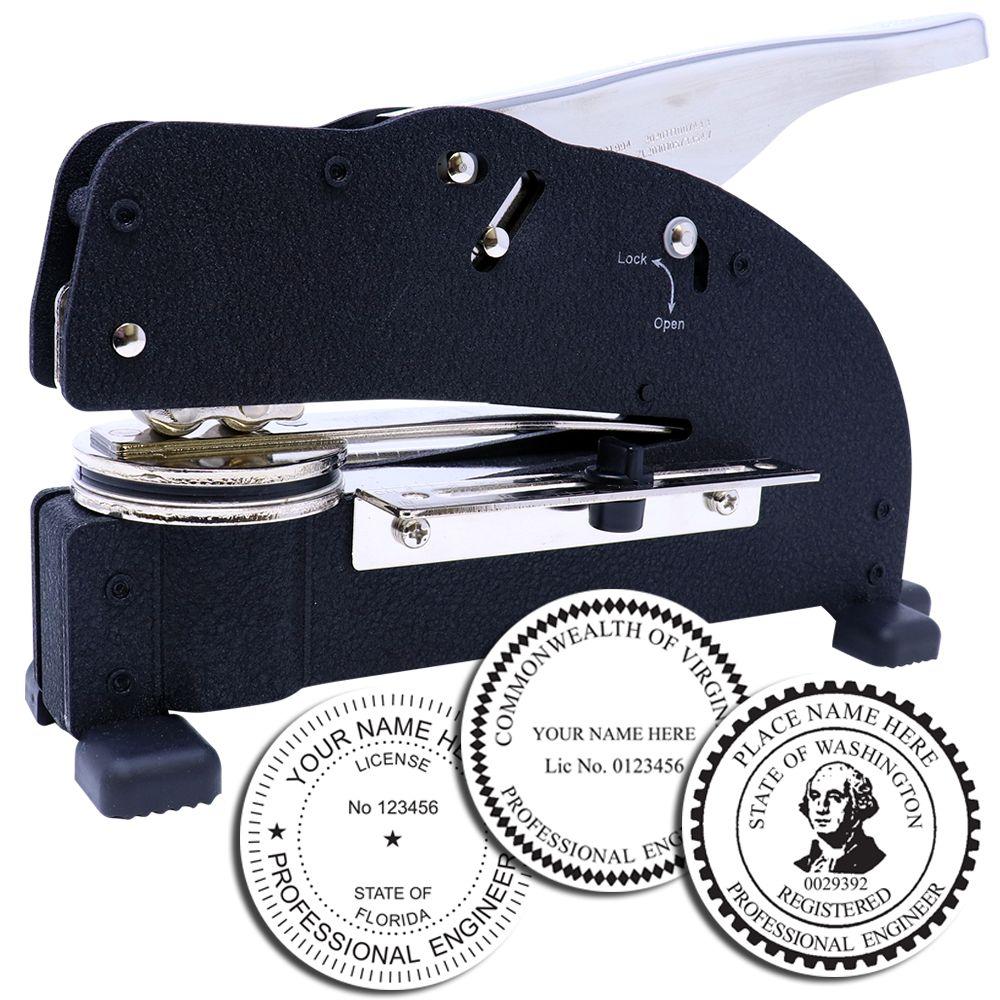
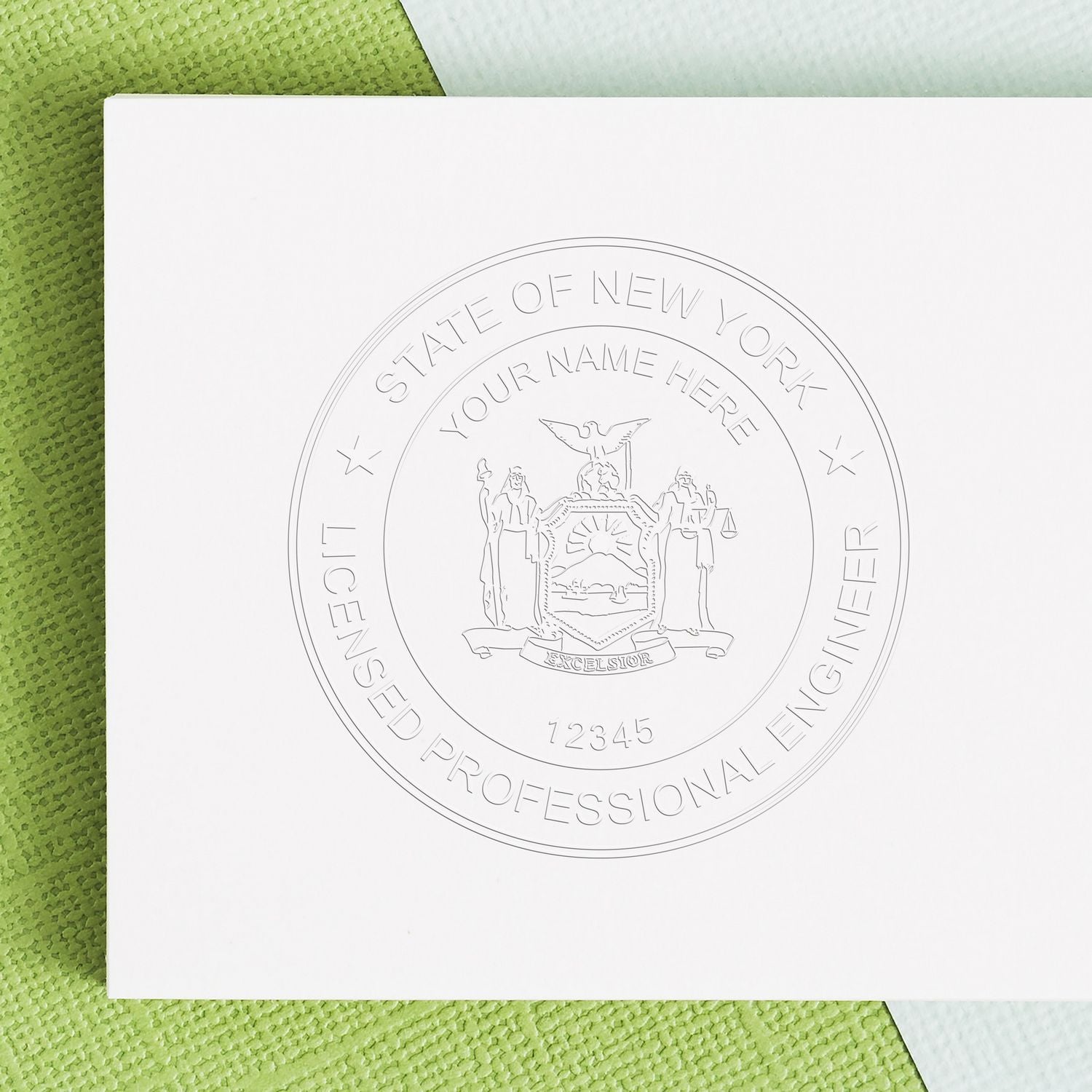
Select your stamp style
Self-inking or manual
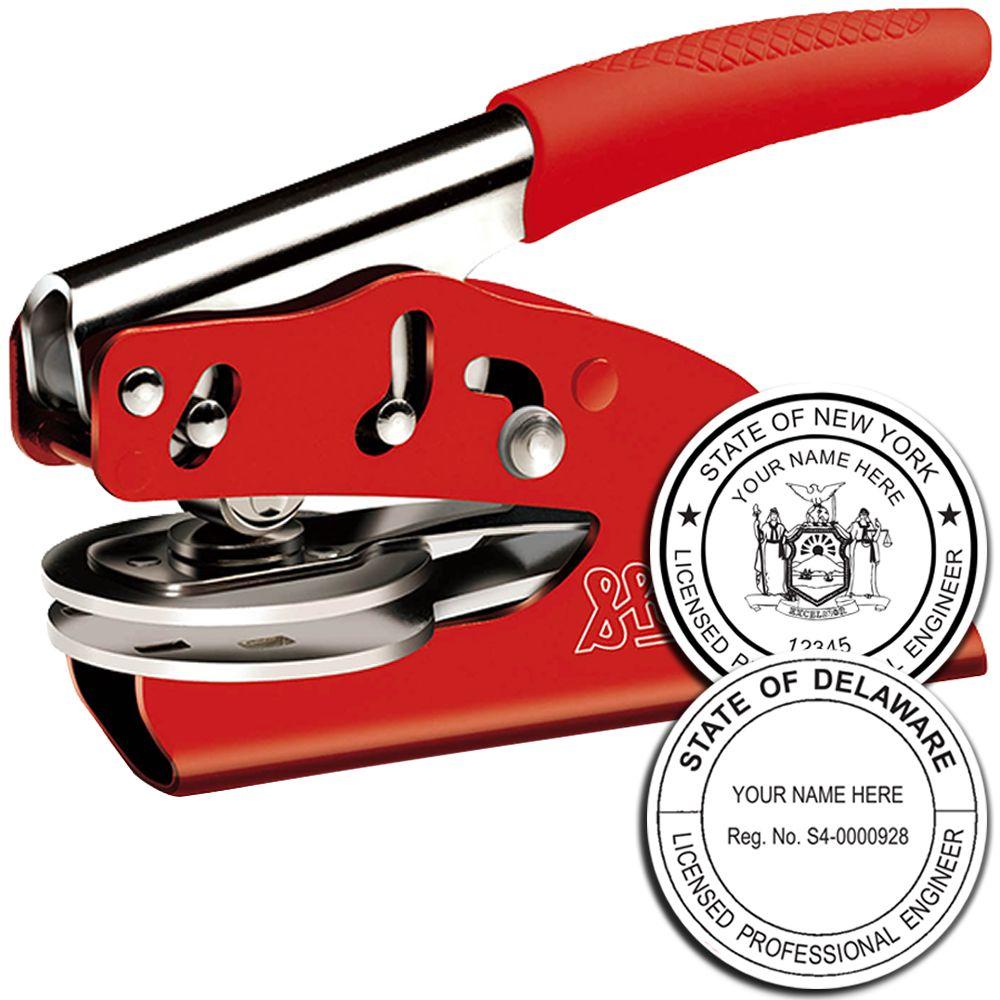
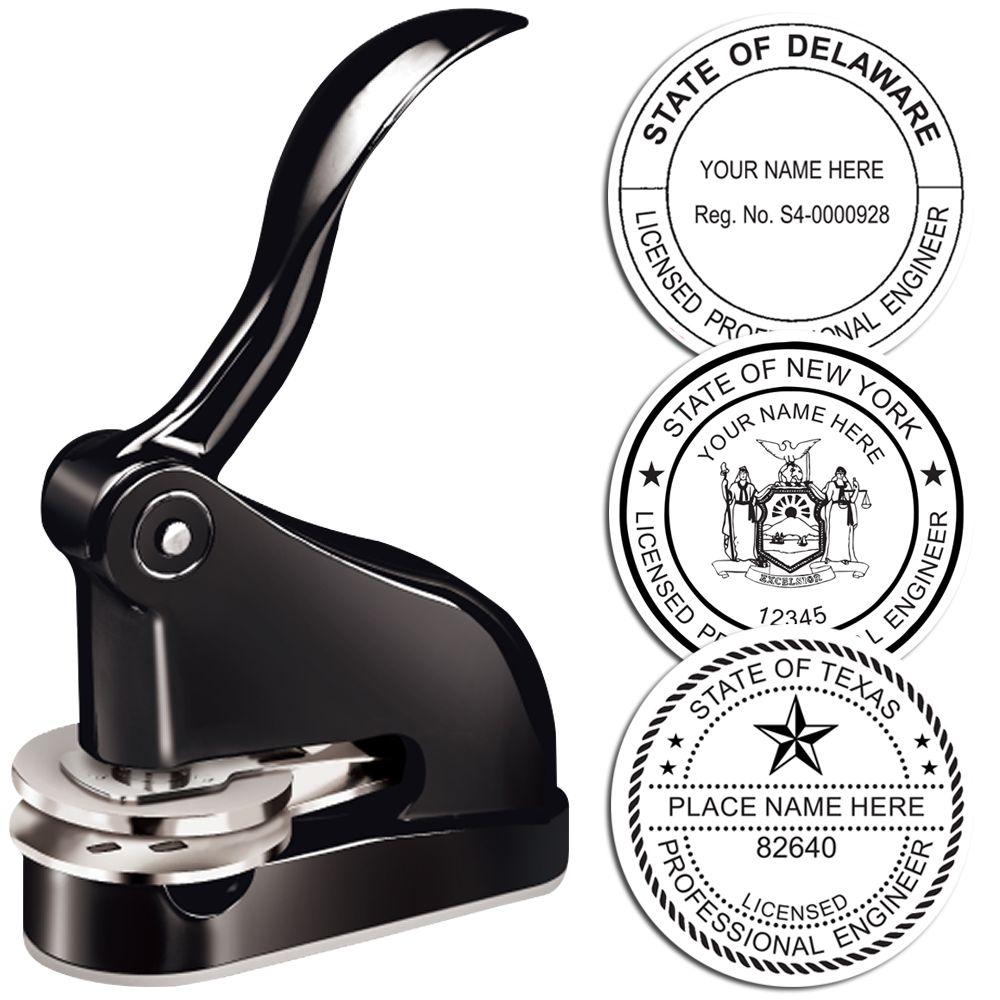
A self-inking stamp is handy if you need to apply your seal multiple times a day. It can save you time and keep the impression consistent. A manual stamp, on the other hand, is perfect if you only need occasional use. It’s also lighter to carry around.
Embossers for extra security
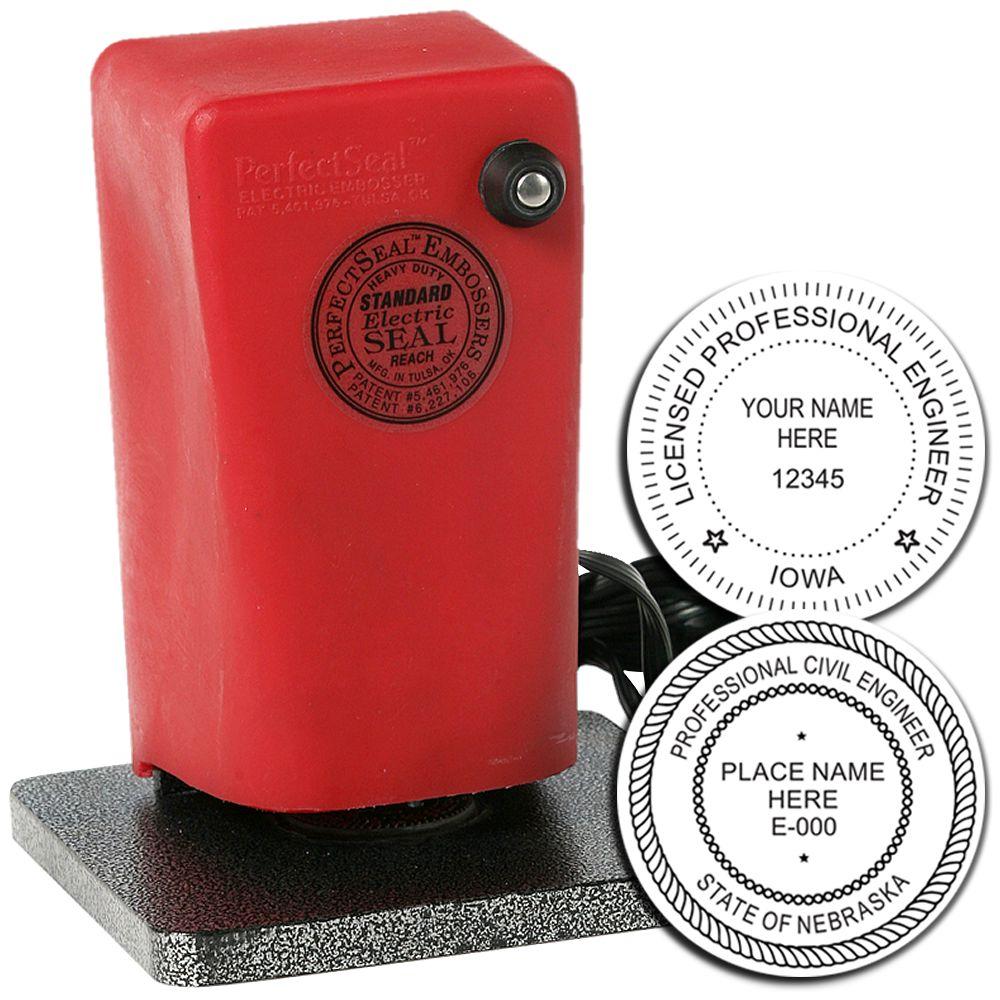
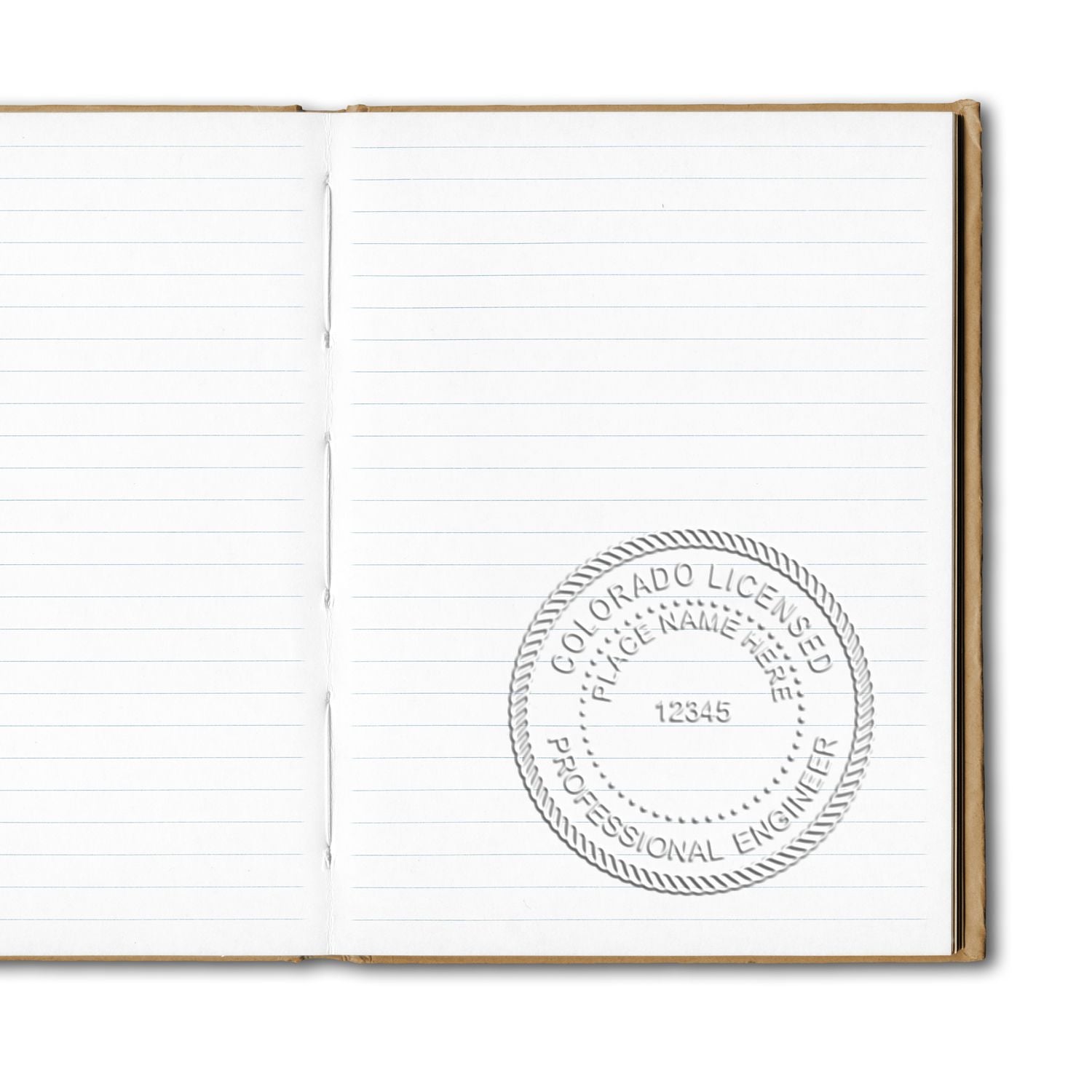
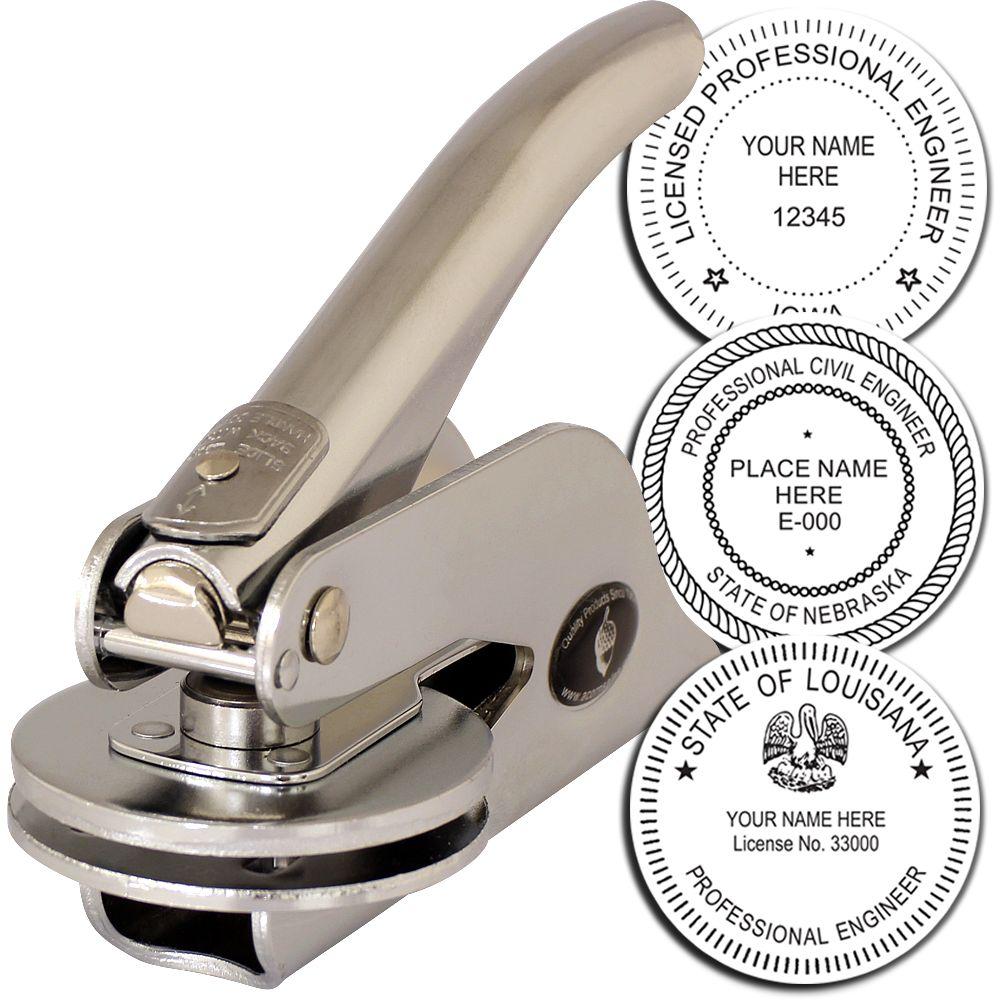
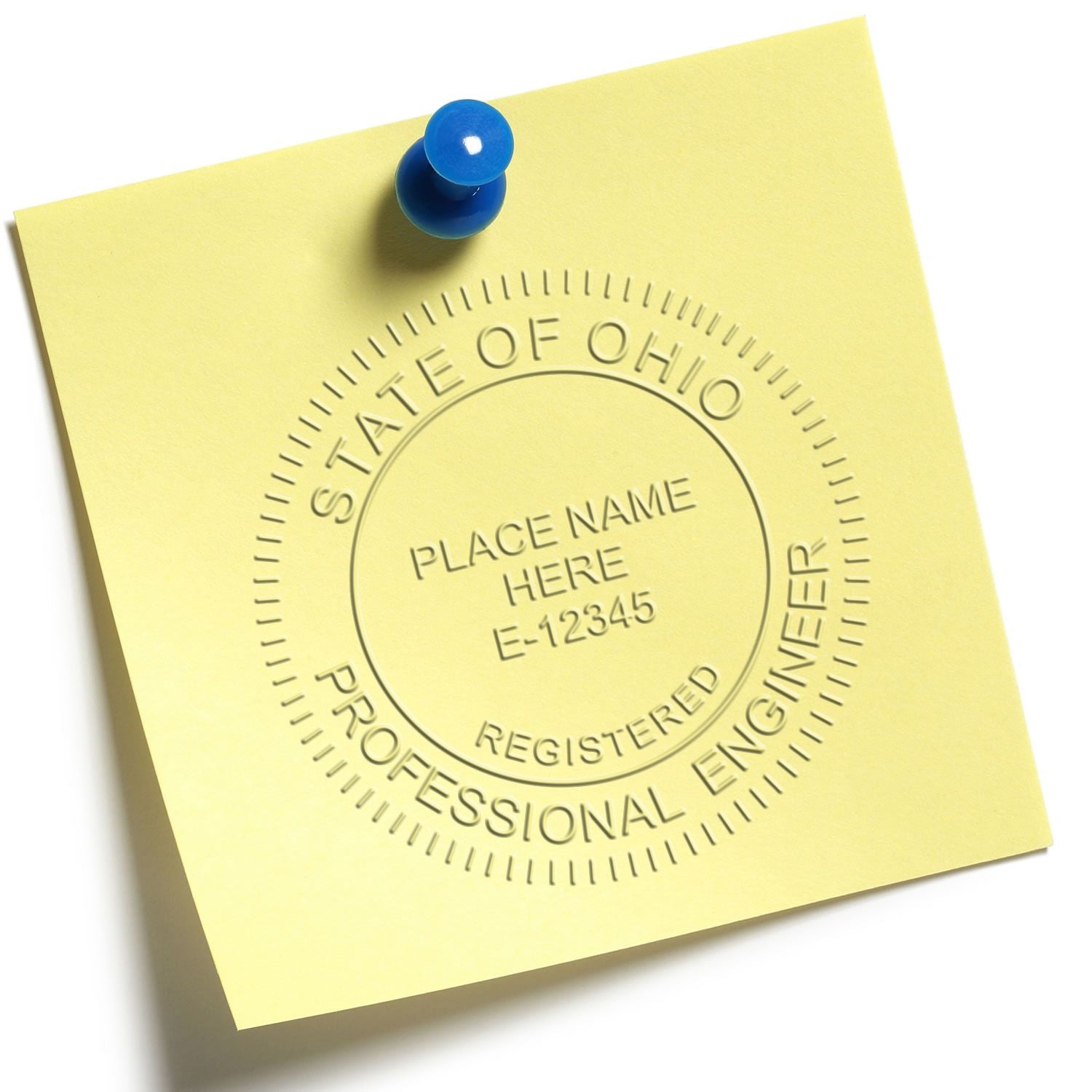
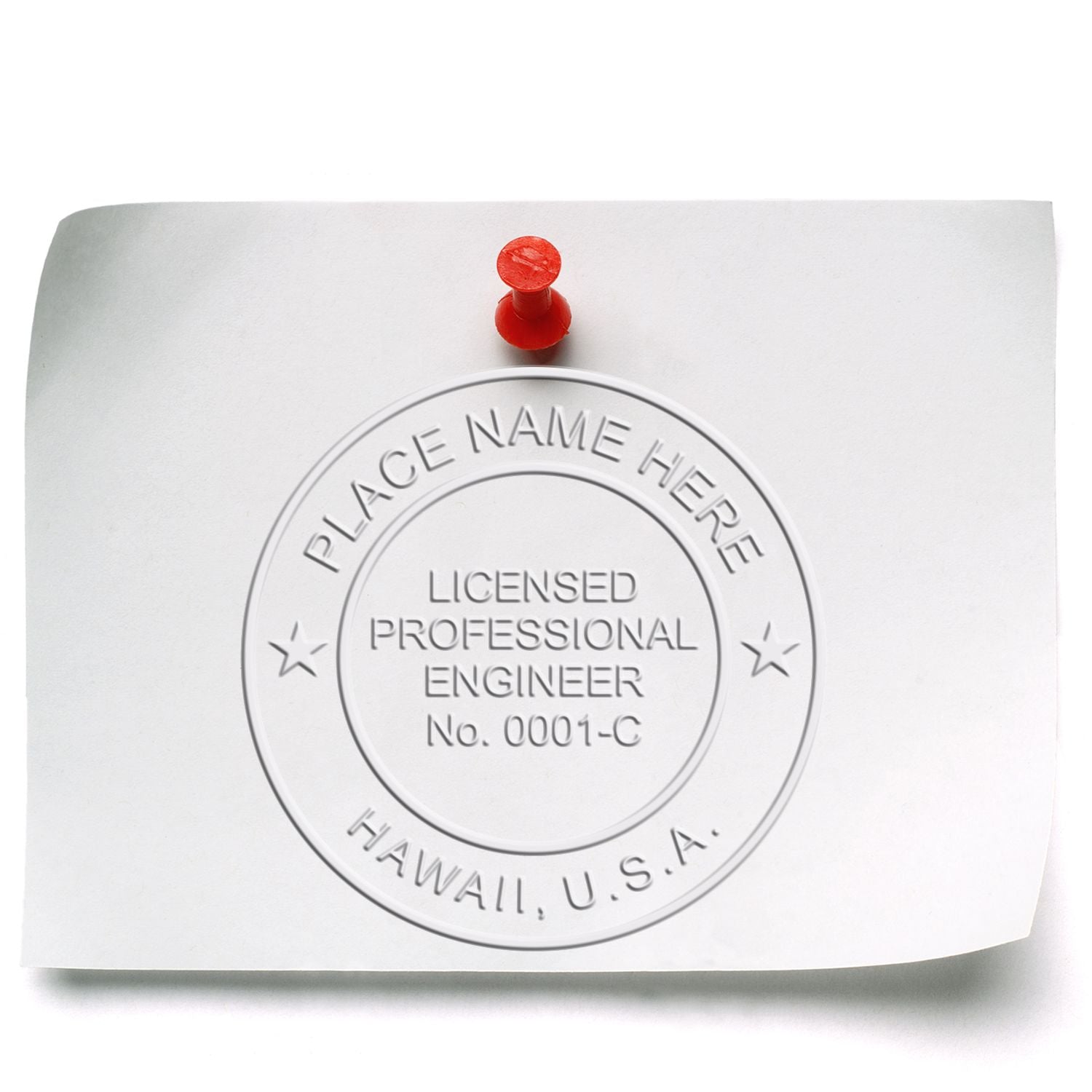
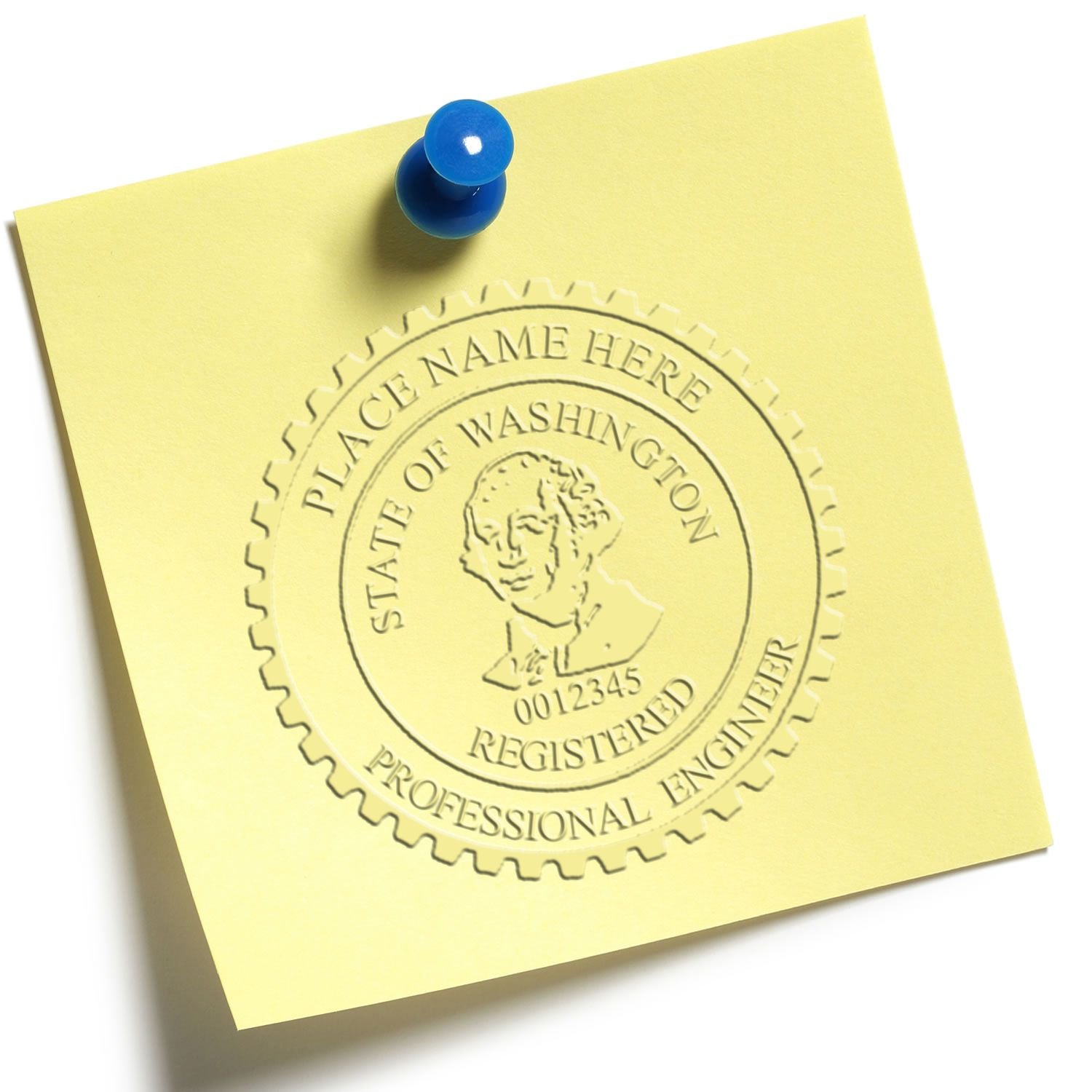
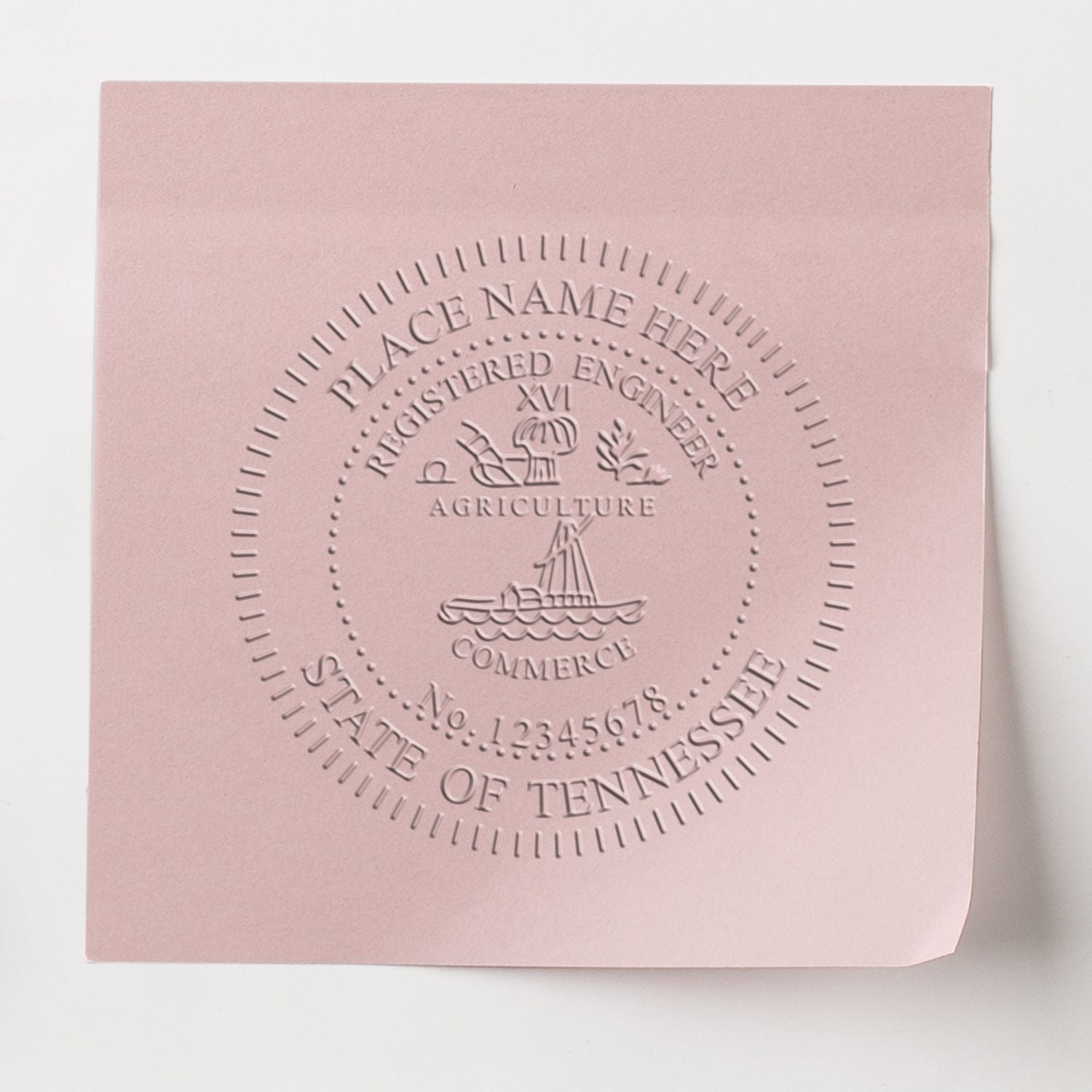
If you prefer a raised impression, an embosser might be your best bet. Some engineers like that tactile feel, which adds an extra layer of authenticity to documents. Just remember that embossed impressions can be tricky to photocopy, so keep a backup ink stamp if you often need scanned documents.

Benefit from a trusted provider
Acorn Sales advantage
When you’re ready to buy your professional engineer stamp, check out Acorn Sales. We offer free digital seals with every order, so you can start using your seal right away. Our quick turnaround ensures you’ll have your physical stamp in hand fast. Plus, all of our products meet state board requirements, backed by a state board guarantee, which means extra peace of mind for you.
Key takeaways
- Confirm the dimension requirements for your seal before purchasing, typically around two inches for circular stamps.
- Verify your state regulations to ensure compliance.
- Pick a stamping method that fits your workload, whether it’s self-inking, manual, or an embosser.
- Consider a reputable provider like Acorn Sales, where you’ll get free digital seals, fast delivery, and guaranteed compliance.
By focusing on the right professional engineer stamp size and selecting a reliable source, you can easily meet state standards and present yourself with confidence. If you’re ready to update your stamp, explore your options and pick the size that suits your workflow best.
Frequently Asked Questions
What is the standard professional engineer stamp size?
The most common professional engineer stamp size is a 2-inch circular seal, though some states allow variations. Rectangular seals are also used in some cases, often around 1 x 2.5 inches. Always check your state licensing board requirements before ordering to make sure your PE stamp meets local standards.
Do PE stamp size requirements vary by state?
Yes. PE stamp size requirements can vary by state, and some licensing boards specify exact dimensions, shapes, or layout details. Because regulations differ, it’s important to confirm the current rules with your state board before purchasing a professional engineer seal.
What happens if my engineer stamp is the wrong size?
If your engineer stamp is the wrong size, it may not meet state compliance requirements and could lead to document rejections, reprints, or delays in permit approvals. Using the correct size helps ensure your seal is legible, professional, and accepted on official documents.
Should I choose a self-inking, manual, or embosser PE stamp?
It depends on how often you’ll use it. A self-inking PE stamp is best for frequent use because it’s fast and consistent. A manual stamp works well for occasional use and is easy to carry. An embosser is a good choice if you want a raised impression, but it’s often best paired with an ink stamp for scanned or copied documents.
How do I know if my PE stamp meets state board requirements?
The best way is to compare the stamp dimensions, shape, and required information against your state board’s official guidelines. If you’re unsure, contact the licensing board directly or choose a trusted supplier that guarantees compliance with state standards.
Where can I buy a compliant professional engineer stamp size?
You can buy a compliant professional engineer stamp from a reputable provider like Acorn Sales. They offer PE stamps that meet state board requirements, include free digital seals with every order, and provide quick turnaround so you can start using your seal right away.








