
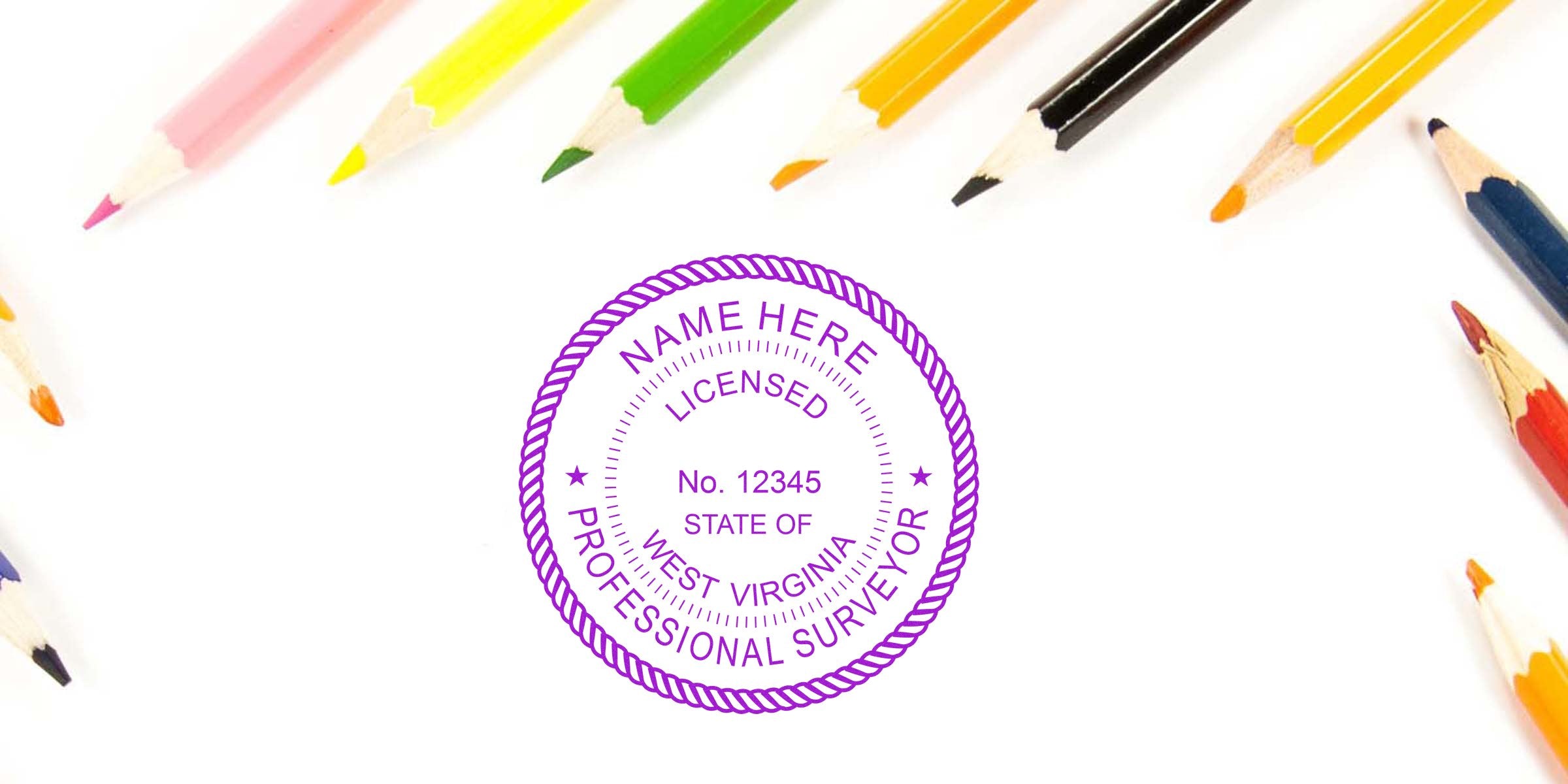
If you’re a licensed Land Surveyor in West Virginia (or plan to be soon), you’re likely aware that having the right seal can make all the difference in presenting your professional work. Every project you finalize needs that official mark, and a West Virginia land surveyor seal embosser is often the tool of choice. It adds a crisp, raised impression that validates your documents with authority. But how do you pick the right embosser, stay compliant with state regulations, and ensure each impression is perfect? In this post, you’ll explore everything you need to confidently select and use your seal embosser, from the specific rules you should follow to tips for long-term care.
And here’s a quick promise: by the end of this article, you’ll have a clear roadmap to help you unlock success in West Virginia, thanks to a seal embosser that meets professional standards and showcases your credibility.
Understand West Virginia Requirements
Before you invest in any seal or embosser, you need a solid understanding of West Virginia’s regulatory requirements. The state sets rules to maintain consistent quality and authenticity across all official survey documents. These guidelines might feel a bit technical at first, but they exist to protect both you and the public from errors or unreliable records.
Basic State Guidelines
- Legal Format: West Virginia typically mandates a seal design that displays your name and license number, along with references to your status as a professional Land Surveyor.
- Clear Visibility: The seal must be legible to anyone who reviews your documents. Smudged ink or faint impressions can lead to questions about authenticity.
- Document Permanence: Some official documents must be reproduced multiple times or preserved for years. The state often prefers embosser imprints that are durable and won’t fade.
For a deeper dive, including official design specifics, feel free to check west virginia land surveyor stamp requirements. Whether you stick with ink stamps or opt for an embosser, you’ll want to keep these rules top of mind.
Why These Rules Matter
You might wonder, why is all this so important? Think of it like making sure the foundation of a building is stable before you add the walls. Without meeting West Virginia’s official guidelines, you risk delaying project approvals, facing potential penalties, or even losing credibility in the eyes of clients or employers. Following the requirements isn’t just about legal compliance; it’s about elevating your professional standing.
Consider Stamp vs Embosser
When deciding how best to certify your work, you’ll typically choose between an inked stamp and an embosser. Both options deliver an official mark, but they differ in appearance, longevity, and how they feel in daily use. Let’s compare a few factors so you can decide which route suits your needs.
Key Differences
- Ink Transfer vs Pressure Mark: A traditional rubber stamp leaves an ink impression, while an embosser creates a raised imprint using pressure. Ink can fade over time, whereas an embossed mark usually retains its clarity for years.
- Portability: Stamps are often lighter and easier to bring along to different job sites. Embossers can be slightly heavier, though modern designs focus on being as compact as possible.
- Professional Look: An embossed seal tends to convey a strong sense of formality and permanence. If you hand a client a document with a raised seal, it often feels more official than an inked stamp.
Matching Your Workflow
Ask yourself how and where you typically use a seal. Do you work primarily in an office with moderate volumes of documents, or are you frequently on the road? If you stamp large stacks regularly, an ink stamp might be faster. If you prioritize a classic, polished finish, an embosser delivers a look many professionals prefer. Even if you mostly rely on digital plans, having a traditional embosser on hand can ensure you’re never caught off guard by a request for physical documents.
Choose the Right Seal Embosser
If an embosser sounds like the ideal choice for your business, the next step is choosing the right style. Not all embossers are created equal. Some are designed for high-volume stamping, some are more ergonomic for prolonged use, and others are tailored to smaller budgets.
Types of Embossers
Desk Embosser
A desk embosser sits firmly on a flat surface. It often features a sturdy base that allows you to press down uniformly on your document. Because of its stability, a desk embosser offers super-consistent impressions, making it a popular pick for professional offices.Handheld Embosser
If you’re often in the field, a handheld embosser provides portability. Just grip the handle, position your document, and press. While it’s lighter and easy to carry, be sure to check if it can apply the pressure needed for a crisp, readable seal.Long-Reach Embosser
A long-reach model can reach deeper into the page—useful if you need to place your seal further from the edges. This is handy for large-format survey drawings or custom layouts that require your seal in a specific spot.
Quality Indicators
- Construction Material: Look for metal components that can handle repeated use without bending or breaking.
- Comfort Grip: Choose a handle that’s ergonomic. If you’re pressing seals multiple times a day, you don’t want to strain your wrist.
- Pressure Consistency: A high-quality embosser should require moderate force—enough to create a clearraised seal without requiring you to push too hard.
By focusing on these features, you’ll find a West Virginia land surveyor seal embosser that fits your workflow, meets state requirements, and delivers a polished mark every time.
Use Your Embosser Effectively
Even the best embosser won’t produce ideal results if you’re not using the correct technique. It’s a bit like learning to drive a stick shift—once you get the hang of it, it becomes second nature.
Step-by-Step Method
-
Align Your Document
Position the page so that it’s flush against the embosser’s guide. Make sure you know exactly where you want the seal to appear (usually near your signature or title block). Steady Your Grip
Hold the embosser handle firmly. If you’re using a desk embosser, press down with an even force. For a handheld, try to keep your arms aligned so you don’t twist the handle.Apply Firm Pressure
Press all the way down in a smooth, controlled motion. You should feel resistance, but it shouldn’t be painful or overly difficult. Slow, steady pressure helps the seal’s design transfer perfectly.Check Clarity
Release the handle and inspect your impression. Make sure your name, license number, and “West Virginia” are all easy to read, with no rips in the paper.
Practical Tips
- If you have thicker documents, consider embossing on a separate cover page or choose a heavy-duty embosser that can handle greater thickness.
- Practice on a blank sheet or scrap paper first. This helps you gauge the spacing and strengthens your muscle memory.
Stay Compliant and Organized
Aside from simply having a functional embosser, your success as a West Virginia Land Surveyor comes from maintaining good habits. Keeping records of your sealed documents and ensuring each seal is placed correctly goes a long way toward building trust with your clients and the state board.
Document Tracking
Maintain a log—digital or physical—of every official document you seal. Note details like the date, project type, and page count. This log serves as a handy reference if questions arise about a specific survey or property line change. Plus, it shows you at a glance how often you use your seal, which helps you spot patterns in your workload.
Proper Storage
- Seal and Stamps: Store your embosser and any stamps in a secure location, such as a locked drawer or cabinet. This ensures no one can misuse your professional credentials.
- Backup Plans: If you rely on physical files, consider scanning them for digital safekeeping. Label your scans carefully for easy retrieval.
Renewals and Updates
Don’t forget that your license and seal guidelines may evolve. Periodically review West Virginia’s requirements and update your seal if needed. If you hold multiple state licenses, label each embosser clearly—engraved text or color-coded stickers work well.
Trust Acorn Sales’ Expertise
Choosing a reliable supplier is just as important as selecting the right embosser style. That’s why many Land Surveyors turn to Acorn Sales. We’ve been in the business for over 60 years, serving professionals who need stamps and seals that stand the test of time. When you shop with us:
- You get high-quality embossers carefully crafted to meet West Virginia’s official standards.
- We offer a free digital seal alongside your physical embosser, helping you manage your projects whether they’re paper-based or online.
- Our customer service team understands exactly what Land Surveyors need. If you have specific design questions or customization requests, we’re here to help.
By partnering with a trusted supplier with decades of experience, you ensure consistent, professional results every time you use your seal embosser.
Wrap Up Your Next Steps
Securing a West Virginia land surveyor seal embosser is one of the smartest investments you can make for your professional toolkit. You’re not only giving clients tangible proof of your expertise, but you’re also guaranteeing that every survey you produce stands up to state scrutiny. With a well-chosen embosser, you’ll breeze through your documentation tasks, present a polished image, and maintain a stellar reputation.
Ready to finalize your purchase? Seek out a reputable supplier like Acorn Sales to guide you through selecting the right embosser for your needs. Remember, you also get a free digital seal, making it easy to handle both paper and electronic submissions. Before you know it, you’ll be stamping out crisp, professional impressions that set you apart in the competitive field of land surveying.
Got tips or experiences of your own? Feel free to share them with colleagues or friends who might be on the hunt for the perfect seal. Your real-world insights could be just what they need to make a confident decision. Good luck, and here’s to your continued success in West Virginia!
Frequently Asked Questions
Do I need both a stamp and an embosser?
Not necessarily. Some professionals prefer having both options at their disposal, particularly if they handle a large volume of documents or work on the go. Others stick to an embosser for a more official appearance. The choice often depends on your personal preference and the kind of documents you handle.
What if my paper tears when I emboss?
Thin documents or glossy paper can sometimes tear or crinkle under the pressure. If you notice any damage, try using a thicker stock, press more gently, or invest in a desk embosser with adjustable tension. You should also test out the embosser on similar materials you plan to use in the field.
How do I keep my seal embosser clean and functional?
Wipe away any paper fibers or dust that might collect around the metal parts. A quick check once a week typically does the job. If you notice your impressions losing clarity, you can lightly lubricate the moving mechanisms, but make sure to use a manufacturer-approved product.
Does switching to a new embosser require reauthorization?
Usually, your license information remains valid regardless of the actual physical embosser. The key is to ensure your seal still meets the current West Virginia regulations. If you upgrade to a new model, it’s wise to confirm that its design is compliant and that it accurately displays the same license details.








