
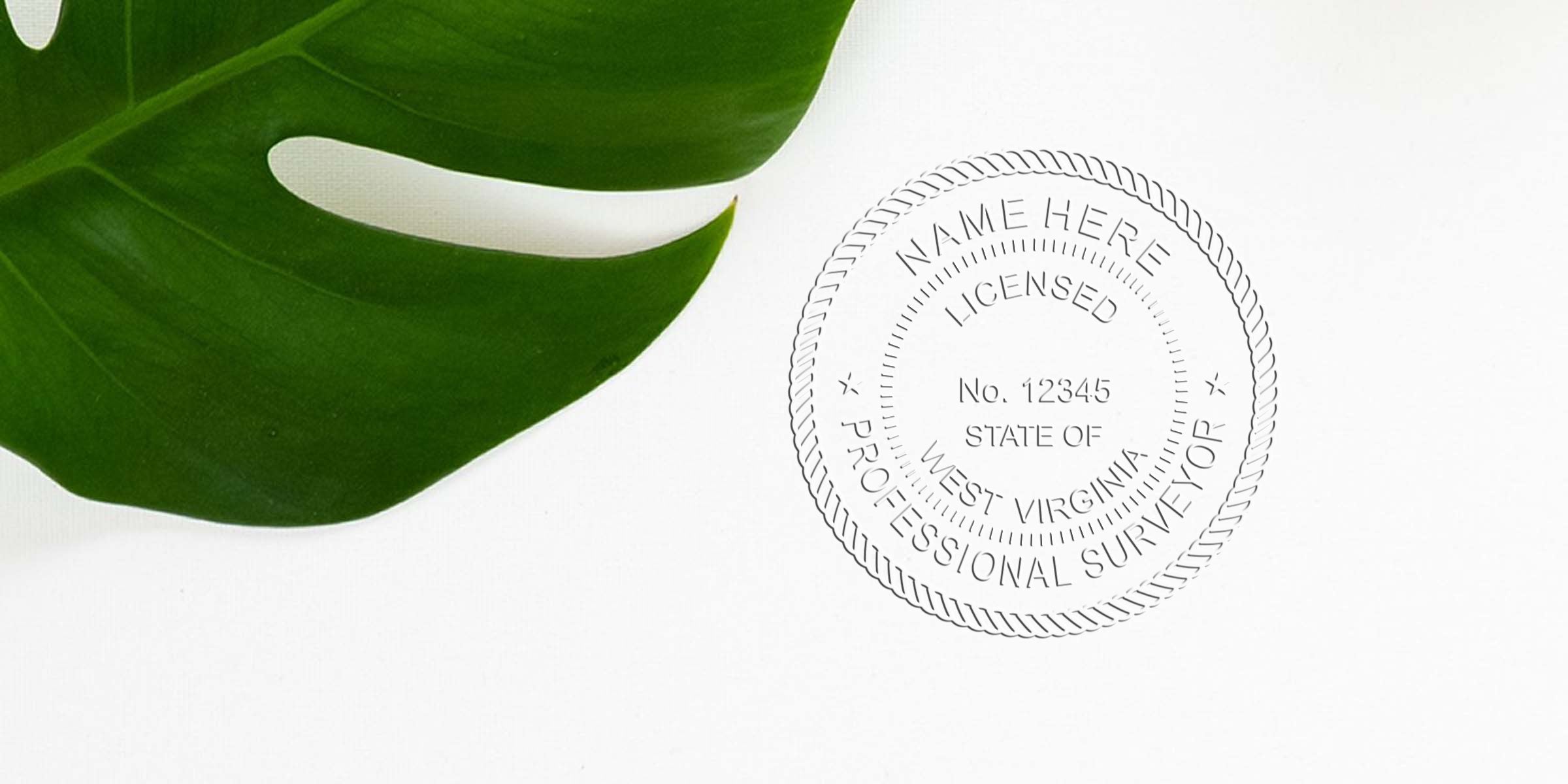
Explore The Importance Of The Seal
If you’re a licensed surveyor in the Mountain State, you’ve probably heard of the West Virginia professional land surveyor seal. This official mark plays a huge role in your day-to-day work. Why? Because it certifies that your surveys meet all the necessary standards, giving clients the confidence they need to trust your expertise.
In essence, a properly used seal offers legal weight to your documents. It’s not just a fancy stamp you place on maps or plats. When you use your seal, you’re signing off on your professional reputation. Unlike a quick signature on a generic form, a surveyor seal demonstrates your commitment to both accuracy and legal responsibility.
Maybe you’ve come across discussions about why this seal is so critical. It’s a big topic, especially in states like West Virginia, where geography can get tricky. Mountainous terrain and complex land boundaries mean survey data has to be spot on. When you stamp or emboss your seal, you’re showing that your measurements, boundary lines, and final reports are reliable and valid. That alone can save you from potential disputes down the road. Above all else, it’s a visible promise to the public that your expertise is on record.
Understand The Legal Requirements
You might be wondering, “Isn’t this seal just an industry tradition?” Actually, it’s a legal necessity. Each state, including West Virginia, lays out specific regulations for surveyors. These rules often come from a professional board or a licensing body that outlines what must appear on official documents. No matter how small or large a project might be, if you’re submitting a final report, you’re typically required to include your name, license number, and a valid seal.
The seal itself is more than ink or embossing. It demonstrates that you’ve fulfilled state criteria, passed your examinations, and maintain good standing in the profession. By sealing a document, you’re effectively taking responsibility for the data presented. It says, “I did the work, and I stand behind it.” Without it, local authorities, businesses, or private clients may reject or question your surveys.
Beyond confirming your credentials, the seal helps align you with West Virginia’s broader legal framework. If a dispute erupts about property lines or zoning issues, your sealed documents become key evidence. Courts tend to side with properly credentialed, accountable professionals. So, if you haven’t done so already, check the exact guidelines for size, appearance, and usage. Each minor detail can matter, especially if you ever have to defend your work in a legal setting.
Build Your Professional Credibility
Think about your interactions with clients. They want a survey they can trust, right? Providing them with documents bearing your seal can ease concerns. It sets you apart from less-qualified or unlicensed individuals. People don’t usually know the weeds of surveying rules, but they do understand the power of a formal seal.
Credibility isn’t just about looking official, though that helps. It’s also having a documented record that consistently meets or exceeds West Virginia’s standards. When you keep everything on file, from your field notes to your finalized plat, you reinforce how you operate: with accuracy, thoroughness, and professionalism.
This credibility extends to your peers and potential employers, too. Working in a land surveying firm? A well-applied seal signals to teammates that you handle your work with care. If you’re a solo practitioner, it’s an immediate trust-booster for prospective clients. When they see a neatly sealed set of boundary lines or elevation notes, they know they’re dealing with a top-tier professional.
Safeguard Public Welfare
Land surveying isn’t just about measuring distances or marking points. It’s about community safety and fair property usage. The West Virginia terrain, with its hills, valleys, and water features, can pose unique surveying challenges. When you apply your seal, you’re asserting that your survey results account for environmental factors, public roads, and property boundaries in a way that ensures safety.
For instance, accurate topographical data helps guide where new roads can be built or utilities can run. Incorrect measurements could lead to drainage issues or structural instabilities that negatively affect residents. By using the seal properly, you’re minimizing the risk of design flaws that could harm people and the environment.
Moreover, local officials often rely heavily on surveyors to plan future developments. A sealed plan can influence zoning changes, construction permits, and even decisions on public works projects. Without your professional seal, major stakeholders might hesitate to act. In other words, the act of sealing your work goes far beyond personal liability or a single boundary line. It’s a step in protecting the wider community that shares the land you’re mapping.
Select The Right Seal
Curious about which seal format you need? There are a few options out there, including rubber stamps, embossers, and digital versions. Each has its place and offers distinct advantages:
- Rubber Stamp: Easy to use and budget-friendly. You can keep one at your desk and quickly apply it to any hard-copy document. A great choice if you often file paper-based surveys.
- Embosser: Leaves a raised imprint on paper that’s difficult to copy or alter. Highly professional and visually distinctive, though it might take a bit more effort to apply.
- Digital Seal: Perfect for electronic submissions. You can embed a secure, encrypted seal in PDF or other digital files. West Virginia often recognizes digital seals, which saves you some printing and mailing hassles.
If you want to ensure you’re meeting state standards, take a look at the west virginia land surveyor stamp requirements. This resource outlines what your seal must display and how it should be applied. Then, once you’ve picked a format, confirm the final design meets West Virginia specifications for size, lettering, and accuracy. The last thing you want is to discover your seal is too large or missing a critical detail.
Use It Properly
Seals can catch the eye, but you never want to overuse them. In many cases, you only need to seal final documents, not every draft or preliminary note. Over-sealing can create confusion about which documents are truly official. Instead, reserve the seal for the final iteration of a survey, along with your signature and date.
Consider how you store and handle your rubber stamp or embosser. It’s best to keep these tools in a secure location. After all, if someone else gains unauthorized access, they could create documents with your seal that look legitimate. That’s a serious risk to your professional standing. The same goes for your digital seal. Use password protection or encrypted software to ensure it doesn’t end up in the wrong hands.
You’ll also want to maintain a log of what documents you’ve sealed. Yes, that might sound a bit tedious, but it can save you from headaches if an old plan resurfaces unexpectedly. If your seal is on a plan, date it, file it, and keep a quick note for future reference. That simple habit can be a lifesaver if you’re asked to revisit or defend a survey.
Rely On Acorn Sales
When it comes to securing a reliable West Virginia professional land surveyor seal, consider working with Acorn Sales. We’ve been in the business for over 60 years, making high-quality stamps and seals specifically for professionals like you. Our catalog features rubber stamps, sturdy embossers, and modern digital seals. Each one is designed to meet state mandates, so you can order with total peace of mind.
Concerned about your budget? We offer a range of price points, plus a free digital seal included with many of our physical options. That means you can confidently sign off on either physical or electronic documents. We know every surveyor has unique needs, so our products are customizable. Whether you need a basic rubber stamp or an embossed seal with your license number, we have you covered.
Our focus isn’t just on manufacturing, either. We support you through the whole ordering process. From answering questions about specific West Virginia requirements to helping you upload your license details for a precise seal design, we’re here to help. We treat you like a real person, not just a transaction. And because we’ve worked with countless surveyors over the decades, we understand that detail matters. A slight misspelling or an incorrect seal size can derail official documents and cause major hassles. With Acorn Sales, you can skip those concerns and focus on what you do best: surveying land accurately.
Feel free to bookmark this guide or share it with colleagues who need a refresher. Having your West Virginia professional land surveyor seal in proper order can streamline your practice and bolster your standing in the industry. No matter how complex your next project is, a properly executed seal, along with thorough surveying techniques, can help you uphold the best standards for yourself and for your community. And remember, if you need a new seal or want to explore your options, Acorn Sales is always ready to lend a hand.
Frequently Asked Questions
What Are The Basic Rules For The Seal?
The seal must show certain elements, such as your full name and license number, as defined by West Virginia guidelines. It’s also crucial to include the state-specific text that indicates your legal authority to practice land surveying. Check the west virginia land surveyor stamp requirements to make sure your layout follows the official mandate.
When Do I Need To Apply It?
Typically, you seal final documents that you’re submitting to clients or public agencies. Draft versions might have “preliminary” or “not official” on them, so you wouldn’t seal those. Always confirm your local requirements, but final survey plats, boundary lines, and official reports almost always require your seal and signature.
What If I Make A Mistake On A Sealed Document?
If an error is discovered after you’ve sealed a plan, you’ll likely need to correct the documents, note the revision, and re-seal. This demonstrates your ongoing commitment to accuracy and transparency. Failing to address mistakes promptly can lead to penalties or legal complications.
Can Someone Else Use My Seal?
No. Your seal is tied to your professional license. You must keep it secure at all times. Sharing it or letting someone else use it, even with your permission, can jeopardize your license and professional reputation. If you suspect unauthorized use, contact the regulatory board immediately.








