
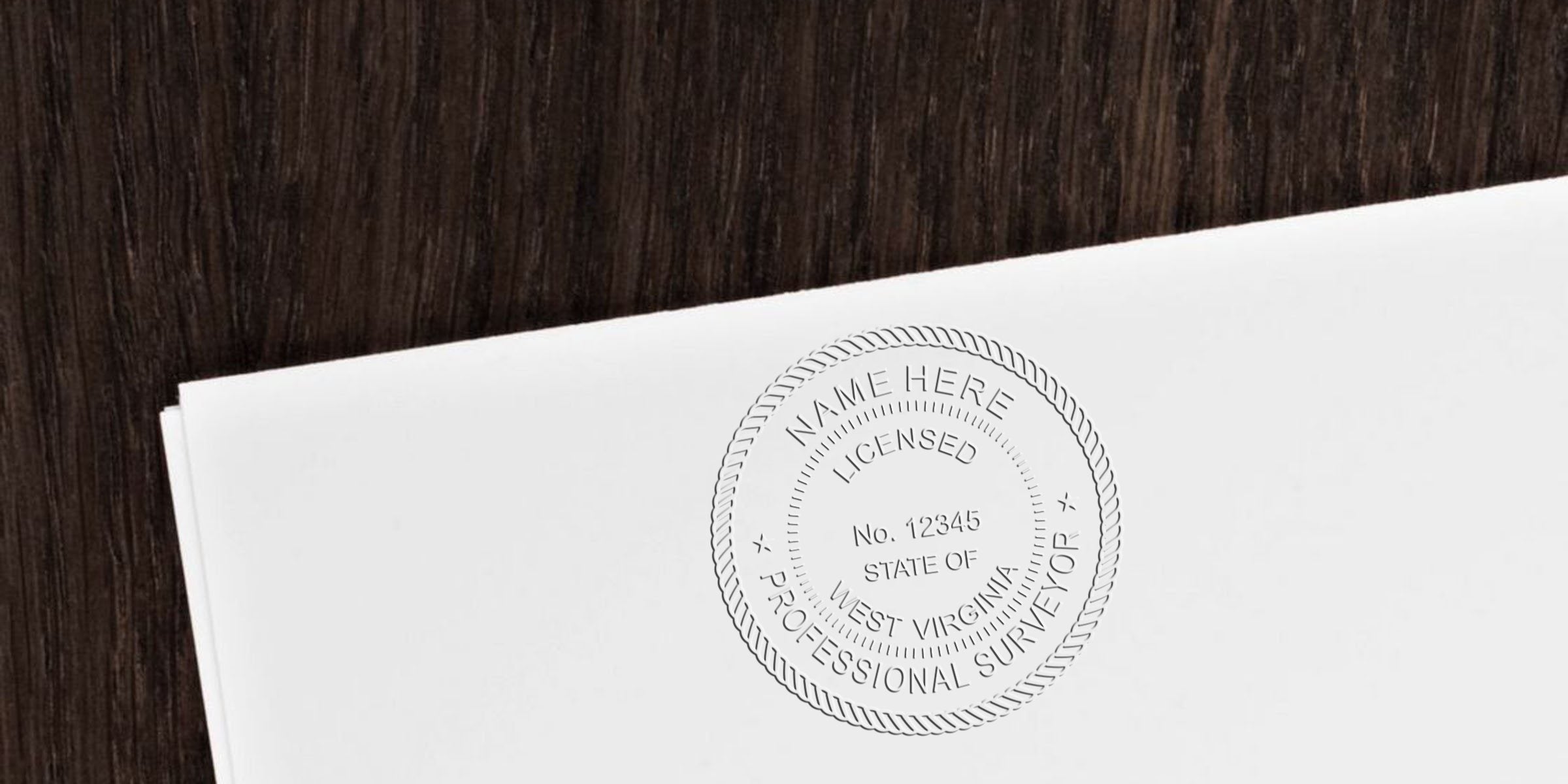
If you’re looking into West Virginia land surveyor seal design for the first time, you may be wondering what’s required, how to stay compliant, and which supplier you can truly trust. Creating a seal that’s recognized by the state, legible on official documents, and sturdy enough for daily use doesn’t have to be complicated. In fact, once you understand the basics, you’ll be able to stamp or emboss confidently while keeping your professional credibility intact.
Below, we’ll walk through the key elements of design, guidelines set by the state, and a few tips for finding the right materials. We’ll also share why getting your seal from a reputable source matters. By the end, you’ll have a clear idea of how to secure a West Virginia land surveyor seal you can rely on, whether you prefer a physical stamp, an embosser, or a digital version.
Recognize West Virginia Seal Basics
When people talk about a surveyor’s seal, they usually picture a circular design with official text around the perimeter and identifying details in the center. For West Virginia land surveyors, the state name, professional title, and your license number typically appear. You’ll often see “State of West Virginia” and “Licensed Professional Land Surveyor” as part of the wording.
It’s important to note that this seal serves a crucial purpose. When you apply it to a survey document or report, you’re affirming that the work meets the state’s professional standards. Think of your seal as a small but powerful legal mark. Just like a signature, it’s your promise that the information and measurements you’re presenting are accurate and truthful.
One big question first-timers ask is, “Where can I find a template or reference for the official text?” Much of it is set by West Virginia’s board regulations. Although you can add minor design flourishes, the core must remain consistent with state requirements. In a nutshell, consistency ensures someone reading your official documents instantly recognizes you as a licensed West Virginia land surveyor.
Comply With State Requirements
Before finalizing your seal, be sure to check current regulations. Each state board or regulatory agency can tweak rules over time, and you’ll want the most updated version. For instance, mandatory text might shift, or the required diameter may change based on the body overseeing professional licensure.
There’s also the question of how and when you must use your seal. Many surveyors apply it to maps, boundary descriptions, and final plats. Because the seal helps confirm professional accountability, it’s essential that each impression (or digital placement if going paperless) is crisp and legible. For more details on the exact guidelines, you can review West Virginia land surveyor stamp requirements. These rules outline dimensions, language, and what qualifies as an acceptable seal impression.
When you comply with these specifications, you lower the chance of having your documentation rejected. Re-submissions cost time and money, and can reflect poorly on your practice. But compliance isn’t about simply following rules. It’s also about making sure anyone who reads your surveys, from developers to local authorities, instantly knows they’re dealing with a professional who meets statewide standards.
Identify Key Design Elements
Although the West Virginia board mandates certain design fundamentals, there are still a few design elements you’ll choose for personal preference or practicality:
Size and Shape
Standard surveyor seals in West Virginia typically measure around 1⅝ to 2 inches in diameter. The circular layout is most common, though some professionals prefer an embosser with a round metal die. Any variation should still feature a clear perimeter that frames your name and license information.Text and Lettering
Your seal must feature the phrase “State of West Virginia,” “Licensed Professional Land Surveyor,” and your license number. You may also include your full name around the border. Make sure the font is large enough to read and that the letters don’t blur together when stamped.Line Thickness
If your lines are too thin, your seal might not impress properly on official documents. On the flip side, overly thick lines can bleed, turning small letters into smudged blocks. Test different thicknesses to see what yields the cleanest print, especially if you’re ordering a self-inking stamp.Optional Decorations
While official text is non-negotiable, you might see minimal ornamental lines or borders. Keep any decorations subdued and ensure they never disrupt the required text. A fancy flourish shouldn’t obscure your license number.
Ultimately, your seal’s job is to communicate who you are and what you do, at a glance. If someone picks up a plan stamped with your seal, they should see crisp lettering, an obvious reference to West Virginia, and the confidence that you’re qualified to carry out the survey.
Compare Material and Format
Choosing the right seal format and material is about balancing your workflow, budget, and professional needs. Let’s look at some popular options:
| Format | Description | Pros | Cons |
|---|---|---|---|
| Rubber Stamp | Uses an external ink pad; manual stamping | - Usually cheaper - Easy to replace ink pad |
- Can smudge - Requires a secondary ink pad |
| Self-Inking Stamp | Houses ink inside the stamp for quicker impressions | - Faster stamping - Cleaner, more consistent mark |
- Ink runs out, requires refills - Slightly pricier |
| Embosser | Presses a raised imprint into the paper | - Harder to duplicate or forge - Impressive look |
- Legibility may be an issue on thin paper - Can be bulky |
| Digital Seal | Electronic file you can overlay on PDFs or images | - Perfect for paperless workflows - High clarity, no physical wear |
- Must ensure digital security - Some clients prefer hard copies |
If you’re juggling both physical and electronic documents, you might want more than one type. Some surveyors keep a self-inking stamp for day-to-day paperwork and also maintain a digital seal for any online submissions. Tools like PDF editing apps make it simple to place your digital seal precisely where it belongs on the file.
In case you’re on a tight budget, a simple rubber stamp can suffice, as long as it matches West Virginia’s mandated text. Just remember that you’ll need an ink pad and may need to factor in reordering if the rubber starts to degrade over time.
Maintain Professional Integrity
Let’s face it, your seal is more than a circle of text on a document. It’s a representation of your credibility. People who see it expect high-quality work, thorough measurements, and the assurance that you follow both ethical and technical standards.
Maintaining professional integrity starts with a clean impression. Light or uneven prints look less professional and could even raise questions about authenticity. If your seal is producing blurred images, check whether the die is worn or the ink is running low. Re-inking or upgrading your tool can prevent any official headaches.
You’ll also want to keep track of circumstances that require you to update your seal. For instance, if you change your name or your license status changes, you may need a fresh design. Similarly, if you relocate or expand your scope of work, double-check that your seal still meets all relevant regulations. Sometimes it’s easy to overlook a small yet critical design alteration, but this oversight can result in compliance issues later on.
Another tip: log when and where you apply your seal, especially on high-stakes projects. That way, if anyone questions a boundary or measurement, you can quickly confirm when you took responsibility for that work.
Choose a Trusted Supplier
You might wonder if you can order a West Virginia land surveyor seal design from any online shop. The short answer is, you can, but not all suppliers uphold the same level of craftsmanship or adherence to official guidelines. That’s why working with a respected company such as Acorn Sales matters.
Acorn Sales has been making professional stamps and seals for over 60 years, so you can trust they know their way around state requirements. They also include a Free Digital Seal with every physical seal purchase, which is a major plus if you’re looking to streamline your process. You can stamp or emboss your physical documents, and then seamlessly add the digital seal to files you share online.
Ordering from a specialized supplier ensures details like the correct diameter, required text, and sharp line quality. Plus, a decent supplier is up to date on West Virginia’s regulatory nuances. The small investment you make in a well-crafted seal pays off by minimizing rejections and boosting your professional image. There’s a reason so many surveyors stick with tried-and-true providers: the results speak for themselves.
When you’re weighing options, consider asking about turnaround times, customization options, and any warranties or guarantees. A reputable supplier should be upfront about how soon you’ll get your seal and whether they offer replacements if you spot a defect in the final design.
Wrapping It All Up
Securing the right West Virginia land surveyor seal design is more than a task to cross off your list. It’s an investment in your reputation and an indicator of your professional commitment. From sizing and text requirements to deciding between physical and digital formats, each choice ensures you’re fulfilling the state’s expectations and delivering quality work to your clients.
Don’t assume one-size-fits-all. Look into potential compliance updates, confirm that your seal is sturdy enough for everyday use, and consider ordering from a specialized supplier like Acorn Sales. With a little preparation, you’ll have a reliable seal, a digital companion for online documents, and the peace of mind that comes from knowing you’re stamping with complete confidence.
Frequently Asked Questions
Can I design my seal from scratch, or do I have to follow a template?
You must include the official text and meet all dimension requirements set by West Virginia. While you might tweak typography or add minimal decorative elements, core aspects such as license number, name, and state references remain mandatory. Always err on the side of clarity and compliance.
What if I move out of West Virginia, can I still use the same seal?
If you’re no longer practicing survey work in West Virginia, you typically won’t need to maintain an active seal for the state. Should you move your practice to a different jurisdiction, you’ll likely require a new seal that matches local regulations. It’s a good idea to confirm your licensing status with the new state board before applying any seal to official documents.
Is a digital seal acceptable for official documents?
Yes, many agencies accept a digital version as long as it appears on documents in a clear, non-editable format (like a secured PDF). However, some clients still expect a physical impression, especially for legal filings. That’s why many surveyors use both. Acorn Sales provides a Free Digital Seal when you order physical stamps or embossers, allowing you to cover both bases effortlessly.
How often should I replace my physical seal or stamp?
It depends on wear and tear. If you notice fading prints, misalignment, or text that’s no longer legible, it might be time for a new one. Regularly check your tool for clarity, especially if you’re stamping many documents daily. A well-made seal can last years if you keep it clean, re-ink as needed, and store it properly between uses.








