
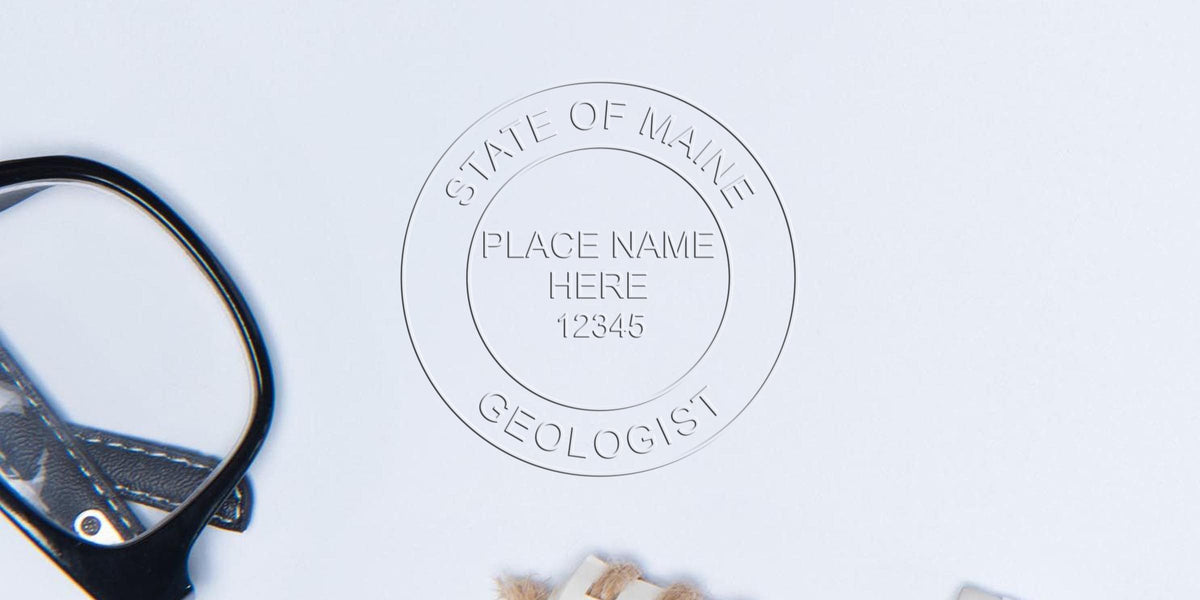
Are you ready to elevate your professional status as a geologist in Maine? Your Maine professional geologist seal is the key that officially validates your expertise. Whether you’re signing off on important reports or presenting findings to clients, a well-crafted seal is a symbol of your credibility in the field. In this guide, you’ll learn why this seal matters, what it looks like, how to use it properly, and how to pick the best supplier for your needs. Let’s dive right in.
Understand the Maine Professional Geologist Seal
A Maine professional geologist seal is not just a fancy mark on paper. It’s an essential indicator of your authority to practice as a geologist in Maine. By applying your seal to documents—like geological assessments, surveys, or environmental impact studies—you confirm that you meet the state’s licensing standards. In many cases, this seal separates amateur opinions from crucial professional evaluations that can affect property decisions, regulatory compliance, and environmental policies.
Seals have long been a tradition in professional circles, adding a formal stamp of approval to an expert’s work. For geologists, this tradition keeps projects consistent with state rules, ensures that only licensed individuals issue official sign-offs, and gives your clients confidence in your findings. If you’ve ever wondered how to demonstrate tangible proof of your qualifications, the Maine professional geologist seal is the clear answer.
Explore Maine Licensing Requirements
Before you can use a seal in Maine, you need the right credentials. The state—through its licensing board—maintains strict requirements for geologists. You typically need to:
- Complete an approved degree in geology or a closely related field
- Pass certification exams (state or national, depending on the board’s guidelines)
- Log a specified amount of professional experience
- Submit all required paperwork and fees
The goal is simple: Maine wants to ensure that only qualified and conscientious geologists represent the field. If you’re already licensed, congratulations: you’re one step closer to enjoying the perks of your very own geologist seal. If you’re still on the path to licensure, keep these requirements on your radar. Make sure to check Maine’s official board website for any updates or changes to the rules so you can stay on top of renewals, continuing education, and other compliance steps.
Identify Key Seal Features
In Maine, your seal layout generally follows specific guidelines to maintain uniformity. When you place your seal on a technical document, anyone should be able to spot that it’s an authentic Maine geologist stamp and not an unofficial mark. While there may be variations in design, you can usually expect the following core elements.
Common Design Elements
- Your full legal name as it appears on your license
- The words “Professional Geologist” or “Licensed Professional Geologist”
- The state name “Maine” clearly displayed
- A unique license number
- A circular or rectangular outline consistent with Maine’s official standards
When you’re exploring styles, remember that clarity matters as much as aesthetics. A crisp design leaves no room for confusion about your professional status. Always double-check with the licensing board to confirm that your seal’s format aligns with current regulations.
Use Your Seal Properly
Sealing your reports or maps may sound straightforward, but it pays to be methodical. Your seal is essentially your professional signature, so you want to apply it consistently and responsibly.
-
Confirm Document Readiness
Double-check your work before stamping. Review your data, analysis, and conclusions. The last thing you want is a glaring error under your official seal. -
Place the Seal Strategically
Many geologists put their seals near their final signature or at the end of a report. This helps readers quickly verify the document’s authenticity. Keep the seal clear of major text blocks so it stands out but does not obscure any information. -
Include Date and Signature
You’ll usually need to date and sign near the seal. This underscores that the document is current, and it ties your professional endorsement to a specific time frame. -
Respect Electronic Standards
Digital or electronic seals are increasingly popular, and for good reason. They save paper and speed up collaboration. Still, you should follow any guidelines the licensing board sets for electronic use. Many states have rules to ensure the security of e-seals and prevent unauthorized copying or manipulation.
Lending your seal to another person or letting someone else control your stamp is a big no-go. Think of your seal as you would your personal signature. Any misuse could land you in trouble with the board, and it could damage the trust your clients place in you.
Choose a Trusted Supplier
Having the right supplier for your seal ensures it meets state rules and remains easy to use, day after day. It’s wise to work with a company that knows what’s expected for professionals like you.
Acorn Sales has specialized in stamps and seals for licensed professionals since 1964. They understand the specifics of Maine’s guidelines, so you’ll feel confident that your seal or stamp is compliant. Plus, you get a free electronic seal when you order through them, which can be a game-changer if you work remotely or collaborate online.
Looking for a physical stamp option? You can always check out a maine geologist stamp designed to meet Maine’s regulations. Acorn Sales prides itself on durable materials that yield crisp impressions. Each stamp is built to handle frequent use, so you won’t have to rummage for replacements too often. After all, you don’t want your official seal to fade just when you need it most.
When you purchase through a reputable supplier, you also ensure you’re not stuck with shoddy imitations that could undermine your hard-earned credentials. It’s not worth cutting corners on something that plays such a big role in your professional image.
Maintain and Store Your Seal
Your seal might seem sturdy, but it still needs a little TLC to stay crisp and functional. Whether you have a self-inking stamp or a traditional hand stamp with an ink pad, proper care goes a long way toward preserving its quality and vitality.
-
Keep It Clean
Wipe the surface occasionally to remove lint, dust, or leftover ink buildup that can clog the impression. Use a soft cloth or light brush for any stubborn stains. -
Store in a Dry Spot
Too much humidity can weaken stamp materials over time. Also, avoid direct sunlight, which can dry out the ink pad and cause your impression to fade fast. -
Re-Ink Responsibly
If you notice your impression getting lighter, it’s time to re-ink. Make sure you use ink compatible with your stamp model. The wrong formula can clump or smear. -
Check for Damage
Stamps and seals are mechanical tools. If anything feels loose, or if the imprint looks spotty, inspect the parts. Keep backups or order replacements before a project deadline sneaks up on you.
You’ll appreciate the reliability of a well-maintained seal. There’s nothing more frustrating than needing to finalize an official report only to discover a smudgy, unreadable stamp.
Hopefully, this guide clarifies all you need to know about the Maine professional geologist seal. By investing in a compliant, high-quality seal—and by taking care of it—you reinforce your professional reputation every time you stamp a report. Let your seal speak for your qualifications, and keep exploring new ways to continue shining in your geologist career.
Frequently Asked Questions
Do I need a physical seal if I have an electronic seal?
Yes. You’ll still want a physical seal for hard-copy documents. While electronic seals are helpful, some clients or agencies may request a physical impression for their records. It’s best to be prepared for either scenario.
How do I get a Maine Geologist stamp from Acorn Sales?
Simply visit Acorn Sales, where you can select a relevant category for professional stamps and seals. Specify you need a Maine geologist stamp, provide your name and license details, then place your order. They’ll create both a physical stamp and a free electronic file so you’re covered in all situations.
Is my seal specific to Maine only?
Typically, yes. State-specific licensing means your seal acknowledges you meet Maine’s geologist standards. If you also practice in other states, you must meet those boards’ requirements and create separate seals if needed.
How often do I need to renew or replace my seal?
Your seal remains valid as long as your license remains active. As for the physical stamp, it can keep working for years with the right care. You’ll want to renew your license according to Maine’s rules and check if you need an updated seal design when regulations change.








