
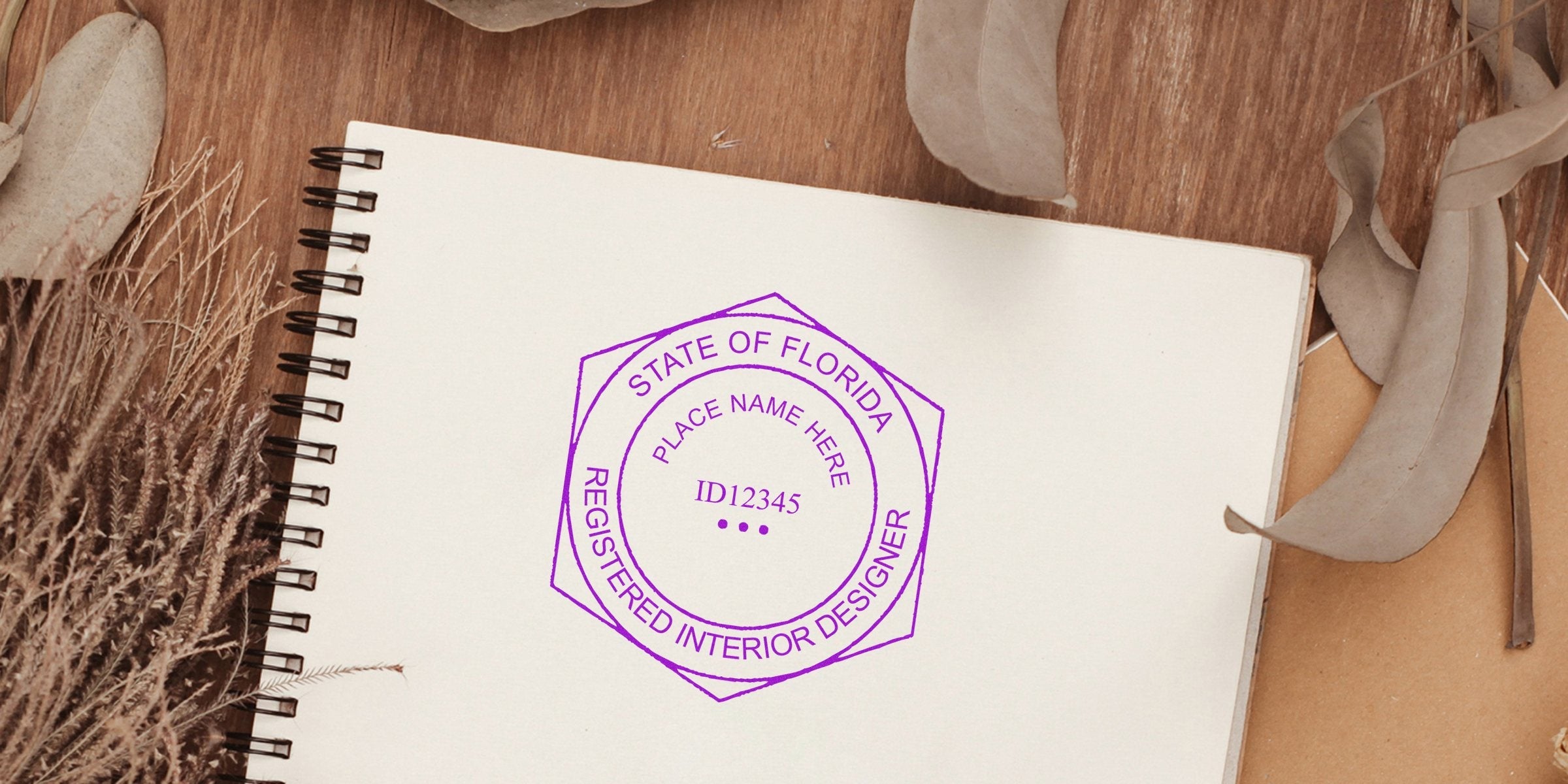
Discover Florida Interior Designer Seal Design Guidelines
When you work as a Florida interior designer, your professional seal is more than just a symbol. It’s a statement that you’ve met state requirements and taken your craft seriously. In this post, we’ll explore Florida Interior Designer Seal Design Guidelines so you’ll know exactly what’s expected when stamp time rolls around. Consider this your friendly guide on what the seal means, which design features matter, and how to stay aligned with Florida’s rules. Let’s jump right in.
Understand the Official Requirements
Before you even start designing or ordering your seal, it helps to know the basic blueprint Florida expects you to follow. In Florida, the interior designer seal typically shows your name, license number, and a relevant title or phrase. It’s also common practice for the state’s licensing board to provide recommended dimensions. As a professional, you want to look credible from the start, which means following the exact seal standards is more than just a formality.
It’s easy to assume the rules are purely aesthetic. In reality, every specification—from the outer circle’s thickness to the arrangement of text—serves a legal purpose. You might see guidelines like “use a circle outer border” or “include only certain abbreviations.” This means your final seal or stamp isn’t just any circle with your name on it; it’s an official mark that validates your work.
By taking time to understand these guidelines, you’re paving the way for smoother approvals, quicker revisions, and a more reliable stamp you can use for years to come.
Note Key Design Elements
When you picture a seal, you probably imagine concentric circles and text wrapped around the border. That’s basically what the Florida interior designer stamp entails, but there are finer details you should keep in mind:
-
Circle Structure
A typical Florida interior designer seal comes in a circular format. The outer ring often contains the state name or the phrase “Registered Interior Designer.” Inside, you’ll find your legal name, license number, and potentially a unique registration code. -
Readability Factors
Check that your chosen font is bold enough to see clearly once stamped on official documents. A faint imprint doesn’t do you any favors in the eyes of your clients or licensing boards. -
License Number Placement
Florida guidelines usually place the license number at the center or just below your name. Make sure it’s front and center so no one has to guess whether your seal is authentic. -
Title vs. Abbreviation
If you want to include “Interior Designer” in its full spelled-out form, verify if the Florida board allows you to abbreviate. Some professionals prefer “Int. Des.” for brevity, but always confirm that your abbreviation is lawful and recognized. -
Proportions
The circumference of the seal, the thickness of each ring, and the space between the text can all be specified. Overcooked or undercooked designs might appear unprofessional and can attract unwanted scrutiny.
Tracking each of these components may sound tedious, but when your seal is correct from the start, you’ll save yourself from reordering or reprinting expensive stamps later on.
Avoid Common Pitfalls
Despite the clear rules, it’s surprisingly easy to go off-track. Here are stumbling blocks you’ll want to dodge:
-
Incorrect License Numbers
A single number off can invalidate your entire document. Always verify the numeric sequence before using your seal. -
Misspelled Names
Sometimes, your name is spelled differently in the state records. Make sure you’re consistent with the official version the board has on file. -
Wrong Dimensions
Skipping the size guidelines might result in a design that’s either too large to fit neatly on documents or too small to read. -
Overly Styled Fonts
Calligraphy or script fonts may look gorgeous, but they often print as an illegible swirl. Aim for clarity over flourish. -
Skipping the Rules
The biggest pitfall is ignoring Florida’s specific instructions. Even if you’ve been a designer in other states, Florida’s requirements can differ, so always treat them as unique.
When in doubt, double-check the formal guidelines. If you need a deeper dive into specifics, you can also explore the florida interior designer stamp requirements for more insights on measurements and legal mandates. Taking that extra step keeps you on good terms with state officials and helps you maintain a truly professional image.
Secure Your Florida Interior Designer Stamp
Once you understand the rules, it’s time to get practical and actually acquire your stamp. Typically, professional stamps use rubber or self-inking mechanisms. However, you also have the choice of an embossing seal. Which one you pick comes down to your workflow, the paper types you print on, and how your clients expect to see your certification.
Here’s a quick look at the primary seal or stamp types:
| Stamp Type | Best For | Advantage |
|---|---|---|
| Self-Inking | Frequent stamping on various documents | Fast, convenient, no ink mess |
| Rubber Hand Stamp | Occasional, to moderate usage | Simple to replace ink pads |
| Embossing | Luxury or formal paper documents | Unique raised impression |
If you’re dealing with a lot of contract pages, a self-inking stamp is a no-brainer. On the other hand, if you enjoy the classy feel of raised lettering, an embosser adds a touch of gravitas. Decide which tool best meets your day-to-day needs, making sure it aligns with Florida’s guidelines.
Choose a Trusted Supplier: Acorn Sales
When you’re ready to order, picking the right supplier is crucial. You don’t want to spend money on a stamp that’s only half-compliant or prone to fading. That’s where Acorn Sales comes in. We’ve been in business since 1964, which means we’ve spent decades perfecting the art of durable, compliant stamps for professionals like you.
We know Florida’s rules inside and out, so our team triple-checks your seal design before it goes into production. That means fewer re-dos, fewer headaches, and a final product you can proudly use on all your official documents. And if you’re thinking about digital or electronic options, you’re in luck. With Acorn Sales, you can get a free electronic seal and a free digital seal included, saving you time and money.
Ready to trust your paperwork to a well-established company? We like to say, “Come for the stamp, stay for the service.” You’ll find our staff is always happy to answer questions or help you handle the more intricate issues—like how best to position your seal on a legal-sized blueprint. When you team up with us, you’re not just buying a seal, you’re gaining a partner who wants to see you succeed.
Explore Best Practices for Compliance
Besides meeting the basics, Florida interior designers can benefit from a few best practices that go beyond the design guidelines. Why? Because once you receive your stamp, you’ll still need to use it correctly and maintain its relevance.
Keep Records Organized
Florida’s licensing board may ask to see proof of a valid seal at any point in your professional timeline. Store backup files and an electronic copy of your approved seal design. It’s also wise to label physical stamps or embossers with the date of purchase or issuance, so you’ll know when to get them updated.
Check for Renewals
Your interior designer license typically needs renewing after a certain period. Each time you renew, confirm there haven’t been any changes to official seal requirements. If something has shifted—like a new phrase or dimension standard—make sure to update your seal promptly. An outdated seal can lead to confusion or even compliance issues.
Maintain Design Clarity
Over time, physical stamps might fade or start losing their crisp edges. That’s your cue to refresh or replace them. Ensuring your stamp image is as legible as day one is part of staying in good standing. You don’t want important documents rejected because the seal is illegible.
Embrace Digital Options
Florida recognizes the need for modern solutions, so digital seals and electronic signatures often come into play, especially for online submissions or PDF-based approvals. If you’re not already using them, tap into Acorn Sales’ free electronic seal and free digital seal. They save you from physically scanning documents every single time, plus they offer a clean, precise appearance that’s easy to verify.
Plan for Real-World Usage
Now that you know the guidelines, have your seal design in mind, and understand best practices, it’s time to plan how you’ll use that seal day to day. Whether you’re stamping a design plan, blueprint, or project invoice, the seal is your quick proof of professional authority.
-
Document Types
Make a list of all the documents that might need your official thumbprint. Potentially, that includes floor plan drawings, spec sheets, final approvals, or even smaller design proposals. If it’s legally bound or if a client needs reassurance of your credentials, it can’t hurt to use that seal. -
Storage and Organization
If you’re using a physical stamp, keep it in a secure spot so you never have to rifle through a messy drawer while a client waits. Electronic seals should also live in a password-protected folder or cloud service. Quick access is half the secret to consistent usage. -
Team Training
If you have junior designers or administrative staff who help prepare documents, make sure they understand how and when to use (or not use) your seal. The seal is only valid under your direct supervision, so establishing guidelines for internal usage is a must. -
Quality Control
Each time you apply your seal, review the final document. It doesn’t take more than a minute to confirm everything looks right. Catching an error early spares you from redoing an entire project submission.
Wrap Up the Guidelines
Florida interior designer seal design guidelines may appear strict at first glance, but once you know what to do, staying compliant becomes second nature. From the exact circle dimensions to choosing your stamp type, each detail is another step toward presenting yourself as a knowledgeable, trusted professional. And remember, your seal is an announcement of sorts—it tells the world, “I’ve got the credentials, and I know how to use them.”
If you’re looking to simplify the process, reach out to Acorn Sales. We’ve been here since 1964, which means we understand the interplay of tradition and modern needs. We offer free digital and electronic seals too, so you can handle paperwork in whichever manner fits your day best. And with our track record, you’ll never have to wonder if your seal meets Florida’s standards. That’s one less worry on your plate.
As soon as you notice fading or distortion, it’s time to get it replaced. Also check your license renewal rules. If your license details change or if Florida updates its requirements, you’ll need a revised seal. Freshening up your stamp ensures your imprints are always crisp, clear, and fully valid.
Feel free to drop any additional questions you have about the Florida interior designer seal or stamp process. And remember, you can always look into the florida interior designer stamp requirements for deeper answers on sizes, shapes, and legal must-haves. When in doubt, Acorn Sales is your go-to resource—after all, we’ve been helping professionals like you find the perfect seal since 1964. Happy stamping!
Frequently Asked Questions
Why Do I Need a Florida Interior Designer Seal in the First Place?
Your official seal is recognized by Florida’s licensing board as your professional signature. It confirms that you’re legally authorized to practice interior design in the state and assures clients they’re hiring someone who meets strict requirements.
Can I Use the Same Seal Design From Another State?
Not always. Each state has unique specifications for layout, size, and text requirements. If you’re also licensed elsewhere, create a separate seal for Florida that adheres to Florida’s guidelines. Having the right seal for each jurisdiction keeps you compliant.
What If I Prefer to Go Fully Digital?
Digital and electronic seals are increasingly accepted. In Florida, you can securely embed a valid seal into PDFs or online documents. If you go this route, make sure it matches the design you’d use for a physical seal. By working with Acorn Sales, you can receive both a physical and a digital seal—free of charge for the digital version.








