
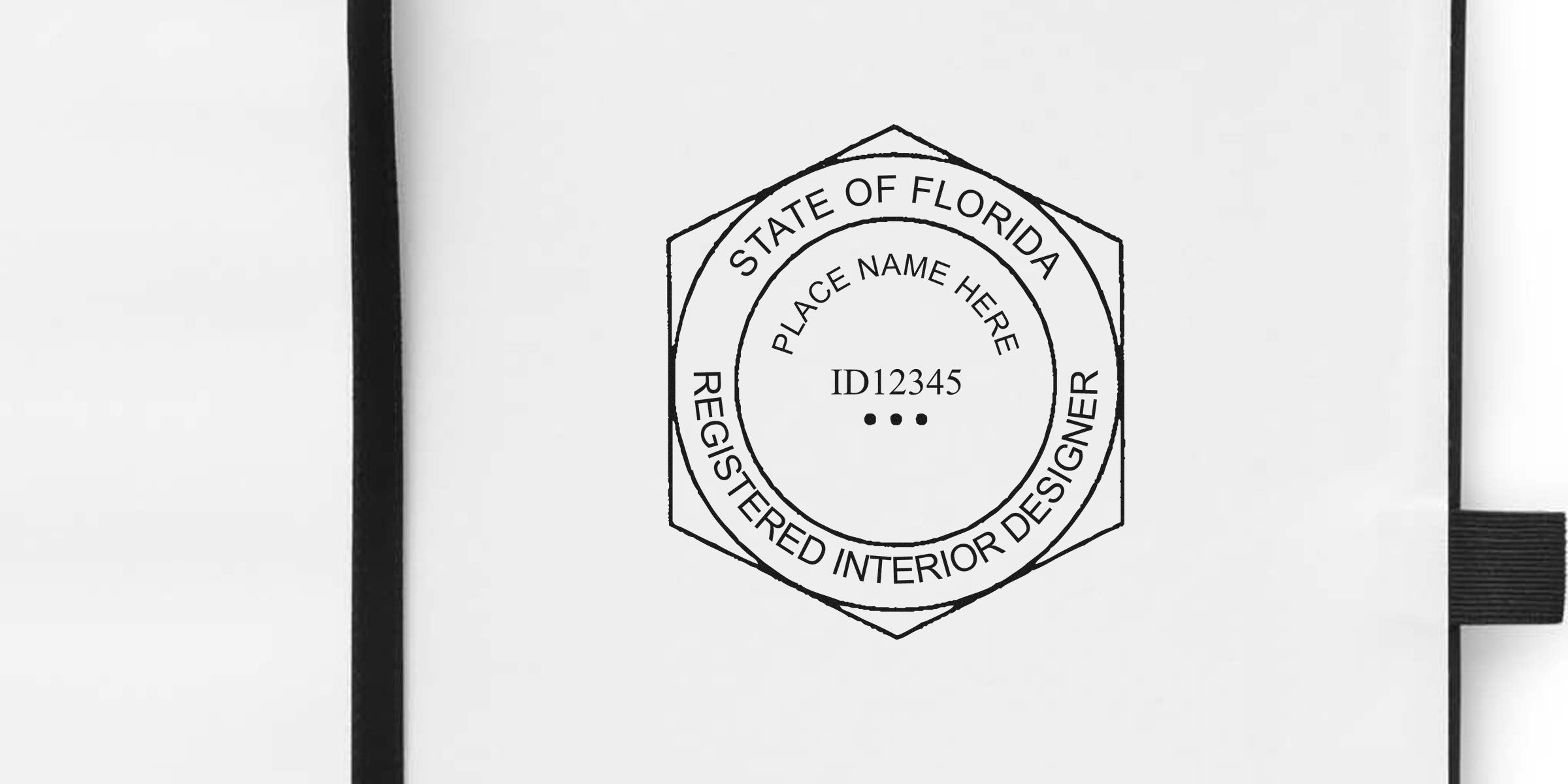
Are you juggling everything from color palettes to floor plans? Then there’s the matter of florida interior designer seal regulations, which can feel like a puzzle you never asked to solve. The good news is that these requirements don’t have to be complicated or intimidating. In this post, you’ll gain a clear understanding of why seals matter, how to stay compliant, and where to get what you need, so you can keep doing what you love: designing amazing interiors.
Below, you’ll find a roadmap that breaks it all down into concise steps. Think of this as your quick-reference guide for Florida’s rules and how they affect your professional stamp or seal. By the time you’re done reading, you’ll feel more confident about meeting your obligations and protecting your license. Let’s dig right in together.
Understand Florida Interior Designer Seal Regulations
To clear up any confusion, let’s start with an overview of the basics. Florida interior designer seal regulations help ensure that any official document you produce meets the legal standards required by the state. Ultimately, your seal shows that you’re a licensed professional who stands by your work.
Here are a few points to clarify:
- Florida law often requires interior designers to affix a seal or stamp on specific project documents (like drawings, plans, or specifications).
- The seal is used to certify that the documents are complete and prepared under your direct supervision.
- Misusing a seal can lead to penalties, so you’ll want to make sure you’re following the rules.
This framework exists to protect both the public and you as a professional. The state wants to ensure that interior design work meets certain guidelines, while you get a quick, straightforward way to demonstrate your expertise and compliance. After all, it’s much easier for anyone reading your document to see that official seal and trust that the work is legit.
Recognize The Purpose Of A Seal
Why does Florida require a seal in the first place? Essentially, it all comes down to accountability and authenticity. When you apply your seal to a set of plans:
- You confirm that the work meets the state’s regulatory standards.
- You take responsibility for the project’s accuracy and completeness.
- You establish that you’re currently licensed and practicing legally.
Imagine your seal as your personal signature, but with an extra layer of formality. It’s the official stamp of your professional integrity and confirms your designs follow Florida’s guidelines. If a client or building department ever wonders who’s responsible for the project’s details, they’ll look for that seal to find out.
Know The Florida Approval Process
Let’s be honest, the approval process can feel a bit daunting if you’re new to it. You might ask yourself, “Will my documents hold up if they’re not sealed correctly?” or “Which forms specifically need my seal?” The great news is that Florida’s rules are detailed enough that you won’t have to guess.
Here’s a quick snapshot:
- You’ll likely need to seal final drawings, plans, reports, or other documents you submit for official use (for instance, to local permitting agencies).
- Draft versions usually don’t require your seal, because they’re not considered final.
- If you’re unsure whether an item needs a seal, your local building department or the Florida board overseeing interior designers is often the best authority to double-check.
Once these documents are ready, the next step is to apply your seal in the designated spot. Don’t forget, each set of rules might slightly differ depending on the county or municipality you’re dealing with, so a quick check is always a good idea.
Choose The Right Seal Type
Seals can come in a few different forms, and Florida laws may allow certain formats. Some designers prefer a rubber stamp, while others like the sturdy feel of an embosser. And with the rise of technology, digital versions are becoming more common.
Below are the main seal types:
- Physical Rubber Stamp: Applied with ink, quick to use, and straightforward.
- Embossing Seal: Uses pressure to create a raised impression, giving documents a stylish and professional look.
- Digital Seal: Often used for electronic submissions, especially if an agency accepts online documents.
No single type is universally “best.” Instead, opt for the one that fits the requirements of the agencies or clients you work with most often. If your local building department allows digital submissions, you might need a digital seal. If various builders or inspectors still prefer paper, a rubber stamp or embosser might come in handy. It never hurts to have both a physical and a digital option if you can swing it.
Comply With Florida’s Requirements
Following Florida interior designer seal regulations goes beyond just purchasing any seal you can find online. You need to confirm that:
- The seal’s design layout meets the Florida Board of Architecture and Interior Design guidelines.
- Any text or licensing details (like your name or license number) are accurate and clearly displayed.
- The size of the seal is appropriate. For instance, it shouldn’t be so small that the text is illegible, nor so large that it takes over your documents.
Many states, including Florida, provide specific instructions on how the seal should look. If you’re curious about further details on stamp dimensions or other considerations, you can explore our guide on florida interior designer stamp requirements. This additional resource can help you double-check any details you might have overlooked.
Find A Trusted Supplier
Here’s where a reliable partner can make your life easier. You want a supplier who understands Florida’s regulations and can craft your seal to those exact specifications. That way, you’ll spend less time worrying about whether your seal is up to code.
At Acorn Sales, we’ve been in business since 1964, providing stamps and seals for professionals across the country. We know Florida laws well, and we’re proud to offer:
- Free Electronic Seal: Perfect for quick and hassle-free online submissions.
- Free Digital Seal: A handy option if you deliver final designs via email or cloud platforms.
- Personalized Customer Support: We help ensure your seal meets the Florida board’s standards.
One benefit of shopping with a specialized partner is that you don’t have to second-guess the final product. You can simply provide your license information and confirm which format you want, then wait for it to arrive ready to go.
Best Practices For Maintaining Your Seal
Think of your seal as a valuable asset in your professional toolkit. The last thing you want is to lose it or have it get damaged. Not only is it inconvenient and potentially expensive to replace, but it also opens up a window for unauthorized use if it falls into the wrong hands.
Below are a few ways to keep it safe:
-
Store Physical Seals Securely
Keep your rubber stamp, embosser, or similar device in a locked drawer. This precaution prevents casual misuse in the office or at job sites. -
Protect Your Digital Seal
Secure digital files behind a password, and never leave them accessible on public or shared computers. -
Keep Documentation
If you do misplace your seal, having a record of its serial number or date of purchase can help you file a complaint or an incident report faster.
Seals and stamps aren’t likely to expire as long as your license remains in good standing, but you will want to replace it if the text or design becomes outdated or illegible. Keeping it current helps you avoid any compliance hiccups.
Avoid Common Mistakes
Mistakes are bound to happen when you’re first learning the ropes, but a few preventive steps can save you time and frustration. Here are some pitfalls to watch out for:
- Incorrect Placement: Make sure you apply your seal in a visible spot on the document (often in a designated “seal” area).
- Faded or Unclear Impressions: If your stamp’s ink is running low, or your embosser isn’t sharp enough, the impression might be unreadable. Swap or re-ink as needed.
- Using a Personal Logo Instead of an Official Seal: A logo is great for branding but doesn’t usually satisfy Florida interior designer seal regulations. You need the official seal that includes your license information.
- Forgetting to Sign: Florida might require you to sign and date next to your seal. Check local rules to confirm whether this step is mandatory.
By sidestepping these common errors, you’ll show clients, examiners, and building officials that you take your professional obligations seriously.
With these questions answered, your path should be much clearer. Staying up to date with any new Florida rulings or board instructions is also wise, because regulations can change over time.
That’s it. You now have a straightforward look at how to handle florida interior designer seal regulations. Whether you’re sorting out your compliance strategy or simply looking for a reliable supplier, remember that your seal is more than a formality. It protects your professional standing and gives your clients confidence in the quality of your work.
If you’re ready to simplify the process, Acorn Sales is here to help you create the perfect stamp or seal. We understand Florida’s guidelines and know how to match you with the right format, whether you prefer a rubber stamp, embosser, or digital option. So take the next step with confidence, and keep focusing on the creative side of your job. After all, your talent is what truly brings every interior to life.
Frequently Asked Questions
Why do I need a Florida interior designer seal?
You need the seal to validate your documents and show that your work complies with Florida’s licensing standards. It’s a clear signal of responsibility and authenticity. In other words, you’re telling the state, “I stand by these plans.”
Where can I get a Florida interior designer stamp?
You can order your stamp or seal from a trusted supplier like Acorn Sales. We’ve been around since 1964, and we offer a free digital seal or free electronic seal with purchase so you’re covered for both paper and online submissions.
Do I need separate stamps if I work in multiple states?
Yes. Each state has its own regulations and license number requirements. If you’re licensed in another state, you usually need a separate seal that meets that state’s guidelines.
What if I lose my seal or stamp?
First, change any passwords or security details for your digital seal, if applicable, to prevent misuse. Next, report the loss to your licensing board if that’s required in your area, and order a replacement as soon as possible.








