
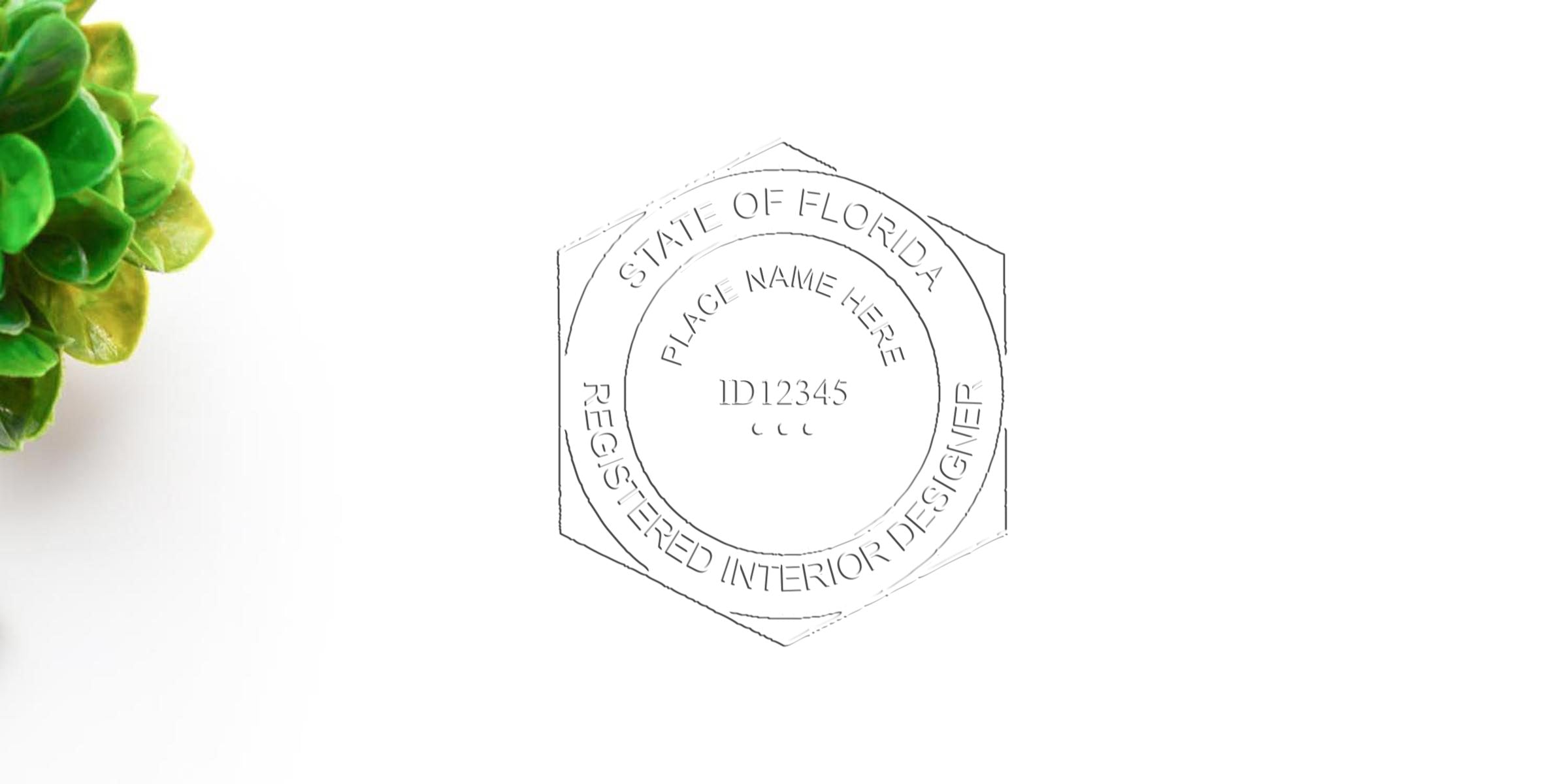
Imagine you’re getting ready to submit your paperwork for that all-important Florida interior designer stamp. You’ve studied design, built practical experience, and now you’re eager to finalize your professional standing. But where do you begin with the Florida interior designer stamp application process? In this post, we’ll walk you through each step, from pinpointing the rules to securing your official seal. By the end, you’ll feel confident about handling requirements, meeting deadlines, and staking your claim as a licensed interior designer in the Sunshine State.
The journey can look a bit confusing at first. Florida’s strict guidelines ensure that interior designers adhere to professional standards, which means you have to meet specific education and experience requirements before you qualify. Once you’ve nailed those, you’ll need to fill out your application correctly and obtain the right stamp or seal. The good news? This entire process is more straightforward than it sounds, especially once you see how to break it down into simple stages.
Ready to get started? Let’s explore the key steps that will help you obtain your professional stamp and provide a trustworthy, polished service to clients. After all, there’s no better feeling than handing over a finalized design plan, complete with an official seal indicating you’re recognized and authorized by the state. Let’s begin.
Explore Florida Regulations
Before you tackle your application, it pays to understand the fundamentals. Florida’s statutes govern how interior designers practice and detail the specific requirements for licensure. These rules help keep professionalism and safety top of mind, ensuring that each designer meets a standard set of skills.
You’ll likely see mandates involving your educational background (such as a degree from a Council for Interior Design Accreditation program) and your documented work experience. Florida often requires proof that you’ve satisfied a minimum number of credit hours in interior design or a related field. If you’re uncertain whether your education qualifies, a quick call or visit to Florida’s official licensing board can clear things up.
It’s also important to note that professional boards occasionally update their guidelines. Keep an eye on any announcements regarding continuing education or new regulations. A quick website check every few months can prevent unpleasant surprises down the road. That way, you won’t discover halfway through your application that your paperwork or course credits are out of date.
Gather Your Credentials
Once you understand the rules, it’s time to make sure you have all your qualifications in hand. This step is all about collecting proof that you meet Florida’s specific standards for interior designers. If you’re a recent graduate, your transcripts should confirm your degree in interior design. If you’ve been in the field for a while, compile work records, references, and anything else that points to your professional experience.
- Transcripts from accredited programs: If you studied outside the United States, you may need an evaluation service to verify that your degree is equivalent to a U.S.-based one.
- Professional experience documents: Keep letters or signed statements from previous employers or mentors who can attest to the length and scope of your interior design work.
- Identification and test scores: Double-check if you need to take a specialized exam, such as the National Council for Interior Design Qualification (NCIDQ). Having your passing scores ready can speed things up.
Stay as organized as possible. An easy approach is to keep digital copies of all these documents in a single folder on your computer. Label them clearly, and make sure you have backups. That way, if something goes missing during the submission process, you can re-send it with just a few clicks.
Submit Your Application Online
At this point, you’ve gathered all the necessary files, so you’re ready to tackle the official application. Florida typically offers an online application portal for prospective interior designers, which makes life easier by eliminating the need for piles of paperwork. Once you create an account, you can fill out the form step by step, attaching the digital copies of your credentials as you go.
The questions will likely ask for your contact details, educational history, professional work experience, and test scores if needed. Remember to set some time aside for this. You don’t want to rush important details, especially if you need to type in license numbers or double-check spelling. A minor mistake in your application could lead to processing delays or an unexpected rejection.
If you’re not sure what to put in a particular field, reach out to the state board or read up on current guidelines. Clarifying even small questions at the start can prevent big headaches later. Plus, responding accurately portrays you as a conscientious professional who’s serious about meeting Florida’s standards.
Comply With Stamp Requirements
Securing a license is only part of the equation. You also need to meet the official stamp or seal specifications before you can affix it to construction drawings or other formal documents. Each state has specific design and usage rules, and Florida is no exception. To ensure your imprint is valid, you’ll want to consult Florida Interior Designer Stamp Requirements for the most up-to-date standards. Here’s how:
- Review the format: The state likely dictates the overall size of your stamp, the wording, and the placement of your name and license number.
- Understand official usage: Certain documents require a stamp, while others don’t. For instance, you might need to stamp final drawings or official design plans.
- Check state guidelines regularly: Laws can change. If Florida revises the stamp format, you may need an updated seal.
If you’re interested in the finer points, it’s pretty clear that Florida interior designer stamp requirements will walk you through the current rules. You’ll find helpful details on what the state wants to see in your seal, from shape to lettering. Once you’re certain you meet those specifics, you can finalize your tool.
Get Your Professional Seal
After your license application receives approval, you’re ready to secure the actual stamp. Here’s where Acorn Sales steps in. We’ve been in business since 1964, so we’ve got decades of experience delivering high-quality stamps and seals to professionals like you. We also provide a Free Electronic Seal and a Free Digital Seal with qualifying orders, so you have both a physical impression and ready-to-go digital files at your fingertips.
Imagine needing to send off a design electronically to a client. Being able to embed your unique seal shows them you’re fully authorized, which boosts trust and peace of mind. And if you need a physical impression on contract documents or construction drawings, the traditional rubber stamp or embosser covers you there. Think of it as a two-for-one convenience, designed with your busy schedule in mind.
When you purchase through Acorn Sales, you can trust the quality is top-notch and aligned with Florida’s guidelines. We keep up with changing rules, so you’re rarely caught off guard. That said, it’s still wise to double-check your stamp design matches any new updates. This habit keeps your seal valid and your projects running smoothly.
Keep Up With Renewals
Securing your Florida interior designer license and stamp is a fantastic milestone. However, the journey doesn’t end once you’ve gotten your seal. Florida usually requires you to renew your license periodically, ensuring you remain current with industry standards. As you practice and gather more experience, you’ll likely need continuing education credits to maintain your credentials.
So how do you stay on top of renewals and changes to the stamp rules? Here are some tips:
- Check the state board site: Keep an eye on renewal deadlines. Mark dates ahead of time so nothing slips through the cracks.
- Maintain complete records: If you take a continuing education course, save the completion certificate in a dedicated folder (digital or physical).
- Update your stamp if prompted: If Florida adjusts its seal specifications, your existing stamp might need an update. This usually involves ordering a revised seal that meets the new standards.
Staying compliant isn’t just about following strict regulations. It’s also a way to keep learning, expand your skill set, and reassure clients that you operate at the highest professional level.
Acorn Sales has been a trusted supplier of professional stamps and seals since 1964. We pride ourselves on providing an official stamp that adheres to Florida’s guidelines. You also get a Free Electronic Seal and a Free Digital Seal included with your purchase. This combination ensures your seal is ready for both paper documents and digital files, covering all your project requirements.
Acquiring a Florida interior designer license and stamp is an important step in validating your expertise. Whether you’re setting up your own design practice or collaborating with a larger firm, having an official seal signals trust and accountability to your clients. From unraveling the required paperwork to choosing the right stamp, each step can feel less daunting when taken in small, intentional moves.
By now, you’ve learned about Florida’s regulations, gathered your credentials, and seen how to submit your application smoothly. You also know where to find a top-tier stamp designed to meet those ever-changing state guidelines. With a bit of preparation and a reliable partner like Acorn Sales, you’ll be ready to stamp those final plans confidently and show clients they’re in good hands.
So go ahead, gather those papers, hit “submit” on your application, and slide your new professional stamp across that blueprint. You’ve earned it. Feel free to pass this information along to fellow interior designers who might be feeling overwhelmed by the process. The more we all share helpful tips, the stronger and more supportive the design community becomes. Good luck with your Florida seal, and happy designing!
Frequently Asked Questions
What Happens If My Application Is Rejected?
Sometimes, the Florida interior designer stamp application process doesn’t go as planned. Your application might be rejected due to missing transcripts, incorrect documentation, or a minor oversight. If that happens, try not to panic. Review the reason for rejection and fix whatever needs adjusting. Then, resubmit your materials. In most cases, addressing the problem quickly is all it takes to get things approved.
Can I Use My Seal Outside Florida?
Technically, Florida’s interior designer seal applies to projects within state lines. If you’re planning to practice in other states, you’ll likely need to meet those jurisdictions’ licensing rules as well. Each place sets its own seal requirements, so you can’t assume your Florida stamp automatically transfers. Double-check with each state’s board to stay compliant across the map.
How Long Does Application Approval Take?
Approval timelines can vary based on how busy the licensing board is. Sometimes it takes a few weeks; in other cases, you might wait a month or more. Submitting a complete, error-free application is the best way to speed things up. If you’re concerned about long delays, it never hurts to follow up with a polite email or phone call asking for a status update.








