
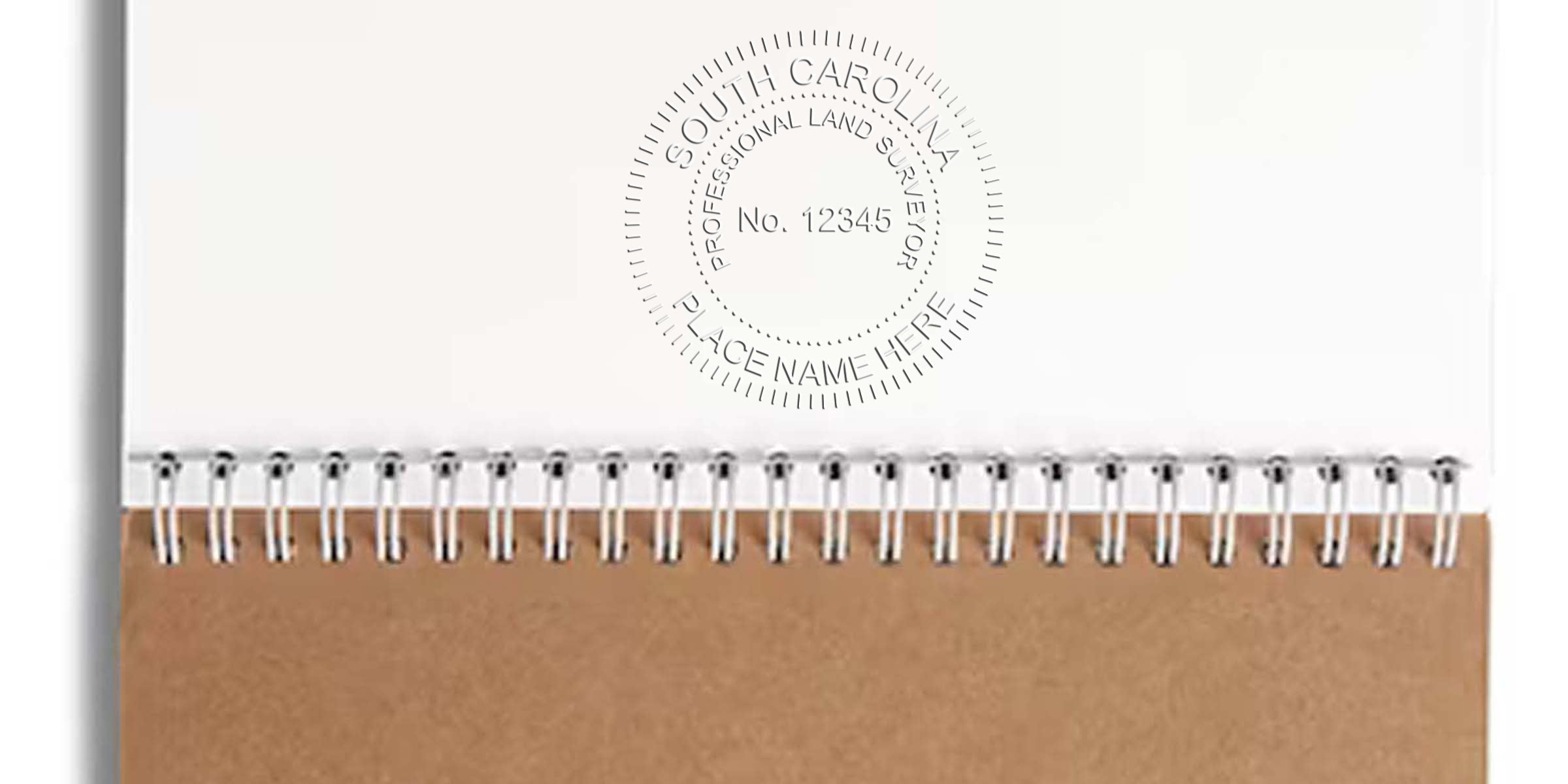
If you’re working as a land surveyor in South Carolina, there’s a good chance you’ve heard about the importance of proper seal authentication. In fact, “South Carolina land surveyor seal authentication” is more than just a mouthful—it’s a legal necessity that helps uphold the credibility of your work. But what exactly does this process involve, and why should you care? Let’s walk through the essential pieces to help you feel confident about meeting the state requirements and preserving the integrity of your surveys.
Clarify Seal Authentication Basics
In a nutshell, seal authentication confirms that a registered and licensed professional prepared the land survey. Instead of a mere signature, you use a special embossing device or stamp to create a raised or inked impression on your plans. This impression is a sign of legitimacy—it reassures clients, regulatory bodies, and the public that the survey was done according to state standards.
Why It Matters
- It upholds professional accountability for you and your fellow surveyors.
- It signifies that the documents are official and recognized by state authorities.
- It helps discourage any fraudulent alterations or misuse of survey data.
Authentication is a way of saying, “Yes, I did this, and I stand by every measurement.” So when you think of your seal, think of it as a handshake between you and everyone who reads your final documents.
Know The Core Elements
Beyond authenticity, your seal carries specific details. The standard South Carolina seal typically includes:
- Your name, exactly as it’s on your license.
- Your license number (assigned by the state board).
- The phrase “Professional Land Surveyor” or a similar approved title.
- The official South Carolina label, which confirms the survey is tied to state jurisdiction.
Once you’ve got these elements on your seal, you’re on track. However, the design can vary slightly depending on the approved format. Some surveyors choose an embosser that creates a raised impression, while others use a rubber stamp with quick-drying ink. Whichever style you pick, make sure it’s clear and readable.
Avoiding Common Mistakes
- Do not manually add or remove any text around your license number.
- Make sure your name appears in full. Omitting a middle initial can cause confusion.
- Double-check letter spacing. Overcrowded text can make your seal look suspiciously off.
Follow Essential State Guidelines
South Carolina has laid out specific rules for professional seals to maintain consistency, enforce standards, and protect the public. If you want to dig deeper into the official specs, you can also check out our quick overview of south carolina land surveyor stamp requirements. This guide outlines dimensions, required text, and tips on maintaining your materials.
When to Use Your Seal
The moment you finalize a land survey or any blueprint that calls for your professional sign-off, you stamp or emboss the document. Typically, you’ll seal:
- Plats and topographic surveys.
- Boundary surveys.
- Legal descriptions that require official verification.
- Other surveying deliverables that your clients or local authorities request.
Always remember, your seal isn’t a decoration. It must be clearly visible and placed in a spot where readers can verify that the information is valid.
Digital Vs. Physical Authentication
South Carolina also recognizes digital versions of seals in certain settings, provided they meet secure guidelines. For instance, you might use an encrypted digital seal on PDFs if the receiving agency allows it. This approach cuts down on paper copies and offers quicker turnaround times for your clients. Still, confirm with local authorities whether they accept electronic seals before you switch to fully digital.
Implement Quality Control Steps
So how do you make sure your “South Carolina land surveyor seal authentication” stands the test of scrutiny? It’s all about having a consistent quality control system in place.
Step 1: Double-Check Your Details
Before placing a seal on any document, look over every line of text to ensure your name, license number, and date are accurate. A tiny typo could cause legal headaches if discovered later.
Step 2: Use the Right Ink or Technique
If you’re using an ink stamp, choose a high-quality ink that doesn’t smudge. Embossers should have the correct pressure settings to create a clean, raised seal. Test a scrap paper or a corner of your document draft to confirm quality before you make it final.
Step 3: Maintain Legibility
Once your stamp is set, is everything readable? Smudges or partial impressions can lead to rejections by local agencies. Give your seal a gentle wipe occasionally, to remove any build-up or dust that could obscure your details.
Step 4: Document Your Process
Whether you’re stamping physical sheets or applying a digital seal, keep track of your sign-off process. Note the date, project ID, and a brief summary of what you authenticated. Having clear records helps if you ever need to verify or reproduce documents.
Choose A Trusted Supplier
Having the right stamp or embosser is no trivial matter. After all, you’ll be using it daily to certify your professional work. That’s why you want a reliable supplier who knows South Carolina rules inside and out.
At Acorn Sales, we’ve been making professional stamps, seals, and embossers for more than 60 years. We’re proud to serve land surveyors nationwide, with a special emphasis on states like South Carolina. Plus, when you order your South Carolina seal with us, we include a free digital seal version so you can handle both physical and electronic documents. You get the best of both worlds and can feel confident that your stamp meets every detail required by South Carolina regulations.
What to Look For in a Supplier
- State-Specific Expertise: Some suppliers try to offer one-size-fits-all stamps, but each state has unique specs. Confirm your vendor understands South Carolina’s rules.
- Quality Materials: Look for sturdy handles and durable embossers. You don’t want a cheap plastic piece that breaks midway through a project.
- Digital Options: In an increasingly paperless landscape, digital seals can be a lifesaver. Seek out a company that bundles a digital file with your physical stamp.
- Customer Support: Have questions about your new seal? You should be able to pick up the phone or send a quick message for help.
When you count on a trusted partner, you save time, reduce the risk of errors, and simplify your day-to-day tasks. Long story short, a good seal supplier has your back so you can focus on the real survey work.
By now, you understand the power behind the words “South Carolina land surveyor seal authentication.” It’s more than a formality. It’s a visible sign of your professionalism, built on the trust of clients and local authorities alike. Remember, always follow state guidelines to ensure your seal is valid, keep a consistent quality control process, and partner with a reputable provider, such as Acorn Sales, to get your stamping tools squared away. The result? You’ll feel confident every time you finalize a boundary survey or sign off on an important blueprint.
Think of your seal as your personal signature with official weight behind it. And if you ever want a refresher or more details, you can check out our quick guidelines on south carolina land surveyor stamp requirements. Seal authentication isn’t rocket science, but it does require diligence and responsibility. So embrace the process—and rest easy knowing your work is recognized and protected, just like it should be.
Frequently Asked Questions
Do I Need a Seal for Every Document?
For the most part, yes. Any official sheet or plan that requires your professional endorsement will also call for your seal. Always confirm with the specific client or government office, but sealing is usually non-negotiable for surveys, plats, and related tasks.
How Often Should I Update My Seal?
Your seal itself doesn’t expire, but your license might. Make sure your license stays current, and keep an eye out for any rule changes from the South Carolina Board of Professional Engineers and Surveyors. If the state updates its guidelines about required wording or design, you might need to order a new seal that meets those rules.
What If My Embosser Doesn’t Make a Clear Impression?
It’s time for a quick tune-up. Lightly wipe the embossing elements, and check for misalignment or worn parts. If that doesn’t fix the issue, contact your seal supplier to see about repairs or a replacement. A blurred or faint seal might not be considered valid if someone challenges it.
Are Electronic Seals Accepted in South Carolina?
Generally, yes, for certain documents and formats. South Carolina allows digital seals as long as they meet security and verification standards. But you’ll want to double-check with your client or the receiving agency to ensure they’re comfortable with electronic documents.
Why Choose Acorn Sales for My Seal?
We’ve been in the business for over six decades, helping professionals like you create official and compliant seals. Along with durable stamps, we also provide a free digital seal so you can cover both physical and online requirements. Our customer support is always ready to guide you—whether you’re placing an order or seeking maintenance tips.








