
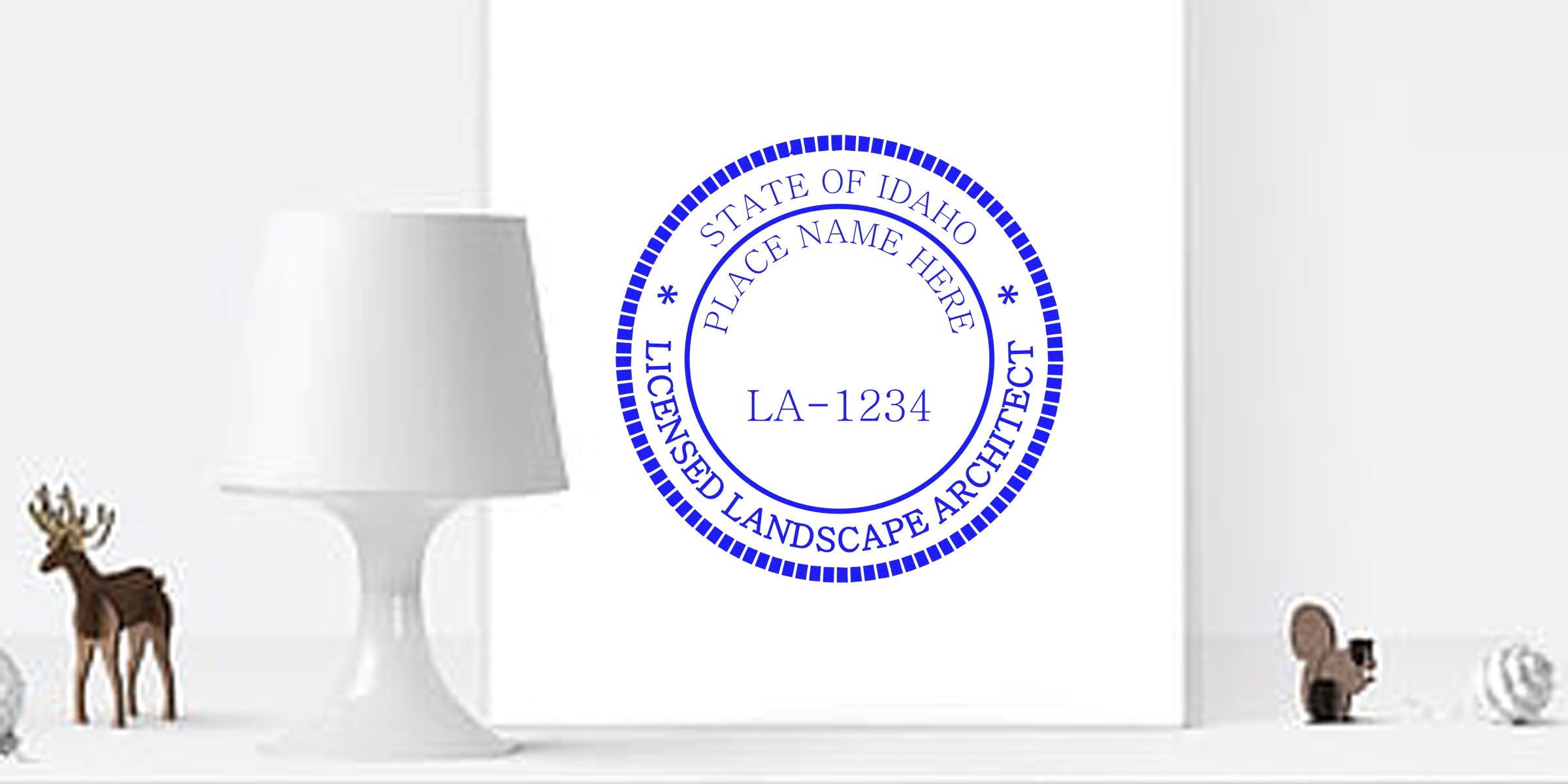
Ever try to decode all those rules surrounding the Idaho landscape architect seal? You’re not alone. Whether you’re finalizing a construction plan or polishing design documents, having a clear grasp of how your seal works can bring you peace of mind. Plus, it reinforces your professional credibility. In this post, you’ll explore why your official seal matters, which regulations you need to follow, and how to choose the right supplier. By the end, you’ll know exactly how to handle that “stamp vs seal” dilemma—and make an informed decision for your career.
Explore The Idaho Landscape Architect Seal
If you’re brand new to stamping or sealing your work, the term “Idaho Landscape Architect Seal” might feel a bit mysterious. Essentially, it’s the official mark that goes on documents you submit in your professional capacity. This could include detailed site plans, landscape renderings, or even routine sketches that require formal approval. The seal verifies that you, a licensed professional, stand behind the design and comply with Idaho’s regulations.
What Makes This Seal So Important?
- It’s a clear sign of your licensure. When you affix your seal, you’re officially declaring, “I’m authorized and ready to be held accountable.”
- It marks your professional standard. Clients, public offices, and fellow architects see the seal as a guarantee of expertise.
- It secures your work. In disciplinary or legal matters, the distinction between sealed and unsealed plans can be significant.
Comparing Stamp vs. Seal
You might see the words “stamp” and “seal” used interchangeably, but here’s how they differ:
| Feature | Stamp | Seal |
|---|---|---|
| Physical Impression | Typically rubber or self-inking. Leaves an ink impression on paper. | A metal embosser that creates a raised impression on paper. |
| Usage | Common for everyday docs or quick approvals. | More formal, often used on legal or presentation documents. |
| Visibility | Ink can fade over time but is generally easy to read. | Creates a tactile, raised outline that’s harder to replicate. |
| Convenience | Simple to use and more portable. | Sturdier design but can be heavier and might require extra force. |
Either option could be valid for your official mark. The main issue is ensuring it meets Idaho’s specific guidelines. Some professionals keep both a stamp and an embosser handy, so they’re prepared for any situation that arises.
Understand Idaho Regulations
The state has clear guidelines about who can use an Idaho landscape architect seal and when. If you’ve ever wondered when to pull out your stamp or embosser, here’s the short answer: any official landscape architectural document that leaves your desk should display your seal, along with your signature and license number.
Licensure Basics
Holding a license as a landscape architect in Idaho is the first step. According to state requirements, you must:
- Complete certain education and examination standards to earn your license.
- Reside or be legally allowed to practice in Idaho.
- Adhere to ongoing continuing education (if applicable) to maintain your license.
For specifics, consult the Idaho State Board of Landscape Architects. They’re your go-to resource for any updates or changes to the requirements.
When You Must Use The Seal
- Official site plans submitted for permit approval.
- Construction documents that detail grading, drainage, or landscaping features.
- Modifications or revisions to previously sealed documents, assuming they still rely on your professional judgment.
If you’re not sealing these, ask yourself: Could a regulatory body or client question the authenticity of your work later? If you hesitate, it’s usually best to seal.
Get The Right Seal Components
When it comes to your official seal, consistency is everything. Idaho’s laws dictate certain design elements, so you’ll want to ensure you buy from a supplier who knows these details backward and forward.
Elements Of The Official Seal
- Your name as it appears on your license.
- The phrase “Licensed Landscape Architect” or an equivalent state-approved wording.
- The official Idaho state seal or specific design as mandated by the state board.
- Your license number clearly displayed.
Before ordering, double-check the current configuration. Minor differences, like the size of the circle or text placement, can cause compliance issues if not done right.
Digital vs. Physical Impressions
In today’s digital world, you might need an electronic version of your seal for online submissions. A free digital seal can be incredibly convenient, especially if your projects require paperless documentation. The physical version, whether it’s a rubber stamp or an embosser, still plays a vital role for paper-based submissions. Some boards allow fully digital seals for electronic documents, but always confirm with the relevant authority before shifting entirely to digital.
Use Your Seal Wisely
Yes, your seal design is essential. But how you use your seal matters, too. You’ll want to place the impression where it’s clearly visible. Typically, this is near your signature block, ensuring no confusion about whose work it is. Also, avoid overlapping any text or images that might make it unreadable.
- Keep it consistent: Use the same layout—license number, date, signature, etc.—every time you seal a document.
- Store gear safely: Stamps and embossers can sometimes get misplaced. If you share an office, consider locking them away or having a specific drawer.
- Sign after sealing: For physical documents, place the impression first, then add your signature. This routine helps ensure your seal is neat, clear, and free from smudges.
You might ask, “Can I just scan a copied seal onto everything?” Generally, that won’t pass muster. Authenticity counts, so each official document should carry an individually applied impression or a state-approved digital seal.
Buy From A Trusted Supplier
Let’s face it: not all suppliers specialize in the intricacies of Idaho’s regulations. Acorn Sales is one name you can count on. With a legacy dating back to 1964, they’re a trusted supplier for Idaho Landscape Architect stamps and seals. Their attention to detail helps ensure your seal meets every state requirement.
- Comprehensive offerings: From rubber stamps to metal embossers, they have the formats you need.
- Free digital seal: Good news if you’re looking to move your workflow online.
- In-depth knowledge: If you have questions about spacing, text alignment, or the official design, they’re always ready to help.
When you’re ready to purchase an official stamp, consider checking out the Idaho Landscape Architect Stamp. It’s specifically crafted to meet state standards, so you can stamp your documents with confidence.
Review Key Takeaways
By now, you’ve likely realized that following Idaho’s rules for landscape architect seals isn’t just a formality. It’s a commitment to your craft and your clients. Here’s a quick recap:
- The “Idaho Landscape Architect Seal” affirms your professional status and lets others know your work is legitimate.
- Know when to apply the seal: typically, on any key plan or drawing submitted to regulatory bodies.
- The seal design must match state requirements, including your name, license number, and the correct phrase or design.
- You can rely on experienced suppliers like Acorn Sales for consistent seals, plus a free digital seal option.
- Stay current with state board guidelines. Regulations can change, and you don’t want to risk using an outdated seal.
By sealing your documents properly, you protect your reputation, reassure clients, and keep your license in good standing. After all, your seal doesn’t just represent your license—it represents your dedication to upholding Idaho’s professional standards.
Feel free to put these insights into practice right away. Test your new stamp or embosser on a scrap piece of paper, confirm the clarity, and then proudly seal your official documents. By following these steps, you’re not just meeting Idaho’s legal requirements. You’re also making a strong statement that your work meets a high professional standard. Good luck, and happy stamping!
Frequently Asked Questions
What’s the difference between an Idaho landscape architect stamp and an embosser?
Both are legitimate forms of marking your documents. A stamp uses ink and is generally quicker to apply, while an embosser creates a raised impression. The choice often comes down to personal preference or project requirements.
Do I need a digital seal if I already have a physical one?
It depends on how you submit documents. If you frequently file electronic documents, a digital seal can save you time. Idaho may allow or even require digital submissions, so having a digital seal on hand is wise.
Can I reuse an older seal design if it still has all my information?
Make sure any older seal meets the latest state guidelines. If the text or design changed since you first got that seal, you might need to update. Always refer to the Idaho State Board of Landscape Architects for current standards.
How often must I renew my seal or stamp?
Typically, your seal design remains valid as long as you keep your license active. However, you might need to renew your actual license at intervals set by Idaho. Your stamp or embosser is a one-time purchase unless you decide to upgrade or replace worn equipment.
Why choose Acorn Sales for my Idaho Landscape Architect Seal?
Acorn Sales has been in business since 1964, so they’re well-versed in state-regulated designs. They also include a free digital seal, which is a massive perk for online submissions. Plus, you’ll have the peace of mind that your seal is fully compliant with Idaho requirements.








