
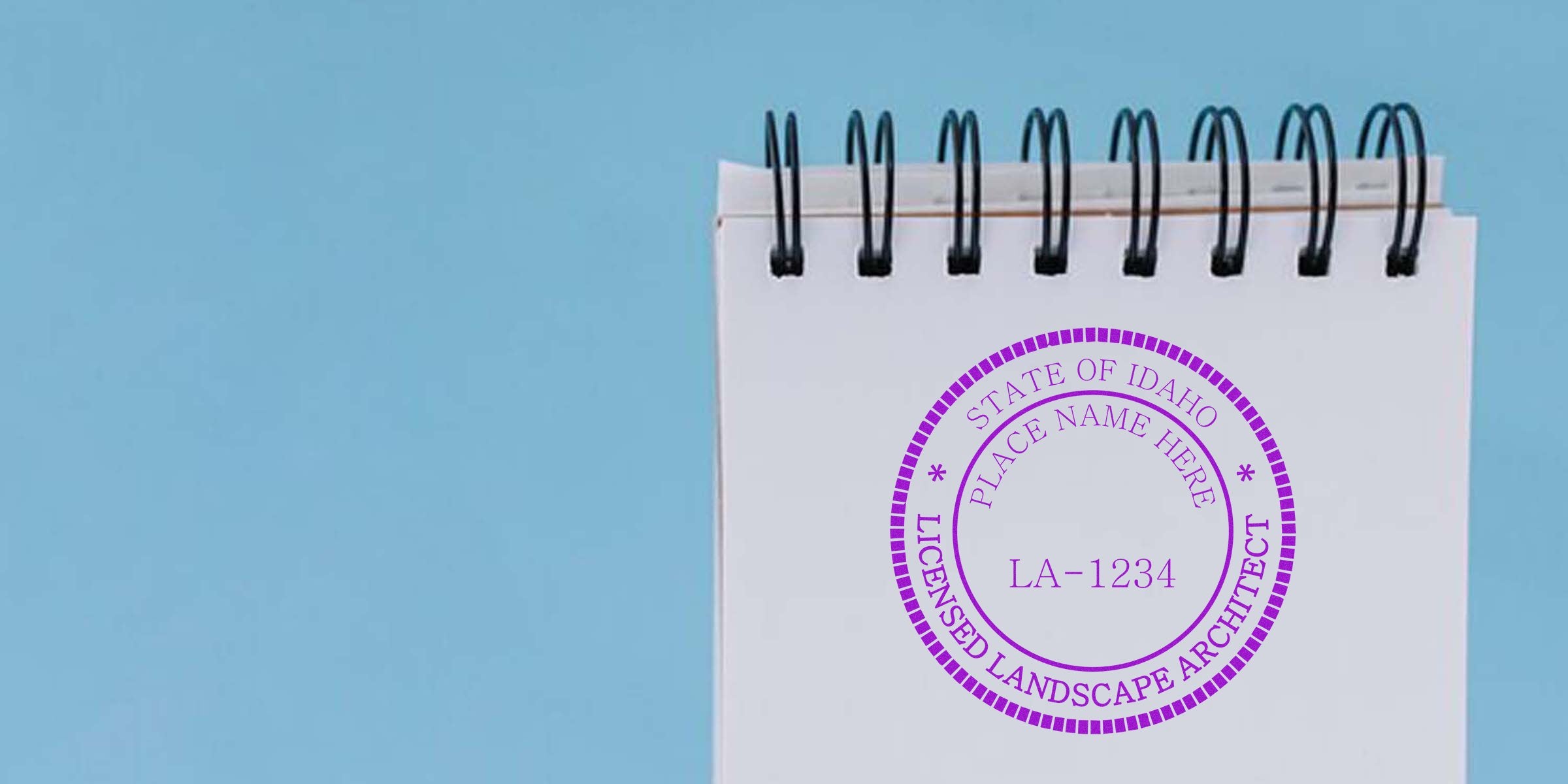
If you’re a licensed landscape architect in Idaho or hoping to become one, you’ve probably heard about the need for an official Idaho landscape architect seal design. That seal is more than a formality. It’s a clear statement of your professional qualifications, and it helps you meet state rules and guidelines with confidence. In this guide, you’ll learn what the seal must include, how to ensure you follow Idaho’s legalities, and why teaming up with a reputable supplier can simplify the entire process.
Understand the Legal Framework
Idaho makes it mandatory for licensed landscape architects to authenticate their work with an official seal. But what exactly does that mean? Essentially, this seal serves as your professional signature. It’s a quick way for clients, state authorities, and peers to confirm that you’re legally recognized to practice in Idaho.
Idaho Law at a Glance
Idaho’s licensing board issues guidelines on how your seal should appear and when to use it. As a landscape architect, you need to:
- Acquire official licensure before ordering or using a seal.
- Ensure the seal meets specific size, text, and design rules to be considered valid.
- Affix or emboss the seal on important documents, including final project plans.
While these basics are straightforward, details do matter. Ignoring them could lead to project disqualification or even legal repercussions. If you’re unsure about current regulations, check with the Idaho licensing board or a trusted supplier who keeps up with the rules.
Design Requirements
State regulations typically specify forms and wording. You can expect guidelines on:
- The ring shape of the seal (often circular).
- Exact wording such as “Landscape Architect” and “State of Idaho.”
- Possible inclusions like your license number and your full legal name.
The good news is that once you know these rules, it’s simply a matter of ensuring your seal’s design checks all the right boxes.
Check Key Seal Elements
What actual components go into the seal? While format dictates overall layout, each element serves a specific purpose, from confirming your legal name to highlighting your license status. To make things easy, here’s a quick rundown of what typically appears in your Idaho landscape architect seal design:
| Element | Description |
|---|---|
| Licensee Name | Your full name as displayed on your official license. |
| License Number | A unique identification number assigned by the Idaho licensing board. |
| State Title | Typically reads “State of Idaho” and includes the term “Landscape Architect.” |
| Circular Formatting | Many seals in Idaho follow a circular form. The outer ring often includes “Idaho,” while the inner circle may have your name or license details. |
| Optional Artwork | Some seals include minimal design flourishes, but they must not distract from or obscure the mandatory text. |
These elements create a clear, professional impression. Because the state might tweak requirements over time, be sure to keep an eye on updates and incorporate any changes into your seal quickly. It’s always wise to check official resources for the most recent guidelines.
Partner With Acorn Sales
Selecting a trustworthy supplier is arguably as important as understanding the design itself. After all, you’re placing your professional credibility in the hands of the company that makes your seal. If the seal doesn’t meet Idaho standards or is poor in quality, it could complicate your practice.
Why Acorn Sales
At Acorn Sales, we’ve been helping professionals like you since 1964, providing top-notch stamps and seals that fulfill state rules. When you order your official seal through us, you benefit from:
- Consistent Quality: Our stamps and seals are designed to leave crisp, clean marks every time.
- State Compliance: We keep pace with Idaho’s evolving requirements, so your seal always matches the current standards.
- Free Digital Seal: Along with your physical seal, you get a digital version at no extra cost, ensuring you can stamp electronic documents quickly and professionally.
- Longevity: Being around for decades isn’t just bragging rights, it reflects reliability and proven expertise in the seal-making field.
We also know how crucial timeliness is for busy architects. If you have a looming project deadline, you’ll be glad to know that efficiency is part of our service. Plus, you can explore the difference between a self-inking stamp and a traditional embosser to find what fits your workflow best. For added info on physical stamp options, check out our Idaho Landscape Architect Stamp.
Physical Vs. Digital Options
Should you use a physical seal or rely on a digital file? The simple answer could be: both. Many architects favor the tactile feel of a physical seal for in-person or paper-based projects, but digital stamping is increasingly popular for speed and convenience. It also helps if you’re working remotely or sending digital files to clients.
Follow Proper Usage Guidelines
So you’ve got your seal in hand, but how do you use it correctly? Even the perfect seal design won’t count if it’s not applied properly. Idaho law dictates that you affix the seal on every final document you’re officially responsible for. That includes design plans, technical drawings, and possibly contracts that require certification.
Frequency of Seal Use
Expect to use your seal regularly. Each time you finalize a project, you’ll need to place your seal on documents such as:
- Site plans, including grading, planting, and irrigation designs.
- Construction details and installation drawings.
- Any official paperwork requiring proof of your credentials.
If a document is preliminary or not formally part of the final plan, the seal might not be necessary. However, if the question arises, err on the side of clarity and confirm with local authorities.
Maintaining Clarity
You want each stamped or embossed impression to look sharp and legible. A faded or distorted seal mark can be questioned or rejected. Keep a few essential tips in mind:
- Store your stamp or embosser in a dry area.
- Don’t obscure any part of the imprint with other text or lines.
- If your seal becomes worn out, replace it promptly.
A well-maintained seal shows you take compliance and clarity seriously, which boosts trust in your work.
When you order through Acorn Sales, you automatically receive a digital version of your seal at no extra charge. This file typically comes in a high-resolution image format. You can then insert that image into PDFs or document files to certify digital submissions.
Summing It Up
Your Idaho landscape architect seal design is a crucial step in meeting state requirements, building client trust, and underscoring your professional standing. In some ways, your seal is like a handshake that confirms, “Yes, I’m licensed and qualified to do this.” By knowing the legal guidelines, honing in on specific design elements, and choosing a reputable provider like Acorn Sales, you’ll create a seamless approach to stamping your documents.
Whether you favor an embosser, a self-inking stamp, or a digital option, consistency and clarity matter. Keep your seal tidy and well maintained, and it will serve you reliably for years to come. If you have more questions, check out our Idaho Landscape Architect Stamp or get in touch with our Acorn Sales team. We’ve been at this since 1964, and we’re happy to share the benefits of our experience so your professional seal meets every Idaho standard. Happy stamping!
Frequently Asked Questions
Can I Design My Own Seal?
Idaho regulations outline the exact wording, size, and layout you must follow. While minor style revisions might be allowed, the core elements need to match state standards. If you want to add a personal touch, discuss it with a professional seal supplier who experiences these requests regularly.
What If I Move Out Of State?
If you hold a different license in another state, you’ll likely need a new seal for that region. Idaho’s seal is specific to its jurisdiction. Moving away or practicing in multiple states means juggling multiple seals. Each must comply with local rules.
When Should I Update My Seal?
You should update your seal if any personal information changes, like your name, or if the state introduces new design requirements. Additionally, if your stamp stops producing crisp impressions, consider ordering a replacement to maintain compliance.
Can I Share My Seal With Another Licensed Architect?
No. Your seal is a direct reflection of your personal licensure. Even if you share an office with other architects, they must have their own unique stamps or embossers. Sharing is not just disallowed, it can also lead to professional conduct issues.








