
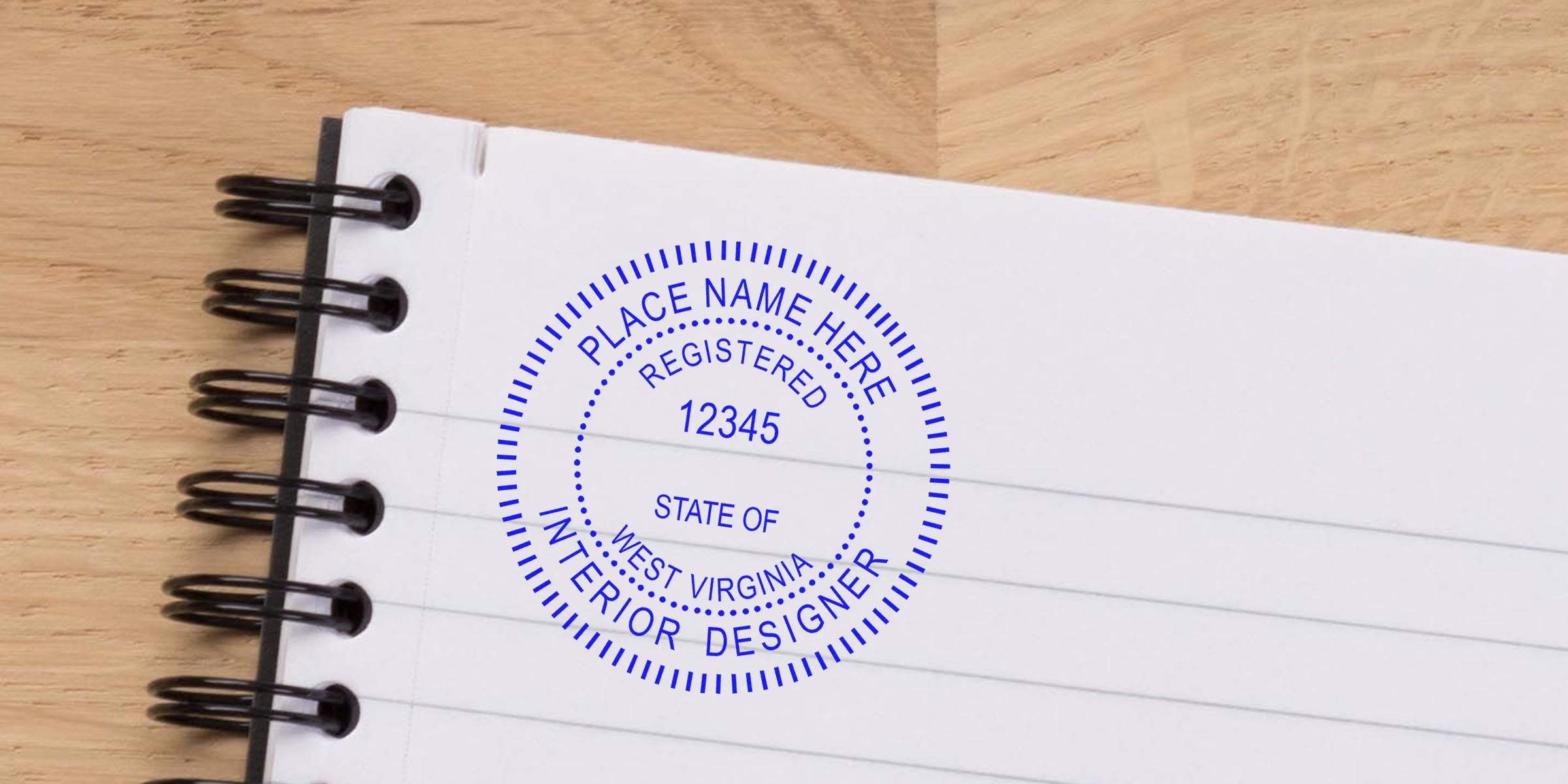
Imagine you’ve just spent days perfecting the layout for a new building interior in West Virginia, feeling proud of your design details and clever color palette. Then, in the middle of your final check, you realize you need to secure the correct stamp or seal to sign off on your plans. Sound familiar? Staying on top of West Virginia interior designer rules can feel cumbersome, but it’s necessary to keep your license in good standing and ensure your professional documents are properly validated.
This article focuses on West Virginia Interior Designer Stamp Size Specifications and other practical information designed to make your life a little easier. By the time you’re finished reading, you’ll have a clear handle on essential stamp dimensions, application tips, and extra pointers to help you meet official requirements. Plus, you’ll discover how to simplify the entire process while preserving that spark of creativity you bring to each project.
Understand Basic State Requirements
To design legally in West Virginia, you must follow guidelines set by the state’s regulatory bodies overseeing interior designers. These guidelines outline when to use your official stamp, how to present it on project documents, and the specific design criteria the stamp must include. According to West Virginia regulations, your seal must be legible, permanent, and placed clearly on work submitted to clients or government offices.
If this feels a bit overwhelming at first, don’t sweat it. Most states have similar protocols in place to maintain professional standards. Here in West Virginia, though, the emphasis is especially strong on using a properly sized and legally recognized impression or seal. The general requirement is that your stamp, once applied, should be clean, easy to read, and contain all the required text that identifies you as a registered interior designer.
- Key points about state regulations:
- Your stamp must include your name and license number.
- The seal design typically has a circular or rectangular shape, with the words “West Virginia” featured prominently.
- It should clearly indicate that you are licensed as an interior designer, not another profession.
For a deeper dive into how these requirements apply to your day-to-day workflow, you can check out the West Virginia Interior Designer Stamp Requirements. That resource helps you confirm the textual and content specifications for your stamp or seal, so you’ll be sure you’re using a compliant design.
Note the Stamp Size Specifications
So, what exactly are the West Virginia Interior Designer Stamp Size Specifications? Generally, the diameter (for round stamps) ranges between 1.5 to 2 inches, though 1 5/8 inches is a very common choice. Rectangular stamps might be used in some designs, but these usually maintain a size close to 1 inch high by around 2.5 inches wide. Regardless of the shape, the crucial factor is ensuring the text and any emblem are easy to see and won’t smear when stamped on official documents.
The reason behind these standard sizes is simple: too small, and the details become illegible. Too large, and you risk overshadowing the rest of your design plans. You’ll want a happy medium that keeps your documents looking polished and professional, while still embodying the West Virginia legal requirements for stamp features.
Stamp vs. Seal: What’s the Difference?
Sometimes you may see the terms “stamp” and “seal” used interchangeably, and in everyday conversation that’s perfectly fine. In official circles, a seal often refers to the specific dye or engraved design used in an embosser. A stamp generally refers to an ink-based impression. However, both serve the same main purpose: they authenticate your professional status and confirm that the drawings, designs, or documents you’ve created meet state standards. Whether you choose an embosser or an ink style stamp (or both) will depend on your preference, as well as your clients’ needs.
Follow Proper Usage Guidelines
Applying your West Virginia interior designer seal correctly involves more than slapping a stamp onto a blueprint. The state’s regulations usually expect you to place your stamp in a corner of the document where it’s clearly visible, but not interfering with essential drawings or texts. It should appear on any reproduced copies as well, so it’s permanently recorded for review.
Here are a few simple tips to help you keep your documents organized and your stamp usage hassle-free:
- Confirm each sheet: You might be required to stamp every page of a design set, or at least the cover sheet. Double-check with your local board if you’re unsure.
- Choose high-quality ink: Faded or smudgy stamps can cause rejections, so invest in a stamp with crisp lines.
- Write your signature nearby: Some regulations require a handwritten signature in conjunction with your seal. Make it a habit to sign and stamp at the same time.
- Keep the stamp current: If your contact or license information changes, you’ll need to update your seal. Don’t rely on an outdated design.
Paying attention to these details can prevent last-minute scrambles when a project’s due date is looming. No one wants to redo an entire stack of documents simply because the stamp or seal wasn’t in compliance.
Comply with Additional Regulations
Aside from size and placement, you might also face certain stylistic or color constraints. For instance, some local jurisdictions may mandate black ink, while others permit a specific color like blue to help differentiate your signature from other text. Additionally, your seal must incorporate required text identifying “Registered Interior Designer” and “West Virginia” to signify jurisdiction. Some stamps also display your license expiration date, but that often depends on personal preference and local board directives.
Double-Check with West Virginia’s Board
Although the broad guidelines for West Virginia remain consistent, small changes can occur over time as legislation updates happen. You never know when a tweak in the rules might require a phrase on your seal to read differently or the introduction of a new expiration format. To ensure you’re always in the clear:
- Visit your state board’s official website periodically for updates.
- If in doubt, call or email the board for clarification.
- Ask colleagues or mentors if they’ve encountered any recent changes.
By these short, regular check-ins, you won’t risk losing out on a major contract because your stamp is outdated.
Acquire Your Stamp from a Trusted Supplier
You have plenty of options to get your West Virginia interior designer stamp or seal made. However, it helps to choose a supplier known for quality and accuracy. At Acorn Sales, we’ve been in business since 1964, delivering stamps and seals that meet state-specific size requirements, including those for West Virginia. Our products are designed to provide crisp, clear impressions that stand the test of time, which is ideal if you plan to use your stamp day after day. You’ll also receive a free electronic seal option, making it easy to sign off on digital submissions.
Here’s what sets Acorn Sales apart:
- Longevity in the Industry: More than half a century of experience means we’re familiar with unique state requirements and changes over time.
- Variety of Options: Whether you prefer a sturdy embosser or a convenient rubber stamp, we can guide you to the right style for your typical workload.
- Personalized Support: If you ever need help verifying an updated regulation or adjusting your stamp content, we stand by ready to assist.
- Complimentary Electronic Seal: Make your electronic submissions easier by using the digital version included with your order.
If you’d like to explore your options further, just reach out to our team. We’ll walk you through everything step by step, so you know your final seal design will be fully compliant.
Maintain Your Professional Credentials
While having a properly sized stamp or seal is vital, it’s also important to keep your professional license up to date. Every state, including West Virginia, renews licenses on a cycle. That might be every year or every two years depending on regulatory changes. During these renewal periods, you’re often required to show continuing education credits or other proof of competency. If, for whatever reason, your license lapses, you’ll need to go back and refresh your stamp or seal accordingly.
Tips for Safeguarding Your License
- Track renewal dates: Mark them clearly on a calendar or set digital reminders.
- Stay on top of continuing education: Many interior designer organizations offer convenient online courses to keep your skills sharp.
- Update your contact info: Make sure the board and your stamp supplier have your correct address, email, or phone number for urgent updates.
By remaining proactive, you’ll avoid the dreaded headache of rushing through last-minute license renewals right in the middle of a major project.
Summarize the Essentials
When it comes to West Virginia interior designer stamp size specifications, the golden rule is clarity. You should choose a stamp size that ensures your name, license number, and any state-required text remain crisp and readable. A 1 5/8-inch circular stamp is popular for West Virginia interior designers, but rectangular options can also work fine if they meet legibility standards. Always place it in a visible document area as required by the local board, and pair it with your signature if asked.
Remember, your seal is more than a random formality. It’s an official mark of your professional credibility and a key element of regulatory compliance. That’s why we recommend sourcing your stamp or seal from a supplier like Acorn Sales, where accuracy and quality are guaranteed. You’ll even score a free electronic seal to streamline your online workflows.
At the end of the day, a little bit of planning goes a long way in making sure you’re not scrambling for a new stamp minutes before a client meeting. You’ve poured your energy, creativity, and expertise into your interior design projects; now confidently secure them with an authorized seal.
Keeping track of these details might feel like another item on your to-do list, but you’ll thank yourself later when it’s time to sign off on your next big project. The right stamp ensures your documents pass muster with regulators, instills confidence in your clients, and adds that finishing touch of professionalism. If you’re ready to order your West Virginia interior designer stamp or just have more questions, you can always reach out to Acorn Sales for personalized guidance. Happy designing, and may your next project shine just as brightly on paper as it does in your imagination!
Frequently Asked Questions
Do I really need a physical stamp if I mostly file documents online?
Yes. West Virginia typically requires some form of official seal on design documents, whether they’re printed or submitted digitally. You should keep both a physical stamp and an electronic version on hand to cover all possibilities.
What if I use a rectangular stamp instead of a round one?
As long as the rectangular stamp matches the size range required by West Virginia (often around 1 inch by 2.5 inches) and includes the official text, it’s allowed. The key again is legibility, so make sure the text appears sharply.
How often do I need to update my stamp or seal?
You’ll need to update it whenever your license information changes or if the state board modifies any mandated text. Otherwise, if your seal remains compliant and your license is active, you can continue to use it indefinitely.
Does my signature have to be next to my seal each time?
Often, yes. Many jurisdictions require a handwritten signature adjacent to the stamp impression, verifying that you personally approved those specific documents. Double-check your local guidelines for exact instructions.
Where can I get a seal that meets West Virginia size requirements?
Acorn Sales is a reliable supplier for West Virginia interior designer stamps and seals. We’ve been in business since 1964 and offer a free electronic seal option. Our products are designed to meet the official size specifications and come with expert support to help you remain in compliance.








