
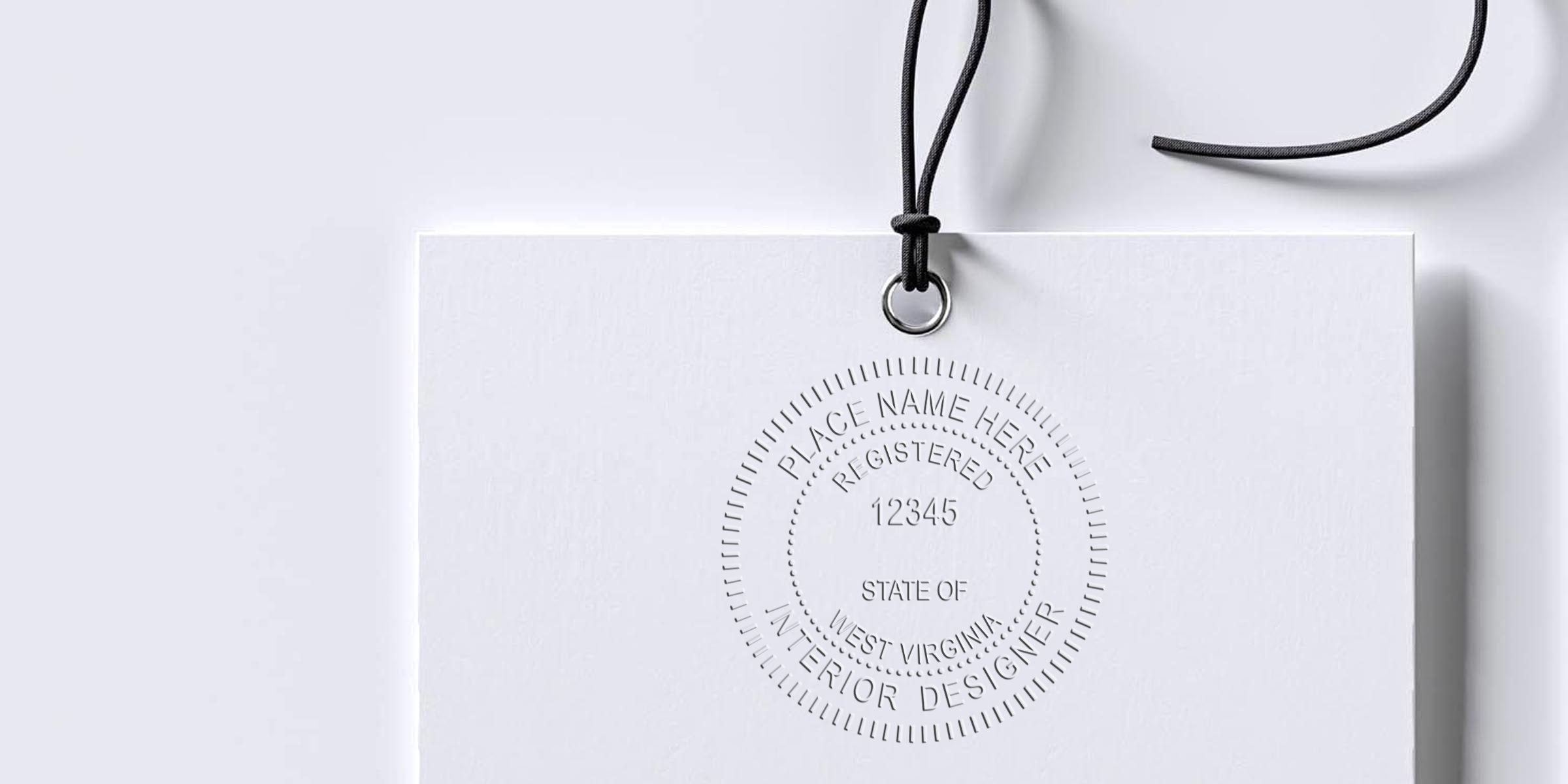
If you’re hoping to practice interior design in the Mountain State, you’ve likely wondered about the West Virginia interior designer seal professional standards that guide your work. These standards play a crucial role in establishing your credibility and ensuring you’re meeting state requirements. Whether you’re just starting out or looking to update your existing credentials, understanding how seals, stamps, and other legalities fit into your profession is key to a smooth, compliant, and rewarding career.
After all, if you’re putting time and effort into pursuing client projects, you want to be sure you’ve got everything right from the get-go. Below, you’ll find a clear overview of West Virginia regulations, details on what your stamp or seal should include, and practical tips for proper usage. Ready to dive in?
Understand West Virginia Regulations
Before digging into specific seal or stamp details, it helps to know the broader regulatory environment for interior designers in West Virginia. In many states, the regulations outline education requirements, licensing or registration pathways, and continuing education obligations.
West Virginia is no different, so you’ll want to verify that your qualifications align with the state’s legal framework. Ever ask yourself how often you’ll need to renew your documentation, or whether you’re allowed to provide certain services under your current license? That’s where the code and statutes come in. Though every person’s path might differ, it’s a smart idea to confirm your eligibility before you invest in a seal or stamp.
- Double-check educational prerequisites (bachelor’s degree in interior design or a related field).
- Confirm if an exam, such as the NCIDQ (National Council for Interior Design Qualification), is required.
- Keep track of reciprocity rules if you’re licensed in another state.
Understanding these regulations will help you avoid compliance missteps and give you a solid footing. Plus, by staying in step with official guidelines, you reduce the risk of stalled projects or delayed approvals.
Meet Educational Qualifications
In West Virginia, you’ll often encounter a basic requirement: evidence of formal training in interior design or architecture. Some professionals have an associate degree with a strong portfolio. Others might have a bachelor’s degree in interior design. Regardless of your background, the seal or stamp you use should represent that you’ve met the professional standards set forth by the regulating board.
Many emerging interior designers worry about how to fulfill these obligations and whether additional coursework is needed. If that sounds like you, you may want to explore state-approved programs or recognized certifications. Wondering if your credentials measure up? A quick conversation with the local licensing board can save you plenty of confusion later.
By checking all the boxes up front, you ensure that when you secure your stamp or seal, you’ll be in complete alignment with West Virginia interior designer seal professional standards. It’s the kind of peace of mind that helps you focus on being creative, leaving administrative headaches behind.
Obtain Your Official Seal
Now that you’re comfortable with regulations and confident you meet the educational criteria, it’s time to sort out your official seal. This seal serves as a branded mark of authenticity for your drawings, plans, and important documents in the interior design world.
Most designers opt for a rubber stamp or an embosser. Which one do you prefer? A rubber stamp typically uses ink to print your name, license number, and relevant professional details. An embosser, on the other hand, creates a raised impression on paper. Both styles carry the same legal weight, but some interior designers choose an embosser for added formality.
Seal Components
While specifics can vary, a typical West Virginia interior designer seal includes:
- Your full legal name
- Your professional title (e.g., Certified Interior Designer)
- License or registration number
- The state name (West Virginia) plus relevant board or department references
If you’re scratching your head about the exact specifications for your seal, you can always consult local guidelines or reach out for expert assistance.
Trusted Suppliers
When it comes to purchasing a quality seal, you want to ensure it meets all regulatory standards and lasts for years. At Acorn Sales, we’ve been in business since 1964 and proudly serve as a trusted supplier for West Virginia interior designer stamps and seals. We specialize in creating durable, professional products that conform to the state’s expectations. To sweeten the deal, we offer a free electronic seal with your order, allowing you to work seamlessly across digital documents.
Honor Usage Rules
Having the right seal is vital, but so is using it properly. In many professional circles, correct usage is just as important as having a valid license. After all, if your documentation is unclear or used incorrectly, it can create friction with clients or even pose legal concerns.
When to Apply Your Seal
Generally, you’ll apply your seal to final drawings or specifications that you submit for client review or permitting. While some designers place their seal on drafts, it’s common practice to reserve the seal for documents reflecting your finished work. That way, the seal indicates these materials represent your professional judgment, and they’re ready for official purposes.
Common Mistakes to Avoid
- Using your seal on incomplete or preliminary sketches
- Applying someone else’s seal even if you collaborate on a project
- Missing or illegible license number
- Overlapping text or decorative elements that obscure the seal
Following these guidelines keeps you aligned with West Virginia interior designer seal professional standards and helps protect the integrity of your work.
Leverage Acorn Sales Expertise
If you’re looking for top-tier service plus guidance on the finer details, you don’t have to handle everything alone. At Acorn Sales, we understand you may have questions about picking the right style, applying your stamp, and keeping up with changing regulations. We offer a range of solutions to help you feel confident about every detail.
- Personalized Assistance: Unsure if your seal design is in line with state regulations? We’re happy to confirm its compliance.
- Free Electronic Seal: Boost efficiency by applying a digital seal to your PDFs. This ensures your documents remain secure and easy to share with clients or local authorities.
- Decades of Experience: We’ve been supporting professionals across various industries since 1964. That means we’ve likely seen every scenario possible and can help steer you clear of obstacles.
Still curious about other official stamp needs? You can always check out our related resource about west virginia interior designer stamp requirements. With both guidance and high-quality products, you’ll feel prepared to tackle any project confidently.
Explore Additional Considerations
Seals and stamps don’t exist in a vacuum. You’ll often need to weave them into broader professional practices, like continuing education, project documentation, and even how you communicate with clients.
Continuing Education
Many interior designers in West Virginia must complete periodic continuing education courses. These milestones are essential for renewing your license and staying current on new design technology or building codes. Including updates on your seal usage—like rechecking your license details or verifying you still meet state guidelines—folds neatly into your continuing education plan. That way, you keep track of both your professional development and legal standing in one fell swoop.
Electronic Documentation
As you move more of your workflow online, you might find yourself facing questions about how to incorporate a digital signature or seal. Is a digital version of your seal considered legally valid for permit submissions or official approvals? In many cases, yes, but always confirm specifics with your local committees or boards. With a reputable digital seal provider, like Acorn Sales, you can ensure it’s optimized for official use.
Working With Remote Clients
Do you work remotely with clients who aren’t based in West Virginia? If so, you’ll want to be extra cautious about applying your West Virginia seal for out-of-state projects. While your status may be recognized in certain reciprocity agreements, each state has its own rules. In some places, you might need to hold an additional license to stamp official documents. Before you seal any documents for a remote job, take a moment to verify your cross-state legal needs.
Final Thoughts
Securing and using your West Virginia interior designer seal is a rewarding step that underscores your dedication to quality and compliance. By understanding the state’s regulations, meeting educational standards, and applying your seal accurately, you position yourself as a trustworthy professional in the eyes of clients, peers, and local authorities.
If you’re ready to order a new seal or curious about fine-tuning your existing design, Acorn Sales is here to help. We’ve been a trusted supplier for West Virginia interior designer stamps and seals since 1964, and we’re proud to offer a free electronic seal to streamline your workflow. With a combination of professional guidance and a reliable product, you can move forward with confidence, knowing you’re meeting every requirement the state lays out.
Need an extra push? Give us a call to ask more about stamp styles, licensing details, or usage scenarios. Here’s to your continued success as a West Virginia interior designer—one properly sealed project at a time!
Frequently Asked Questions
Do I need to place my seal on preliminary drawings?
Most designers apply their seal only to final documents. Placing a seal on drafts might confuse clients or local authorities about the readiness of your plans.
Can I share my seal with a colleague for a project?
No. Your seal is unique to you and tied to your individual license or registration number. Sharing or lending your seal can lead to serious legal and professional consequences.
If I move to West Virginia from another state, do I have to get a new seal?
Generally, yes. You’ll need a seal that reflects your West Virginia license number once you meet the state’s requirements. Some states have reciprocity agreements, but always confirm what West Virginia licensing boards need.
Is a digital seal acceptable instead of a rubber stamp or embosser?
In many instances, yes, but check local permitting processes. A digital seal can be especially handy for electronic submissions. We offer a free electronic seal when you purchase from Acorn Sales, making it easy to transition to online approvals.
How often do I need to update my seal’s design or details?
You’ll typically keep the same design for its lifetime. However, if you change your name, license number, or professional status, update your seal right away to align with official records.








