
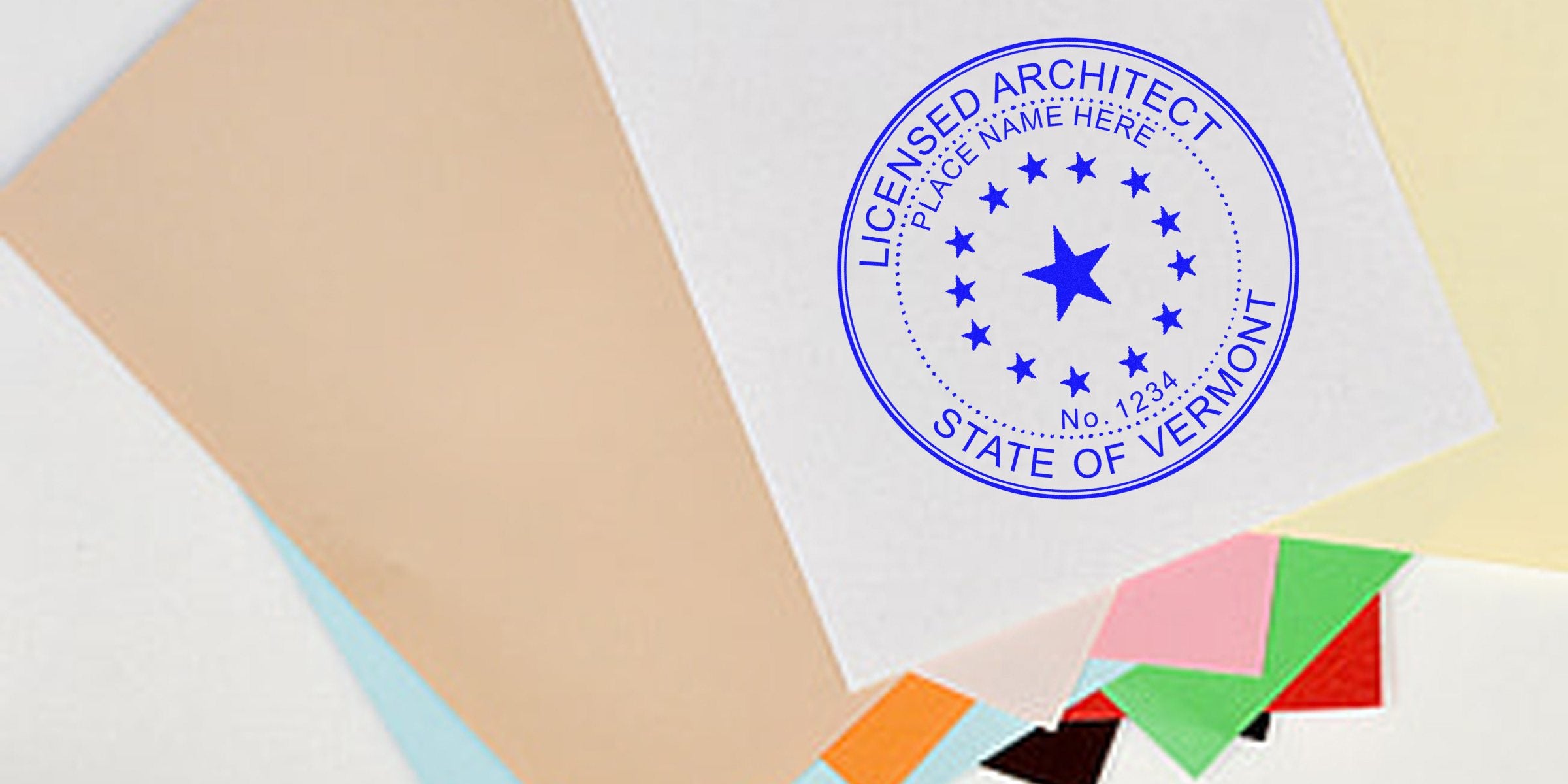
If you’re a Vermont architect, you already know your official seal is a big deal. For vermont architect seal stamping, the process can feel a bit intimidating if you’ve never done it before. But take heart: once you understand your state requirements and pick the right supplier, you’ll be stamping your documents with confidence in no time. Below, you’ll find everything you need to know, from why you need a seal to common pitfalls to watch out for.
Know The Purpose Of Your Seal
Your Vermont architect seal does more than leave a fancy impression. It’s a legal mark of professional credibility that verifies you’re licensed to do the job. State regulations require you to stamp your drawings, plans, and other official documents so clients, contractors, and authorities can trust your work.
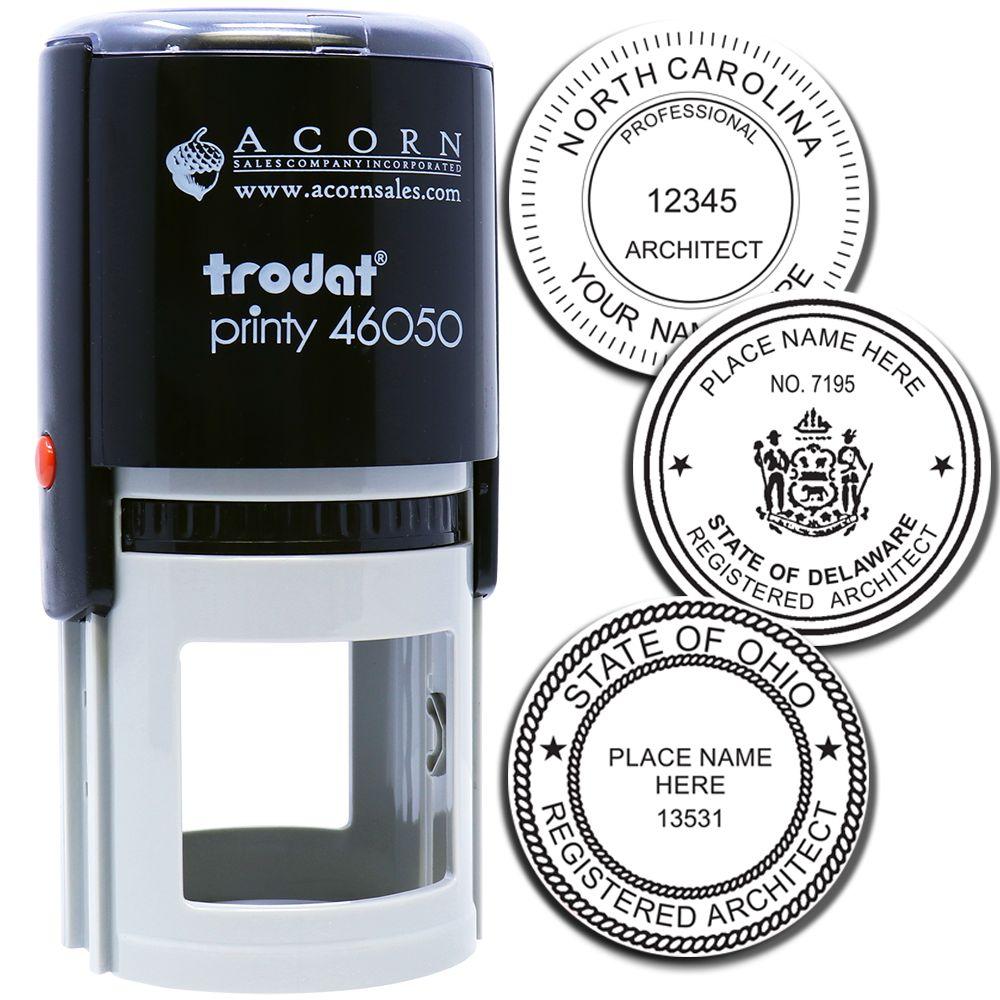

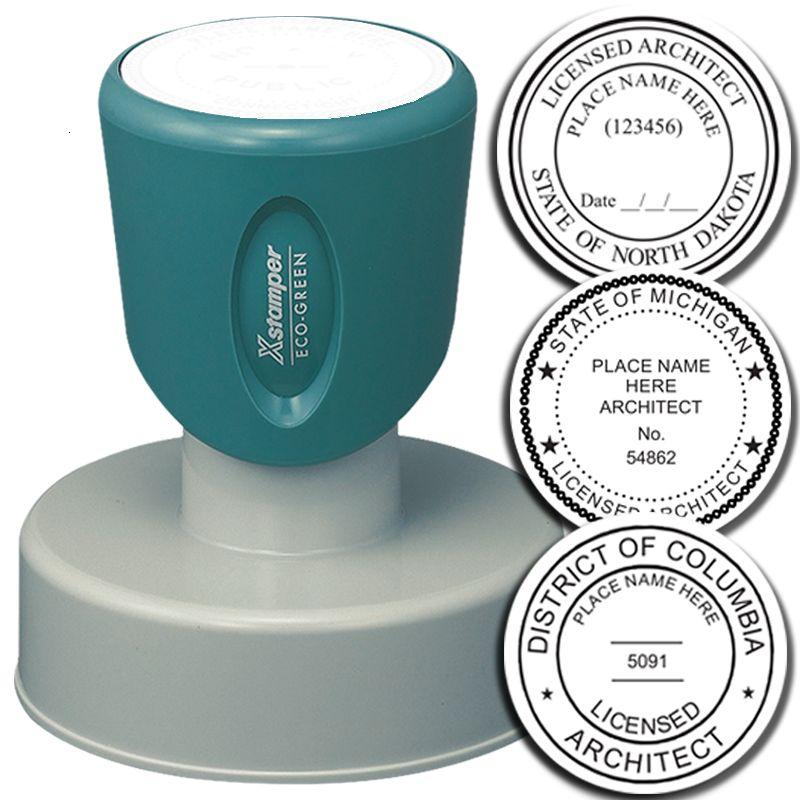

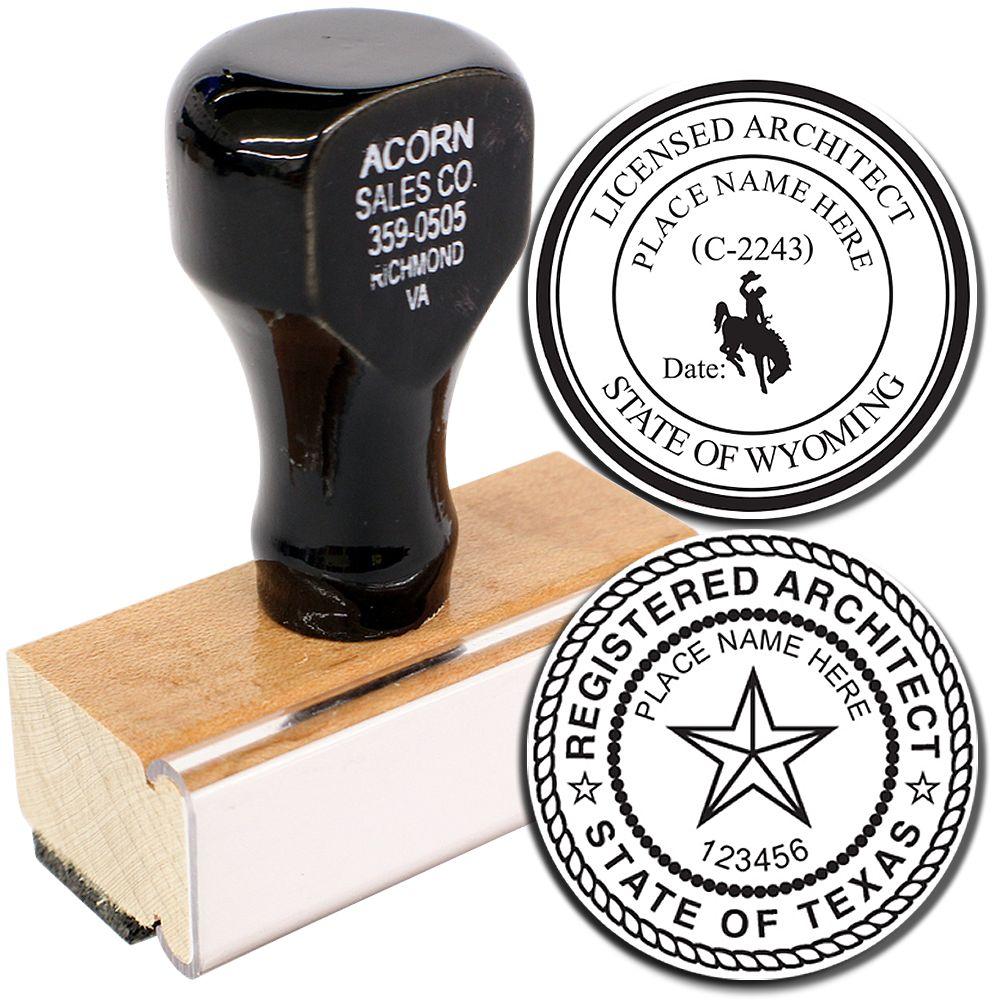


Why It Matters
- Demonstrates your credentials to clients and agencies
- Ensures compliance with Vermont’s architectural guidelines
- Protects you from unauthorized modifications or misrepresentations
Follow The Required Steps
Confirm State Regulations
Vermont has specific rules on how your seal should look, where to place it, and the exact documents that require it. Before you start stamping, take a moment to review these guidelines on the state architecture board’s site or any official documentation you received. Make sure you’re completely sure about sizing, clarity, and ink choices.





Pick A Trusted Supplier
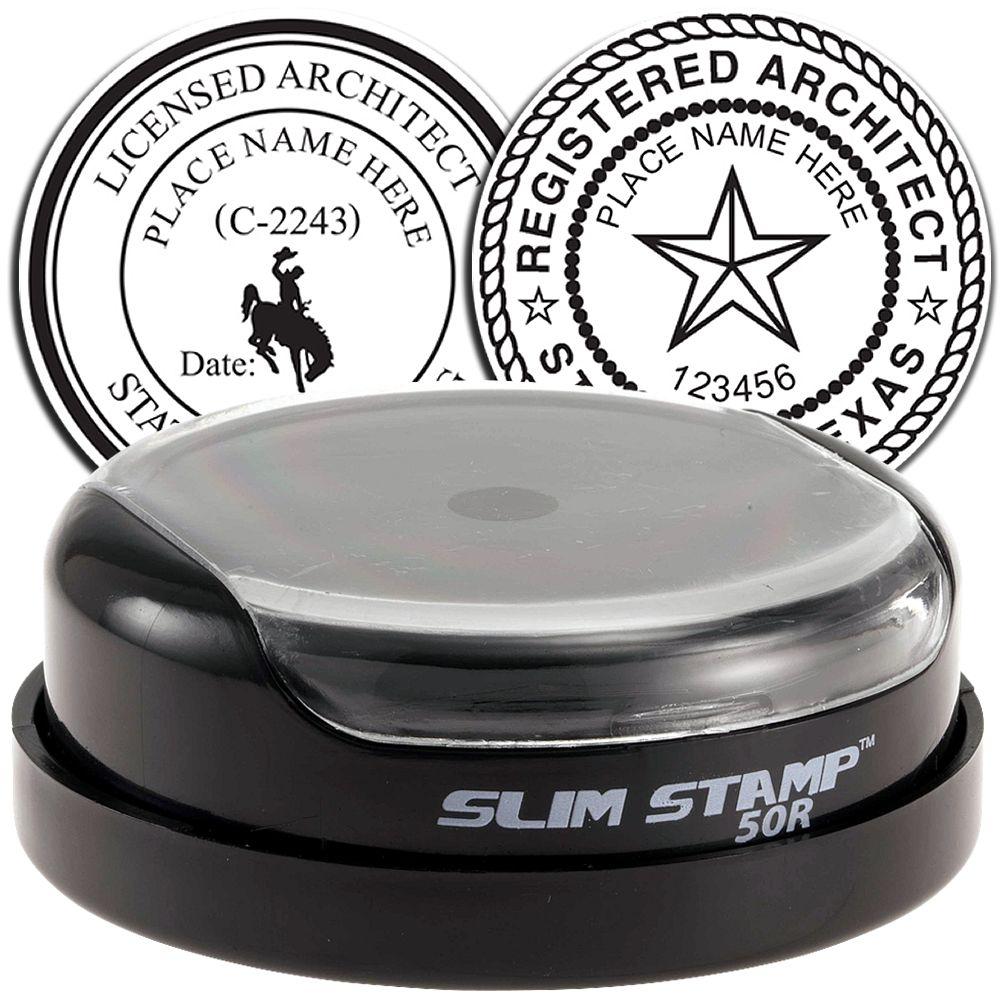
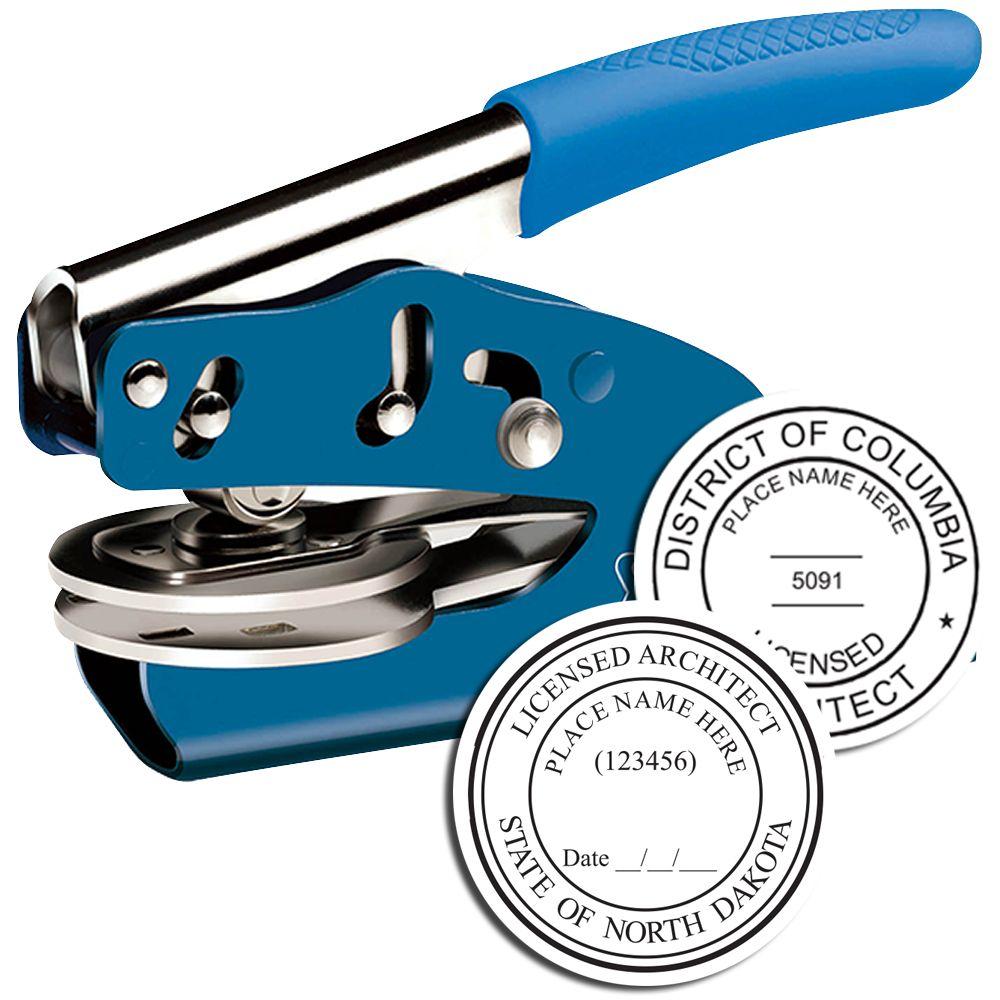
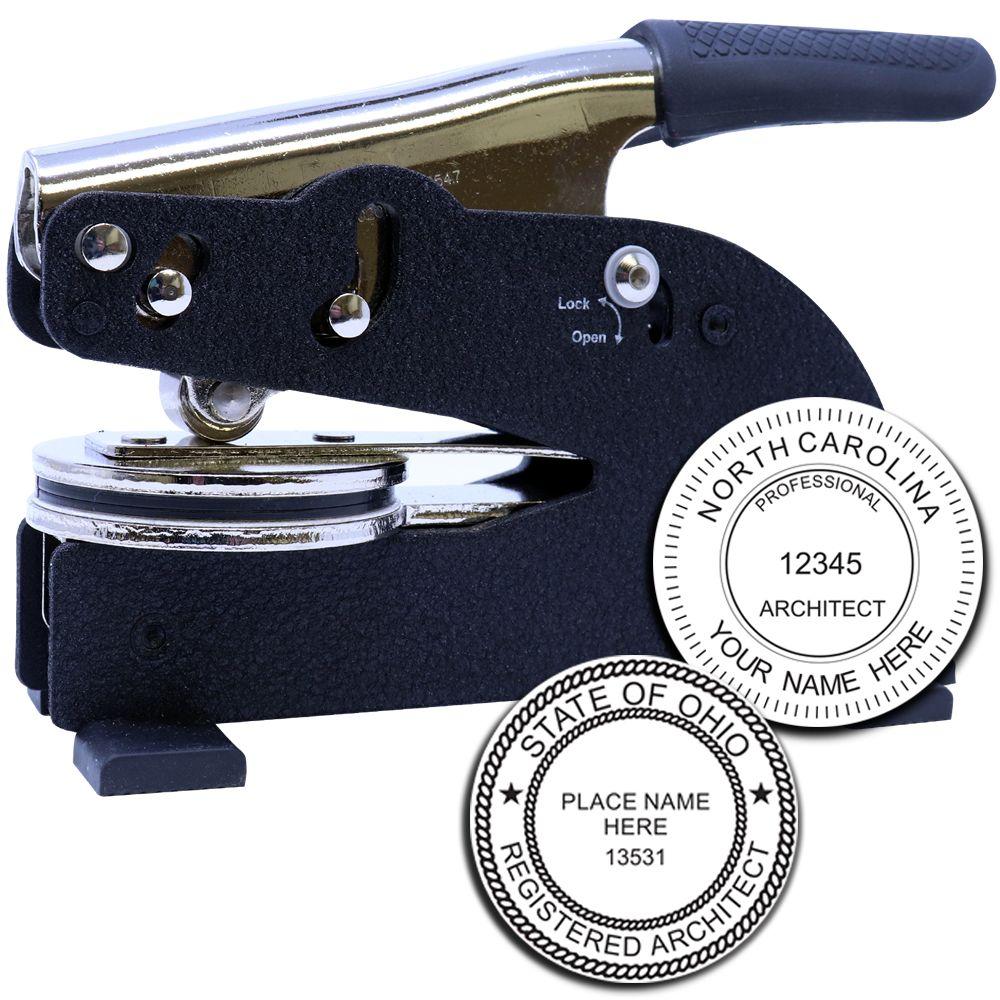
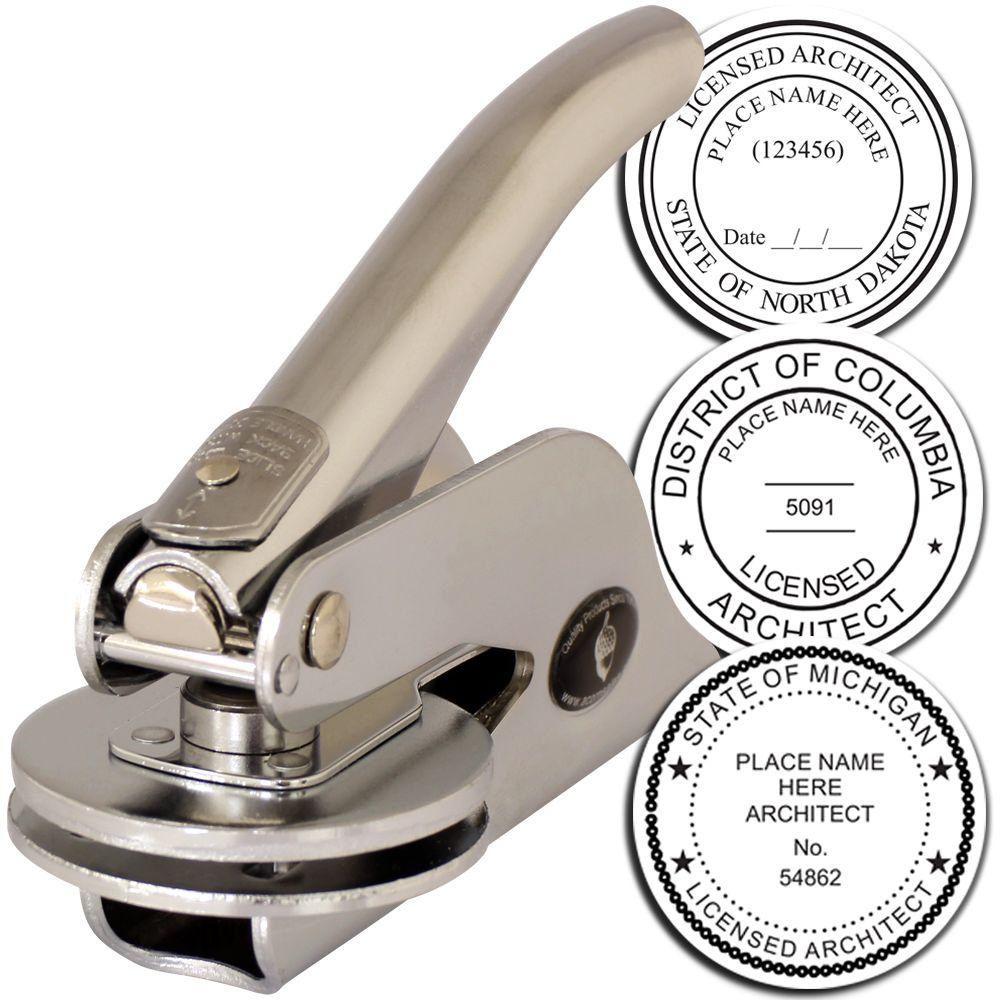
Instead of ordering a random seal online and hoping it passes muster, turn to a reputable source like Acorn Sales. We’ve been making Vermont architect stamps and seals for over 60 years, specializing in quick turnaround times and total state compliance. You’ll find a wide selection of options, including digital stamps and seals that meet modern e-document requirements. When you’re ready to purchase your official vermont architect stamp, you can feel confident that every detail aligns with Vermont’s standards.
Apply Proper Technique
Once you have your seal in hand, it’s time to stamp. You’ll want to:
- Place your document on a firm, level surface.
- Position your seal so the design lands crisply and is easy to read.
- Press down evenly, using moderate pressure, too light can blur the impression, and too heavy might smear it.
- Double-check that each stamped mark is clear and fully legible.
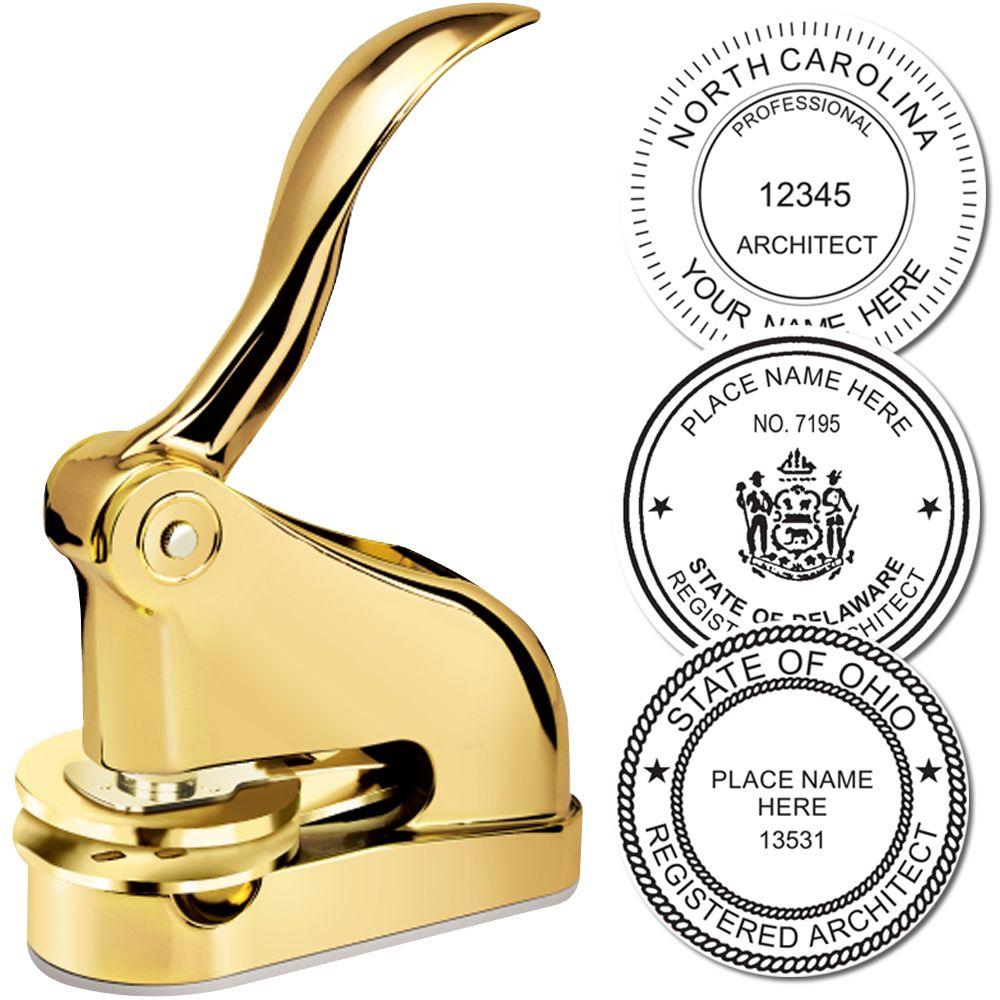
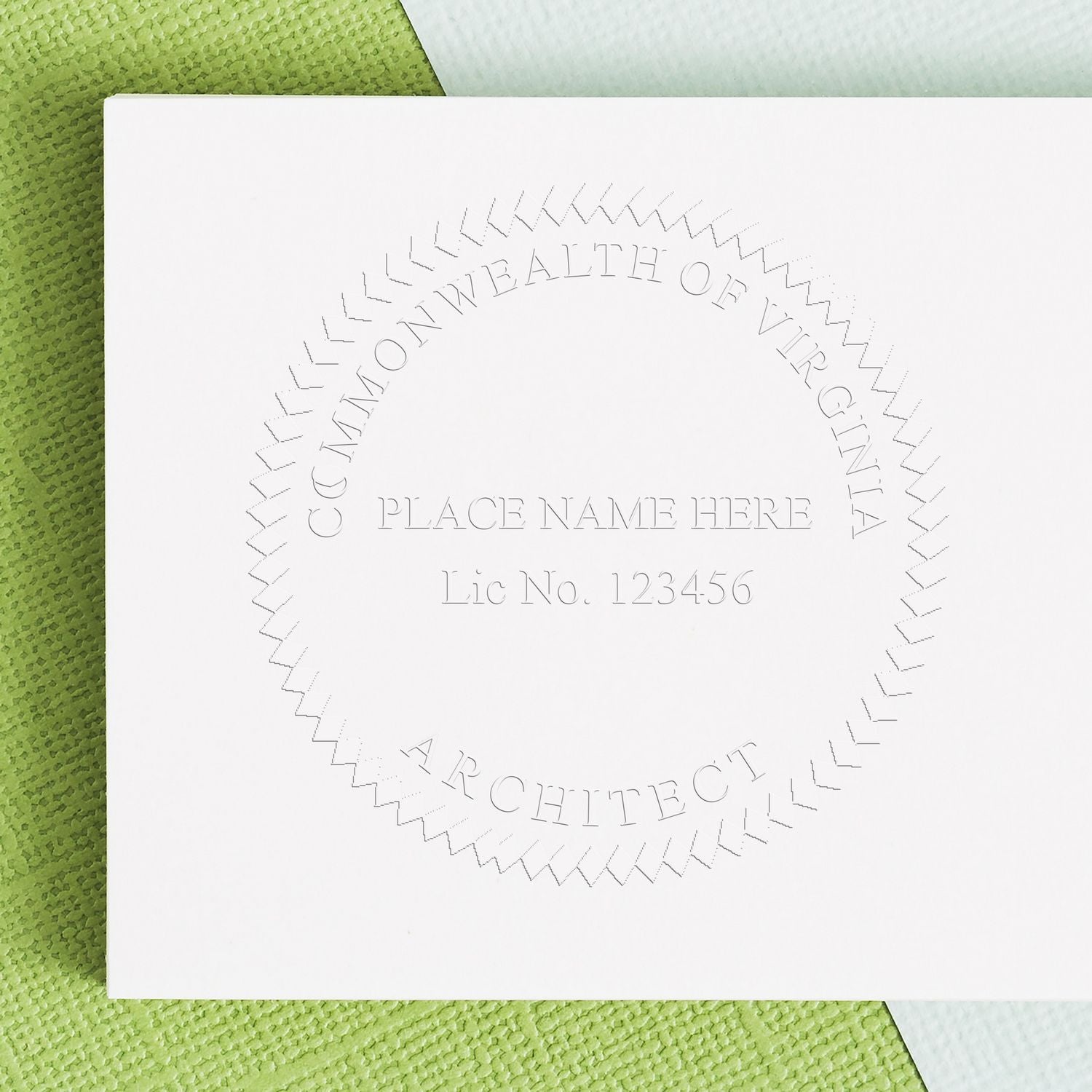


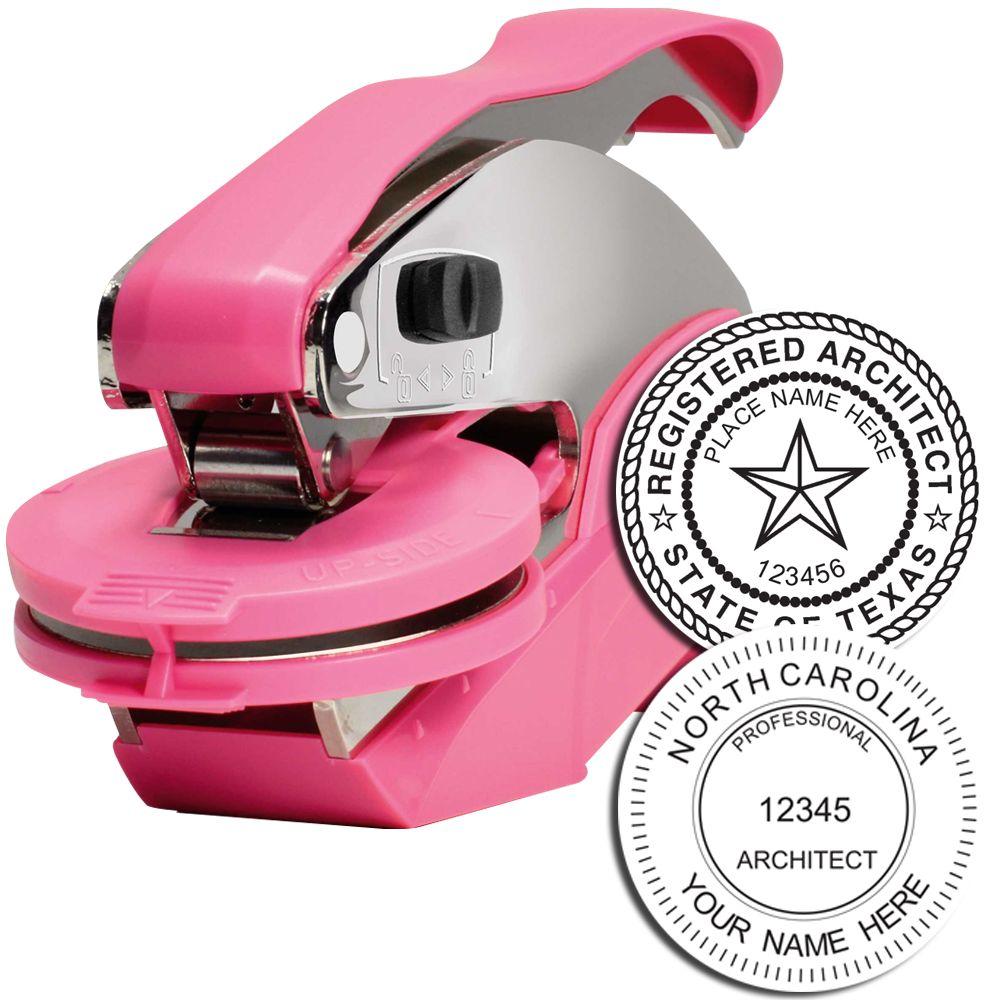
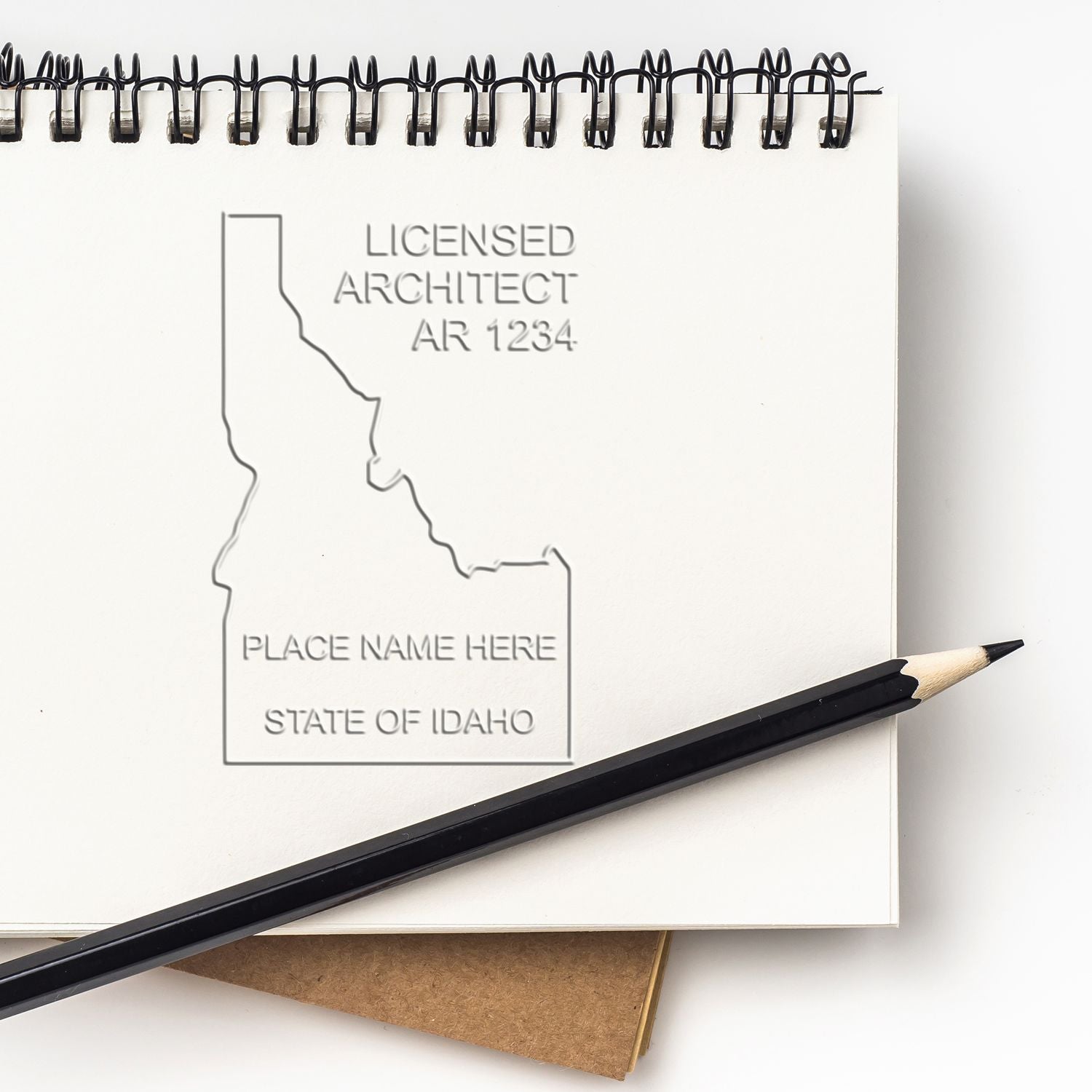
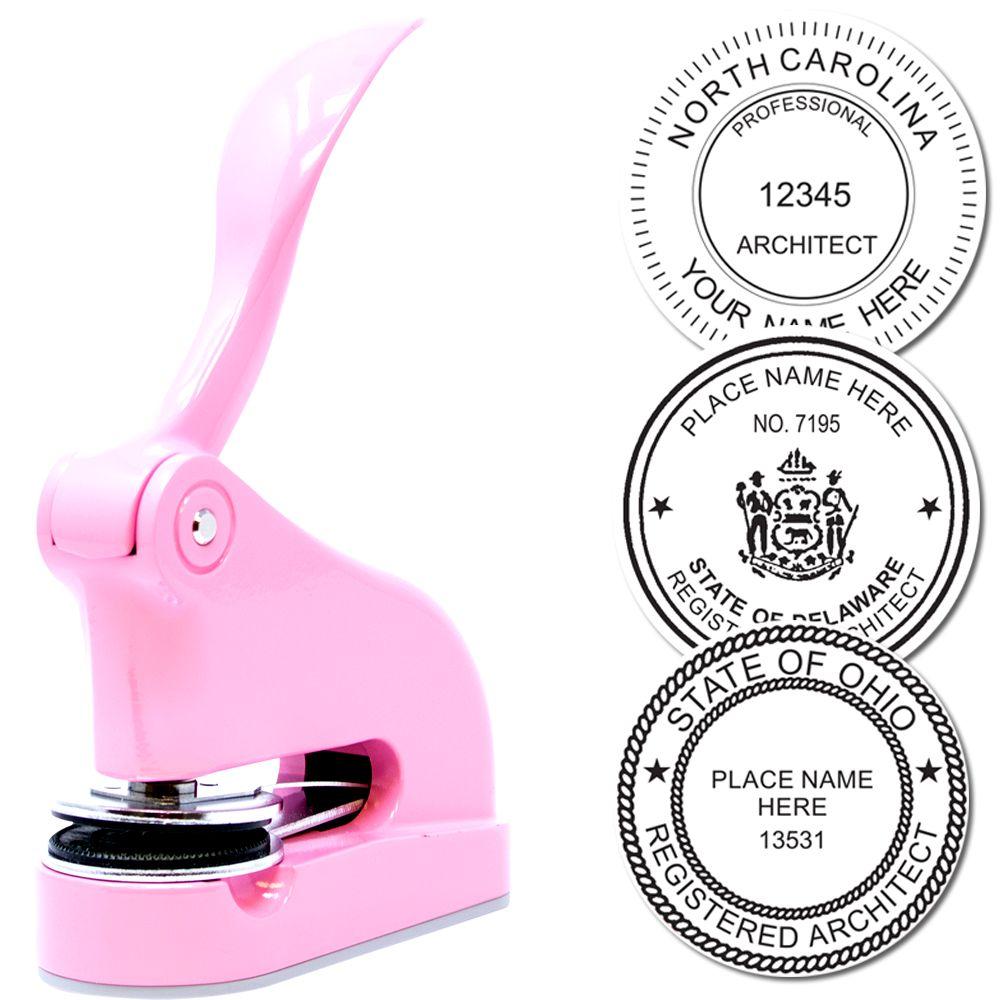
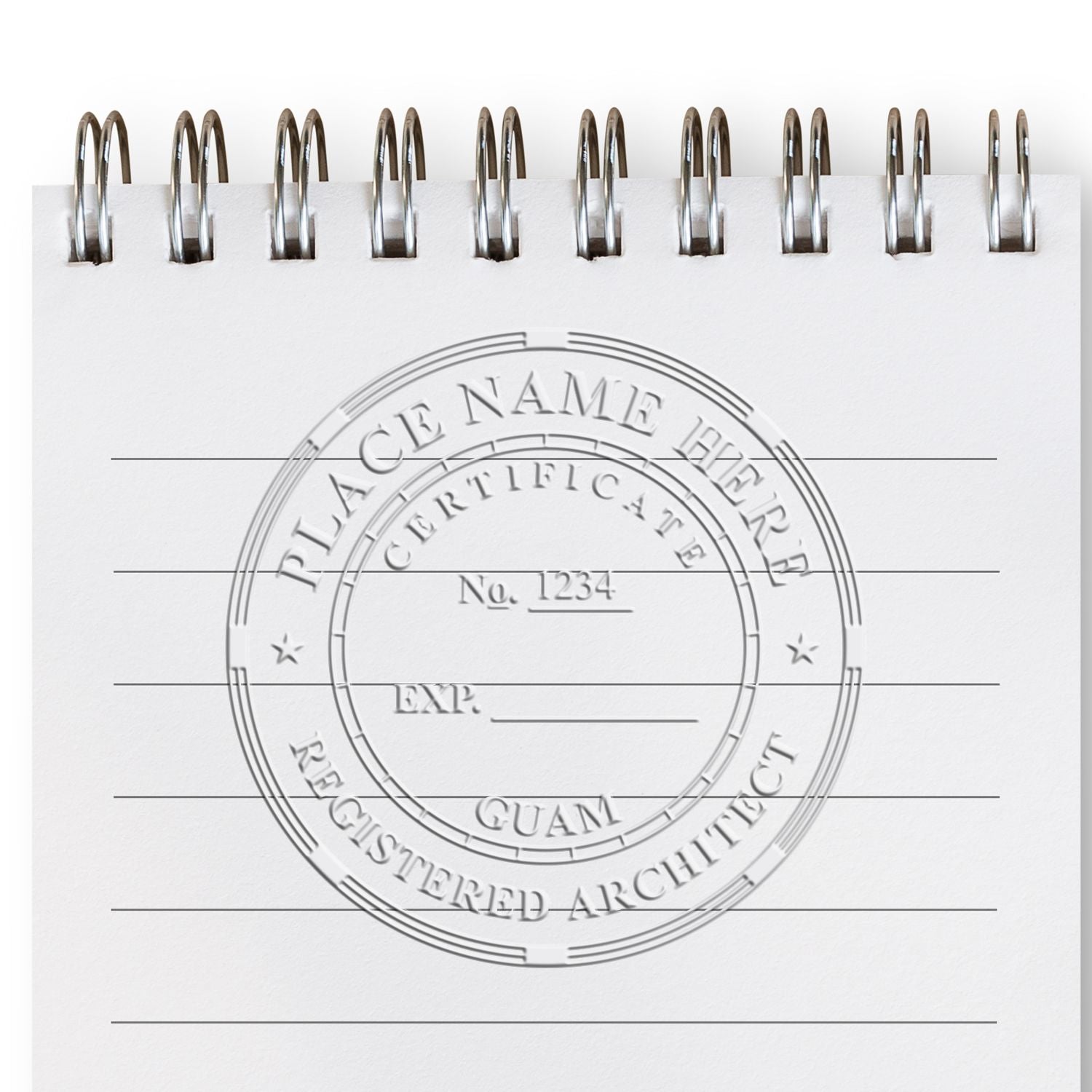
Avoid Common Seal Stamping Errors
Even experienced architects slip up now and then. Here are some pitfalls you can dodge with a bit of prep:
- Using the wrong ink: Always pick a high-quality ink that won’t fade or bleed.
- Stamping in the wrong spot: Keep an eye on margin requirements, and place your seal so it doesn’t overlap critical text.
- Forgetting to date or sign the document: Some states require a signature and date near the seal, so don’t overlook that step.
Summing It Up
Done correctly, vermont architect seal stamping helps you maintain a spotless professional reputation and comply with state licensing rules. It’s about clarity, accuracy, and showing your clients that you take your responsibilities seriously. If you need an official seal, Acorn Sales makes seals that follow Vermont’s guidelines.
Feel free to reach out if you still have questions or need guidance on selecting the right Vermont architect seal. With a little attention to detail and the right supplier on your side, you’ll be stamping your architectural plans confidently in no time.
Frequently Asked Questions
Do I need a physical seal, or can I use a digital one?
Vermont allows both physical rubber stamps and digital seals, but you should confirm requirements for each project to ensure compliance.
How often should I replace my seal?
You typically only need a new one if your seal wears out or if the state updates its design. Quality seals usually last many years.
Is it necessary to stamp every page of a set of drawings?
That depends on Vermont’s guidelines. Often, you’ll stamp all final sheets, including the cover page. Check the board rules to be certain.
Can I stamp photocopies or only original documents?
You can typically stamp originals or high-quality copies, but make sure the impression is legible and aligns with any official instructions.
Are there size restrictions on the seal?
Yes, Vermont typically specifies a minimum diameter for legibility. Confirm your exact dimensions before ordering your seal.
What if I spot an error after stamping a document?
You should correct the document, re-stamp it, and sign again to ensure your revised version is officially certified.








