

Written by Acorn Sales Company, manufacturing stamps and seals since 1964 · Reviewed by Holly R, VP of Sales and Marketing at Acorn Sales, against the Board for Architects, Professional Engineers, Land Surveyors, Certified Interior Designers and Landscape Architects and 18VAC10-20-760 A, B and E on 21 September 2026 · Updated 21 September 2026
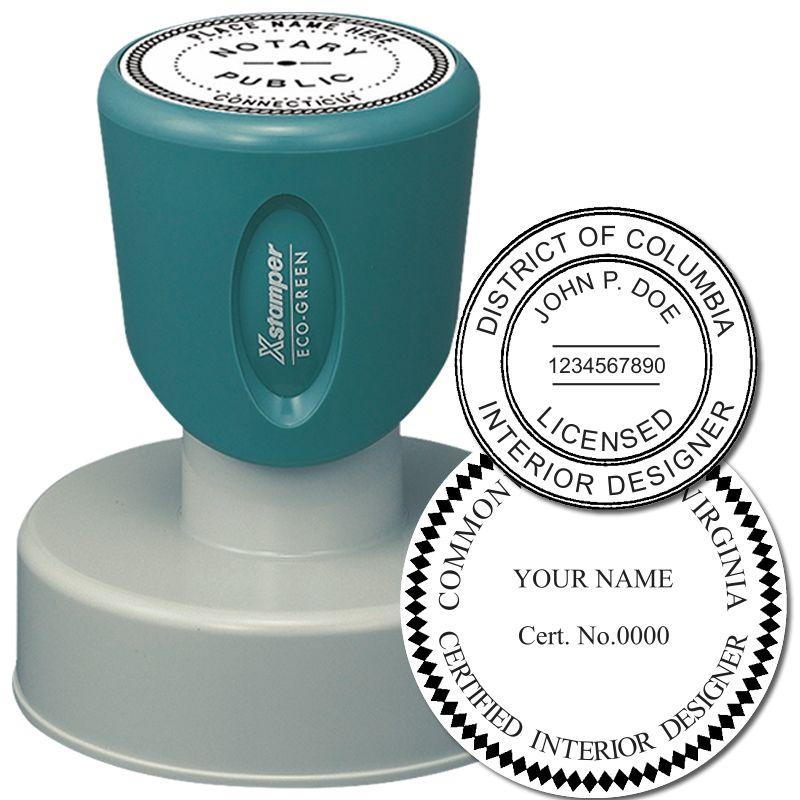
Your seal is two inches across and the number label reads Cert. No., not Lic. No. 18VAC10-20-760 F applies a single size to every credential the board grants: “The original seal shall conform in detail and size to the design illustrated in this subsection and shall be two inches in diameter.” There is no smaller certificate-holder version. Inside it go your name, Cert. No. plus the last six digits of your certificate number, COMMONWEALTH OF VIRGINIA on the upper arc and CERTIFIED INTERIOR DESIGNER on the lower arc, with your signature and the date adjacent.
Once you hold the certificate the sealing duty binds. 18VAC10-20-760 B 1 requires that “All final documents, including cover sheet of plans, plats, documents, drawings, technical reports, and specifications, and each sheet of plans or plats, or drawings prepared by the professional, or someone under the licensee’s direct control and personal supervision, must be sealed, signed, and dated.” Subsection E then extends that to work exempt from licensure under § 54.1-402 when a person certified by this board performs it, which is the part people miss.
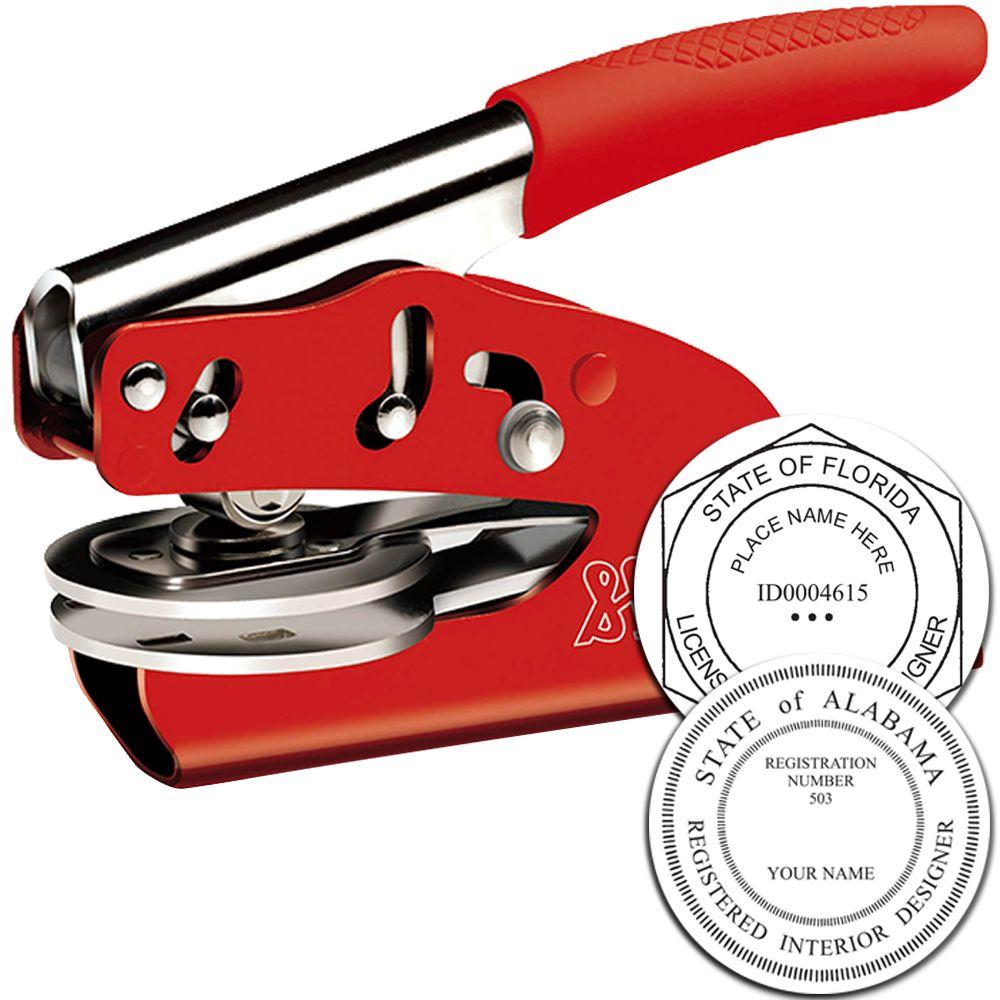
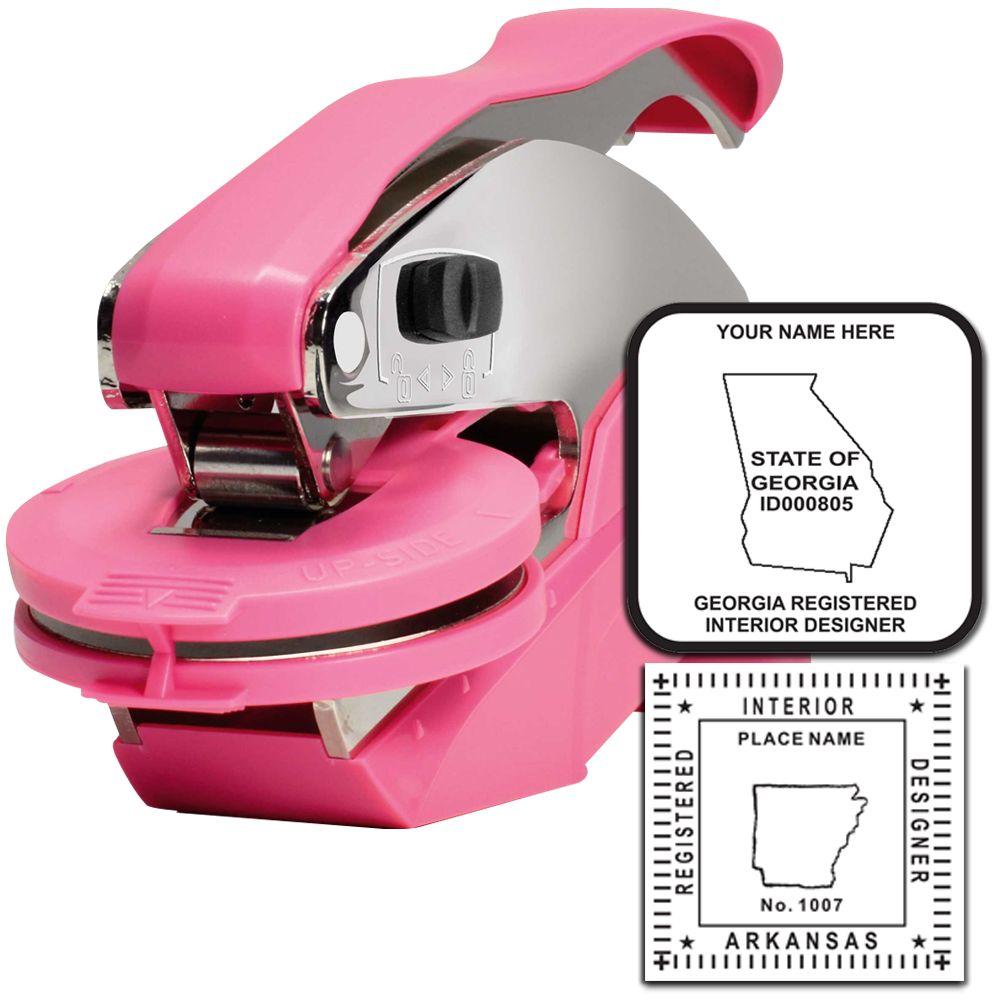
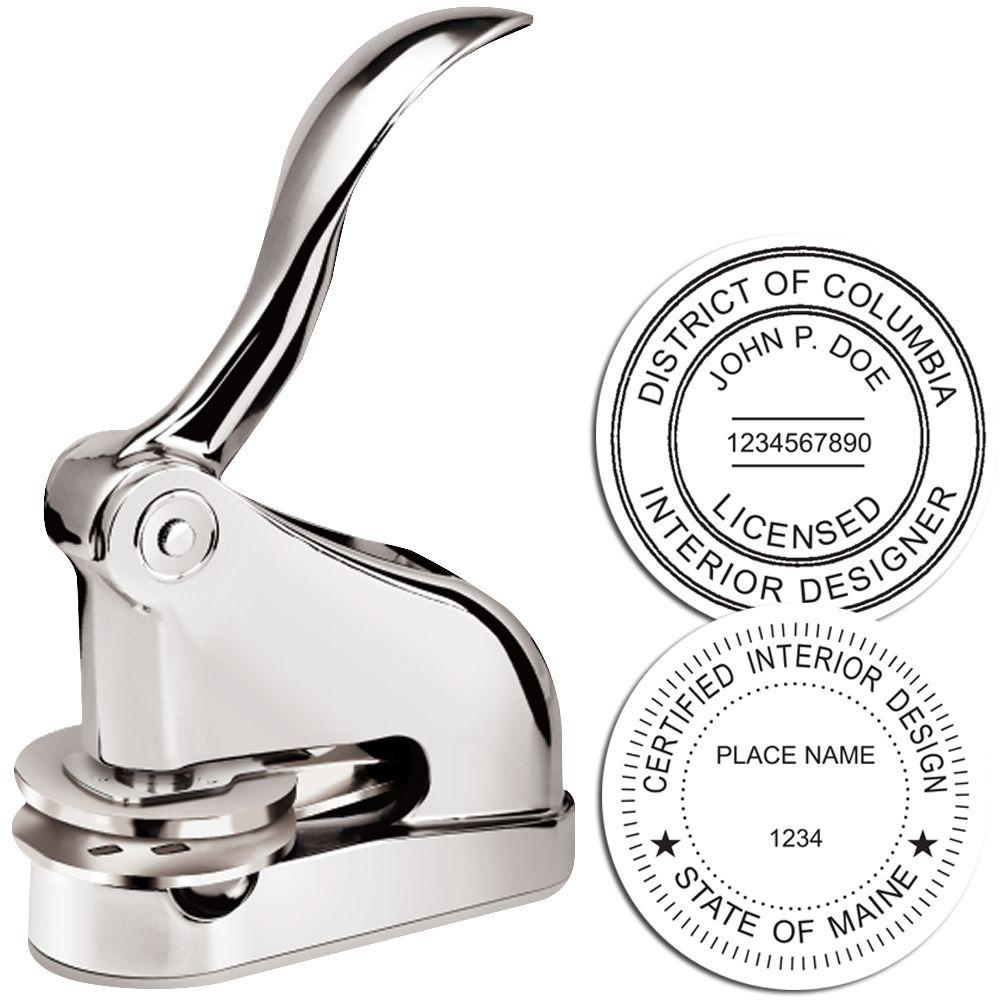
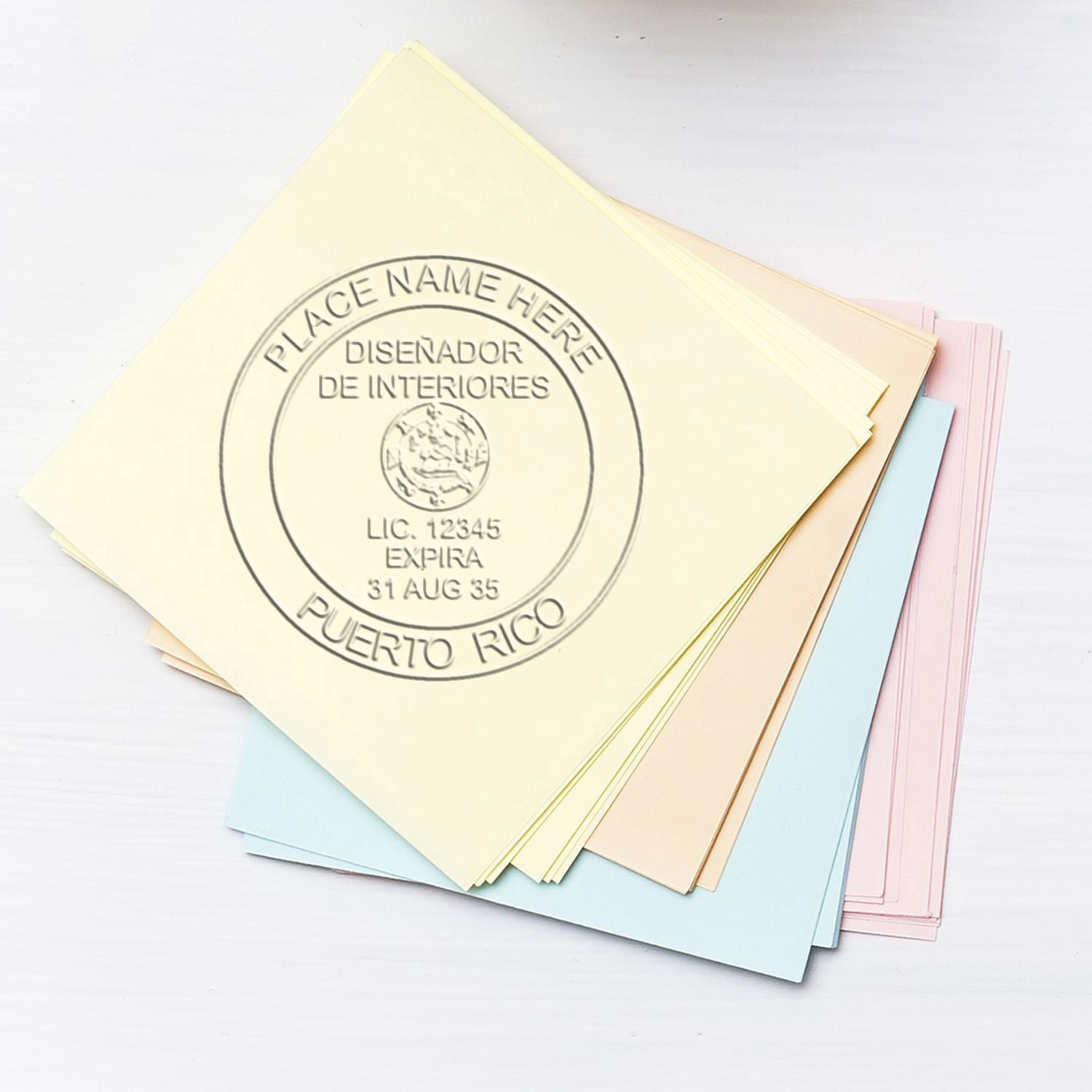
No device is named, so an embosser, an inked rubber stamp or a digital image all qualify as long as the impression conforms in detail and size. The inked stamp is the practical buy, because interior technical drawings reach building officials as copies and a blind emboss does not survive that.
Virginia interior designer seal requirements at a glance
| Requirement | Virginia rule | Source |
|---|---|---|
| Seal required | Yes | 18VAC10-20-760 A, B and E |
| Required elements | Your name; “Cert. No.” plus the last six digits of your certificate number; The arc legend “COMMONWEALTH OF VIRGINIA”; The arc designation “CERTIFIED INTERIOR DESIGNER”; Adjacent to the seal: your signature; Adjacent to the seal: the date | 18VAC10-20-760 B and F |
| Size and shape | Two inches in diameter. 18VAC10-20-760 F applies one size to every credential the board issues: “The original seal shall conform in detail and size to the design illustrated in this subsection and shall be two inches in diameter.” There is no smaller certificate-holder version. | 18VAC10-20-760 F |
| Device allowed | No device is prescribed or prohibited, so an embosser, an inked rubber stamp or a digital image are all acceptable provided the impression conforms in detail and size, and subsection C permits an electronic seal, signature and date in place of the original set. | 18VAC10-20-760 C and F |
| Signature and date | Seal, signature and date are a single set; the rule never refers to one without the other two. | 18VAC10-20-760 A, B and C |
| What must be sealed | Final documents: the cover sheet of plans, documents, drawings, technical reports and specifications, plus each individual sheet of plans or drawings you prepared or that were prepared under your direct control and personal supervision. | 18VAC10-20-760 B, D and E |
| Electronic seal | An electronic seal, signature and date may be used in lieu of the original when the electronic version is a unique identification of the professional, is verifiable and is under the professional’s direct control. | 18VAC10-20-760 C |
| Renewal and lapse | Certificates are valid for two years from the last day of the month in which they are issued, so Virginia uses rolling rather than statewide expiration. | 18VAC10-20-87 A |
| Firm requirements | Business entity registration applies to interior design as it does to the board’s other services. 18VAC10-20-627 requires any business entity offering or rendering professional services in Virginia to register with the board and to designate a responsible person for each professional service offered, and 18VAC10-20-770 limits a firm to the professions shown on its registration. | 18VAC10-20-627 |
| Regulator | The Board for Architects, Professional Engineers, Land Surveyors, Certified Interior Designers and Landscape Architects | 18VAC10-20, Part XII, principally 18VAC10-20-760 (use of seal), with 18VAC10-20-627, 18VAC10-20-670, 18VAC10-20-87 and 18VAC10-20-770, from the Virginia Administrative Code, and Code of Virginia §§ 54.1-402 and 54.1-410. The certified interior designer is one of seven credentials sharing 18VAC10-20-760, and the only one whose seal reads Cert. No. |




Is a seal required in Virginia?
Virginia certifies interior designers, and a certified interior designer is held to the same sealing duty as the board’s licensed professions. 18VAC10-20-760 B 1 requires that “All final documents, including cover sheet of plans, plats, documents, drawings, technical reports, and specifications, and each sheet of plans or plats, or drawings prepared by the professional, or someone under the licensee’s direct control and personal supervision, must be sealed, signed, and dated by the professional,” and subsection E extends the duty to work that is exempt from licensure under § 54.1-402 when a person certified by this board performs it. Certification is voluntary in the sense that interior design may be practiced in Virginia without it, but once you hold the certificate the sealing rule binds your final documents.
What must appear on the seal
- Your name
- “Cert. No.” plus the last six digits of your certificate number
- The arc legend “COMMONWEALTH OF VIRGINIA”
- The arc designation “CERTIFIED INTERIOR DESIGNER”
- Adjacent to the seal: your signature
- Adjacent to the seal: the date
The certified interior designer design is the one Virginia seal that does not read Lic. No. The footnote to 18VAC10-20-760 F is written to cover both cases: “The number referred to is the last six-digit number as shown on the license or certificate. The number is permanent. Leading zeros contained in the six-digit number may be omitted from the seal.” The published design for this credential carries the Cert. No. label to match the certificate it represents. Because the seven designs in subsection F are illustrations rather than rule text, copy the lettering from the published certified interior designer design rather than adapting an architect or engineer template.
Size and shape
Two inches in diameter. 18VAC10-20-760 F applies one size to every credential the board issues: “The original seal shall conform in detail and size to the design illustrated in this subsection and shall be two inches in diameter.” There is no smaller certificate-holder version. The rule also warns that “The designs illustrated may not be shown to scale.”
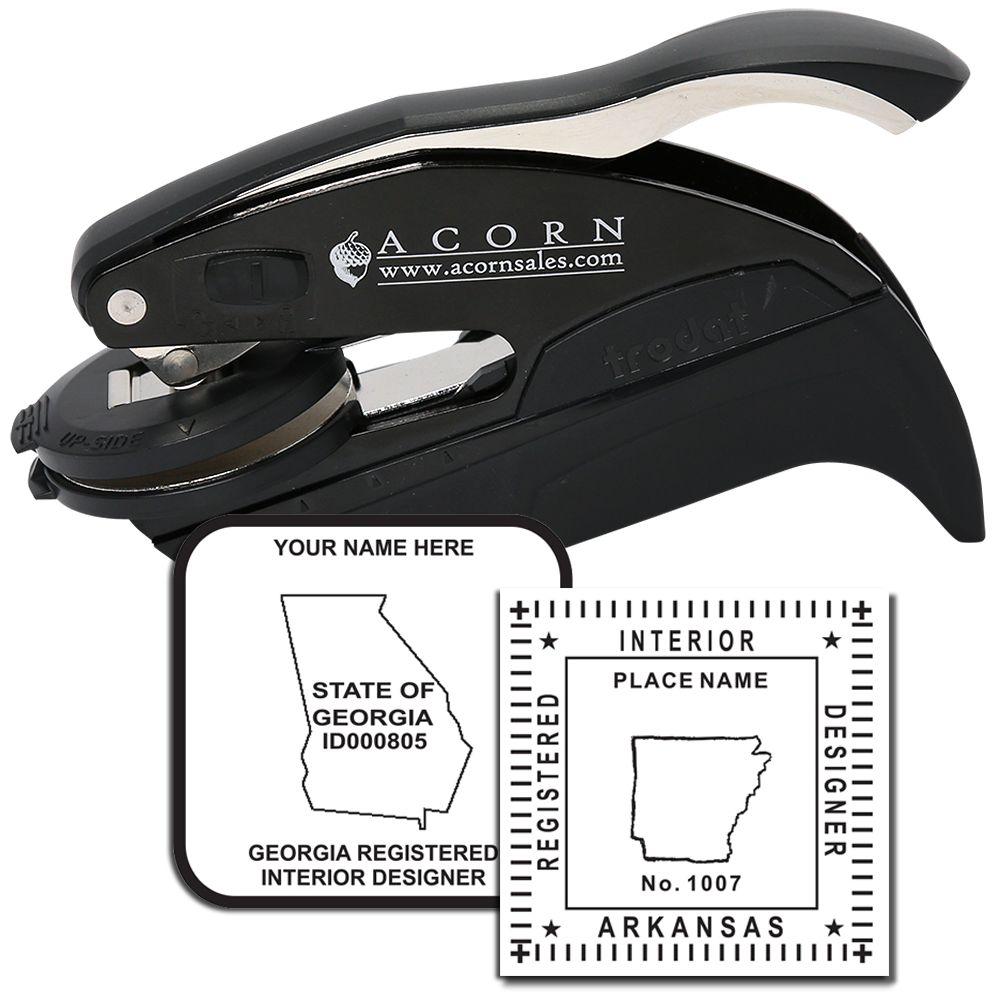


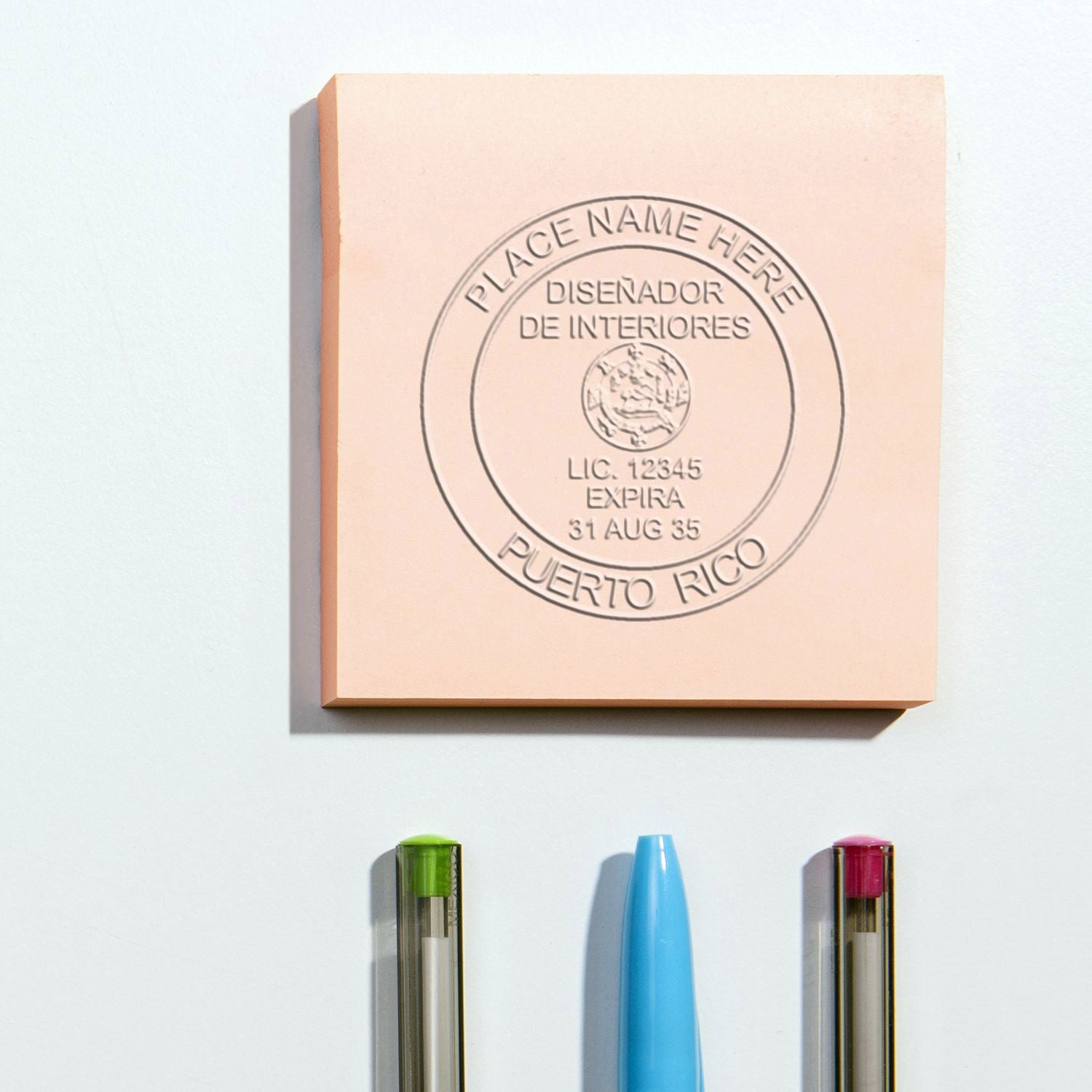
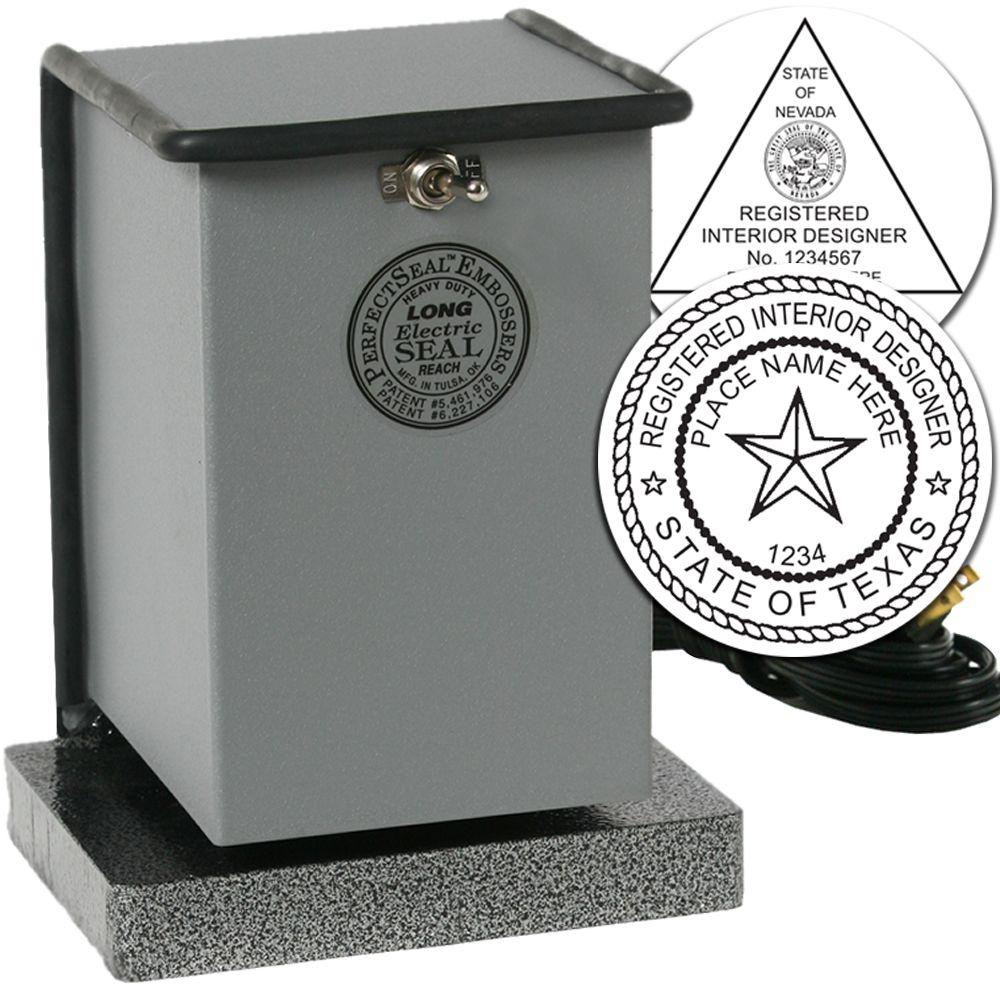

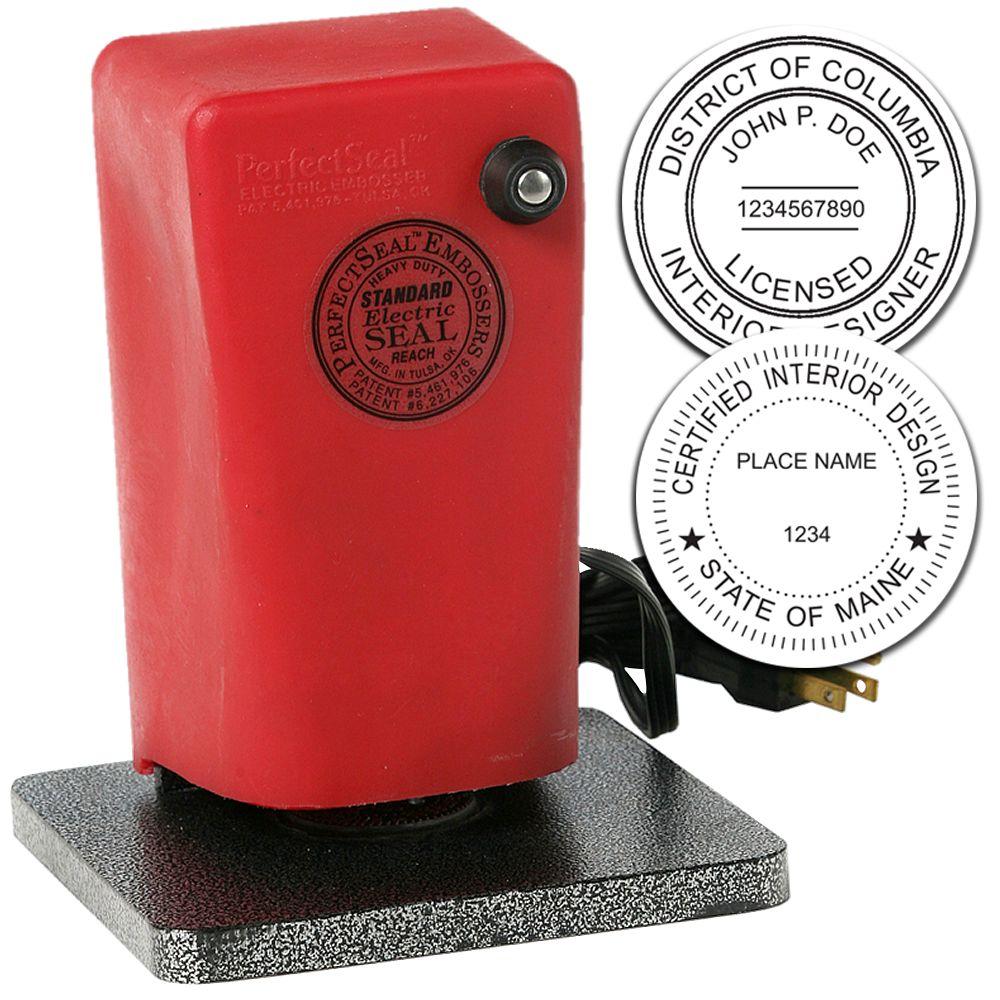

Embosser, rubber stamp or digital
No device is prescribed or prohibited, so an embosser, an inked rubber stamp or a digital image are all acceptable provided the impression conforms in detail and size, and subsection C permits an electronic seal, signature and date in place of the original set. The inked rubber stamp is the safe buy, since interior technical drawings reach building officials as copies.
Signing and dating
Seal, signature and date are a single set; the rule never refers to one without the other two. The signature does not have to cross the seal. The date is the date you seal and sign. Under subsection A, affixing the set indicates that you exercised direct control and personal supervision over the work to which it is affixed.
Cert. No., not Lic. No., and the rest of the seal is identical to an architect’s
Virginia is one of very few states that gives interior designers a state seal at all, and it gives them the same two-inch seal it gives architects and engineers. 18VAC10-20-760 F sets one diameter for every credential the board issues. The only textual difference on the impression is the label in front of the number and the designation on the lower arc.
That label matters because Virginia issues a certificate rather than a license for this profession. The footnote to subsection F is drafted for both, referring to the number shown “on the license or certificate,” and the published certified interior designer design reads Cert. No. A supplier reusing an architect template will set Lic. No. by default and produce a device that misstates the credential.
The second point is scope. Certification is not required in order to practice interior design in Virginia. What certification changes is that 18VAC10-20-760 then binds your final documents, and subsection E reaches even work that § 54.1-402 exempts from licensure. Holding the certificate is what creates the sealing duty, so a certified interior designer needs the device from day one.
The number is permanent, which means this is a buy-once purchase. Renewals, reinstatements and address changes never alter the impression.
Which documents must be sealed
Final documents: the cover sheet of plans, documents, drawings, technical reports and specifications, plus each individual sheet of plans or drawings you prepared or that were prepared under your direct control and personal supervision. On a multi-discipline set each professional seals the component that professional completed, and the compiling professional seals the cover sheet of the aggregate. Incomplete or preliminary copies need not be sealed but must be identified as incomplete on their face. Subsection E is the trap: work exempt from licensure under § 54.1-402 must still be sealed once a person certified by this board performs it.




Electronic and digital seals
An electronic seal, signature and date may be used in lieu of the original when the electronic version is a unique identification of the professional, is verifiable and is under the professional’s direct control. All other requirements of 18VAC10-20-760 continue to apply, so the electronic version must still be the two-inch certified interior designer design. No technology, certificate authority or standard is named.
Renewal, lapse and retirement
Certificates are valid for two years from the last day of the month in which they are issued, so Virginia uses rolling rather than statewide expiration. Practice under the certified interior designer title with an expired certificate is prohibited, a late fee applies after 30 days and reinstatement is required after six months. The six-digit number is permanent, so the seal itself never has to be recut. The regulation contains no duty to surrender or destroy the device.
Firm requirements
Business entity registration applies to interior design as it does to the board’s other services. 18VAC10-20-627 requires any business entity offering or rendering professional services in Virginia to register with the board and to designate a responsible person for each professional service offered, and 18VAC10-20-770 limits a firm to the professions shown on its registration. The firm holds no seal. The sheet carries your seal plus your name or the firm name, the address and the project name.
What to check before you order
Order a two-inch die, and be explicit that the number label reads Cert. No. rather than Lic. No., because a supplier working from an architect or engineer template will get that wrong. Send them the certified interior designer design illustrated in 18VAC10-20-760 F: COMMONWEALTH OF VIRGINIA on the upper arc, CERTIFIED INTERIOR DESIGNER on the lower arc, your name and Cert. No. plus the last six digits of your certificate inside. Leading zeros may be dropped. Take the inked rubber stamp rather than the embosser so the impression survives copying, and ask for a matching two-inch image file for electronic sealing.
Browse interior designer stamps and seals.
Frequently asked questions
Is a seal required for a certified interior designer in Virginia?
Yes, once you hold the certificate. Certification is voluntary in the sense that interior design may be practiced in Virginia without it, but 18VAC10-20-760 A and B put certified interior designers under the same sealing duty as the board’s licensed professions. Every final document and every sheet of plans or drawings you prepared, or that were prepared under your direct control and personal supervision, must be sealed, signed and dated.
What has to appear on a Virginia certified interior designer seal?
Four items on the die and two beside it. On the die: your name, the label Cert. No. followed by the last six digits of your certificate number, COMMONWEALTH OF VIRGINIA on the upper arc and CERTIFIED INTERIOR DESIGNER on the lower arc. Adjacent to the seal: your signature and the date. 18VAC10-20-760 B and F carry both halves of that, and the footnote to subsection F allows leading zeros in the six-digit number to be omitted.
What size is a Virginia certified interior designer seal?
Two inches in diameter. 18VAC10-20-760 F states one size for the whole board and warns that “The designs illustrated may not be shown to scale,” so the printed illustration is a layout reference rather than a template you can measure. Order to the stated two inches and check the proof against the published certified interior designer design.
Does my Virginia seal say Cert. No. or Lic. No.?
Cert. No. Virginia issues a certificate rather than a license for this profession, and the certified interior designer is the one design on this board that does not read Lic. No. The footnote to 18VAC10-20-760 F is written to cover both cases, referring to the number shown “on the license or certificate,” and the published design for your credential uses the Cert. No. label. A supplier working from an architect or engineer template will set Lic. No. by default, so say it in writing when you order.
Rubber stamp or embosser for a Virginia certified interior designer?
Either. 18VAC10-20-760 F prescribes the design and the diameter but names no device, and subsection C separately permits an electronic seal. Most certified interior designers take the inked rubber stamp, because the sets go to building officials as copies and an embossed impression vanishes on a scan. Ordering a matching two-inch image file at the same time saves a second trip when you start sealing electronically.
Does the signature have to cross the Virginia seal?
No. Seal, signature and date travel as a set and the rule never mentions one without the other two, but 18VAC10-20-760 asks only that the signature and date be adjacent to the seal. The date is the date you seal and sign. Under subsection A, affixing the set is your statement that you exercised direct control and personal supervision over the work it is affixed to.
Which documents does a Virginia certified interior designer have to seal?
Final documents: the cover sheet of plans, documents, drawings, technical reports and specifications, plus each individual sheet of plans or drawings. On a multi-discipline set each professional seals the component that professional completed, and whoever compiles the aggregate seals the cover sheet. Incomplete or preliminary copies need not be sealed but must be identified as incomplete on their face. 18VAC10-20-760 E is the one to watch: work that § 54.1-402 exempts from licensure still has to be sealed once a person certified by this board performs it.
Can I seal Virginia interior design documents electronically?
Yes. 18VAC10-20-760 C allows an electronic seal, signature and date in place of the original set where the electronic version is a unique identification of the professional, is verifiable and is under your direct control. No technology, certificate authority or standard is named, so the choice of product is yours. Every other requirement of 18VAC10-20-760 still applies, which means the electronic version has to be the same two-inch certified interior designer design.
What happens to my Virginia seal when the certificate expires?
The device stays good. Certificates run two years from the last day of the month in which they were issued, so Virginia expires on a rolling date rather than a statewide one, and 18VAC10-20-87 A adds a late fee after 30 days with reinstatement required after six months. Practicing under the certified interior designer title on an expired certificate is prohibited, but the six-digit number is permanent under 18VAC10-20-760 F, so the seal never has to be recut and the regulation contains no duty to surrender or destroy it.
Does my interior design firm need to register with the Virginia board?
Yes, if it offers or renders professional services in Virginia. 18VAC10-20-627 requires business entity registration and a designated responsible person for each professional service offered, and 18VAC10-20-770 limits a firm to the professions shown on its registration. The firm itself holds no seal. The sheet carries your personal seal plus your name or the firm name, the address and the project name under 18VAC10-20-760 B 1.








