
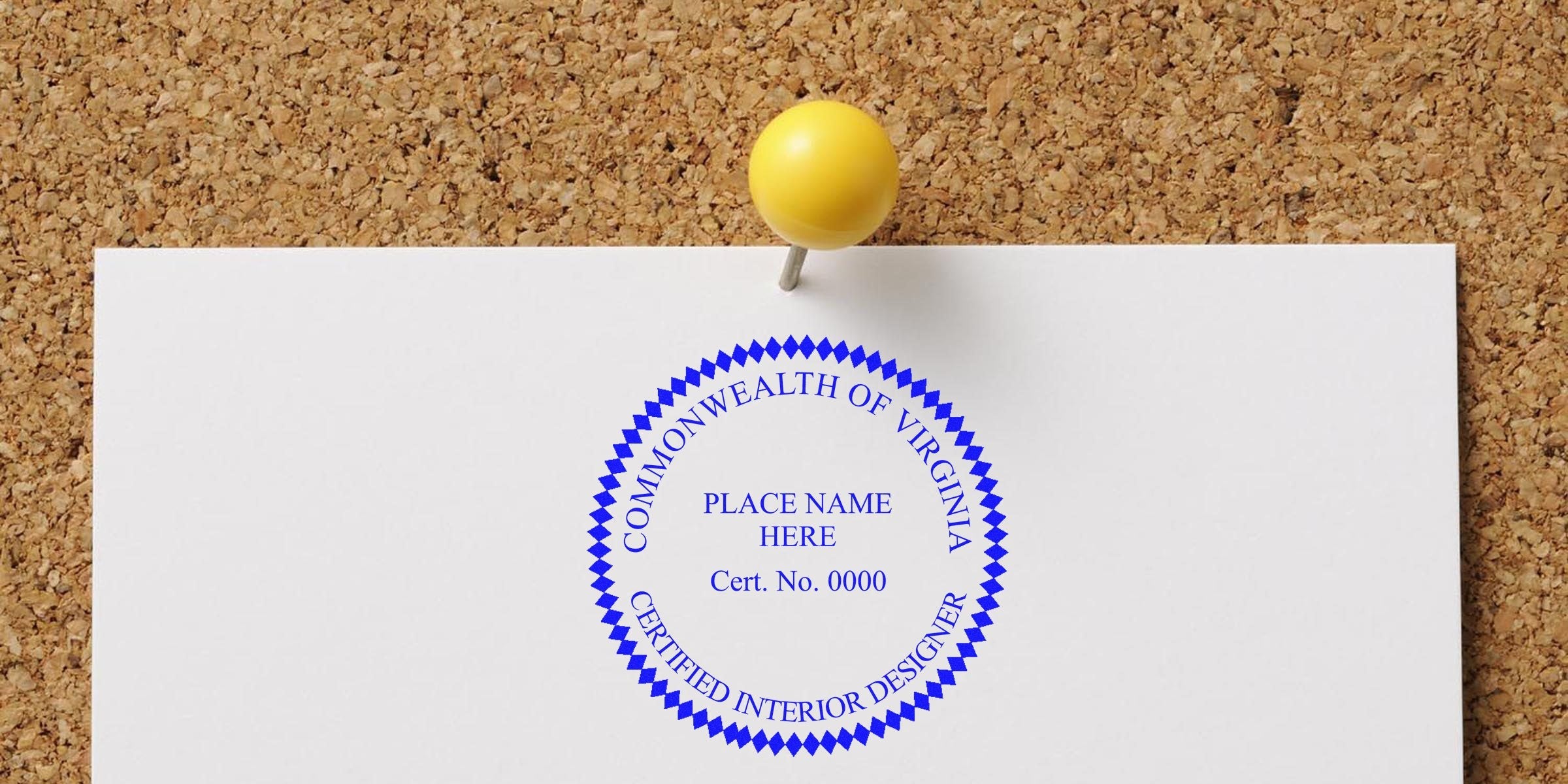
If you’re aiming to expand your interior design career in Virginia, you’ve likely heard about the Virginia interior designer stamp exam. This exam might sound like just another hurdle, but it actually opens new doors for your professional growth. From increased credibility to enriched expertise, passing the exam helps you stand out in a crowded market. In the paragraphs below, you’ll find practical tips on deciphering exam requirements, prepping your study plan, and setting yourself up for real-world success. Let’s get started.
Gain Clarity On The Stamp Exam
You might be wondering, what’s the big deal about a stamp exam? Well, once you’re officially licensed in Virginia, you can stamp design documents to confirm your work meets state standards. That stamp essentially says, “I know my stuff, and the Commonwealth of Virginia trusts me.” For employers and clients, it’s a clear sign of your qualifications.
How The Exam Elevates Your Career
- Demonstrates your dedication to meeting professional benchmarks
- Opens the door to projects that legally require an official stamp
- Boosts client confidence, which can lead to better opportunities
If you’re serious about expanding your project scope, it’s worth investing in thorough exam prep. Even if you already have design experience under your belt, reviewing state-specific requirements helps ensure your designs adhere to Virginia’s codes and guidelines.
Check Virginia Requirements
Each state sets its own rules for interior designers, and Virginia is no exception. Before you crack open any study materials, check out the official licensing criteria. This generally includes education (like a degree in interior design) and relevant work experience.
Key Points To Verify
- Minimum education credentials required by the state
- Documented professional experience, such as internship hours
- Application deadlines and fees
Remember, if you want a more comprehensive overview, you can head over to the Virginia Interior Designer Stamp Requirements. You’ll see what the state expects you to do before you even touch an exam guide.
Prepare For The Exam Thoroughly
Studying for any certification exam can feel overwhelming, but let’s be honest, this is the last step before you get to proudly stamp your design documents. Make a study plan, gather resources, and commit a little time each day to reviewing. A slow-and-steady approach wins the race here.
Set Clear Study Goals
- Start with a realistic study schedule (e.g., 1-2 hours each weekday)
- Use official exam guides or recommended textbooks
- Take practice tests to gauge your readiness
Organize Your Materials
If you’re juggling multiple responsibilities, staying organized prevents last-minute panic. Keep your notes, flashcards, and reference books in one place. Digital tools can be helpful too—try a note-taking app or set calendar reminders so you never miss a study session. Keep track of which modules you’ve mastered and which ones need more work.
Focus On Practical Skills
This exam doesn’t just measure how well you memorize building codes. It also tests your understanding of practical design solutions that comply with safety and aesthetic standards. Hands-on exercises—like sketching, scale drawings, and imagining real-world scenarios—can sharpen your problem-solving abilities.
Hands-On Practice Tips
- Sketch different room layouts to solidify space-planning concepts
- Explore environmental considerations, such as lighting and acoustics
- Review legal documents or building codes to confirm you understand compliance
Practicing in a real or simulated environment is a great way to connect theory with everyday interior design tasks. If you’re part of a design firm, see if your employer can provide sample projects or code references for practice.
Understand The Role Of Stamps And Seals
The next step is to learn exactly how these stamps and seals come into play during your projects. In Virginia, interior designers need a distinct stamp or seal to confirm that their plans meet state requirements. Once you pass the exam, you become eligible to obtain and use this stamp on official drawings and documents.
Why You Need One
- Legitimacy: Shows that a licensed professional approved the design
- Accountability: You’ll stand by the quality and safety of your work
- Efficient Project Approval: Regulatory agencies trust stamped documents more readily
Think of your stamp as a badge of honor—something you worked hard to earn and can use to showcase your expertise.
Select The Ideal Stamp Provider
Now, let’s talk about getting your very own stamp. Quality and reliability matter big time here, so choose a supplier with a proven track record. Since 1964, Acorn Sales has been a trusted name providing stamps and seals for professionals across various industries. They also offer a free Electronic Seal when you purchase a physical stamp, which makes life simpler if you need to send digital files to clients or agencies.
Why Choose Acorn Sales
- Decades Of Experience: Been in business since 1964
- Free Electronic Seal: Easy digital stamping for automatically marking your PDFs
- Customization: Create a seal that reflects your unique style, while adhering to Virginia regulations
Once you pass that exam, your stamp will be the finishing touch you need for your design proposals and official submissions. A good stamp isn’t just an afterthought—it’s part of your professional identity.
Maintain Legal And Ethical Standards
When you finally have your license and stamp in hand, the work doesn’t stop. Plan to keep up with ongoing requirements and continuing education. Rules can change over time, and staying updated ensures your projects always meet legal standards. If you ever have questions about compliance, talk to your state licensing board or connect with experienced colleagues.
Stay On Top Of Changes
- Track any updates to Virginia building codes
- Attend seminars or workshops that discuss new design regulations
- Renew your stamp registration and license as required
This proactive approach doesn’t just help you avoid costly mistakes or legal trouble, it positions you as a designer clients can rely on for up-to-date expertise.
Final Thoughts
You’re on the verge of taking a huge leap in your career. The exam may feel intimidating, but remember, it’s a stepping stone to credibility, professional independence, and a broader portfolio of projects. By thoroughly preparing and choosing the right stamp provider, you’ll be set to make your mark—literally—on designs that leave your clients impressed.
If you’re ready to unlock your career potential, start by mapping out your exam study schedule. Next, select a reputable stamp provider like Acorn Sales for that finishing touch. You’ll be amazed by how much a simple seal can elevate your professional standing.
Feel free to comment if you have more questions or if you’re ready to share your own exam experiences. Best of luck on your journey to becoming a fully credentialed interior designer in Virginia!
Frequently Asked Questions
How long does it take to prepare for the exam?
Most people dedicate at least a few months to studying. The timeline can vary based on your prior knowledge and how much time you can devote each day.
Do I need specific software for digital stamps?
If you choose a free Electronic Seal from Acorn Sales, you can use PDF editing tools like Adobe Acrobat or other design software. It’s straightforward—simply place your seal on the document.
Is passing the exam mandatory to practice as an interior designer in Virginia?
If you want to stamp your own plans and meet certain project requirements within Virginia, then yes, passing the exam is mandatory. Otherwise, you’ll be limited in the type of projects you can legally oversee.
Can I share my stamp with my coworkers?
No, your stamp is legally tied to your license. You’re accountable for any documents you seal, so you shouldn’t lend it out or let others use it.
What if I fail the first time?
Don’t worry. Many designers retake the exam, focusing on the areas they struggled with. Check Virginia’s retake policies and craft a new study plan to tackle the parts that stumped you before.








