
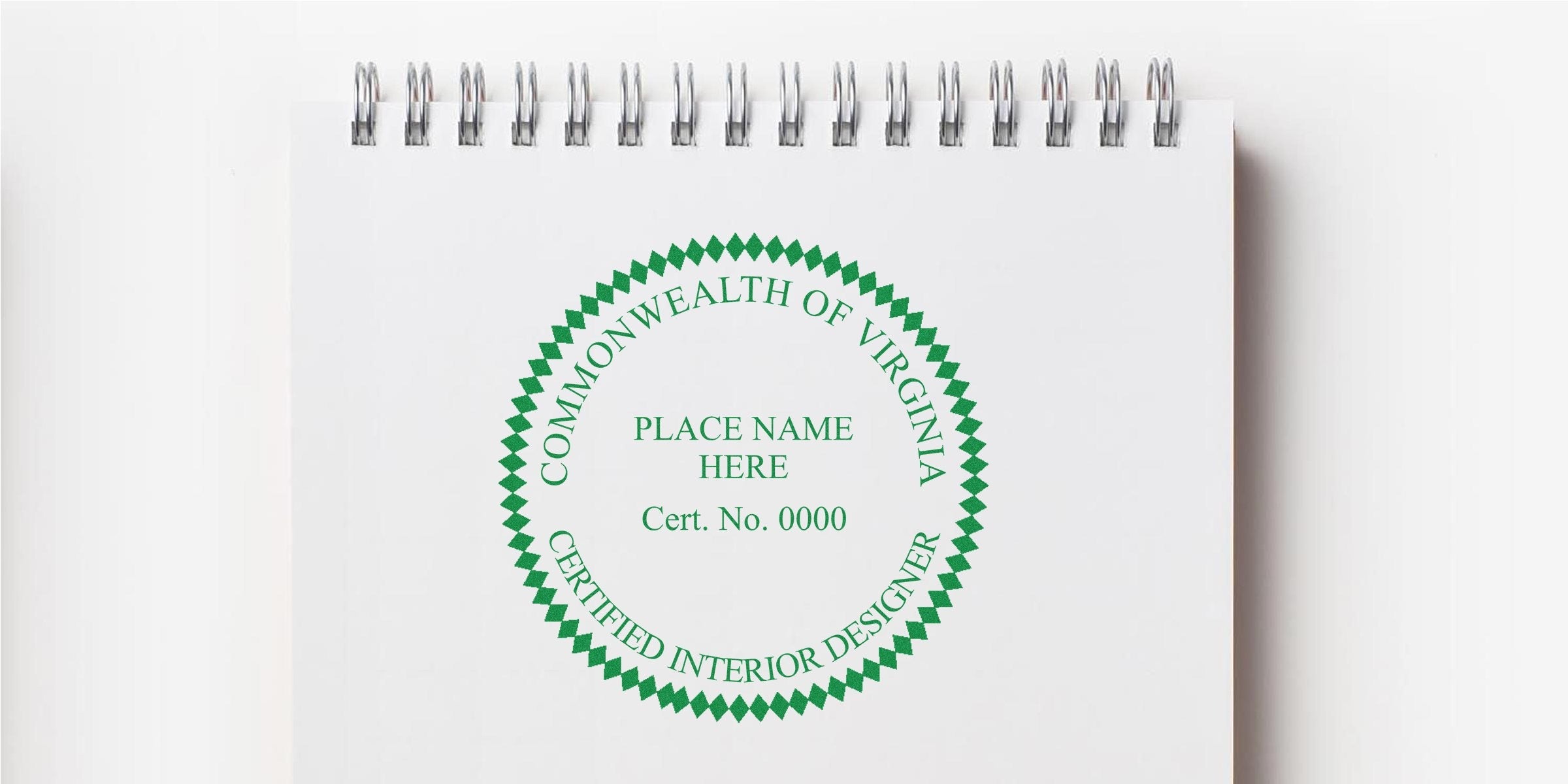
If you’re an interior designer in Virginia, you’ve probably wondered what it takes to get your official stamp or seal in order. Meeting all the Virginia interior designer stamp requirements can initially feel overwhelming, but it doesn’t have to be. By understanding how the rules work, where to get the right stamp, and how to keep your documentation up to date, you’ll sail smoothly through the process. Let’s break it all down so you can focus on what you do best—delivering amazing interior design services to your clients.
Explore Virginia Stamp Requirements
You might be asking, “Why do I even need a stamp or seal?” Essentially, the state wants to ensure that only qualified professionals are signing off on interior design plans. A stamp shows that you meet specific criteria and agree to uphold industry standards. Plus, a clear set of guidelines helps protect clients, municipalities, and you as a professional.
Who Oversees Interior Designers?
In Virginia, the state board responsible for regulating design professionals sets the standards you must follow. While the exact board name can vary depending on the year and official statutes, the concept remains the same: you’re dealing with a state-level regulatory agency that enforces licensing and sealing rules. This agency defines the scope of your practice, design requirements, and the specifics of how your stamp should be used.
Key Steps to Compliance
- Make sure you meet the educational and experience criteria outlined by the board.
- Apply for any additional credentials or licenses you need.
- Obtain an approved interior designer seal that meets state form and size specifications.
- Use your stamp on drawings, plans, or other related documents where required.
When you follow these steps, you’re in line with the essential Virginia interior designer stamp requirements. If you have questions about finer details—like whether your digital renderings need a physical seal or if certain revisions must be re-stamped—it’s always good to consult the Virginia interior design seal regulations for up-to-date rules.
Secure The Proper Stamp
Finding the right stamp is more than just picking a random design and pressing “buy.” You’ll need to consider design standards, whether you prefer an ink or embossing option, and how you plan to store or transport your seal. The bottom line: it’s worth getting something durable and officially compliant, especially if you’re juggling multiple projects at different job sites.
Choose The Right Type
Stamps and seals come in several formats:
- Ink Stamp: Quick to use and easily portable. As long as you re-ink it regularly, the impressions remain dark and professional.
- Embosser: Crimps the paper to create a raised seal. Many designers favor embossers for a more traditional look, though you’ll want to make sure the raised impression scans or copies clearly.
- Self-Inking Stamp: Built-in ink pad that re-inks itself after each impression. This is a handy, time-saving choice.
If you’re unsure which category matches your personal preference or your clients’ expectations, you might want to research the Virginia interior designer stamp specifications. This can give you details about acceptable diameter, border text, and more.
Consider Acorn Sales
One of the most convenient ways to ensure your new seal or stamp meets official requirements is by ordering from a trusted vendor. Acorn Sales has been in business since 1964, offering stamps and seals to design professionals across Virginia. When you purchase from Acorn Sales, you typically receive:
- Stamps or embossers with the correct size and layout.
- A free electronic seal so you can add a digital version to your plans.
- Guidance on re-inking and storage.
That free electronic seal is particularly helpful if you work remotely or routinely email design documents to clients. It saves time and makes your deliverables look polished in digital form.
Use And Placement Tips
Once you’ve got your stamp or embosser in hand, the next question is where and how to place it. After all, an official seal only works if it’s both visible and legible. Whether you’re sealing a full construction drawing or a single-page layout, details matter.
Marking Required Documents
Typically, you’re required to affix your stamp to final project drawings, plans, or technical submissions that fall under your licensed scope. If you’re not sure which pages need that official seal, the state board or local building authority can provide guidelines. It’s safe to assume your stamp belongs on the cover sheet or key pages where your credentials are relevant.
Avoid Clutter And Smudges
Here are a few practical ways to maintain clarity:
- Place the stamp cleanly in a dedicated space on the page, often near your signature.
- Ensure ink stamps have fully dried before you stack or file away the documents.
- If you’re using an embosser, position the raised seal so it doesn’t interfere with important text or lines.
Double-check every impression before sending it out. A smudged, incomplete seal might raise questions about whether your documentation is truly valid.
Keep Up With Renewals
Securing your initial stamp is a milestone, but you’ll also want to renew and update your credentials at the right intervals. Regular renewals confirm your ongoing compliance and commitment to professional standards. It’s easy to let these deadlines slip through the cracks when you’re busy, so putting them on your calendar early can save stress down the line.
Know Your Renewal Timelines
Depending on state guidelines, you might have to renew your interior designer license or seal at specific intervals. If you’re required to reapply every two years, for instance, be sure to track your timeline carefully. Waiting until the last minute could mean rushing around to gather documents or pay fees, which is never fun.
While you’re planning your next stamp upgrade or re-registration, check out the Virginia interior designer seal renewal process. It offers tips on what paperwork you need to submit and how to verify that your seal design is still valid.
Keep Accurate Records
A quick way to lose track of your compliance is forgetting to document your continuing education, project logs, and stamp usage. By staying organized—both digitally and in physical form—you ensure that all your ducks are in a row. That way, if you’re ever asked to verify your credentials, you can easily produce the necessary files.
Understand Additional Costs
If you’re just starting out, you’re likely curious about the overall cost of stamps and what you can expect to pay annually. Investing in a high-quality seal is crucial, but you’ll also want to factor in renewal fees, continuing education, and possibly the expense of any retests (if the board updates its criteria).
- Initial Purchase: Depending on quality and personalization, you might spend anywhere from $30 to $80 for a standard stamp or embosser.
- Maintenance: Ink refills for self-inking stamps or replacement parts for embossers can add minor costs over time.
- Renewals: Licenses and seals often require recurring fees.
- Exam or Additional Courses: Some boards necessitate periodic education or an exam, which might mean extra costs in the future.
For a more detailed breakdown, you might want to review the Virginia interior designer stamp cost. It helps to set a budget so you’re not caught off guard by unexpected fees.
Prepare For Exams And Licensing
In certain situations—particularly if you’re new to the field—you may need to pass an exam that covers Virginia regulatory standards. This ensures you understand the scope of practice and the significance of a licensed stamp. Although test details can vary, common areas include:
- Professional codes of ethics
- Safety standards and building codes
- Documentation best practices
If an exam is on your radar, you can get an overview of what to expect by looking into the Virginia interior designer stamp exam materials. Studying in advance keeps the process calm and straightforward.
Consider Online Options
Working remotely? Juggling multiple projects in different states? Online solutions may make your life easier. With modern design software and electronic seals, you can stamp digital files without ever reaching for a physical embosser. Of course, you’ll still need an approved physical seal in many cases. However, an online approach lets you send official documents via email and speed up the review process.
Head on over to the Virginia interior designer stamp online resource for more details on how digital stamping works. It’s especially handy if you have clients scattered across different regions and need to respond quickly to change requests.
Use An Embosser For Formality
While ink stamps are super convenient, an embosser can add a dash of elegance to your documents. Many interior designers prefer that distinct raised impression for portfolios and client presentations. If you’re leaning toward this classic style, make sure you get an embosser specifically designed for Virginia’s regulations. One quick look at the Virginia interior designer seal embosser info will show you the recommended specs for size and wording.
Wrap It Up
Understanding your Virginia interior designer stamp requirements may feel like a small detail in the big picture of your design career, but it can have a major impact on your professional credibility. By securing a compliant stamp, placing it correctly on every relevant document, and renewing on schedule, you protect yourself and your clients. Plus, you reinforce your commitment to high industry standards.
If you haven’t taken that step yet, consider working with a trusted company like Acorn Sales, where you’ll get expert guidance and a free electronic seal to boot. Don’t forget to review any license or renewal dates so each project you deliver is stamped and sealed with confidence. Good luck, and happy designing!
Frequently Asked Questions
Do All My Plans Need A Stamp?
Typically, you stamp any official documents that require your professional credentials—like final drawings, technical submissions, and similar files. Check with local building authorities because requirements can differ by municipality.
What Happens If My Stamp Smudges Or Is Unreadable?
In most cases, you’ll need to restamp a clean copy. A smudged or partially visible stamp can lead to questions about authenticity. It’s best to carefully examine each impression before submitting.
How Often Should I Renew My Seal?
This can vary, but most states set a specific interval (often every two years). Check your official renewal guidelines and mark those dates on your calendar so you never miss a deadline.
Is Electronic Sealing Accepted Everywhere?
Many jurisdictions now allow e-signatures and e-seals, but not all. Revisit the exact regulations for your county or city, or look into the Virginia interior designer licensing stamp requirements for additional clarity on digital usage.
Where Can I Get Replacement Ink Or Parts?
You can often purchase refill ink, replacement pads, or embosser inserts from the same supplier you used for your initial purchase. Acorn Sales, for instance, offers easy reorders if you need fresh ink or updated components.








