
Written by Acorn Sales Company, manufacturing stamps and seals since 1964 · Reviewed by Holly R, VP of Sales and Marketing at Acorn Sales, against the South Carolina State Board of Registration for Professional Engineers and Land Surveyors and S.C. Code Ann. Regs. 49-207 on 21 September 2026 · Updated 21 September 2026
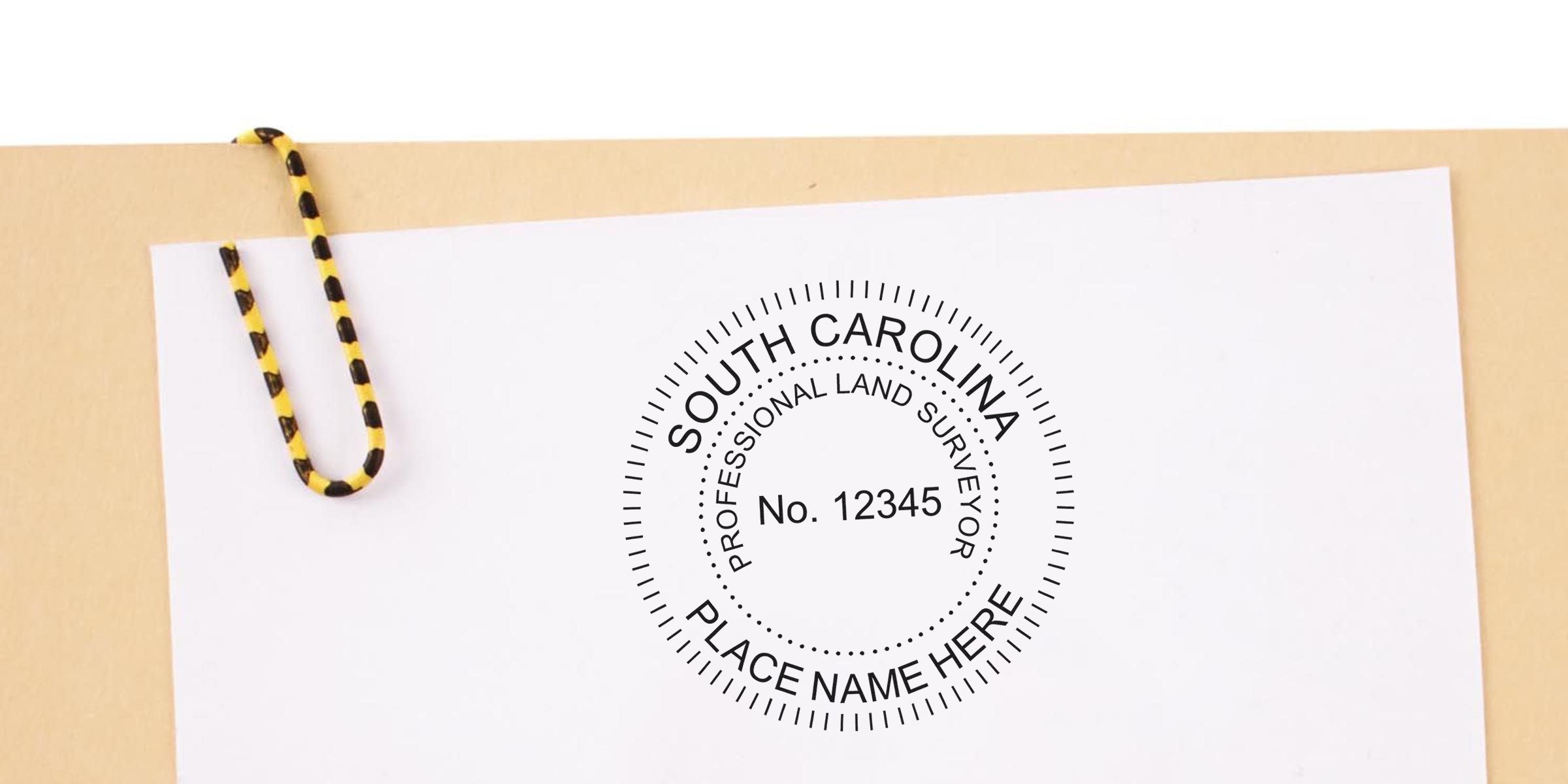
South Carolina puts your tier on the face of the seal. Regulation 49-207.A(1) gives the surveyor designations as Professional Land Surveyor for TIER A land boundary work, Professional Land Surveyor TIER B, Professional Photogrammetric Surveyor and Professional GIS Surveyor, with a dual engineer and surveyor licensee taking Professional Engineer and Surveyor. The seal is a scope statement, so ordering the wrong designation is not a cosmetic error: it claims a scope of practice you do not hold. A change of tier also means a new seal, even though your license number is unchanged.
The second South Carolina peculiarity is a fee prohibition. S.C. Code Ann. § 40-22-270(7) directs clerks of court and registers of deeds to refuse unsealed plats and, in the same subsection, bars a surveyor from charging for the application of the impression seal. Sealing is not a billable act here.
The device is circular and at least one and one-half inches in diameter, which is a floor rather than a fixed figure, and the certificate of authorization seal carries the same minimum. Do not take the South Carolina architect figure of one and three-quarter inches from Regulation 11-11.C; different board, different rule.
South Carolina land surveyor seal requirements at a glance
| Requirement | South Carolina rule | Source |
|---|---|---|
| Seal required | Yes | S.C. Code Ann. Regs. 49-207 |
| Required elements | Your name; Your license number; One of the prescribed surveyor designations: Professional Land Surveyor, Professional Land Surveyor TIER B, Professional Photogrammetric Surveyor or Professional GIS Surveyor; A circular seal similar to that prescribed for the Board | S.C. Code Ann. Regs. 49-207.A(1) |
| Size and shape | At least one and one-half inches in diameter. | S.C. Code Ann. Regs. 49-207 |
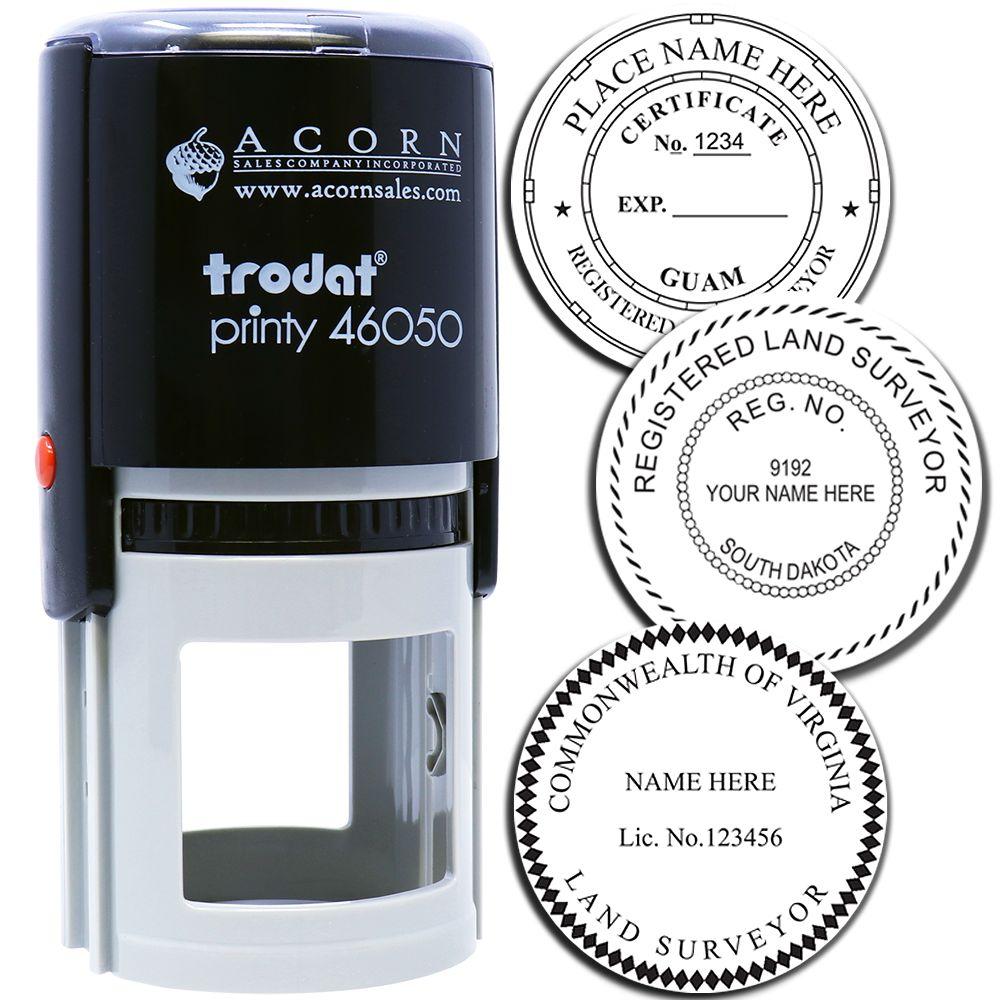
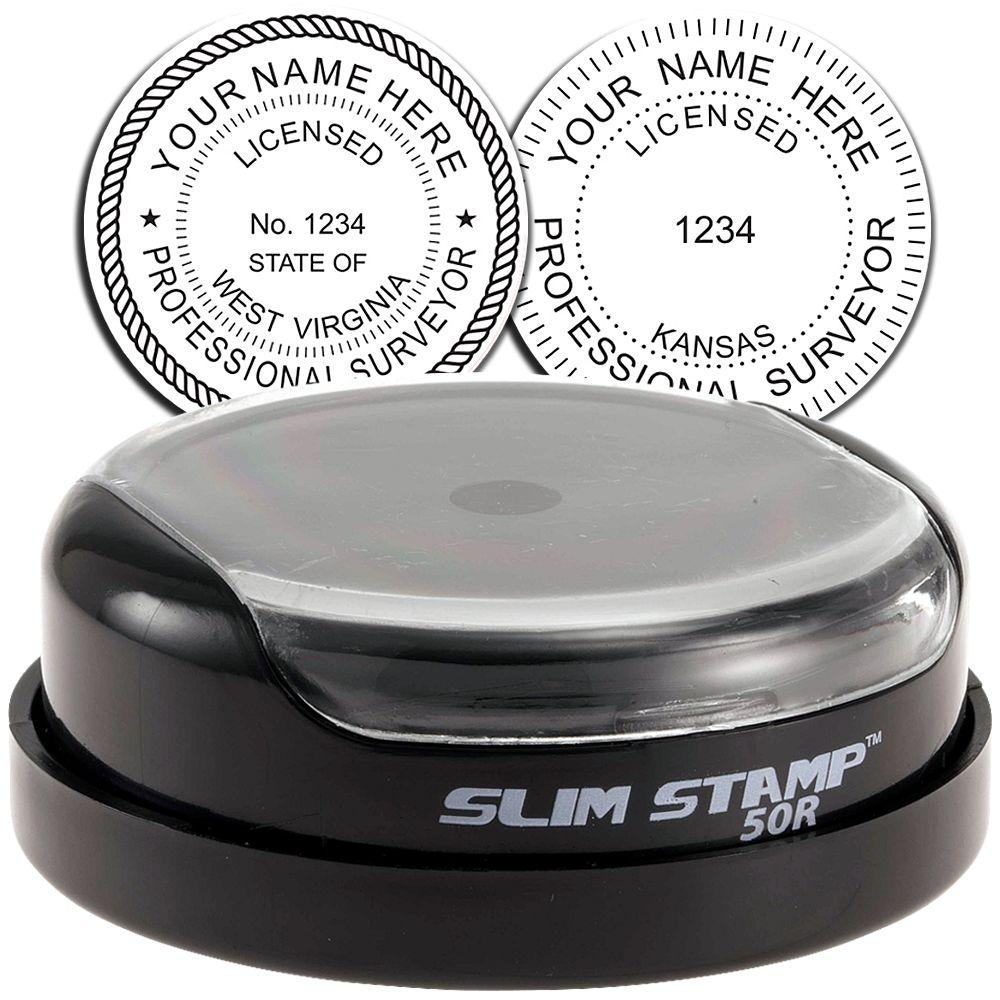
| Device allowed | Three device classes, all expressly permitted, on an identity condition: “Rubber stamps (wet seal), raised embossed seals or computer-generated seals, identical in size, design and content with the approved impression seals may be used by the licensee.” A raised embossed seal is therefore lawful here for the required device, which is not true in every state. | S.C. Code Ann. Regs. 49-207 |
| Signature and date | Sign into the seal without burying it. | S.C. Code Ann. Regs. 49-207 |
| What must be sealed | Surveying documents presented for filing or to a client. | S.C. Code Ann. Regs. 49-207 |
| Electronic seal | South Carolina takes an unusual line on electronic transmittal and it is easy to get backwards. | S.C. Code Ann. Regs. 49-207 |
| Renewal and lapse | Not addressed in the seal rule. | S.C. Code Ann. Regs. 49-207 |
| Firm requirements | The firm gets a seal. | S.C. Code Ann. Regs. 49-207 |
| Regulator | The South Carolina State Board of Registration for Professional Engineers and Land Surveyors | S.C. Code Ann. Regs. ch. 49, Regulation 49-207 (Seals), most recently amended by SCSR 46-5 Doc. No. 5076, effective May 27, 2022, with Regulations 49-105 and 49-106 |


Is a seal required in South Carolina?
One rule serves both of this board’s professions. Regulation 49-207 prescribes the seal and its use, and S.C. Code Ann. § 40-22-270(7) supplies the surveyor-specific enforcement point by directing clerks of court and registers of deeds to refuse plats that are not sealed. Sections 40-22-250 and 40-22-280 carry the statutory requirement to seal and the limits on doing so.
What must appear on the seal
- Your name
- Your license number
- One of the prescribed surveyor designations: Professional Land Surveyor, Professional Land Surveyor TIER B, Professional Photogrammetric Surveyor or Professional GIS Surveyor
- A circular seal similar to that prescribed for the Board
South Carolina puts the tier on the seal, which no other state does in these words. A boundary surveyor takes “Professional Land Surveyor” for TIER A; a TIER B surveyor takes the Professional Land Surveyor TIER B designation, which the regulation writes with a dash between the two parts; photogrammetric and GIS surveyors take their own designations. A dual engineer and surveyor licensee takes “Professional Engineer and Surveyor.” Get the designation wrong and the seal claims a scope of practice you do not hold. Nothing provides for an expiration date or a firm name on the individual face; the firm has a separate certificate of authorization seal under 49-207.
Size and shape
At least one and one-half inches in diameter. Regulation 49-207 states that “The seal of engineers and surveyors licensed by the Board shall be at least 1 1/2 inches in diameter and similar to that prescribed for the Board.” That is a floor rather than a fixed figure. The certificate of authorization seal carries the same minimum. Do not take the South Carolina architect figure of one and three-quarter inches from Regulation 11-11.C; different board, different rule.

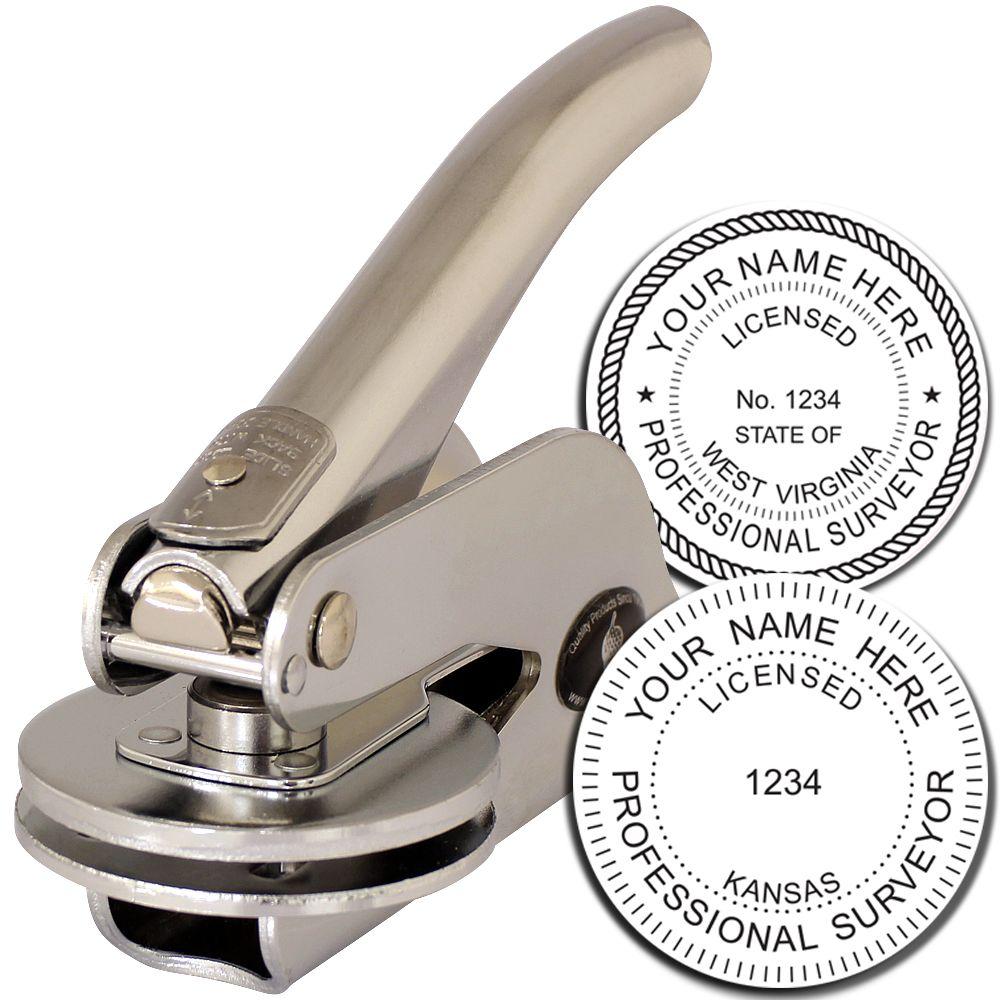

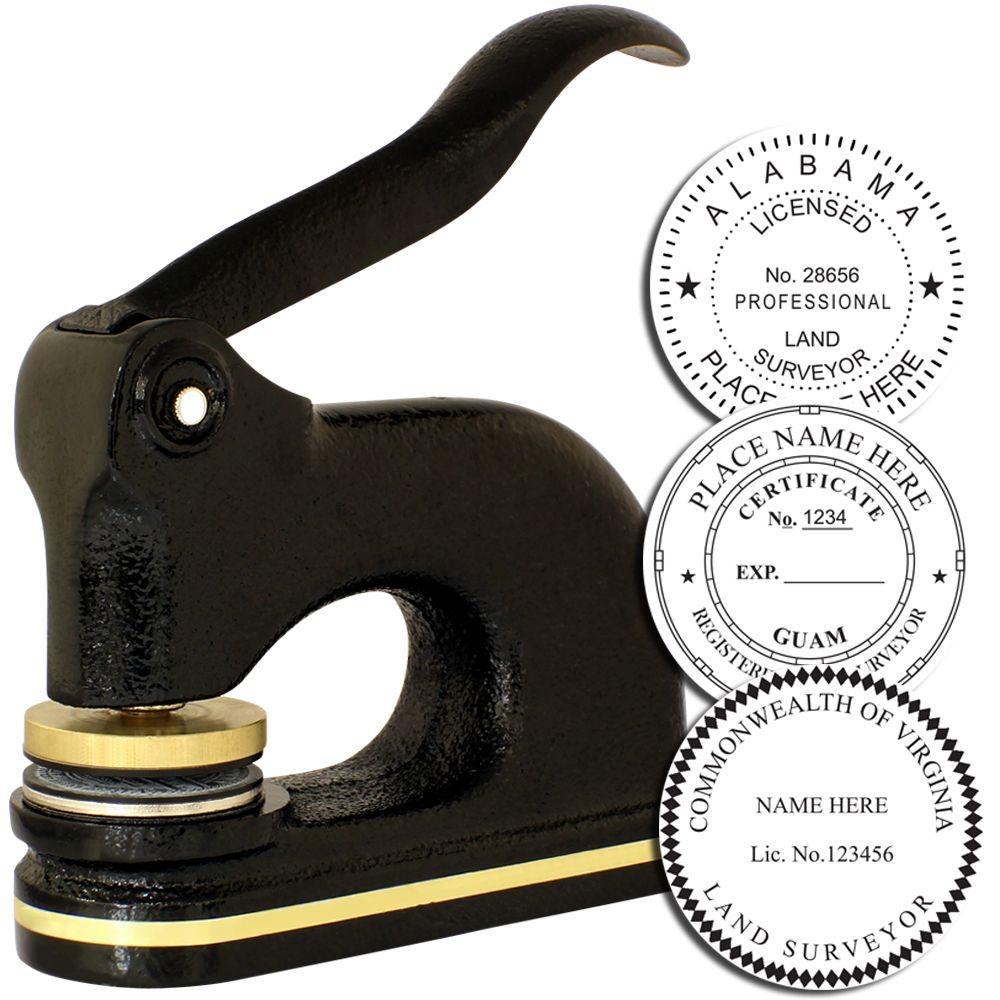

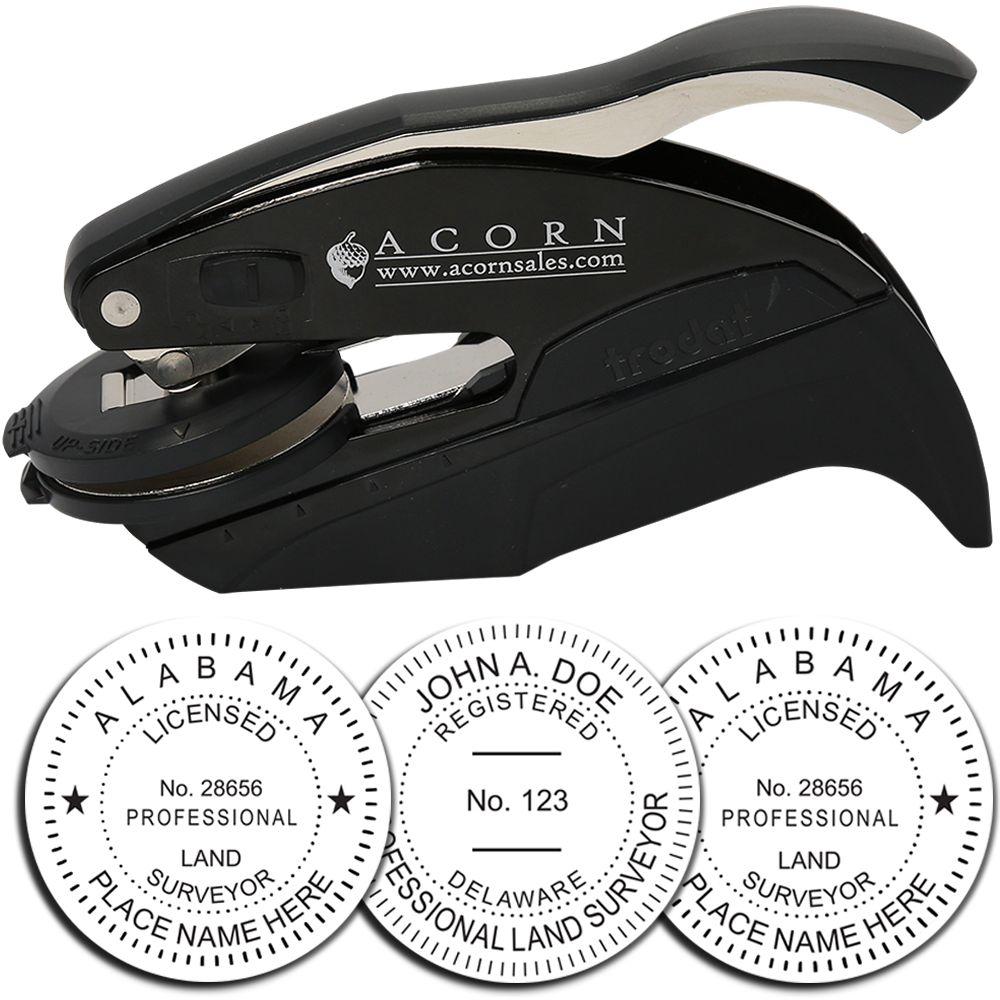
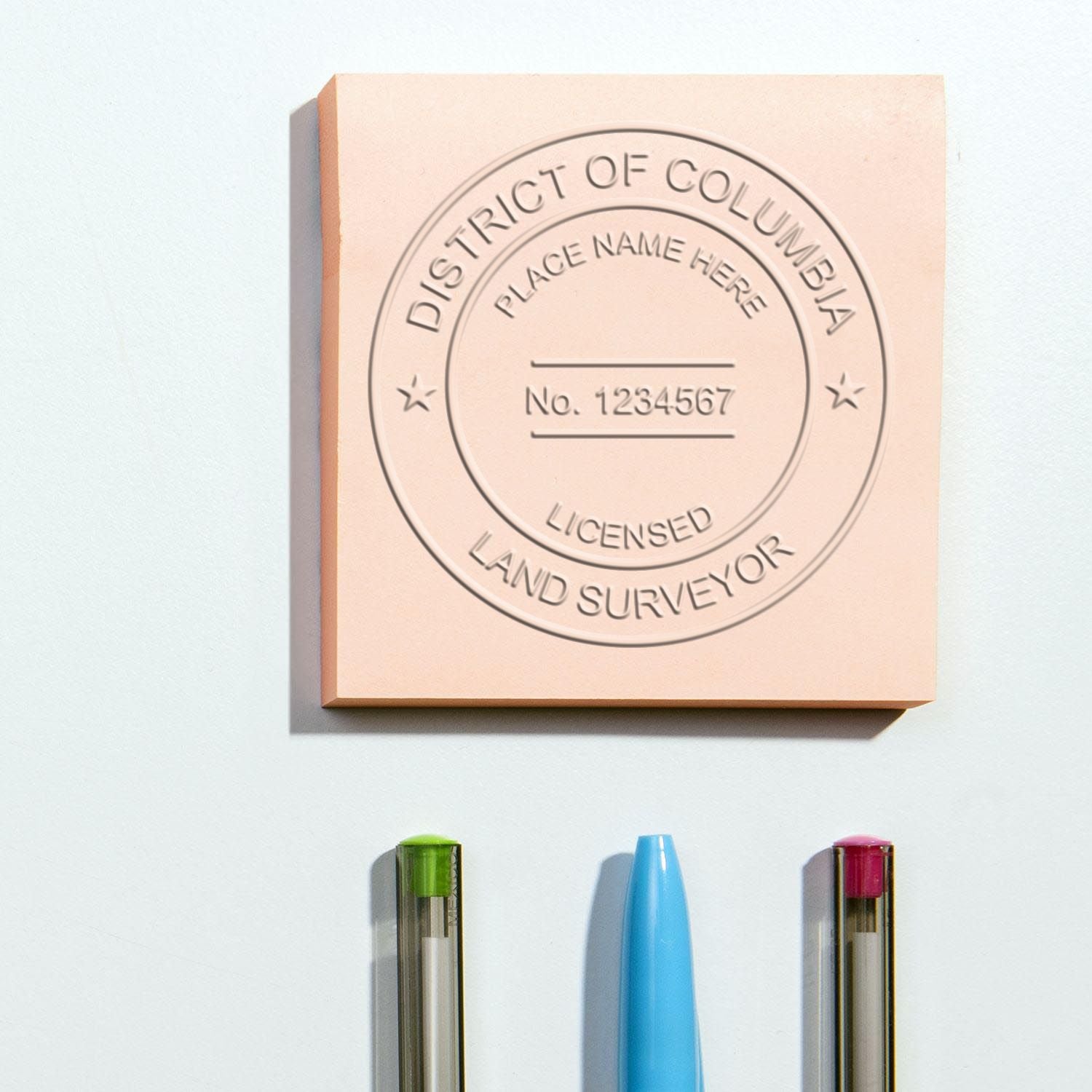
Embosser, rubber stamp or digital
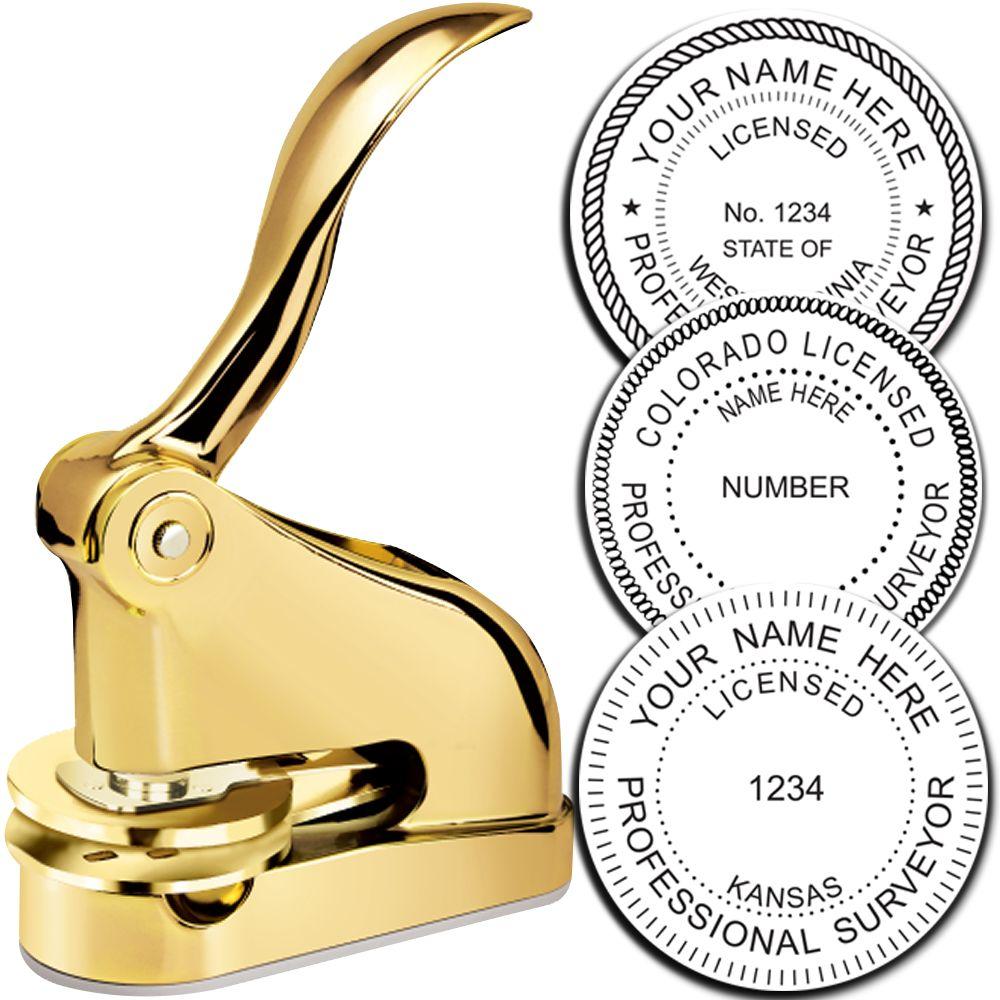
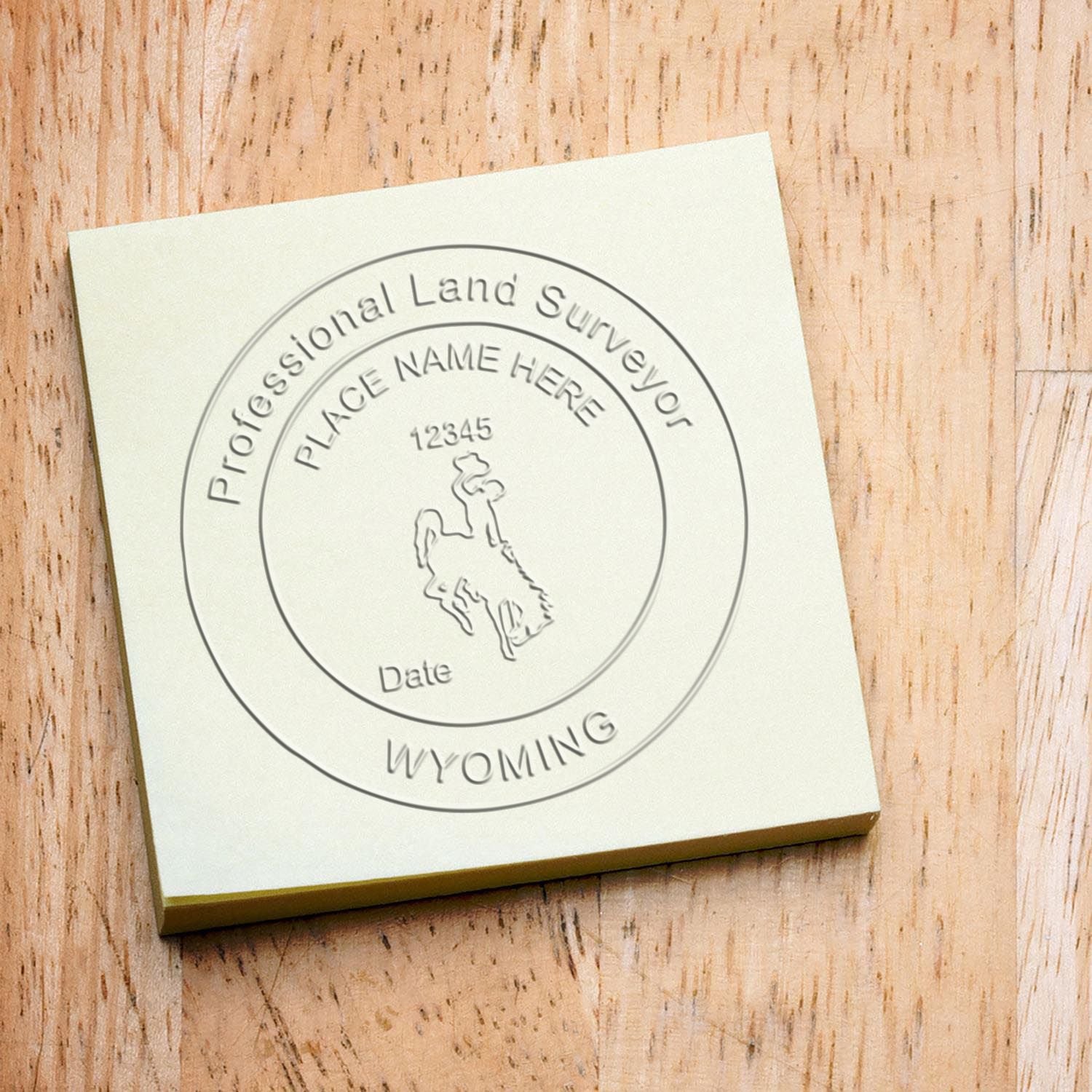
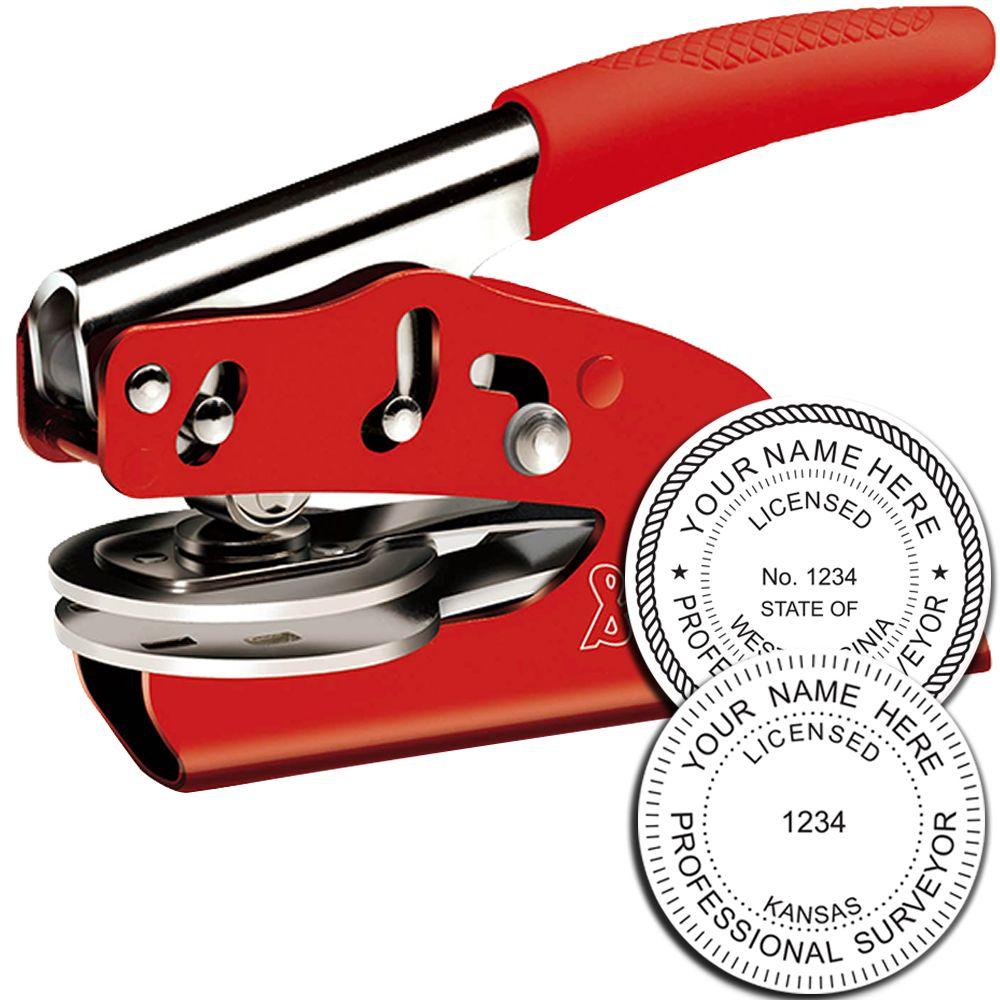
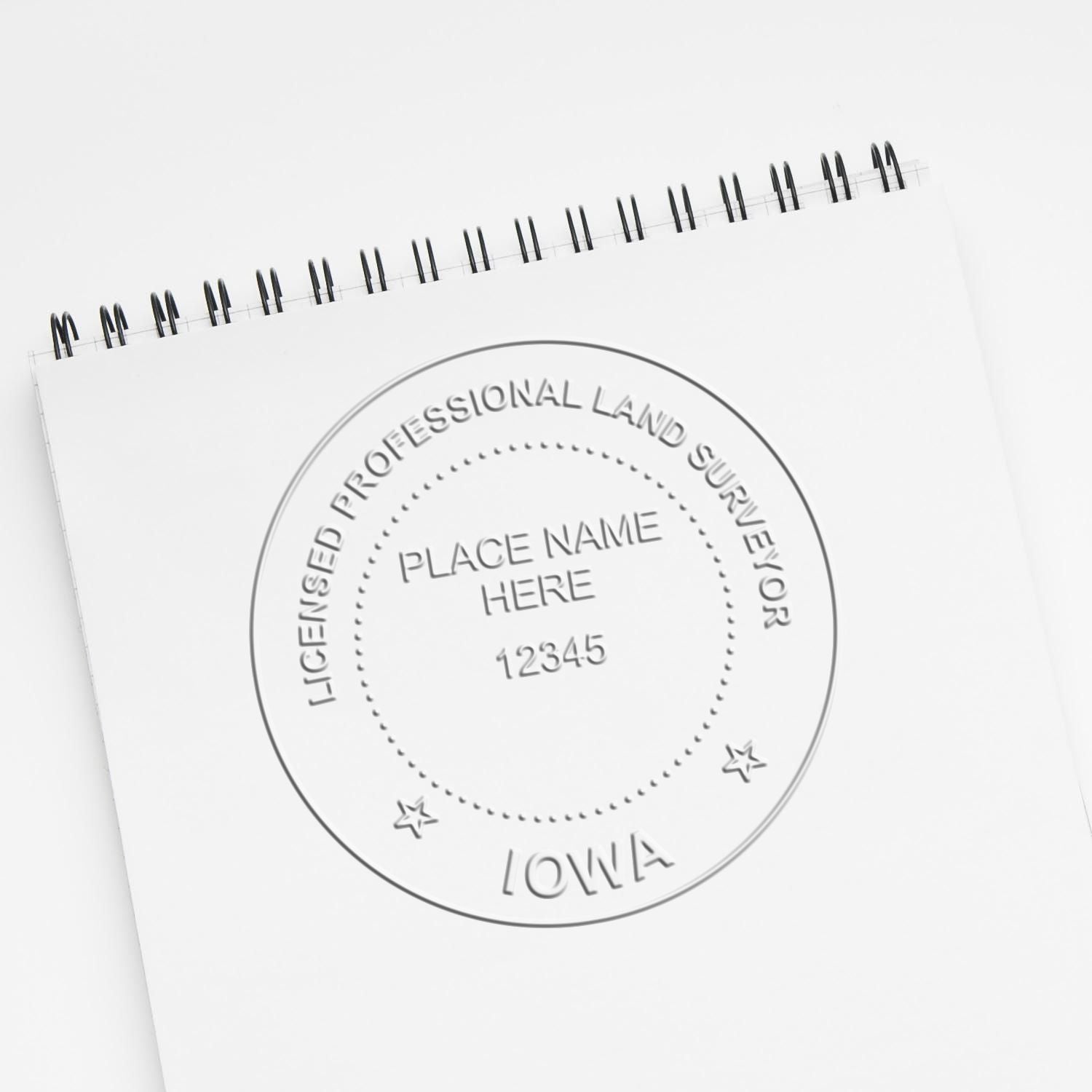
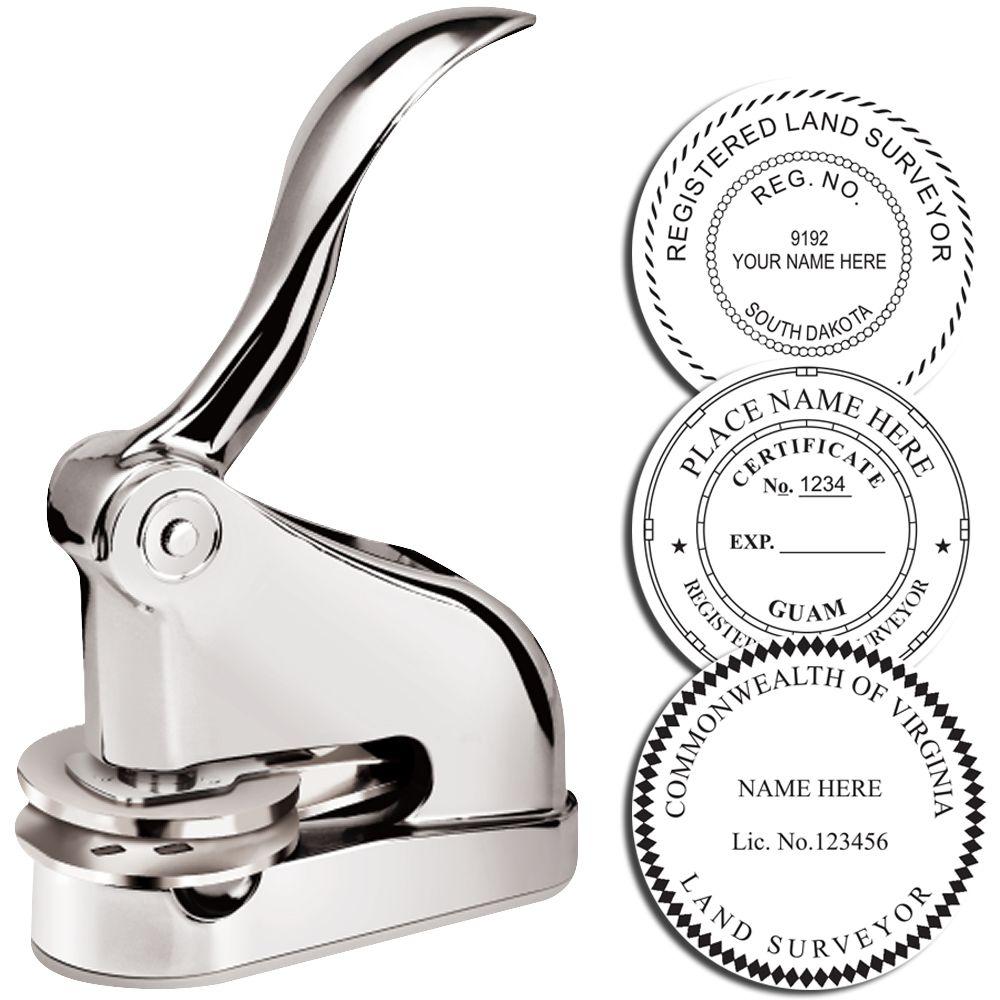
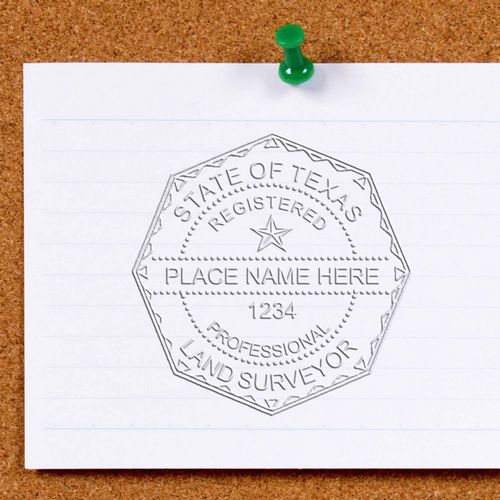
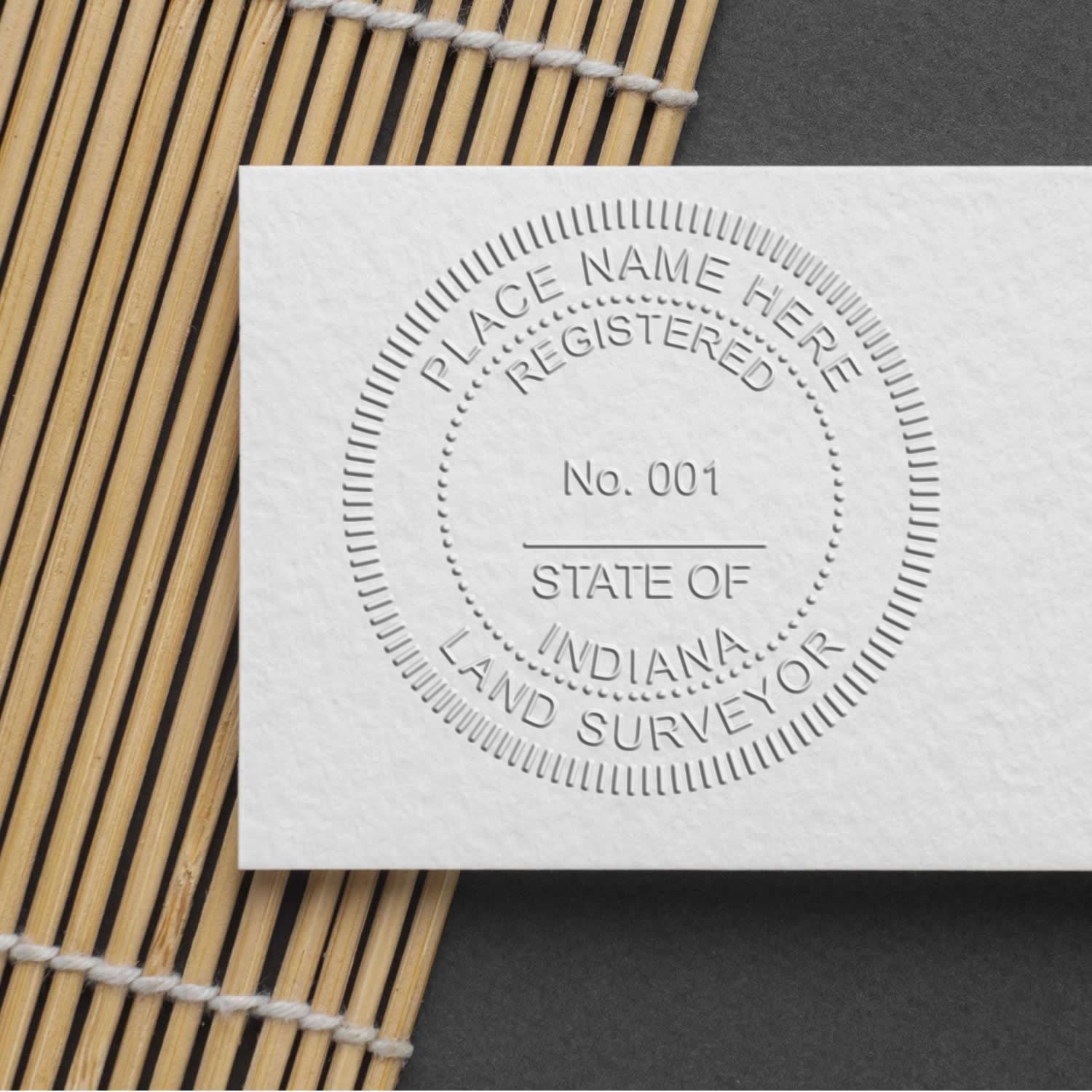
Three device classes, all expressly permitted, on an identity condition: “Rubber stamps (wet seal), raised embossed seals or computer-generated seals, identical in size, design and content with the approved impression seals may be used by the licensee.” A raised embossed seal is therefore lawful here for the required device, which is not true in every state. The safe buy is a rubber or self-inking wet seal, because a recorded plat has to show the seal to the register of deeds and a dry impression does not photocopy.
Signing and dating
Sign into the seal without burying it. Regulation 49-207 requires the signature to be “affixed under or across the face and beyond the circumference of the seal but in a manner that does not obliterate or render illegible the licensee’s name and number.” So the signature runs through the impression and out past its edge, and legibility of the name and number is the test. There is a statutory oddity worth knowing: § 40-22-270(7) bars a surveyor from charging a fee for the application of the impression seal.
Your tier is on your seal, and you cannot charge for stamping the plat
South Carolina divides land surveying into tiers and puts the result on the face of the die. Regulation 49-207.A(1) gives the surveyor designations as Professional Land Surveyor for TIER A land boundary work, Professional Land Surveyor TIER B, Professional Photogrammetric Surveyor and Professional GIS Surveyor. The engineer version of the same seal differs only in the words in the center. So the seal is a scope statement, and ordering the wrong designation is not a cosmetic error.
Which documents must be sealed
Surveying documents presented for filing or to a client. The bound-volume concession in Regulation 49-207 lets the licensee or permit holder who prepared a multi-page volume “seal, date and sign only the title or index sheet” provided it clearly identifies all the sheets it covers. The surveyor-specific teeth are statutory: S.C. Code Ann. § 40-22-270(7) directs clerks of court and registers of deeds to refuse a plat that does not carry the seal, which makes the recording office the practical enforcement point.
Electronic and digital seals
South Carolina takes an unusual line on electronic transmittal and it is easy to get backwards. Regulation 49-207 provides that “Documents transmitted electronically shall have the computer-generated seal removed from the original file and a copy of the project report shall be signed, sealed and sent to the client.” The seal comes off the transmitted file, and a sealed copy goes to the client separately. That is close to the opposite of the usual digital-signature regime, and it means an emailed sealed PDF is not the intended workflow here. No certificate authority is named.
Renewal, lapse and retirement
Not addressed in the seal rule. Regulation 49-207 does not say what becomes of the device on expiration, suspension, revocation or retirement, and does not say whether the license number is reissued. S.C. Code Ann. § 40-22-280 governs the limits on sealing and the consequences of misuse. Because the tier designation is cut into the die, note the separate practical point that a change of tier requires a new seal even though the license number is unchanged.
Firm requirements
The firm gets a seal. Regulation 49-207 prescribes that “The seal evidencing issuance of a Certificate of Authorization by this Board shall be at least 1 1/2 inches in diameter,” with the name of the certificate holder and the assigned Certificate of Authorization number in the center. That is a device, not a printed number, and it sits alongside the individual licensee’s seal rather than replacing it.
What to check before you order
Order a circular device at least one and one-half inches in diameter carrying your name, your license number and the exact designation your license gives you: Professional Land Surveyor for TIER A boundary work, Professional Land Surveyor TIER B, Professional Photogrammetric Surveyor or Professional GIS Surveyor. A dual engineer and surveyor licensee takes Professional Engineer and Surveyor. A rubber wet seal, a raised embossed seal and a computer-generated seal are all permitted so long as they are identical in size, design and content with the approved impression seal, and a wet stamp is the practical choice because the register of deeds has to see the seal on the plat. Sign under or across the face and beyond the circumference without obscuring your name or number. If your firm holds a Certificate of Authorization, it needs its own seal, also at least one and one-half inches, carrying the firm name and certificate number.
Browse land surveyor stamps and seals.
- Get It Right: South Carolina Land Surveyor Stamp Embossing Tips
- Is the South Carolina Land Surveyor Stamp Cost Worth It?
Frequently asked questions
Is a seal required for land surveyors in South Carolina?
Yes, and the recording office enforces it. Regulation 49-207 prescribes the seal and its use, and S.C. Code Ann. § 40-22-270(7) directs clerks of court and registers of deeds to refuse plats that are not sealed. Sections 40-22-250 and 40-22-280 carry the statutory requirement to seal and the limits on doing so.
What has to appear on a South Carolina land surveyor seal?
Your name, your license number, one of the prescribed surveyor designations, and a circular design similar to that prescribed for the Board. The designations are Professional Land Surveyor, Professional Land Surveyor TIER B, Professional Photogrammetric Surveyor and Professional GIS Surveyor. Nothing provides for an expiration date or a firm name on the individual face.
What size is a South Carolina land surveyor seal?
At least one and one-half inches in diameter. Regulation 49-207 states that “The seal of engineers and surveyors licensed by the Board shall be at least 1 1/2 inches in diameter and similar to that prescribed for the Board.” That is a floor, so larger is fine.
Rubber stamp, embosser or computer generated in South Carolina?
All three, on an identity condition: “Rubber stamps (wet seal), raised embossed seals or computer-generated seals, identical in size, design and content with the approved impression seals may be used by the licensee.” A raised embossed seal is lawful here for the required device, which is not true in every state. A rubber or self-inking wet seal is the practical choice, because a recorded plat has to show the seal to the register of deeds and a dry impression does not photocopy.
Where does the signature go in South Carolina?
Through the impression and past its edge. Regulation 49-207 requires the signature to be “affixed under or across the face and beyond the circumference of the seal but in a manner that does not obliterate or render illegible the licensee’s name and number.” Legibility of the name and number is the test.
Can I charge for stamping a plat in South Carolina?
No. S.C. Code Ann. § 40-22-270(7) bars a surveyor from charging a fee for the application of the impression seal. It sits in the same subsection that directs clerks of court and registers of deeds to refuse unsealed plats.
How do I seal a bound South Carolina volume?
On the title or index sheet. Regulation 49-207 lets the licensee or permit holder who prepared a multi-page volume “seal, date and sign only the title or index sheet” provided it clearly identifies all the sheets it covers.
How does South Carolina treat electronic transmittal?
Backwards from most states, and it is easy to get wrong. Regulation 49-207 provides that “Documents transmitted electronically shall have the computer-generated seal removed from the original file and a copy of the project report shall be signed, sealed and sent to the client.” The seal comes off the transmitted file and a sealed copy goes to the client separately. No certificate authority is named. A firm that emails sealed PDFs as a matter of course is not following this rule.
Does a South Carolina surveying firm need its own seal?
Yes, if it holds a Certificate of Authorization. Regulation 49-207 prescribes that “The seal evidencing issuance of a Certificate of Authorization by this Board shall be at least 1 1/2 inches in diameter,” with the name of the certificate holder and the assigned Certificate of Authorization number in the center. That is a device, not a printed number, and it sits alongside the individual licensee’s seal rather than replacing it.
What happens to my South Carolina seal on lapse or a tier change?
Regulation 49-207 does not say what becomes of the device on expiration, suspension, revocation or retirement, and does not say whether the license number is reissued. S.C. Code Ann. § 40-22-280 governs the limits on sealing and the consequences of misuse. The practical point is the tier: because the designation is cut into the die, a change of tier requires a new seal even though the license number is unchanged.








