
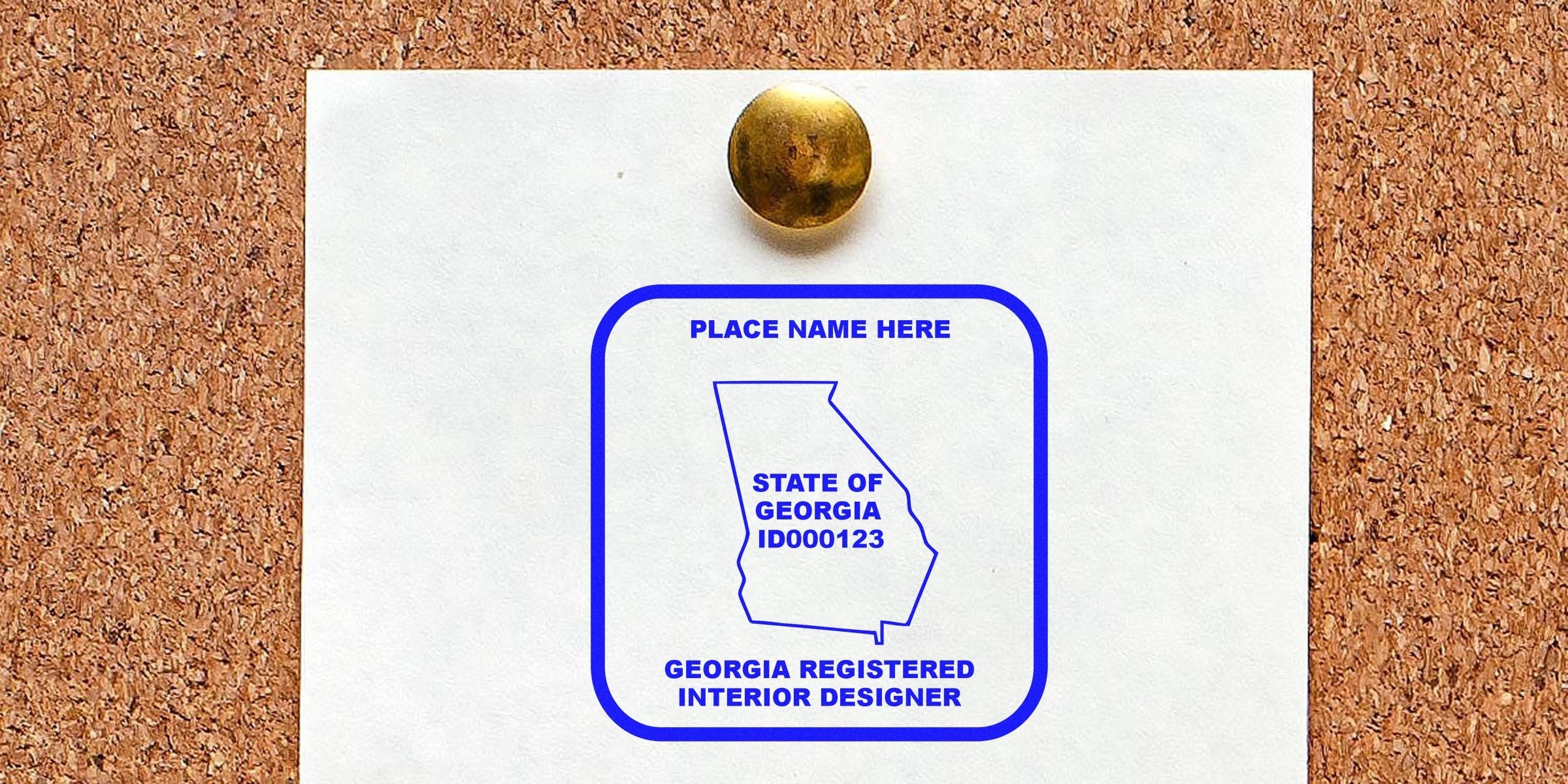
Are you ready to embark on the Georgia interior designer stamp application process and set yourself up for success in the Peach State? If you’re aiming to practice interior design here, you’ll need to check off a few important steps before you can officially call yourself a Georgia-registered interior designer. This guide walks you through application procedures, documentation, and the best ways to obtain your Georgia Interior Designer Stamp and Georgia Interior Designer Seal.
In the end, you’ll gain clarity on each stage of the journey, avoid common pitfalls, and even learn how to secure your official stamp from a trusted provider. Let’s dive right in.
Understand the Application Basics
The application process might look intimidating at first, but it often becomes more manageable once you know the typical steps. In general, you’ll need to confirm eligibility, compile essential paperwork, and follow specified guidelines provided by the relevant board or authority in Georgia. While each case can differ slightly, the overall sequence includes:
- Meeting education and experience benchmarks.
- Filling out and submitting an application form.
- Paying required fees.
- Waiting for approval.
- Obtaining your Georgia Interior Designer Stamp and Seal.
The State Board for architects and interior designers in Georgia usually defines the specific conditions you must fulfill. Always double-check for any recent updates or procedural changes so you don’t risk a delay in review or approval.
Why a Stamp Matters
You may wonder why having an official stamp, or seal, is even required. In Georgia, these seals serve as an extra layer of legitimacy. When you stamp your drawings or documents, you confirm that the work meets professional standards and that you’re accepting professional responsibility for the design. It’s basically your official signature in the interior design world.
Where to Begin
Look up the official Georgia licensing board’s website for details. You’ll also find helpful resources that explain precise requirements. If you want a deeper understanding of the general guidelines, you can check out the georgia interior designer stamp requirements. This reference can ensure you’re fully prepared before you begin the official application.
Verify Your Eligibility
Before diving deeper into the documentation, be sure you actually qualify. Eligibility often depends on:
- Your level of interior design education (associate’s, bachelor’s, or higher).
- The accreditation of your educational institution.
- Any required examinations or official assessments.
- Years of professional experience under a licensed interior designer or architect.
To verify that you meet these standards, you could reach out for a quick consultation with the licensing board or chat with established professionals who’ve already gone through the Georgia interior designer stamp application process. A little insider advice often helps you avoid mistakes that can cost time and money.
Education and Accreditation
Georgia, much like other states, can be strict about education credentials. Typically, you’ll need a degree from an institution accredited by organizations like the Council for Interior Design Accreditation (CIDA) or a comparable body. If your degree comes from elsewhere, you may need to provide detailed documentation proving that your program meets Georgia’s educational criteria.
Professional Experience
Most states require you to work under a licensed interior designer or architect for a certain period. Be prepared to supply official letters or affidavits that confirm your experience. If your experience spans multiple firms, plan to collect documents from each relevant employer. Getting this organized early prevents a scramble at deadline time.
Gather and Submit Documents
The application package you submit to the Georgia board will likely involve multiple documents. Think of it as building a portfolio that proves you’re prepared for professional interior design work. Be thorough in compiling everything—missing or incomplete documentation often leads to delays or rejections.
Common Paperwork to Include
- Completed application form: Double-check the form for completeness. Even a small error in personal details or exam records can cause problems.
- Official transcripts: Request them from your educational institution. Sealed and authenticated copies are often mandatory.
- Professional references: You may need references from colleagues or supervisors who can vouch for your service quality and professionalism.
- Experience verification forms: These should detail your specific roles, responsibilities, and the duration of your experience.
Expect some back-and-forth if the board finds discrepancies. Anticipate questions, keep digital and physical copies, and respond quickly to any board requests. Your responsiveness can help push your application through faster.
When to Send Your Application
Mail or upload your application as soon as everything is ready. Many boards have rolling deadlines or accept applications year-round, though some set cutoffs for each review cycle. If an online portal is available, use it. Digital submission often accelerates review and approval, plus it creates an easy-to-track digital log of your materials.
Await the Review and Approval
Once your application lands in the board’s hands, the waiting game begins. In Georgia, standard review periods vary, but be ready for a few weeks or even a couple of months, depending on how busy the board is. You can typically check your application status online.
Handling Common Delays
- Missing documentation: If the board can’t confirm your degree, references, or experience, they might pause your application.
- Unpaid fees: Double-check payment details. An overlooked fee can hold up the final decision.
- Discrepancies in your documents: Mismatching information (like job titles or dates) is an instant red flag.
If the board flags any issues, address them as soon as possible. The quicker you respond, the sooner they can move forward. Plus, prompt communication shows professionalism, enhancing your credibility.
Secure Your Approved Stamp and Seal
After you’ve received the official go-ahead, it’s time to order your Georgia Interior Designer Stamp and Georgia Interior Designer Seal. These are integral parts of your practice, so you’ll want them to meet all legal specifications.
Stamp Requirements
In Georgia, the state board typically sets guidelines on seal appearance, size, and wording. That means your stamp design can’t be arbitrary—everything from the border to the text must comply with the board’s format. If you go rogue with a creative design that doesn’t align with local rules, you could face complications in the future. For more insights, be sure to check the georgia interior designer stamp requirements page.
Where to Order
Professional stamp suppliers specialize in official seals for architects, engineers, and interior designers. They know what states demand and will produce stamps that pass scrutiny. But not all vendors offer the same quality or perks, so keep reading to learn why Acorn Sales might be your best bet.
Choose a Trusted Provider
Let’s be honest: the last thing you want is to place an order, wait for weeks, and receive a poorly made or non-compliant stamp. Relying on a proven provider can make a world of difference, ensuring your seal is both durable and meets state regulations.
The Acorn Sales Advantage
Acorn Sales has been in business since 1964, offering a longstanding commitment to quality, reliability, and customer satisfaction. Over the decades, we’ve fine-tuned our process to deliver stamps and seals that stand out for their precision. When you work with Acorn Sales:
- You’ll get stamps produced with meticulous attention to Georgia’s specific guidelines.
- You can expect quick turnaround times and clear communication on your order.
- You’ll benefit from multiple product options, like self-inking or traditional embossing seals.
Make Use of a Free Digital Seal
Beyond physical stamps, a digital seal can be incredibly convenient. It allows you to easily authenticate electronic documents you submit or share online. Acorn Sales offers a free digital seal when you purchase a Georgia Interior Designer Stamp, so you can show your credentials whether you’re emailing a client or uploading to a project management platform.
Maintain Your Credentials
Congratulations on completing your application and getting your official stamp! But your journey doesn’t stop here. Like most professional licenses, an interior design registration requires ongoing maintenance. Expect periodic renewals, continuing education credits, or updated documentation to keep your status active.
- Mark renewal dates on your calendar or set digital reminders to stay on track.
- Complete any required continuing education hours well before the renewal deadline.
- Update your contact details with the board if you change addresses or firms.
Keeping everything current doesn’t just meet rules and regulations, it also demonstrates your dedication to excellence in interior design.
Double-Check Common Pitfalls
No matter how organized you are, a few stumbling blocks can still catch you off guard. Avoid these typical errors to sail smoothly through the process:
- Mixing up deadlines. If the board has firm deadlines for each review cycle, missing them might force you to wait an extra month or more.
- Omitting required fees. Keep payment receipts, and follow up if you suspect an issue.
- Overlooking experience verification. Make sure your references and colleagues promptly fill out any required experience forms.
- Ordering a non-compliant stamp. Always confirm that your design meets state guidelines before finalizing your stamp order.
- Failing to renew on time. Set an annual or biennial reminder (depending on Georgia’s schedule) to renew and update your professional documentation.
Key Takeaways
- Begin your Georgia interior designer stamp application process by verifying that you meet the education and experience prerequisites.
- Gather complete documentation to avoid time-consuming delays.
- Stay proactive in monitoring your application status, and respond quickly if any issues come up.
- Once approved, purchase a compliant seal from a reputable provider, such as Acorn Sales, which offers free digital seals and has a solid track record since 1964.
- Remember to maintain your credentials with timely renewals and continuing education.
Securing your application and obtaining a compliant stamp might feel like a lot of effort, but the payoff is huge. You’ll earn your spot as a recognized interior designer in Georgia and enhance your credibility in the field.
By following these steps and keeping an eye on the details, you’ll not only streamline your Georgia interior designer stamp application process but also reap the benefits of a recognized, valid credential. With proper planning, quick responses, and a compliant stamp from a proven supplier like Acorn Sales, you can focus on what you love—creating inspiring interior designs that wow your clients from start to finish.
Frequently Asked Questions
How long does the application review typically take?
Review times vary, but many applicants wait anywhere from four weeks to a few months. It depends on the volume of applications and how quickly you respond to any requests for additional information. If you plan carefully and submit complete documentation, chances are you’ll reduce the wait.
Is a digital seal acceptable for official submissions?
Digital seals can be acceptable for many electronic submissions, especially if you’re sending plans via email or a secure state portal. However, you should confirm with clients, municipalities, or the relevant board that they allow digital documentation. Acorn Sales provides a free digital seal with your physical stamp purchase, so you’ll have both options covered.
Do I need separate stamps for each of my design specializations?
Generally, you only need one official stamp for your interior design work in Georgia, assuming your license or certification covers that scope. If you hold multiple credentials in other states or fields, you might need separate seals, each tailored to the respective jurisdiction’s requirements.
What happens if I move or change employers?
You usually need to notify the Georgia board if you change your address or workplace. Failing to do so might cause you to miss key renewal reminders or official communications. Keep the board updated on all major changes to maintain a smooth professional status.
Can I reuse my stamp each year without any updates?
In most cases, you can reuse a physical stamp for as long as it remains in good condition. The main factor is ensuring your license stays active and renewed. If the state updates its stamp design guidelines, you may need a new seal. Always check for any changes when renewing your license.








