
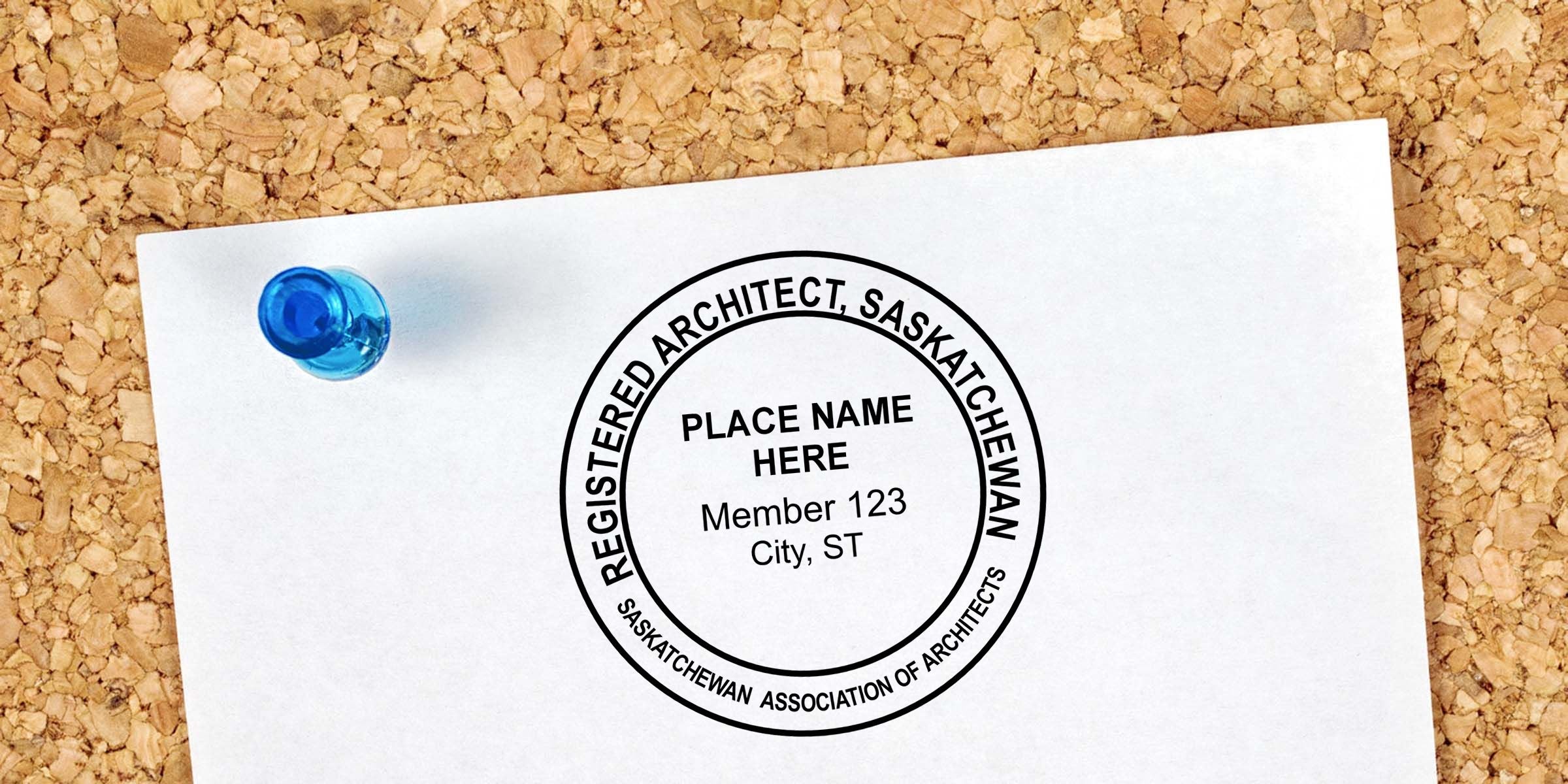
Have you been hearing about Canada interior designer stamp regulations and wondering what they mean for your projects? You’re not alone. Whether you’re fresh on the scene or you’ve been working in the industry for years, these rules can spark plenty of questions. In a nutshell, your official stamp or seal is about more than just leaving your mark—it’s a vital piece of your professional toolkit. If you’re looking to navigate the guidelines smoothly, you’ve come to the right place.
Below, you’ll learn why these regulations matter and how you can meet them without the usual stress. We’ll talk about which authorities set the standards, how to keep your credentials up to date, and even a few insider tips on choosing the right stamp provider. By the end, you’ll understand the purpose of using a stamp in Canada’s interior design world, and you’ll have a clear path forward. Let’s dive in.
Understand the Basics
Before you tackle any official requirements, it helps to know what’s being asked of you in the first place. A Canada interior designer stamp (or seal) is an embossed or inked impression you place on project documents like drawings, technical specs, and sometimes contracts. It shows that the person signing off—yep, that’s you—is an authorized professional who’s backing up the design work with real knowledge and legal accountability.
What Your Stamp Represents
- Proof of Competence: When someone sees your stamp, they know you’ve passed the necessary educational and professional hurdles.
- Accountability: Your seal signals that you’re behind the design’s integrity. If something goes wrong down the line, you can’t claim ignorance—you literally put your stamp on it.
- Professional Image: Visually, the seal gives your documents a polished, official feel. It’s like a final signature on a carefully written letter.
Who Requires a Stamp?
- Provincial Regulatory Bodies: Different provinces have varying rules about who can seal which documents. For instance, one province might let you approve certain types of minor building sketches, while another might insist you keep various documents on record.
- Clients: Some clients actually want to see that seal as a sign of legitimacy. It reassures them that you’re not a hobbyist but a true professional.
- Municipal Authorities: In certain cases, city planners or building permit offices will request stamped and signed drawings to confirm they’re authorized designs.
Meet the Legal Standards
If you’re new to the profession, it can feel daunting to learn about the rules that come with your interior designer stamp. Thankfully, the standards aren’t there just to pile on paperwork. They exist to protect you, your clients, and the public by ensuring that everyone offering design services has been properly vetted.
Overseeing Bodies
Canada doesn’t have a single, countrywide authority for every interior design stamp. Instead, the regulatory landscape is split across provinces and territories. You’ll likely have an association or licensing body that governs your region, setting out guidelines for everything from continuing education to your code of conduct.
- Please check with your provincial interior design association to confirm the official requirements.
- Remember to keep track of any updates because regulations can shift.
Staying Compliant
Keeping your interior design stamp isn’t a one-and-done affair. You’ll probably need to renew your membership or license annually or biannually. That involves meeting continuing education requirements, too. Focus on classes or seminars that help you stay sharp with building codes, environmental guidelines, or emerging technologies in design. The reward? You get to show off a current, bona fide seal that tells the world you’ve got your act together.
Common Errors to Dodge
- Using an Expired Stamp: If your license lapses, so does your right to seal documents. Double-check those renewal dates.
- Stamping Outside Your Scope: Some designs might require an architect or structural engineer instead, so confirm you’re legally allowed to sign off on the work before you seal it.
- Neglecting Provincial Differences: Regulations often vary slightly from one place to another, so don’t assume last year’s rules in Ontario are unchanged if you move to British Columbia.
Pick the Right Stamp or Seal
Let’s be honest. Not all stamps are created equal, and you might be asking which one will best match your needs. In general, you can choose between several types: a handheld stamp, an embosser, or a digital seal.
Inked vs. Embossed
- Inked Rubber Stamp: Quick, clear impressions, and you can choose different ink colors. It’s easy to read on physical documents, and you can re-ink when it runs dry.
- Embossing Seal: Creates a raised imprint on paper. It looks visually classy, but you might need a bit more hand strength for repeated use. Also, it’s important that your paper stock is suitable, so the imprint is nice and crisp.
Try a Digital Seal
In an increasingly tech-savvy world, digital seals are gaining traction. A digital seal can be applied to PDFs and other electronic documents, letting you mark up, sign off, and deliver your work without ever printing a sheet of paper. This approach is popular if you collaborate with clients or contractors online, allowing them to see your official sign-off instantly.
Work With Acorn Sales
Choosing a stamp provider might seem like a small step, but here’s the thing: if you’re shopping for a new design tool, you want to get it from people who know their stuff. Acorn Sales has been around since 1964, so we’re talking decades of experience supplying professional stamps, seals, and other marking devices. Our longevity isn’t just a nice trivia point—it's reassurance that we’ve seen the industry evolve, and we know how to make or source reliable, high-quality products.
Why Trust Acorn Sales?
- Solid Reputation: Being in business since 1964 says a lot. We’ve stuck around because our products and customer service speak for themselves.
- Variety: Whether you need a handheld embosser, a self-inking stamp, or a layout that meets your specific provincial format, we’ve got options.
- Expertise: If you have any doubt about sizing, text, or compliance, our team can guide you so your stamp meets all the provincial guidelines.
Enjoy a Free Digital Seal
We also offer a free digital seal option. If you’re juggling multiple projects at once or sending out designs digitally, having that electronic version of your stamp can be a real time-saver. You can pop it on PDFs and e-signatures, so you won’t miss a beat when working remotely.
Know Your Stamp’s Purpose
Even if your local regulator already requires a stamp, it’s good to understand why. You’re not just getting a rubber or metal device to make your life more complicated. The official seal:
- Backs Up Your Expertise: It’s a reflection of your professional identity.
- Protects You in Disputes: If someone questions whether that fancy design was done by a real interior designer, you have proof.
- Guides Accountability: The law can see who signed off on what, preventing folks from slapping random stamps on questionable designs.
Sure, your stamp can be a neat finishing touch on your documents. But don’t forget that it also plays a big part in boosting trust with clients and authorities alike.
Follow Best Practices
After your stamp or seal arrives, it might be tempting to press it onto everything in sight. However, a bit of extra care goes a long way toward maintaining that crisp, professional image.
Document Prep Basics
- Use the Right Paper: If you’re embossing, a heavier stock provides a cleaner imprint. For an ink stamp, standard printer paper usually works fine, but make sure the ink doesn’t bleed.
- Keep It Legible: A cluttered blueprint or diagram could make your seal hard to read. So leave enough white space around your stamp area.
- Double-Check Dates: A properly dated signature and seal can save you headaches if questions about the project timeline ever arise.
Stamping Dos and Don’ts
- Do Keep a Straight Edge: Slanted or upside-down impressions appear unprofessional and might raise eyebrows.
- Do Make a Test Impression: Before stamping official documents, test on a piece of scrap paper so you’re sure your ink is fresh and your embosser is aligned.
- Don’t Share Stamps: Even if you’re on the same team, each licensed pro needs their own. One stamp, one name, one set of credentials.
Storage Tips
- Keep It Clean: Ink can dry out, and dust can settle. Wipe your stamp occasionally and store it in a cool, dry place.
- Mind the Embosser: Over time, an embosser can lose alignment if it’s tossed around. Consider a pouch or box to keep it safe from daily wear and tear.
- Protect Digital Files: If you have a digital seal, store it in a secure location on your computer. Treat it like a real signature—only you should have access.
Explore Canada Interior Designer Stamp
If you’d like a deeper look at what goes into a Canadian interior design seal, have a glance at the Canada Interior Designer Stamp resource. You’ll find details on sizing, design suggestions, and a closer peek at what the finished product usually looks like. It’s a quick read that can help you visualize your future stamp before you decide which style is right for you.
Get Your Credentials in Order
Stamps mean nothing if you haven’t crossed your t’s and dotted your i’s with your professional credentials. Here’s a quick rundown:
- Ensure Licensing Is Current: Keep your membership fees, license renewal forms, and continuing education credits up to date.
- Maintain Good Standing: Stick to the code of ethics, attend relevant workshops, and network with local design pros to stay plugged into the community.
- File Documents: Save both physical and digital copies of your designs, so you can demonstrate that your stamp was valid at the time of publication.
Manage Your Renewal Deadlines
Most provincial bodies require you to renew your license annually or every two years. It’s basically their way of confirming you still meet the skills and standards. Put those expiration dates on your calendar—set a phone alert, too. Missing a deadline can cost you time, fees, and in worst-case scenarios, you might not be allowed to stamp documents until everything is cleared up.
Recognize the Importance of Continuous Learning
Regulations and best practices in interior design aren’t carved in stone. Building codes can update to reflect energy-efficiency goals, fire-safety standards continue to evolve, and client tastes shift faster than fashion trends. If you’re not in the habit of continual improvement, you could quickly find yourself left behind.
- Join Workshops: Local design associations often host seminars on current building codes, new software, or project management skills.
- Enroll in Online Courses: If you’re juggling busy days, you might find an hour or two in the evening for a quick online refresher.
- Read Design Journals: Skimming through an industry magazine keeps you tuned in to fresh ideas. You never know when you’ll stumble upon a case study that helps your next project shine.
Key Takeaways
- Confirm Your Provincial Guidelines: Each province might have slightly different requirements about who must have a seal and how it’s used.
- Pick Your Preferred Format: Decide if you’re going with an ink or embossing stamp, or using a digital seal (or all three).
- Keep Credentials Current: Stamping privileges depend on an active license. Don’t forget those renewal dates.
- Leverage a Trusted Supplier: For a user-friendly shopping experience and quality, turn to a reliable company like Acorn Sales, in business since 1964.
- Use It Strategically: Make sure your seal is legible, in the right place on documents, and used only for designs you’re legally allowed to approve.
Practicing these steps builds your professional reputation and safeguards your clients’ trust. If you’re consistent, you’ll never have to worry about surprise questions or compliance issues down the road.
By staying informed, choosing a reliable partner, and using your stamp or seal responsibly, you’ll have no trouble meeting Canada’s interior designer requirements. It’s about more than ticking off legal boxes. Ultimately, it’s about projecting confidence in your craft and ensuring that when you visually mark a design as your own, everyone knows you stand behind that work 100 percent. Enjoy stamping!
Frequently Asked Questions
Do I Need a Stamp for Every Design Document?
You normally only need to stamp documents that require an official sign-off. For instance, permit applications or contract drawings might demand it, while simple concept sketches might not. Always check local regulations to be sure.
Is There a Specific Format My Provincial Body Expects?
Yes, most provinces have standard guidelines for the size and information on your seal. That typically includes your name, license number, and any relevant provincial association details. If you’re uncertain, look up your province’s official interior design association or ask your stamp supplier.
Why Should I Consider a Digital Seal?
A digital seal is convenient for e-submissions, especially if you frequently collaborate online. It streamlines the process and is often recognized by provincial bodies as long as it meets their security criteria. Acorn Sales provides a free digital seal to help you get started.
What If I Relocate to Another Province?
You may need a new license or membership in the provincial association where you’re moving. In many cases, you’ll have to adjust your stamp to reflect the new license number or association details. Always confirm the rules of the specific region you’re settling into.








