

Written by Acorn Sales Company, manufacturing stamps and seals since 1964 · Reviewed by Holly R, VP of Sales and Marketing at Acorn Sales, against the New Jersey State Board of Professional Engineers and Land Surveyors and N.J.A.C. 13:40-8.1, adopted effective November 16, 2015 (proposal at 47 N.J.R. 1289(a)) on 21 September 2026 · Updated 21 September 2026
New Jersey does not permit a rubber stamp to serve as a professional engineer’s seal. Note what that does and does not say: the bar is on a stamp standing in for the seal, not on owning one at all, and plenty of New Jersey engineers use an inked stamp beside a compliant embossed impression. N.J.A.C. 13:40-8.1(a) recognizes two devices, a digital seal or an impression type seal, and then closes the door on the third in as many words: “Alternatives, such as rubber stamp facsimiles of the seal shall not be permitted.” That sentence is not a leftover from an old rule. It sits in the paragraph the board rewrote in the adoption effective 16 November 2015, the same adoption that created the digital signature and seal rule at N.J.A.C. 13:40-8.1A, which makes keeping it a deliberate choice.
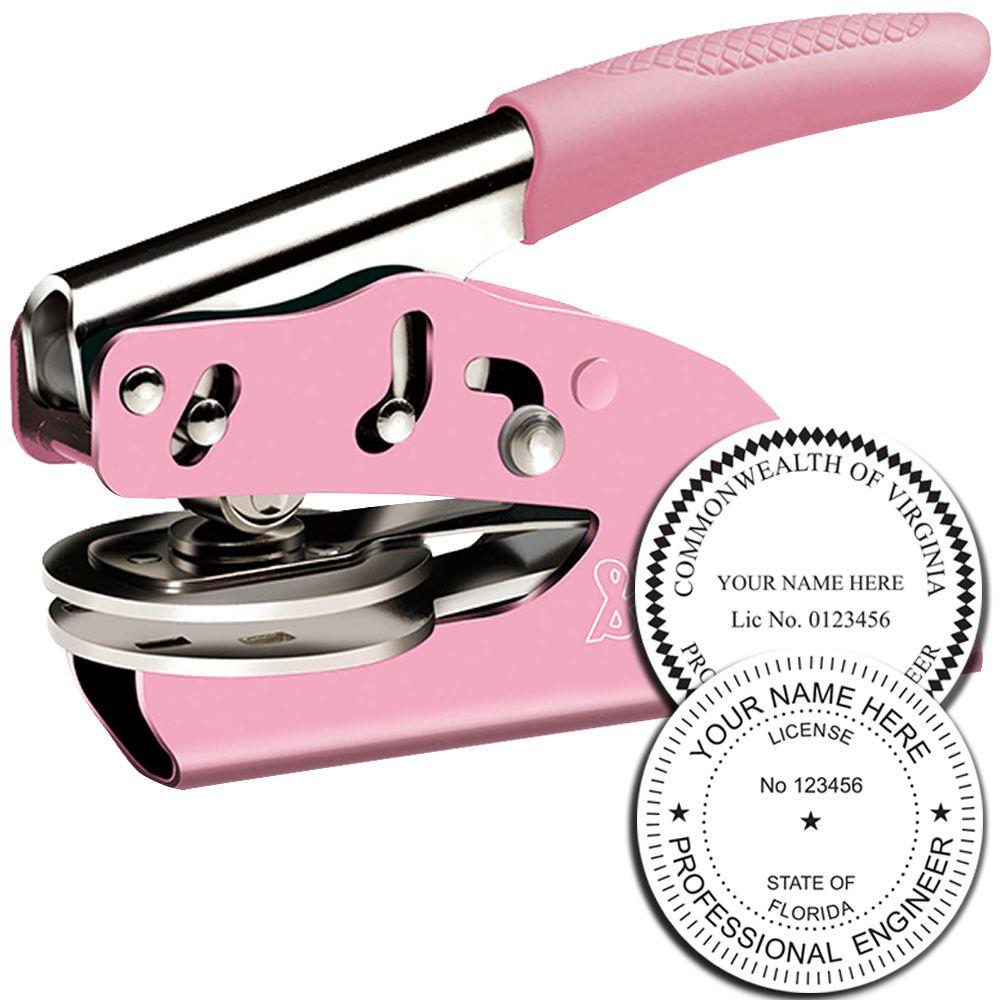
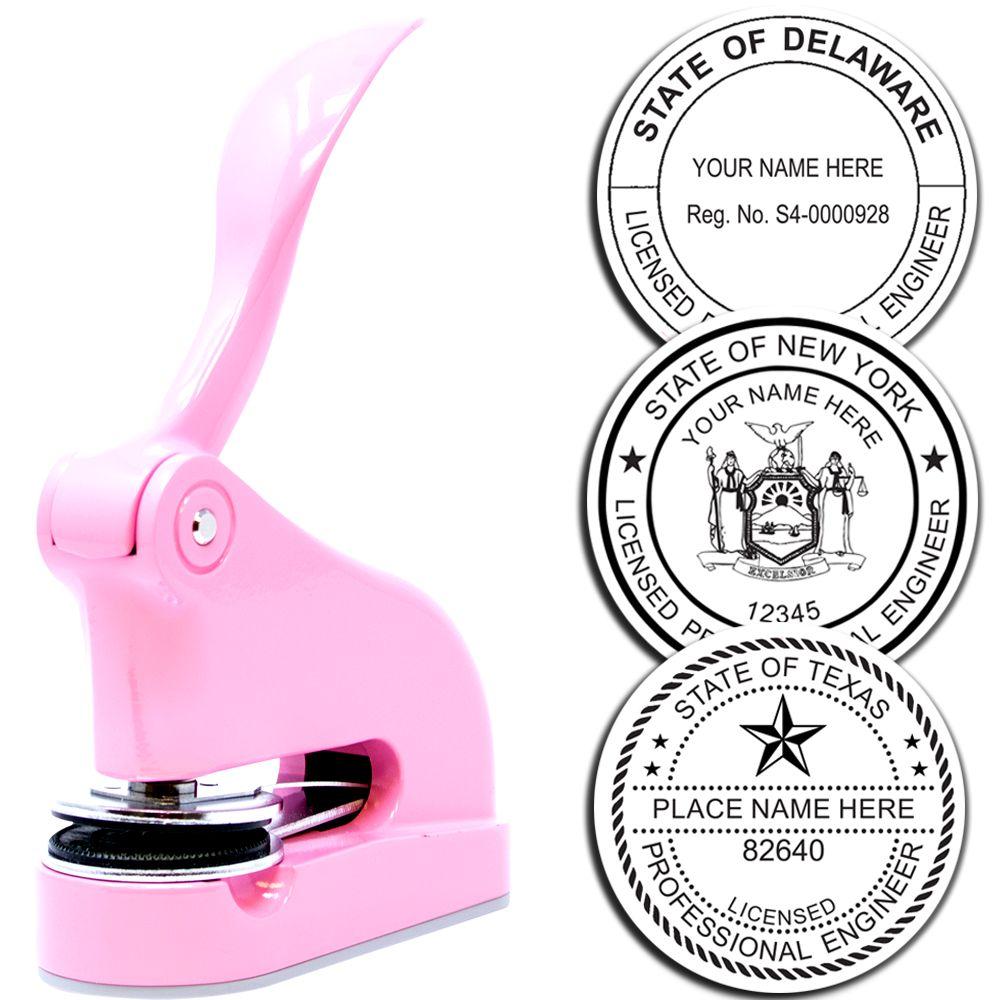
So a New Jersey professional engineer needs a metal embossing seal for paper work, desk or pocket model, and a conforming digital seal for anything delivered electronically. The face carries three items: your name as licensed, your license number and the professional designation. No size is prescribed. No diameter, height or proportion appears in 13:40-8.1 or 13:40-8.1A as adopted in 2015, none appears in the January 2020 amendment at 52 N.J.R. 46(a), and the board’s Statutes and Regulations, Frequently Asked Questions and Applications and Forms pages carry none either. Any inch figure circulating for New Jersey is a vendor convention, not a rule.
The digital side is not a picture of a seal. N.J.A.C. 13:40-8.1A requires the digital signature and seal to satisfy the NIST Digital Signature Standard, FIPS PUB 186-4, incorporated by reference, and to be unique to the licensee, verifiable by a trusted third party, under the licensee’s exclusive control and linked to the document so that any change invalidates them. A flattened image dropped into a PDF is not a New Jersey digital seal. Acorn cuts this seal to 1-1/2 inches, and cuts the companion stamp to the same 1-1/2. That is our production record rather than a New Jersey rule. The device question matters more than the size here: the embosser is the sealing device, and a stamp may sit beside it but may not stand in for it.
New Jersey PE seal requirements at a glance
| Requirement | New Jersey rule | Source |
|---|---|---|
| Seal required | Yes | N.J.A.C. 13:40-8.1, adopted effective November 16, 2015 (proposal at 47 N.J.R. 1289(a)) |
| Required elements | Your name as licensed, Your license number and The professional designation (professional engineer) | N.J.A.C. 13:40-8.1(a) |
| Size and shape | Acorn cuts this seal to 1-1/2 inches, and that is a production record rather than a published rule. | Acorn Sales production record, New Jersey professional engineer seal |
| Device allowed | New Jersey names the sealing device and bars one substitute for it, and the difference between those two things is where most advice goes wrong. | N.J.A.C. 13:40-8.1(a) |
| Signature and date | Partially verified, and the gap is named. | N.J.A.C. 13:40-8.1(f) |
| What must be sealed | Confirmed: anything incomplete or in draft may be signed but may not be sealed, and must be conspicuously identified as unsealed in the title block. | N.J.A.C. 13:40-8.1(f) |
| Electronic seal | New Jersey is one of the few states that names a federal cryptographic standard. | N.J.A.C. 13:40-8.1A |
| Renewal and lapse | Licenses renew biennially. | N.J.A.C. 13:40 biennial renewal rules adopted at 44 N.J.R. 1901(a) |
| Firm number on documents | A firm-level license does exist and it is separate from the seal. | N.J.A.C. 13:40-10 |
| Licensing board | The New Jersey State Board of Professional Engineers and Land Surveyors | N.J.A.C. 13:40, subchapters 8 |
Rules for other states are on PE stamp requirements by state.



Is a seal required in New Jersey?
New Jersey requires a seal New Jersey puts the duty in the board’s rule rather than in the licensing statute. N.J.A.C. 13:40-8.1, headed “Signing and sealing of documents,” requires documents to be sealed with a digital or impression type seal authorized by the board and carrying the licensee’s name, license number and professional designation, with digital seals conforming to N.J.A.C. 13:40-8.1A. The board adopts these rules under N.J.S.A. 45:8-36. The companion negative duty is express: incomplete and draft work may be signed but may not be sealed, and must say so in place of the seal.
What must appear on the seal
- Your name as licensed
- Your license number
- The professional designation (professional engineer)
Nothing is offered as optional. The rule describes a board-authorized seal, which means the face is prescribed rather than chosen. The exact legend wording should be copied from the current codified text of N.J.A.C. 13:40-8.1(a) rather than from this page, for a reason worth stating plainly: the board stopped hosting the chapter as a PDF and now directs licensees to the LexisNexis free public New Jersey Administrative Code, whose landing page requires a user to accept terms and conditions before the text opens. The element list above is taken from the New Jersey Register adoption notice that rewrote 13:40-8.1(a), which is a primary source, but it is the adopted amendment and not the codified paragraph as currently printed.
Size and shape
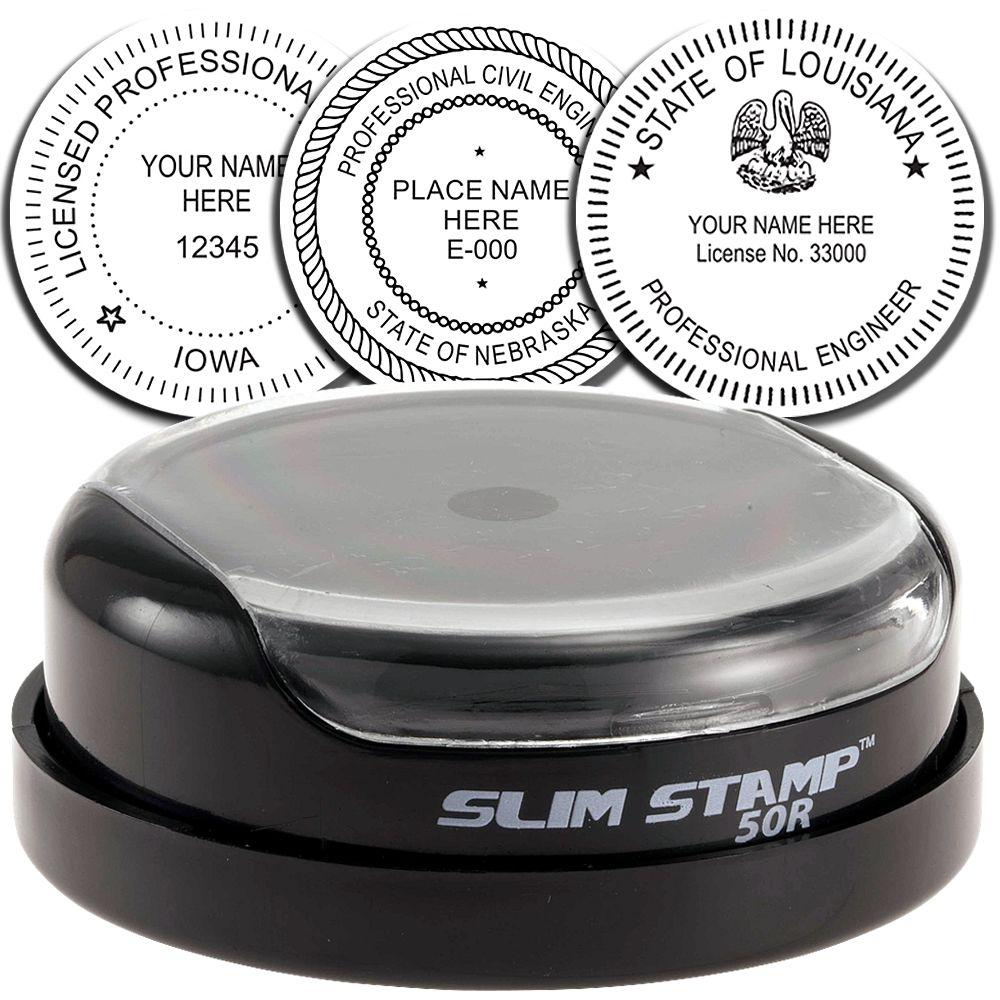
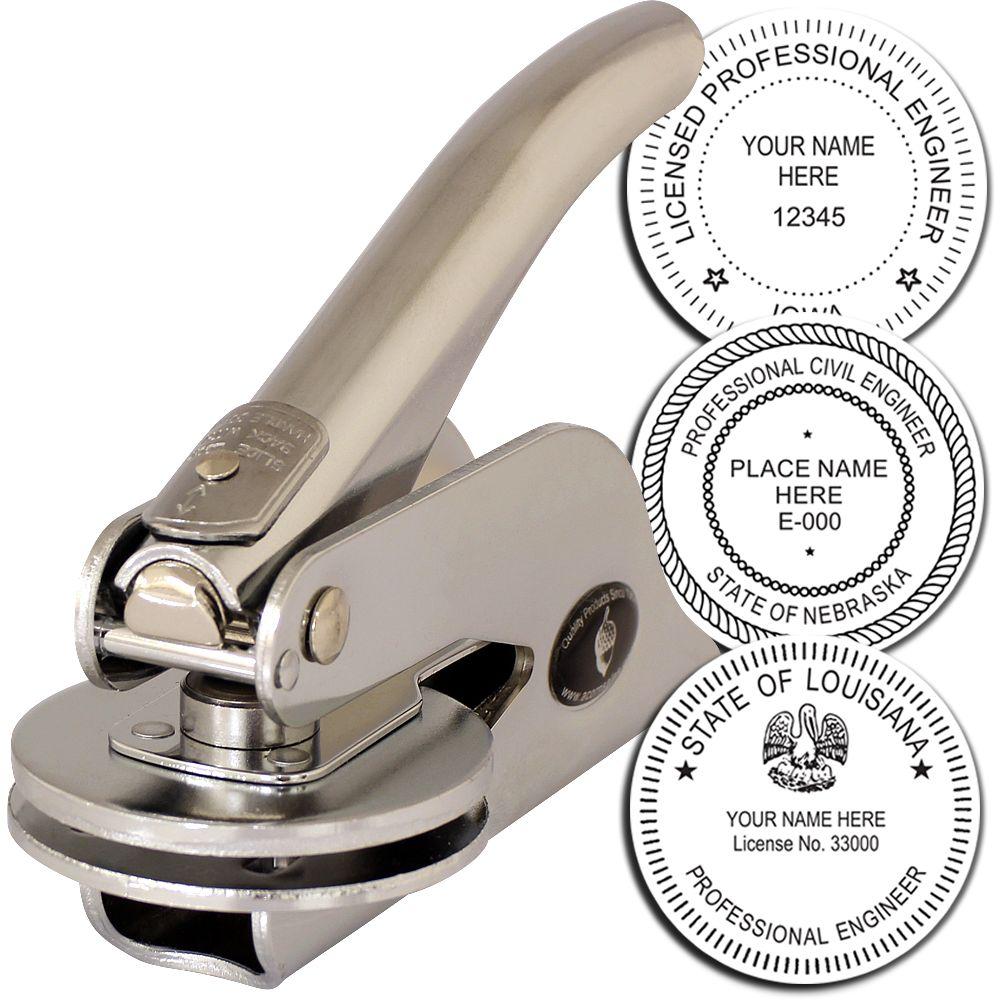
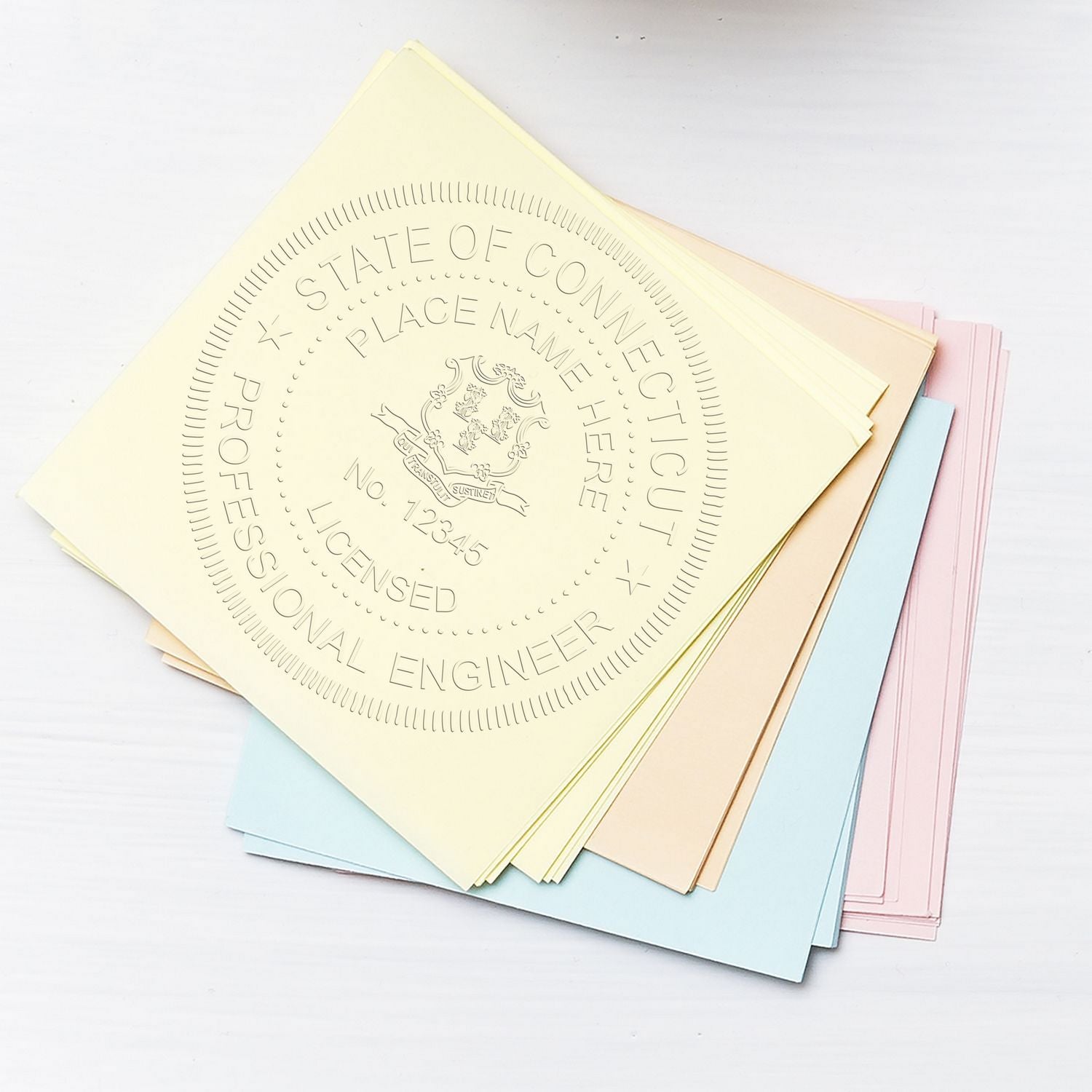
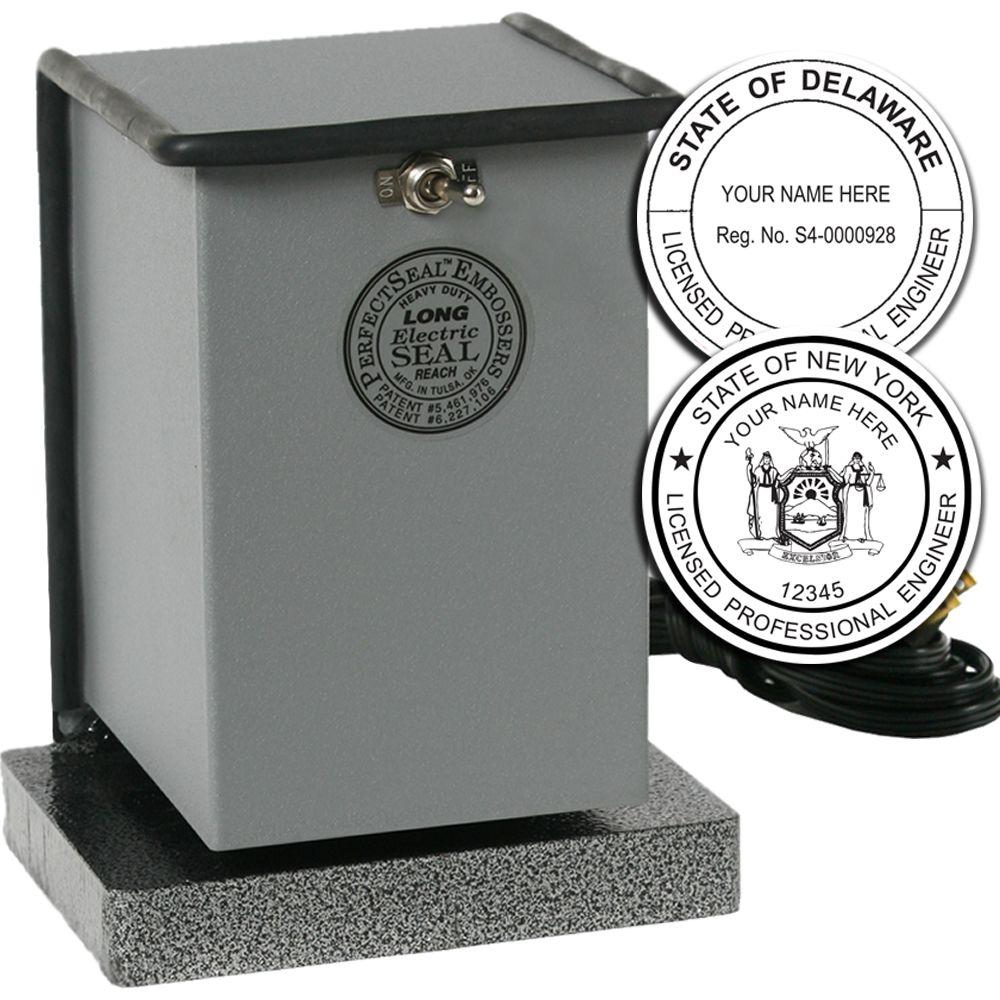
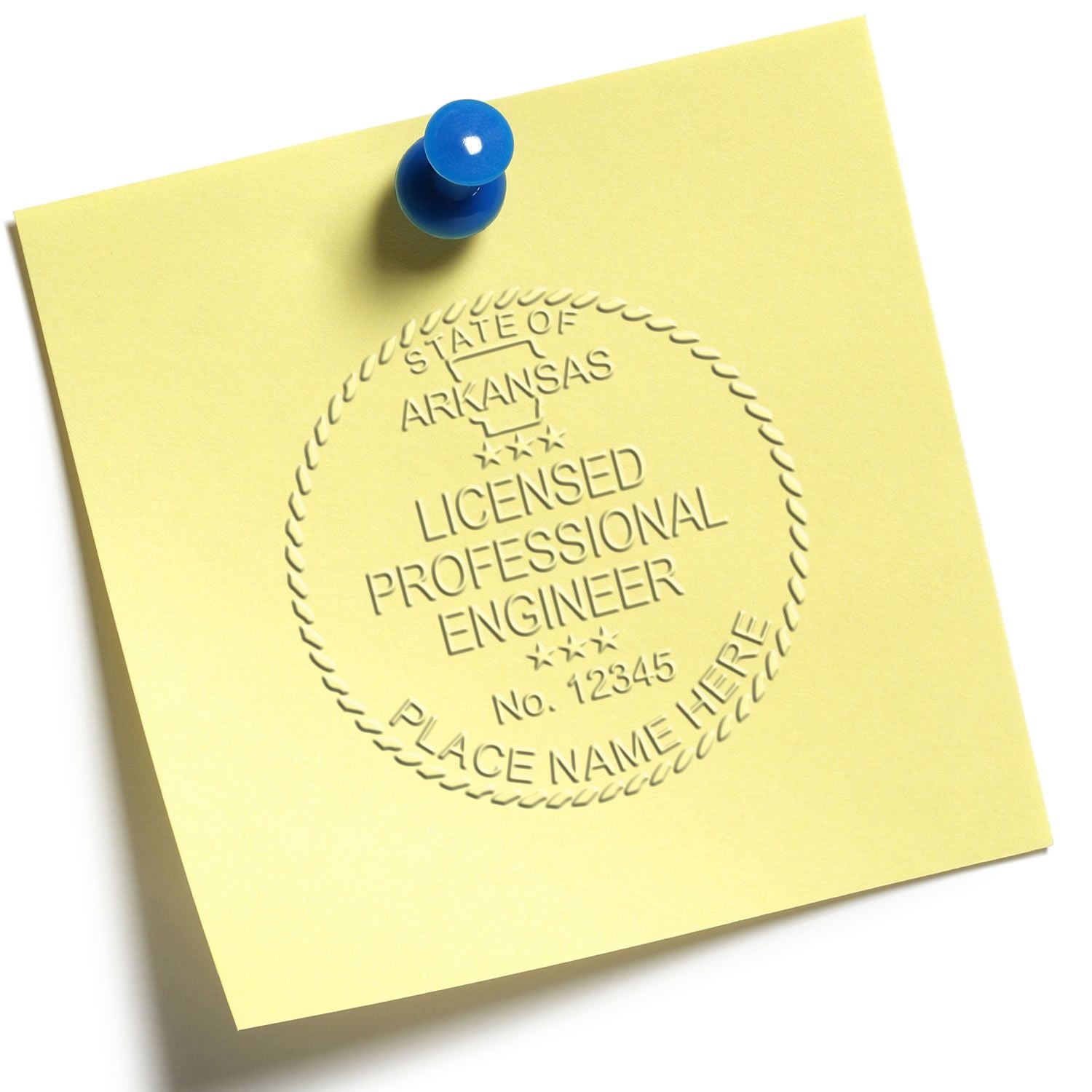
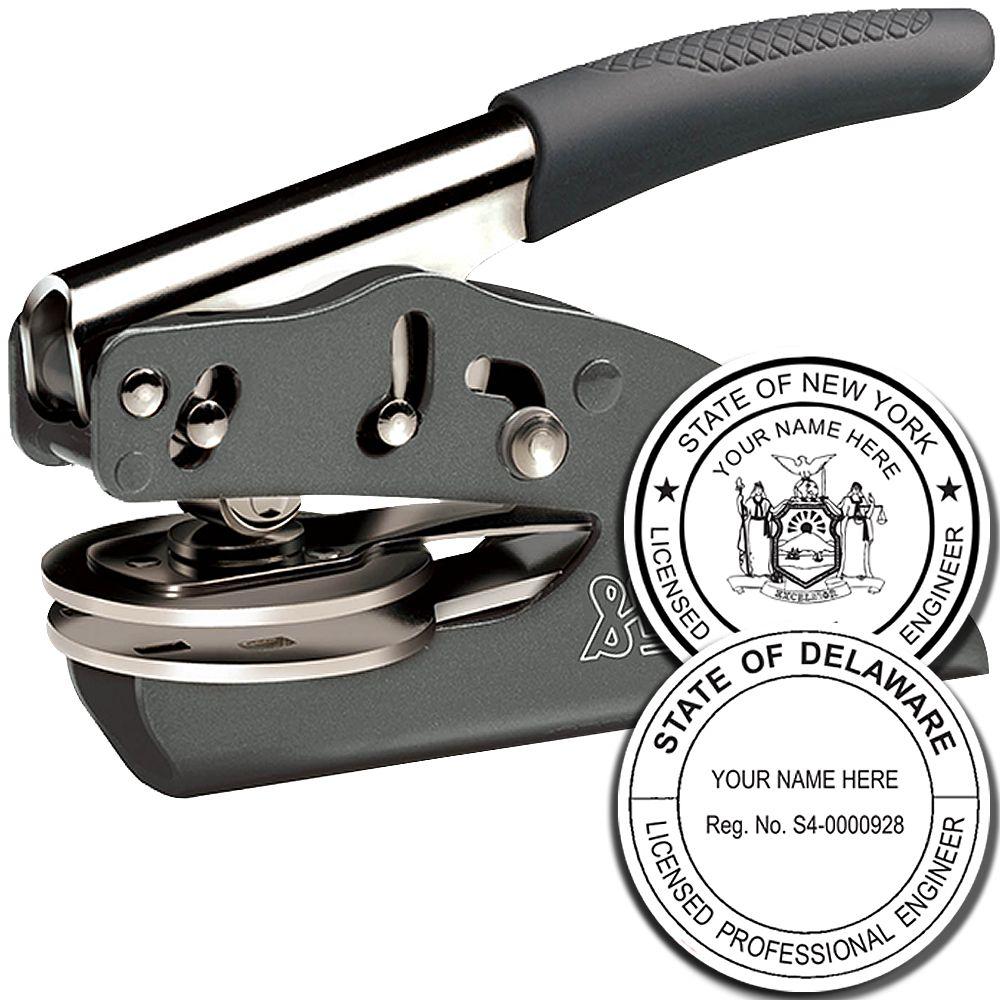
Acorn cuts this seal to 1-1/2 inches, and that is a production record rather than a published rule. The state publishes no dimension, so the figure below is what we make and ship for New Jersey licensees rather than something you can point a reviewer at. Nothing in N.J.A.C. 13:40-8.1 or 13:40-8.1A gives a diameter, height or proportion. One and a half inches covers both devices a New Jersey engineer ends up with: the embossing seal, which is the sealing device under the rule, and the inked stamp many licensees use beside it so the impression survives copying. Same size, different jobs. The device question matters more than the size question here, because a stamp may sit beside the seal but may not stand in for it. What the state publishes: No diameter, height or proportion appears in N.J.A.C. 13:40-8.1 or 13:40-8.1A as adopted in the November 16, 2015 New Jersey Register notice, and none appears in the January 6, 2020 amendment at 52 N.J.R. 46(a). The board’s own public pages were checked as well: the Statutes and Regulations page, the Frequently Asked Questions page and the Applications and Forms page at njconsumeraffairs.gov carry no seal dimension. Treat any inch figure circulating for New Jersey as a vendor convention, not a rule.
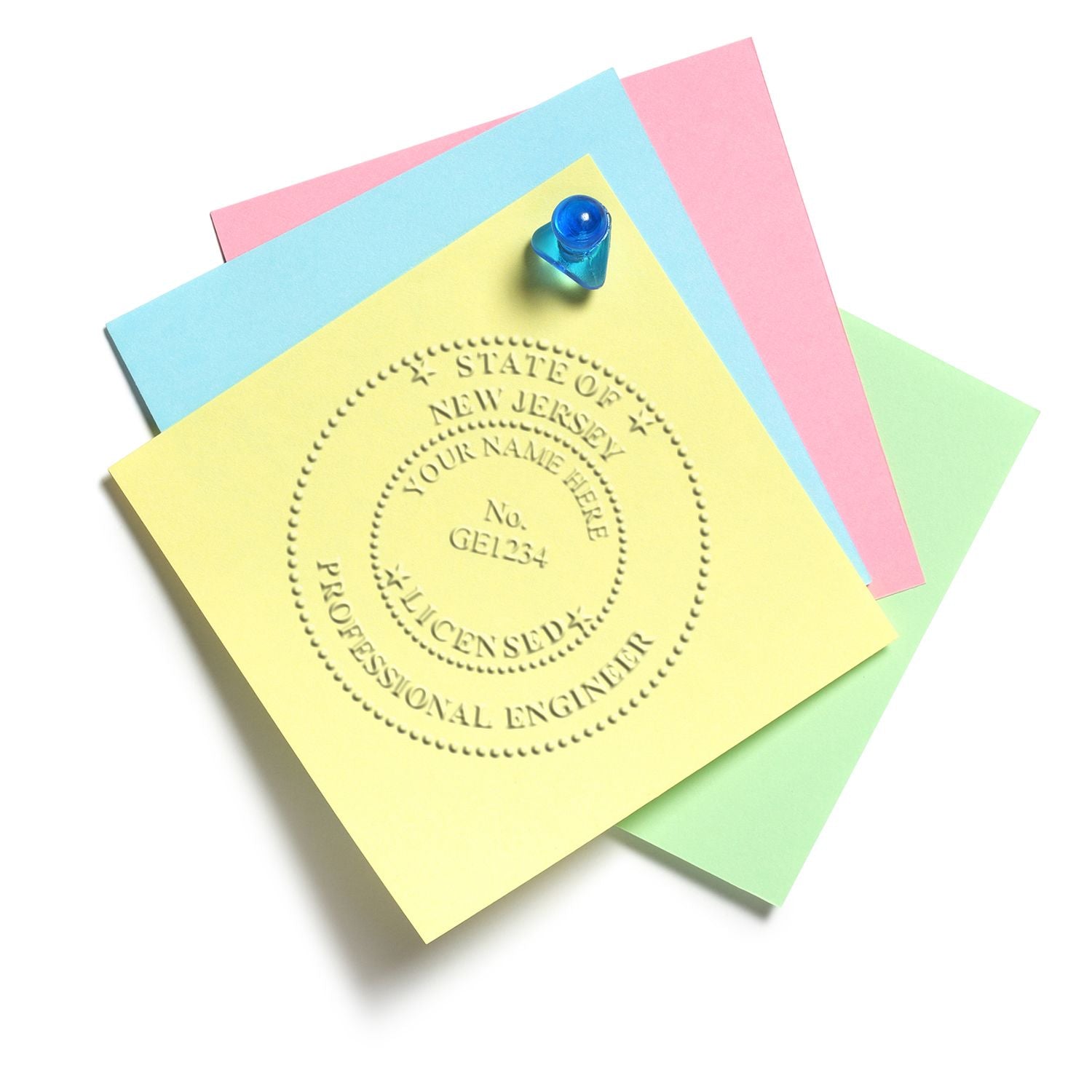
Embosser, rubber stamp or digital
New Jersey names the sealing device and bars one substitute for it, and the difference between those two things is where most advice goes wrong. N.J.A.C. 13:40-8.1(a) recognizes two devices as the seal, a digital seal or an impression type seal, and then closes off the substitute: “Alternatives, such as rubber stamp facsimiles of the seal shall not be permitted.” Read the object of that sentence. What is not permitted is a rubber stamp standing in as the seal, a facsimile of it. Three situations follow, and they are not the same situation.
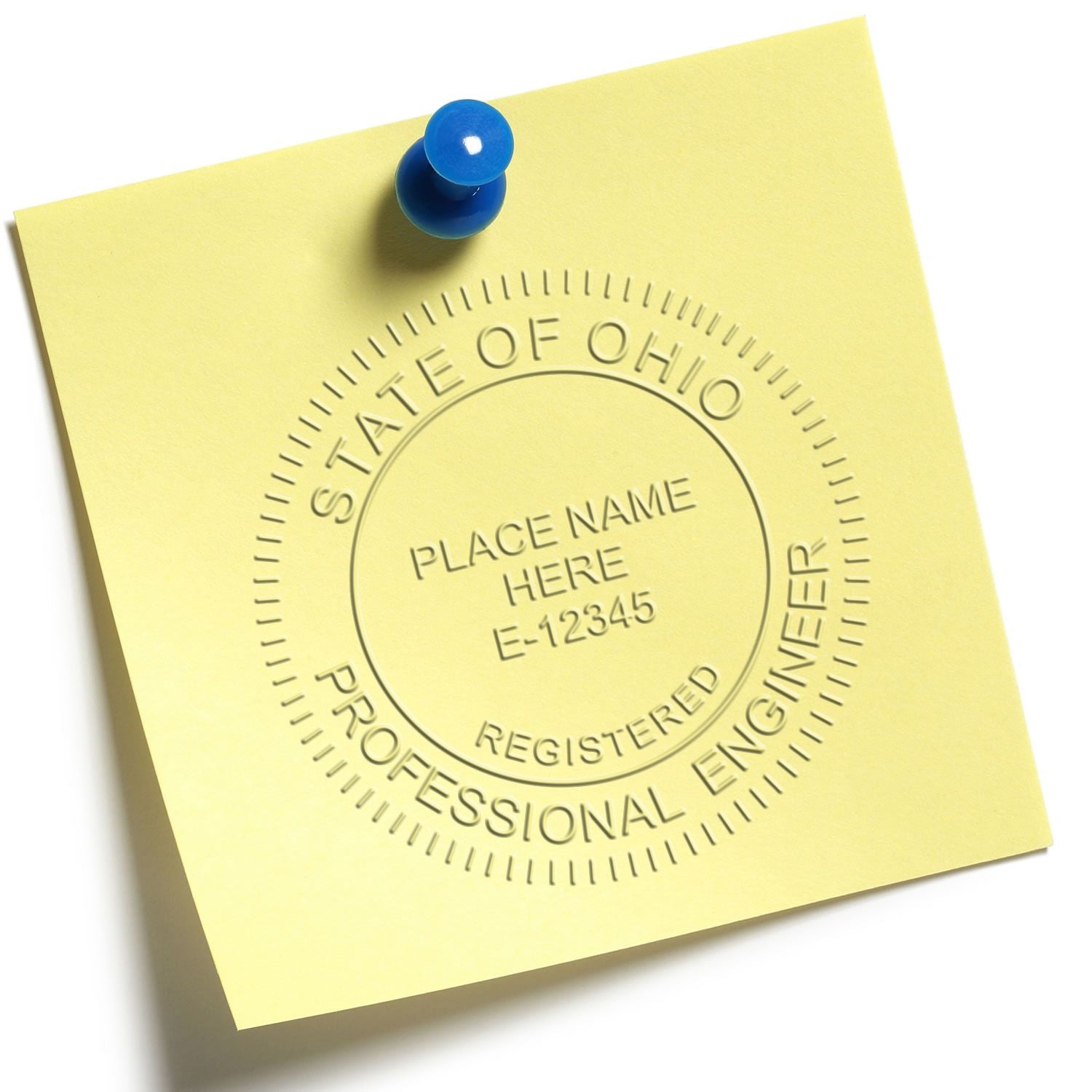
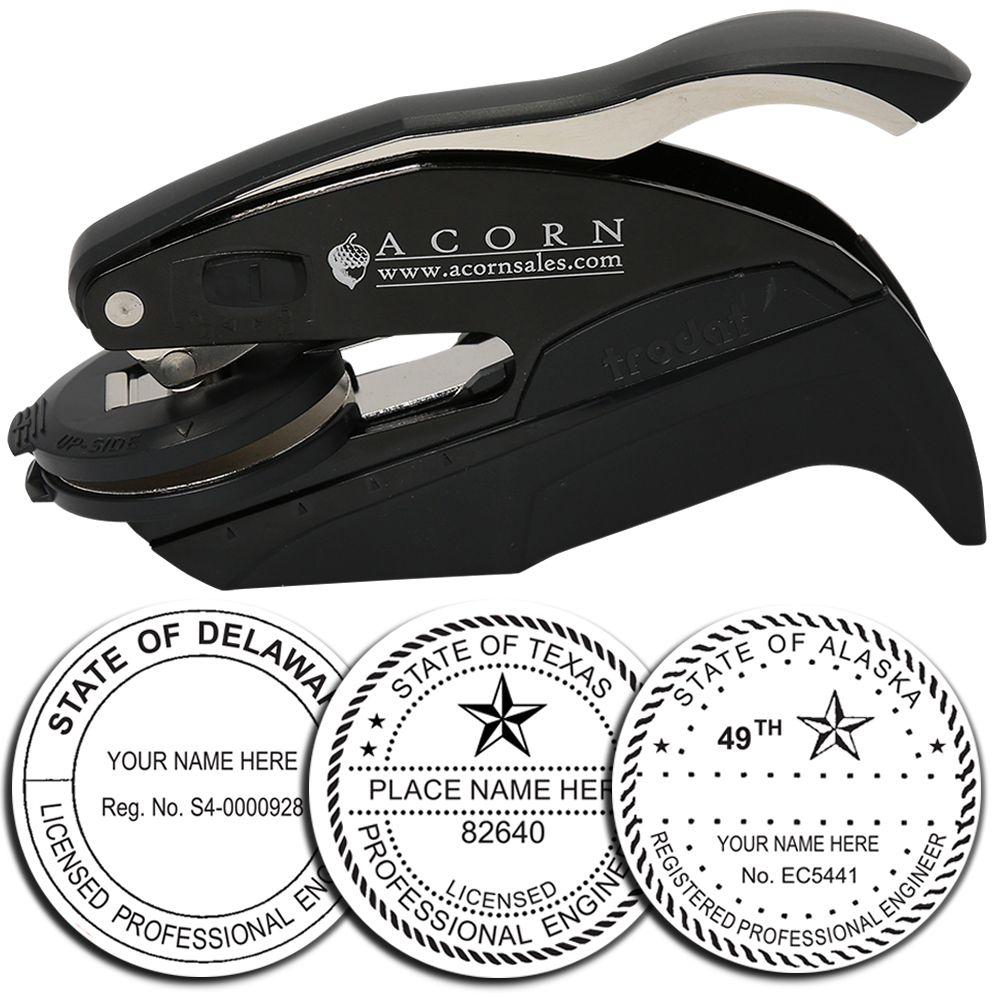
Required: the seal itself is an impression type seal, which in practice means a metal embossing seal in a desk or pocket frame, or a digital seal conforming to N.J.A.C. 13:40-8.1A. That is the device that seals the document.
Not permitted: an inked rubber stamp reproducing the seal and used in place of it. Ordering a self-inker as your New Jersey sealing device is buying the wrong product.
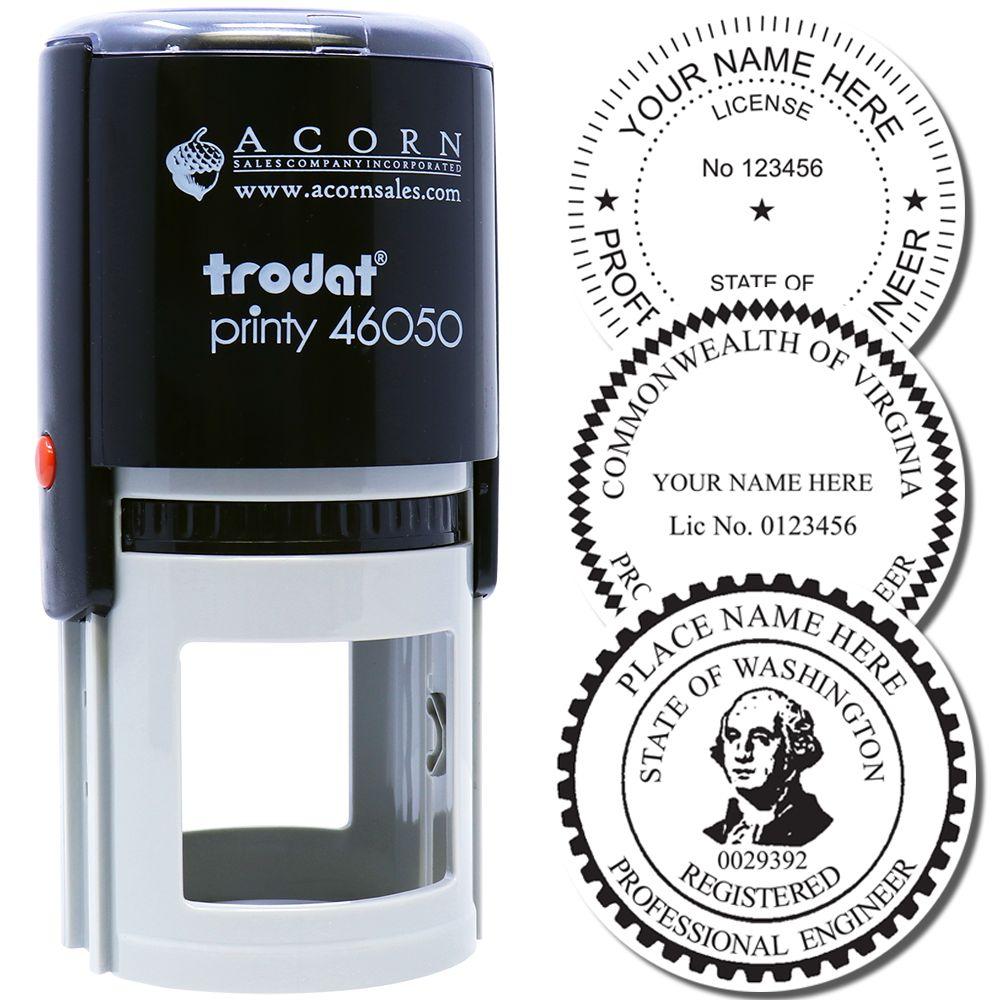
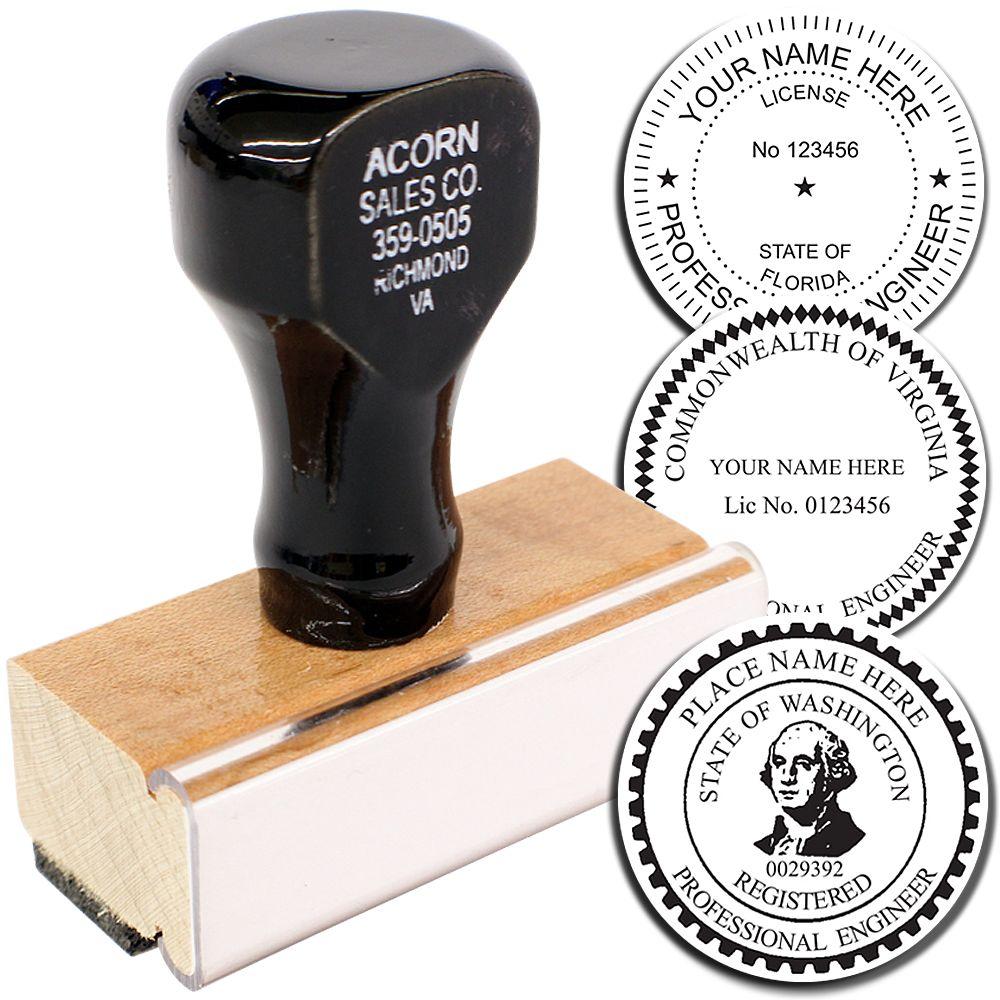
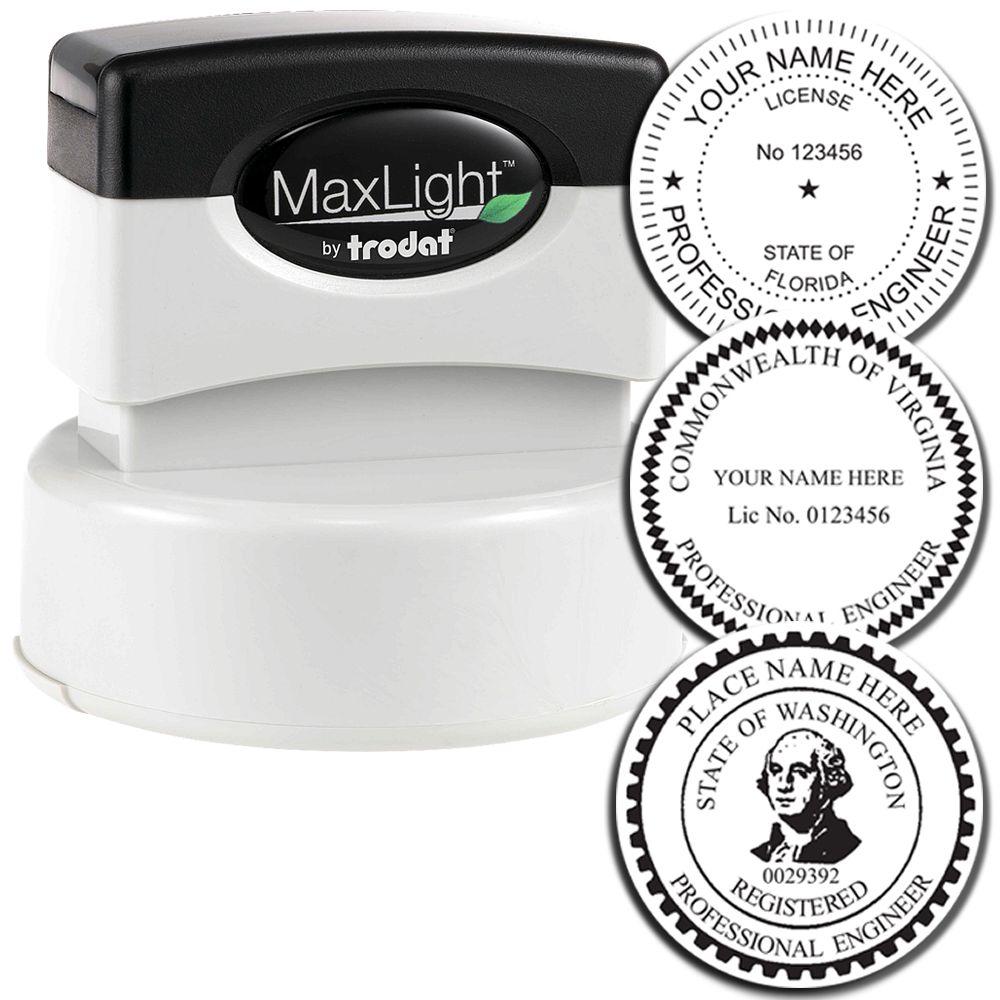
Neither required nor forbidden: an inked stamp used alongside a compliant embosser. New Jersey engineers order this routinely and we make it, because a raised impression photocopies and scans poorly, and an accompanying inked impression keeps the seal legible on the reproduction that actually reaches the file. The rule addresses what may serve as the seal; it does not tell you what else may appear on the sheet. Keep the roles distinct, order the embosser as the sealing device, and treat the stamp as the companion it is.
Signing and dating
Partially verified, and the gap is named. What is confirmed from the adopted rule text is the draft rule in N.J.A.C. 13:40-8.1(f): incomplete or draft plans, documents and sketches “shall be conspicuously identified and may be signed but shall not be sealed,” with language stating that the document is not sealed inserted in the title block in place of the seal. What could not be confirmed is the detail of subsections (b) through (e), which the 2015 adoption carried forward marked “(No change.)” and therefore did not reprint. The predecessor title block rule, numbered 13:40-1.3 before the 2015 renumbering and adopted at 34 N.J.R. 1768(a), called for “the manually handwritten signature of the person(s) in responsible charge and the date when signed,” which indicates New Jersey expects a handwritten signature and a signing date in the title block rather than a facsimile. Copy the operative wording, and the question of whether the signature crosses or sits beside the seal, from the current codified 13:40-8.1 before relying on it. The sources here are the 2015, 2020, 2012 and 2002 New Jersey Register adoption notices on njconsumeraffairs.gov, the board’s Statutes and Regulations page, and the LexisNexis free New Jersey Administrative Code, which is gated behind a terms acceptance.
New Jersey does not accept a rubber stamp as the seal
Almost every catalog in this trade sells a professional engineer seal as a self-inking or hand stamp, and in most states that is exactly right. New Jersey is the exception. N.J.A.C. 13:40-8.1(a) recognizes a digital seal or an impression type seal and then adds, in as many words, “Alternatives, such as rubber stamp facsimiles of the seal shall not be permitted.”
Which documents must be sealed
Confirmed: anything incomplete or in draft may be signed but may not be sealed, and must be conspicuously identified as unsealed in the title block. Confirmed by the board’s own publication: a corporation offering engineering services needs a certificate of authorization, which is the firm-side companion to the individual seal. Not confirmed from a primary source: the list of instrument types that must be sealed and whether every sheet of a plan set or only the cover requires the seal. Those sit in N.J.A.C. 13:40-8.1(b) through (e), which the adoption notices do not reprint and which the board no longer publishes as a PDF. Do not fill that gap from a vendor page.
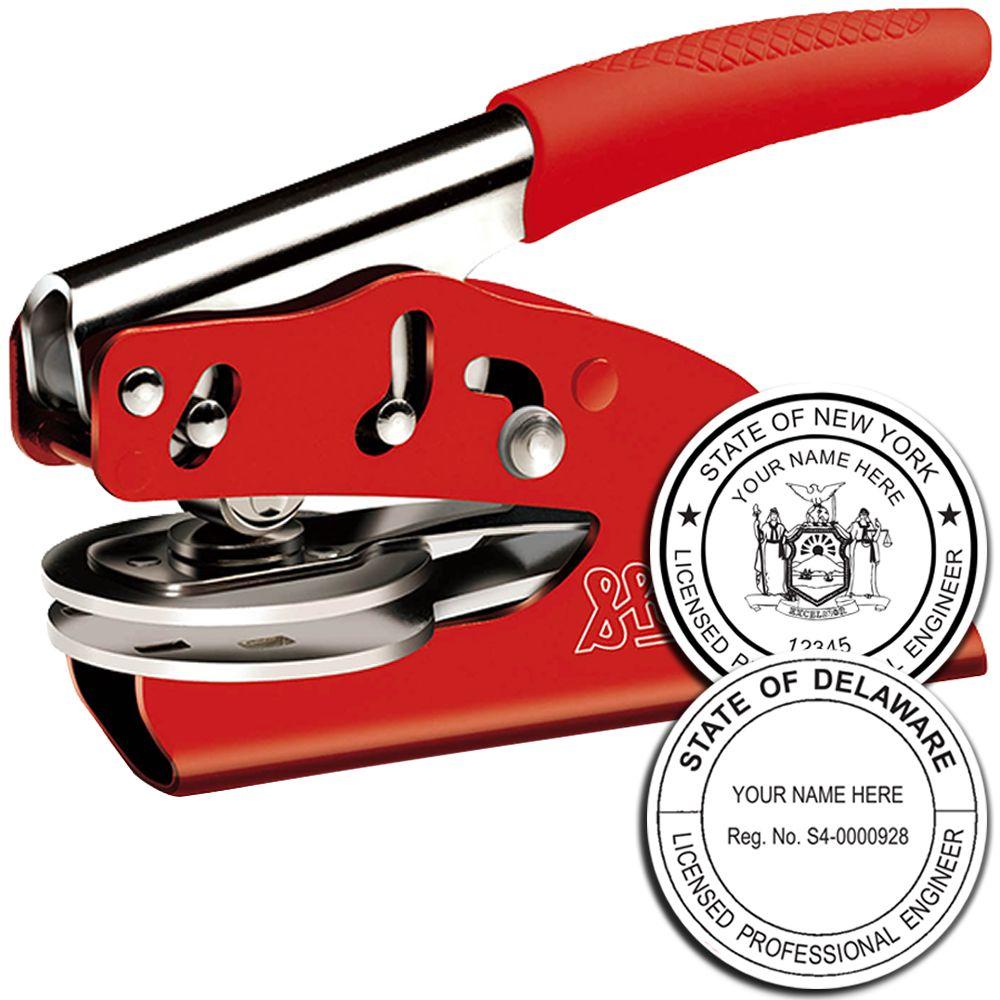

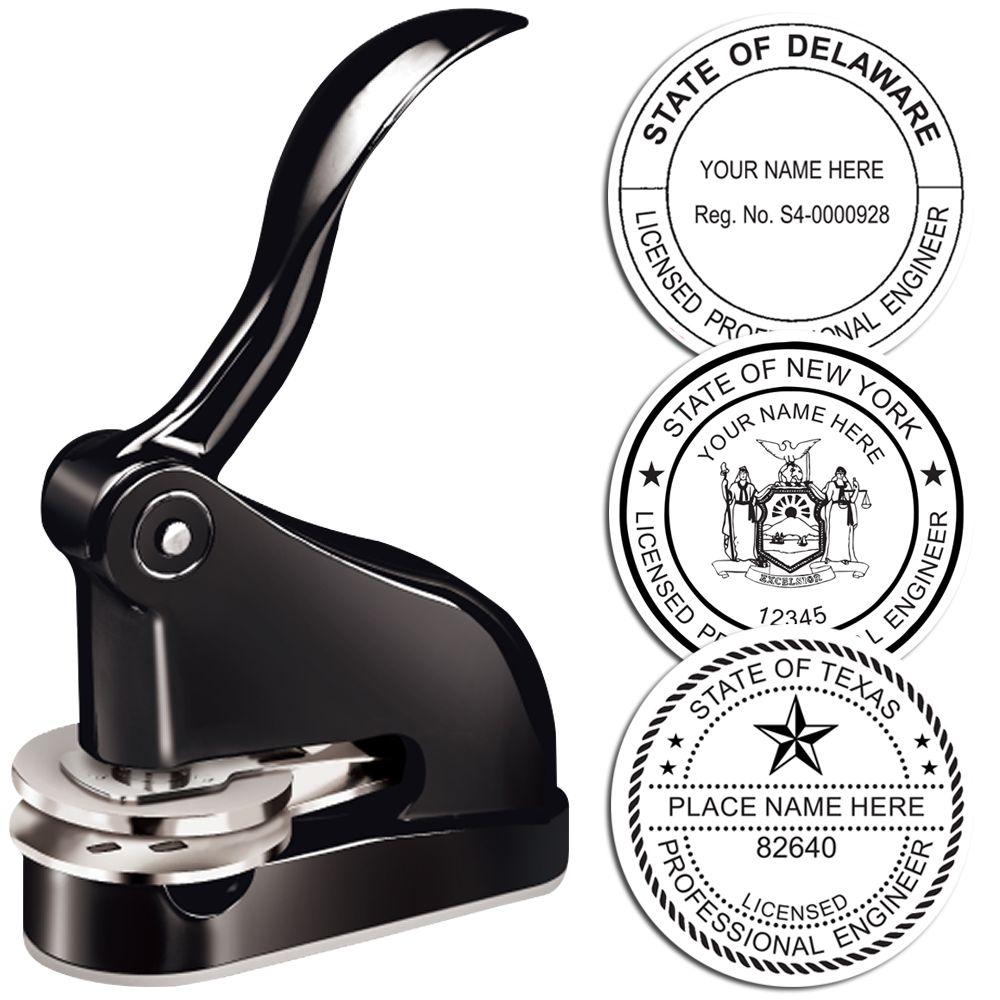
Electronic and digital seals
New Jersey is one of the few states that names a federal cryptographic standard. N.J.A.C. 13:40-8.1A requires a digital signature and digital seal to satisfy the Digital Signature Standard established by the National Institute of Standards and Technology, FIPS PUB 186-4, incorporated by reference, with that citation updated by the amendment adopted effective January 6, 2020 at 52 N.J.R. 46(a). The signature and seal must be unique to the licensee, capable of verification by a trusted third party, under the licensee’s exclusive control, and linked to the document so that any change invalidates them, and a digitally signed and sealed document transmitted electronically must be in a read-only format. The licensee must retain the digitally signed copy, furnish a pictorial representation on request, keep the private key secure, invalidate a compromised key immediately and notify affected clients. A flattened picture of a seal is not a digital seal in New Jersey.
Renewal, lapse and retirement
Licenses renew biennially. The renewal architecture was adopted at 44 N.J.R. 1901(a), effective July 2, 2012, and includes a thirty day grace period after expiration during which the license “shall be valid, and the licensee shall not be deemed to be engaged in unauthorized practice” on payment of a late fee, automatic suspension for continued non-renewal, an inactive status that suspends the continuing competency obligation, and reinstatement after five or more years conditioned on completing the continuing competency for each suspended biennial period. The license number does not change. Two points are not verified from a primary source: the calendar month and day on which the biennial period expires, and whether any rule expressly forbids use of the seal during suspension or lapse, as distinct from the general bar on unlicensed practice. The sources here are the 2012 adoption notice, the board’s Frequently Asked Questions page and its Applications, Forms and Fees page. Nothing requires the device to be surrendered or destroyed.
Firm registration
A firm-level license does exist and it is separate from the seal. The board states that any corporation, other than a professional service corporation, partnership or proprietorship established under the Professional Service Corporation Act, N.J.S.A. 14A:17, that offers or provides professional engineering or land surveying services in New Jersey must obtain a certificate of authorization, issued under N.J.A.C. 13:40-10, costing $120 and valid for two years, with a separate certificate required from the State Board of Architects if the firm also offers architecture. Whether the certificate of authorization number must appear in the title block of sealed documents is not verified: the predecessor title block rule at former N.J.A.C. 13:40-1.3 referred to certificate of authorization numbers where applicable, but the current codified title block rule could not be read for the reason given above.
What to check before you order
Get an embossing seal rather than a rubber or self-inking stamp, inscribed with your name, your license number and your professional designation. Take the exact legend from the current codified N.J.A.C. 13:40-8.1(a), since the board no longer publishes the chapter as a PDF and points you to the LexisNexis free code, and do not expect a diameter, because the rule sets none. For electronic work the deliverable is not an image file: N.J.A.C. 13:40-8.1A requires a digital signature and seal meeting NIST FIPS PUB 186-4, unique to you, verifiable by a trusted third party, under your exclusive control, invalidated by any change to the document, and transmitted read only. If you are buying for staff, the firm itself needs a certificate of authorization under N.J.A.C. 13:40-10, which is a board filing and not a stamp. No rule found requires anyone to verify your licensure.
Browse professional engineer stamps and seals.
- Get Your New Jersey Professional Engineer Seal Online Today
- Using Your New Jersey Engineering Embosser
Frequently asked questions
Can I use a rubber stamp as my PE seal in New Jersey?
No. N.J.A.C. 13:40-8.1(a) recognizes a digital seal or an impression type seal and states that “Alternatives, such as rubber stamp facsimiles of the seal shall not be permitted.” A self-inking or hand stamp sold as the sealing device for a New Jersey professional engineer is the wrong product under the rule, even though it is the default product in most other states. That answers the seal, not the sheet. Read the object of the rule’s sentence: what is barred is a rubber stamp facsimile of the seal, used in its place. An inked stamp used alongside a compliant embosser is a different thing, and New Jersey engineers order it routinely, because a raised impression reproduces poorly and an accompanying inked impression keeps the seal legible on the copy that reaches the file. Order the embosser as the sealing device and treat the stamp as the companion it is.
What kind of seal does New Jersey accept?
An impression type seal, meaning an embosser, or a digital seal conforming to N.J.A.C. 13:40-8.1A. Those are the two the rule names. For most licensees that means an embossing seal for paper and a conforming digital seal for electronic delivery.
What size does a New Jersey PE seal have to be?
Not addressed. No diameter, height or proportion appears in N.J.A.C. 13:40-8.1 or 13:40-8.1A as adopted in the 16 November 2015 New Jersey Register notice, and none appears in the 6 January 2020 amendment at 52 N.J.R. 46(a). The board’s Statutes and Regulations page, its Frequently Asked Questions page and its Applications and Forms page at njconsumeraffairs.gov were all checked and carry no seal dimension. Acorn cuts this seal to 1-1/2 inches, and cuts the companion stamp to the same 1-1/2. That is our production record rather than a New Jersey rule. The device question matters more than the size here: the embosser is the sealing device, and a stamp may sit beside it but may not stand in for it.
What has to appear on the face of a New Jersey seal?
Your name as licensed, your license number and the professional designation, per N.J.A.C. 13:40-8.1(a). Nothing is offered as optional, because the rule describes a board-authorized seal, which means the face is prescribed rather than chosen. Take the exact legend wording from the current codified text of 13:40-8.1(a): the board no longer hosts the chapter as a PDF and directs licensees to the LexisNexis free public New Jersey Administrative Code, whose landing page requires accepting terms before the text opens. The element list here comes from the New Jersey Register adoption notice that rewrote 13:40-8.1(a), which is a primary source but is the adopted amendment rather than the codified paragraph as currently printed.
What counts as a digital seal in New Jersey?
One meeting N.J.A.C. 13:40-8.1A. The digital signature and seal must satisfy the Digital Signature Standard established by the National Institute of Standards and Technology, FIPS PUB 186-4, incorporated by reference, with that citation updated by the amendment effective 6 January 2020 at 52 N.J.R. 46(a). They must be unique to the licensee, capable of verification by a trusted third party, under the licensee’s exclusive control and linked to the document so that any change invalidates them, and a digitally signed and sealed document transmitted electronically must be in a read-only format. The licensee retains the digitally signed copy, furnishes a pictorial representation on request, keeps the private key secure, invalidates a compromised key immediately and notifies affected clients.
Does New Jersey want a handwritten signature?
The indication is yes, and the gap is worth naming. The predecessor title block rule, numbered 13:40-1.3 before the 2015 renumbering and adopted at 34 N.J.R. 1768(a), called for “the manually handwritten signature of the person(s) in responsible charge and the date when signed,” which points to a handwritten signature and a signing date in the title block rather than a facsimile. The current subsections 13:40-8.1(b) through (e) could not be confirmed, because the 2015 adoption carried them forward marked “(No change.)” and did not reprint them. The sources here are the 2015, 2020, 2012 and 2002 New Jersey Register adoption notices on njconsumeraffairs.gov, the board’s Statutes and Regulations page, and the LexisNexis free New Jersey Administrative Code, which is gated behind a terms acceptance. Take the operative wording, including whether the signature crosses or sits beside the seal, from the current codified 13:40-8.1.
Can I seal a draft or an incomplete drawing in New Jersey?
No. N.J.A.C. 13:40-8.1(f) provides that incomplete or draft plans, documents and sketches “shall be conspicuously identified and may be signed but shall not be sealed,” with language stating that the document is not sealed inserted in the title block in place of the seal. You may sign it; you may not seal it.
Which New Jersey documents have to be sealed?
Partly confirmed and partly a named gap. Confirmed: anything incomplete or in draft may be signed but not sealed, and must be conspicuously identified as unsealed in the title block. Not confirmed from a primary source: the list of instrument types that must be sealed, and whether every sheet of a plan set or only the cover requires the seal. Those sit in N.J.A.C. 13:40-8.1(b) through (e), which the adoption notices do not reprint and which the board no longer publishes as a PDF. That gap should be filled from the codified rule, not from a supplier page.
Does a New Jersey engineering firm need a certificate of authorization?
Yes, for most corporate forms. The board states that any corporation, other than a professional service corporation, partnership or proprietorship established under the Professional Service Corporation Act, N.J.S.A. 14A:17, that offers or provides professional engineering or land surveying services in New Jersey must obtain a certificate of authorization under N.J.A.C. 13:40-10, costing $120 and valid for two years, with a separate certificate required from the State Board of Architects if the firm also offers architecture. The firm gets no seal. Whether the certificate number must appear in the title block of sealed documents is not verified: the predecessor title block rule referred to certificate of authorization numbers where applicable, but the current codified title block rule could not be read.
What happens if my New Jersey license lapses?
Licenses renew biennially, and the renewal architecture adopted at 44 N.J.R. 1901(a), effective 2 July 2012, includes a thirty day grace period after expiration during which the license “shall be valid, and the licensee shall not be deemed to be engaged in unauthorized practice” on payment of a late fee, automatic suspension for continued non-renewal, an inactive status that suspends the continuing competency obligation, and reinstatement after five or more years conditioned on completing the continuing competency for each suspended biennial period. The license number does not change and nothing requires the device to be surrendered or destroyed. Two points are not verified from a primary source: the calendar month and day the biennial period ends, and whether any rule expressly forbids use of the seal during suspension or lapse as distinct from the general bar on unlicensed practice.








