
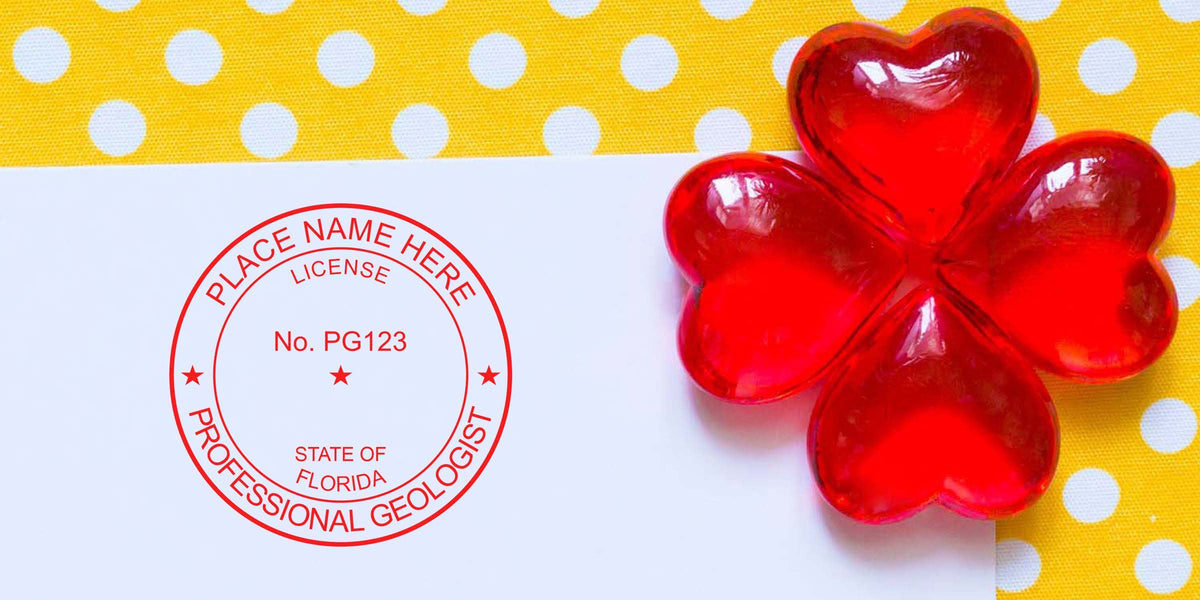
Understand Florida Geologist Stamp Size
When you first hear about the Florida Geologist Stamp Size, you might wonder why anyone would fuss over how large or small that circular impression ends up on your documents. The truth is, the dimensions of your stamp or seal can influence its clarity, compliance, and even your daily workflow as a professional geologist. After all, your seal is more than just ink on a page—it’s a formal declaration of your expertise and accountability to Florida’s rules and regulations.
Below, you’ll find a friendly, straightforward guide to help you understand stamp size requirements, where to find a reliable vendor, and how to keep your seal in top shape. If you’ve ever asked yourself, “Does stamp size really matter that much?” the answer is an emphatic yes. Let’s dive in so you can quickly get your bearings and ensure your materials meet official standards.
The Official Requirements
Florida’s regulations outline precise criteria for official geologist stamps and seals. While specific Florida Geologist Stamp Requirements can vary depending on regulatory updates, the fundamentals typically remain consistent year after year. In general, you’re expected to display:
- A clear circle or ring design.
- Your full name.
- Your license number.
- Recognition of the state (Florida) and the professional title (Professional Geologist).
To learn more about current guidelines and get the latest details on what should be included, you can check out the florida geologist stamp requirements. If you already have a stamped document in hand, do a close inspection. Make sure every character is readable, and confirm that your stamp design follows the mandatory structure, including the official insignia.
Common Dimensions
Current best practices, as well as the Florida Administrative Code, usually point to a diameter around two inches for professional geologist stamps. If your stamp is too small, the text and details may become smudged or hard to read. If it’s too large, you risk overextending the boundaries mandated by state regulations. That’s why the two-inch guideline remains a favorite among professionals—tried and true for balancing readability and official compliance.
If you’re new to the field, a two-inch seal might sound big. But once you see your name and license number laid out in that space, you realize that keeping your information legible is key. The circle needs enough room for your name and credentials to stand out without causing crowding or blurred letters.
Why Size Matters
Picture this scenario: You’re about to submit a crucial report to a regulatory board. Each page must be sealed. If your seal is too small, the contact information or license details might get lost, making the document appear unprofessional or, worse, noncompliant. On the flip side, an oversized seal can appear awkward and diminish the neatness of your paperwork.
From a practical standpoint, you want a stamp size that’s easy to apply to engineering drawings, reports, or any other required documentation. A two-inch stamp diameter sits well on most standard-size paper, leaving enough space around the edges for binding, notary stamps, or other official markings.
Know Florida Geologist Regulations
Securing the correct stamp dimensions is just one piece of the puzzle. Equally important is knowing the rules surrounding how, when, and where your seal needs to be applied. As a Florida geologist, you’re held to professional standards in everything from your field reports to large-scale project sign-offs.
Florida Administrative Code
The Florida Administrative Code dictates a set of standards that geologists must meet to maintain their licensure and practice privileges. In many cases, the code specifies that your seal must be:
- Legible under normal usage conditions.
- Containing the correct text (your name, license number, state abbreviations).
- Applied in permanent ink or via an embossed impression.
These guides ensure that your geological contributions, from simple analysis to major environmental assessments, are verifiable and trustworthy. It’s your go-to resource, and you may refer to it whenever you have questions about any specialized practice guidelines.
Florida Geologist Stamp Requirements
To help you meet these expectations, be sure to thoroughly read the state’s rules and confirm you’re using the right stamp shape, layout, and text. The best approach is to keep an eye on any changes to the Florida geologist seal statutes. You don’t want to be blindsided by a detail that invalidates your documents. Staying updated protects both your professional standing and the integrity of your work.
Additional Markings
Some Florida geologists add optional elements, like extra lines or design flourishes, to their seal. While personal touches can be appealing, make sure any decorative aspect doesn’t obscure or conflict with the text, especially the license number. The main focus should always be clarity. If you’re uncertain, stick to the established layout. That way, you reduce the chance of confusion when your stamped paperwork goes through regulatory channels.
Choose a Proper Supplier
Once you’ve pinned down the basics of Florida geologist rules, you need the right place to get your stamp. It’s tempting to hop online and buy from the first website that promises fast shipping, but that can be risky. Poorly made stamps often have smudged lettering, irregular impression depth, and inconsistent inking.
Why Vendor Quality Counts
Think of your stamp as more than an office supply—it’s your professional signature. From time to time, you’ll stamp multiple pages for a single big project, so you’ll want a model that’s durable and gives a crisp impression. A bad stamp can cost you time and money (not to mention frustration from repeated re-stamping or opaquely blurred text).
You also want a vendor with a proven track record for meeting state guidelines. The last thing you need is to re-order your entire stamp set simply because the first supplier designed it incorrectly. Quality control is vital. After all, your name and license are on each document, and that demands a certain level of craftsmanship.
About Acorn Sales
If you’re looking for a reliable source, check out Acorn Sales. With over 60 years in the business, they know how to produce top-notch Florida geologist stamps and seals. They also include a free digital seal—handy when you need an electronic version in a pinch, or if you have to attach it to PDF documents. You’ll appreciate the peace of mind that comes from a well-established supplier who has been in the game for decades.
Acorn Sales designs their stamps to align with Florida’s requirements, including the correct two-inch diameter. That means you can trust that your seal will deliver a crisp, legible impression, from your license number down to your professional title. When you factor in the convenience of a digital seal, you’ll see why so many geologists find it worth investing in a quality product right away.
Master Florida Geologist Stamp Usage
Now that you know where to get a reliable seal, let’s talk about actually using it. Whether you’re stamping official documents or final project proposals, you want to do it right the first time. Think of your seal as an official handshake—once you’ve placed your stamp on a page, you’re claiming responsibility for the content.
Where and When to Use It
Florida rules generally require your seal on documents that outline critical geological assessments or recommendations. This can include:
- Site analysis reports.
- Hazard assessments for construction projects.
- Environmental impact studies.
- Borehole logging or mineral resource studies.
In some cases, you may need to sign next to the seal. Always confirm you fully understand the relevant guidelines. Using your stamp incorrectly can undermine your professional credibility. If you’re in doubt, reference official state documentation or consult a seasoned colleague for clarity.
Standard Practices in Reproducing Seals
Depending on your workflow, you might need multiple copies of sealed documents. Here’s what to keep in mind:
- When scanning or photocopying a stamped page, ensure the printed result is still sharp and legible.
- For digital submissions, you can embed your free digital seal from Acorn Sales for a professional-looking result that meets the same guidelines as a physical impression.
Sometimes, offices require wet-ink signatures even on digital documents. In that case, print and physically hand-stamp, then scan. Double-check that the final copy is still clear. Your seal remains a mark of authenticity, whether on old-school paper or modern digital PDFs.
Maintain Your Florida Stamp
No matter how perfectly designed your stamp is, it needs some basic care to stay in good shape. If you ignore it, you risk faded impressions, worn-out parts, or even mold growth in areas with high humidity.
Cleaning and Storage
The easiest way to keep your stamp fresh is to wipe away excess ink after each use, especially if you’re stamping multiple documents in one go. A gentle cloth or paper towel works well for a quick cleanup. If there’s an ink buildup, a drop of mild soap and a bit of warm water can help remove any sticky residue, but make sure you dry the stamp thoroughly afterward.
Store your stamp in a cool, dry location, away from direct sunlight. Prolonged heat can cause the rubber to degrade. It’s often handy to keep the stamp enclosed in a small case or at least place it face-down on a protective surface. That prevents dirt or lint from sticking to the impression area.
Replacing Worn Parts
Rubber stamps and embossers do wear out over time. If you start noticing breaks in the circular border or fuzzy letters, you may need new parts. This typically involves:
- New ink pads: Over time, pads can dry out or become uneven. Replacing them is a quick fix.
- New stamp die: If the lettering is warped, or you physically see cracks, it might be time for a brand-new impression die.
Pay attention to these early signs. You don’t want to discover a failing stamp only after you’ve created a large batch of official documents. Many suppliers, including Acorn Sales, can provide replacement components if you mention your original order details.
Conclusion
When you’re working as a professional geologist in Florida, the dimension of your seal or stamp might seem like a minor item on your to-do list. But in the world of licensed experts, small details carry significant weight. By ensuring you have the proper Florida Geologist Stamp Size, you confirm that your credentials are showcased accurately, that your paperwork meets state-level standards, and that every single impression speaks to your professionalism.
You’ve now got the tools to make a confident choice about your stamp dimensions, purchase a quality product from a trusted vendor like Acorn Sales, and maintain that seal for a long service life. In short, you’re ready to handle the ins and outs of Florida geologist stamping with confidence. If you’re still unsure about any detail, go back and reference official state guidelines or talk to a supplier who truly understands Florida’s regulations. You’ll keep your documents pristine and your reputation rock-solid—just the way you want it.
Frequently Asked Questions
How do I confirm the correct Florida Geologist Stamp Size?
Most professionals stick to a two-inch circular seal. Check with your state’s current guidelines or the florida geologist stamp requirements to verify. This ensures you meet the legal standard for clarity and compliance.
Do I need a wet-ink stamp if I have a digital seal?
It depends on the document type and who requires it. Some agencies only accept physical stamps on paper, while others are fine with a digitally applied seal. Having both options allows you to handle various requests with ease.
How often should I replace my stamp?
Replacement depends on usage. If you notice the impression getting faint, or the rubber edges fraying, it’s time. A well-made stamp can last years with proper maintenance, but you need to stay alert for any wear and tear.
Is the seal required on all pages of a geologist’s report?
Not always. Certain sections, like the cover page or specific signature pages, generally require your stamp. Requirements can vary among organizations or project types, so always confirm what the reviewing body expects.
Why choose Acorn Sales over other suppliers?
With more than 60 years of experience, Acorn Sales has earned a reputation for reliability. They tailor their stamps to Florida’s specs and even include a free digital seal. This track record makes them a go-to for geologists looking for a seamless solution.








