
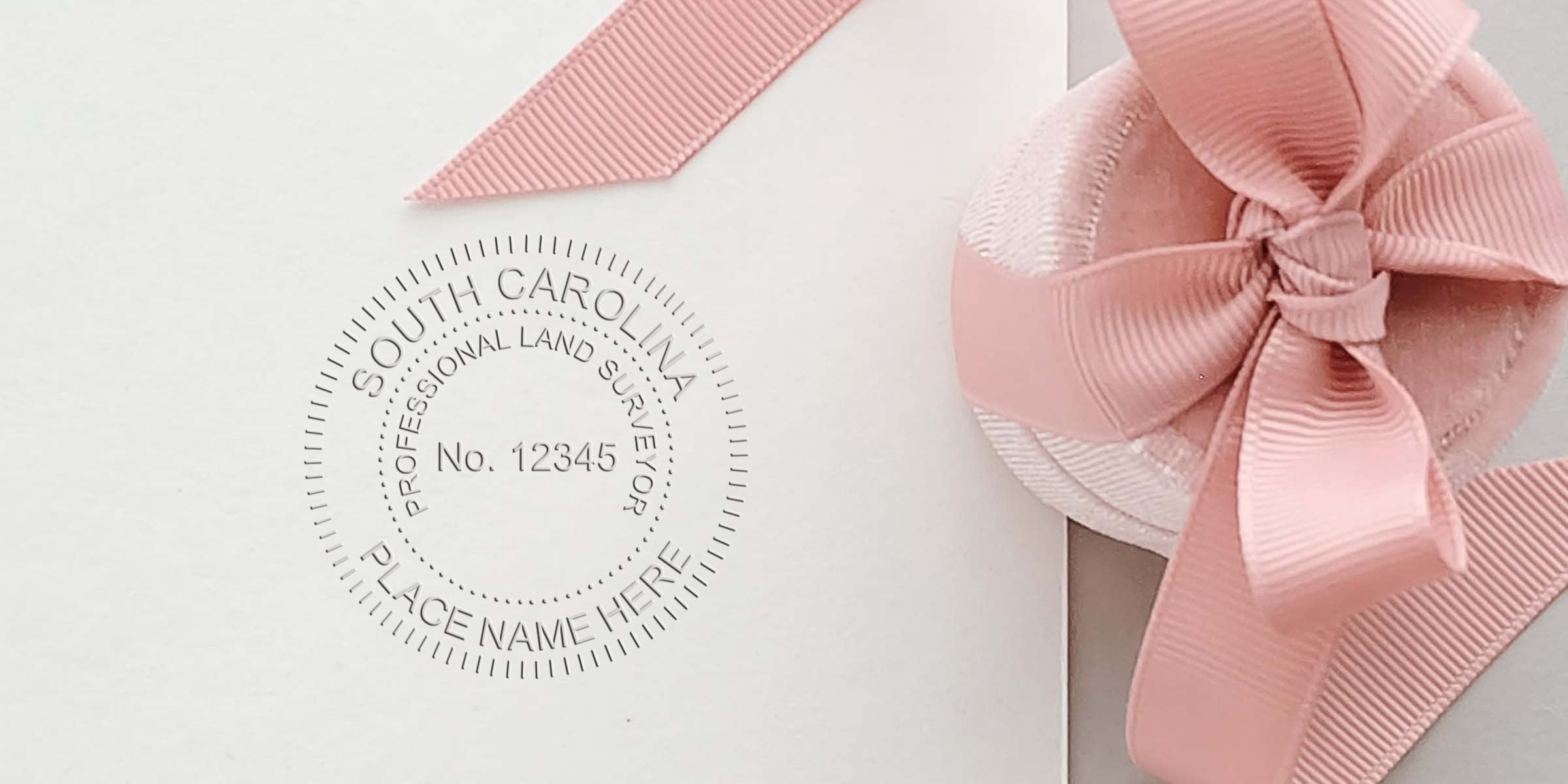
Natural light brightens a small room, right? Well, when it comes to your professional credentials, the right seal can shed just as much clarity on your work. If you’re a licensed surveyor in the Palmetto State, you’ve probably heard about south carolina land surveyor seal regulations at least a few times. But what do they really mean for you, and how do you make sense of the requirements? In this post, we’ll break down the essentials so you can stay compliant, look professional, and feel confident about your stamp or seal choice. Let’s make sense of the rules, then talk about how to pick the right gear, keep it in great shape, and find reliable providers like Acorn Sales that cater to your needs.
You’ll see there’s more to those official markings than just your name in a circle. A properly used land surveyor seal represents authority, licensure, and a commitment to professional standards. You don’t want to risk being out of compliance. Let’s walk through the key points: the purpose of seals, the state regulations, the different options you have, and the important details about usage. By the end, you’ll feel ready to make an informed decision that keeps you on the right side of South Carolina’s rules.
Know The Purpose Of Seals
Seals aren’t just pretty stamps. They serve as unique identifiers that confirm your qualifications and professional responsibilities. When clients or agencies see that embossed seal, they know they’re dealing with a licensed expert who meets all state standards. Think of it like a signature on official documents—it’s a mark of authenticity.
- Establishes credibility: A seal proves you’re recognized by the state.
- Demonstrates responsibility: It signifies you’re ready to stand by your work.
- Marks official documentation: From boundary lines to elevation surveys, your seal shows that these documents were prepared by someone with the right credentials.
In South Carolina, not having the correct seal, or not using it correctly, can cause headaches for you and your clients. This might include project delays or even questions about your professional integrity. You’ve worked hard to earn your license, so it only makes sense to protect that status by following the rules. By understanding exactly what a land surveyor seal does, you’re well on your way to managing your professional materials properly.
Meet The State Standards
When it comes to fulfilling your obligations as a licensed surveyor, you need to be aware of the detailed rules that govern your seal. The south carolina land surveyor seal regulations outline specifications like size, shape, and wording. The state wants to make sure every licensed surveyor’s seal meets uniform requirements, so clients can quickly recognize authentic, professionally prepared documents.
In many cases, you’ll find guidance from the South Carolina Department of Labor, Licensing, and Regulation (LLR). They specify certain details, such as:
- The exact wording that identifies you as a “Licensed Land Surveyor.”
- The inclusion of your name and license number.
- The official diameter of the seal (often measured in inches).
- Any boundary or circle that distinguishes it as a state-approved seal.
If you’d like more detailed insight on specifics tied to ink stamps and embossers, you may find it helpful to check the South Carolina land surveyor stamp requirements. That page shares how to ensure everything lines up with state codes. Being thorough now helps you avoid back-and-forth corrections later. The big takeaway? Stick to the official guidelines so that every time you sign off on your work, it’s both valid and recognized.
Explore Your Format Options
You have choices in how your seal is produced and applied. It’s not just about a single style, size, or color, though each option has to be compatible with the required design elements. Here are a few popular formats:
Rubber Ink Stamp
An ink stamp is straightforward to use. You press it onto your document, leaving a clear impression that includes your name, license number, and the official circle. This format is easy to carry in your bag, which helps if you’re on-site inspecting a property. Make sure the imprint is crisp and dark enough to be photocopied clearly.
Embossing Seal
An embosser creates a raised impression on paper, offering a professional feel. Some surveyors prefer this format because it’s difficult to forge, and it looks especially neat on official documents. Just make sure the paper you’re using can handle the embossing without tearing or losing detail.
Self-Inking Stamp
Crafted for quick usage, a self-inking stamp includes a built-in ink pad. Each time you press down, it automatically re-inks, making it super convenient for volume tasks—like stamping multiple pages. However, you’ll need to refill or replace the pad over time.
Digital Seal
If you’re submitting electronic files or PDFs, a digital seal can be invaluable. Acorn Sales even offers a free digital seal with certain packages, so you can place a graphic version of your official mark onto digital documents. Just verify that your client or agency accepts digital seals before you rely on them fully. Once they do, you’ll enjoy faster service and convenient file sharing.
When you’re choosing between these formats, weigh your everyday needs. Are you mostly office-based? Do you handle tons of physical paperwork? Or do you prefer a modern, almost paperless approach? Pick the method that meshes with your workflow, and always confirm it meets state requirements.
Use And Maintenance Tips
Once you’ve got your seal in hand, you want it to last for the long haul. More importantly, you want a clear, readable impression every single time. Here are a few pointers to keep things in good shape:
- Regular Cleaning: Wipe away any leftover ink on your stamp or dust in the embosser. This prevents buildup that could smudge your imprint.
- Ink and Pad Care: Use high-quality ink, and replace or refill your pad as soon as it starts to fade. Low ink leads to blotchy seals or, worse, partial impressions that won’t pass muster.
- Storage: Keep your seal in a cool, dry place. Humidity can cause the rubber on ink stamps to degrade faster. Embossers should also be stored securely to protect their alignment parts.
- Handle with Care: Don’t toss your stamp into the back seat of your car. If you’re traveling between job sites, consider a protective case to avoid scratches or dents.
- Test First: Whenever you start a large stamping job, do a quick test on scrap paper. That way, you can see if anything needs cleaning or refilling.
And of course, remember to use your official seal only for professional documents that you have personally prepared. Providing or lending your seal to unlicensed individuals can put your license at risk. A good rule of thumb is: if you haven’t supervised or signed off on the work, your seal shouldn’t be there.
Shop With Confidence
With so many options, it’s easy to get overwhelmed by which seal or stamp to buy. Fortunately, you can rely on a trusted supplier to help navigate the unpredictability. Acorn Sales has been making high-quality stamps and seals for more than 60 years. Our offerings include everything from dependable rubber stamps to top-notch embossers, along with free digital seals to round out your toolkit.
Here’s what you can expect when you shop with a reputable supplier:
- Guaranteed Compliance: Your seal design will be updated to meet the latest regulations, so you don’t have to stress about missing new requirements.
- Quality Materials: Durable construction means you won’t be replacing your stamp or embosser every few months.
- Clear Impressions: Crisp edges, legible text, and uniform spacing emphasize your professionalism.
- Friendly Support: Have questions? A reputable supplier can clarify everything from sizing recommendations to shipping timelines.
When in doubt, always read up on the vendor’s reputation. Check for genuine customer testimonials, satisfaction guarantees, and, if possible, certifications that indicate a manufacturer’s credibility. You’re trusting them to create the official mark that validates your professional authority, so choosing wisely definitely matters.
Absolutely. In fact, many surveyors find online ordering easier since they can customize details (name, license number) and upload them. Reputable suppliers, such as Acorn Sales, provide online platforms that walk you through the process step by step—often with previews so you can confirm the correct text. Once your order’s in, you can have it shipped directly to your home or office.
With the right seal in hand, you’ll be ready to tackle any official surveying document that comes your way. Remember, your seal represents your professional identity and your commitment to meeting state standards. As you stay compliant with South Carolina’s regulations, you’ll secure not only your own peace of mind but also your clients’ trust.
By taking the time to learn about south carolina land surveyor seal regulations, you’re already one step ahead. Whether you choose an ink stamp, an embossed seal, or a digital format, your number-one priority remains the same: make sure it’s accurate, clearly legible, and compliant with the rules. If you ever find yourself unsure, consult the licensing board or a reputable supplier like Acorn Sales for additional guidance. Here’s to many successful projects—sealed and approved!
Frequently Asked Questions
Do I Need Both a Stamp and a Seal?
It depends on the types of documents you’re handling. Many surveyors who primarily submit paper plans enjoy the convenience of a stamp for everyday tasks, while an embosser adds a finishing touch on official documentation. However, the state typically only mandates a single official seal that meets their guidelines. You can use multiple versions (like an ink stamp and a digital seal) as long as they’re identical in content.
What If My Seal Doesn’t Match the State Format?
If your seal is missing required text, your license number is off, or the design doesn’t meet state dimensions, you could face compliance issues. You might be asked to re-seal documents, resubmit them, or risk a mark against your professional record. It’s best to check the official rules in South Carolina and verify all details with your supplier before finalizing your order.
How Often Should I Replace My Ink Pad?
There isn’t a hard-and-fast rule, because it depends on how frequently you stamp. If you notice spotty or faint markings, it’s time for a refill or a new pad. A consistent, dark impression is essential for official documents, especially if copies will be made. If you plan on daily high-volume stamping, you may want to keep a spare pad on hand.
Are Digital Seals Legal in South Carolina?
Yes, as long as they conform to South Carolina’s accepted format and you have the proper authorization to use them. Digital seals can be a game-changer for e-submissions, especially in an increasingly paperless environment. Just be sure to confirm that you’re not bypassing any requirements about original signatures or notary needs if those apply.








