
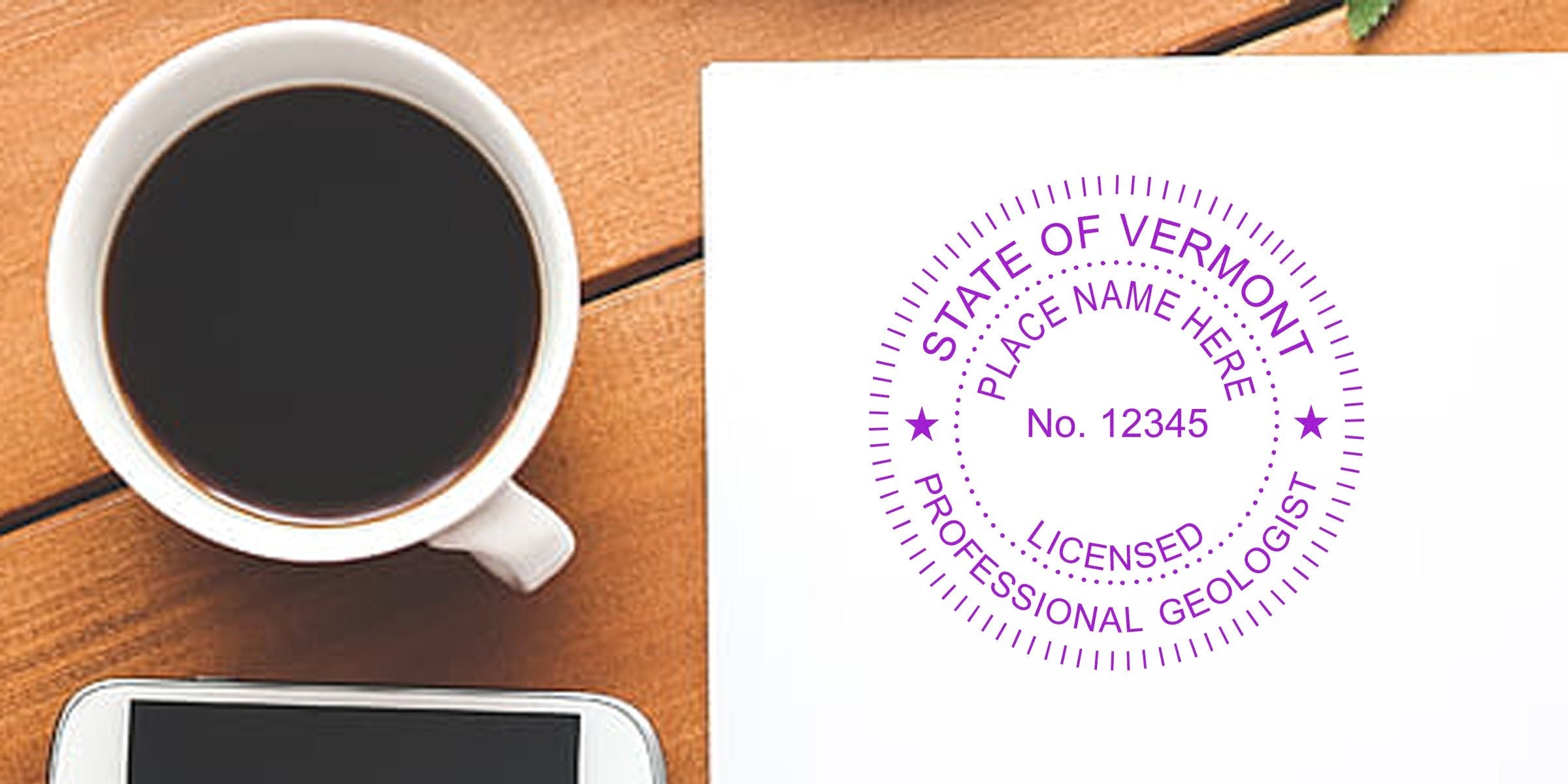
If you’re a geologist working in Vermont, you’ve probably got a lot on your plate—field studies, reports, and compliance documents. That’s where a Vermont geologist stamp template can really step in to simplify your workflow. Having a reliable seal or stamp at your fingertips helps you maintain professionalism and meet state requirements without missing a beat. In this post, you’ll learn why a template is crucial, how to handle Vermont’s official requirements, and what to look for in a trusted supplier so you can keep doing the work you love with total peace of mind.
Understand the Importance of a Vermont Geologist Stamp
In Vermont, Licensed Professional Geologists need an official seal to authenticate their work. You don’t just present your findings, you prove that they’re accurate and meet the necessary professional standards. This small yet powerful stamp leaves a clear impression of your credentials, meaning your projects, documents, and reports gain immediate credibility.
Using a professionally designed geologist stamp also speeds up your paperwork. Instead of scribbling repeated signatures or searching for a notary each time, you can simply stamp or seal the page and move on. Think about the convenience: When you’re finalizing an environmental impact study or a site evaluation, you’ll appreciate how a quick imprint of your seal can satisfy officials, clients, or agencies who need assurance that everything checks out.
Most importantly, though, the Vermont geologist stamp helps protect the integrity of your profession. It ensures that only authorized individuals can certify documents, reducing the risk of forged reports or misunderstandings about who’s truly qualified to provide geology-related services. By using an official seal, you safeguard your expertise and help maintain standards that benefit the entire field.
Review the Official Requirements
Before you get your seal, you’ll want to see what the state expects. Vermont has specific guidelines about the appearance and use of professional geologist stamps. If you’re new to the process or just want to double-check that you’re compliant, start by reviewing the key regulations. One place you can look for a quick overview is Vermont Geologist Stamp Requirements.
Typically, these requirements outline everything from:
- The minimum diameter of your seal.
- Required wording and state identification.
- Whether you need an expiration date or license number.
- The type of ink or embossing you can use.
Paying attention to these details upfront ensures you won’t run into trouble down the road. The last thing you want is to reorder a stamp because you missed a detail about layout or text. By familiarizing yourself with the regulations, you’ll be prepared to pick the perfect vermont geologist stamp template that fits every rule. After all, there’s no sense in investing in a design that doesn’t align with official standards.
If you still have questions, you can reach out to the licensing board or consult fellow geologists who have been through the process. They often have helpful anecdotes or tips so you don’t have to learn everything the hard way. In short, do your homework now and you’ll save yourself major hassles—and possible compliance headaches—in the future.
Select a Vermont Geologist Stamp Template
Having a template is like having your blueprint all set. Instead of building from scratch, you can take a tried-and-true design that already fits Vermont guidelines. That means minimal fuss, because someone else has done the heavy lifting of making sure your seal has the correct shape and required statutory elements.
Why opt for a readymade template rather than designing it yourself? Time is the obvious reason. You won’t spend hours fiddling with design software or worrying about spacing. You simply choose the template that appeals to you and meets the state’s criteria, then customize it with your name, license number, or any other details you need. That alone gives you more freedom to focus on your day-to-day geology work, like analyzing core samples or scouting out new field sites.
Plus, going with a proven vermont geologist stamp template minimizes any guesswork. Templates are generally created by professionals familiar with the legal statutes, so each line of text is placed exactly where it should be. You won’t have to worry about resizing a font or adjusting the outer ring at the last minute. Once you have your template, the rest is smooth sailing.
Design Essentials to Consider
Even if you opt for a pre-made template, there are still design decisions that can impact how your stamp looks and functions. Here are a few essentials to keep in mind:
-
Size and Clarity
Make sure the diameter of your seal matches state standards, typically around 1.5 to 2 inches. You also want crisp lines that hold up over multiple uses, so choose a template or source that uses high-quality engraving techniques. -
Font Readability
Look for clean, simple fonts that are easy to read. Remember, officials and clients might need to verify your license information quickly, so clarity is key. Anything too fancy could become illegible in certain print conditions. -
Material and Ink Options
Some geologists prefer a self-inking stamp for speed, while others like a traditional hand stamp or an embosser for that tactile, professional feel. If you do field surveys or site visits, a portable self-inking design can be quite handy. -
Personal Touches
If allowed by the regulations, you might include small design elements—like a border that references geological patterns or a subtle color. Just be sure any personal flair doesn’t overshadow required text or compromise official guidelines. -
Electronic Stamp Format
In today’s digital age, an electronic version of your geologist seal can be invaluable. Look for suppliers, such as Acorn Sales, that offer a free electronic stamp along with your physical one. That way, you can insert a professional seal directly into digital reports or online documents.
When your seal is both clean and professional, you’ll be proud to stamp or emboss your credentials on every report that crosses your desk. You’re not just meeting the requirements, you’re also presenting your qualifications in the best possible light.
Partner With a Reputable Supplier
Your job is to explore geological formations, not to agonize over whether your stamp is top-notch. That’s why it pays to partner with a provider who specializes in state-compliant stamps and seals. Acorn Sales, for instance, has been in business since 1964 and is a trusted supplier for Vermont Geologist stamps and seals. Their longevity in the industry speaks volumes about the quality and reliability of their products.
When you’re shopping around, consider these points:
- Experience: A supplier with decades under their belt, like Acorn Sales, can guide you through the process of selecting the correct stamp and personalizing it.
- Free Electronic Stamp: Look for a deal that includes a digital seal, so you can tackle both physical and electronic documents without additional fees.
- Customer Support: If something isn’t quite right or you have questions, you want a responsive team you can call or email.
- Range of Options: Whether you prefer self-inking, pre-inked, or an embosser, your supplier should offer it.
Trust is crucial here. If you land on a cheap, subpar design from a random vendor, you could run into problems if the stamp doesn’t meet official Vermont geologist requirements. On top of that, the build quality might be poor, resulting in smudging or fading that won’t hold up to repeated use. By choosing a reputable vendor, you’ll get a durable and accurate seal that serves you well for years to come.
Use Your Stamp Effectively
Once your stamp or seal arrives, start using it right away in your everyday tasks. Need to finalize a technical report? Stamp it. Completing a site survey statement? Pull out that seal. Each time you use the stamp, you reinforce the authenticity of your work and assure agencies and stakeholders that the documents are coming from a properly licensed geologist.
Here are a few practical tips to keep things efficient:
- Store It Safely: Keep your stamp in a clean, dry container or drawer to prevent dust buildup or ink absorption issues.
- Maintain Proper Ink Levels: If you choose a self-inking option, refill the ink when it starts to fade. A crisp impression is crucial for clarity.
- Rotate Stamping Surfaces: If you sign a variety of papers, you might find that certain surfaces need a bit more pressure. Experiment with using a sturdy, flat table or a specialized stamping mat.
- Mark Digital Documents: Don’t forget that free electronic stamp you can insert into PDFs or word processing files. This helps when you can’t meet physically or you’re sending official documents online.
Even more important, be consistent with when and why you apply your seal. Overstamping can diminish its significance, while understamping can raise suspicions about legitimacy in official contexts. Typically, you apply your seal to final, approved documents that are ready for submission. You want to build a routine that ensures your seal is always present where it’s required, but not plastered on every draft or internal memo.
By incorporating the seal into your habitual workflow, you strengthen your professional presence and instill confidence in the parties you work with. Plus, that sense of accomplishment you get when you see your crisp seal on a completed project? It’s pretty rewarding.
A properly designed Vermont geologist stamp isn’t just a legal formality, it’s your certification in a tidy package. By picking a top-notch template, connecting with a reliable supplier, and understanding how to use your seal effectively, you’ll strengthen both your credibility and your workflow. Once you get accustomed to stamping your official paperwork, you’ll wonder how you ever managed without it. So go ahead—turn that intangible professional license into a tangible mark of expertise and trust.
Frequently Asked Questions
Where can I find official regulations for Vermont geologist stamps?
You can begin by reviewing Vermont Geologist Stamp Requirements. This resource summarizes the main points about sizing, format, and text that your seal must include.
What’s the difference between a stamp and an embosser?
A stamp (ink-based) provides a clear imprint that’s easy to reproduce, while an embosser creates a raised mark directly onto the paper. Both are acceptable, though personal preference and the type of documents you handle may guide your choice.
How can I use my stamp on digital documents?
With a free electronic stamp from suppliers like Acorn Sales, you can insert a digital seal into PDFs or word processing files. That way, you can provide official credentials even when you’re meeting or sending reports online.
Do I have to re-stamp every time I renew my license?
Typically, you won’t need an entirely new design. However, you’ll want to make sure your stamp is updated with any changes to your name or license status. If Vermont rules require a revised expiration date or license number, you might need a fresh imprint or updated digital file.
How can I ensure my stamp meets longevity requirements?
Look for quality materials and sophisticated engraving techniques. Suppliers with years of experience, like Acorn Sales (in business since 1964), tend to deliver stamps that are built to last. Proper storage, gentle cleaning, and timely ink refills will also help your stamp stand the test of time.








