
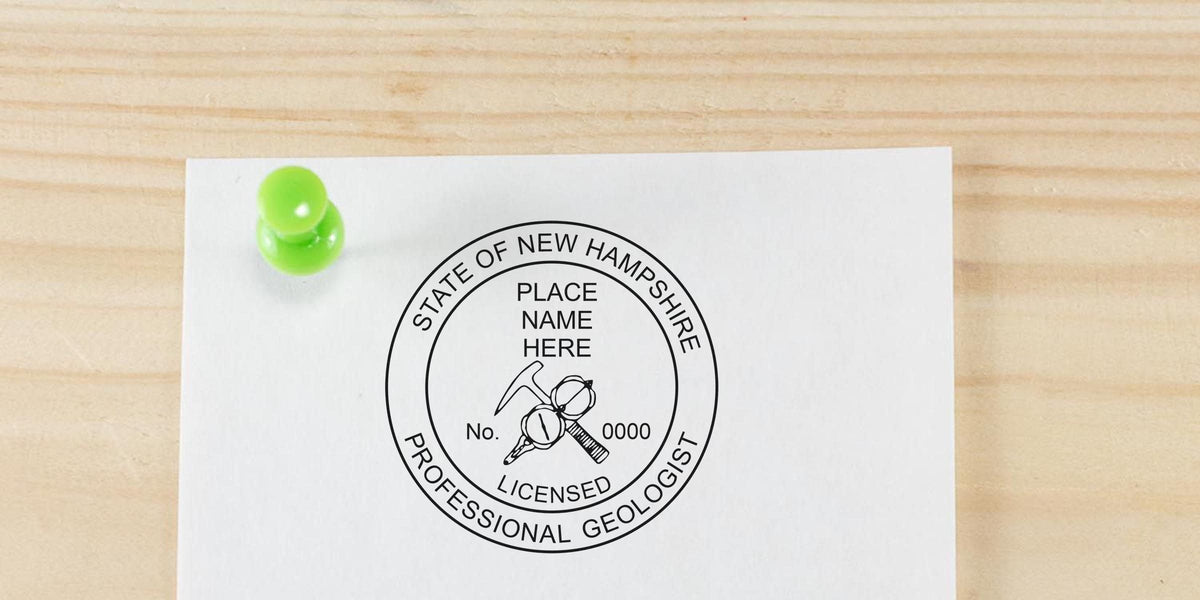
Maybe you’ve heard rumors that in New Hampshire, geologists need a special stamp to authenticate their work. If you’re pursuing or already holding a geology license in the Granite State, you’ve likely come across the term “New Hampshire professional geologist stamp.” This official seal is more than just a nifty adornment for your documents. It’s a critical piece of your professional toolkit that showcases your credibility, ensures legal compliance, and signals that you’re operating under the highest standards of practice.
Below, we’ll explore how you can benefit from obtaining this official mark, uncover the requirements to get licensed, and walk you through the best way to secure your own. Whether you’re just starting your career as a geologist or looking to update your existing credentials, this guide has you covered.
Explore The Licensing Process
Securing your place in the field of geology within New Hampshire starts with understanding the licensing process. Getting your license is not just about fulfilling paperwork; it’s about proving you have the skills, knowledge, and ethical grounding to work in a position that may affect real communities and environments.
Key Criteria For Licensure
-
Education
- Usually, you need a degree in geology or a closely related field. Some states allow related science degrees if your coursework meets certain standards.
- Always double-check the state board’s requirements so you know exactly what courses and certifications you’ll need.
-
Examination
- Most states, New Hampshire included, require passing a comprehensive exam that tests core competencies in geology, such as mineralogy, structural geology, hydrogeology, and more.
- You may need to pass both a fundamentals exam and a practice exam, depending on your background.
-
Experience
- Practical, hands-on experience under the guidance of a licensed geologist is typically essential. If you’re fresh out of school, don’t fret. Look for internships or entry-level positions that let you shadow an experienced mentor.
-
Application & Fees
- Every state has an application and associated fees. In exchange, your name lands on the official registry of professional geologists, which is a mark of both accountability and credibility.
Understanding these checkpoints is key. When you combine the right education, exams, and experience, you’re squarely on track to earn your license. Once you’ve checked all those boxes, you’re ready to learn more about why a professional stamp matters.
Understand Why The Stamp Matters
You might wonder, “Why do I really need a stamp for my geology work?” Let’s be honest: in some fields, official seals can feel more ceremonial than truly functional. That’s not the case for a professional geologist. Your stamp is your formal, legal signature on official documents. It conveys that your analyses, reports, or plans meet rigorous professional standards.
-
Legal Authority
- State laws typically require licensed geologists to stamp or seal the documents they prepare. Without this seal, those documents may not have legal standing.
-
Professional Credibility
- The stamp indicates you’ve passed specific benchmarks and maintain ongoing compliance with New Hampshire regulations.
-
Public Safety
- Geology impacts building foundations, water management, and even disaster prevention. When you apply your stamp, you confirm that your work is both accurate and ethically sound.
-
Personal Accountability
- Using the stamp sets a clear boundary for responsibility. If there’s ever a legal question regarding your work, your stamped documents provide an important paper trail.
Your New Hampshire credential is the key, and the physical stamp is the official handshake that binds your reputation to your work. It’s more than just a formality. It’s a statement that you’re operating at a high professional standard.
Select The Proper Stamp Design
New Hampshire, like other states, has specific guidelines on what your stamp or seal should look like. There’s typically a circle or oval shape, standard text that includes your name and license number, and a reference to your authority as a “Professional Geologist” within the state. While these details may seem minor, they confirm your authenticity at a glance.
Essential Elements
- The words “State of New Hampshire,” “Licensed Professional Geologist,” or a similar variant.
- Your unique license or registration number.
- A design approved by the state board (often a circular border and official lettering).
Some geologists prefer an embosser, which leaves a raised impression on paper. Others prefer a self-inking or pre-inked stamp for quick use on multiple pages. Regardless of style, ensure you stay within the guidelines so your seal is never questioned for legitimacy.
Choose A Trusted Supplier
Finding a supplier is simple, but choosing the right one can make your life much easier. You want to ensure the stamp you order meets state requirements, because if it doesn’t, your documents could be rendered invalid. It’s also worth looking for a supplier who stands by their product and can provide support if there’s a problem down the line.
For more than 60 years, Acorn Sales has been crafting stamps and seals that meet or exceed state standards, including the official new hampshire geologist stamp. This means you’ll get a seal that positions your name and license number correctly—no guesswork needed. You also receive a free digital seal, which is perfect for electronic documents. So if you’re handling digital paperwork, you’ll still have an authorized mark that people recognize.
Why Quality Matters
-
Precision:
Poorly aligned or faded letters can lead to rejections. A clean, legible impression matters to your clients, your partners, and your state board. -
Durability:
If you’re stamping multiple pages a day, you want something that can keep up. Quality materials ensure a long-lasting stamp with consistent impressions. -
Compliance:
A recognized supplier makes it simpler to pass any audits or checks. You’re less likely to run into issues when your seal is designed to meet state guidelines right from the start.
Apply Your Stamp Correctly
Having your official stamp is only half the story. You also have the responsibility to stamp your documents the right way. Each state board has rules on which documents require a seal, typically including final reports, official mapping, or any other form of record that might appear in court or public offices.
-
Verify Document Completion
- Review your report or plan to make sure it’s complete and accurate. If you find errors after stamping, you may need to revise and stamp anew.
-
Place The Seal Appropriately
- Usually, the seal goes near your signature or on a designated “licensed professional” box within the document.
- Avoid stamping over text or in an area that’s too faint to see clearly.
-
Keep Records
- Maintaining a log of every document you stamp protects you in case questions arise later.
-
Understand Digital Options
- In the modern era, a digital version of your seal can be used on PDF documents. This is where your free digital seal from Acorn Sales comes into play.
Stamping Best Practices
- Double-check that you’re using the correct license number.
- Replace ink pads if the impression starts to fade.
- Store your stamp in a secure location to prevent tampering or misuse.
- Consider scanning or photographing your stamped pages for your own records.
Wrap Up And Next Steps
New Hampshire’s rules for geologists aren’t meant to be a barrier to entry. They’re there to preserve the integrity of the profession and protect public well-being. By obtaining and properly using your New Hampshire professional geologist stamp, you show more than compliance. You show commitment to delivering high-quality, verified work.
So what’s your next step? If you’re in the final phases of licensure, make sure you’re ready with a compliant stamp as soon as your license is confirmed. If you already have your license but have yet to order your official seal, consider getting one from a dependable supplier like Acorn Sales. It’s a straightforward process that can elevate your professional image and assure all stakeholders—the state, your clients, and your own conscience—that you mean business.
With this knowledge in hand, you’re more than ready to get your stamp and put it to work. Remember, it’s not just about fulfilling a legal requirement. It’s about maximizing your professional credibility and giving your clients—plus yourself—complete peace of mind. If you’re ready to order or have any questions, reach out to Acorn Sales for a quick chat. You’ll feel proud when that official imprint of your name and license number appears on the documents you’ve worked so hard to perfect.
Frequently Asked Questions
How do I confirm whether my seal meets state requirements?
” Double-check the official New Hampshire Board of Professional Geologists website, or consult the license rules you received upon initial application. If you order from a reputable vendor like Acorn Sales, they typically ensure the design adheres to state norms.
Can I use a digital seal on all documents?
” Digital seals are generally acceptable on electronic documents, especially when they’re part of official online filings. However, some agencies still require physical copies with an embossed or inked impression. Confirm the preferences of the agency you’re submitting to.
What if I move to another state?
” Requirements and reciprocity vary by region. If you plan to practice geology in another area, check whether your license transfers and whether you’ll need a new stamp that references that state’s license.
Are there any ongoing fees or renewals for my stamp?
” While the stamp itself is a one-time purchase, your professional license typically has renewal fees. The state will let you know what’s expected. If your license number changes or you upgrade your status, you might need a new stamp.








