
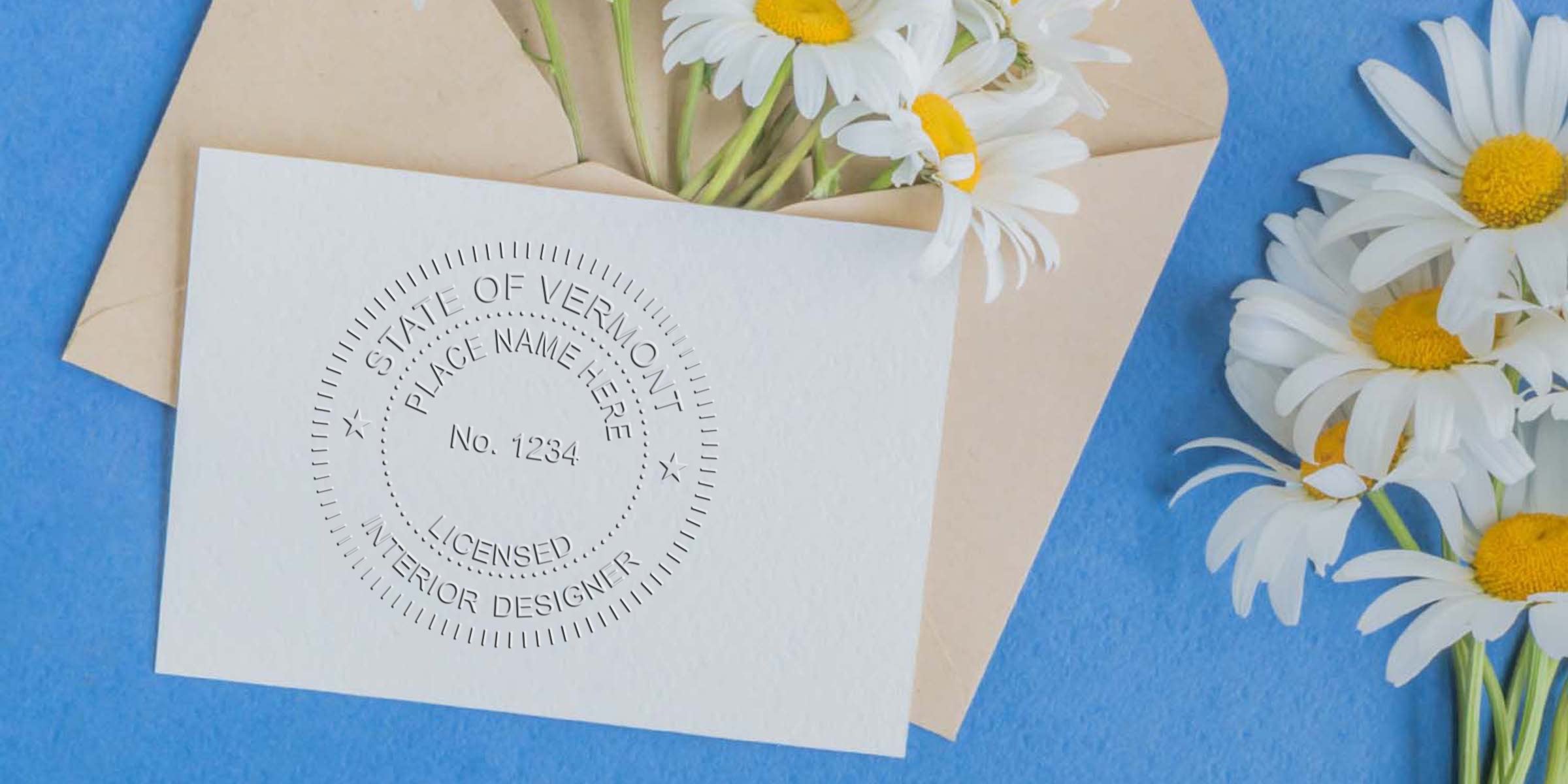
Understand the Vermont Interior Designer Stamp Cost
If you are pricing a Vermont interior designer stamp, start with the fact that shapes the whole purchase: Vermont does not license or register interior designers. The Office of Professional Regulation, under the Secretary of State, publishes the list of professions it regulates. That list includes architects, engineering, land surveyors and landscape architects. It does not include interior designers. There is no Vermont interior design credential, no state issued number to print, and no Vermont document that asks for an interior designer's seal.
So what you are budgeting for is a professional mark you chose to own. Designers in Vermont buy one anyway, and for a sound reason: a clean impression beside a signature says who prepared the drawings and makes a set look finished. This post covers what drives the price, how to keep it down without ending up with a device you will set aside, and what to put on the die when nothing is prescribed. For the sources behind the research, read Vermont Interior Designer Seal: Off a Long List.
Why Designers Buy One
Your finish schedules, furniture plans, specifications and proposals get copied, emailed, printed and marked up by people who were never in the room when you made them. A mark on the page keeps your name attached to the work as it travels, and it tells a contractor six months later who prepared the document in their hand.
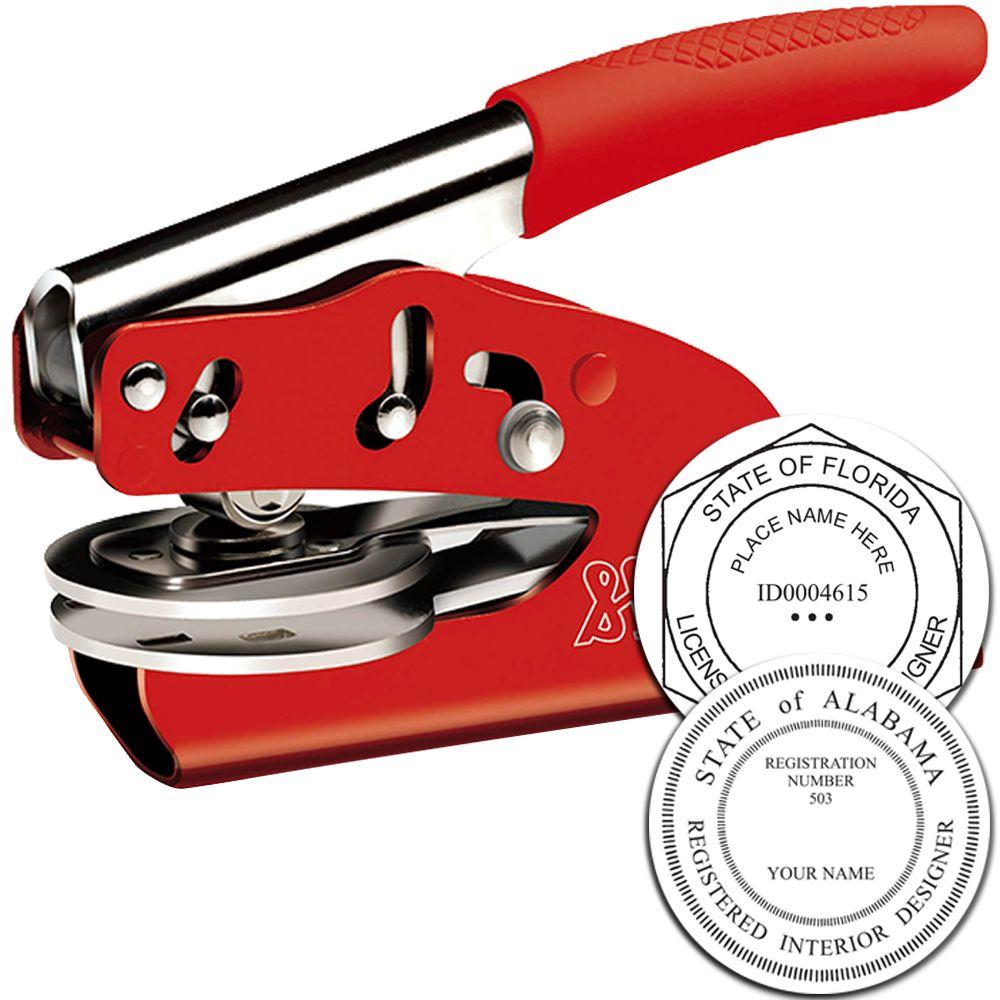
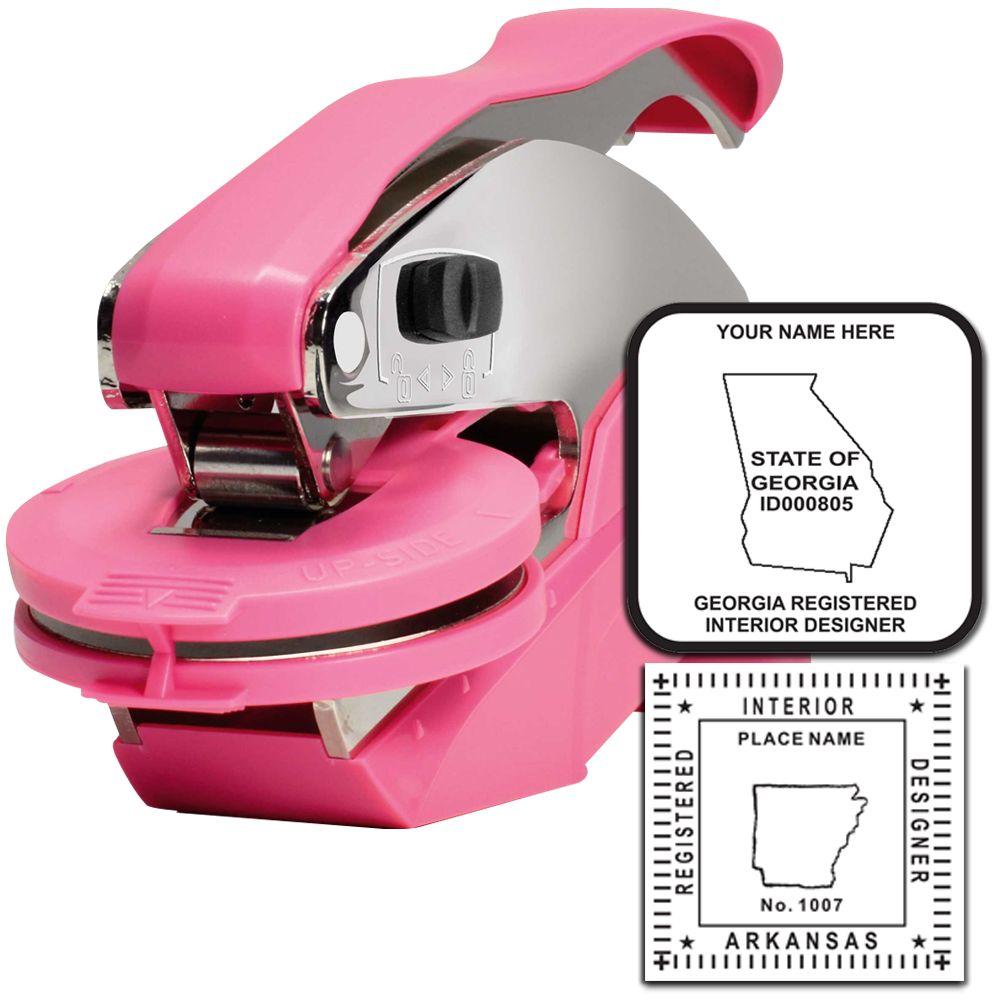
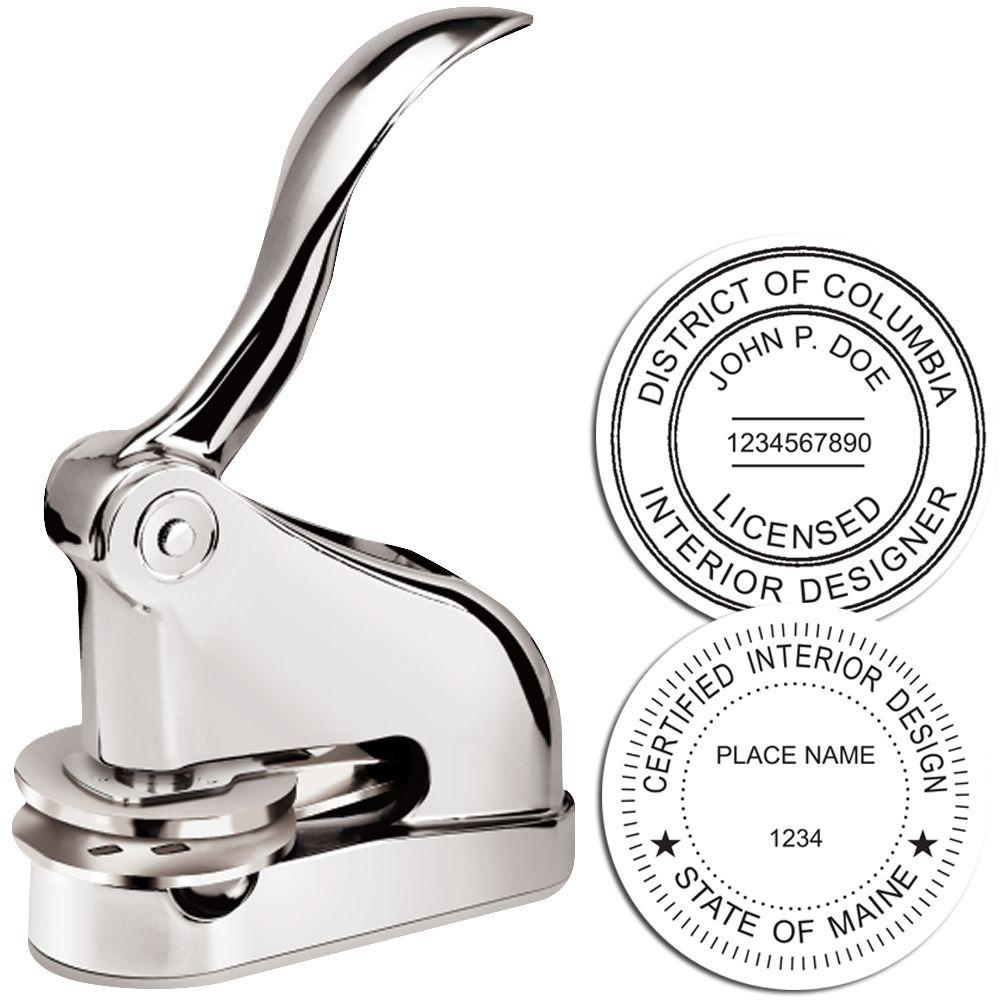
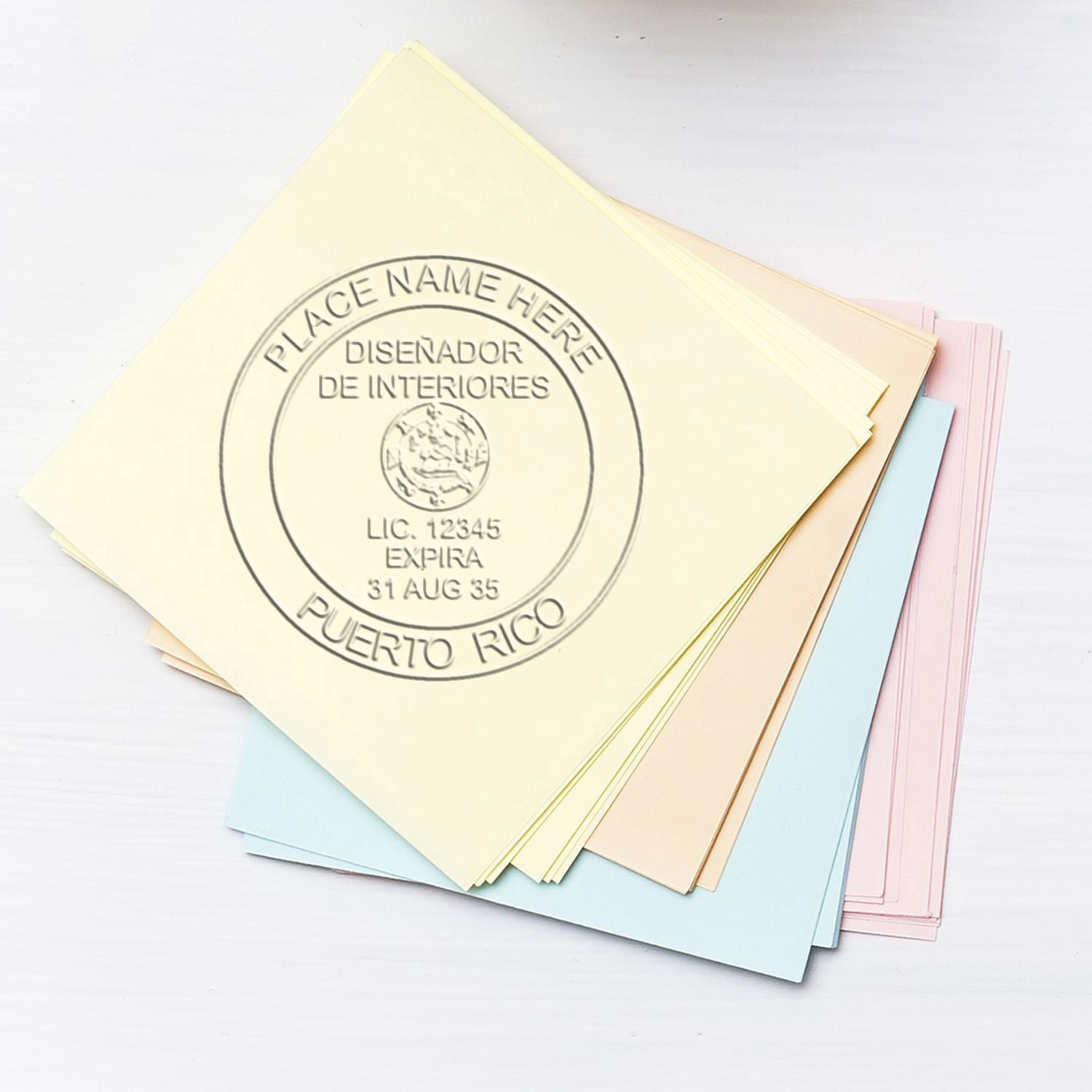
It also reads as care taken. When you hand a client a bound set with a clean impression on the cover, you are making the same argument your portfolio makes, quietly. If you want to see how different layouts read at actual size, look at our interior designer stamps and seals before you settle on your own wording.
Consider Cost Factors
A few things move the price of a Vermont interior designer stamp:
- Material and build quality
- How much text and detail the layout carries
- The mount style: hand stamp, self-inking, pre-inked or embosser
- What the supplier includes, such as a digital file and a proof
Below is how each of those tends to play out in practice.



Material and Durability
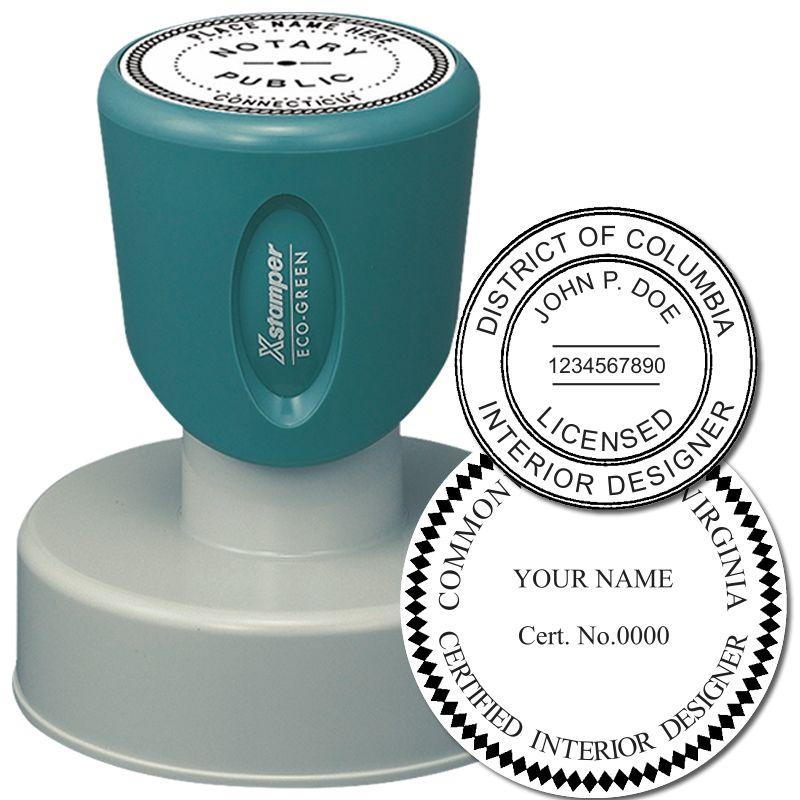
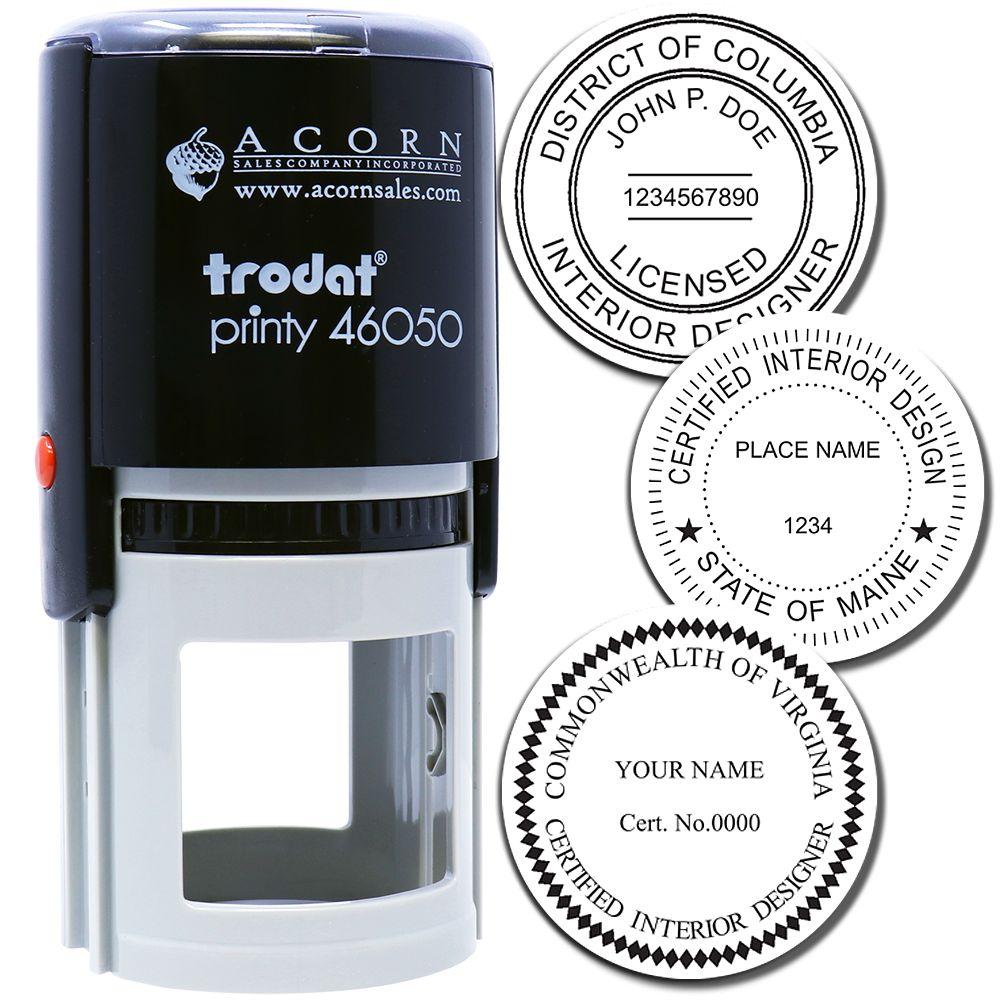
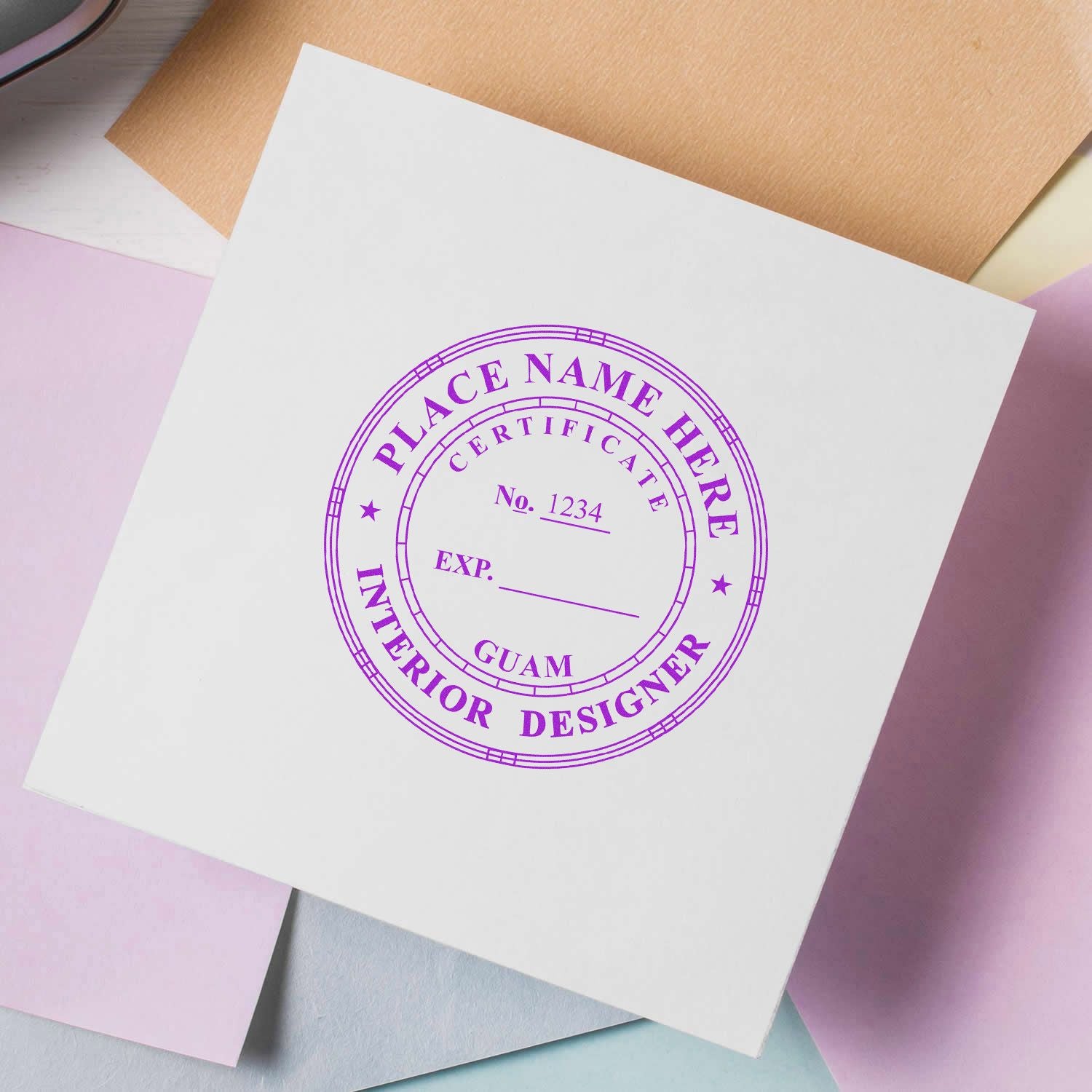
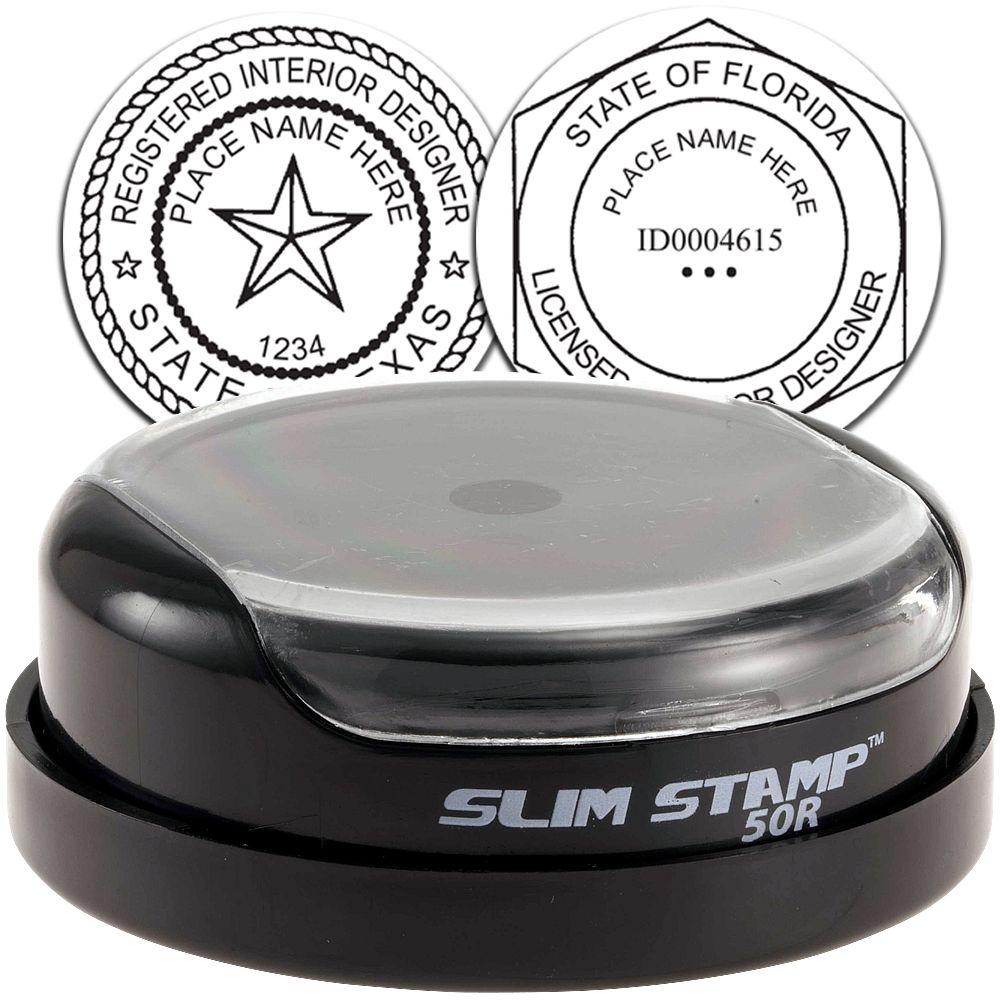
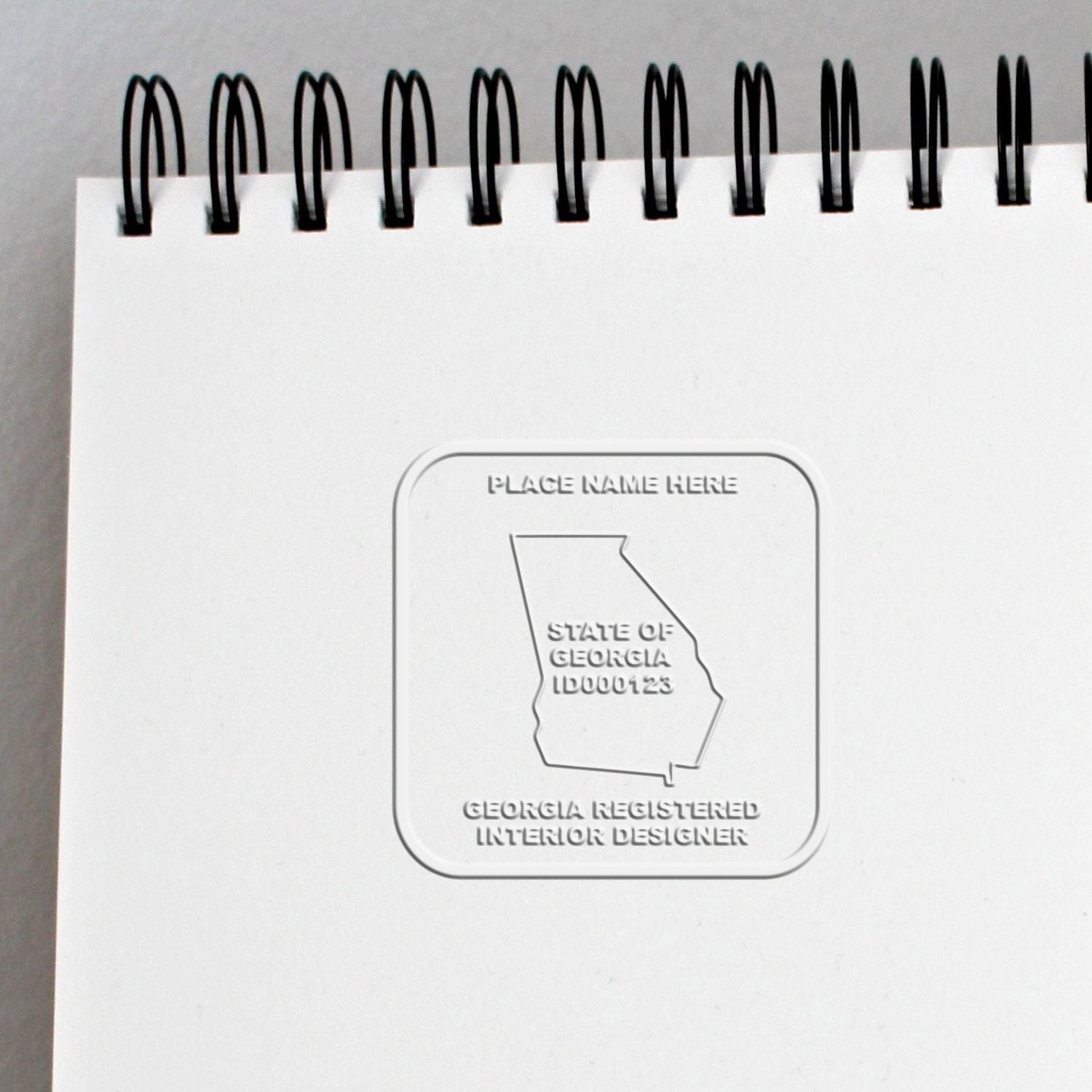
Stamps and seals come in everything from plastic-bodied handles to heavy metal frames. If you expect to use the device often, durability is what you are paying for. A sturdy metal frame costs more up front and holds its alignment through years of use, which usually works out cheaper than ordering twice.
Plastic models cost less at the outset and wear faster under daily use. Weigh the immediate saving against how often the device will actually come out of the drawer. If it is going to be in your hand every week, spend on the mount.
Design and Customization
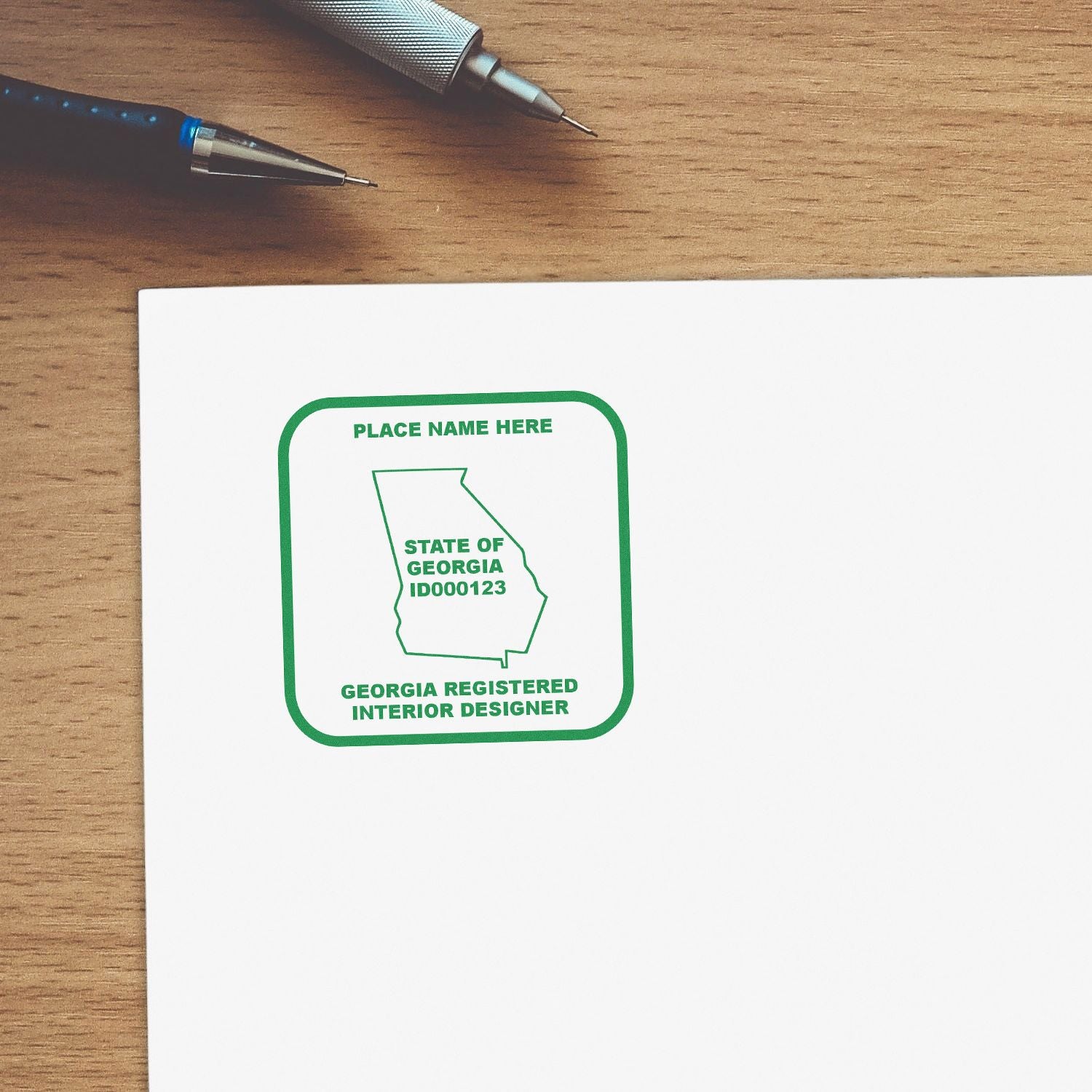
The other cost driver is how much you ask the layout to carry. Vermont prescribes nothing, so the wording is entirely your decision. Most designers use their name as they sign it, their studio name, and a title such as Interior Designer. Some add a city or a contact line.
Detailed typography, a logo or extra lines add production work and cost, and they add risk too, because every line still has to stay open and readable at the finished size. Clarity is worth more than flourish here. A simple layout is usually cheaper and usually reads better.
One thing to leave off: any wording implying a Vermont license or registration. The state issues neither to interior designers, so a die reading Licensed Interior Designer, Vermont describes a credential that does not exist. If you hold a certification from a national body or a credential from another state, print that body's exact wording, name the state that issued it, and show it only while it is current.

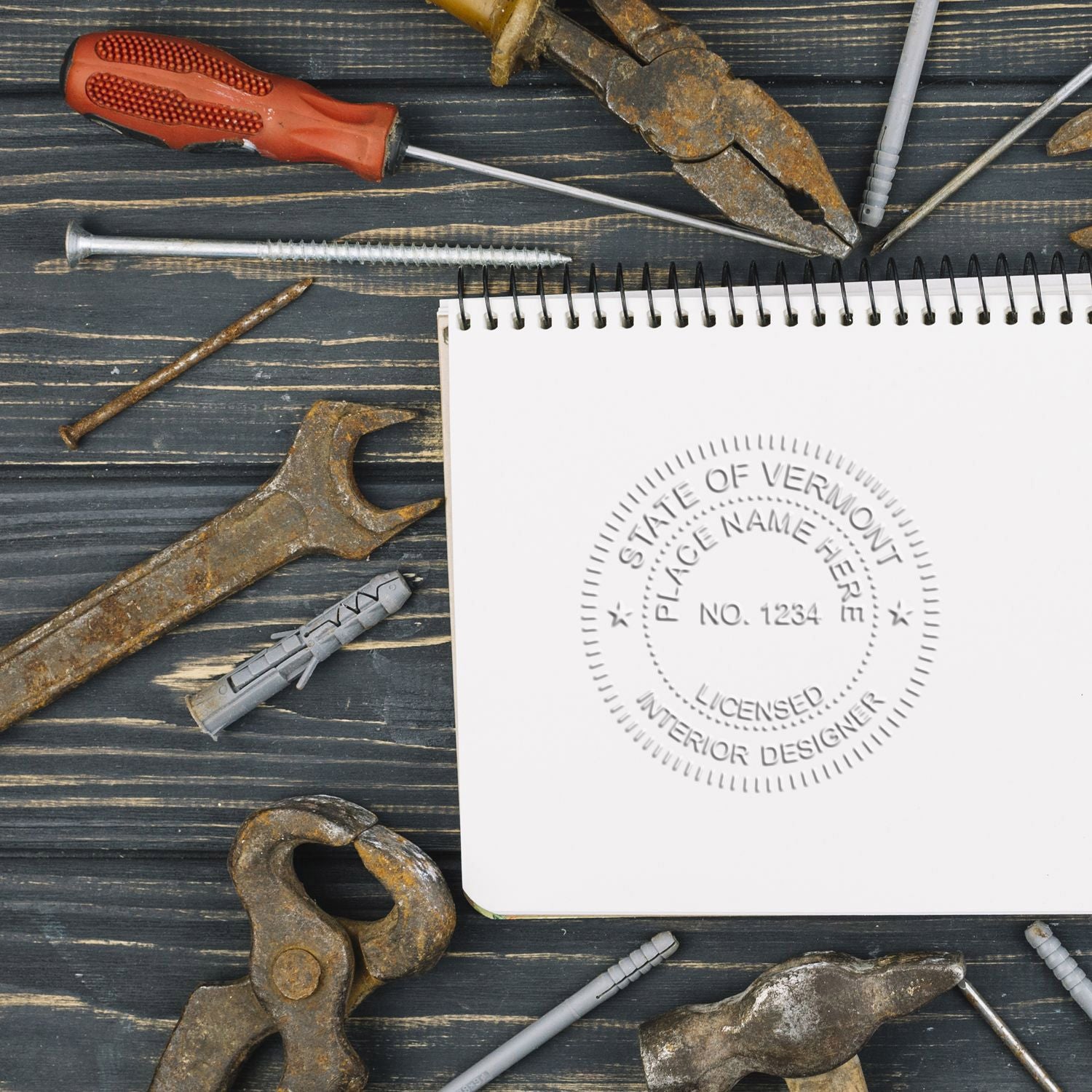


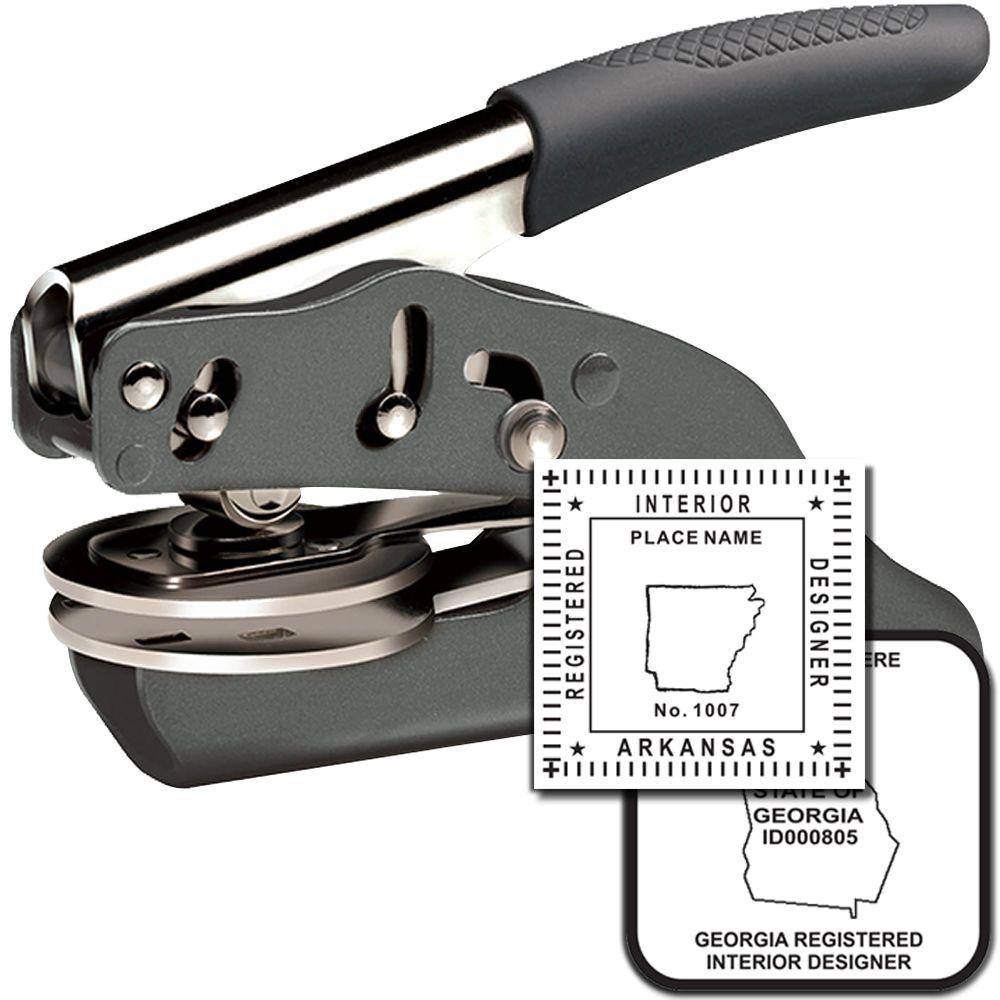
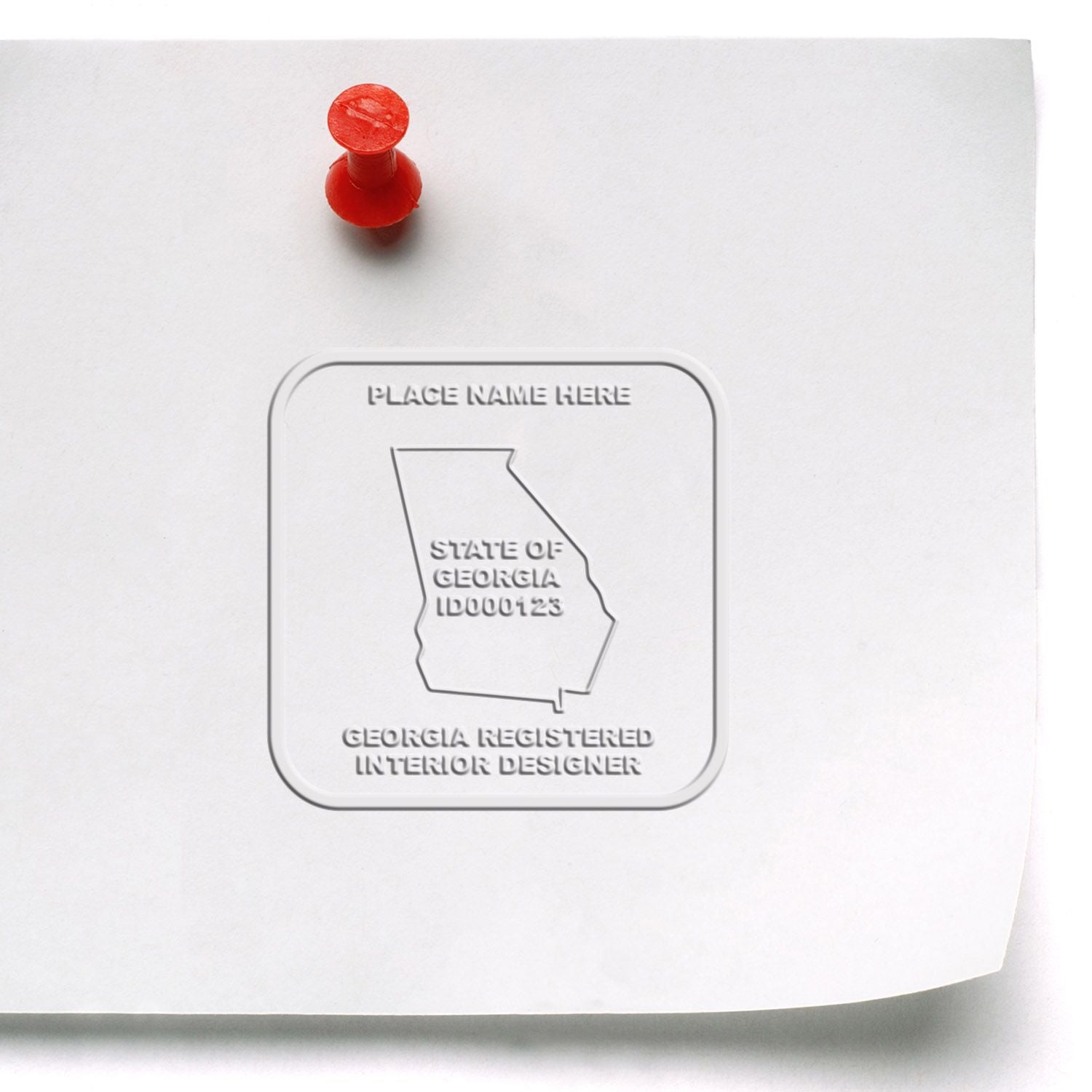
Explore Acorn Sales
When you are choosing a vendor, what you are really buying is a clean die, a sensible layout and someone who will read the proof with you. Acorn Sales has been making professional stamps and seals since 1964, and our people have set thousands of layouts. When no template applies, that experience is the value: we start from what reads well at the size you picked.
Free Electronic Seal
A free electronic seal comes with your order. It is a high resolution image that mirrors your physical mark, so you can finish a PDF on screen instead of printing, stamping and scanning it. For a practice juggling remote clients and digital submissions, that file often gets more use than the device itself.
Decades of Experience
You might wonder why a long track record matters for something as simple as a stamp. It shows up in small ways: a layout that does not crowd at actual size, a proof that catches a misspelled studio name before the die is cut, and someone available when a question comes up mid-order. Those are the things that keep a first order from becoming a second one.
Save on Your Stamp
Cost matters, and you can keep it in check without ending up with something you will not use.
Choose a Reputable Supplier
Hunting for the cheapest listing online is tempting, but a seller who does not make professional marks regularly will not catch a crowded layout or a thin die. Working with an established company prevents the expensive version of this mistake, which is paying twice for the same stamp.

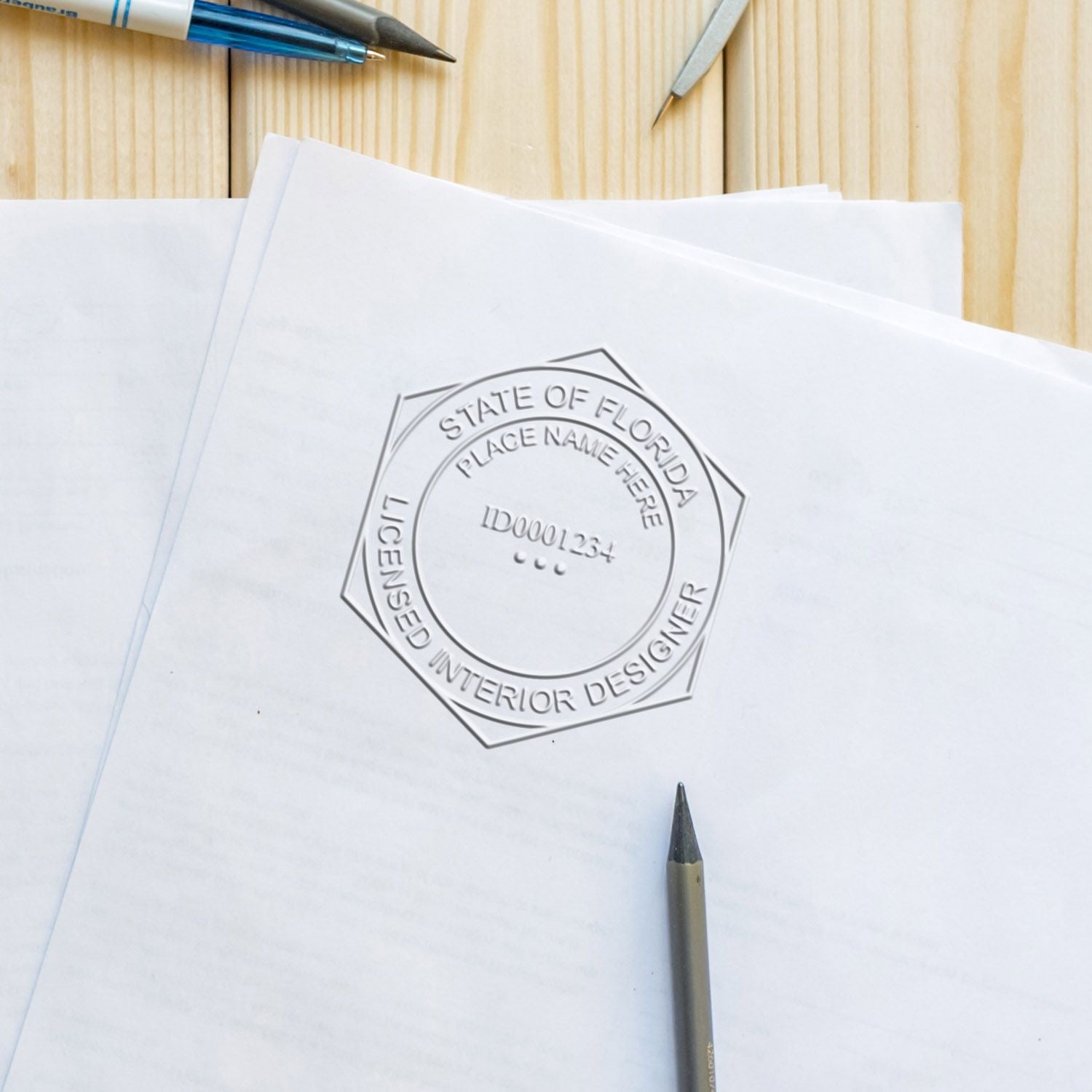


Look for Bundled Options
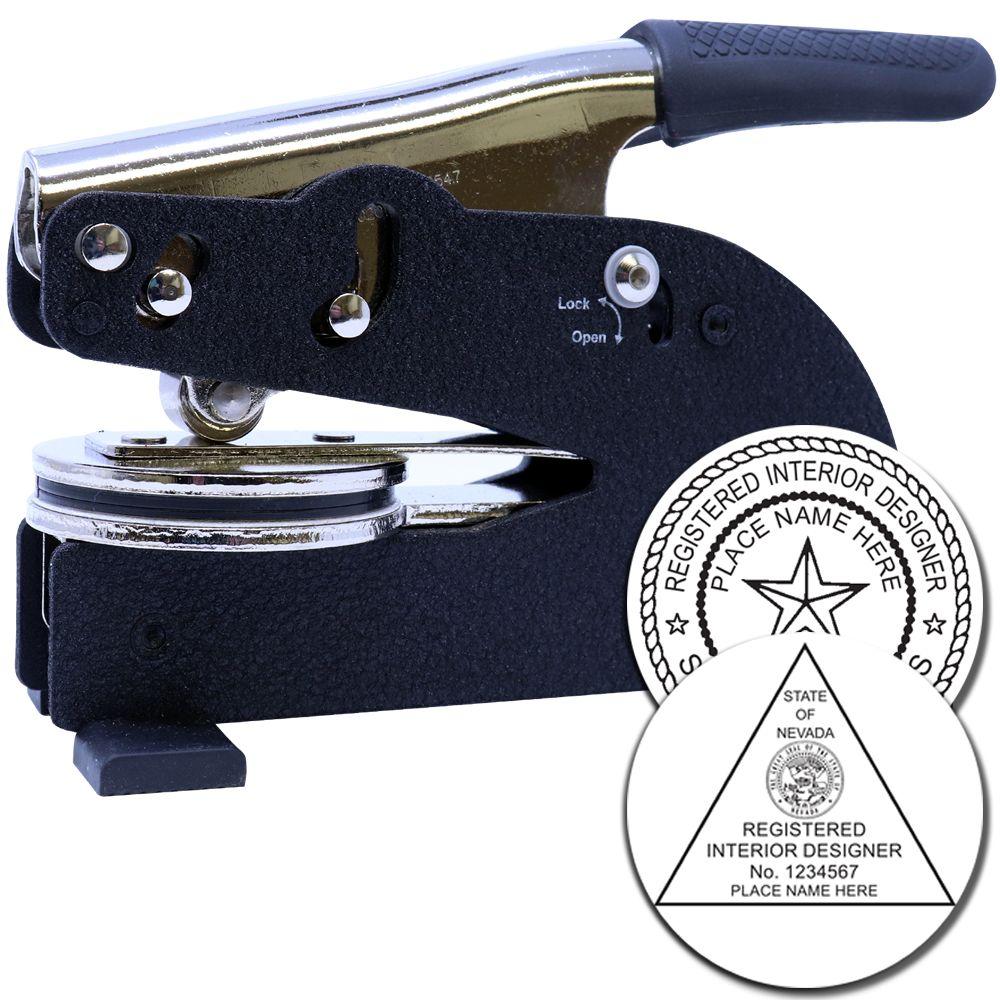
Ask whether your supplier offers bundles. Buying an embosser and an ink stamp together is often cheaper than two separate orders, and it covers both the bound client set and the everyday marking you do in the studio.
Shipping is the other lever. If you plan a little ahead, standard shipping is fine and you skip the premium. A bit of lead time is usually all it takes.
Use the Mark Well
Since nothing here is governed by a rule, the discipline is yours to set, and a little of it keeps the mark meaningful.
- Reserve it for work you stand behind: drawing sets, schedules, specifications, proposals and formal transmittals.
- Put the impression in the same place on every sheet, so it reads as deliberate rather than accidental.
- Use the same mark on printed and digital copies, so both look like they came from the same practice.
- Keep your own short record of what you issued and when, which settles questions about versions later.
When to Order Again
No rule change will ever force you into a new stamp, because no rule governs the design. The reasons to order another are your own: a new studio name, a legal name change, a new certification you want to show, or a device that no longer prints cleanly.
Next Steps
- Write out the exact wording you want, line by line.
- Choose the mount style that matches how often you will stamp.
- Decide whether an embosser, an ink device or both suits how your documents travel.
- Check whether a digital file is included before you compare prices.
- Read the proof letter by letter, then confirm the delivery date.
When the stamp arrives, press a few impressions on scrap paper before it touches a real sheet. You want every letter open and the whole mark even.
The short version: a Vermont interior designer stamp is a presentation choice, not an obligation, and the price follows the materials and the layout rather than any state specification. Settle the wording, pick a device built for how you work, and buy from someone who shows you a proof. Your documents go out looking like they came from a practice that pays attention, which is the honest reason to own one.
Frequently Asked Questions
Do I really need a Vermont interior designer stamp?
No. Vermont does not license or register interior designers, and no Vermont document asks for an interior designer's seal. Designers buy one because it identifies the author of a set and gives the presentation a finished look.
How much should I budget?
It depends on the device. A basic plastic-bodied stamp sits at the low end, a metal-framed embosser at the higher end, and extra lines of text or detail push it up. Weigh how often you will use it against what you want to spend.
Does my stamp ever expire?
No. There is no Vermont credential behind it to lapse or renew. The only limit is the device itself, which eventually wears out under heavy use.
Are electronic seals acceptable in Vermont?
There is no state rule either way for interior designers, so what counts is whether your client or the reviewing office accepts a sealed PDF. Ask before a deadline rather than after. Acorn Sales includes a free electronic seal, so the file is ready when you need it.
Who is Acorn Sales?
Acorn Sales has been supplying professional stamps and seals since 1964. We make the device to the wording you approve, send a proof before anything is cut, and include a free electronic seal with your order.








