
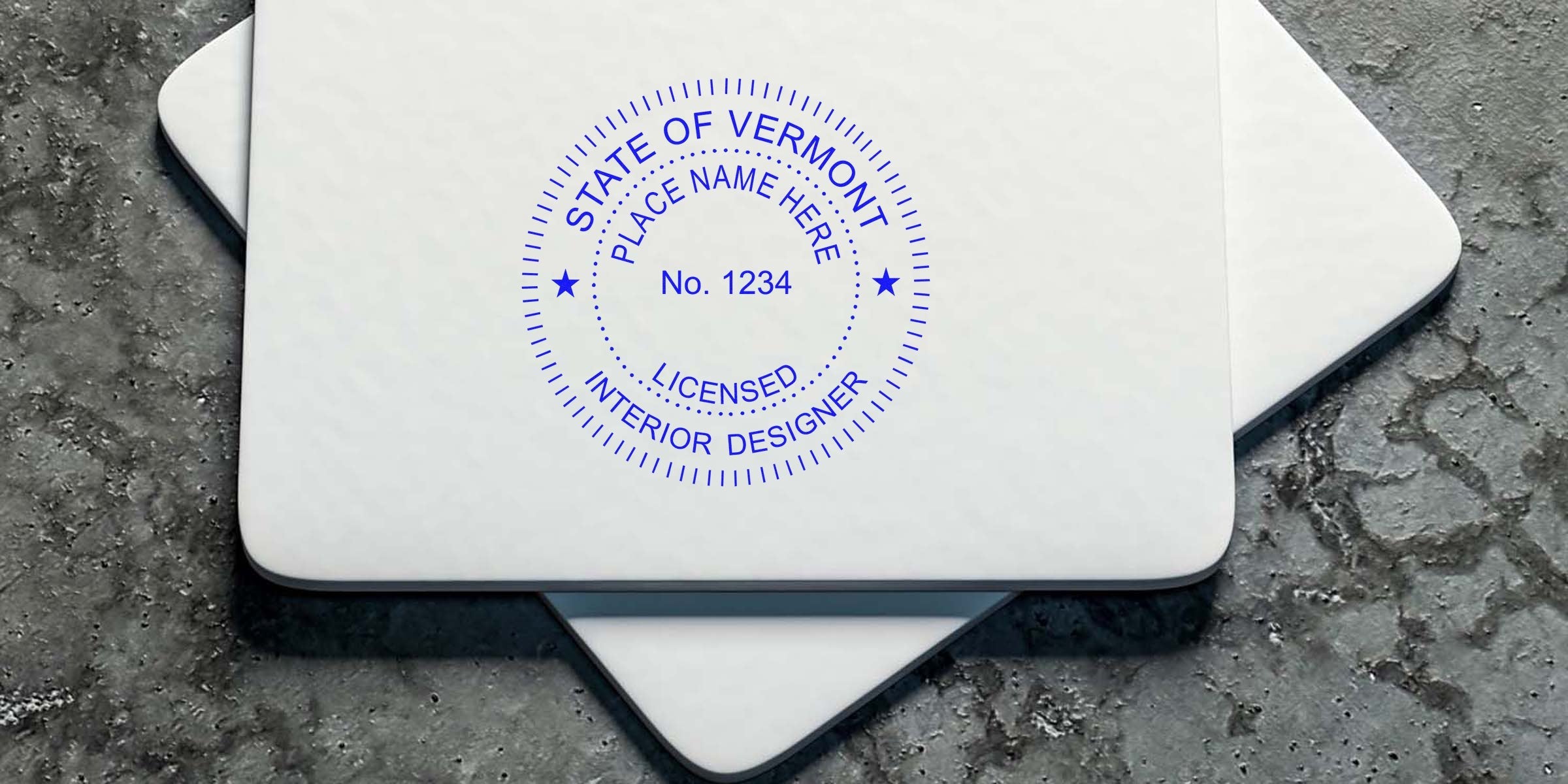
If you’re looking for a trusted Vermont interior designer seal maker to elevate your professional image, you’re in the right place. Having a proper seal can instantly represent your credibility when partnering with clients, peers, or regulatory bodies. It’s more than a simple stamp—it’s a crisp symbol that shows you’re taking your career seriously. Plus, it helps you stay aligned with Vermont’s state requirements for design professionals.
In this guide, you’ll discover how to pick a reliable seal partner, make sense of the legal details, and get the most out of your Vermont Interior Designer Seal. You’ll also find practical tips on managing a free electronic seal for convenient digital sign-offs. By the end, you’ll be ready to present your work with confidence, knowing you’ve checked all the right boxes.
Discover Vermont Interior Designer Seals
A Vermont Interior Designer Seal is a specialized embossing or stamping tool that design professionals use to authenticate their drawings, plans, and official documents. Think of it like a personal signature that carries an extra layer of reliability. It proves you’re following local licensure rules and that you’ve met professional standards.
Why Seals Are Essential
There’s a tangible difference between simply adding your name on a drawing and stamping it with an official seal. The seal:
- Confirms you’re a licensed or registered interior designer in Vermont.
- Offers a sense of formality that helps build client trust.
- Differentiates your work from unverified submissions.
- Demonstrates readiness for audits or legal checks.
When potential clients see a recognized seal, they know they’re working with someone who respects and understands the legal guidelines. That extra formality goes a long way, especially in fields where accuracy, code compliance, and meticulous attention to detail are a big deal.
Confirm Legal Requirements
Before you invest in any physical or electronic seal, it’s smart to double-check the specific rules that apply in Vermont. Regulations can vary from state to state, so you want to be certain your chosen seal meets every requirement, including size, text, and layout.
Meeting State Standards
It’s best to consult both your local licensing board and official guidelines. Many Vermont-based interior designers review details on dimension, wording, and authorized usage through official documents or specialized resources. You might consider referencing these guidelines or any local associations that regularly update the rules. Doing so ensures your final seal design is completely compliant and won’t need an expensive revision later.
For more details on the ins and outs, you can look at vermont interior designer stamp requirements. This resource outlines the essential specifications you should know. From recommended fonts to signature placements, a simple read-through can save you a ton of hassle.
Rely On A Trusted Maker
When your name is literally on the line, the last thing you need is a subpar seal that smudges, breaks, or fails to meet official standards. That’s why choosing a reputable provider is such an important step. You want a seal that’s durable, crisp, easy to use, and designed to reflect your professionalism in every impression.
Why Acorn Sales Stands Out
If you’re ready to invest, one name that’s been around for more than 60 years is Acorn Sales. Over the decades, they’ve refined their processes to offer the dependable quality that interior designers in Vermont look for. Here are a few highlights about their service:
- They have an extensive track record for creating high-precision stamps and seals.
- Every seal purchase also comes with a free electronic seal, which is perfect if you need to finalize documents via email or online submission.
- They know how to meet Vermont’s official requirements, making it easier for you to stay legally compliant.
- Customer support is friendly, so any questions you have about ordering, design, or usage are handled quickly.
When you work with a reliable Vermont interior designer seal maker, you avoid common pitfalls like incorrect seal dimensions or unclear font types. Plus, you can confidently submit your documents, knowing the seal you’re using is recognized by the necessary boards and associations.
Use A Free Electronic Seal
In our increasingly digital world, an electronic version of your seal can save you a lot of time. Imagine having a crucial revision due in a matter of hours, but you’re not in the same room with your old-school seal embosser. By uploading your free electronic seal to a PDF or design file, you can authenticate your work from anywhere.
Streamline Your Digital Process
An electronic seal makes it easy to:
- Send quick approvals without printing and rescanning your documents.
- Archive multiple drafts of the same file, each with its own official seal.
- Keep a cleaner, clutter-free workspace since you don’t have to rely on a physical seal for every single page.
The digital stamp comes in handy when you’re at home, traveling, or simply looking to cut down on paper. It also reduces the turnaround time for collaborating with other professionals, such as architects and civil engineers, who might need your sealed documents ASAP. For you, this means faster project cycles and more flexibility to tackle design work wherever you are.
Master Your Seal Usage
Once you have your physical and electronic seals, the next step is applying them correctly in your day-to-day workflow. Interior designers typically use seals on final drawings, project proposals, and official communications with state boards or clients.
Practical Tips For Daily Work
- Make Sure the Seal Is Clear: Test it on a scrap sheet to confirm legibility before you apply it to official documents. If it looks smudged or incomplete, adjust your embosser or update your ink pad.
- Position It Properly: Check guidelines on where the seal should appear. Some requirements specify a specific corner, margin, or an area near your signature line.
- Avoid Overuse: While it’s tempting to seal every page, confirm local laws to see exactly which documents truly need the seal. Over-sealing can dilute its formal impact.
- Date and Store Carefully: For physical documents, keep them in a folder or cabinet that’s safe from moisture and sunlight. Electronic versions should be stored in a secure digital folder or cloud service, with clear labeling.
Used strategically, your seal is a tool that tells clients and authorities you’ve followed rules, triple-checked your work, and respect the formalities of your profession.
Wrap Up And Next Steps
Your Vermont Interior Designer Seal is more than a fancy add-on. It’s a practical, professional tool that can make your projects look polished while confirming you meet state guidelines. Taking the time to lock in the right seal design, confirm it aligns with local rules, and select a reputable vendor like Acorn Sales means you’ll have confidence in every impression you make.
Whether you opt for a physical embosser or rely on an electronic version for last-minute changes, having a seal on hand is a simple way to show you take every detail of your work seriously. It also sends a message that you’re committed to safeguarding client interests, meeting compliance standards, and keeping your credentials up-to-date.
Now that you know the ins and outs, you can finalize your seal plans. When you’re ready to order, remember that Acorn Sales provides a free electronic seal along with your purchase. With a track record of over 60 years, they focus on what matters most to design pros like you: clarity, durability, and compliance.
If you’ve got questions on Vermont’s exact specifications, don’t forget to review the vermont interior designer stamp requirements, or contact the state board. Once you set up everything correctly, each impression becomes an emblem of trust in your professional journey. Enjoy the ease and assurance that a well-chosen seal brings, and keep turning your design visions into reality.
Frequently Asked Questions
Do I need a seal if I’m just starting out as an interior designer in Vermont?
- Usually, you need to confirm registration or licensure before legally sealing documents. Check local regulations or consult vermont interior designer stamp requirements for specifics on when you can start using your seal.
What exactly qualifies as ‘official’ usage for my seal?
- Official usage can include final project documents, contracts, and design specifications that require an authenticated signature. If in doubt, contact the Vermont Board of Architects or comparable interior design councils.
How often do I need to update my seal?
- Stamps and seals generally remain valid as long as your license or registration is current. However, if local rules change or your personal details (like name or company) shift, you may need an updated seal.
How can I be sure my digital seal won’t get misused?
- Many designers store their electronic seal file on a secure, password-protected server. You can also add watermark features or use PDF encryption if you want an extra layer of security.
Can I share a seal with a co-worker?
- Typically, each professional has their own seal since it’s directly tied to their personal credentials. Sharing one seal might blur responsibility between you and your colleague, so it’s usually not advisable.








