
Understand the notary role in Hawaii
In Hawaii, notaries are commissioned officials who attest to the legitimacy of signatures, administer oaths, and certify copies of certain documents. This responsibility helps prevent fraud, ensuring each document remains legally sound. If you’re stepping into a notary role, you become a key figure in building a reliable chain of trust for sensitive legal agreements.
One of your top concerns as a new notary might be how to properly use your credentials. You’ll need to stay updated on Hawaii laws and any changes that affect notary practices. Whether you’re verifying a property deed or witnessing a power of attorney, the correct use of your stamp or seal is essential to your professional credibility.
Know Hawaii notary seal requirements
Whenever you pursue official notary work in the Aloha State, the first question is often how to meet Hawaii notary seal requirements. Let’s be honest, the guidelines can sound intimidating at first, but they aren’t as complicated as they might seem. By having a clear handle on these rules, you can be confident that your official acts remain valid and recognized.
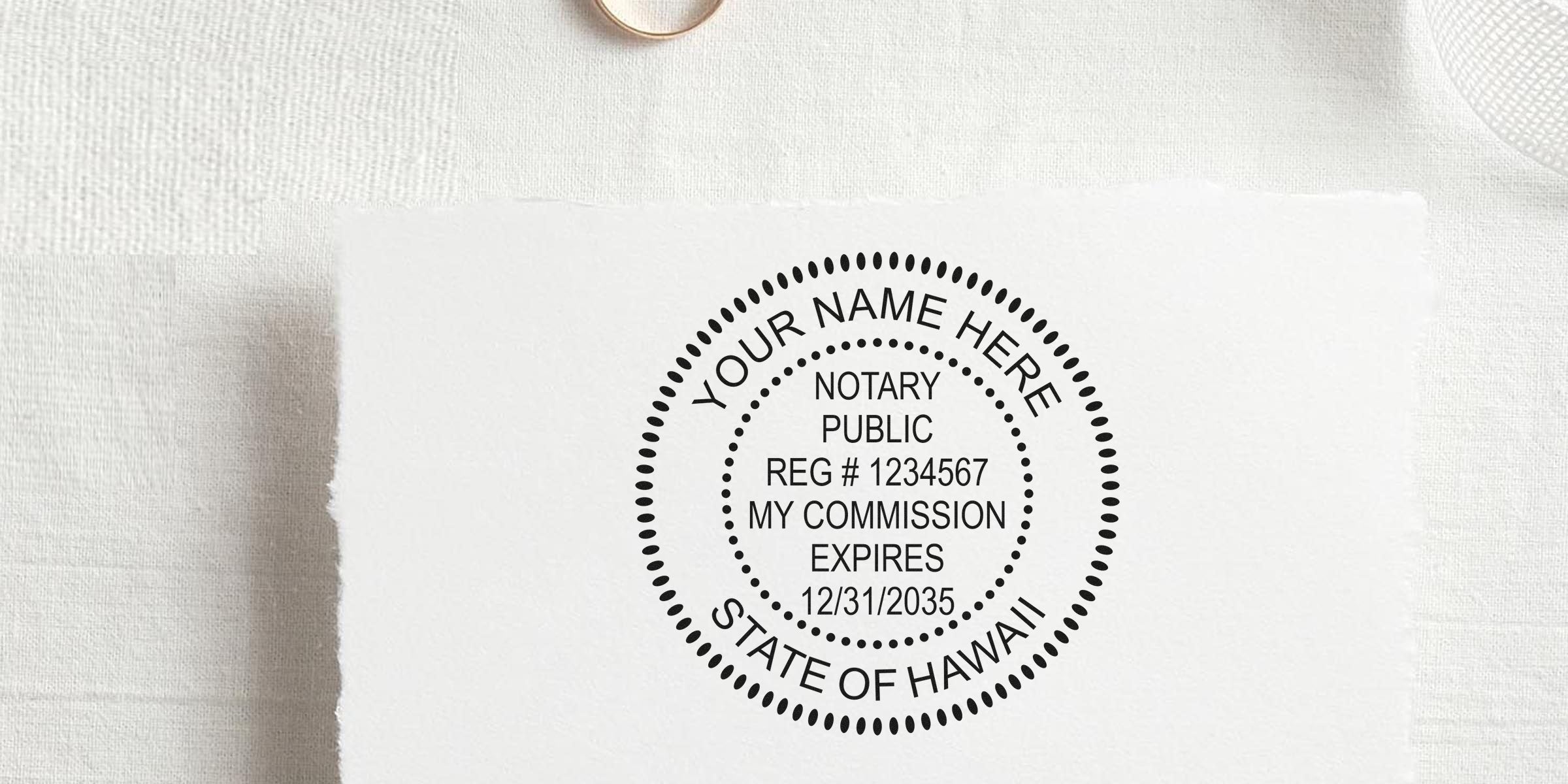
According to state law, you need a clearly legible seal that includes specifics such as your name and the words “Notary Public.” Depending on the latest regulations, you may also be required to display your commission number and “State of Hawaii.” This ensures anyone reviewing your notarized documents can identify who performed the notarial act. When you’re selecting a seal, it’s best to keep the design simple so your crucial details stand out clearly.
You also want to remember that Hawaii notary seal requirements typically emphasize that a seal impression or inked stamp must be used. Whichever format you choose, make sure it’s readable. Using one that is too large for standard margins or too small to make out can lead to practical issues, especially if recipients can’t verify your identity properly.
Secure proper seal design
Your notary seal is more than just a rubber stamp, it’s your signature tool for confirming the authenticity of every document you handle. Embosser seals create a raised impression, while self-inking stamps use quick-drying ink. Both are great choices, but it’s wise to revisit Hawaii notary seal requirements to confirm which style is currently acceptable. Some notaries keep both on hand for different document types.
Choosing a basic, compliant layout helps you meet all guidelines. Typically, you want your official name, the phrase “Notary Public,” your commission number, and “State of Hawaii” displayed in a clear, circular or rectangular shape. It’s also crucial that the seal’s format doesn’t obscure any signatures or important text on the document. If your seal overlaps crucial information, it can raise questions about the document’s validity.
Acorn Sales has been crafting seals and stamps for over 60 years, so we understand the need for precision and readability. We offer quick turnaround on custom orders and ensure that each seal is state-compliant, making your job less stressful. Knowing you’re backed by a reliable supplier means you can focus on serving clients rather than worrying about your tools.
Select essential notary supplies
If you’re new to the field, or even a seasoned pro, you know it’s not just about the seal. Hawaii notaries also benefit from a range of accessories that keep your workflow smooth and organized. Consider these essentials to stay organized:
- A self-inking stamp or embosser that meets Hawaii’s rules
- A durable notary journal with numbered pages
- Refill ink or additional ink pads
- Reference guides or handbooks offering quick reminders of local regulations
A well-maintained notary journal is particularly important. In Hawaii, maintaining a record of each notarization is often required, and thorough documentation can offer you legal protection if any transaction ever comes into question. While digital notary tools are gaining traction, a physical log remains a dependable standby for many professionals.
You’ll also want extra ink pads or cartridges if your stamp is self-inking. There’s little worse than running low on ink right when an urgent document comes your way. Keeping backups ensures a continuous, professional workflow without last-minute scrambles.
Keep documents compliant
Once you have your stamp or seal in hand, you’ll need to apply it correctly to remain in line with Hawaii’s regulations. Whenever you notarize a document, be sure to place your seal in the designated area or near your notarial certificate. Then, check that the impression is fully visible and readable.
If there’s any smudging or partial imprint, consider re-sealing and noting the issue in your log if necessary. Hawaii notary seal requirements emphasize clarity for good reason—an unclear seal can invalidate the notarization. Beyond the seal, always confirm that you’ve administered any required oath and verified your signer’s ID properly. This holistic approach preserves the integrity of every document you touch.
After each procedure, store the document in a safe location until you’ve handed it back to the client or filed it appropriately. A secure filing system or locked container can protect personal information and demonstrate that you take privacy rules seriously. This practice fosters trust, letting your signers know you value their confidentiality.
Maintain your notary commission
Your powers come from a valid commission, so it’s vital to keep track of that expiration date. Hawaii typically issues commissions for a set period, after which you need to renew to continue providing services. Don’t wait until the last minute to start the renewal process, especially if your stamp or seal includes your commission details. A hurried renewal can lead to downtime—and stress—if you discover your seal has outdated information.
When you renew, you may want a fresh seal if design requirements have changed or if your commission details have been updated. Staying alert to changes from local authorities ensures you don’t get stuck with invalid tools. Acorn Sales simplifies the process of customizing a new or replacement Hawaii notary stamp. Our helpful team can guide you to confirm that your updated seal meets the most recent requirements. By keeping your commission in good standing, you demonstrate reliability to both clients and colleagues.
Avoid common pitfalls
Performing notarial acts might feel straightforward once you’re stocked up on supplies, but it’s easy to slip up on small details. One frequent mistake is failing to keep your seal secure. If someone gains unauthorized access, it can lead to fraudulent notarizations and serious legal consequences. Always store your seal under lock and key when not in use.
Another pitfall is skipping the notary journal. Jotting down each transaction might seem tedious, but thorough documentation protects you if a signer questions a document’s legitimacy. It also highlights your professionalism, making it easier for clients to trust that everything is handled properly.
Some new notaries also forget to stay informed about legislative changes. Hawaii notary seal requirements can evolve to tighten security or adapt to modern forms of notarization. Keep an eye on official announcements—or better yet, maintain contact with professional associations or your seal provider—to ensure you’re always up to speed.
Explore buying tips
When you’re searching for the perfect Hawaii notary supplies, it’s normal to feel a bit overwhelmed by the array of designs, price ranges, and features out there. Always confirm the seal meets official guidelines first. After all, even the most stylish seal won’t help if it falls short on legal recognition.
Look for a supplier you trust. With over six decades in the business, Acorn Sales is proud to be a recognized provider of high-quality seals, stamps, and related products. We tailor each item to meet current Hawaii regulations, guaranteeing compliance from day one. In our hawaii notary supplies section, you can also find other must-have items, such as refill ink, quality journals, and additional accessories.
Before placing your order, collect the details exactly as they appear on your commission certificate. That includes your name, commission number, and potentially “State of Hawaii.” A mismatch—even if it’s just a small spelling error—could spark questions about an otherwise valid notarization.
Protect your seal and data
Having a high-quality seal is vital, but you also need to protect it against misuse. Keep your notary tools in a locked drawer or safe whenever you’re not actively notarizing documents. If your seal is ever lost or stolen, alert the proper authorities immediately. Failing to do so could leave you liable if the seal is used fraudulently.
Digital security is just as important. If you store electronic logs or client data on a computer, consider encryption and strong passwords. This helps you fulfill your confidentiality obligations and deters unauthorized access. Updating your computer’s security software and using reliable password managers can help guard against common cyber risks.
If you notice suspicious activity—such as a client claiming you notarized a document you’ve never seen—investigate immediately. Early detection helps you address any gaps quickly and protect both your standing as a professional and the trust people place in your notarial acts.
Manage remote notarizations
Technology is making remote or online notarizations increasingly common. In Hawaii, you’ll need to verify how these procedures might affect your seal. Some states issue electronic seals specifically for remote engagements. Even if Hawaii largely relies on physical stamps for now, keep an eye out for policy changes that might require you to acquire an e-seal.
Remote notarization often involves audio-visual recording and specialized software platforms. Although a traditional seal may still be acceptable for many in-person tasks, you could find yourself needing additional credentials or digital tools in certain scenarios. Each of these steps helps confirm the authenticity of electronic signings and protects all parties involved.
Double-check local regulations
While this guide offers a broad view of Hawaii’s notary seal requirements, always consult official state sources for the very latest information. The Attorney General’s office or the local notary licensing authority usually has any new rules listed. Regulations can shift, so it’s important to stay informed and adjust your practices whenever necessary.
If you ever find yourself in doubt, joining a professional notary association may help. Such groups often provide legislative alerts, continuing education, and opportunities to network with other notaries. Tapping into a community of experts is a great way to get reliable answers and keep your notarial skills sharp.
Staying informed pays off. Not only will you ensure your notarial acts remain legally valid, but your clients also see you as someone who takes compliance seriously. That level of dedication can help you build a dependable reputation in a competitive field.
Final thoughts
Being a notary in Hawaii means accepting a crucial responsibility: ensuring the legitimacy of important agreements and transactions. By focusing on Hawaii notary seal requirements and using top-notch supplies, you’ll be ready to handle each signing with no uncertainty. Thorough preparation goes a long way toward earning your clients’ trust and protecting yourself from potential legal hurdles.
With the right seal, effective record-keeping, and ongoing awareness of local regulations, the notary life doesn’t have to be complicated. Whether you’re renewing or just getting started, Acorn Sales is here to help you find reliable solutions. Our mission is to equip you with state-compliant stamps and easy-to-order supplies so you can focus on delivering professional, accurate service.
Go forth and notarize with peace of mind. When your seal is correct, your procedures align with current laws, and your expertise keeps growing, you’ll serve your community confidently and securely.
Yes, embossers are permitted. Just be sure the raised impression is clean and meets the content and design requirements set by the state. In some cases, documents may require an inked impression for photocopy clarity, so many notaries keep both types for maximum versatility.
Frequently Asked Questions
Do I need a separate seal for each commission renewal?
In Hawaii, you don’t necessarily need a fresh seal every time you renew your commission. However, if your commission number or expiration date is integrated into the seal design, you’ll want to update it once those details change. Having an up-to-date seal helps avoid confusion and ensures your notarial acts remain clear and uncontested.
What if my seal gets lost or stolen?
Immediately report the incident to the state authorities or the commission-issuing office. You’ll likely need to file a formal report and arrange for a replacement seal as soon as possible. Document the event in your notary journal, too, and inform any relevant parties to guard against fraudulent use.








