
Introduction to Stamp Design
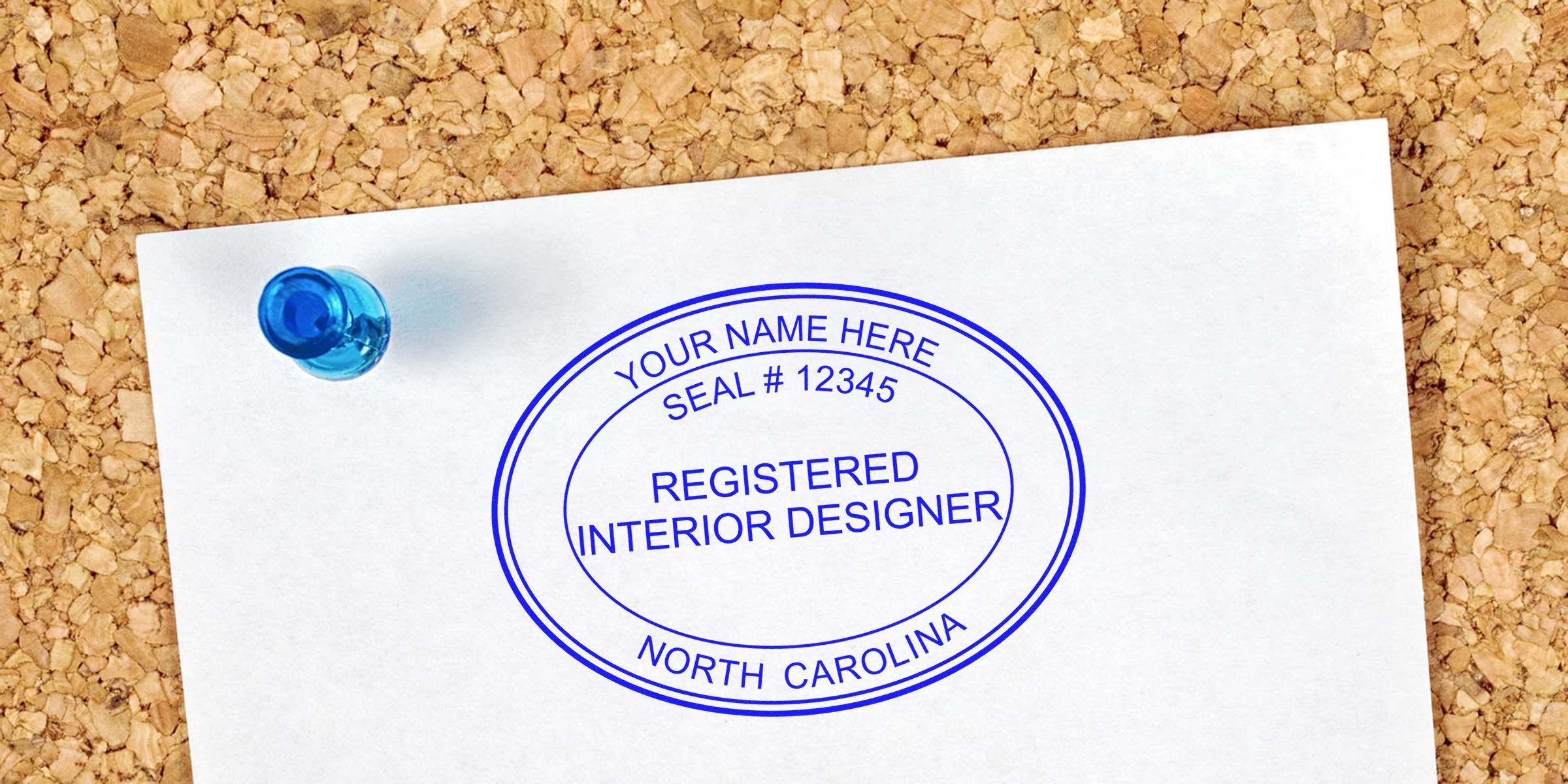
If you’re exploring North Carolina interior designer stamp design, you’ve probably noticed there are plenty of rules to follow and details to get right. You want a professional stamp that satisfies state requirements, but there’s more to it than just a logo. From meeting legal guidelines to crafting a design that speaks to your brand, this guide will walk you through each step of the process.
Below, you’ll find practical tips on how to make your stamp or seal both functional and visually appealing, plus a closer look at how Acorn Sales, a trusted supplier since 1964, can help you secure a free electronic seal with your purchase. Ready to dig in? Let’s go.
Understand the Purpose
Before you get into the nitty-gritty of fonts, borders, and dimensions, it helps to know exactly why you need a North Carolina interior designer stamp or seal in the first place.
Legitimacy and Professionalism
Your stamp isn’t just a fancy graphic. It’s an official marker that shows you’ve met the state’s credentials and are authorized to practice as an interior designer. When clients see your stamp, they understand you’re legit. It also reassures building authorities and clients alike that your documentation has been reviewed by a qualified expert.
Quick Identification
Think of your stamp as your personal ID in the design world. It saves time for projects, especially when multiple professionals, from architects to engineers, are part of a bigger build. A quick glance at your seal verifies your role without confusion.
Streamlined Documentation
Have you ever had to chase down a signature at the last minute? That’s where a stamp steps in. It lets you authenticate drawings, plans, or any other documents in seconds, making the process smoother for everyone involved. It’s like a signature, but often more recognizable and harder to overlook.
Meet Legal Requirements
In North Carolina, you can’t just wing it when it comes to designer documents. You’ll need a properly formatted stamp and possibly a seal that comply with the rules laid out by state organizations. Let’s break it down.
State Regulations Basics
- You must use your personal name exactly as it’s registered with the governing board.
- The stamp or seal should reflect your title and any license number you hold.
- The design typically includes a circle or rectangle that follows specific size guidelines (often around 1-3 inches in diameter for circular stamps).
Verify With Official Sources
If you’re unsure about an aspect of your stamp, check the North Carolina Board of Architecture or other relevant boards that oversee interior design practices. Their guidelines are crystal clear about what you can and cannot include in your stamp. For more details about an official stamp that meets these requirements, you can look at our North Carolina Interior Designer Stamp resource.
Compare Stamps And Seals
Many people use the words “stamp” and “seal” interchangeably, but there can be subtle differences. Here’s a quick look at what sets them apart.
| Feature | Stamp | Seal |
|---|---|---|
| Appearance | Typically uses ink on paper | Often an embossed or raised impression |
| Usage | Quick for large document batches | More formal or official look when needed |
| State Requirements | Often mandatory for final drawings | Sometimes optional or required in tandem |
Which One Should You Get?
You might need both, especially if you regularly produce physical documents that require embossed certification. A stamped signature is quick, while an embossed seal commands attention. Double-check state requirements to confirm what’s necessary, then choose the option (or both) that best fits your workflow.
Create a Compliant Design
Now comes the creative part: designing a stamp or seal that meets legal guidelines while still reflecting your personal brand. The rules can feel strict, but there’s room for customization when it comes to font style, letter spacing, and arrangement.
Essential Elements
- Your full legal name as registered with the board
- License number, if applicable
- The phrase “Licensed Interior Designer” or an equivalent that’s recognized by North Carolina
- A shape that clearly frames your information (circle, rectangle, or a similar border)
Design Tips
- Stick to a simple font: Opt for clarity over complexity.
- Avoid clutter: White space is your friend.
- Double-check spacing: Elements should be balanced so everything is readable.
Remember, your primary goal is clarity. A clean, readable stamp is easier for officials to review and for clients to recognize.
Pick a Trusted Supplier
Once you have your design in mind, choosing the right supplier is critical. You want quality materials that won’t smear or wear out too quickly. Plus, you need a partner who understands the state’s rules so you aren’t left with a stamp that doesn’t clear regulations.
Why Acorn Sales?
- In Business Since 1964: Decades of experience mean you’re in safe hands.
- Free Electronic Seal Included: You’ll have a digital version ready for electronic documents.
- Expertise in North Carolina Requirements: Acorn Sales stays up-to-date on state guidelines to ensure your stamp or seal is fully compliant.
You can always chat with a representative to make sure you’re getting exactly what you need. It’s nice to have a go-to resource that takes the stress out of ordering.
Get More Tips And Tricks
Designing your stamp is step one. Using it effectively is another story. Here are a few pointers to keep your projects sailing smoothly, from finishing touches on paperwork to storing your stamp after hours.
Best Practices for Usage
- Test Before You Finalize: Do a practice run on a spare piece of paper.
- Keep It Clean: Wipe off excess ink regularly so your impressions stay crisp.
- Store Properly: Keep your stamp in a cool, dry place. Moisture can dilute ink and reduce clarity.
Smart Time-Savers
- Pre-Stamp Key Documents: If you know you’ll need multiple copies, stamp them in batches to save time.
- Go Digital for Quick Approval: Use your electronic seal when you send PDFs or other digital plans, so clients or building officials can see it right away.
Staying Organized
- Maintain an Updated Log: Note every project and date you used your seal, so you have a quick reference if any questions come up.
- Keep Licensing Documentation Handy: If anyone challenges the validity of your stamp, you’ll want your license verification easy to grab.
Final Thoughts
Having a fully compliant, clear, and professional North Carolina interior designer stamp or seal can simplify your workload while adding an extra layer of credibility. The key is to combine state guidelines with a clean, effective design. Once you finalize your layout, consider partnering with a reputable supplier like Acorn Sales, which has been in business since 1964 and offers a free electronic seal. You’ll be set up for success whether you’re stamping a small project or preparing comprehensive design packages for multiple clients.
Feel free to reach out with questions, comments, or callbacks (especially if you have a go-to trick you’d like to share). Your stamp is more than an inked image, it’s a signature of your creative reputation. Make sure it looks and works the part every single time.
Frequently Asked Questions
Why do I need a stamp if I’m already licensed?
Your license proves you’re authorized to practice, but your stamp acts as a visual representation on professional documents. It’s a quick way for others to confirm you’ve signed off on plans and drawings.
Can I create my own design without a vendor?
Yes, but it might be tricky. You’ll need to ensure your layout, size, and wording meet North Carolina’s rules. Working with an experienced supplier like Acorn Sales can help avoid costly do-overs.
Is an electronic seal valid for official documents?
Generally, electronic seals are accepted if your local jurisdiction allows them. Acorn Sales provides a free electronic seal with your purchase, so you’re covered for most digital submissions.
How do I know if my stamp meets board requirements?
Check North Carolina’s official board guidelines. They outline mandatory elements, like your full name and license number. If you opt for a supplier familiar with these rules, you’re less likely to miss anything.
What if I move out of state?
Requirements will change if you practice in another state. Make sure you look into that jurisdiction’s regulations for interior designers, as a new or different stamp might be needed.








