
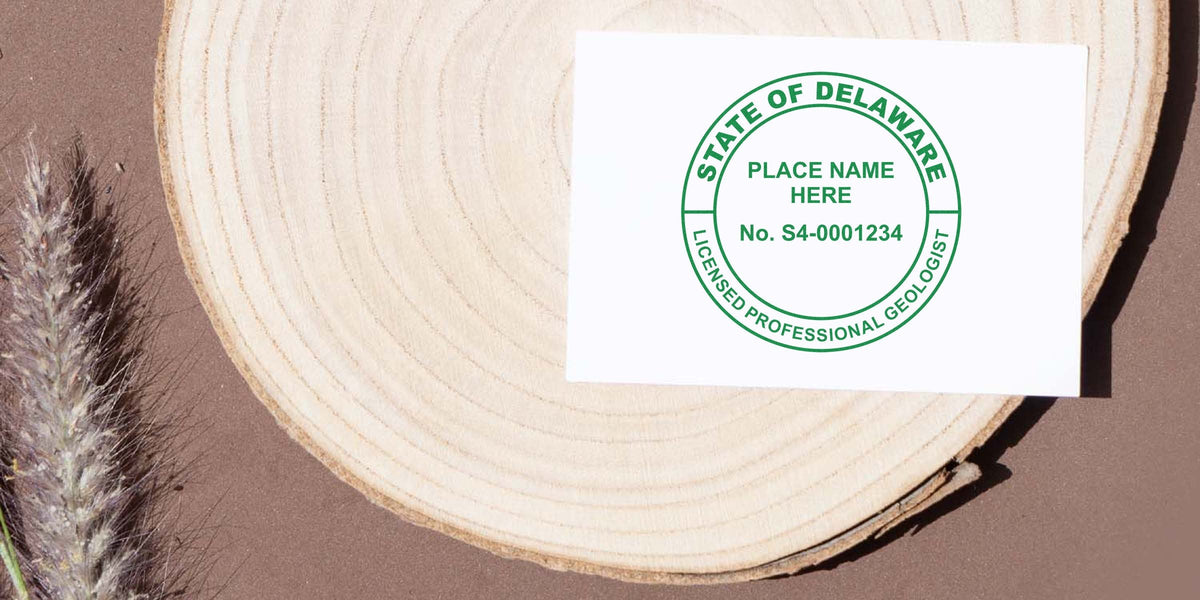
Are you thinking of practicing geology in the First State? If so, you’ve probably run into the phrase “professional geologist stamp Delaware” while researching your obligations. This specific stamp or seal isn’t just a formality. It symbolizes your professional credibility and meets legal requirements for stamping reports, maps, and official documents. In this article, you’ll get a clear picture of everything involved, from the fundamentals of licensing to selecting the right seal for your daily work.
Understand Delaware Regulations
Before you order your seal or finalize your licensing, it’s vital to know exactly what Delaware’s laws demand of you as a professional geologist. The Delaware Board of Professional Geologists enforces rules to ensure the integrity, competence, and accountability of practitioners in the field. These regulations usually require you to secure and use a stamped seal whenever you submit official documents related to your geological work.
Sound a bit daunting? Don’t worry. The key is simply to follow the guidelines, remain consistent, and stay current with any changes in local rules. The stamp itself is intended to confirm that the data you’ve provided is accurate to your knowledge and consistent with Delaware’s professional standards.
If you feel uncertain about the specifics, you can explore more details in the official statutes or consult relevant experts. Often, your best move is to check out Delaware geologist stamp requirements for a thorough overview. Since these guidelines might evolve over time, don’t forget to review any updates posted on official government or professional websites. Taking this step ensures you remain on track and in full compliance.
Remember, regulations aren’t there to burden you. They help ensure that only qualified professionals—like you—are authorized to conduct geological evaluations. The emphasis on licensing and proper stamping also bolsters public trust, so anyone receiving your reports can have peace of mind about their validity. Keeping up with the latest requirements is your best approach to guaranteeing legitimacy and safety in your work.
Follow Licensing Steps
Getting licensed in Delaware follows a structured path. You’ll typically need to prove your geological education, document any relevant work experience, and pass state-recognized exams. Once you check these boxes, you’ll be on your way to receiving official acknowledgment from the Delaware Board of Professional Geologists. Below is a quick rundown of the usual steps:
-
Complete an Accredited Degree: Most aspiring geologists hold at least a bachelor’s degree, and some roles may require an advanced degree. Make sure your institution is recognized.
-
Gather Work Experience: Depending on the requirements, you might need a few years of industry-related experience, usually supervised by a certified geologist. Keep track of dates, responsibilities, and project specifics to simplify your application process.
-
Pass an Examination: Many states, Delaware included, administer a standardized exam that tests geological knowledge, ethics, and practical application. These exams confirm that you’re up to speed on the theories and ethical guidelines behind geological practice.
-
Submit Your Application: After you’ve aced your exam and gathered all relevant documentation, you can submit a formal application. This stage can involve fees, background checks, and final verification, so gather the information you need ahead of time.
-
Gain Approval and Acquire Your Stamp: Once your application is accepted, you’ll be granted the right to practice—and that includes the official use of your geologist seal. The next step is ordering or creating your custom stamp or seal through an authorized vendor.
As you proceed with these steps, stay in contact with your local board or professional association. Ask for clarifications when you need them. Although it can feel like jumping through hoops, each step is there to confirm your qualifications and maintain professional standards. The entire process ensures that every geologist stamping documents in Delaware meets the state’s expectations for skill, ethics, and reliability.
Choose the Right Stamp or Seal
With your license in hand, your next move is selecting the ideal stamp or seal. While it might seem like a trivial detail, it definitely matters for daily practice. You want something durable, legible, and easy to use. Generally, you can choose between a traditional rubber stamp, a self-inking stamp, or an embossing seal:
-
Rubber Stamp
-
Pros: Cost-effective, easy to customize.
-
Considerations: Requires a separate ink pad, which can get messy.
-
Self-Inking Stamp
-
Pros: Convenient, no need for a separate ink pad.
-
Considerations: Ink can run out over time, and replacements are specific to the brand.
-
Embossing Seal
-
Pros: Offers a classic, raised impression, often great for official documents.
-
Considerations: Can be more expensive, and you must apply the right pressure to get a clean mark.
Think about your workflow. If you’re frequently signing large batches of documents, a self-inking stamp may save time and reduce smudges. If you have occasional but highly formal stamping needs, an embosser offers a distinguished touch. Also, confirm that the seal design reflects the latest Delaware guidelines, which usually specify the circle’s diameter, text spacing, and whether your name appears in full.
On top of the physical seal, you may want to consider a digital seal for electronic documents. Digital seals let you authenticate and sign submissions sent via email or online platforms. They’re a handy backup if you work remotely or handle data primarily in digital form. Delaware often acknowledges digital seals, but always double-check your local board’s stance to confirm you’re using a compliant format.
Overall, your choice should blend convenience with compliance. The last thing you want is to reprint projects just because your seal is smudged or invalid. Take a moment to weigh your options and invest in the tool that matches your needs—and meets the state’s legal requirements.
Use Your Delaware Geologist Stamp
Once you’ve chosen a preferred stamp, the next big question is: how do you use it correctly and consistently? Let’s face it, you don’t want all the effort of licensing to go to waste because of a stamping mishap. Typically, you’ll need to stamp final copies of any official geological documents, including professional reports, maps, and plan drawings. The exact rule is that wherever your signature is needed, your seal should be there too.
Here are a few practical tips:
- Practice Makes Perfect: Try a few test stamps on spare paper to find the right pressure level, especially if you’re using an embosser.
- Keep Your Ink Fresh: Replace or refill ink pads on schedule. A faded stamp can raise doubts about the legitimacy of the document.
- Set a Workflow: Make stamping your final step in doc prep. This cuts down on potential reprints or missing pages.
- Date and Sign: Some boards require a handwritten signature and date alongside the stamp. Always check if Delaware has any specific date-stamping rules.
- Store Properly: To avoid accidental impressions or ink leaks, store your stamp upright in a case, especially if you’re moving between project sites.
Don’t forget about digital documents. Many professionals scan or export their stamped and signed page as a PDF to send electronically. In such situations, you might find a digital stamp or seal more convenient. No matter which method you choose, the emphasis is on clarity. Smudged or low-resolution stamps confuse reviewers, so if you’re going digital, confirm your seal is easy to read.
If you hire assistants or team members, train them on the right approach to labeling or preparing documents for your stamp. You’re the one licensed to use it, so make sure everyone understands the significance of that final seal. Doing so preserves the integrity of your practice and maintains the respect your profession deserves.
Discover Acorn Sales Benefits
Looking for a reliable, time-tested vendor for your geologist stamps and seals? Acorn Sales has been around since 1964, supplying professionals with customized solutions that align with state requirements. Whether you prefer a self-inking stamp or a classic embosser, you can get a product specifically crafted for use in Delaware. That means you’ll have the correct size, layout, and text for your seal, ready to go from day one.
Another perk Acorn Sales offers is a free digital seal with many of the stamp orders. This digital seal comes in handy when you work from home or need to submit reports electronically. Instead of scanning a stamped page every time, you can quickly insert a clear, official mark into your digital file. It’s a practical way to streamline your process without sacrificing authenticity. Plus, you reduce paper waste, which is always a bonus for an environmental specialist like you.
Support is also a highlight. Since Acorn Sales has assisted thousands of geologists, engineers, and other licensed professionals over the decades, they can answer your questions about the best format or stamping method for Delaware. No more guessing whether your seal meets state guidelines—they’ll do the heavy lifting, so you can focus on your actual work.
If you’re in the market for a new stamp or if your old one has seen better days, consider checking out what Acorn Sales has to offer. A properly designed, high-quality seal gives you peace of mind for every submission, whether it’s a single-page analysis or a bulky field report. Investing in a trusted supplier means you’ll have one less worry when deadlines loom.
If you legally change your name or switch to a different business entity, you may need a new stamp to reflect that information. Notify the Delaware Board of Professional Geologists as soon as possible so they can update records. Then, order a stamp with your revised details. Using outdated information could invalidate documents.
In the end, the practice of geology in Delaware hinges on thorough preparation and strict adherence to regulations. Your seal is more than just a decorative impression; it’s a visible mark of your expertise and a pledge to uphold ethical standards. By understanding the relevant rules, choosing the right tools, and partnering with a trusted supplier like Acorn Sales, you secure a streamlined approach to stamping all your geology-related documents.
Feel free to explore various seal styles to meet your specific workflow, whether it’s an embosser for field assignments or a digital version for remote projects. With the right stamp in hand, you’ll be ready to tackle any report, blueprint, or proposal, assured that every signature and seal is recognized and respected in the state of Delaware. If you stay true to best practices, your stamp will do more than mark pages—it’ll reinforce your credibility each time you put your name on the line.
Frequently Asked Questions
Can I Use My Delaware Geologist Stamp in Other States?
Generally, no. Each state has its own licensing board and corresponding seal style. Using your Delaware seal in another state could misrepresent your qualifications, unless you’re also licensed there. Before stamping any out-of-state documents, check that jurisdiction’s requirements—and secure a separate stamp if needed.
Do I Need to Stamp Draft Documents?
In most cases, you only seal final documents, especially if they’re legally binding or used to influence decision-making. Drafts usually don’t require a seal, as they aren’t official. However, always check if your client or employer has specific protocols for preliminary reports that must be signed or stamped. If you’re unsure, it’s safer to clarify internally.
Is a Digital Seal Valid for Delaware Geological Documents?
A digital seal can be valid, provided it follows Delaware’s guidelines for electronic authentication. Many boards approve electronic documents as long as the seal is distinctly recognizable, tied to a licensed professional, and tamper-evident. To avoid any compliance gaps, confirm your digital seal meets local standards.








