
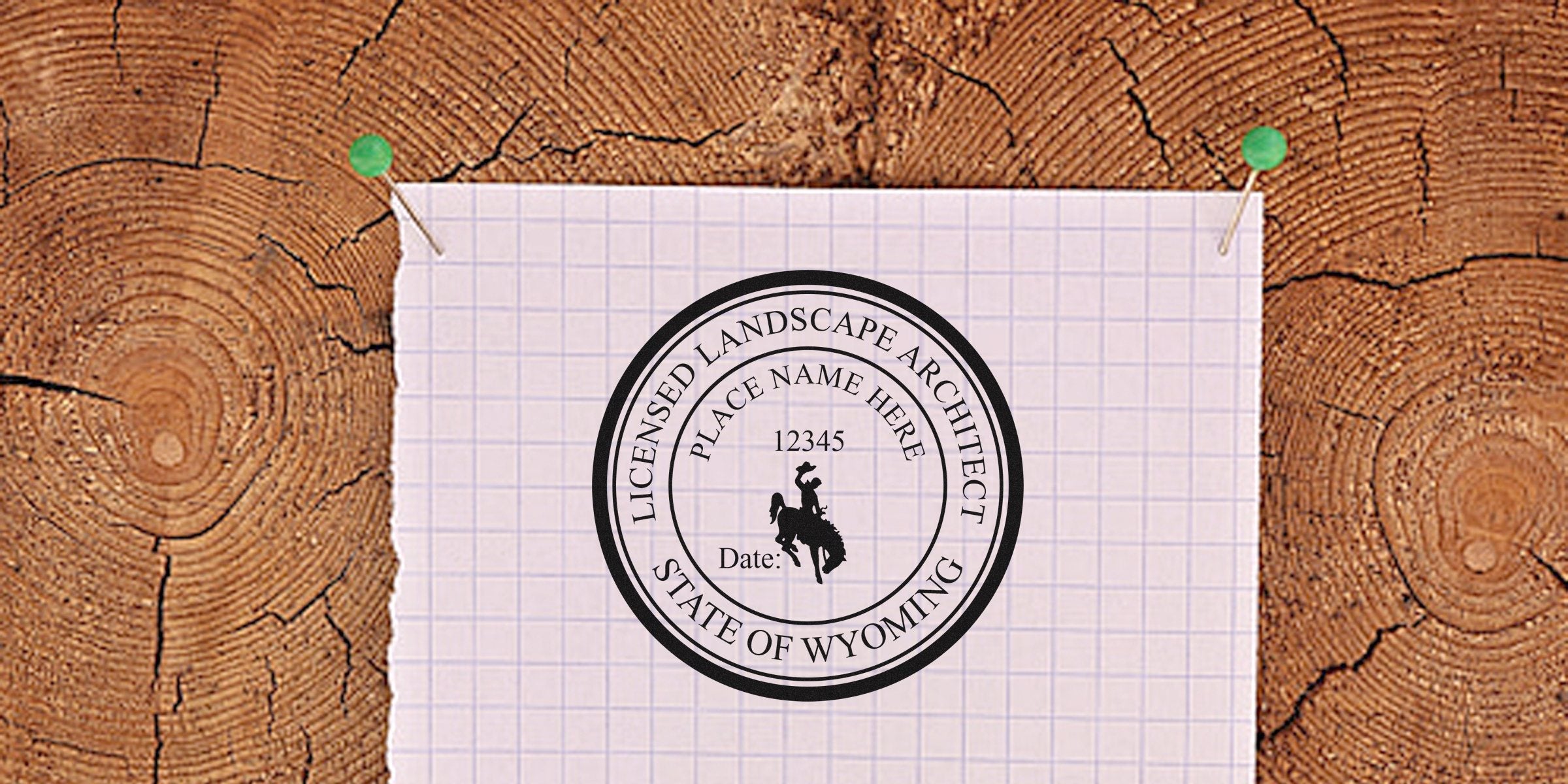
The Wyoming Landscape Architect Seal plays a key role in maintaining professionalism and legal compliance. If you plan on practicing landscape architecture in Wyoming, you need to know how this seal works, why it matters, and how to get one that meets state requirements. In this guide, you’ll discover how to comply with regulations, where to obtain your seal, and how best to use it in your daily practice. Let’s explore the details so you can feel confident about your official credentials.
Understand The Importance
You might be wondering why a physical seal is such a big deal. After all, your expertise already shows up in every project, from site design to plant selection. However, Wyoming’s laws require licensed professionals to authenticate certain documents, and that’s where the official seal comes in. It’s not just a stamp or emblem—it’s a statement of accuracy, responsibility, and professionalism. Let’s dig a bit deeper into what it really represents.
The Role Of The Seal
When you apply a Wyoming Landscape Architect Seal to final drawings or project documents, you’re providing your professional seal of approval. In short, you’re telling clients, regulatory bodies, and the public that your design meets the required standards. This straightforward gesture helps:
- Validate your credentials as a licensed landscape architect.
- Distinguish official documents from drafts or incomplete work.
- Provide a clear mark of accountability for the project’s integrity.
The Legal Standing
Under Wyoming law, officially sealed documents hold weighty significance. State authorities can easily confirm your licensure status and ensure you’re in good standing. Additionally, using your seal properly:
- Protects you from accusations of unauthorized practice.
- Ensures that projects pass building checks and planning reviews.
- Confirms that you adhered to the ethical and technical guidelines set by the Wyoming Board of Architects and Landscape Architects.
These benefits allow your clients—whether they’re private homeowners or large corporations—to trust the final outputs of your work. You’ll not only uphold a strong professional image, but you’ll also meet crucial legal requirements.
Follow Wyoming Regulations
Wyoming’s rules for landscape architect licensing might look daunting at first glance. However, meeting these requirements isn’t as difficult as you’d imagine. The key is to stay organized, keep updated with state regulations, and ensure your seal aligns with the rules. In this section, you’ll learn about the core standards you need to fulfill, including renewal timelines so that your practice remains valid in the eyes of the law.
Key Requirements
To earn permission to use your Wyoming Landscape Architect Seal, you typically need a valid state license. Acquiring a license involves education, exams, and sometimes verified professional experience, all governed by the Wyoming Board of Architects and Landscape Architects. Here’s an overview of the process:
- Complete an accredited landscape architecture program.
- Pass the Landscape Architect Registration Examination (LARE).
- Apply for a Wyoming license and submit any required documents or transcripts.
- Receive approval from the board to practice in Wyoming.
- Obtain your official seal for stamping approved drawings and project documents.
Once you have your license, you’re expected to maintain compliance. This can include continuous learning or meeting any mandated professional development hours. Plus, you’ll need to keep your contact information current with the board. If you shift your address or firm location, file an update to stay in alignment with regulatory guidelines.
Renewal And Updates
In Wyoming, your license and seal usage typically require renewal on a set schedule, often every year or two. During renewal, you may pay fees and report continuing education credits or professional experience hours. Missing deadline windows could lead to late fees or even a temporary suspension of your license.
Here’s what you should keep in mind:
- Mark deadlines on your calendar to avoid last-minute hassles.
- Watch for any revamped regulations the board may issue.
- Promptly renew your license to continue using your seal without interruption.
Staying current isn’t just about following the law. It’s also about taking responsibility for the quality and reliability of your work. After all, you want every project you design to reflect up-to-date practices and standards.
Choose The Right Stamp
Once you’re set to practice, you need an actual seal or stamp. Because not all stamps are created equal, let’s examine the main options. Whether you prioritize a crisp inked impression or the elegant texture of an embossed image, selecting the perfect device can simplify your workflow and keep everything professional.
Below is a quick comparison of the three main types of seals or stamps you might use:
| Type | Features | Best For |
|---|---|---|
| Self-Inking Stamp | Built-in ink pad, quick to use, typically lasts thousands of impressions | Fast-paced offices with a high volume of documents |
| Pre-Inked Stamp | Pre-loaded with ink in the die, offers sharp, clean impressions | Detailed drawings or precise designs |
| Embosser | Creates raised impressions on paper, no ink required | Formal documents or decorative marking |
You might also be interested in the Wyoming Landscape Architect Stamp if you want a traditional stamping device. Its ink-based design is perfect for standard prints, and it’s widely recognized across professional offices.
When ordering, make sure the seal’s text, size, and format strictly match Wyoming’s regulations. Double-check your spelling, your name, and license number. A mistake on your seal wastes money and can cause confusion. Plus, keep an eye on the recommended color for ink—some states prefer black or blue for clearer scanning.
Use Your Seal Effectively
Understanding how and when to use your Wyoming Landscape Architect Seal is essential. Even if you have the correct seal format, you won’t be in compliance unless you apply it correctly. That’s why it’s important to know where and when to place your seal, plus how to keep the image clean and legible. Below are a few pointers on proper usage.
Where To Place Your Seal
Typically, you’ll place your seal on every final sheet of professional drawings, including site plans or detailed construction documents. Here are a few guidelines to consider:
- Position the seal in a clearly visible spot, often near your title block.
- Avoid placing it on top of crucial drawing elements that might obscure readability.
- Keep enough white space around the seal for clarity.
A crisp, visible seal not only looks polished but also satisfies state regulations. Documents that bear tiny or distorted seals are less likely to pass scrutiny or official reviews.
When To Use
You don’t need to stamp every single draft that leaves your desk. Use your seal for:
- Final designs that are ready for client sign-off or submission to agencies.
- Changes deemed significant enough to require re-approval or re-submission.
- Official reports, particularly those that must stand as expert testimony.
Always remember that each document you stamp is under your professional responsibility. If an issue arises, your seal indicates your involvement. Maintaining rigorous oversight of your signed materials ensures quality control and protects you from potential liability.
Maintaining Clarity
Clean seals create clean impressions. To keep your device delivering top performance, try these steps:
- Store your stamp or embosser in a protective case when not in use.
- Test the impression periodically, especially if you haven’t used your seal for a while.
- Refill or replace ink pads when impressions begin to fade.
- Gently wipe any dust or debris off the surface to preserve crisp lines.
A readable impression tells a straightforward story: you’re a dedicated professional who takes the permitting process seriously. That attention to detail goes a long way in building a strong reputation in Wyoming’s landscape architecture circles.
Partner With A Trusted Supplier
Buying a stamp or seal is more than just ticking a box—this device will follow your practice for years. A quality supplier can give you a seal that meets Wyoming’s exact specifications, plus any extra perks or customer support. The end result? Less stress for you and a well-crafted tool that helps you do your job.
Acorn Sales
Acorn Sales is a trusted stop for Wyoming Landscape Architect Seal orders. With over 60 years of experience in creating professional stamps and seals, they’ve built a loyal following for their reliability and craftsmanship. Every seal from Acorn Sales matches the official state guidelines for size and format, so you’ll never worry about meeting compliance standards.
Why Experience Matters
You might be able to find discount seal makers online, but sticking with a reputable company means:
- Clear instructions on how to submit your license details for accurate customization.
- Better materials that stand up to frequent use or large-scale office environments.
- Knowledgeable support if you have concerns about applying your seal on specialized projects.
- Durability that translates into better value, so you’re not replacing your seal every year.
In short, you’ll save time, money, and headaches by choosing a supplier who cares about your satisfaction, not just volume sales.
Free Digital Seal
When you order from Acorn Sales, you’ll receive a free digital seal along with your physical one. Digital versions come in handy if your workflow includes:
- Electronic file submissions or PDF deliverables.
- Quick revisions that need an “official” sign-off without paper printing.
- Remote or out-of-state collaboration, where a physical stamp might not be immediately available.
This little bonus can streamline your document process. You’ll also look organized and responsive, especially when your client needs changes yesterday. Since you’ll have the digital seal in hand (or on screen), you can speed up approvals and maintain project momentum.
Wrap-Up And Next Steps
Ensuring you’re set up with a Wyoming Landscape Architect Seal is an important milestone in your professional journey. By understanding the legal framework, choosing the right type of seal, and knowing when and how to use it, you’ll meet state regulations with ease. Plus, working with a trusted supplier like Acorn Sales sets you up for long-term success and worry-free project approvals.
If you haven’t yet settled on a final device for your official work, consider a self-inking stamp for speed, or an embosser for a more formal touch. You can explore a variety of options through reliable vendors, including the Wyoming Landscape Architect Stamp. Once you have your seal, test it out, store it carefully, and feel confident every time you mark an important set of documents. Good luck with your Wyoming practice, and happy designing!
Frequently Asked Questions
Do I need to seal every page of my plans?
You usually stamp your seal on each final sheet, such as the title sheet and critical plan segments. Double-check the latest state guidelines to see whether they require stamping each sheet or specific sections.
When do I renew my seal and license?
You typically renew your license on an annual or biennial cycle, as determined by the Wyoming Board of Architects and Landscape Architects. At that time, you verify your credentials, pay fees, and confirm your seal remains valid.
Can I share my seal with other team members?
No. Your seal is tied to your personal license. Sharing it risks compliance violations and can undermine your professional integrity. If your firm has multiple landscape architects, each must possess their own stamp or embosser.
What if I move to another state?
If you relocate, you need to update your address and possibly reapply for a license in that new state. Your Wyoming Landscape Architect Seal won’t be valid outside of Wyoming, although reciprocity might exist depending on state agreements.
How do I maintain my stamp for long-term use?
Keep your stamp or embosser in a protective case, refill the ink pad when necessary, and clean the die surface regularly. Proper care ensures clear impressions and extends the life of your seal.








