
Written by Acorn Sales Company, manufacturing stamps and seals since 1964 · Reviewed by Holly R, VP of Sales and Marketing at Acorn Sales, against Alaska Board of Certified Real Estate Appraisers on 22 September 2026 · Updated 25 September 2026
Alaska goes further than most states: it prescribes nothing at all for the face of an appraisal report. Not a seal, not a stamp, not even a rule about where your certification number sits. The words seal and stamp do not occur anywhere in AS 08.87, the appraiser statute, or in 12 AAC 70, the Board’s regulations. That is unusual. Most states that skip the seal still write a sentence telling you to print your number next to your credential title. Alaska did not write that sentence. What it wrote instead, at 12 AAC 70.900, is that the standards of practice for certified real estate appraisers practicing in this state are those specified in AS 08.87.200(3), which is USPAP.
That pushes the whole question onto USPAP and onto your own signature. For the device it means total freedom and one clear consequence: an Alaska appraiser stamp is a typing shortcut for the certification block, not a credential, and nobody can tell you its wording is wrong because the state has written no wording to be wrong against. The practical design question is what you repeat on every report anyway. For most Alaska appraisers that is a name, the words Certified General or Certified Residential Real Estate Appraiser as their certificate reads, the state, and the certification number.
Alaska real estate appraiser seal requirements at a glance
| Requirement | Alaska rule | Source |
|---|---|---|
| Seal required | No. Neither seal nor stamp appears anywhere in AS 08.87 or 12 AAC 70, per a word search of the Board’s own compilation of both, cover date January 2026. | AS 08.87; 12 AAC 70 (no seal or stamp provision) |
| Required elements | None prescribed. Alaska sets no inscription rule for the face of an appraisal report. Report content and signing come from USPAP, adopted as the standards of practice by 12 AAC 70.900 through AS 08.87.200(3). | 12 AAC 70.900; AS 08.87.200(3) |
| Size and shape | Nothing prescribed. There is no seal, so there is no diameter, border or shape to meet. | AS 08.87; 12 AAC 70 (no seal or stamp provision) |
| Device allowed | Not addressed, which leaves every method open. No Alaska provision names an instrument, so typed text, handwriting, a rubber stamp, a pre-inked stamp or an embosser all sit outside any state rule. | AS 08.87; 12 AAC 70 (no seal or stamp provision) |
| Signature and date | No general Alaska rule governs signing the face of a report. Two narrower provisions exist: a supervisory appraiser accepts responsibility by signing each report and certifying that it is in compliance with USPAP, and a certified appraiser may sign an appraisal report on behalf of a corporation. | 12 AAC 70.935(c)(1); AS 08.87.110(d) |
| What must be sealed | Nothing. No Alaska statute or regulation calls for an appraiser’s seal on any document. | AS 08.87; 12 AAC 70 (no seal or stamp provision) |
| Electronic seal | Not addressed. No electronic seal or digital signature provision exists for appraisal reports. The regulations mention an electronic copy only for records: the work file must hold a photocopy or an electronic copy of the entire signed report. | 12 AAC 70.940(b)(2) |
| Renewal and lapse | Not addressed as to any device. Because nothing is prescribed for the report face, nothing on a die is pinned to a renewal cycle. New artwork is a question of a changed certificate, not a changed date. | AS 08.87; 12 AAC 70 (no seal or stamp provision) |
| Firm requirements | No firm seal and no firm inscription. AS 08.87.110(d) permits a certified appraiser to sign an appraisal report on behalf of a corporation, which is a signature provision rather than a device provision. | AS 08.87.110(d) |
| Regulator | Alaska Board of Certified Real Estate Appraisers, Division of Corporations, Business and Professional Licensing, Department of Commerce, Community, and Economic Development | AS 08.87, Real Estate Appraisers; 12 AAC 70, Board of Certified Real Estate Appraisers |
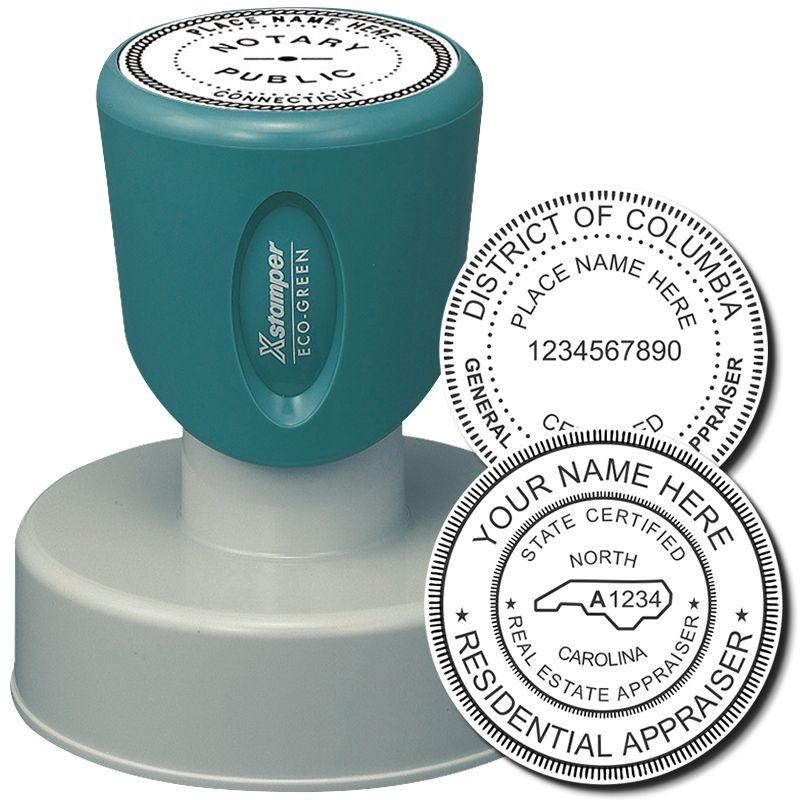
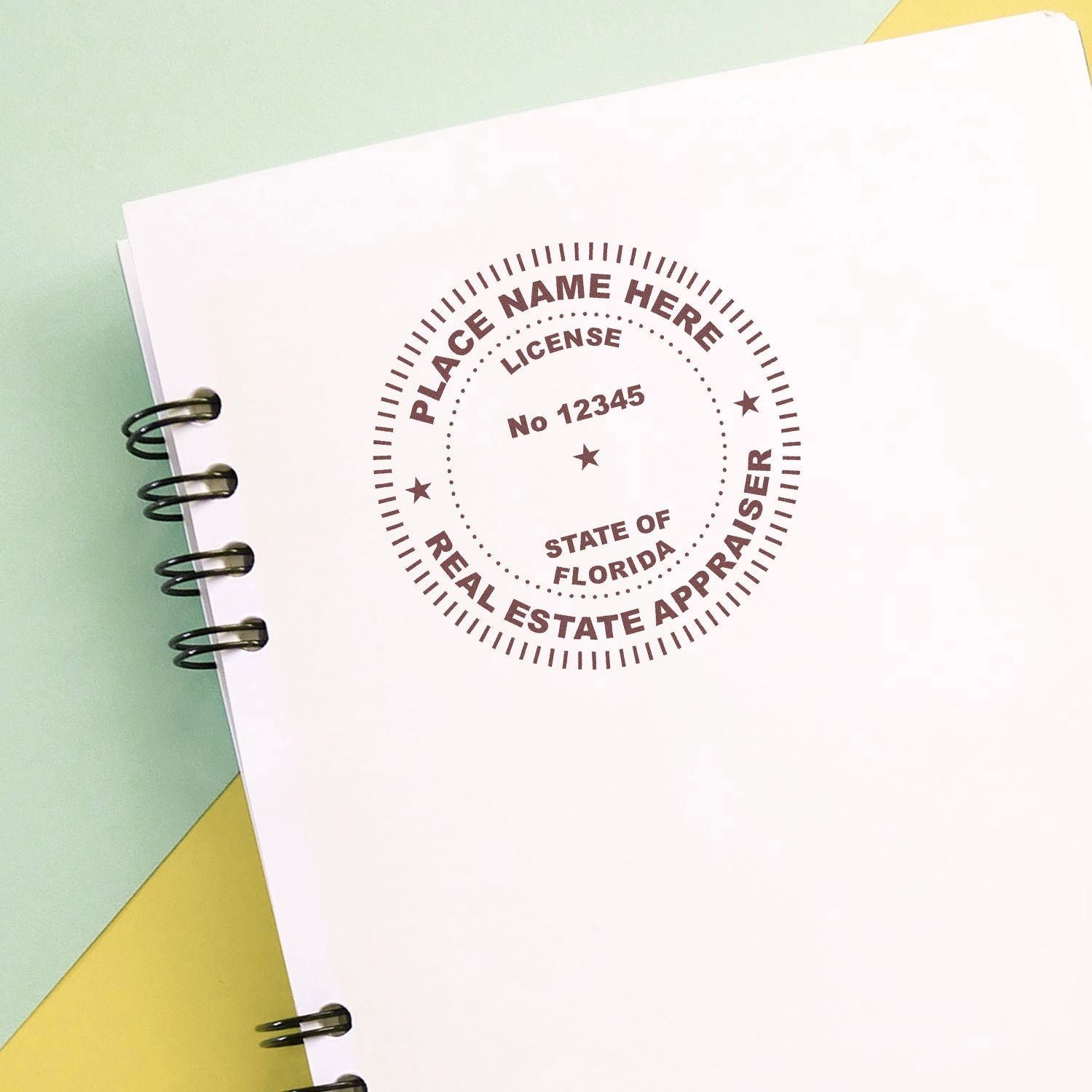
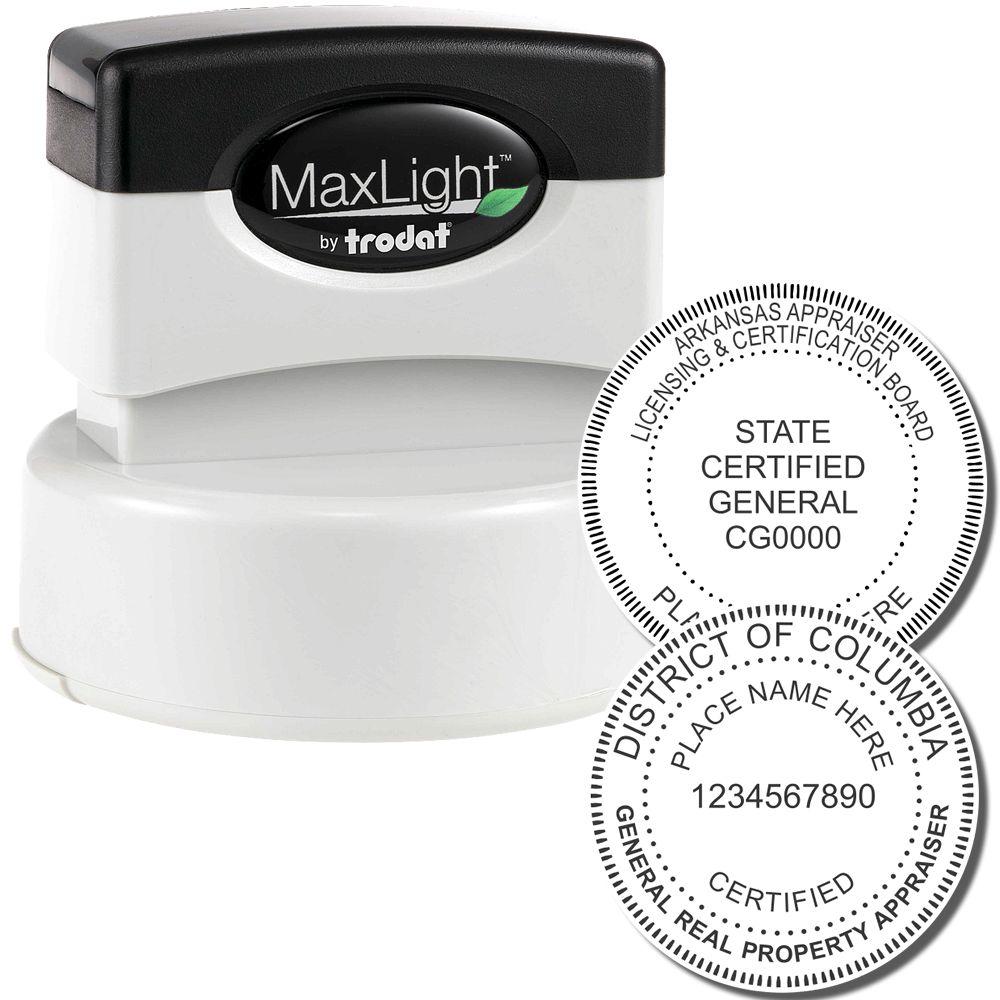
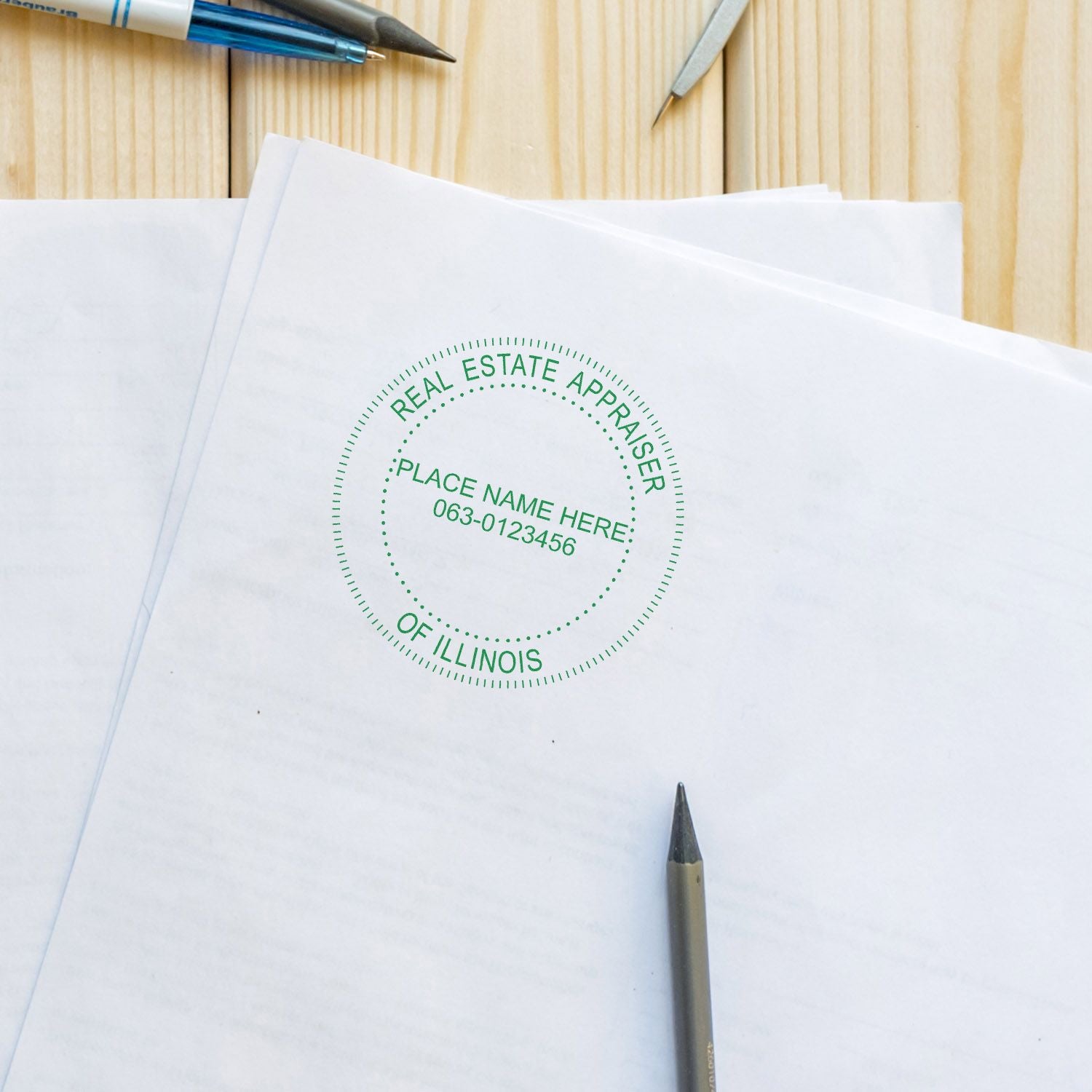
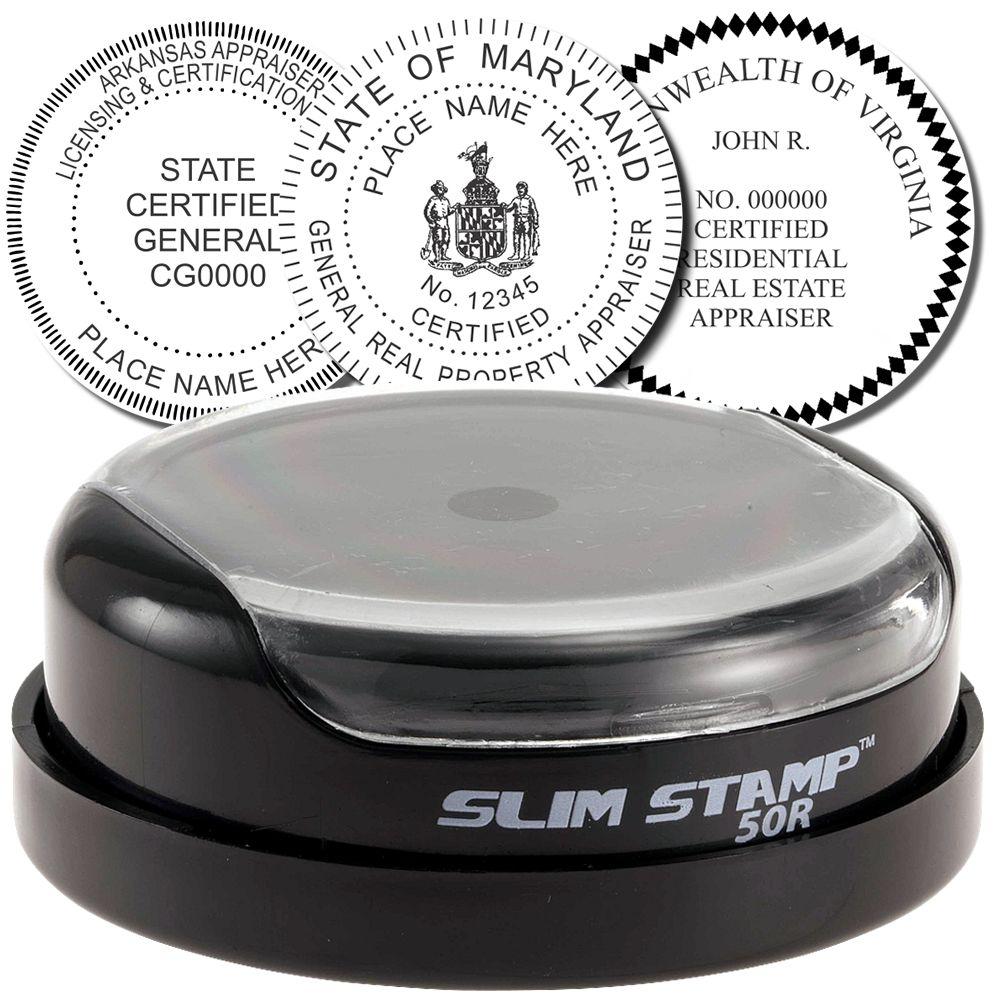
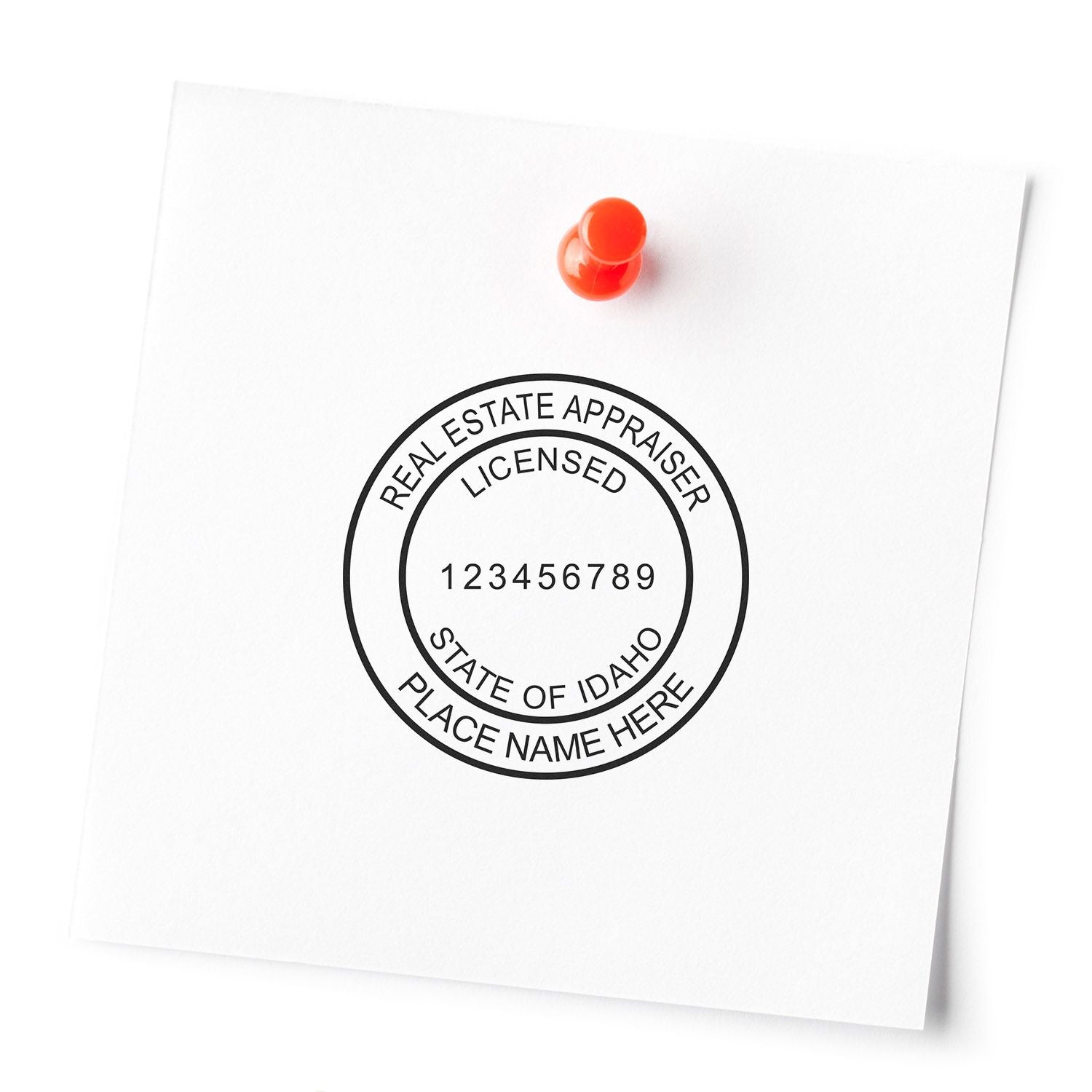
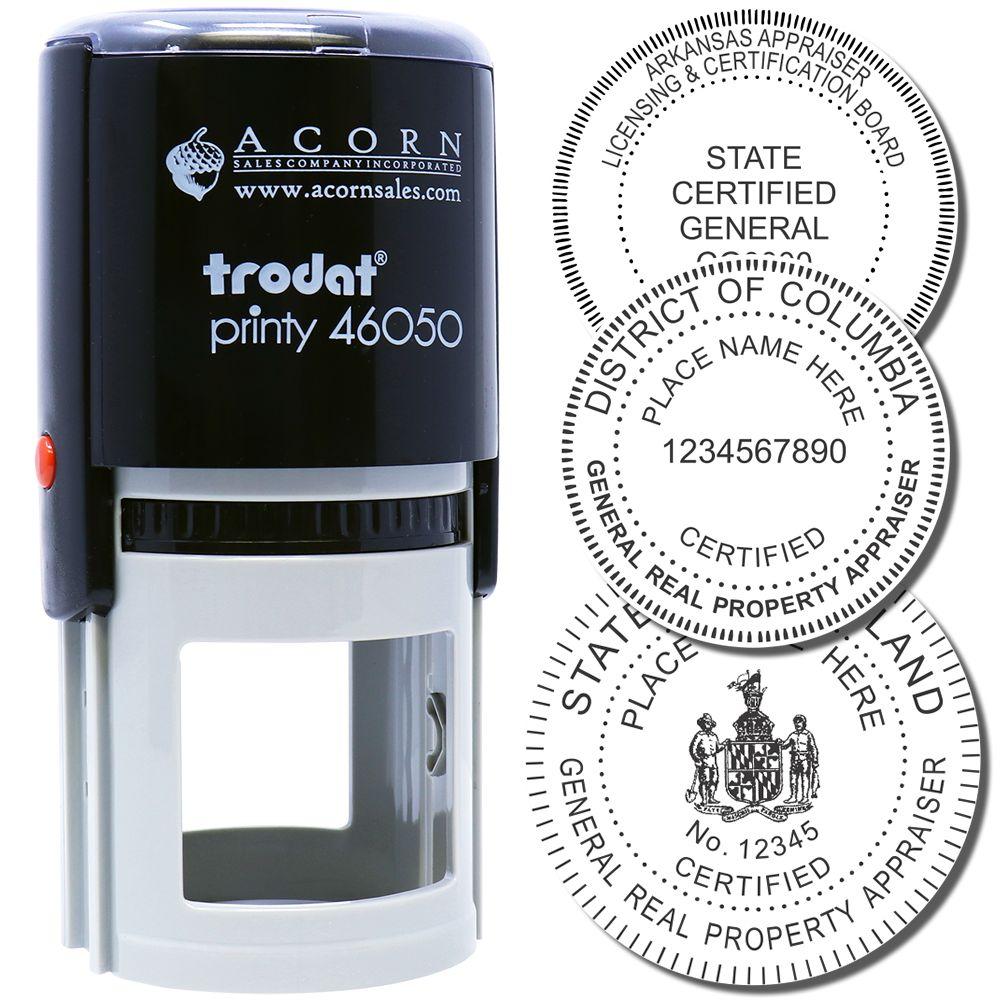
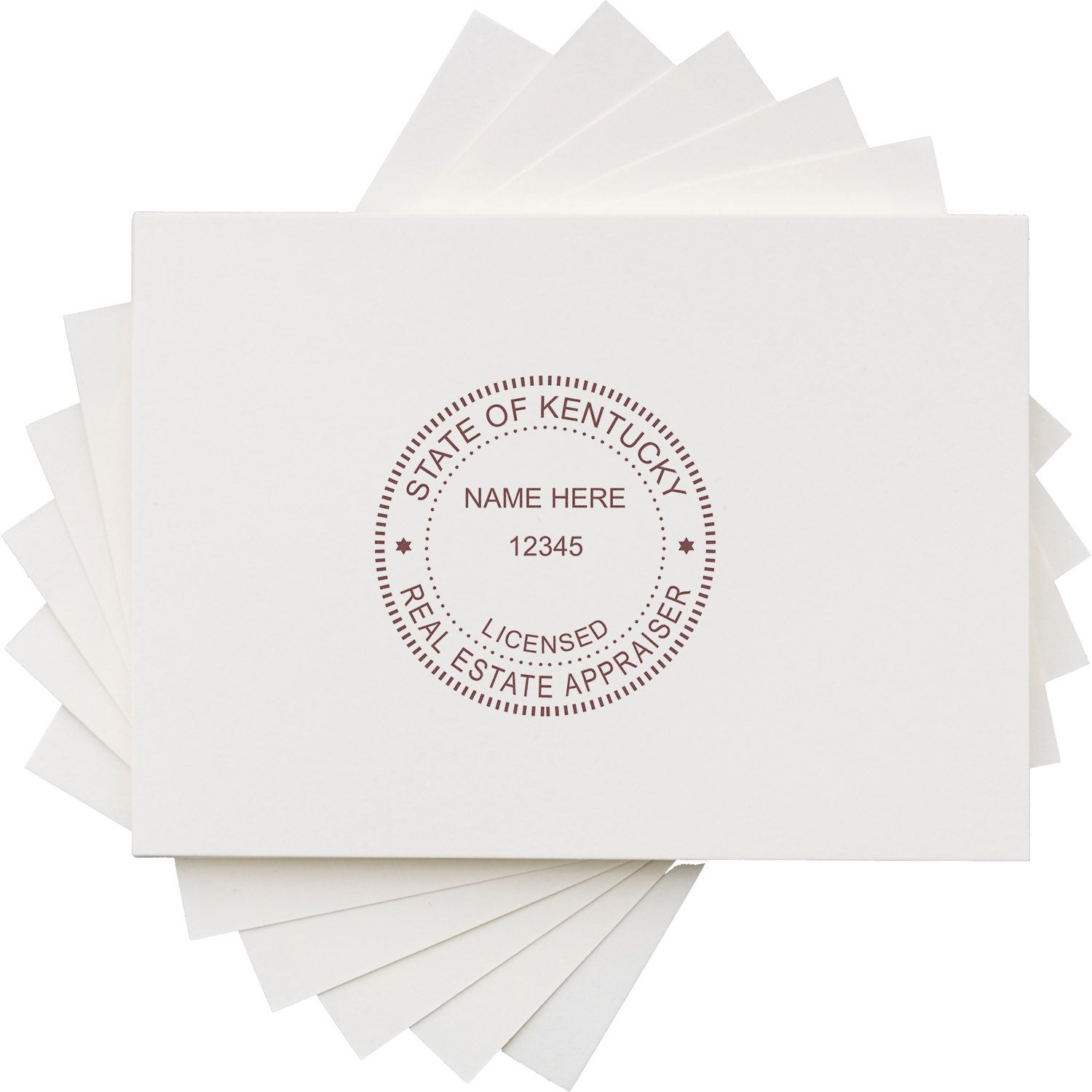
What Alaska says about a seal, which is nothing
The check here was a word search rather than an argument. The Board publishes its own compilation, Statutes and Regulations, Certified Real Estate Appraisers, with a January 2026 cover date, and that document reproduces the full text of AS 08.87 and of 12 AAC 70 together. Neither seal nor stamp occurs in it. To rule out a section quietly left out of the compilation, every section of 12 AAC 70 and every article of AS 08.87 were enumerated separately and the count matched. There is no Alaska appraiser seal, there is no Alaska appraiser stamp, and there is no Alaska rule about what an appraisal report has to carry on its face. Anyone selling you an official Alaska appraiser seal is selling a design, not a credential.
Where the answer really comes from
12 AAC 70.900 is one sentence and it does the heavy lifting: the standards of practice for certified real estate appraisers practicing in this state are those specified in AS 08.87.200(3). That is the adoption of USPAP. Alaska chose to write no report-content rules of its own and to let the national standard govern the certification page, the signature and the disclosure of who did what. So when an Alaska appraiser asks what goes on the report, the answer is whatever USPAP asks of the certification and the signature, plus whatever a client or a lender asks in the engagement. It is not a state list, because Alaska never wrote one.
Signing on behalf of a corporation
One Alaska provision is worth knowing before you design anything, because it shapes what the block should say. AS 08.87.110(d) permits a certified appraiser to sign an appraisal report on behalf of a corporation. Alaska does not certify firms, and it writes no firm inscription rule, so the corporate connection travels through the individual’s signature rather than through a company device. If you sign for a firm, the useful stamp is still the one carrying your own name, credential and certification number, because that is the part that identifies the person taking responsibility. Put the firm name in the letterhead where it belongs rather than crowding it onto the die.
Supervisory appraisers and trainees
The nearest thing Alaska has to a report-marking rule sits in the supervision regulation, and it is about signatures. Under 12 AAC 70.935(c)(1), a supervisory appraiser accepts responsibility by signing each report and certifying that the report is in compliance with USPAP. That is an act, not an inscription; there is no prescribed block of text that goes with it. A second provision, 12 AAC 70.935(f)(6), is about the trainee experience log rather than the report: the log has to carry the signature and state certification number of the supervisory appraiser. A supervisor signing many logs each quarter has the one repetitive marking task Alaska produces, and a small stamp carrying name, credential and certification number makes short work of it.



The work file rule that catches people out
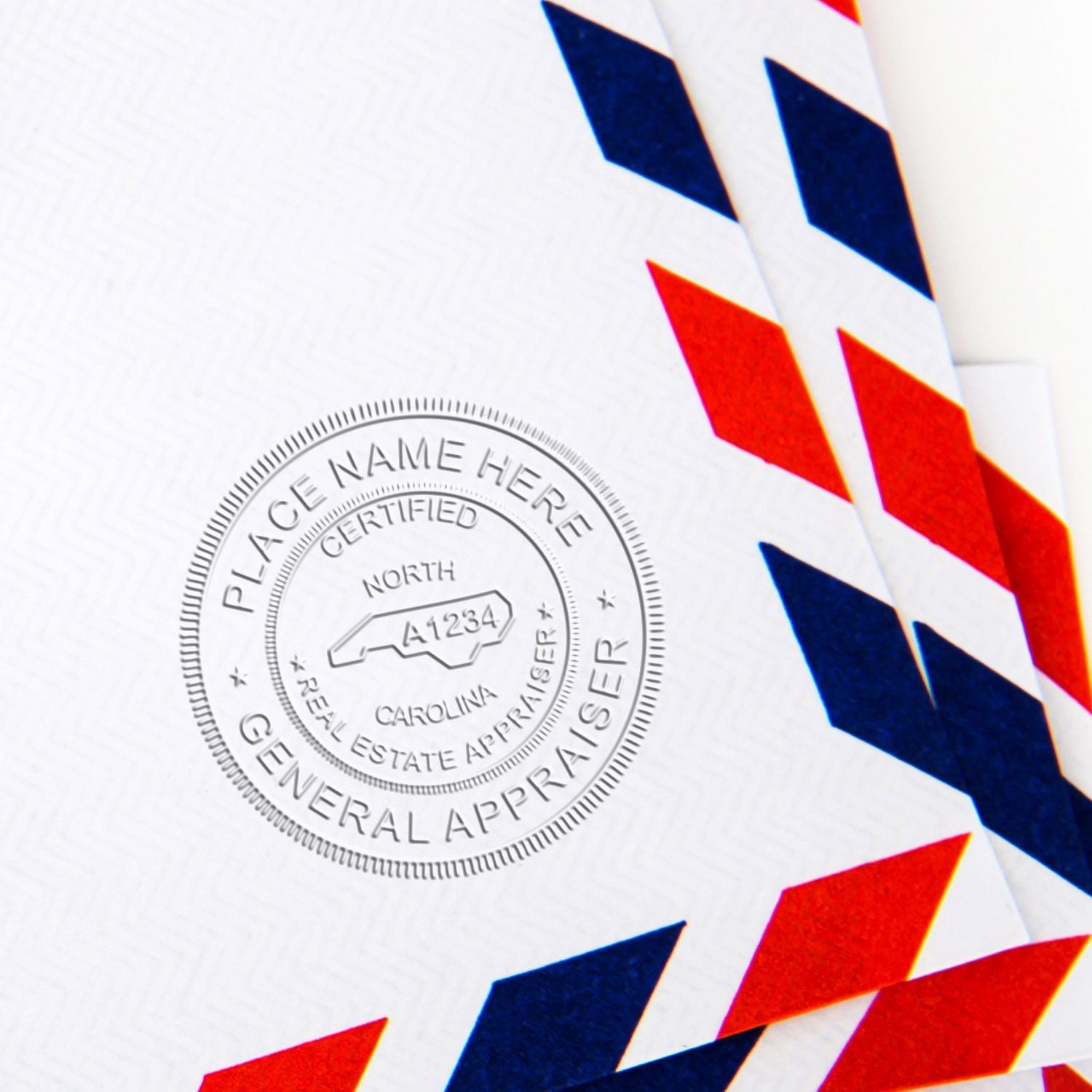
12 AAC 70.940(b)(2) requires the work file to contain a photocopy or an electronic copy of the entire signed report. It is a records rule and not a report-authentication rule, but it matters to the device choice in a way that is easy to miss. Whatever you apply to the face of the report has to survive being copied, because the copy is what you keep. An embossed impression that looks crisp in the original is frequently invisible in a photocopy and close to invisible in a scan, which leaves the retained file showing a blank where the identifying block should be. If you like an embosser, plan to ink the impression or to carry the same wording in printed form as well.
What to put on an Alaska appraiser stamp
With nothing prescribed, build the block from what you type on every report anyway. The four elements Alaska appraisers use most are the name as it appears on the certificate, the credential title as the certificate words it, such as Certified General Real Estate Appraiser or Certified Residential Real Estate Appraiser, the word Alaska, and the certification number. Some add a line for the signature to sit above, which turns the stamp into a complete certification footer. None of that is state wording, so the only test it has to pass is accuracy: the credential named has to be the credential you hold, and the number has to be the number on it.
What to keep off it
Three things. An expiry or renewal date, because Alaska asks for none and a printed date only gives the die a shelf life. The Board’s name, because the Board neither issues nor authorizes a device and naming it suggests otherwise. And any wording such as Official Seal, State Seal or Board Approved. Alaska has no appraiser seal to be official, and a die that claims one asserts something the state has never granted. A credential you hold in another state belongs on that state’s own device, set to that state’s own specification, rather than mixed into an Alaska block where it would read as an Alaska credential.
Embosser, ink stamp or eSeal image
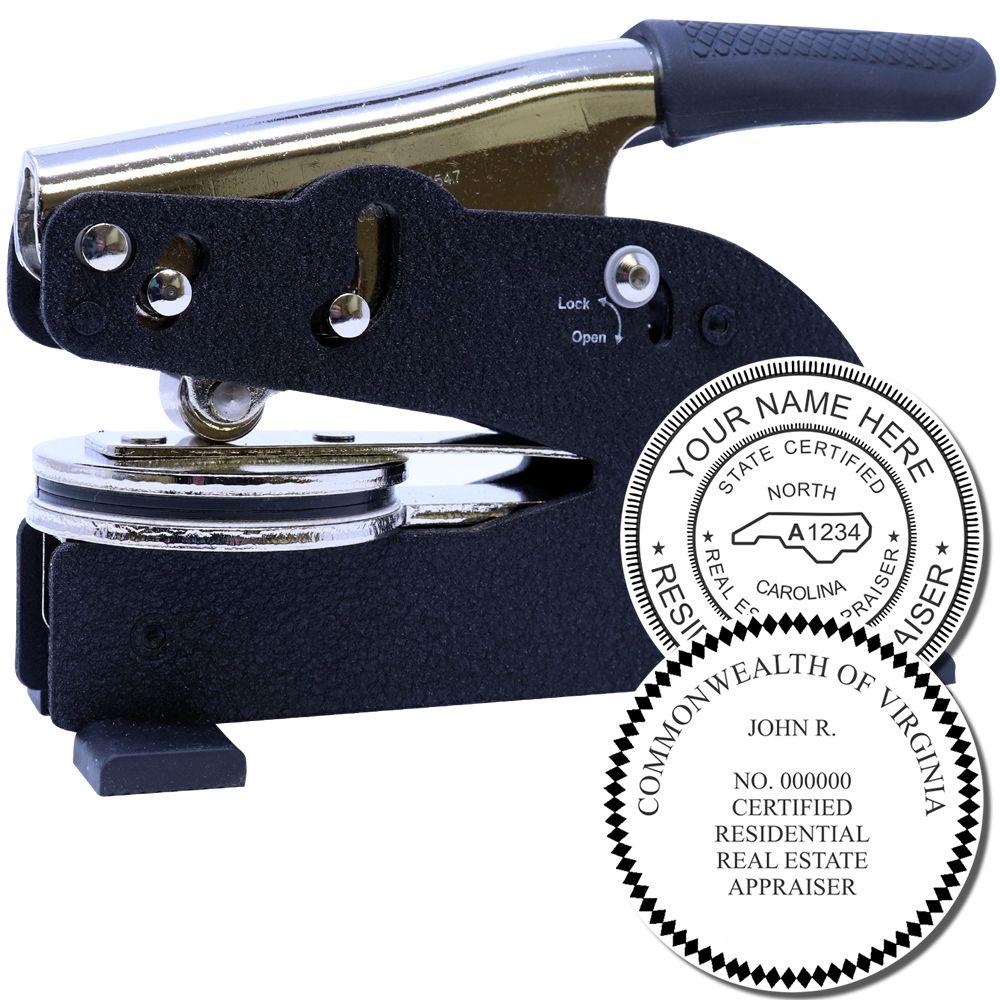
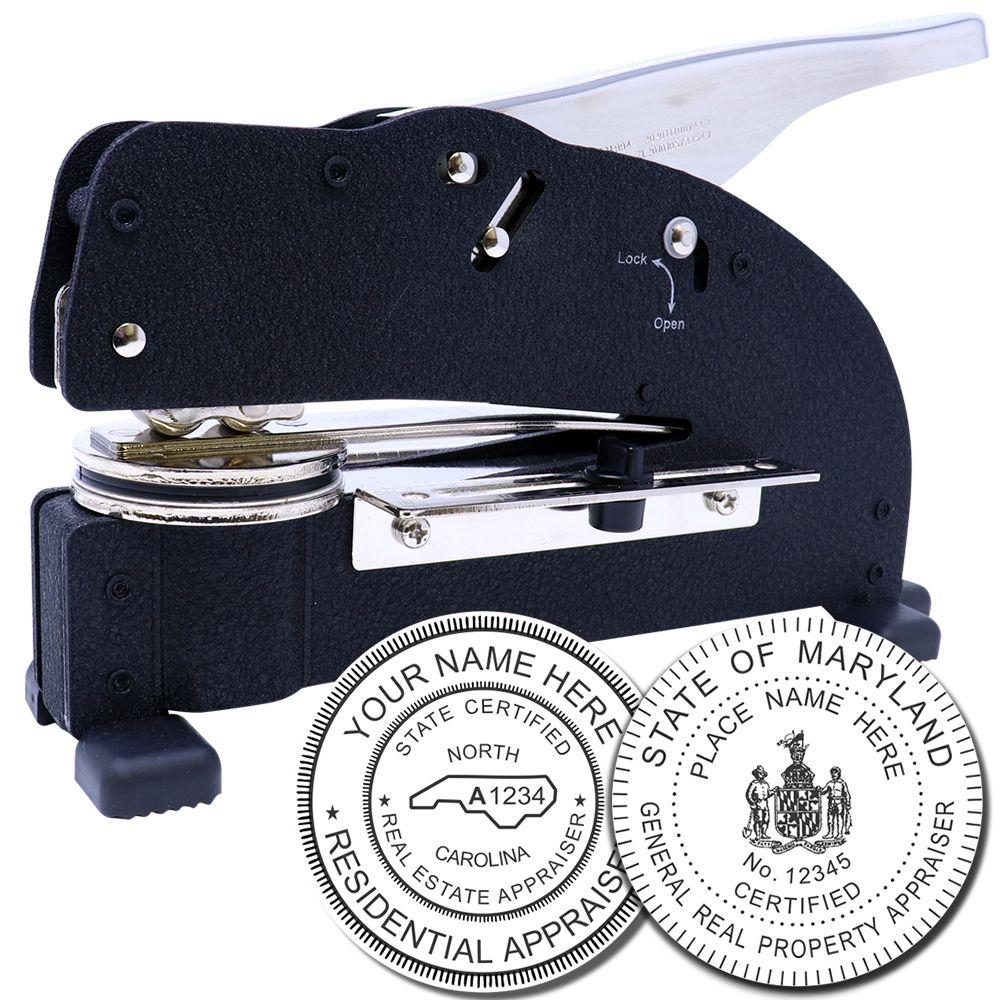
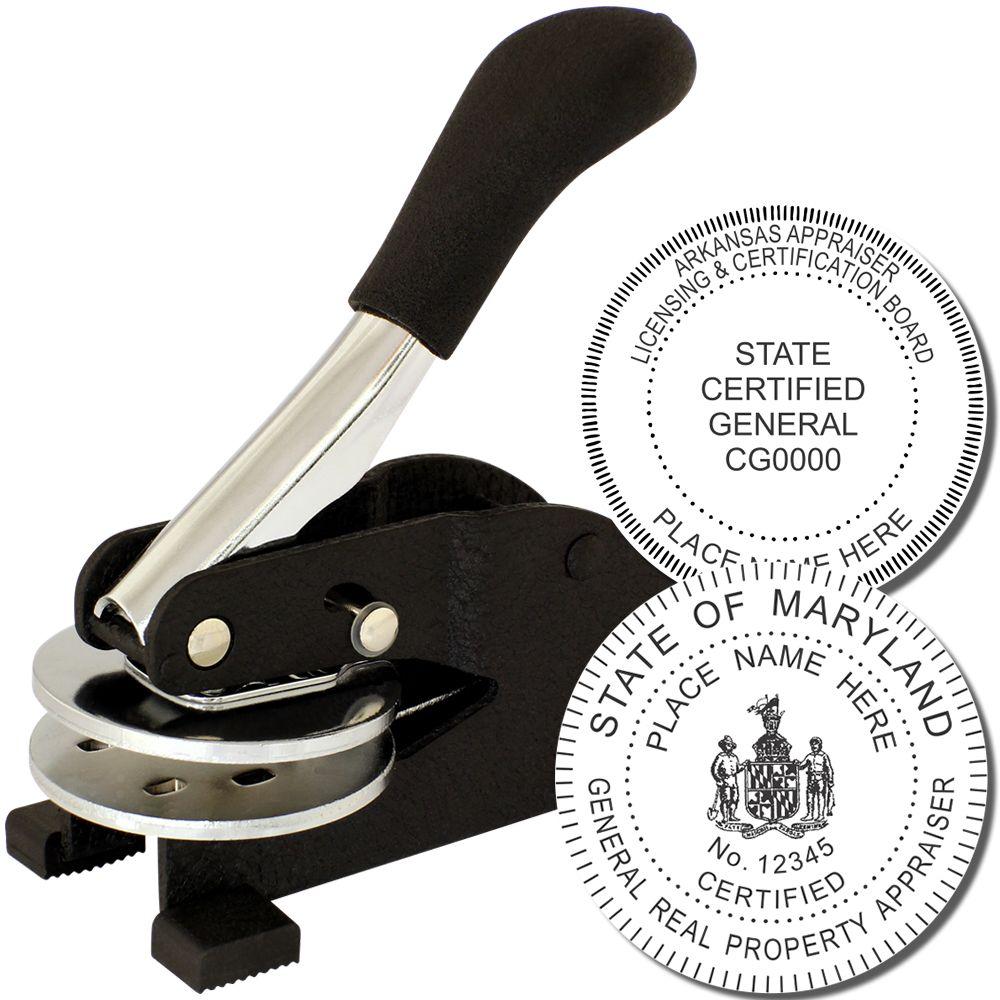
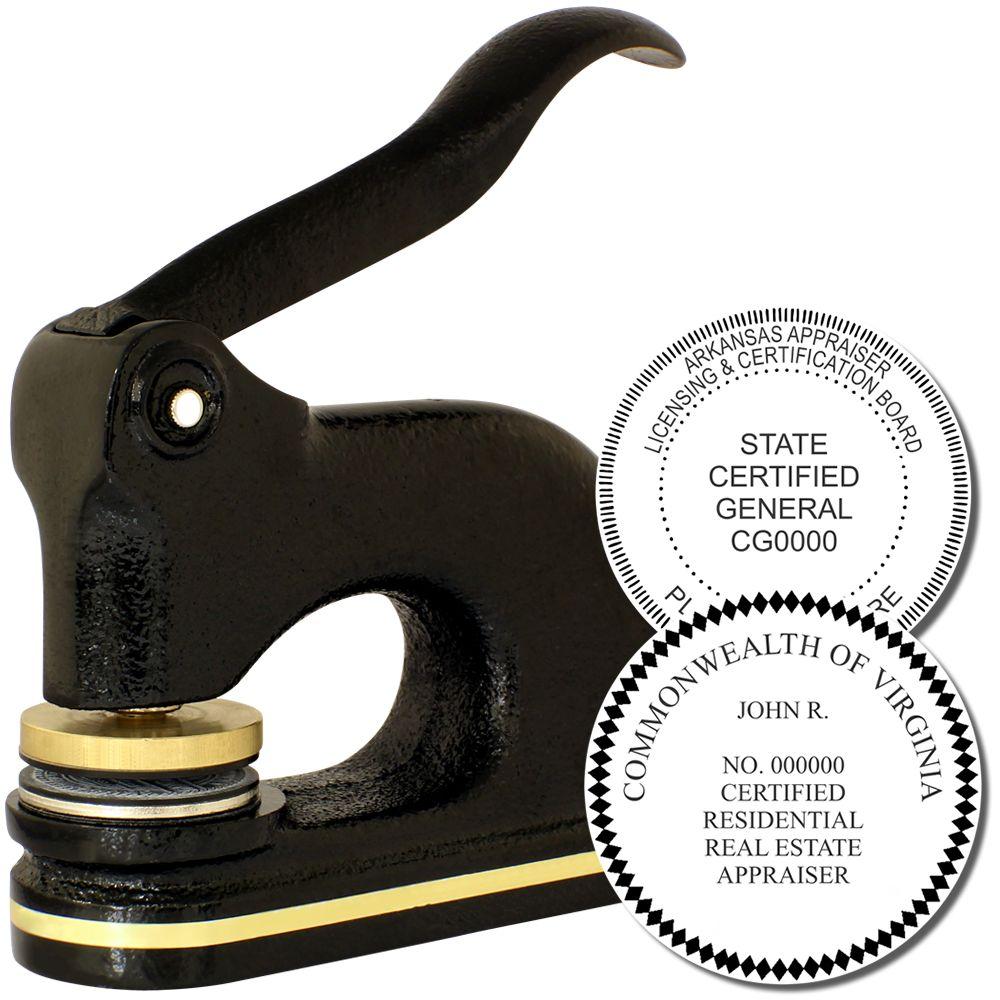
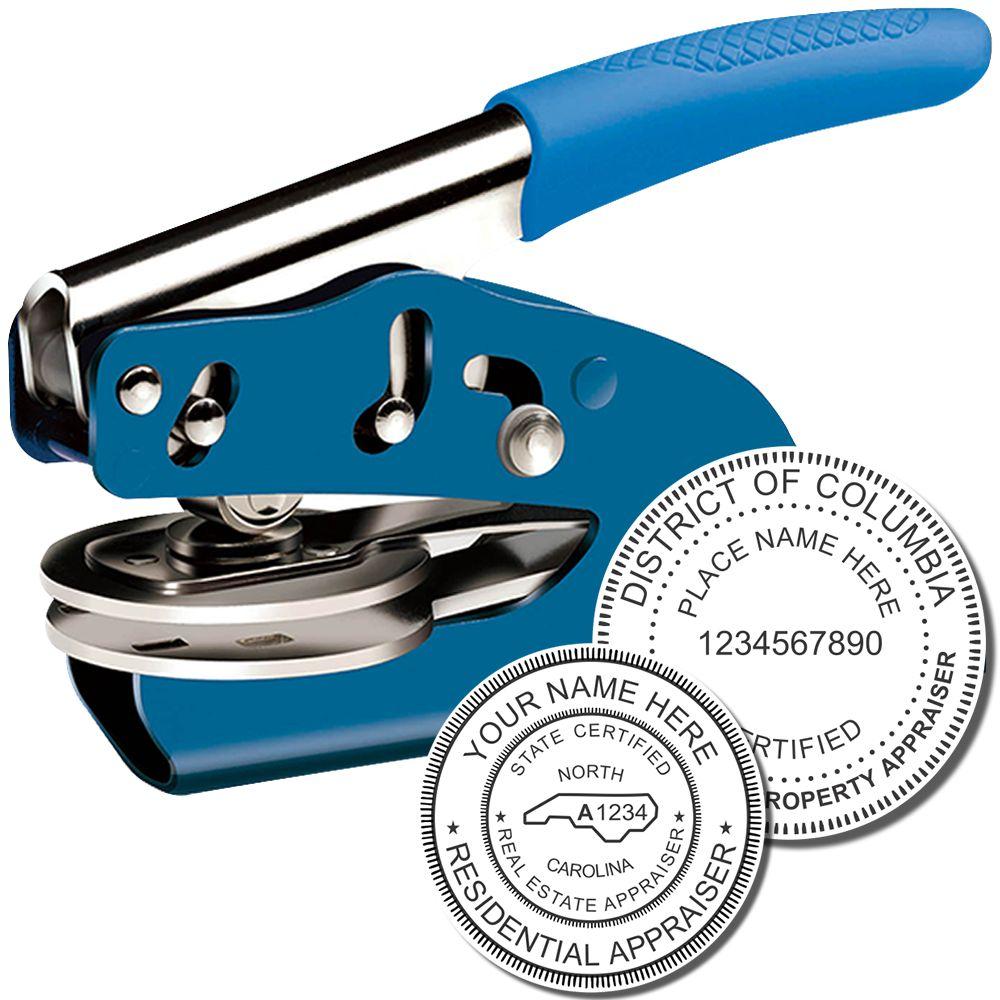
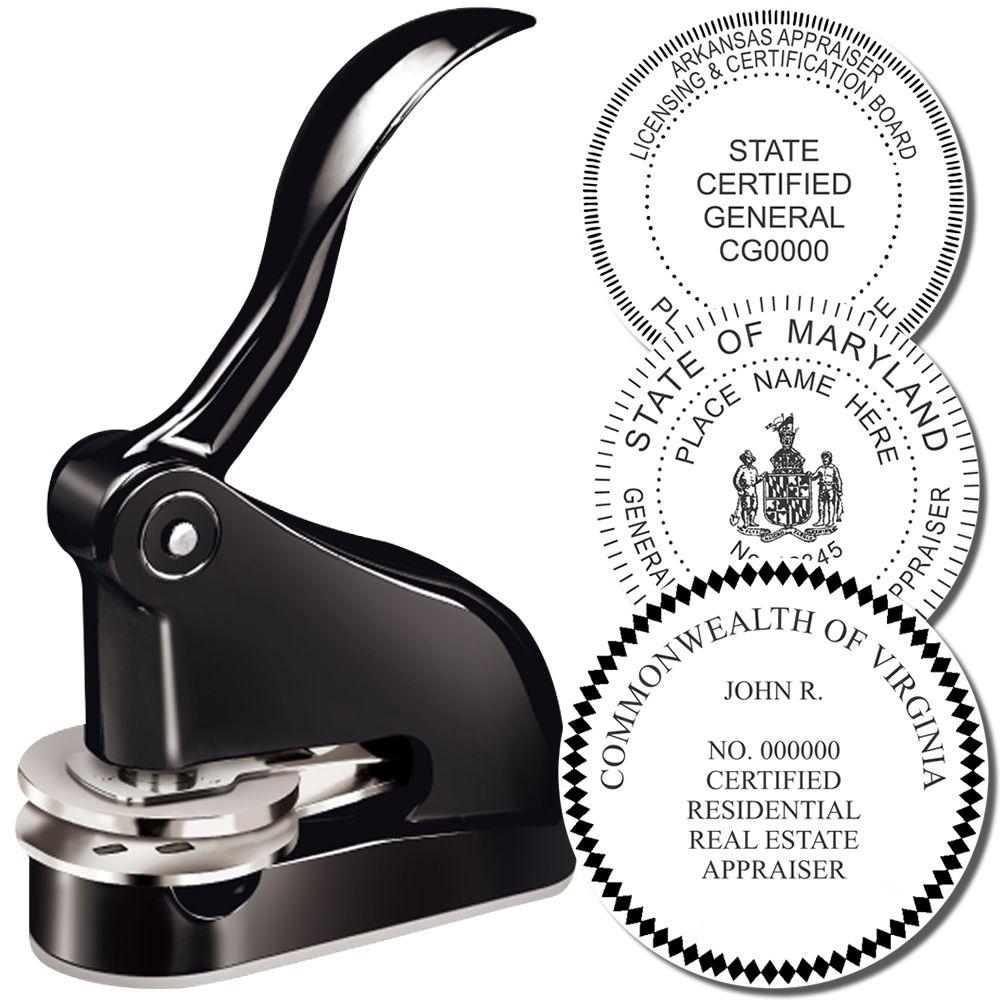
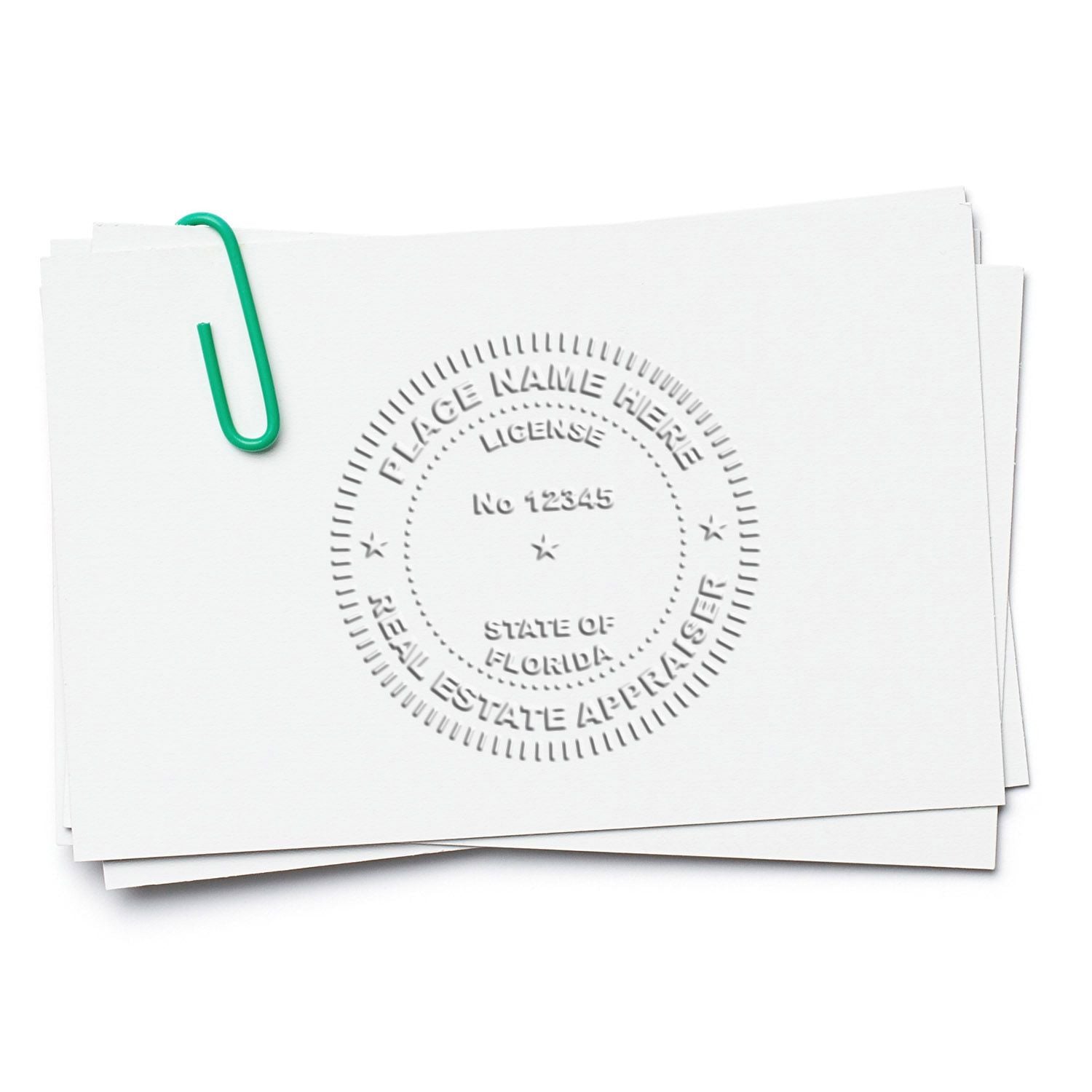
The decision is practical, since no instrument is prescribed. An embosser gives a raised impression with real presence on a signed original, and the Real Estate Appraiser Soft Seal Embosser at $44.95 handles a stack of transmittal letters comfortably. Ink reproduces better, which is the point in a state whose only relevant regulation is about keeping a copy: the Self Inking Rubber Stamp of Seal is $39.95 and the Regular Rubber Stamp of Seal, used with a separate pad, is $34.95. For reports delivered as PDFs, the eSeal Electronic Image Stamp of Seal at $20.00 is the same artwork as a graphic file you place in the document. Appraisers working both ways usually order the ink stamp and the eSeal image together so the two match.




Sizing and layout
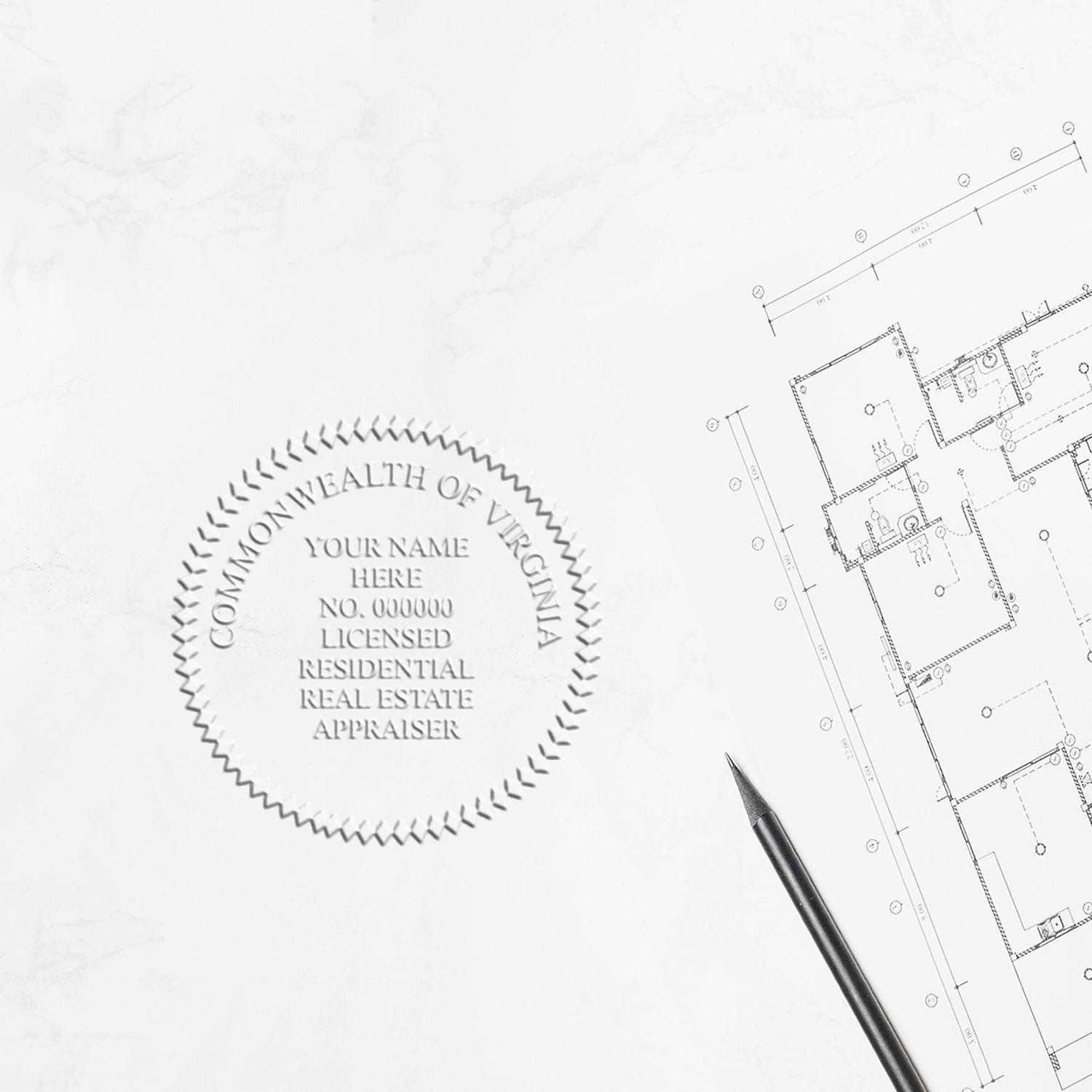
No dimension is set, so size is decided by the longest line. Certified General Real Estate Appraiser is a wide piece of text, and it reads far better set straight than curved around a round die. A rectangular stamp two or three lines deep suits Alaska wording well: name on the first line, credential on the second, state and certification number on the third. If you prefer a round embosser, shorten the credential to the exact words on your certificate rather than inventing an abbreviation, and let the number sit across the center where the die is widest. Whatever the shape, size the number to survive a photocopy, since a copy of the signed report is what goes into the work file.
Ordering
Send the name, credential title and certification number exactly as your certificate reads them, say whether you want a rectangular or round layout, and tell us if the same block should be cut to an ink stamp, an embosser and an eSeal image so the three agree. If you supervise trainees, mention it; the log-signing block is often better as a second, smaller stamp than as the same die you use on reports. Proof against your certificate, not against a sample, because the number is the element nobody rereads. Browse the real estate appraiser stamps and seals collection, or contact us with your wording.
Care, and when to reorder
An embosser asks only that you keep paper dust off the plates and avoid embossing through more than one sheet at a time. Because Alaska prescribes nothing, the only reasons to reorder are a change in the facts on the die: a new certification number, a move from residential to general certification, or a legal name change. Renewal alone changes nothing. This page is a research summary and not legal advice.
Frequently asked questions
Does Alaska require a real estate appraiser to have a seal?
No. The words seal and stamp do not appear anywhere in AS 08.87 or 12 AAC 70. Alaska prescribes no seal, and unlike most states it also prescribes no rule about printing your certification number on a report. The standards of practice are USPAP, adopted by 12 AAC 70.900 through AS 08.87.200(3).
So what does Alaska actually govern on the report?
The standard of practice, and nothing about the page itself. 12 AAC 70.900 adopts USPAP as the standards of practice for certified appraisers practicing in Alaska, and the certification page, the signature and the disclosure of assistance follow from that rather than from a state inscription rule.
Can I sign an appraisal report for my company?
Yes. AS 08.87.110(d) permits a certified appraiser to sign an appraisal report on behalf of a corporation. Alaska does not certify firms and writes no firm device rule, so the identifying block on a stamp is still your own name, credential and certification number.
I supervise trainees. Is there anything extra on my stamp?
Possibly a second, smaller one. 12 AAC 70.935(f)(6) says the trainee experience log carries the signature and state certification number of the supervisory appraiser, and 12 AAC 70.935(c)(1) has the supervisor accept responsibility by signing each report and certifying compliance with USPAP. A compact name, credential and number stamp saves the repetition on logs.
Does Alaska address electronic seals?
No. There is no electronic seal or digital signature provision for appraisal reports. The only electronic reference in this area is a records rule, 12 AAC 70.940(b)(2), which lets the work file hold a photocopy or an electronic copy of the entire signed report.
Will an embossed impression show up in my work file copy?
Often not. An embossed impression is raised rather than inked, and it tends to vanish in a photocopy or a scan. Since 12 AAC 70.940(b)(2) has you keep a copy of the entire signed report, pair an embosser with an inked version of the same wording, or use an ink stamp for the identifying block.
What should I keep off an Alaska appraiser stamp?
A renewal or expiry date, the Board’s name, and any claim of official status. Alaska issues no appraiser seal, so wording like Official Seal or Board Approved asserts a credential the state has never granted. Keep credentials from other states on those states’ own devices.








