
Written by Acorn Sales Company, manufacturing stamps and seals since 1964 · Reviewed by Holly R, VP of Sales and Marketing at Acorn Sales, against Kansas Real Estate Appraisal Board on 22 September 2026 · Updated 22 September 2026
Kansas prescribes no appraiser seal, and its report rule reaches further than most: it covers your contracts as well as your reports. K.S.A. 58-4115(b) requires each state certified or licensed appraiser to designate the appraiser’s classification on any appraisal report, or in any contract or other instrument used by the appraiser in conducting real property appraisal activities, and to place the certificate or license number adjacent to or immediately below that classification. The words seal and stamp appear nowhere in the act or in the board’s regulations.
That breadth is the reason a Kansas appraiser often wants a device. The classification and number are not something you write once at the end of a report; on the statute’s own wording they belong on engagement letters, contracts and other instruments used in the work. A stamp reproduces that pair in the right relationship every time. It is a convenience rather than a legal instrument, and nothing about its size, shape or material is set by the state.
Kansas real estate appraiser seal requirements at a glance
| Requirement | Kansas rule | Source |
|---|---|---|
| Seal required | No. The words “seal” and “stamp” appear nowhere in the appraiser act and nowhere in the board’s regulations | K.S.A. 58-4101 et seq.; K.A.R. agency 117 |
| Required elements | Your classification, and your certificate or license number placed adjacent to or immediately below it | K.S.A. 58-4115(b) |
| Size and shape | None. No diameter, dimension or shape is prescribed. The only rule about placement is relational rather than dimensional: the number sits adjacent to or immediately below the classification | K.S.A. 58-4115(b) |
| Device allowed | Not specified. The statute says what must be designated and where the number sits in relation to it, and says nothing about how the text gets onto the page. Typed, printed or stamped all meet it | K.S.A. 58-4115(b) |
| Signature and date | The statutory duty is designation, not signature. Signature duties appear in the regulations in supervision contexts, where an appraisal report is signed by the provisional licensed appraiser or by the supervising preparer certifying USPAP compliance | K.A.R. 117-5-2(c); K.A.R. 117-2-2(d)(1) |
| What must be sealed | Nothing is sealed. The designation duty, though, reaches any appraisal report or any contract or other instrument used by the appraiser in conducting real property appraisal activities | K.S.A. 58-4115(b) |
| Electronic seal | Not addressed. The phrases “electronic signature” and “digital signature” do not appear in the appraiser statutes or in the board’s regulations | K.S.A. 58-4101 et seq.; K.A.R. agency 117 |
| Renewal and lapse | Nothing ties a device to a renewal cycle. No expiration date is prescribed for a report, so a die stays accurate until your classification or number changes | K.S.A. 58-4101 et seq.; K.A.R. agency 117 |
| Firm requirements | No firm seal and no firm mark was found. The designation duty is written onto the individual appraiser, not the firm | K.S.A. 58-4115(b) |
| Regulator | Kansas Real Estate Appraisal Board | K.S.A. 58-4104 |


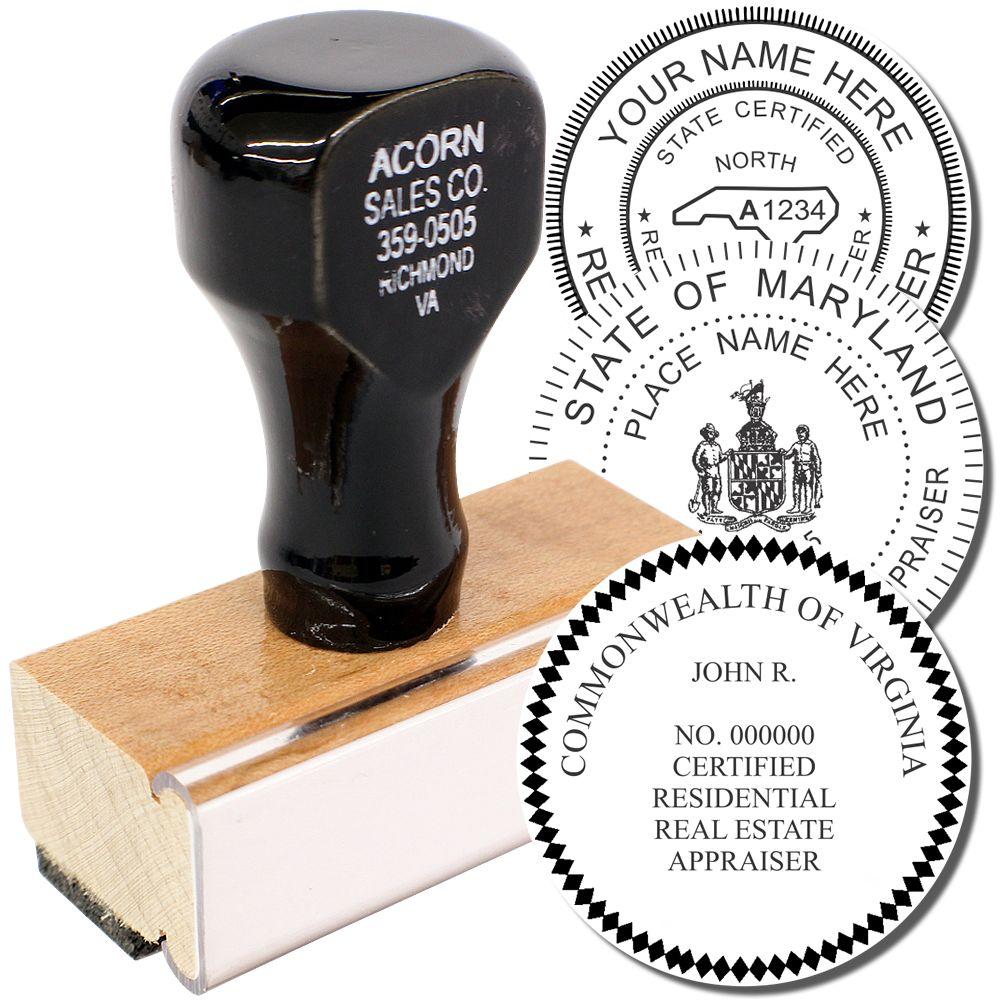

Does Kansas require an appraiser’s seal?
No. The State Certified and Licensed Real Property Appraisers Act runs from K.S.A. 58-4101 through 58-4127, and the words seal and stamp do not appear in any of its twenty-six sections. The board’s regulations, K.A.R. agency 117, run from 117-1-1 through 117-10-1 for appraisers, with a separate block at 117-20-1 through 117-20-7 for appraisal management companies, and the same two words are absent there as well. Kansas built its identification regime around a designation duty in the statute rather than around a device, and it wrote that duty in unusual breadth.
What K.S.A. 58-4115(b) says
The text: each state certified or licensed appraiser shall designate the appraiser’s classification on any appraisal report or in any contract or other instrument used by the appraiser in conducting real property appraisal activities, and shall place the appraiser’s certificate or license number adjacent to or immediately below the classification. Two things to take from that. The first is the pair: classification and number, in that relationship. The second is the list of documents, which is wider than a report. Nothing in the subsection sets a position on the page, a typeface, a size or a method of application. It tells you what has to be designated and where the number sits in relation to the classification, and leaves everything else to you.
The reach is wider than the report, and that is the point
Most states with a signature block rule attach it to the appraisal report and stop. Kansas adds “any contract or other instrument used by the appraiser in conducting real property appraisal activities”. On the face of the statute that sweeps in engagement letters, appraisal contracts and the other paperwork that surrounds an assignment. This is the strongest practical argument for a stamp anywhere in this batch: the pair has to be reproduced on a lot of documents that do not come out of your report software, and typing it each time on a letter or a contract is exactly the kind of repetition a die removes. It remains a convenience, not a legal instrument. Kansas has not said a stamp is needed, only that the designation is.
Adjacent to, or immediately below
The placement language is worth designing around because it is the only spatial instruction in the statute. The number goes adjacent to the classification, meaning beside it, or immediately below it. Both work, and they suggest two clean layouts. The side-by-side version runs the classification and the number on one line, separated by a comma or a rule, which suits a wide, short die that fits into a letterhead footer. The stacked version puts the classification on its own line and the number directly beneath, which suits a squarer die under a signature. What the statute does not invite is separating them: a die with the classification at the top and the number at the bottom of a four-line block, with other text between them, is further from the wording than it needs to be. Keep the pair together.



Subsection (a) is about your wall certificate, not your report
This is the Kansas trap. K.S.A. 58-4115(a), the subsection immediately above the report rule, says that each certificate and license issued under the act shall include the classification for which the appraiser has qualified and shall bear the signature or facsimile signature of the chairperson of the board and a certificate or license number assigned by the board. A facsimile signature is very easy to read as a stamp mandate, and it is not one. That subsection describes what the board prints on the credential document it hands you, the one that goes on the office wall. It is the board’s chairperson’s signature, on the board’s document, applied by the board. It has nothing to do with what you put on an appraisal report, and nobody but the board applies it. Only subsection (b) governs reports.
The signature rules in the regulations are about supervision
K.A.R. agency 117 does use the word signature in several places, and every one of them sits in a supervision context rather than in a general report rule. K.A.R. 117-5-2(c) requires each appraisal report to be signed by the provisional licensed appraiser or by the preparer of the report who supervised that person, certifying that the report complies with the Uniform Standards of Professional Appraisal Practice. K.A.R. 117-2-2(d)(1), and its counterparts at 117-3-2(d)(1) and 117-4-2(d)(1), require each appraisal report to be signed by the applicant or by the preparer who supervised the applicant. And the experience log rules require each page of a supervised log to carry the certification number and the signature of the supervising appraiser. That last one is a genuine second use for a die if you supervise: log pages are repetitive and numerous, and the number and signature go on every one.
What to engrave
The block that does the most work in Kansas is short: your name as you sign it, your classification as it appears on your certificate, for example state certified general real property appraiser, state certified residential real property appraiser or state licensed real property appraiser, and your certificate or license number in the relationship the statute describes. Copy the classification from the certificate rather than from memory, since Kansas uses the phrase real property appraiser where other states say real estate appraiser, and a die carrying the wrong one is a small error you will look at for years. Leave off anything shaped like a state issuance: no board name around a rim, no state outline, no Official Seal wording. Kansas issues no appraiser device, and a die imitating one claims something that does not exist.
Embosser, ink stamp, or the eSeal image
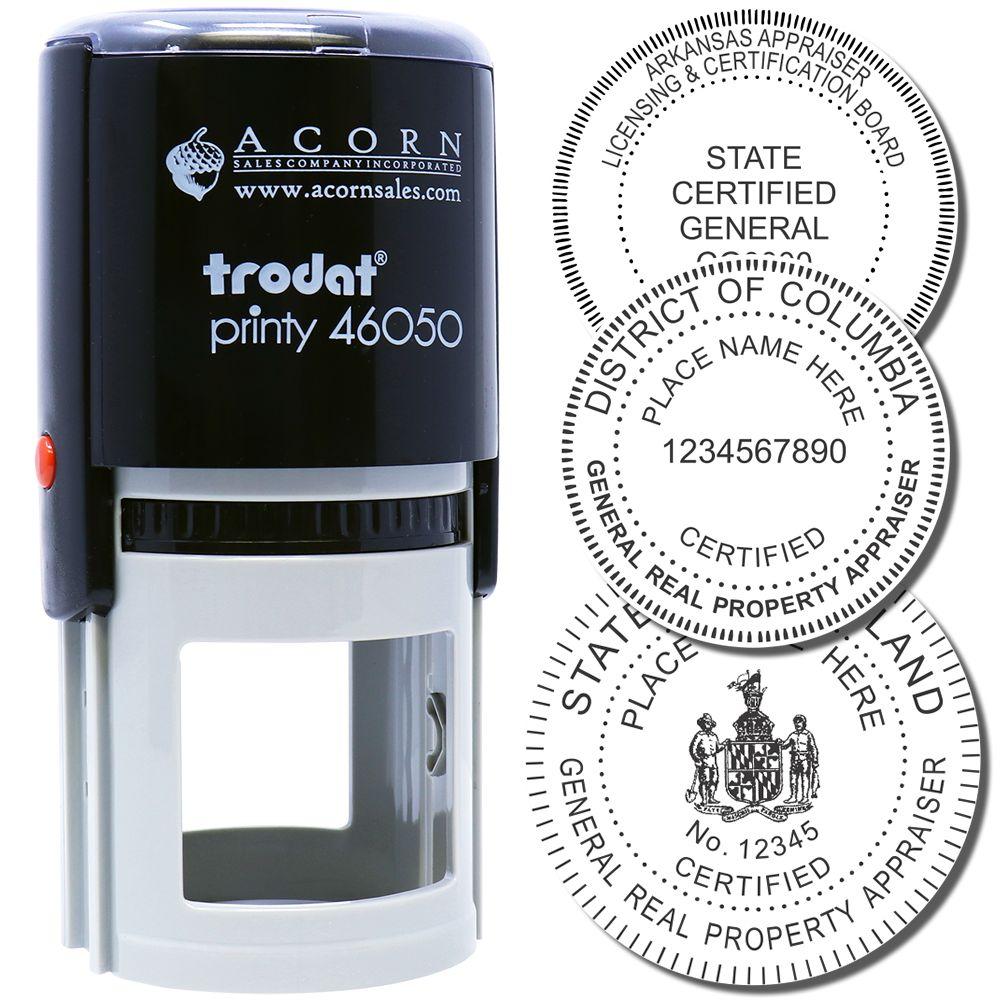
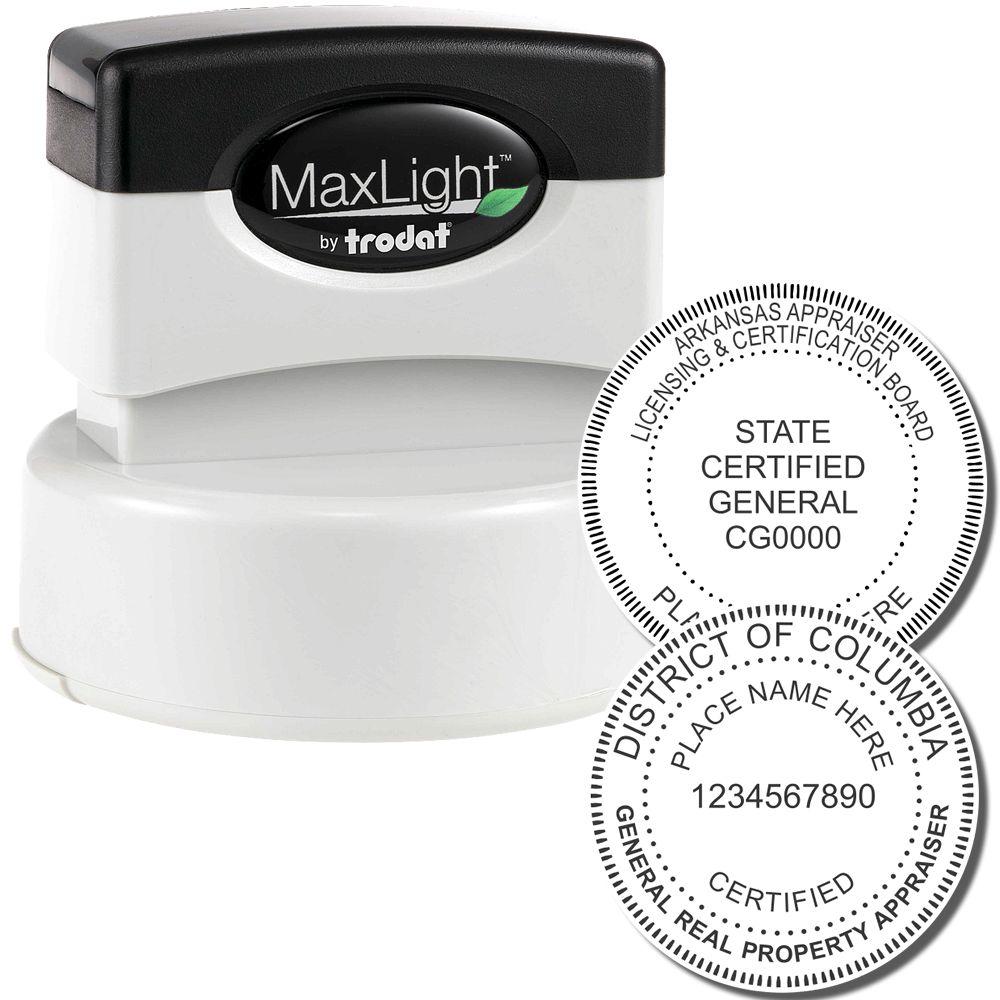
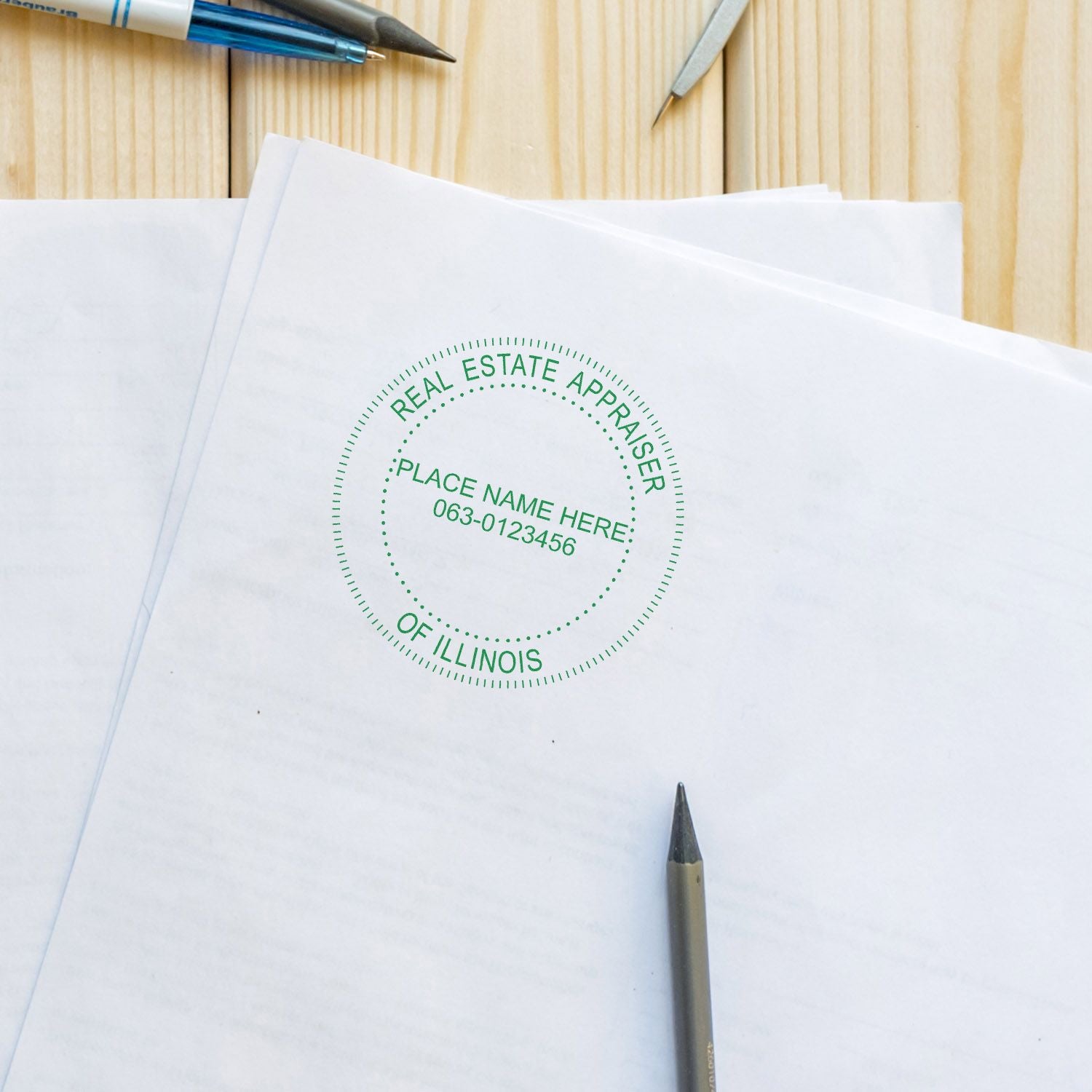
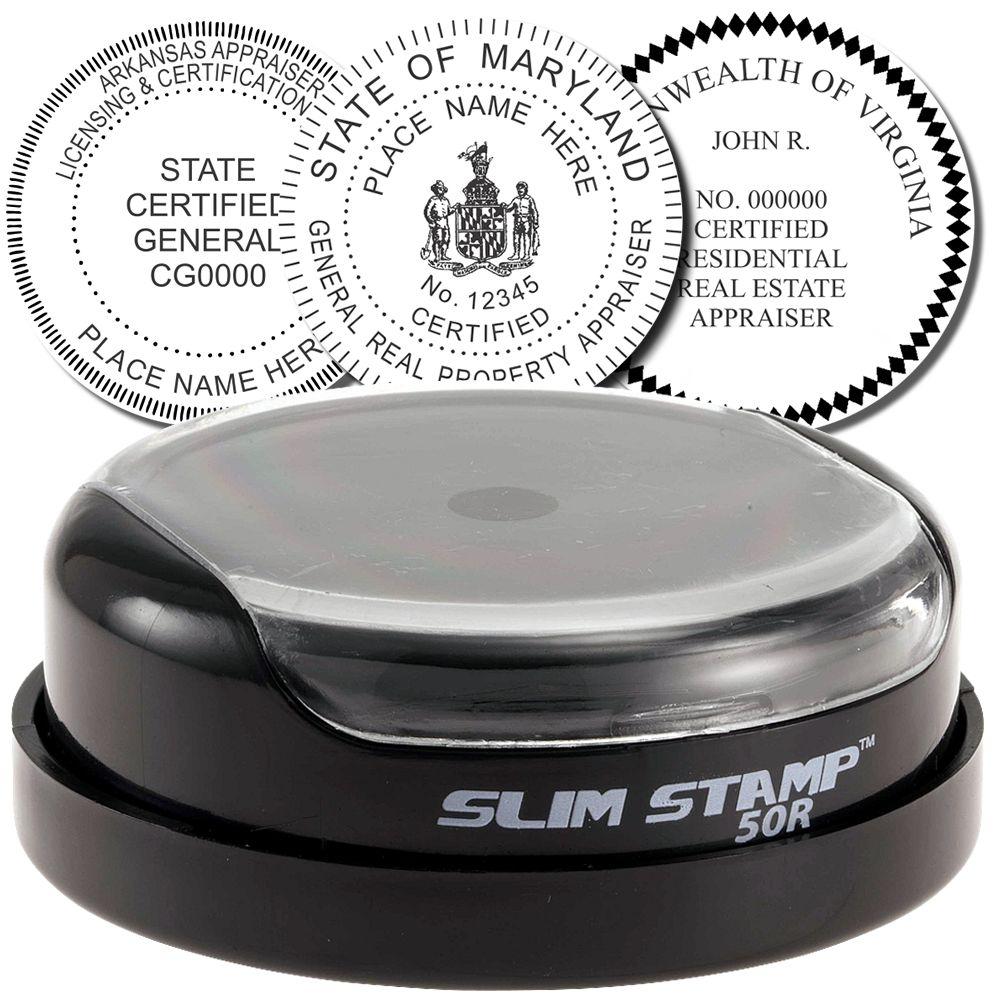
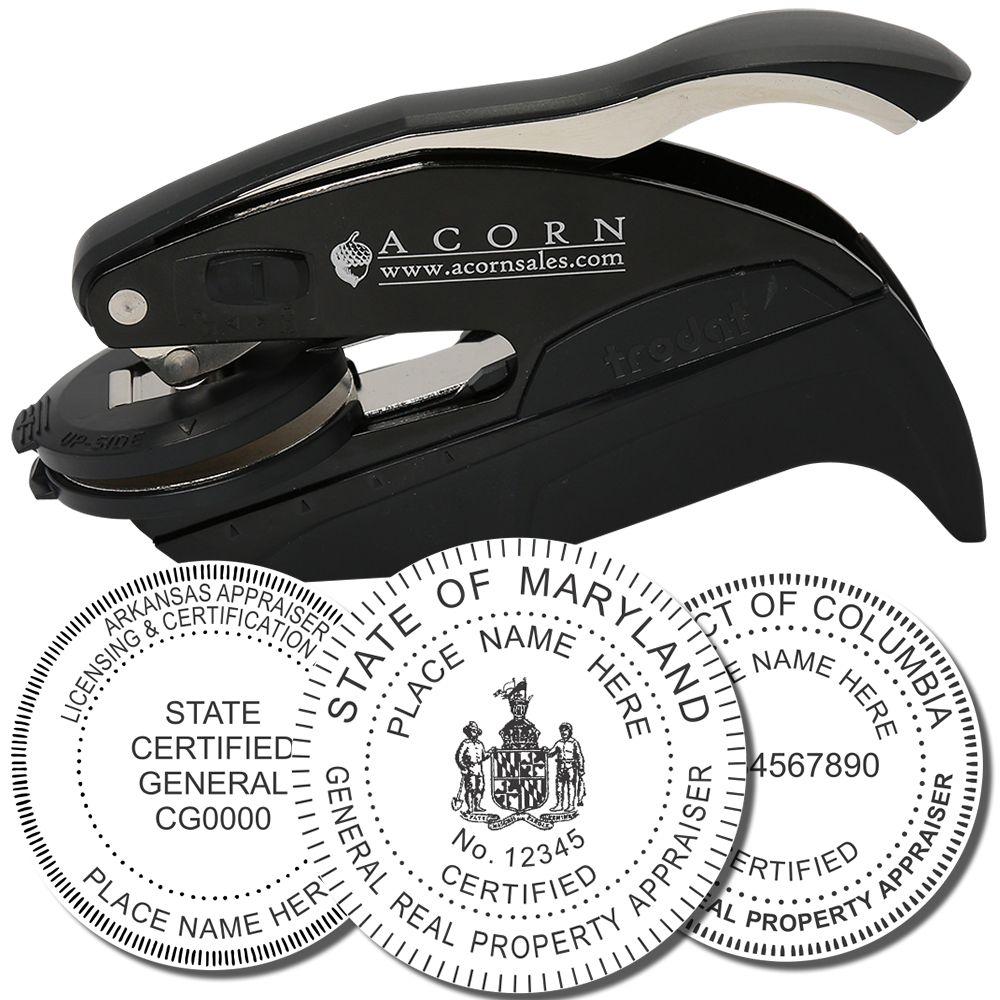
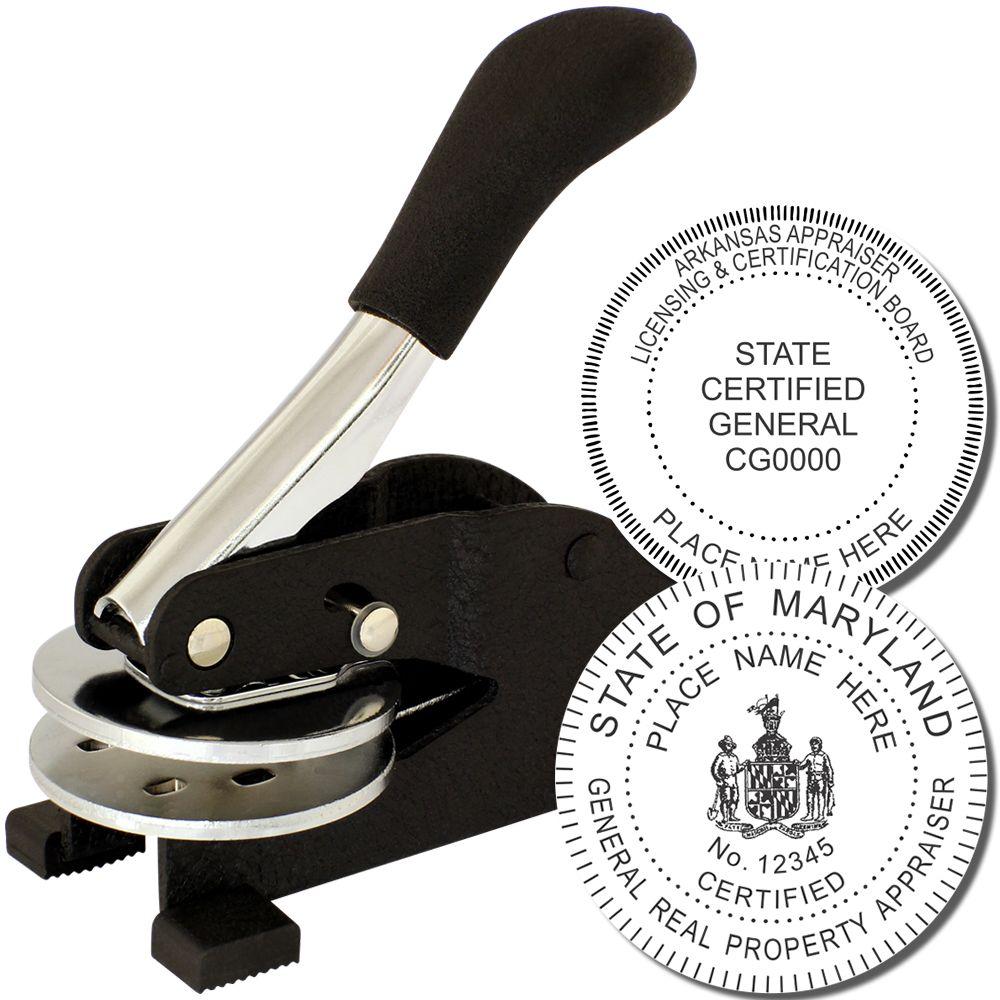
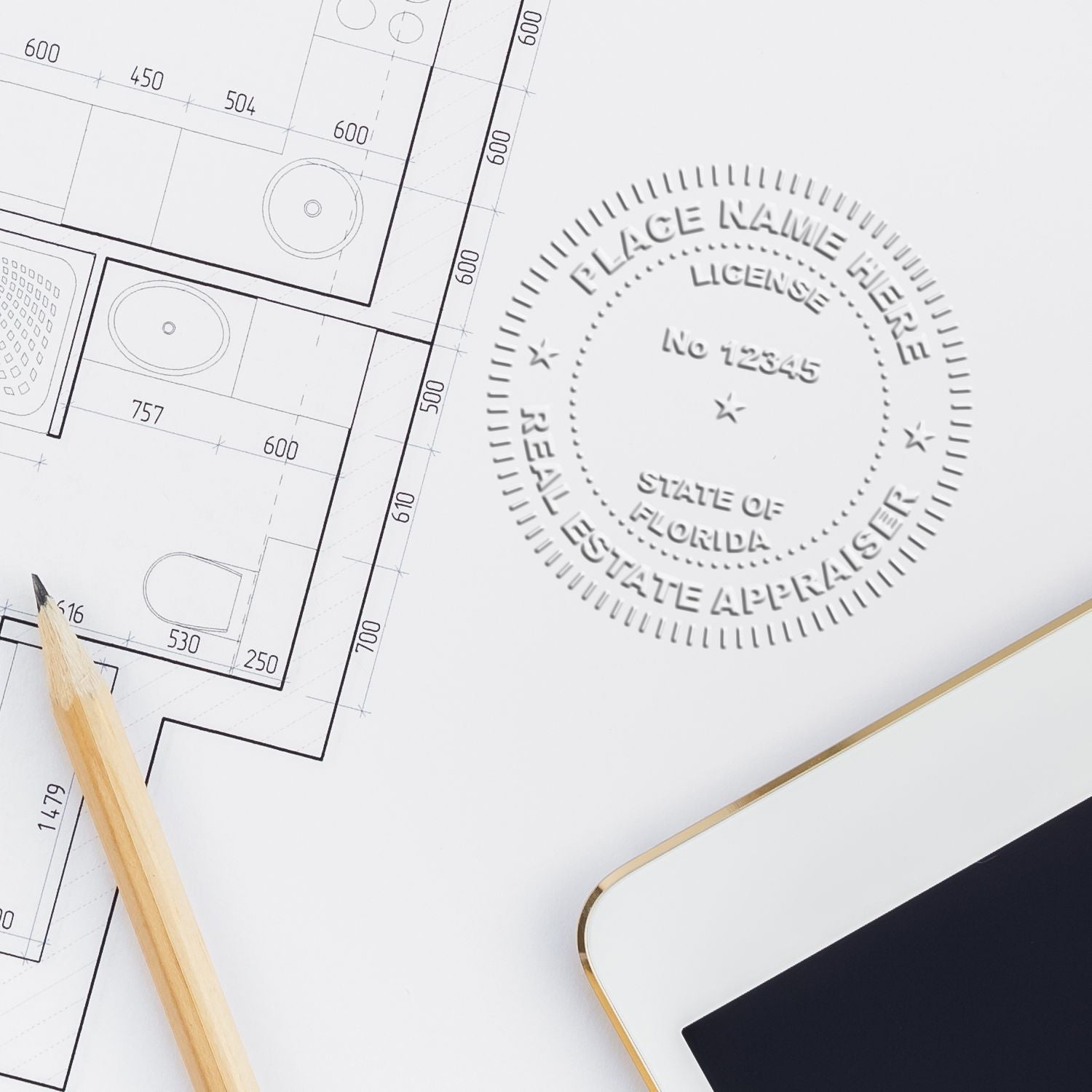
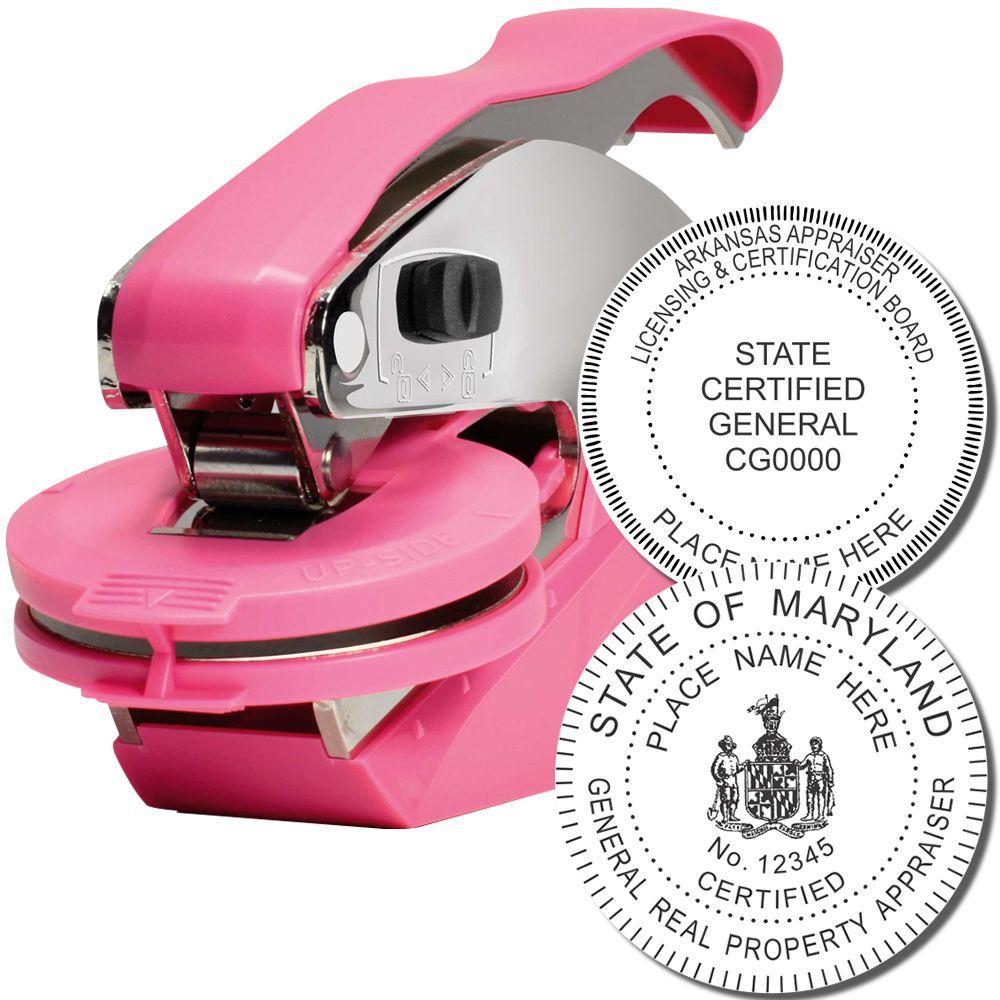
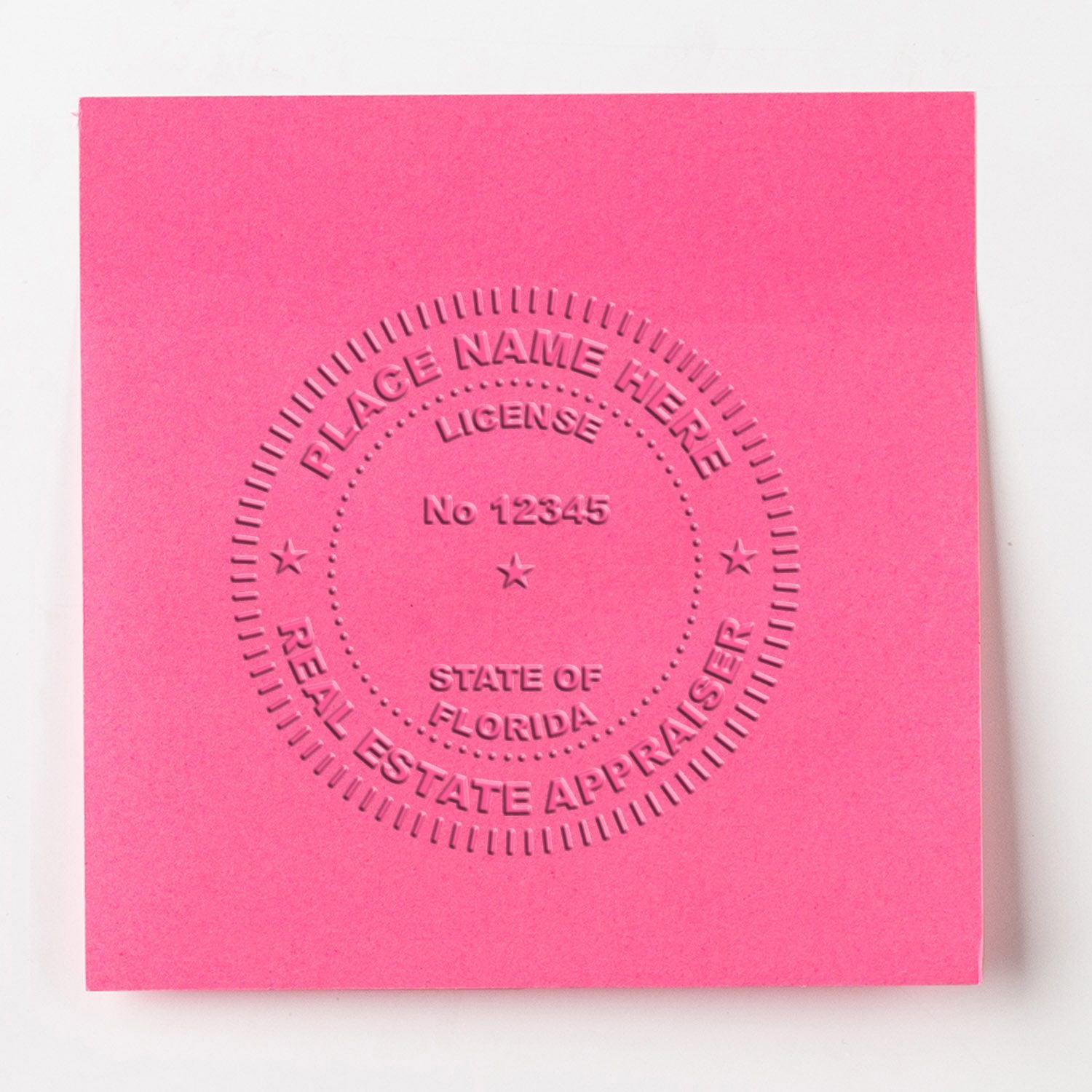
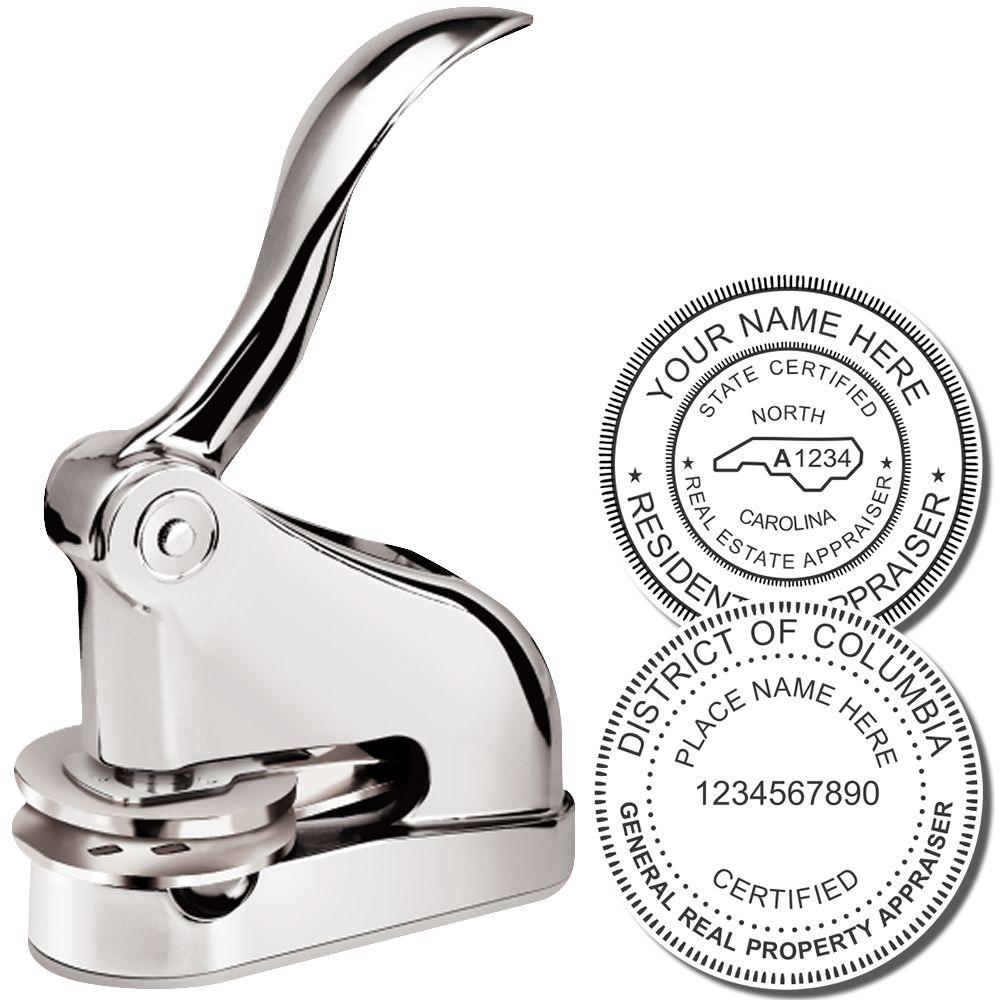
Given where the Kansas duty bites, on contracts and letters as much as on reports, an ink stamp is usually the better tool: it reproduces on a scan and it works on ordinary correspondence. The Self Inking Rubber Stamp of Seal is $39.95, the MaxLight Pre Inked Rubber Stamp of Seal is $46.95, the Slim Pre Inked Rubber Stamp of Seal is $46.95, and the Regular Rubber Stamp of Seal at $34.95 uses a separate pad. An embosser suits a printed original you want to feel formal, and the Hybrid Seal Embosser at $42.95 and the Desk Seal Embosser at $44.95 are the usual choices, though a raised impression will not show in a scan. The eSeal Electronic Image Stamp of Seal at $20.00 is an image file for PDFs rather than a physical tool.



Sizing and layout
Size is unregulated here, so let the documents decide it. If the die will mostly land on letterhead and contracts, a wide, shallow block with the classification and number side by side sits well above or below a signature line without crowding the page. If it will mostly land in a report’s signature panel, the stacked layout is tidier. The classification phrase is long, so give it room: state certified general real property appraiser does not shrink gracefully. Measure the space in the document that constrains you most and send that measurement with the order, and the type will be set to fit it.
Ordering
Send four things: your name as you sign it, your classification copied exactly from your certificate, your certificate or license number, and your choice between the side-by-side and stacked layouts. Say where the impression will land most often, a printed original, a scanned page or a contract, since that settles ink against raised. If you supervise and want a second device for experience log pages, mention it, because that block carries the certification number and your signature line rather than the full designation. For anything the order form does not cover, contact us.
Care, and one caveat on the record
An ink stamp wants a damp pad and a die face wiped clean when the lettering starts to print filled; an embosser wants dry storage. Re-cut the die when your classification changes, because at that point it no longer describes you, and check the number against the certificate whenever the board reissues one. A note on the research: the statute text here was read in the board’s own published compilation and its section list was cross-checked against the Kansas Legislature’s current site, which matched. The regulation text came from the board’s own published K.A.R. 117 compilation, which carries a last amended date in November 2018, and the board itself says the official copy is the one registered with the Secretary of State. A regulation adopted since then was not ruled out by reading the live register, so check there if you want certainty. This page is a research summary and not legal advice.
Frequently asked questions
Does Kansas require a real estate appraiser to seal a report?
No. The words seal and stamp appear nowhere in the Kansas appraiser act or in the board’s regulations. What Kansas requires is a designation: your classification, with your certificate or license number adjacent to it or immediately below it.
Does that apply only to appraisal reports?
No, and this is where Kansas differs from most states. K.S.A. 58-4115(b) reaches any appraisal report or any contract or other instrument used by the appraiser in conducting real property appraisal activities, so engagement letters and contracts are inside the duty too.
Where exactly does the number go?
Adjacent to the classification or immediately below it. Both are expressly allowed, which gives you a one-line layout with the two side by side or a stacked layout with the number directly under the classification. What the wording does not invite is separating the pair with other text.
What is the facsimile signature in K.S.A. 58-4115(a)?
The board chairperson’s signature on the certificate or license the board issues to you. It describes what the board prints on your credential document, not what you put on a report, and only the board applies it. Subsection (b) is the one that governs your reports.
Is a Kansas appraiser stamp required?
No. Nothing in Kansas law requires, prescribes or approves a device of any kind. A stamp is a convenience that reproduces the designation the statute does require, which is useful largely because that designation belongs on contracts and letters as well as reports.
What wording should the classification line use?
Whatever appears on your certificate, for example state certified general real property appraiser, state certified residential real property appraiser or state licensed real property appraiser. Kansas says real property appraiser where many states say real estate appraiser, so copy it from the certificate rather than from habit.
Does Kansas address electronic seals or digital signatures?
No. Neither phrase appears in the appraiser statutes or in the board’s regulations. An image of your designation block in a PDF is governed by your own practice and by USPAP, not by a Kansas device rule.








