
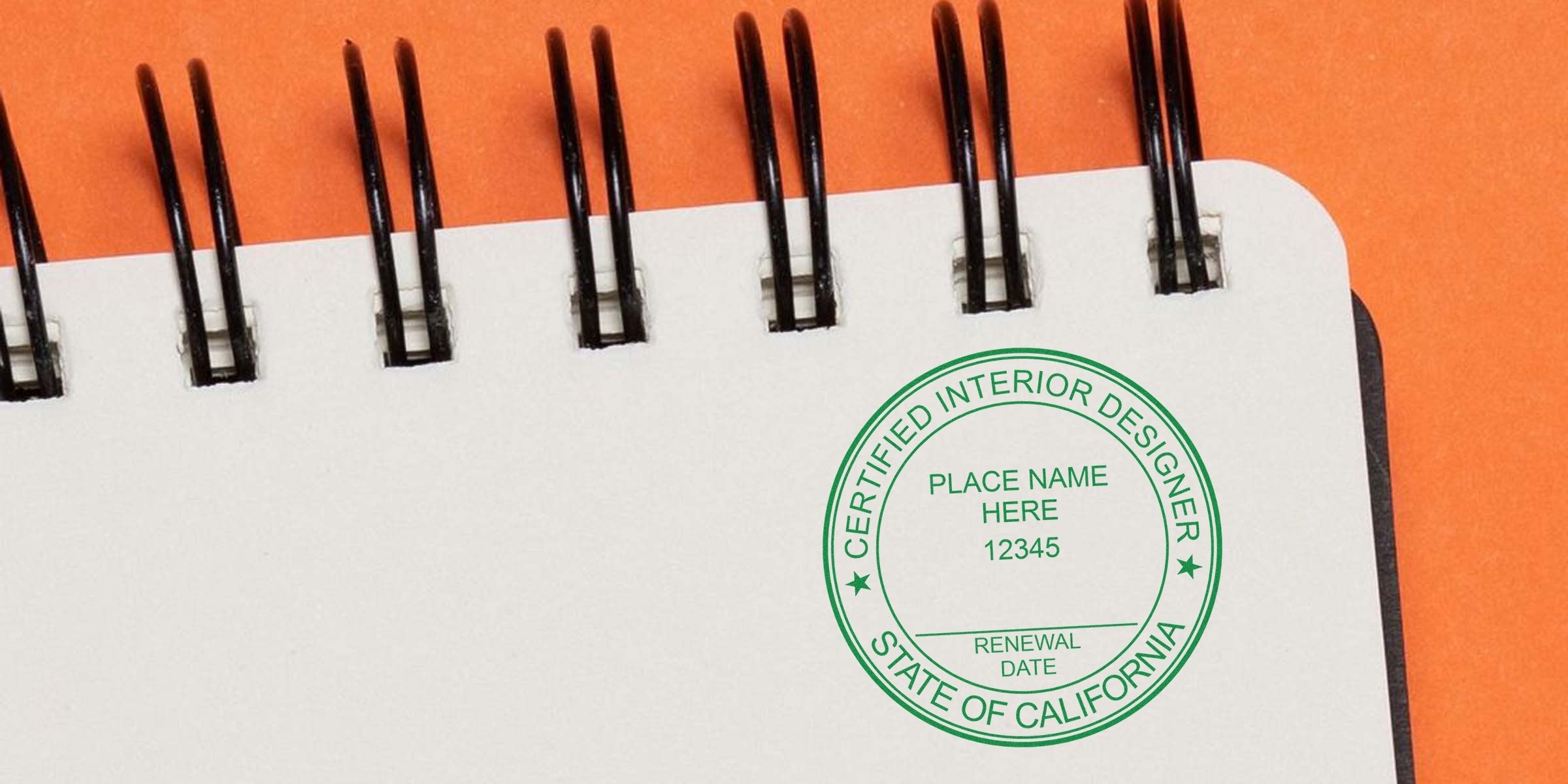
Discover The Exam Purpose
Are you planning to upgrade your interior design credentials in California? You’ve probably heard the buzz about the california interior designer stamp exam. This test can feel intimidating at first glance, but knowing why it exists is your first step to success. In a nutshell, it’s designed to establish consistent professional standards. By passing it, you prove you’re prepared to balance creative flair with the structural and legal requirements that make an interior space both attractive and safe.
Beyond gaining credibility, the exam also opens doors for future work opportunities. Many potential employers, government agencies, and clients want assurance that you can handle the technical side of design. With your passing score in hand, you’ll be poised to stamp official drawings, submit plans for approval, and convey a sense of reliability before you ever step onto a job site. Think of it as your official pass to combine imagination with building-safety know-how.
Just imagine the relief of stamping your own well-thought-out plan and feeling fully equipped to stand behind it. That’s the power of having that exam credential. You’re not just checking a box, you’re announcing that your work meets the same standards as the industry’s best. Plus, by going through the study process, you’ll fill any technical gaps in your skill set, ensuring your future projects are solid from start to finish.
Understand Licensing Requirements
Before diving into exam specifics, it’s good to clarify the broader licensing landscape for interior designers in California. Regulations can seem complicated, so let’s break it down. Interior designers in California often work under certain educational and experience guidelines. You may need a degree in interior design, architecture, or a related field. Some agencies require documented work experience—sometimes up to two years—to show you’re practicing real-world design versus just flipping through décor magazines.
Your stamp or seal is the official mark that goes on your drawings and documents, indicating you’ve met California’s professional standards. Typically, you’ll use it when you submit design plans for approval, or whenever you’re required to certify that your work meets specific codes and regulations. If you’re curious about the precise rules, check out these california interior designer stamp requirements. They’ll help you pinpoint exactly which boxes you need to tick before you start the exam process.
One thing to keep in mind is that different projects may require different stamps. While residential interiors might seem more flexible, commercial or public projects often have stricter regulations. In short, always verify the specific code requirements for your project type. That’s where your knowledge of licensing meshes with practical on-the-job know-how.
Prepare For Exam Day
Ready for the big test? Let’s talk about what it takes to pass the california interior designer stamp exam. This assessment typically covers design fundamentals, California building codes, health and safety regs, and how to apply them in real-life scenarios. You won’t just memorize facts, you’ll interpret them in inspiring yet compliant designs. That means you’ll want to brush up on everything from fire safety to accessible restrooms.
Here’s a quick checklist to help you study effectively:
- Gather updated textbooks on California building codes.
- Review notes from your core interior design curriculum.
- Study recent case studies to see how codes apply in practice.
- Practice scenario-based questions that blend style with regulations.
Since the exam can be lengthy, plan your time wisely. Some designers find they need two to three months of study, while others prefer a longer lead-up. Only you know how fast you learn, so build a realistic schedule. Break the material into chunks, such as code sections or design principles, and dedicate specific weeks to each. If you have a study buddy, compare notes on the more technical areas. Sometimes, explaining complex rules to someone else solidifies them in your mind.
On the day of the exam, bring your ID, confirmation paperwork, and any allowed reference material. Double-check your arrival time and location. And yes, be sure to get a good night’s sleep. Cramming until 3 a.m. usually leaves you too groggy to recall the finer points of code compliance.
Manage Your Stamp And Seal
You might wonder what happens once you’ve aced the exam. Passing is only part of the journey. Next, you’ll secure the official seal or stamp that marks your drawings as legit. Interior designers often use a professionally crafted seal, complete with their name, license number, and sometimes a distinguishing emblem. California sets the guidelines on what your stamp should include, so make sure you follow the official format.
Whenever you stamp a plan, you’re vouching for its accuracy and compliance. That’s a huge responsibility. Think of your seal as your signature—an endorsement that says, “I stand by this design.” You’ll attach the seal to blueprints, design specs, and relevant documentation to confirm everything meets legal requirements. It reassures clients, building authorities, and other stakeholders that you’ve got the skills to handle the job.
What about digital seals? In today’s tech-driven world, many California projects are now submitted online. A digital seal is a secure, electronic way to certify your work. If you’re planning to go digital, make sure any e-seal you use meets the state’s security and encryption standards. It should be just as official and tamper-proof as the physical version. Whichever route you pick, consistency is key—use your seal the same way every time, and log each usage in case you need those records later.
Choose A Trusted Supplier
Once you pass the exam, you’ll need a reliable source for your stamp or seal. That’s where Acorn Sales can help. We’ve been in business since 1964, and we provide California Interior Designer stamps and seals that meet state specifications. You even get a free electronic stamp included with your purchase, so you’ll be ready for both paper and digital submissions.
Working with a recognized supplier can spare you the headache of having your materials rejected by an inspector. You’ll also get peace of mind knowing you have a quality stamp that lasts for hundreds—if not thousands—of impressions. The best part? You won’t waste time on guesswork. Acorn Sales has been around the block when it comes to official seals, so you can count on them to keep track of the latest guidelines and ship you a product that passes muster.
To make the buying process smoother, do a little legwork before you place your order. Have your full legal name and license number in front of you, confirm you’ve got the correct spelling, and verify the format needed by the state. That way, your stamp arrives just how you need it, and you won’t lose precious time reordering or fixing typos.
Avoid Common Pitfalls
Even the most diligent designer can stumble if they’re not careful. Here are a few common mistakes and how you can steer clear of them:
-
Skipping The Fine Print
Overlooking small details in California building codes can lead to expensive revisions later. -
Submitting Incomplete Documentation
Always double-check that you’ve attached every required form, plan, or statement. Missing documents can delay project approvals. -
Rushing The Study Process
If you only skim the material, you risk missing crucial exam questions or failing to recall vital info during time-pressured scenarios. -
Improper Stamp Usage
Never stamp a plan you’ve only partially reviewed. Your seal implies you’ve thoroughly checked every aspect of the design.
If you stay alert and detail-oriented, you’ll minimize the risk of rejections and ensure your projects move forward smoothly. It’s all part of balancing your artistic vision with solid technical understanding.
Most jurisdictions in California will accept a properly encrypted digital seal, but always verify with your local building authorities. If they still require hard copies, you can stamp physical drawings with a traditional seal, or you can do both to be extra cautious.
Consider Your Next Steps
By now, you’ve got a good handle on the value of the california interior designer stamp exam, the licensing requirements, and the process for securing your own seal. It’s a journey that takes commitment, but the benefits are well worth the effort. You’ll move forward with increased professional confidence, streamlined project approvals, and the knowledge that you’re meeting California’s standards for public health and safety.
Remember, a strong study plan and reliable resources make the difference between feeling overwhelmed and feeling ready to tackle the exam head-on. Once you pass, check out california interior designer stamp requirements if you haven’t already. It’s a handy way to confirm all the final specs for your stamp or seal. And when it’s time to grab your official interior designer stamp, Acorn Sales is here to make sure you get a high-quality product without the hassle.
Keep designing spaces that inspire, function, and keep people safe. With the right certification and a dependable stamp in your corner, there’s no limit to what you can accomplish. Now is an excellent time to map out your study schedule, gather materials, and picture that day when you’re proudly stamping your own set of plans. You’ve got this, and we can’t wait to see what you create next. After all, your license isn’t just a piece of paper, it’s your ticket to a bright and impactful design career.
Frequently Asked Questions
Do I Need To Live In California To Take The Exam?
You usually need to meet California’s residency or work-related requirements to obtain a statewide stamp or license. However, you can sometimes arrange to test in California if your main practice is located there, or if a project specifically requires it. Always confirm eligibility with the state’s regulating board.
What If I Don’t Pass On The First Try?
Don’t panic. Many designers retake the exam after learning where they fell short. Focus on the content areas you struggled with, and consider joining a study group or hiring a tutor. Aim to register for the next available date so the material stays fresh in your mind.
Where Should I Buy My Stamp And Seal?
Choose a reputable provider like Acorn Sales. We’ve been around since 1964, which means we understand state requirements inside out. We’ll provide both physical and electronic stamps to ensure you’re covered in every submission format.








