
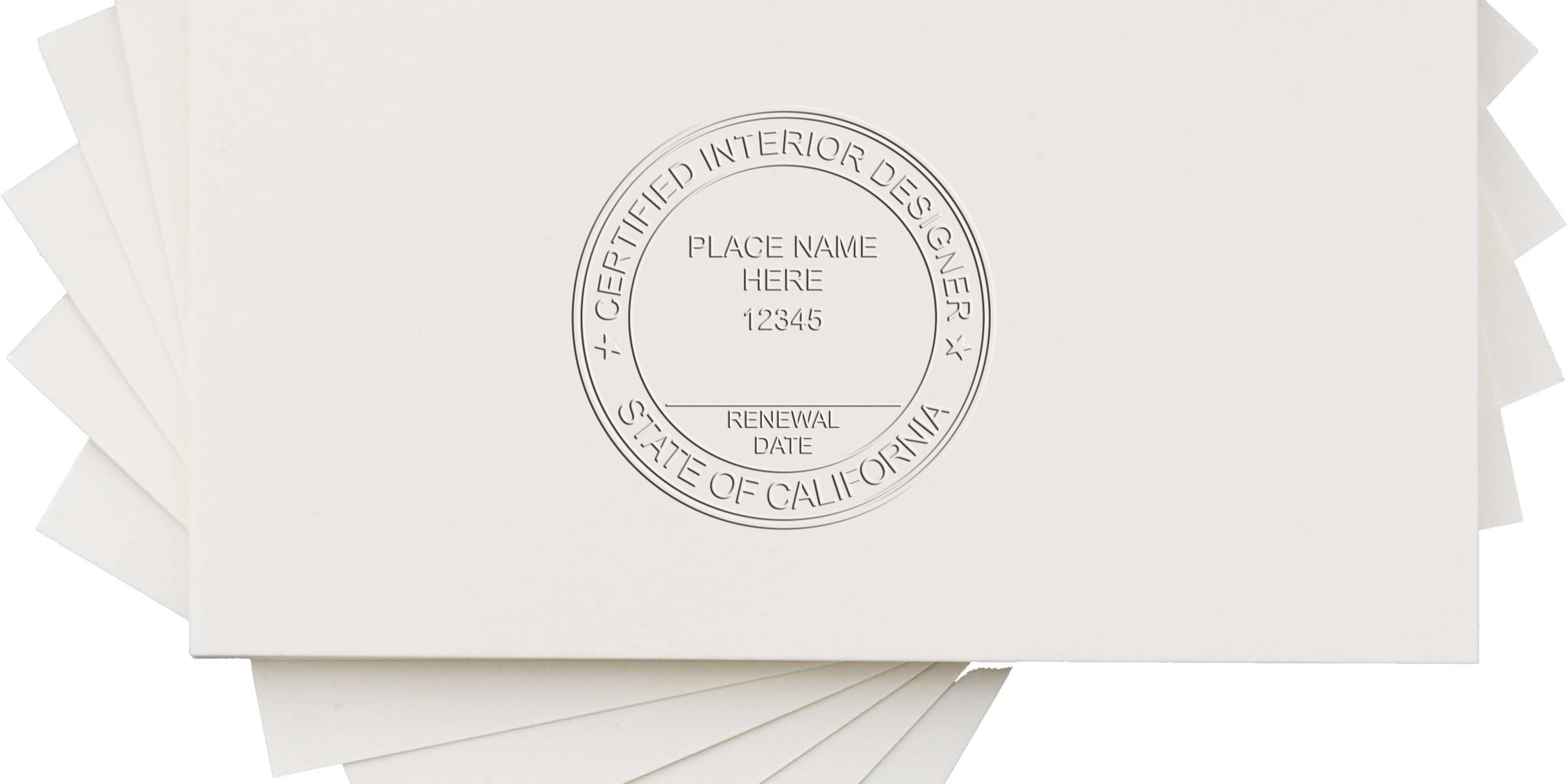
If you’re an interior designer working in California, you’ve likely encountered California interior designer seal guidelines at some point. These rules can feel a bit confusing, especially if you’re just starting out—or if you’ve never had to handle official documents before. In this post, you’ll learn why these seals matter, how to use them correctly, and where to get yours without hassle. By the end, you’ll be all set to meet every requirement and stamp your professional mark with confidence.
Recognize the Purpose of the Official Seal
Think of your seal like your signature: it’s a clear statement that you stand behind the design plans you create or approve. California has specific guidelines to ensure every interior designer’s seal is easy to identify and difficult to tamper with. Why should you pay extra attention to this detail?
- Your seal lends credibility to your work.
- It reinforces the idea that plans and drawings have been reviewed by a licensed or certified professional.
- It helps clients, regulatory authorities, and colleagues trust that everything meets legal standards.
As you know, credentials matter in your field. When a plan bears your seal, it shows you’ve taken responsibility for every aspect of that design.
The Seal as a Communication Tool
Your stamped image isn’t just a legal formality—it’s also a way to communicate your professional standing. If you’re designing a new office lobby or renovating a historic building, your seal signals that the plan aligns with California’s codes and regulations. This is especially helpful if local authorities, clients, or contractors need reassurance that a qualified pro has overseen the work.
Understand the Regulatory Framework
California has some of the strictest requirements when it comes to verifying professional credentials, and interior design is no exception. You might ask: “Are these rules really that complicated?” The short answer is: they can be if you don’t know where to look. Here’s a breakdown of what you should keep in mind.
- State Certification: Before ordering or applying a seal, you generally need to have the necessary certifications.
- Relevant Code Sections: These can change over time, so keep an eye on any updates from the state’s professional boards.
- Document Types: Typically, you’ll stamp blueprints, design layouts, and any other technical plans that require your professional endorsement.
Staying Updated on Changes
Interior design regulations aren’t entirely static. Over the years, the state might tweak some rules or add new requirements, especially regarding digital seal usage. To stay on top of your game:
- Check professional organizations for policy updates.
- Subscribe to official newsletters or bulletins from California’s regulatory bodies.
- Network with colleagues who can alert you if guidelines shift unexpectedly.
Select the Right Seal Format
When it comes to meeting California interior designer seal guidelines, you’ll find two main types of seals: printed (physical) and digital (electronic). Each has unique benefits depending on how you typically work. If you often block out design specs on a computer or share drawings via email, you might love a digital seal. If you deal in physical sets of construction documents, a sturdy embossing or rubber stamp might be your go-to.
Below is a quick comparison to help you decide:
| Criteria | Printed Seal | Digital Seal |
|---|---|---|
| Purpose | Marks physical drawings | Authenticates electronic plans |
| Pros | Tangible evidence, traditional | Convenient for remote approvals |
| Cons | Storage of ink or embosser | Requires secure encryption |
Combining Both Approaches
In many cases, you’ll want both a physical and a digital seal. For one thing, not every plan is purely online, and clients sometimes request hard-copy documents for recordkeeping. By keeping both options at the ready, you’re covered whether you’re mailing a proposal or emailing a PDF.
Use Proper Placement on Plans
Placing your seal is as important as having it in the first place. If you stamp a page in the wrong spot—or if it’s too faded or crooked—it could cause confusion or delays. So, where exactly should you place it?
- Typically, the seal goes near your signature block or right beside your printed name.
- Make sure it's clearly visible on final drawing sheets.
- Keep it away from busy design elements so it remains easy to find.
Key Tips for Placement
- Align your seal with margins and text boxes to maintain a clean, professional look.
- If multiple professionals have contributed (architect, engineer, etc.), coordinate seal placement so each signature appears in a standard area.
- Double-check the clarity. If the seal’s details aren’t crisp, re-stamp or adjust as needed.
Avoid Common Oversights
Even seasoned pros sometimes slip up. You might be rushing to finalize a project and inadvertently forget to affix your seal. Or maybe you used an outdated seal that no longer complies with revised guidelines. Here are some frequent pitfalls to watch for:
- Forgetting to renew your certification before stamping.
- Misplacing the seal so it overlaps design elements.
- Using an incorrect or old address on the seal (if the regulation includes address details).
- Skipping mandatory disclaimers that specify your role or certification number.
Quick Self-Audit
Before you submit anything with your seal, do a quick review:
- Confirm that your license or certification is up-to-date.
- Ensure no text or line art obscures the stamped area.
- Verify that the stamp reflects current contact or certification info if required.
Find a Trusted Supplier
You might be wondering where to get a seal that meets California’s specific guidelines. This is where Acorn Sales comes in. We’ve been helping professionals like you since 1964, offering reliable service and a deep understanding of official standards. Not only do you get a quality seal, but you also score a free electronic stamp for projects that call for digital documentation.
Why Acorn Sales?
- Over Five Decades of Experience: Since 1964, we’ve stayed up-to-date on changing regulations, so you don’t have to.
- Quality You Can Rely On: Our stamps and embossers are built to withstand regular use.
- Bundled Electronic Stamp: Need to file your plans online? You’re all set with our free digital option.
- Speedy Customer Support: Have questions about custom text or special design requests? We’re happy to help you keep your design workflow smooth.
Take Key Steps to Maintain Compliance
Beyond simply getting your seal, you’ll want to keep it in good standing. One minor oversight—like using an expired certification—could invalidate your plans and cause headaches down the road.
- Mark Renewal Dates: If your certification renews every few years, set a recurring reminder a few months in advance.
- Follow the Latest Procedures: If the state or professional board updates stamping requirements, adopt them promptly.
- Store Physical Seals Properly: If you have an embosser, keep it in a secure location to avoid misuse.
Simple Maintenance Schedule
- Annually review state regulations for any changes.
- Update or replace your seal design if guidelines shift.
- Make sure you have enough ink or embossing pressure for consistent impressions.
By maintaining a clear timeline for checks and updates, you’ll save yourself time, money, and potential code violations.
Link to Additional Resources
If you’re keen to read more about specific stamp styles or want details on mandatory text, check out the california interior designer stamp requirements. That resource walks you through everything from sizing conventions to the importance of listing your certification number.
You’ll also find helpful info on potential upgrades or customizations, such as adding a border or specialized font. Little touches like these can help your seal stand out while still fulfilling the legal requirements.
If new rules require updated text or a new format, contact your seal supplier to request a revised template. Keep an eye on your professional board’s notifications so you can pivot quickly. Doing this promptly ensures your projects face no delays—and it shows current and future clients that you stay on top of your professional obligations.
By following these steps, you’ll smoothly navigate the California interior designer seal guidelines without losing sleep over compliance issues. Make sure your stamp usage is consistent, clearly visible, and always up-to-date. When you’re ready to order—or if you just want solid advice—reach out to Acorn Sales. Between the long history, high-quality seals, and free digital stamp, you’ll have everything you need to keep your projects on schedule and in line with all the rules. Here’s to many brilliant designs, professionally sealed and ready for the spotlight!
Frequently Asked Questions
Do I Really Need a Seal?
Yes. If you’re submitting official plans or drawings in California, regulations often require you to include a valid seal. It’s a legal assurance that a qualified professional has signed off on the design elements. Without one, your plans might be rejected or stall in the approval process.
Are Digital Seals Accepted?
Most of the time, yes, provided they meet state encryption and security standards. Digital seals are great for projects that are distributed via email or filed with online agencies. Before you rely solely on an electronic version, confirm with local boards or clients to see if they accept digital documentation. Remember, Acorn Sales includes a free electronic stamp when you order your physical embosser.
What If My Seal Is Lost or Damaged?
You can usually order a replacement from your original manufacturer. If you’re pressed for time, consider a temporary digital seal (if permitted) while you wait. Just ensure that the new physical seal matches all the latest guidelines, especially if your licensing or contact details have changed.








