
Written by Acorn Sales Company, manufacturing stamps and seals since 1964 · Reviewed by Holly R, VP of Sales and Marketing at Acorn Sales, against California Department of Food and Agriculture, Division of Measurement Standards on 22 September 2026 · Updated 22 September 2026
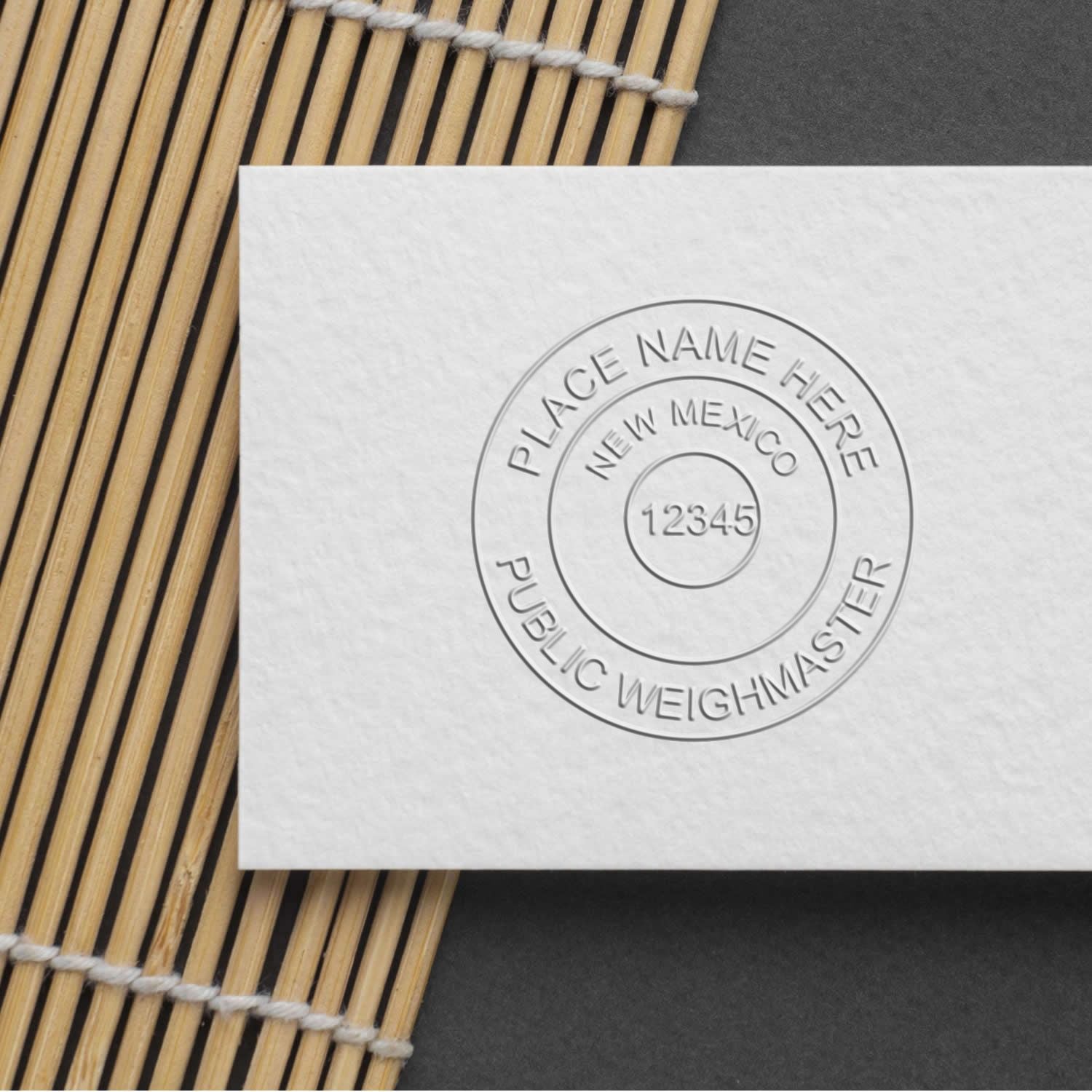
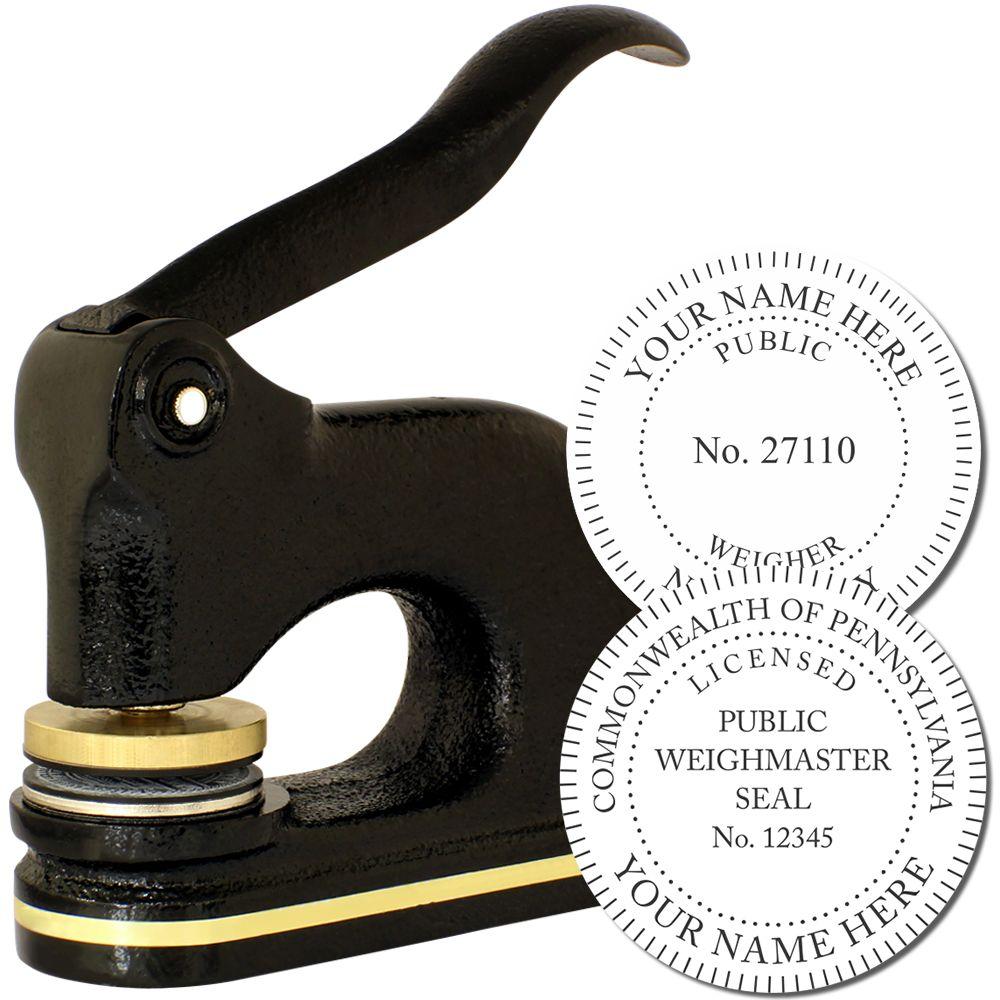
California does not require a weighmaster to have a seal or a stamp. We read Chapter 7 of Division 5 of the Business and Professions Code, sections 12700 to 12737, and the CDFA weighmaster regulations, and no seal provision appears in either. What California requires instead is printed and signed. Section 12714(a) puts a fixed legend on every certificate and every copy of it, section 12714(b) puts the printed name of the principal weighmaster on every certificate and every copy, and section 12715(c) requires the complete signature of the weighmaster who determined the weight, measure or count.
That printed block is the useful fact on this page, because it is the part a California weighmaster actually has to produce. The legend runs to a full paragraph and the statute sets its words. The name has to match the license. If you are looking at a supplier page offering a “California weighmaster seal”, nothing in the chapter requires one, and buying a device does not answer any obligation the law imposes. Getting the legend and the name right on your certificate stock does.
California public weighmaster seal requirements at a glance
| Requirement | California rule | Source |
|---|---|---|
| Seal required | No. Not addressed anywhere. No weighmaster seal or stamp is prescribed in B&P Chapter 7 or in the CDFA weighmaster regulations we read. The authenticating acts in California are the printed legend, the printed principal name and the signature. | Cal. Bus. & Prof. Code 12700 to 12737; Cal. Code Regs. tit. 4, Weighmaster Enforcement |
| Required elements | No seal, so no seal elements. The prescribed printed content is the legend set out verbatim in 12714(a) and, under 12714(b), “the printed name of the principal weighmaster as it appears on the license”, both on each certificate and all copies. | Cal. Bus. & Prof. Code 12714(a), (b) |
| Size and shape | Not addressed. No size or shape is published, because no seal is prescribed. The only placement instruction in the chapter is that the legend appears “in an appropriate and conspicuous place”. Do not take a diameter from a neighboring state. | Cal. Bus. & Prof. Code 12714(a) |
| Device allowed | Not addressed for any seal. For the signature the statute is explicit that a machine may do it: “The name of a weighmaster may be imprinted electronically on the weighmaster certificate in lieu of a handwritten signature”, where the imprinted name is that of the weighmaster who did the work or another weighmaster under section 12712. | Cal. Bus. & Prof. Code 12715(c) |
| Signature and date | Required. 12715(c) requires “the complete signature of the weighmaster who determined each weight, measure, or count”. 12715(a) requires “the date on which the weight, measure, or count was determined”. 12713 makes the weighmaster responsible for certificates being complete, including those issued by a deputy acting for them. | Cal. Bus. & Prof. Code 12713, 12715(a), (c) |
| What must be sealed | Nothing. No document is sealed in California. Weighmaster certificates carry the 12714(a) legend, the 12714(b) printed principal name, the 12715 contents and a signature, and that is the whole of the marking obligation we found. | Cal. Bus. & Prof. Code 12714, 12715 |
| Electronic seal | None exists, because no seal exists. Electronic imprinting of the weighmaster’s name in place of a handwritten signature is permitted by 12715(c), and nothing we read requires a third party digital certificate or certificate authority. | Cal. Bus. & Prof. Code 12715(c) |
| Renewal and lapse | Licenses renew annually: “Each license required by this chapter shall be renewed annually, on or before the first day of the first month of the licensee’s license year.” Fees effective 1 January 2024 are $75 fixed location, $30 each additional, $200 non-fixed and $20 per deputy weighmaster. Nothing is surrendered on lapse. A change in the licensed name means reprinting stock, since 12714(b) ties the printed name to the license. | Cal. Bus. & Prof. Code 12704, 12707, 12714(b) |
| Firm requirements | The chapter runs on a principal license with deputies under it. 12704 charges $20 per deputy weighmaster. 12712 permits a certificate to be signed and issued by a weighmaster other than the one who determined the weight where both “are on the same principal license” and signed records are kept. 12718.5 governs lawful possession of unfilled or unused certificate forms. | Cal. Bus. & Prof. Code 12704, 12712, 12714(b), 12718.5 |
| Regulator | California Department of Food and Agriculture, Division of Measurement Standards. The licensing official named in the statute is the secretary, meaning the Secretary of Food and Agriculture. This is a department program, not a professional board. | Cal. Bus. & Prof. Code, Div. 5, Ch. 7 |



Does California require a weighmaster seal?
No. We read Chapter 7 of Division 5 of the Business and Professions Code, sections 12700 through 12737, from the Division of Measurement Standards own published extract, and we read the CDFA weighmaster regulations, including the certificate entry rules at sections 4410, 4422, 4444 and 4492. Neither instrument prescribes a weighmaster seal, a stamp or an impression. The mandatory verbs in California attach to the legend and the name: 12714(a) says “there shall appear”, and 12714(b) says “there shall also appear”.
That is a real finding rather than a gap in the search. California authenticates a weighmaster certificate by who signs it and what is printed on it, and it gives that certificate its weight through the licensing scheme rather than through a device. A weighmaster who buys a stamp in California is buying a convenience, not compliance.
The legend, word for word
Section 12714(a) provides that there shall appear in an appropriate and conspicuous place on each certificate, and all copies of it, the following legend: “WEIGHMASTER CERTIFICATE / THIS IS TO CERTIFY that the following described commodity was weighed, measured, or counted by a weighmaster, whose signature is on this certificate, who is a recognized authority of accuracy, as prescribed by Chapter 7 (commencing with Section 12700) of Division 5 of the California Business and Professions Code, administered by the Division of Measurement Standards of the California Department of Food and Agriculture.”
Two things follow from the wording. First, the legend refers to the weighmaster “whose signature is on this certificate”, which is the statute telling you where the authentication comes from. Second, it names the administering division by its full name, so an abbreviation on your stock is a departure from the words the section sets out. The only latitude 12714(a) gives is placement, and even that is qualified: appropriate and conspicuous.
The printed name of the principal weighmaster
Section 12714(b) adds the second printed element: there shall also appear on each certificate, and all copies of it, “the printed name of the principal weighmaster as it appears on the license”. Note which name that is. Not the deputy who ran the scale, and not a trading name. The principal weighmaster, spelled as the license spells it.
It also settles a question people ask about multi-yard operations. The name printed under 12714(b) is the principal weighmaster’s, and 12704 charges a separate fee for each additional location and $20 per deputy weighmaster, so one principal can sit behind a lot of scales and a lot of deputies. The certificate names the principal in print and the person who weighed in signature, and those two are often different people.
This is the closest California comes to the endorsement block other states put on a seal, and it is the item most likely to go stale. A licensed name that changes, whether through a business reorganization or a change of principal, makes every preprinted certificate in the box wrong on its face. Check it whenever you reorder stock rather than when the box runs low.
What else a California weighmaster certificate has to carry
Section 12715 lists the contents, each “as applicable to the transaction”. The date on which the weight, measure or count was determined. The street address or location description and the city or township where the weighing, measuring or counting occurred. The complete signature of the weighmaster who determined each weight, measure or count. The kind of commodity and any other information necessary to identify the product or distinguish it from a similar commodity. The number of units of the commodity. The name of the owner, or the owner’s agent, and the consignee. Weight data. Tare weights and the code identification or description of boxes, bins, pallets or other containers. Correct identification of the vehicle, combination of vehicles or other means by which the commodity was delivered. And the unit of measure, such as pounds, tons, gallons, kilograms or cubic yards, used to identify the quantity.
The weight item is a choice of four. The certificate shows at least one of the following: the gross weight of the commodity and the vehicle or container, if only the gross weight was determined; the tare weight of the unladen vehicle or container, if only the tare weight was determined; the gross, tare and net weights when a gross and tare are used in determining the net weight; or the true net weight, measure or count when no gross and tare weights are involved.
Driver’s count, loader’s count, and the two abbreviations
Section 12715(e) covers the number of units, and it carries a marking rule worth knowing before you design a form. If the number of units was not personally determined by a weighmaster, the certificate shall contain the words “driver’s count” or “loader’s count”, as appropriate, after the number of commodity units. The statute then permits the short forms: the abbreviation “D.C.” or “L.C.” may be used in lieu of the complete words.
That is one of the few places in the chapter where California explicitly allows an abbreviation, and it tells you something about the rest. Where the statute wanted a short form it said so. The legend in 12714(a) and the licensed name in 12714(b) carry no such permission.



Signature, and the electronic name imprint
The signature is the authenticating act. 12715(c) requires the complete signature of the weighmaster who determined each weight, measure or count, and then allows a machine to stand in for the pen: the name of a weighmaster may be imprinted electronically on the weighmaster certificate in lieu of a handwritten signature, if the electronically imprinted name is that of the weighmaster who weighed, measured or counted the commodity, or that of another weighmaster under section 12712.
Nothing in that permission calls for a digital certificate, a certificate authority or any cryptographic step. It is a name imprint tied to the person who did the work. Section 12713 keeps responsibility with the weighmaster: a weighmaster is responsible for ensuring that the certificates issued by them, or by a deputy acting for them, are complete and contain all the information required by sections 12714, 12714.5 and 12715.
When another weighmaster may sign
Section 12712 handles the case where the person who determined the weight is not the person available to sign. It permits a certificate to be signed and issued by a weighmaster other than the one who made the determination, subject to conditions: the two are on the same principal license, and signed records or worksheets are maintained.
Read that against 12715(c) and the pattern is consistent. California cares about traceability to a named licensed individual, backed by records, rather than about a physical mark. That is the same reason 12718.5 governs lawful possession of unfilled or unused weighmaster certificate forms: blank stock in the wrong hands is the risk a seal would otherwise be guarding against.
For a scale house, the working consequence of 12712 is a records habit rather than a paperwork habit. If the weighmaster who determined the weight will not be the one signing, the signed records or worksheets are what connect the two, and they have to exist at the time rather than be reconstructed later. That is the California substitute for a personal mark: a paper trail back to a named licensee on the same principal license.
Section 12717 seals the scale, not the certificate
This is the trap on this topic, and it has caught other pages. Section 12717 is headed “APPROVAL, TESTING, AND SEALING OF WEIGHING OR MEASURING DEVICE” and provides that any weighing, measuring or counting instrument or device used by a weighmaster, and for which specifications and tolerances have been adopted by the secretary, shall be approved, tested and sealed in accordance with this division.
That is a weights and measures official applying a seal to the scale after testing it. It is a device-approval mark on equipment, and it has nothing to do with a mark on a piece of paper made by the weighmaster. Anyone searching the California chapter for the word seal will land on 12717 first, which is exactly how a page ends up reporting a weighmaster seal requirement that does not exist. Keep the two apart: 12717 is about the scale being sealed, and 12714 is about what appears on the certificate.
Licensing, deputies and what it costs
Section 12700 defines a weighmaster as any person who, for hire or otherwise, weighs, measures or counts any commodity and issues a statement or memorandum of the weight, measure or count which is used as the basis for either the purchase or sale of that commodity or charge for service. Section 12703 makes the license mandatory: no person shall perform any acts described in section 12700 unless licensed as a weighmaster under the chapter and unless the current license fee and any penalty has been paid.
Section 12707 requires annual renewal, on or before the first day of the first month of the licensee’s license year, by application to the secretary with the annual fee. The fees in section 12704, effective 1 January 2024, are $75 for a fixed location, $30 for each additional location, $200 for a non-fixed location and $20 per deputy weighmaster. Nothing beyond the license is issued, so nothing is returned when a license lapses.


Weighing practice the certificate has to reflect
A certificate is a statement about an act, and the chapter regulates the act. Section 12721 provides that, except as otherwise provided in the chapter, the vehicle, container, pallet or commodity for which the weight, measure or count is being certified shall actually be weighed, measured or counted at the time of, and for the purpose of, each certification. Section 12724 requires gross and tare to be determined with all persons off the scale and vehicle, unless both are determined without leaving the weighing location. Section 12716.5 governs correction of errors.
Those sections are the reason the California scheme works without a seal. The mark other states use to say this was a real weighing by a real licensee is done here by the licensing requirement, the signature and the practice rules behind them.
What a California weighmaster actually buys
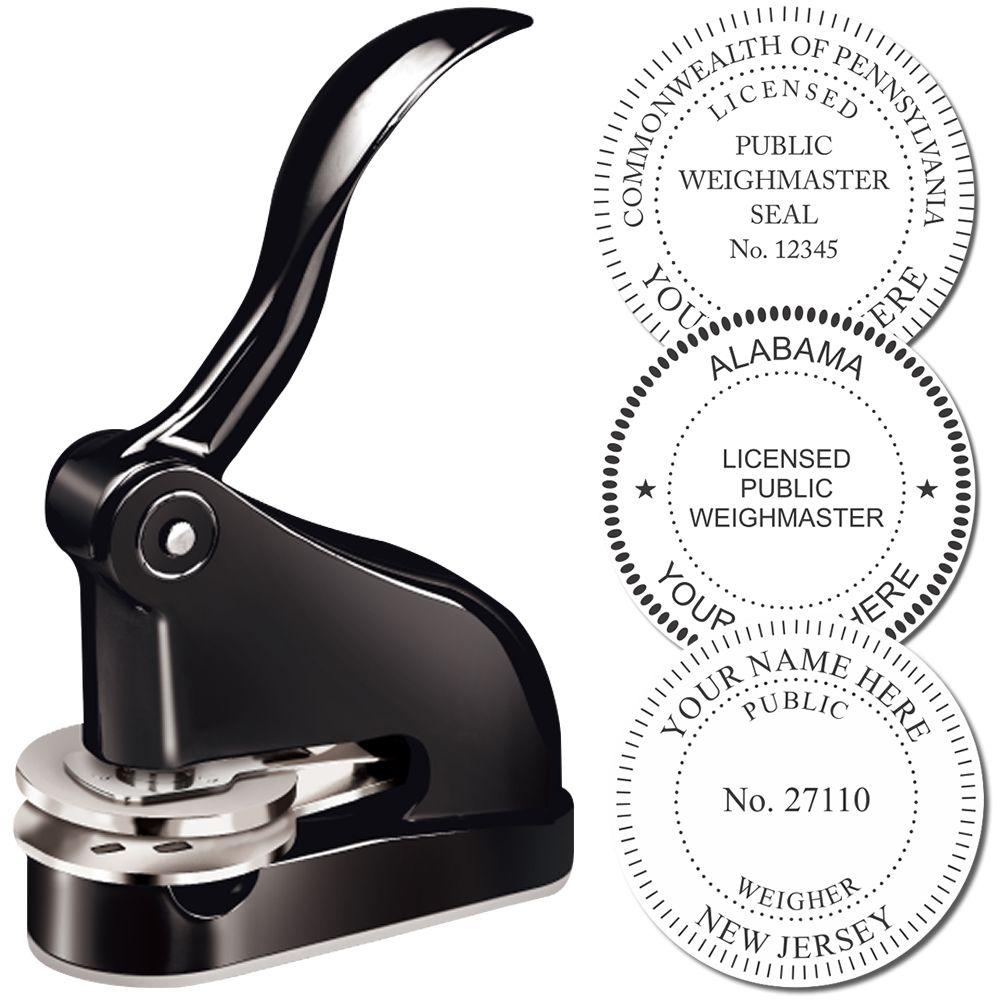
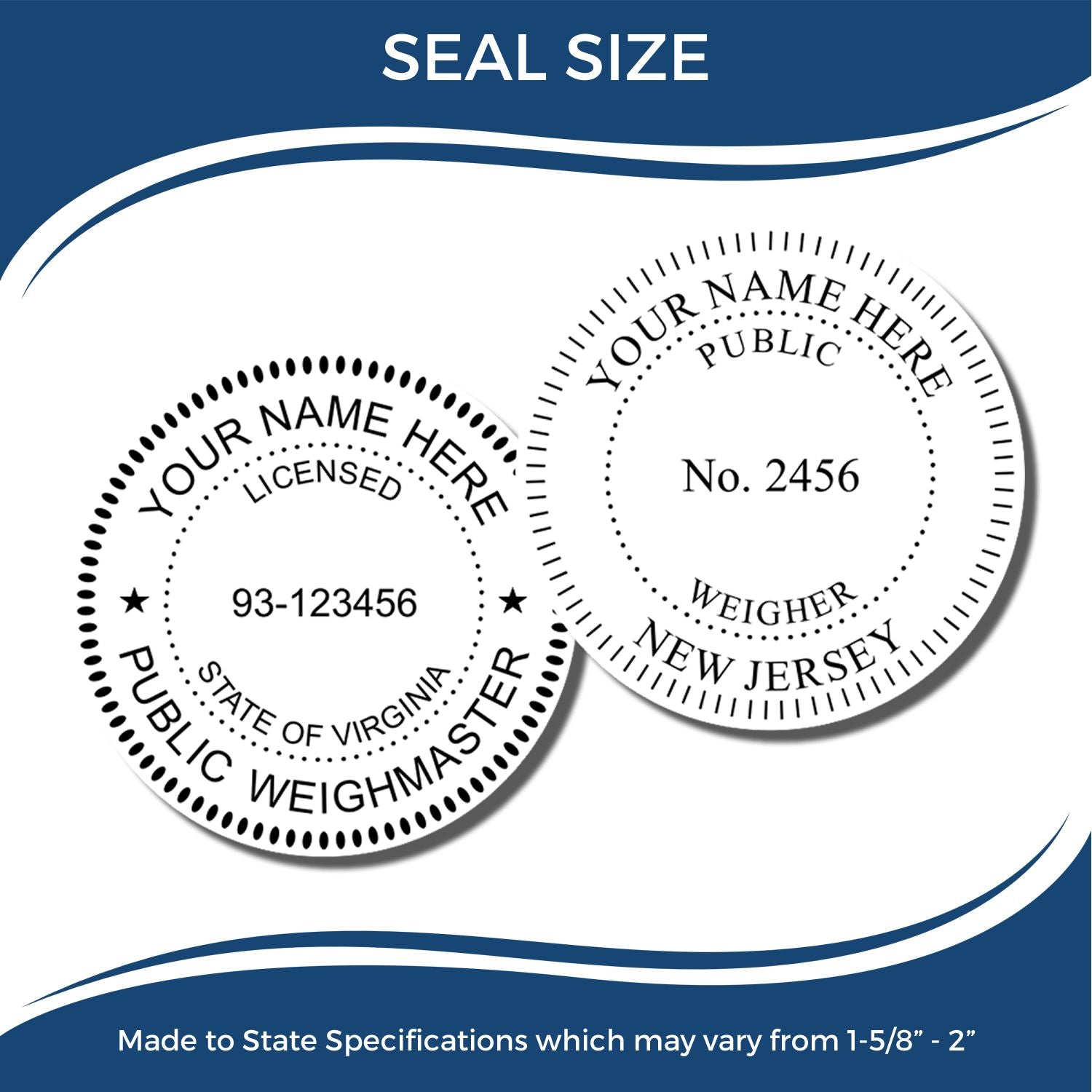
Since the state prescribes no seal, anything you use is a commercial choice, and the honest version of that choice is short. The two items with a real job are certificate stock carrying the 12714(a) legend and the 12714(b) printed principal name, and a way of putting a name and license block on paper that did not come off that stock.
A plain text stamp does the second job in one press, which is worth having when a delivery ticket, a worksheet or a copy needs the block and the preprinted form is not to hand. We make text stamps to order from artwork you supply, in the custom made rubber stamps and custom self inking stamps ranges. What we would not do is sell you a round die reading “California weighmaster” and let you think it discharges an obligation, because no California section imposes one. If you want a second opinion on a layout before ordering, contact us with the proposed wording.
What we could not read
One access limit is worth stating. leginfo.legislature.ca.gov, the Legislature’s own code display, is disallowed to our fetcher by robots.txt. The statutory text quoted on this page was therefore read from the Division of Measurement Standards own published extract of Chapter 7, which is the regulator publishing the statute it administers rather than a commercial republisher.
Section numbering is current as of that CDFA publication together with the 2024 fee amendment shown in section 12704. If you are relying on a fee figure or on the exact legend for a print run, check the current text with the Division before the run. This page is a research summary and not legal advice.
- Public Weighmaster Stamps and Seals
- Nevada Weighmaster: No Seal, Signature Instead
- Colorado Certified Weigher: No Seal Required
Frequently asked questions
Does California require a weighmaster seal?
No. We read Business and Professions Code sections 12700 to 12737 and the CDFA weighmaster regulations, and no seal or stamp is prescribed in either. California requires a printed legend under 12714(a), the printed name of the principal weighmaster under 12714(b), and a signature under 12715(c).
What is the legend that has to appear on the certificate?
Section 12714(a) sets it out: “WEIGHMASTER CERTIFICATE / THIS IS TO CERTIFY that the following described commodity was weighed, measured, or counted by a weighmaster, whose signature is on this certificate, who is a recognized authority of accuracy, as prescribed by Chapter 7 (commencing with Section 12700) of Division 5 of the California Business and Professions Code, administered by the Division of Measurement Standards of the California Department of Food and Agriculture.” It appears on each certificate and all copies.
Is section 12717 the weighmaster seal rule?
No, and this is the common misreading. Section 12717 concerns the approval, testing and sealing of a weighing, measuring or counting device used by a weighmaster. That is the weights and measures official sealing the scale. It is a different mark on a different thing and it imposes no seal duty on the weighmaster’s paperwork.
Can I sign a California weighmaster certificate electronically?
Section 12715(c) permits the name of a weighmaster to be imprinted electronically in lieu of a handwritten signature, if the imprinted name is that of the weighmaster who weighed, measured or counted the commodity, or of another weighmaster under section 12712. No digital certificate or certificate authority is required by anything we read.
Whose name goes on the certificate?
The principal weighmaster’s, printed as it appears on the license, under 12714(b), on each certificate and all copies. The signature under 12715(c) is that of the weighmaster who determined the weight, measure or count, which may be a deputy on the same principal license.
What does a California weighmaster license cost?
Section 12704, as amended effective 1 January 2024, sets $75 for a fixed location, $30 for each additional location, $200 for a non-fixed location and $20 per deputy weighmaster. Section 12707 requires annual renewal on or before the first day of the first month of the licensee’s license year.
If no seal is required, is there any point buying a stamp?
Only as a convenience. A text stamp that prints your name and license block in one press saves writing it out on copies, worksheets and delivery tickets that did not come off preprinted stock. It answers no legal requirement, because California imposes none, and we would rather say that than sell you a device on a false footing.








