
Written by Acorn Sales Company, manufacturing stamps and seals since 1964 · Reviewed by Holly R, VP of Sales and Marketing at Acorn Sales, against Colorado Department of Agriculture, Inspection and Consumer Services Division, Measurement Standards on 22 September 2026 · Updated 22 September 2026
Colorado requires no seal or stamp from the person who weighs, and Colorado does not use the title public weighmaster at all. The credential here is the certified weigher, awarded by the commissioner under C.R.S. 35-14-121 and qualified for under Part 1 of 8 CCR 1202-2, which is headed “Qualifications for Certified Weigher Certificate”. We read both statutory sections and the whole of the rule. The words seal and stamp do not appear in either. What Colorado requires is a weight certificate, issued to both the buyer and the seller, carrying the certified weigher’s name among its entries.
That makes this a short page with one useful list on it, which is what a Colorado weight certificate has to contain. If you came here looking for the diameter of a Colorado weighmaster seal, there is no such thing to measure, and anybody selling you one is selling a decoration. If you came here because you are setting up certificate stock or a scale house routine, the certificate contents below are the part worth reading, with one caveat about their source that we set out honestly further down.
Colorado public weighmaster seal requirements at a glance
| Requirement | Colorado rule | Source |
|---|---|---|
| Seal required | No. Not addressed anywhere. The words seal and stamp do not appear in C.R.S. 35-14-121 or 35-14-122 as reproduced by the General Assembly, and they do not appear anywhere in 8 CCR 1202-2. Colorado requires a weight certificate carrying the weigher’s name, not a sealed one. | C.R.S. 35-14-121, 35-14-122; 8 CCR 1202-2 |
| Required elements | No seal, so no seal elements. The content Colorado does prescribe belongs to the certificate. The Department’s published list is the gross, tare and net weights; date of weighing; positive vehicle identification such as a license plate number; weight certificate serial number; name of shipper or owner; nature of load; name of receiver of load; whether the driver is on or off the scale during weighing; name of the certified weigher; and location of the certified scale. | Colorado Department of Agriculture, Measurement Standards, Certified Weighers program page |
| Size and shape | Not addressed. No seal exists in the statute or the rule, so no diameter, dimension or shape is published anywhere. Do not infer one from a neighboring state or from a product listing. | C.R.S. 35-14-121, 35-14-122; 8 CCR 1202-2 |
| Device allowed | Not addressed. No seal device is required, permitted or excluded by anything we read. The authenticating content is written or printed on the certificate rather than impressed on it. | C.R.S. 35-14-121, 35-14-122; 8 CCR 1202-2 |
| Signature and date | No signature and seal pairing exists in Colorado. The certificate carries the date of weighing and the name of the certified weigher, per the Department’s published certificate contents. No separate signature rule was found in 35-14-121, 35-14-122 or 8 CCR 1202-2. | Colorado Department of Agriculture, Measurement Standards, Certified Weighers program page |
| What must be sealed | Nothing. What must be issued is the weight certificate. C.R.S. 35-14-122 requires that the weigher “shall issue a weight certificate containing all the information required by subsection (2) of this section to both the buyer and the seller”. | C.R.S. 35-14-122 |
| Electronic seal | Not addressed. No electronic seal or digital signature provision for certified weighers was found in 35-14-121, 35-14-122 or 8 CCR 1202-2. There is no electronic version of a device that does not exist in the first place. | C.R.S. 35-14-121, 35-14-122; 8 CCR 1202-2 |
| Renewal and lapse | Nothing is surrendered on lapse, because nothing is issued beyond the certification itself. C.R.S. 35-14-121 carries qualification, certification, revocation and rulemaking in its own heading, and it provides for revocation of certification. | C.R.S. 35-14-121 |
| Firm requirements | Not addressed for weighers. The entity level requirement in Colorado attaches to the scale rather than to a weighing firm: commodities shall be weighed on a scale licensed in accordance with Article 14 if neither the buyer nor the seller owns a scale. | C.R.S. 35-14-122 |
| Regulator | Colorado Department of Agriculture, Inspection and Consumer Services Division, Measurement Standards, which is the exact heading on 8 CCR 1202-2. The statutory officer is the commissioner, meaning the Commissioner of Agriculture. This is not a professional board. | 8 CCR 1202-2; C.R.S. 35-14-121 |

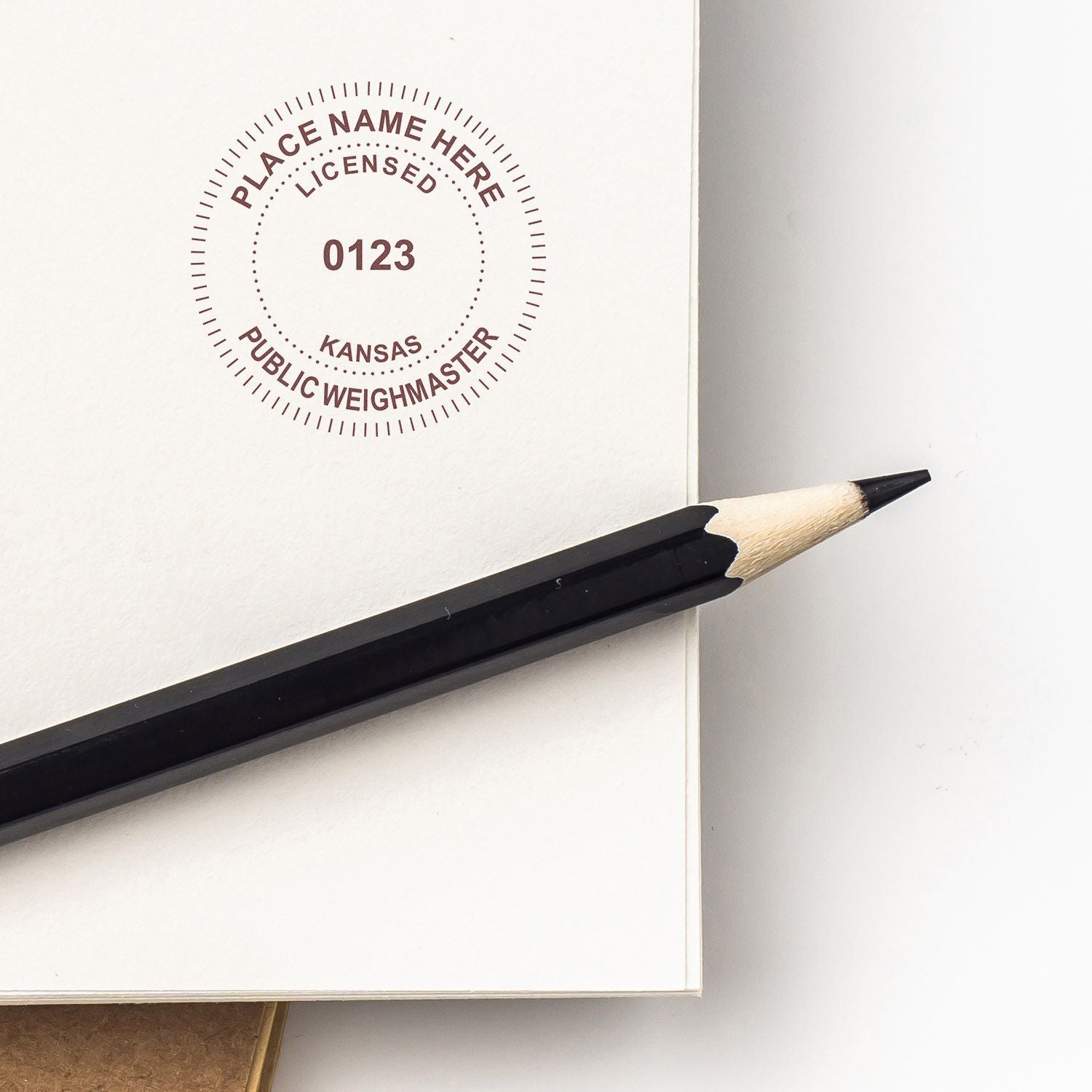
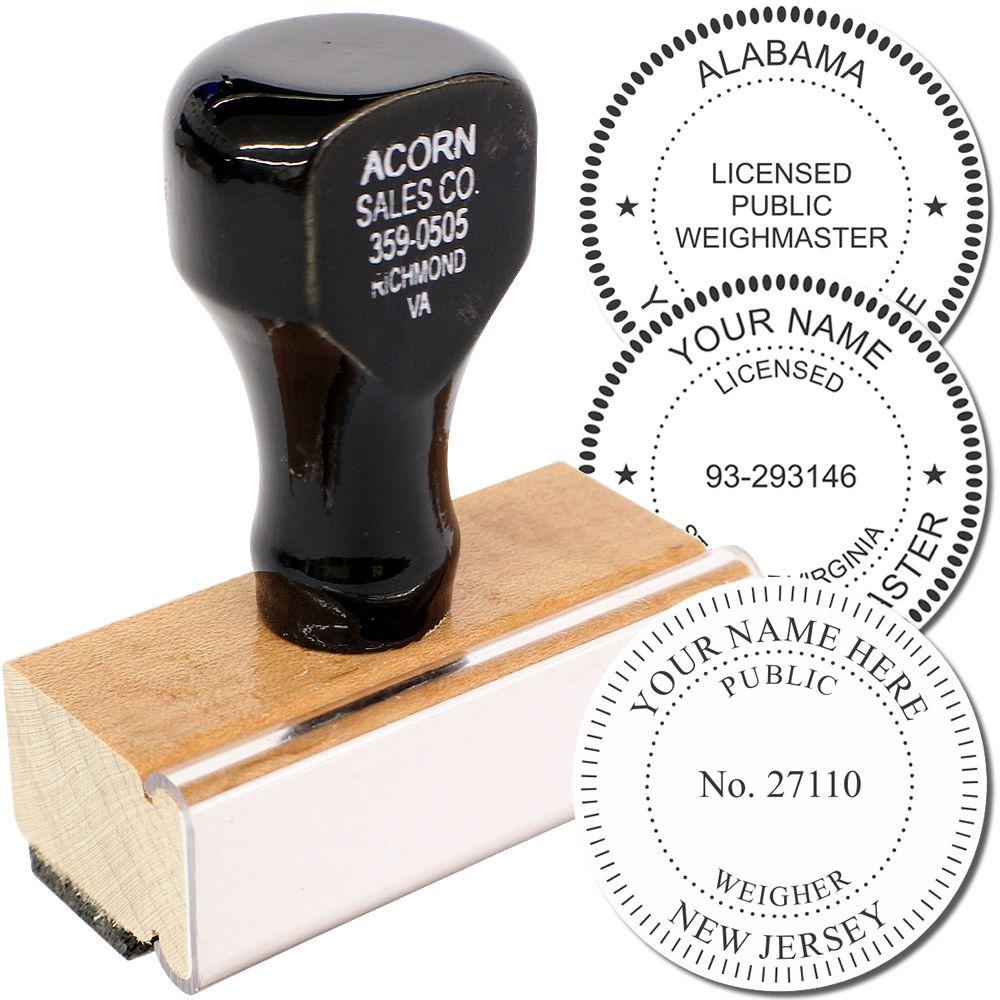
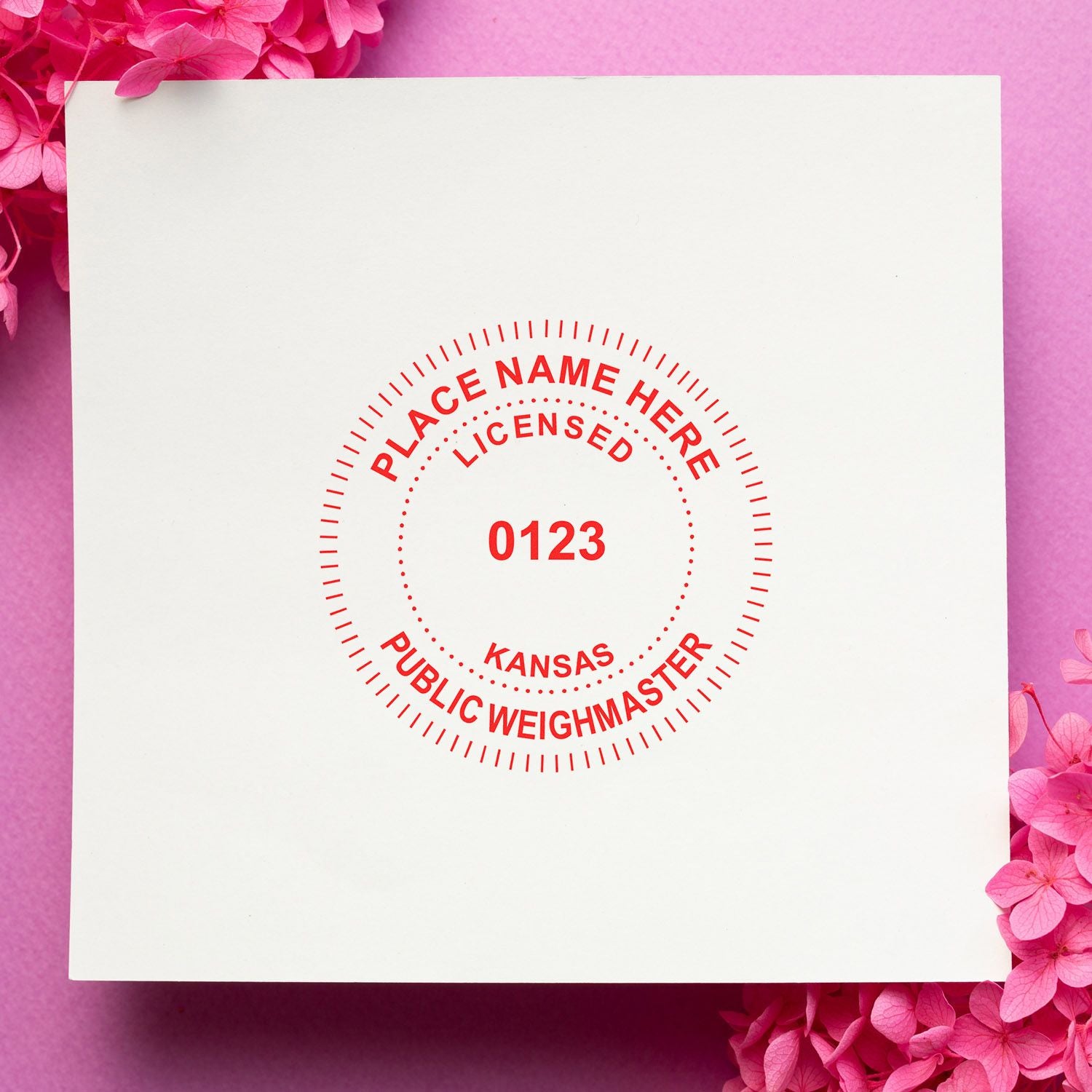
Colorado has a certified weigher, not a public weighmaster
Start with the title, because the search term and the credential do not match. C.R.S. 35-14-121 speaks of “an applicant for a license as a certified weigher” and provides that the commissioner shall award certifications to qualifying applicants. Part 1 of 8 CCR 1202-2 is headed “Qualifications for Certified Weigher Certificate”. The statute also makes room for officials to hold it: a weights and measures officer may obtain certification when acting within the scope of the officer’s official duties.
Nothing in Title 35, Article 14 creates a public weighmaster. If you hold that appointment in another state and are now weighing in Colorado, the credential you need here has a different name, a different qualifying route and no device attached to it. Treat advice written for a weighmaster in Maine, Mississippi or New Jersey as inapplicable, because those states put statutory wording on a seal and Colorado has no seal to put wording on.
Does Colorado require a weigher to seal a certificate?
No. We checked this directly rather than by inference. The words seal and stamp do not appear in C.R.S. 35-14-121 or 35-14-122 as reproduced in the General Assembly’s own drafting document, and they do not appear anywhere in 8 CCR 1202-2, which we read in full including Parts 1 through 6 and the reserved Parts 7 and 8.
What replaces the seal is the certificate itself and the weigher’s name on it. C.R.S. 35-14-122 requires the weigher to issue a weight certificate containing all the information required by subsection (2) of that section to both the buyer and the seller. The obligation is to produce and distribute a complete document, not to mark it with a device.
What a Colorado weight certificate contains
The Department of Agriculture publishes the list on its Certified Weighers program page, and it runs to ten items: the gross, tare and net weights; the date of weighing; positive vehicle identification, for example a license plate number; the weight certificate serial number; the name of the shipper or owner; the nature of the load; the name of the receiver of the load; whether the driver is on or off the scale during weighing; the name of the certified weigher; and the location of the certified scale.
Three of those are the ones people forget when they design a form. The serial number, which makes the certificate traceable as a numbered document. The driver on or off the scale entry, which is a weighing practice fact recorded on the face of the ticket. And the scale location, which ties the document to a licensed piece of equipment rather than to an office address.
Positive vehicle identification, and the driver on or off the scale
Two of the ten certificate items are practice records rather than descriptions, and they are the ones a scale house has to build a habit around. The first is positive vehicle identification, which the Department gives as, for example, a license plate number. Positive is the operative word: a truck number chalked on a door or a carrier name is an identification of a fleet, not of the unit that stood on the scale, and a certificate that cannot be tied back to a specific vehicle is weaker evidence than one that can.
The second is whether the driver is on or off the scale during weighing. That entry records something about how the weighing was performed and it changes what the number means, because a driver in the cab is part of the gross. Recording it is what lets a gross and a tare taken at different moments be compared honestly. Other states handle the same problem by rule; California, for example, requires gross and tare to be determined with all persons off the scale and vehicle unless both are determined without leaving the weighing location. Colorado handles it by putting the fact on the face of the ticket.
The third item worth a designer’s attention is the weight certificate serial number. A serial number implies a sequence, and a sequence implies that missing numbers are noticeable. Leave the numbering to the printer rather than to the operator, and keep voided certificates in the book rather than removing them, so the sequence stays intact.
Where that list comes from, and what we could not read
We have to be careful here, and we would rather say so than let the list look more authoritative than it is. The ten items above are the Department’s own published guidance. The verbatim statutory text of C.R.S. 35-14-122(2), which is the subsection the statute points to for certificate contents, we could not read from an official Colorado publisher. The Office of Legislative Legal Services Title 35 download returned HTTP 429 repeatedly, and the content.leg.colorado.gov Title 35 PDF truncated long before Article 14.
So treat the ten items as the regulator’s description of the statutory list, which is good enough to design a form around and not good enough to quote as the words of the section. The seal answer on this page is not affected by that gap: the General Assembly’s own reproduction of both 35-14-121 and 35-14-122 confirms that neither section contains seal or stamp. Before a print run, ask the Department for the current certificate contents in writing.
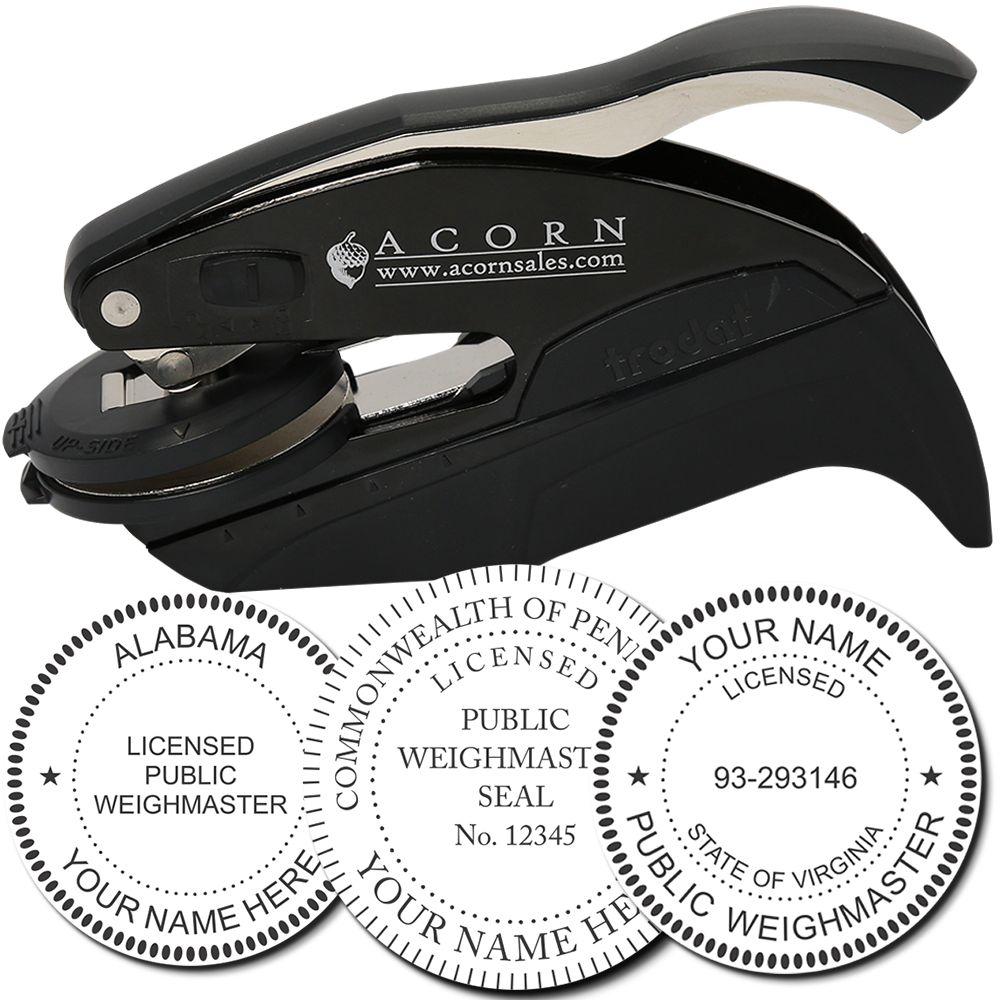


Getting certified: training and a written exam
8 CCR 1202-2 Part 1 sets the qualifications in two rules. Rule 1.1 covers training. Rule 1.2 covers the written exam. C.R.S. 35-14-121 then provides for the commissioner to award certifications to applicants who qualify, and the same section provides for revocation, which its heading names alongside qualification, certification and rulemaking.
Nothing in that route involves ordering a device, receiving one from the state or surrendering one when the certification ends. Colorado issues a certification and nothing else, so there is no property to return and no artwork to match.
The statute also makes room for officials. A weights and measures officer may obtain the certification when acting within the scope of the officer’s official duties, which means the same credential covers both a commercial weigher at a licensed scale and an inspector weighing in an official capacity. That is another reason no personal device appears anywhere in the scheme: the certification, not an instrument, is what the state hands out.
The licensed scale requirement
C.R.S. 35-14-122 covers public scales, their requirements, weight certificates, procedures and records, and it regulates the equipment as much as the paperwork. Commodities shall be weighed on a scale licensed in accordance with Article 14 where neither the buyer nor the seller owns a scale.
That is the Colorado equivalent of the assurance other states get from a weighmaster seal. The confidence in the number comes from a licensed scale, a certified weigher and a certificate going to both sides of the transaction, rather than from an impression on the ticket. It also explains why the scale location is on the certificate: it points at the licensed device.
Both copies, to both sides
One phrase in 35-14-122 is easy to skim past and worth stopping on: the certificate goes “to both the buyer and the seller”. Not to the party who paid for the weighing, and not on request. Both.
If your scale house issues one ticket to the driver and files the copy, that is a practice worth checking against the section. Distribution is the obligation Colorado wrote where other states wrote a marking obligation, and it is the one most likely to be missed by an operation that moved here from a weighmaster state.
It is also the answer to a question an out of state operator often asks, which is what happens to the file copy. Colorado’s section as reproduced speaks to issuing the certificate to both parties. It does not tell you how long to keep your own copy, and we did not find a retention period in the rules we read, so that is a question for the Department rather than something to assume from a neighboring state’s practice.
Enforcement, and what happens when it goes wrong
C.R.S. 35-14-121 provides for revocation of certification. C.R.S. 35-14-122 carries the duties to issue the certificate to both parties and to use a licensed scale where neither party owns one. There is no seal misuse provision in Colorado, for the simple reason that there is no seal to misuse.
That is a real difference from the weighmaster states. In Maine, presealing a certificate before the weighing is a named civil violation, and in New Jersey the certificate is prima facie evidence only when properly signed and sealed. Colorado’s controls are the certification itself, the licensed scale and revocation.
For a Colorado weigher the practical reading is that the controls sit on conduct and on equipment rather than on a mark. There is no offence here of sealing a certificate before the weighing, because there is nothing to seal, and no offence of letting an uncertified person use your device, because there is no device. What there is instead is a certification that can be revoked and a scale that has to be licensed, and those are the two things worth protecting.

Is there any reason for a Colorado weigher to buy a stamp?
Only convenience, and we will not dress it up as anything else. Colorado prescribes no seal, so any device you use answers no requirement. Where a stamp earns its place is repetition: a scale house that writes the same weigher name and scale location on ticket after ticket can set that block once and press it, which is faster and more legible than handwriting it, and legibility is a real consideration on a carbonless ticket.
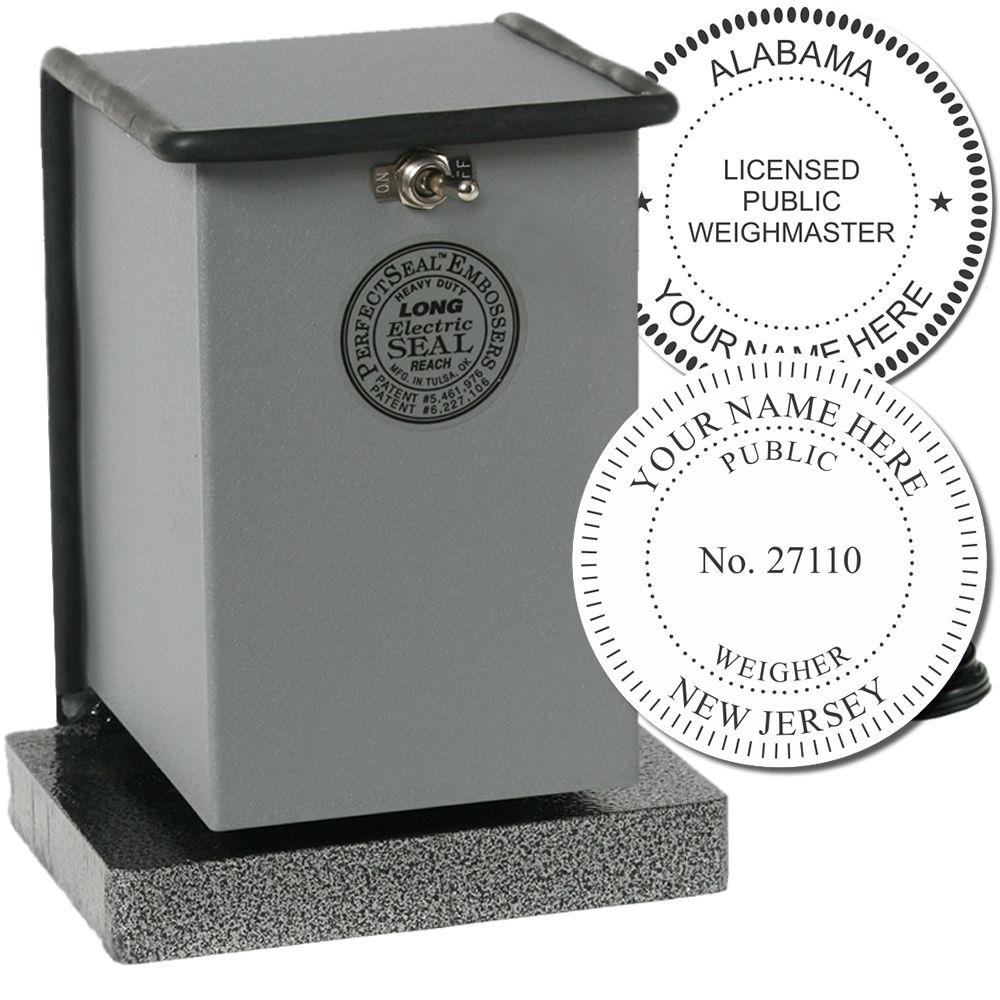
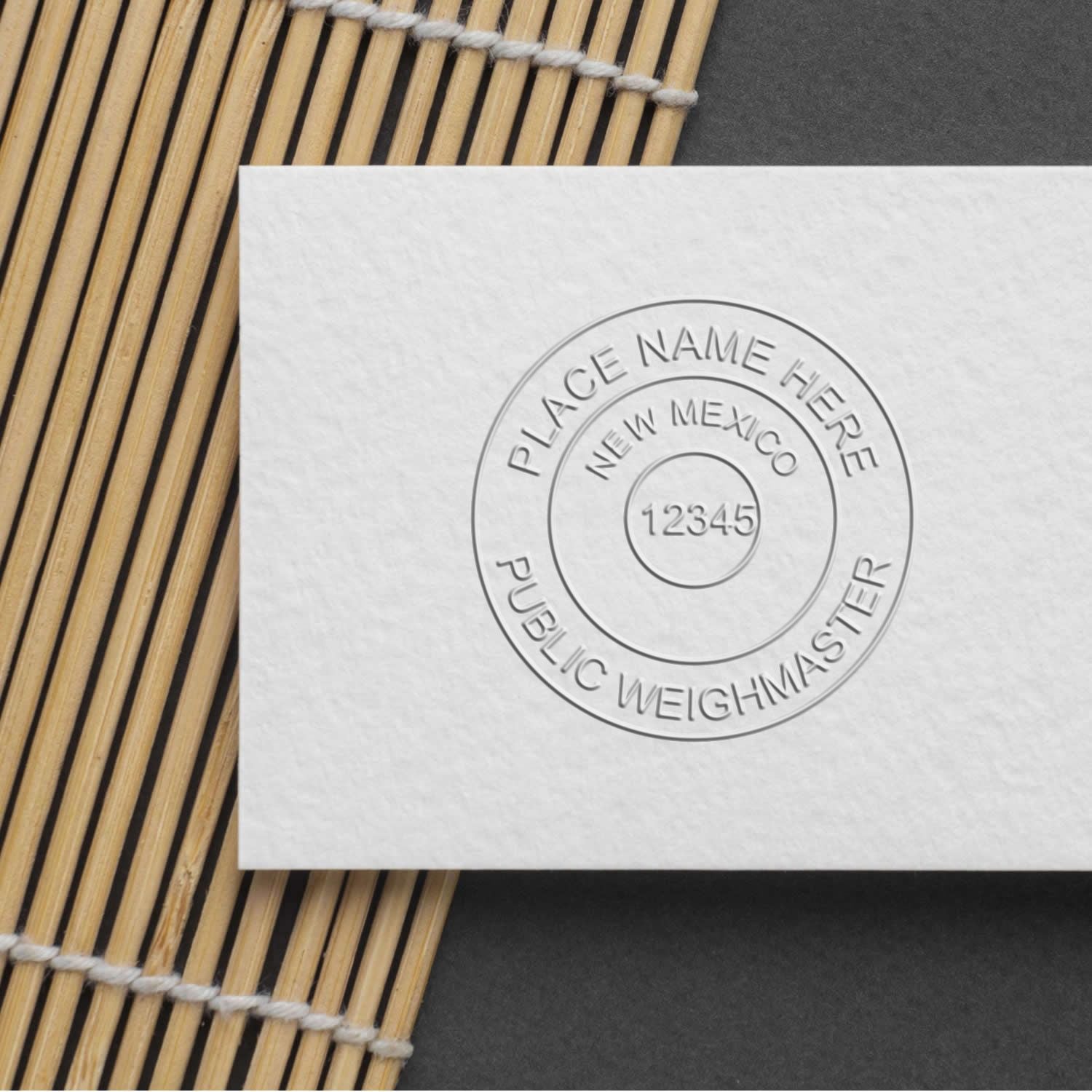
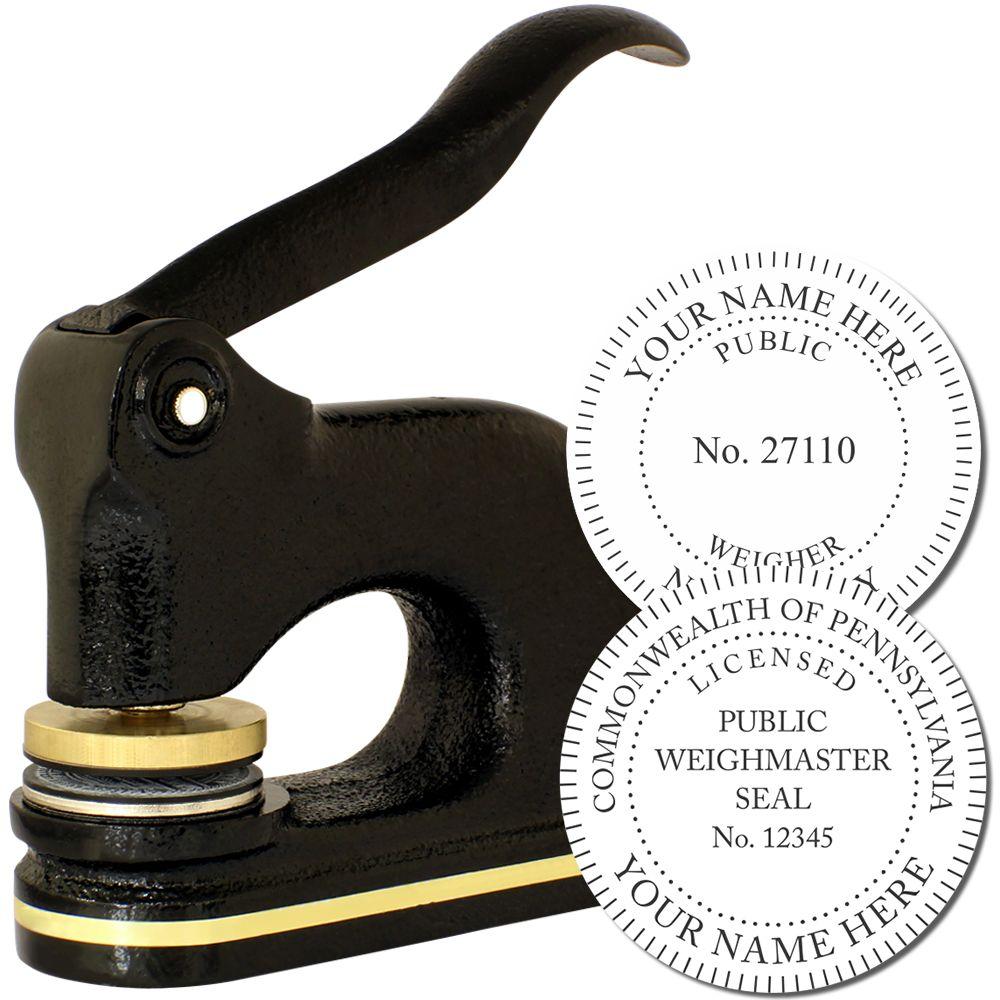
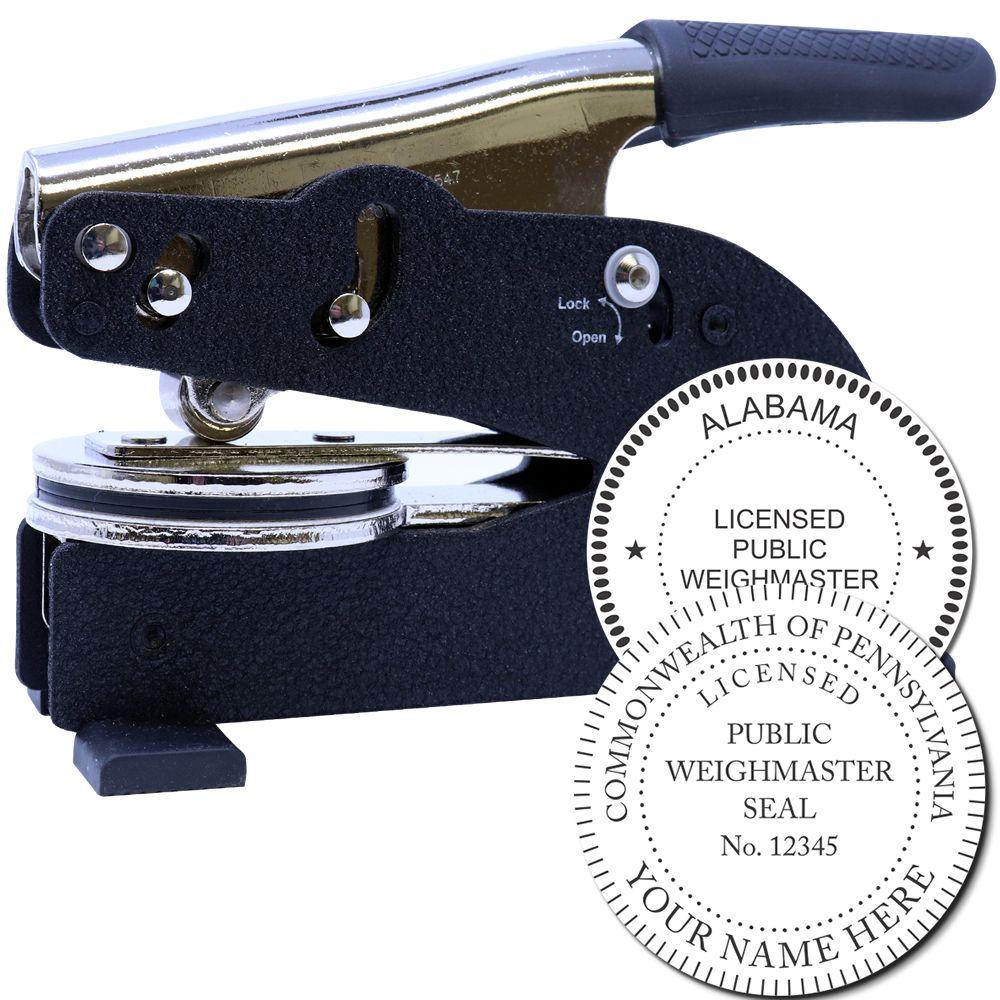
If that is worth having, it is a plain text stamp made from your wording, not a round professional seal. We make those to order in the custom made rubber stamps and custom self inking stamps ranges. Send the exact wording you want set and we will proof it before cutting. What we will not do is put the words certified weigher on a die and imply the state asked for it.
If you also weigh in a state that does require a seal
Operators near a state line often hold more than one credential, and the rules do not travel. Maine requires a licensed public weighmaster to procure an impression seal at the weighmaster’s own expense, with the wording fixed by statute. Mississippi requires a bonded weighmaster to do the same, with different wording. New Jersey requires a seal whose center reads public weigher even though the appointment is called Certified Weighmaster. Arizona issues the seal itself and takes it back.
None of those obligations reach a Colorado certified weigher, and a Colorado certification does not satisfy any of them. If you are weighing across a line, check the requirement for the state where the weighing happens and the certificate is issued.
What to check before you print certificate stock
Four things, in the order that saves money. Confirm the current certificate contents with the Department, because our list is the Department’s published description rather than the words of 35-14-122(2). Confirm the scale license details that go in the scale location field. Confirm the weigher names to be preprinted, if any, since a certified weigher leaving means a box of wrong stock. And leave the serial number sequence to the printer rather than filling it by hand, since it is a listed item.
If you want an outside read on a proposed certificate layout or a scale house stamp before you commit, contact us with the artwork. This page is a research summary and not legal advice.
- Public Weighmaster Stamps and Seals
- Nevada Weighmaster: No Seal, Signature Instead
- Arizona Weighmaster Seal: the Division Issues It
Frequently asked questions
Does Colorado require a public weighmaster seal?
No, on two counts. Colorado has no public weighmaster credential; the credential is the certified weigher. And no seal or stamp is required of a certified weigher. The words seal and stamp appear nowhere in C.R.S. 35-14-121, C.R.S. 35-14-122 or 8 CCR 1202-2.
What is the Colorado credential called?
Certified weigher. C.R.S. 35-14-121 provides for the commissioner to award certifications, and Part 1 of 8 CCR 1202-2 is headed “Qualifications for Certified Weigher Certificate”. A weights and measures officer may obtain the certification when acting within the scope of the officer’s official duties.
What must a Colorado weight certificate contain?
The Department of Agriculture publishes ten items: gross, tare and net weights; date of weighing; positive vehicle identification such as a license plate number; weight certificate serial number; name of shipper or owner; nature of load; name of receiver of load; whether the driver is on or off the scale during weighing; name of the certified weigher; and location of the certified scale.
Who gets a copy of the certificate?
Both sides. C.R.S. 35-14-122 requires the weigher to issue a weight certificate containing all the information required by subsection (2) to both the buyer and the seller.
Is there an electronic seal for Colorado weighers?
No. No electronic seal or digital signature provision for certified weighers appears in 35-14-121, 35-14-122 or 8 CCR 1202-2. There is no physical seal either, so the question does not arise.
What size should a Colorado weigher seal be?
There is no Colorado weigher seal, so no size is published and none should be inferred. If you have been quoted a diameter for one, it has come from a different state or from a product listing rather than from Colorado law.
Was the statutory certificate list read in full?
No, and we would rather say so. The verbatim text of C.R.S. 35-14-122(2) could not be read from an official Colorado publisher: the Office of Legislative Legal Services Title 35 download returned HTTP 429 and the content.leg.colorado.gov Title 35 PDF truncated before Article 14. The ten items come from the Department’s own program page. The seal finding is unaffected, since the General Assembly’s reproduction of both sections confirms neither contains seal or stamp.








