
Written by Acorn Sales Company, manufacturing stamps and seals since 1964 · Reviewed by Holly R, VP of Sales and Marketing at Acorn Sales, against Colorado Board of Real Estate Appraisers, Division of Real Estate, Department of Regulatory Agencies on 22 September 2026 · Updated 25 September 2026
Colorado is the one state that writes permission for a stamp into its appraiser rules. Rule 12.10 of 4 CCR 725-2 says that when stating the type of license or Temporary Practice Permit held, and the number thereof, an appraiser may make use of an impression, provided such impression is legible on each copy. No seal is required anywhere in Colorado law, and the word seal appears only once in the rules, in the Rule 1.50 definition of a signature. What Rule 12.4 does call for is the license title and the license number, clearly identified in the letter of transmittal, in the certification of the appraiser, and on the report form or document including addenda, with the number appearing wherever the licensee signs by any means or method.
Put those two rules together and Colorado gives an appraiser something no other state does: a repetitive marking duty in three named places plus an express blessing to discharge it with an impression. The only condition attached is legibility on each copy, and that single proviso should drive the whole design. It rules out anything faint, anything too fine to survive a scan, and it argues hard for ink over a raised impression that vanishes when the report is photocopied.
Colorado real estate appraiser seal requirements at a glance
| Requirement | Colorado rule | Source |
|---|---|---|
| Seal required | No. No Colorado rule or statute imposes a seal or stamp on an appraiser. The only occurrence of the word seal in the rules is in the Rule 1.50 definition of a signature, which lists an embossed or applied seal as one acceptable way of signing. | 4 CCR 725-2, Rule 1.50 |
| Required elements | License title and license number, clearly identified in the letter of transmittal, in the certification of the appraiser, and on the report form or document including addenda, with the number identified wherever the licensee signs, by any means or method. | 4 CCR 725-2, Rule 12.4 |
| Size and shape | Nothing prescribed. The only condition Colorado attaches to an impression is that it be legible on each copy. | 4 CCR 725-2, Rule 12.10 |
| Device allowed | Yes, expressly. When stating the type of license or Temporary Practice Permit held and the number thereof, an appraiser may make use of an impression, provided such impression is legible on each copy. | 4 CCR 725-2, Rule 12.10 |
| Signature and date | Signature is defined broadly to include a handwritten mark, digitized image, coded authentication number, stamped impression, embossed or applied seal or other means. Rules 12.15 and 12.16 govern whose name or signature may be affixed. No date provision was found. | 4 CCR 725-2, Rules 1.50, 12.15, 12.16 |
| What must be sealed | Nothing. The identification duty reaches each appraisal report or other appraisal related work product, in the three named places, and it asks for a title and a number rather than a seal. | 4 CCR 725-2, Rule 12.4 |
| Electronic seal | Chapter 12 applies equally to electronic copies and transmittals, and a digitized image or coded authentication number counts as a signature. An appraisal management company may not require an appraiser to give it access to the appraiser’s electronic signature. | 4 CCR 725-2, Rules 12.13, 1.50; C.R.S. Sec. 12-10-614(1)(f) |
| Renewal and lapse | Not addressed as to any device. Rule 12.4 names a title and a number, not a date. Note that a newer version of 4 CCR 725-2 was adopted 8 January 2026 with an effective date of 2 March 2026 and could not be read for this page. | Colorado Secretary of State version history for 4 CCR 725-2, eDocket 2025-00589 |
| Firm requirements | No firm device and no firm inscription. No licensee may affix, or allow to be affixed, another licensee’s name or signature to a report without assignment-specific permission, and no licensee may let their own name or signature be affixed without personally examining the final version. | 4 CCR 725-2, Rules 12.15, 12.16 |
| Regulator | Colorado Board of Real Estate Appraisers, Division of Real Estate, Department of Regulatory Agencies | C.R.S. Sec. 12-10-601 et seq. (Title 12, Article 10, Part 6); 4 CCR 725-2, Rules Governing the Practice of Real Estate Appraisers |



The one state that blesses the stamp in writing
Most states leave a stamp in the gap between what is prescribed and what is prohibited. Colorado closes that gap. Rule 12.10 of 4 CCR 725-2 reads: “When stating the type of license or Temporary Practice Permit held, and the number thereof, an appraiser may make use of an impression, provided such impression is legible on each copy.” That is the clearest express permission for an appraiser’s stamp anywhere in the country. It is permissive, not obligatory, so nobody in Colorado is obliged to own one. But an appraiser who does own one is not improvising: the rule names the practice, names what the impression may carry, and attaches exactly one condition to it.
What Rule 12.4 actually asks for
The duty that makes Rule 12.10 useful sits one rule earlier. Rule 12.4 provides that in each appraisal report or other appraisal related work product, the license held by the appraiser must be clearly identified, using the license titles set by Rules 1.21 through 1.26 and Rule 1.32, and must include the license number. That identification is called for in three named places: the letter of transmittal, the certification of the appraiser, and the appraisal or other work product report form or document, including addenda. The rule then adds that license numbers must be identified wherever the licensee signs the report or other work product, by any means or method. Three named locations plus every signature is a lot of typing, which is why the permission in Rule 12.10 exists.
The abbreviations Colorado will accept
Rule 12.8 is the reason a Colorado die needs checking before it is cut. The rule sets out the abbreviations an appraiser may use for a license title, forms such as “Crt. Res. App.” and “Cert. Gen. Appr.”, and it prohibits identifying the license by initials alone. So the wording on the impression is not free text. Either spell the license title in full as Rules 1.21 through 1.26 and 1.32 set it, or use an abbreviation Rule 12.8 permits. What you may not do is invent a short form to fit a smaller stamp, and you may not fall back on initials. If the title is too long for the die you had in mind, change the die.
Colorado has repealed four of its report-marking rules
Chapter 12 is not the chapter it once was, and the history is worth knowing because it explains why older guidance about Colorado is unreliable. Rules 12.2, 12.3, 12.5 and 12.9 are all repealed. The chapter carries a source note effective 1 January 2024, from 46 CR 23 published 10 December 2023, with the rule series originally adopted on 30 August 2014 and amended repeatedly since. What survives of the report-marking apparatus is a pair of rules, Rule 12.4 for the title and number, and the permissive Rule 12.10 for the impression. Anything you read that cites a repealed rule number is describing a Colorado that no longer exists.
A signature can itself be an impression
Rule 1.50 defines Signature as the term is defined in USPAP, and includes all methods of indicating a signature, such as, without limitation, a handwritten mark, digitized image, coded authentication number, stamped impression, embossed or applied seal, or other means. That is the only place the word seal appears in the Colorado rules, and it is a definition rather than a duty. The practical effect is that Colorado does not treat a stamped or embossed mark as second class. It sits in the same list as a handwritten mark. That does not make a stamp necessary, and it does not turn a stamp into a credential, but it does mean the state has already thought about the question and written down an answer.


Temporary Practice Permit holders carry more
If you are working in Colorado on a Temporary Practice Permit rather than a Colorado license, Rule 12.6 adds four elements wherever the license type and number are called for: your home state, your home state license type, your home state license number and your permit number. That is a long block, and it is a different block from the one a Colorado licensee uses. Rule 12.10 covers it explicitly, since it speaks of the type of license or Temporary Practice Permit held and the number thereof, so a permit holder may apply the whole thing as an impression. Given the length, a rectangular ink stamp set in straight lines is close to the only practical way to keep it legible.
Electronic copies, and the photocopy option
Rule 12.13 settles a question other states leave open: the requirements of Chapter 12 apply equally to electronic copies and transmittals. So a report delivered as a PDF carries the same title and number in the same three places as a printed one, and an impression applied as a placed image is governed by the same legibility proviso. Rule 12.12 adds a separate option that surprises people: an appraiser may include a photocopy of the license itself in a report, provided the word COPY prominently overlays it. That is a permission rather than a substitute for Rule 12.4, and most appraisers find a stamped block tidier than a reproduced license.
Whose name may be affixed, and by whom
Two rules guard the marking apparatus and they matter to anyone thinking of leaving a stamp in a shared drawer. Under Rule 12.15 no licensee may affix, or allow to be affixed, another licensee’s name or signature to a report without assignment-specific permission. Under Rule 12.16 no licensee may let their own name or signature be affixed to a report without personally examining the final version. Read with Rule 1.50, which counts a stamped impression as a signature, the message is plain: a Colorado appraiser’s stamp is a personal instrument, and handing it to an assistant to finish reports is the kind of convenience these two rules exist to prevent.
The Evaluation line that goes on the first page
One more piece of prescribed text, and it is not on most appraisers’ radar because it is not in Chapter 12 at all. Rule 11.4 requires an appraiser performing an Evaluation under C.R.S. Sec. 12-10-606(7)(a) to print on the first page of the report: “This is an evaluation not subject to compliance with Standards 1 and 2 of the Uniform Standards of Professional Appraisal Practice.” That is fixed wording in a fixed position, which makes it a natural candidate for its own small stamp if you do Evaluation work regularly. Keep it as a separate die from your title and number block, since it belongs on the first page rather than beside your signature.



What to engrave, and which device
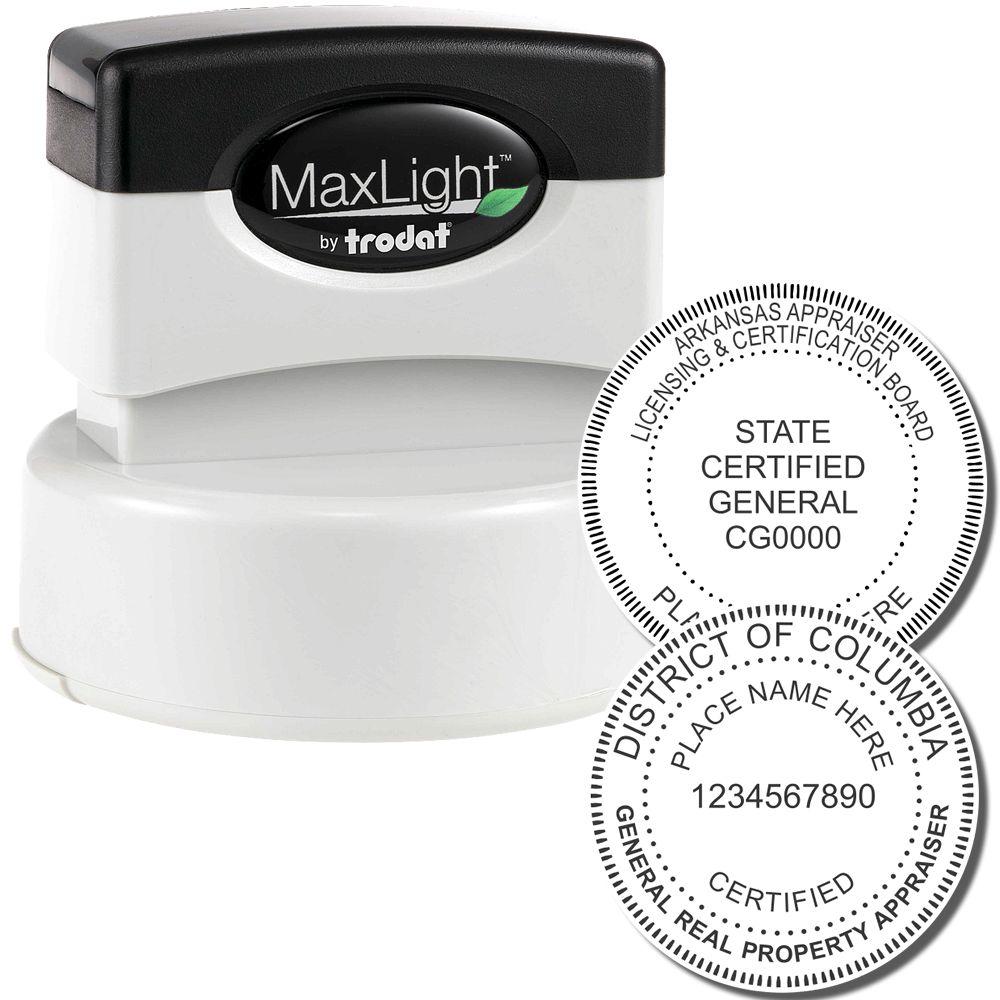
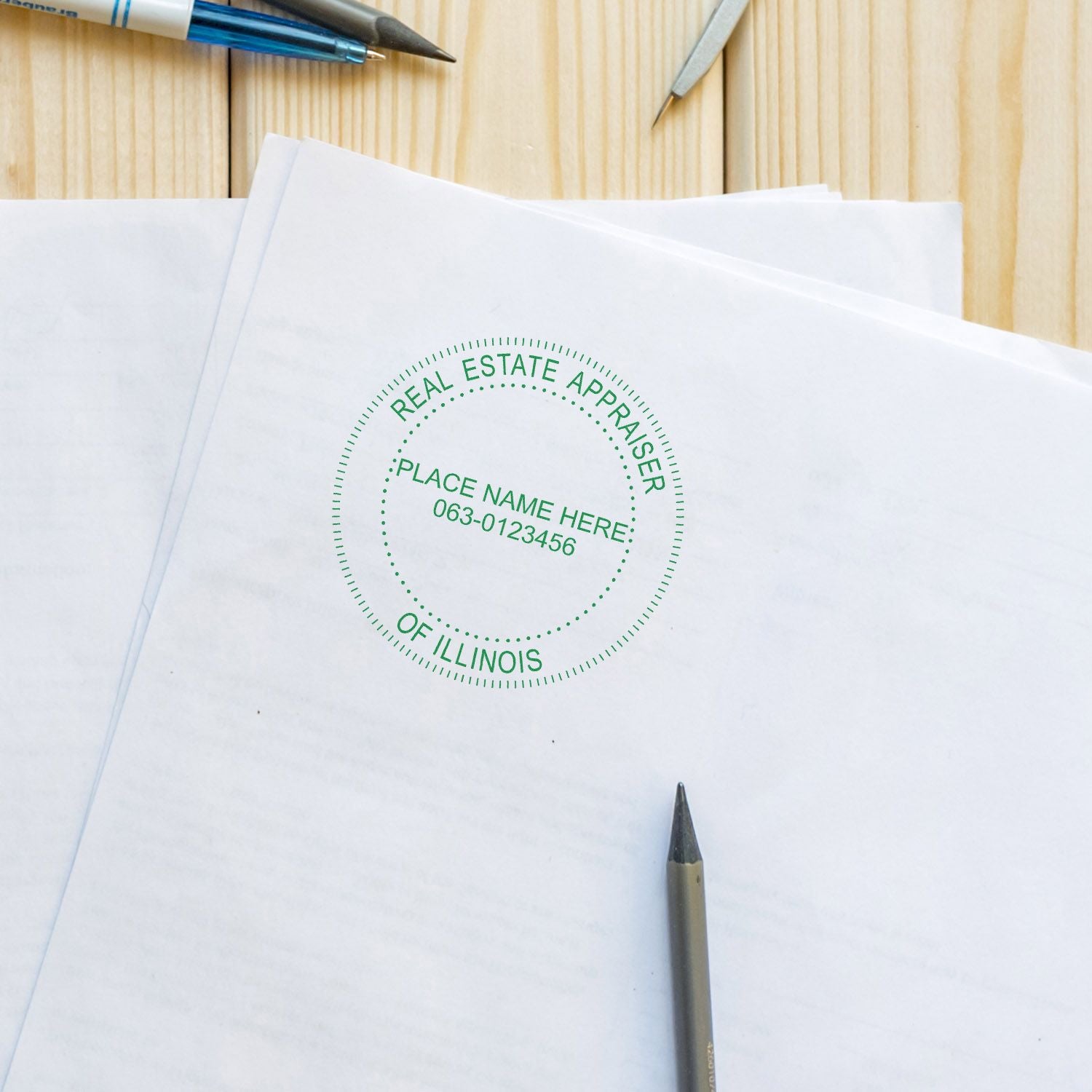
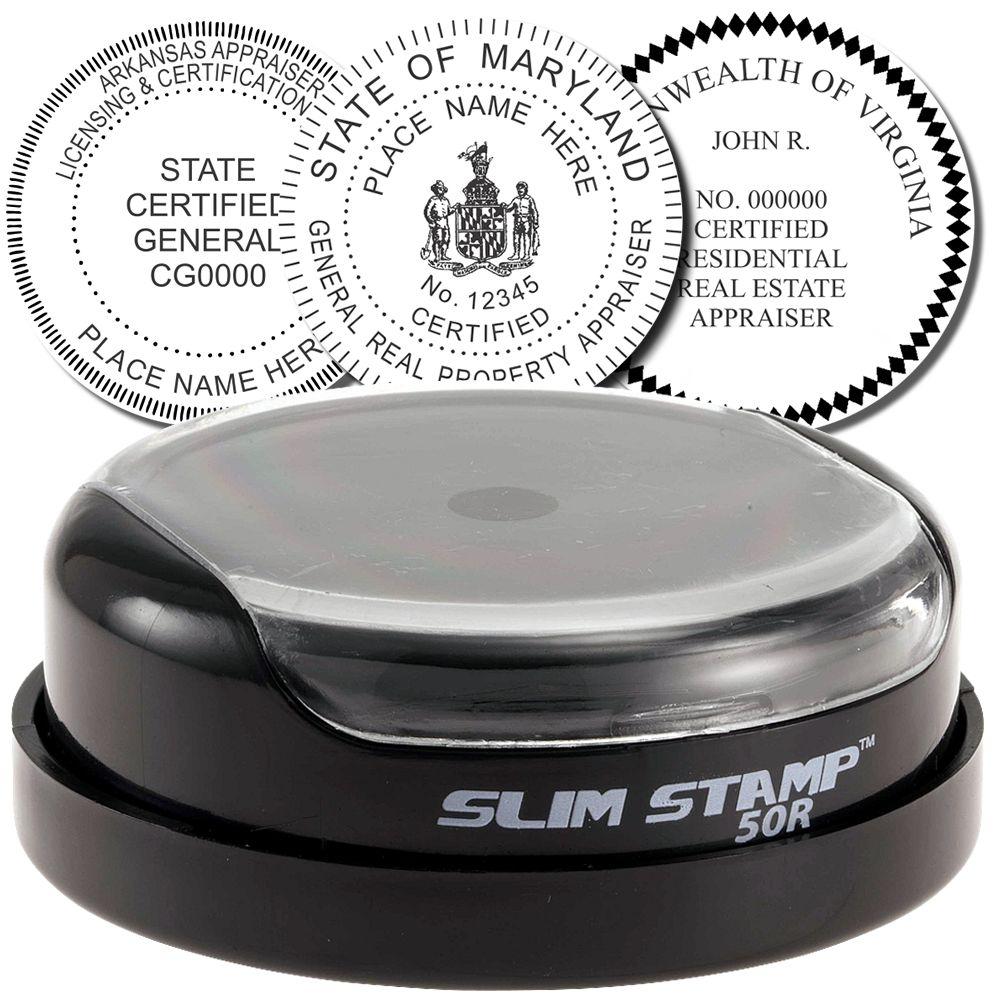
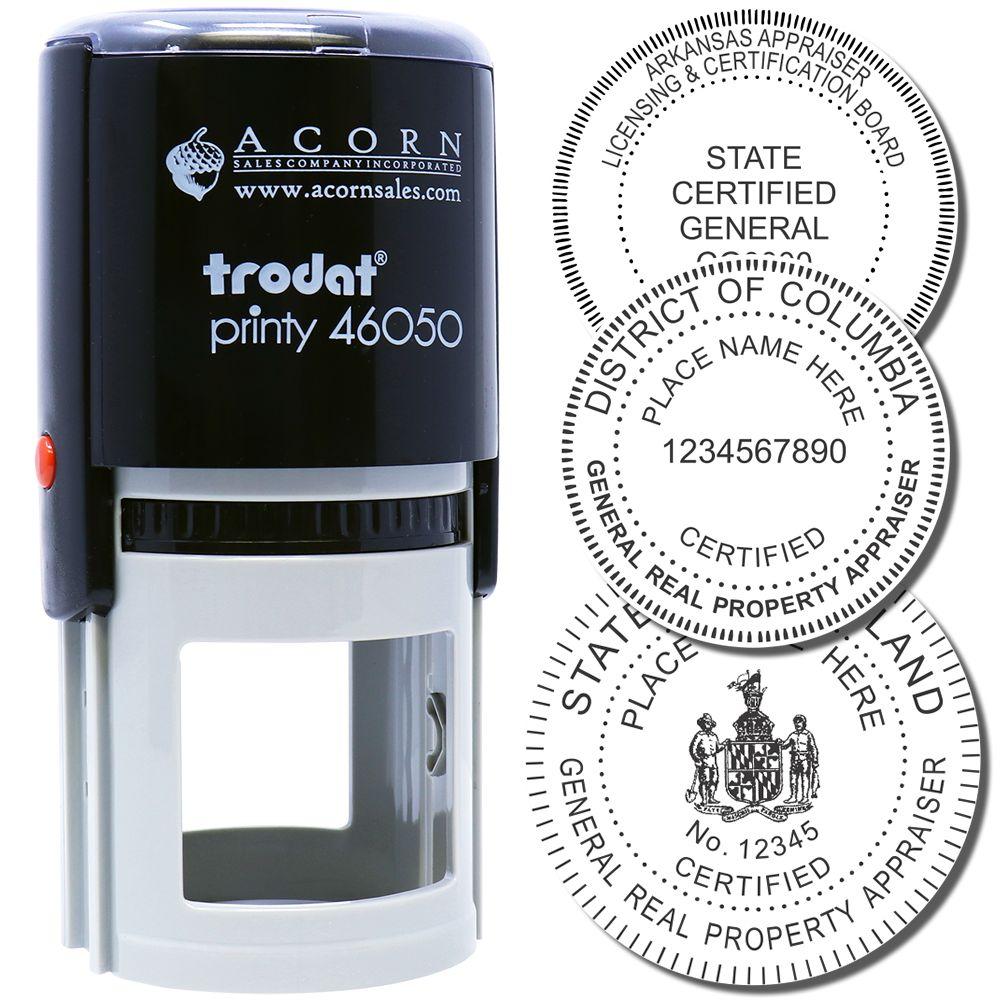
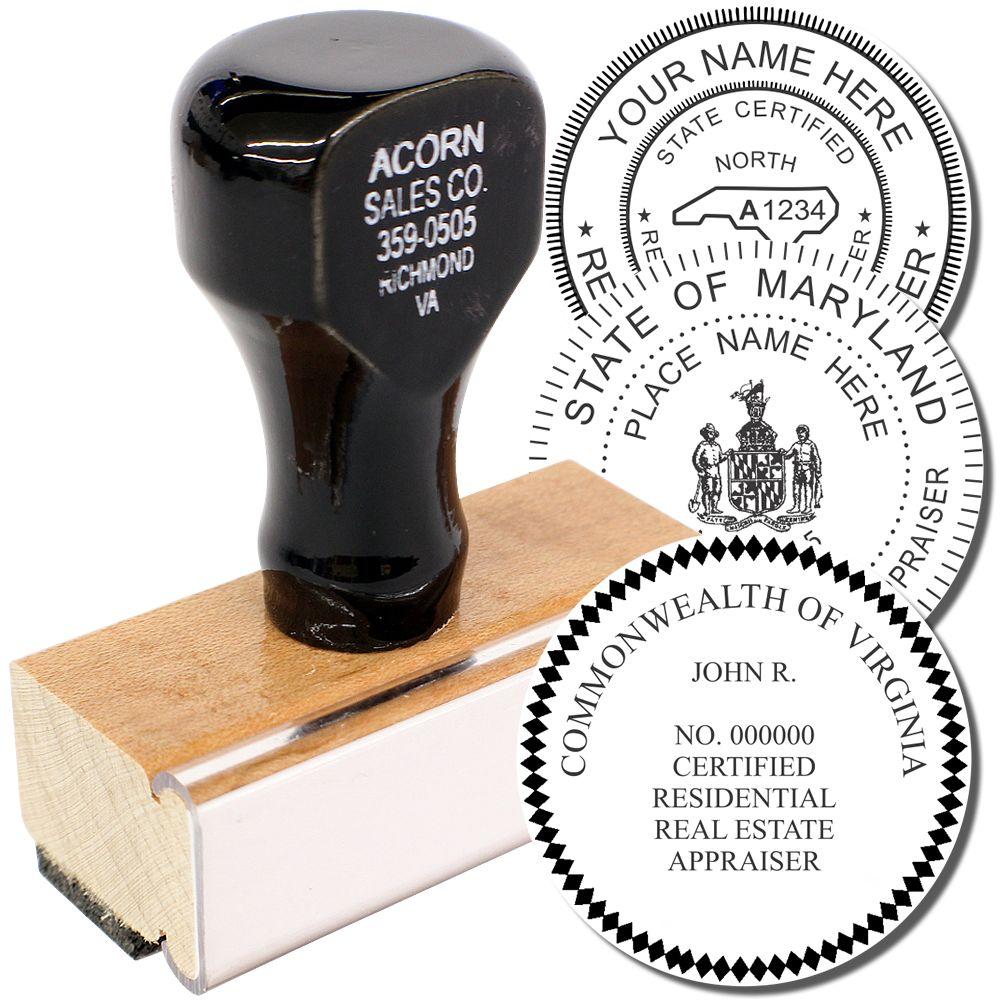
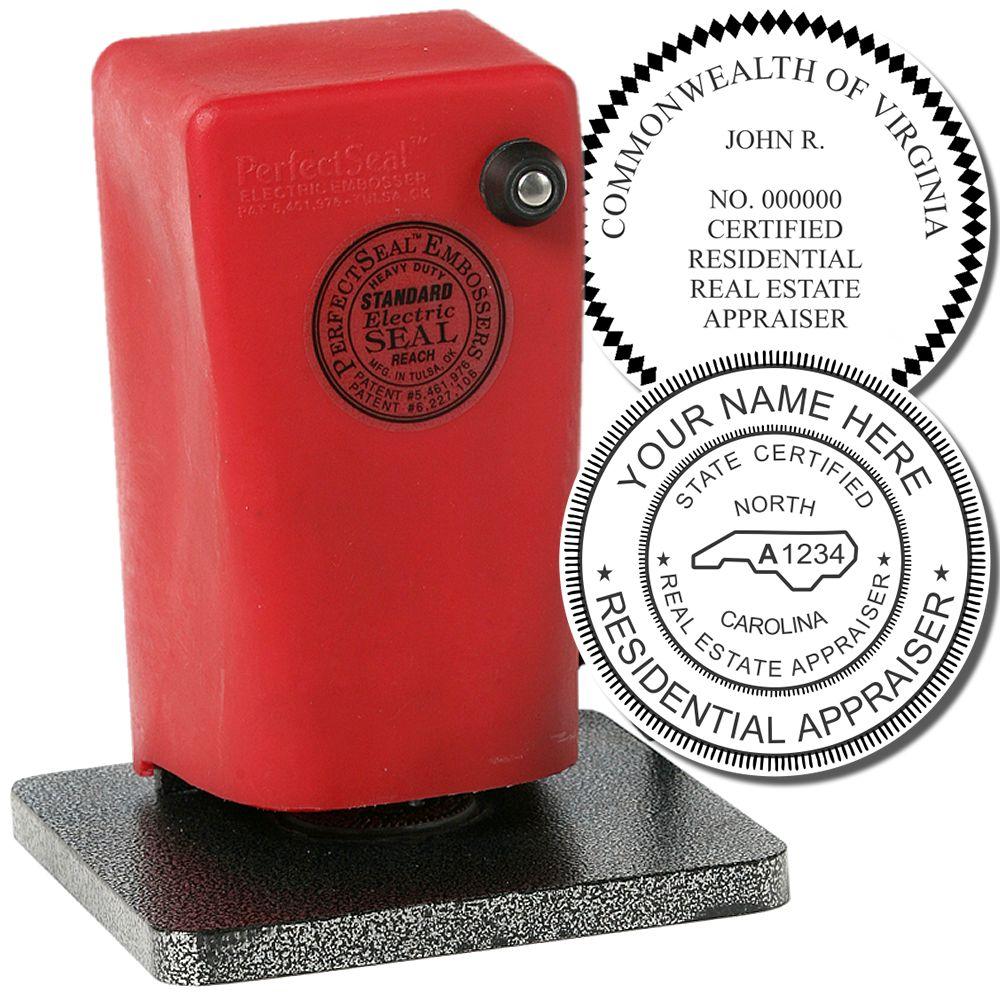
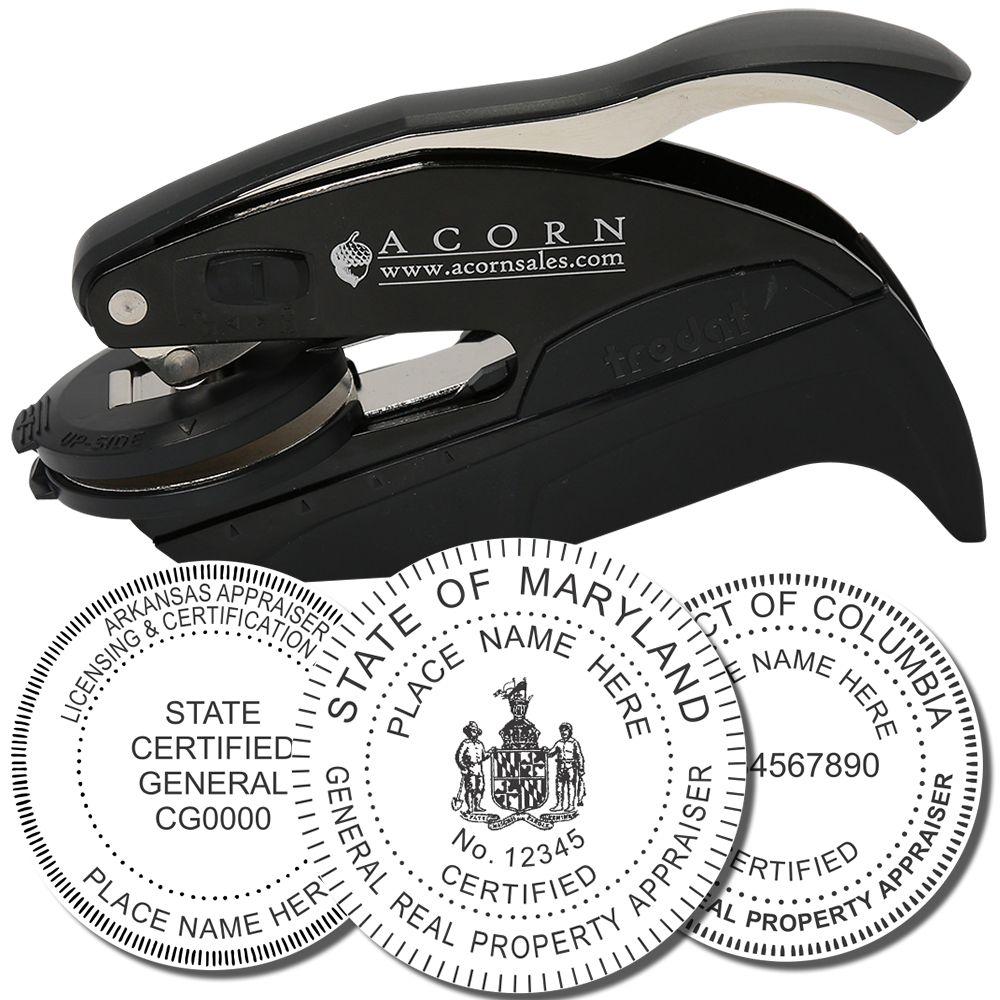
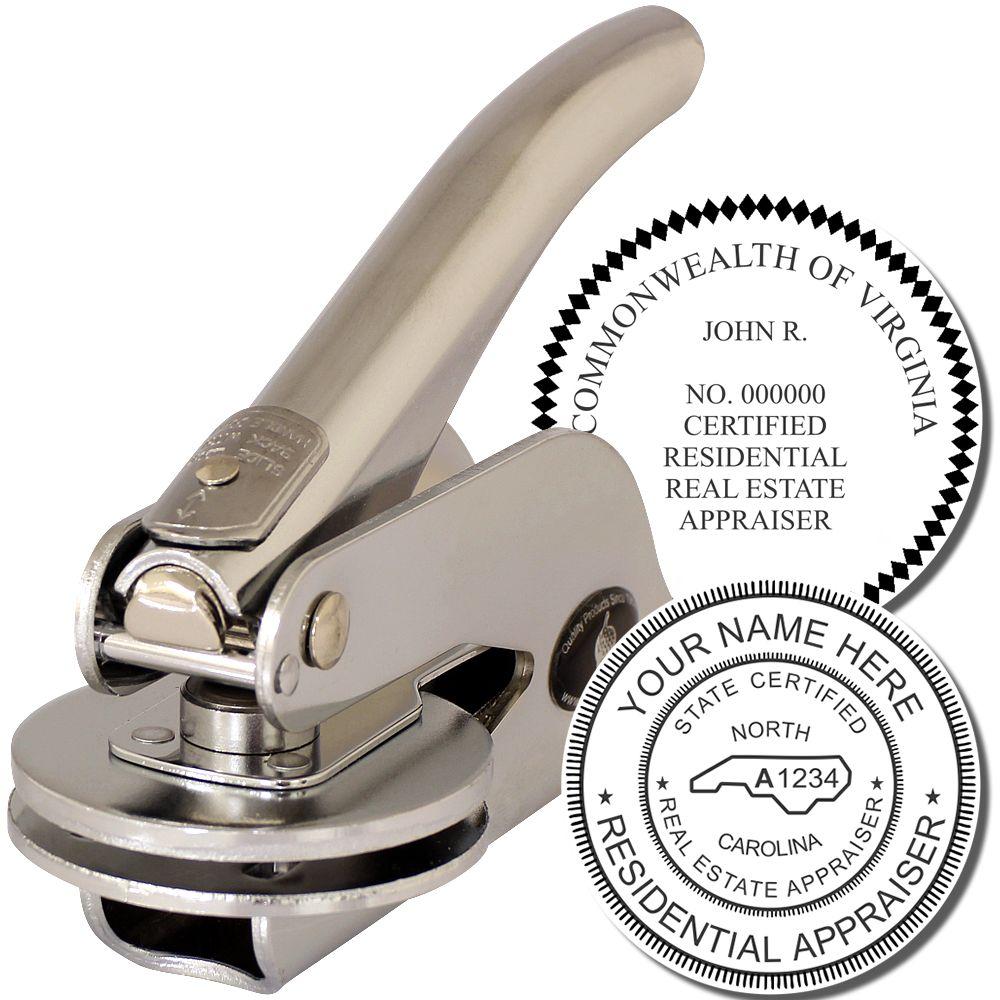
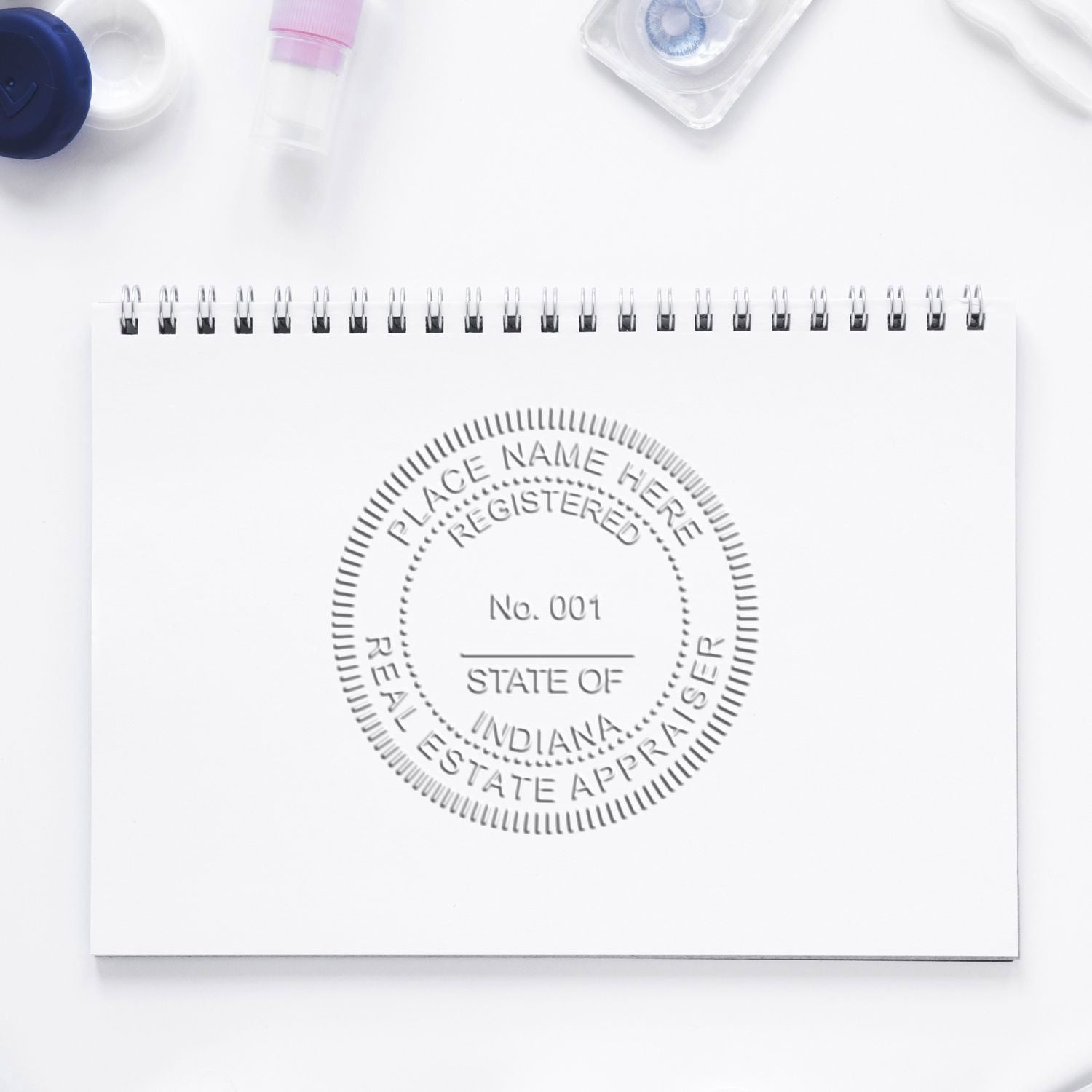
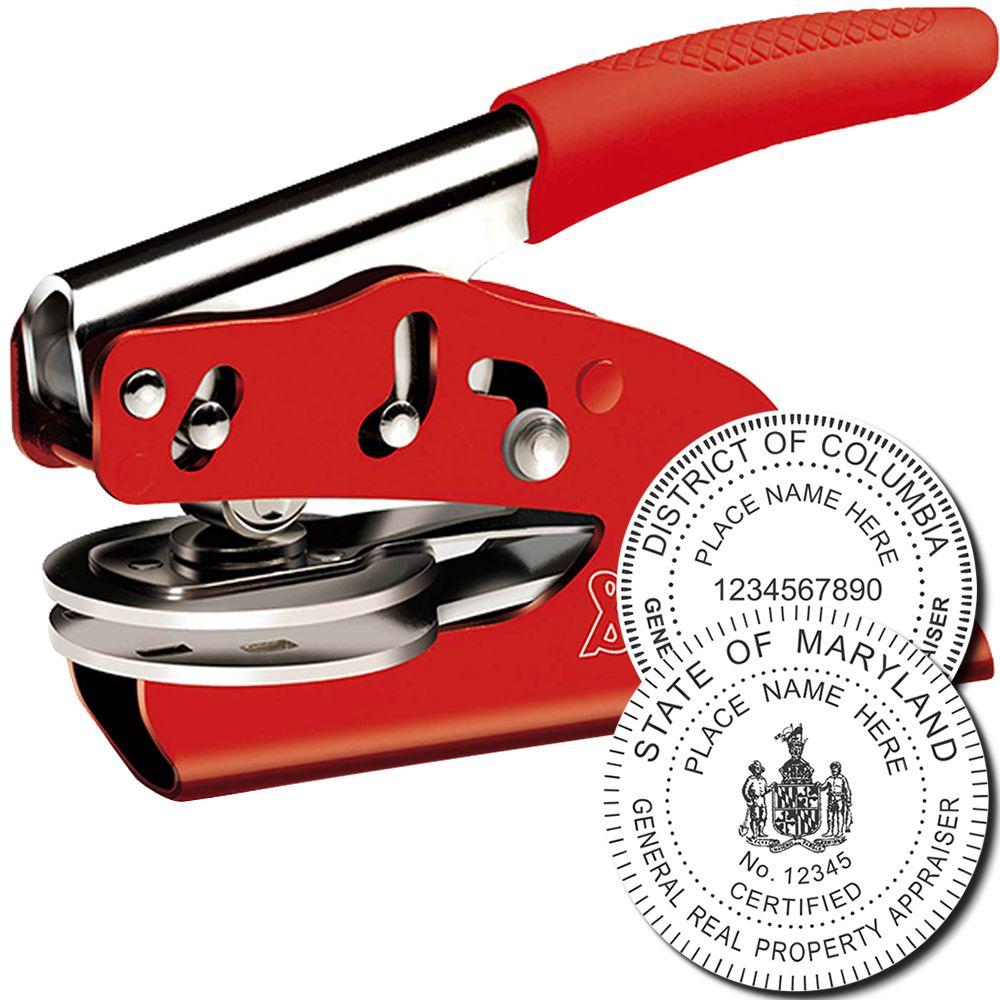
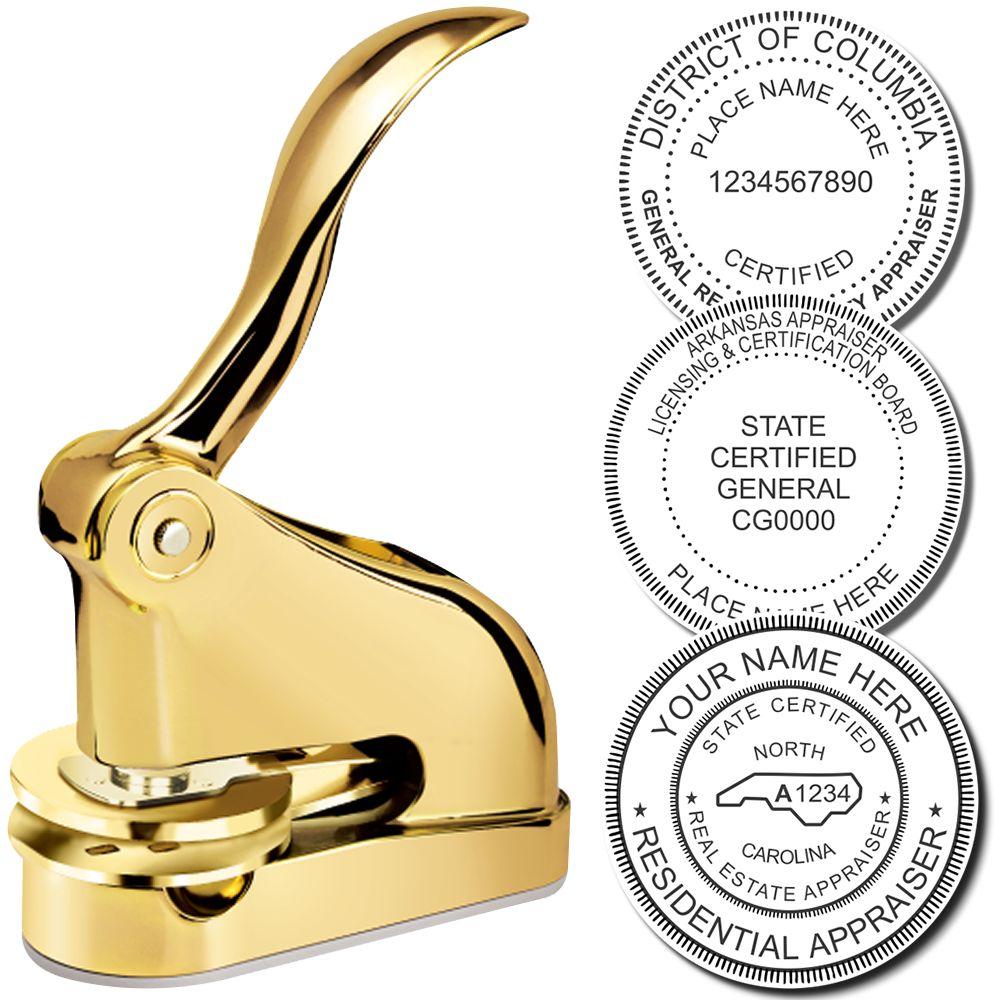
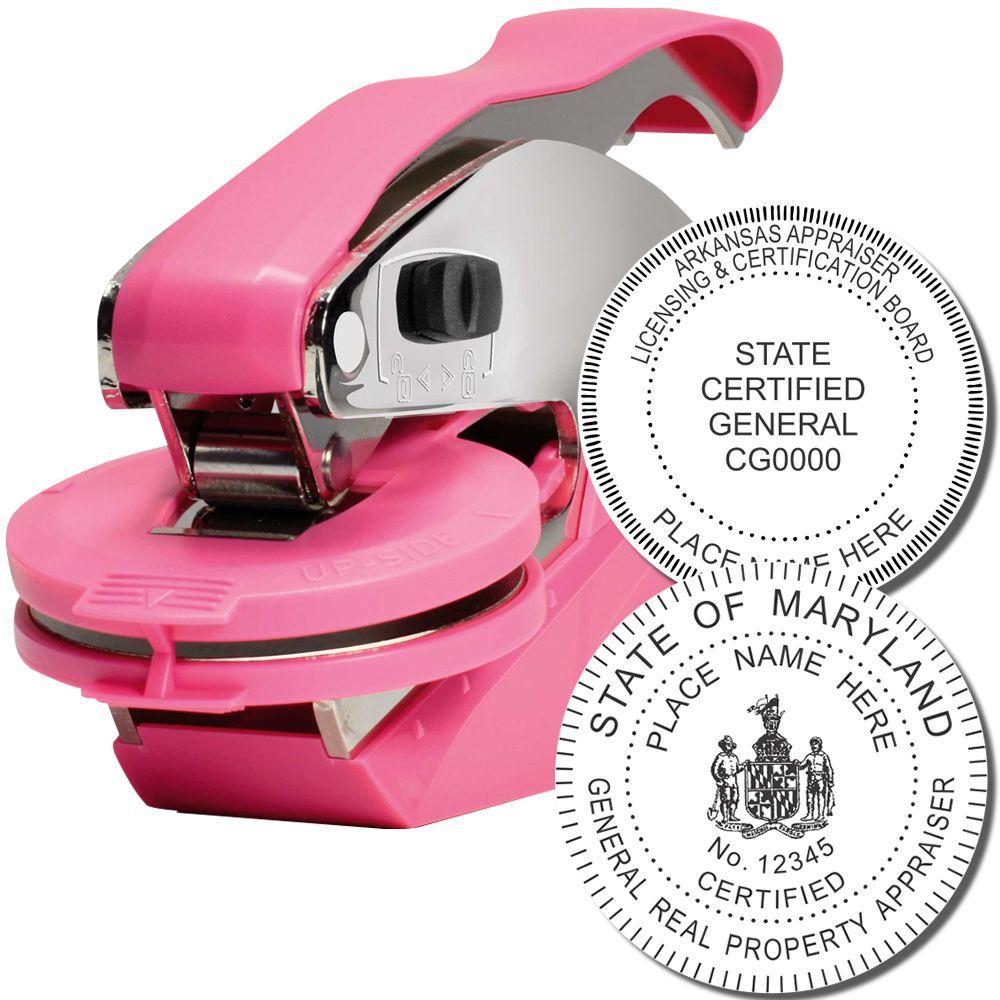
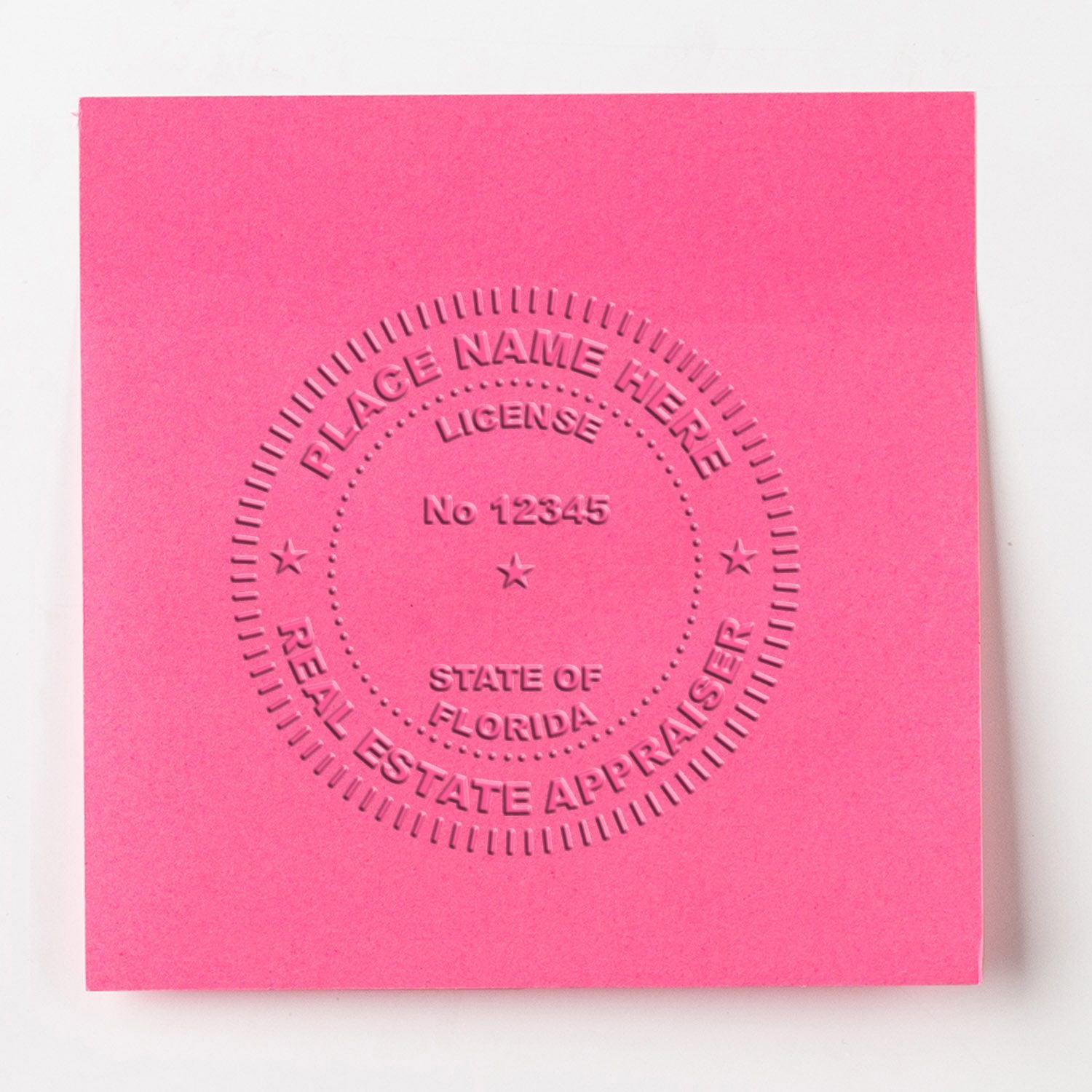
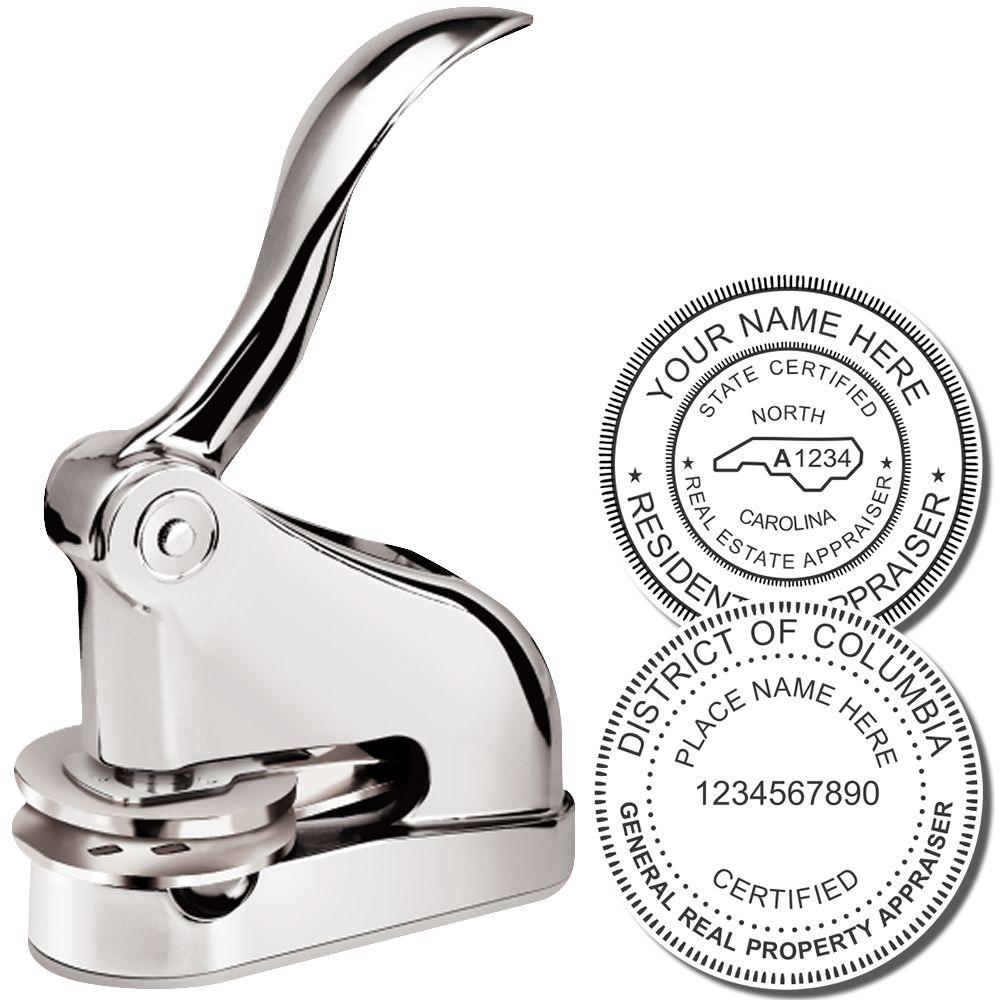
A Colorado block is built from Rule 12.4: your license title, in full or in a Rule 12.8 abbreviation, and your license number, with your name if you want the die to carry it. Leave off an expiry date, since Rule 12.4 asks for a title and a number and never a date. Leave off the Board’s name and any wording claiming official status, because no Colorado rule authorizes or approves a device. On the instrument, let Rule 12.10’s proviso decide: legible on each copy. A raised embossed impression routinely fails that test once a report is photocopied or scanned, so ink is the safer reading of the rule. The Real Estate Appraiser Self Inking Rubber Stamp of Seal is $39.95 and the Slim Pre Inked Rubber Stamp of Seal is $46.95. For PDF delivery under Rule 12.13, the eSeal Electronic Image Stamp of Seal at $20.00 is the same artwork as a placeable graphic. If you want a raised impression on signed originals as well, the Handheld Seal Embosser is $46.95, best used alongside an inked version rather than instead of one.
Sizing and layout, with legibility as the test
Colorado sets no dimension, and it does not need to, because Rule 12.10 states the outcome the dimension is supposed to achieve. Design backwards from it. Set the license title and number in straight lines rather than curving them around a round die, since a permitted abbreviation such as Cert. Gen. Appr. is still a wide piece of text. Give the number the largest type in the block, because it is the element Rule 12.4 repeats wherever you sign. Then test the impression the way the rule does: photocopy it, scan it at your usual resolution, and look at the result. If the digits close up or the title grays out, the die is too fine or the block is too small. A Temporary Practice Permit block with four extra elements needs noticeably more room than a Colorado licensee’s.
Ordering, care, and one caveat on currency
Send your license title as Rules 1.21 through 1.26 and 1.32 word it, or the Rule 12.8 abbreviation you intend to use, plus your license number. Permit holders should send home state, home license type, home license number and permit number. Tell us whether the same artwork should be cut to an ink stamp, an embosser and an eSeal image. One caveat: the Colorado Secretary of State’s version history shows a permanent rule adopted 8 January 2026 and effective 2 March 2026, eDocket 2025-00589, which could not be read for this page, so confirm Chapter 12 against the current text before you commit to artwork. Browse the real estate appraiser stamps and seals collection, or contact us with your wording. This page is a research summary and not legal advice.
Frequently asked questions
Does Colorado require a real estate appraiser to have a seal?
No. No Colorado rule or statute imposes a seal. What Rule 12.4 calls for is the license title and license number in the letter of transmittal, the certification and the report form and addenda, plus the number wherever you sign. Rule 12.10 then permits you to apply the title and number as an impression if it is legible on each copy.
Is a stamp actually allowed in Colorado?
Yes, and it is one of the few states to say so outright. Rule 12.10 provides that when stating the type of license or Temporary Practice Permit held and the number thereof, an appraiser may make use of an impression, provided such impression is legible on each copy. That proviso is the only condition.
Can I abbreviate my license title on the stamp?
Only in the forms Rule 12.8 permits, such as Crt. Res. App. or Cert. Gen. Appr. The same rule prohibits identifying the license by initials alone, so an invented short form is not an option. If the permitted wording will not fit, order a larger die.
Does an embosser satisfy Rule 12.10?
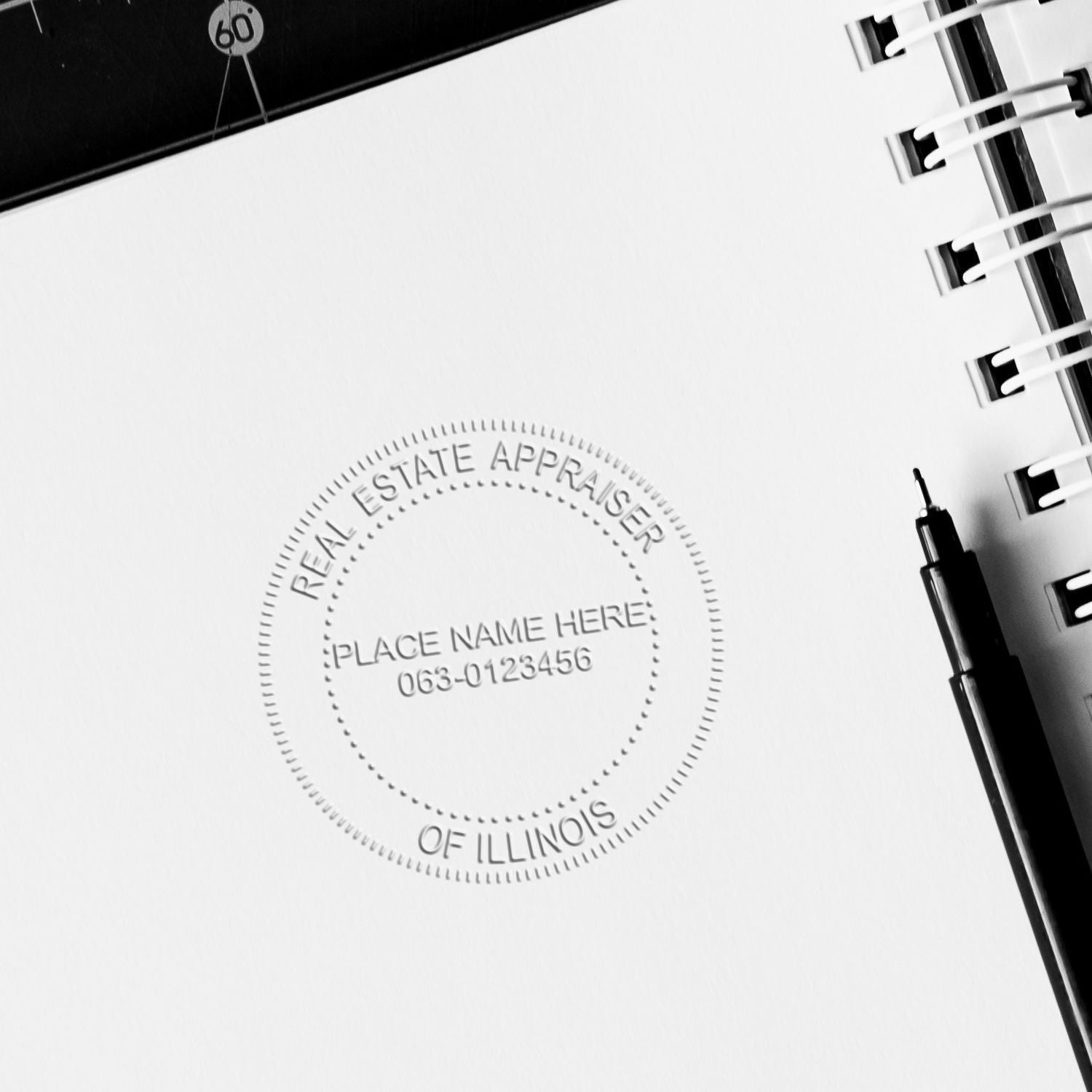
It can, but the proviso is the problem. Rule 12.10 conditions the impression on being legible on each copy, and a raised embossed impression frequently disappears in a photocopy or a scan. Appraisers who want the embossed look usually apply it to the signed original and use an inked block or an eSeal image on the copies.
What extra goes on a Temporary Practice Permit holder’s stamp?
Four elements, under Rule 12.6: home state, home state license type, home state license number and permit number, wherever the license type and number are called for. Rule 12.10 covers permit holders explicitly, so the whole block may be applied as an impression.
Does any of this change for a PDF report?
No. Rule 12.13 applies the requirements of Chapter 12 equally to electronic copies and transmittals, and Rule 1.50 accepts a digitized image or a coded authentication number as a signature. Separately, C.R.S. Sec. 12-10-614(1)(f) bars an appraisal management company from requiring access to an appraiser’s electronic signature.
Can someone in my office apply my stamp to finished reports?
The rules are aimed squarely at that. Rule 12.16 bars a licensee from letting their name or signature be affixed to a report without personally examining the final version, and Rule 12.15 bars affixing another licensee’s name or signature without assignment-specific permission. Because Rule 1.50 counts a stamped impression as a signature, a shared stamp is a problem.
Are the Colorado rules on this current?
Chapter 12 as described here carries a source note effective 1 January 2024. The Secretary of State’s version history also shows a permanent rule adopted 8 January 2026 and effective 2 March 2026, eDocket 2025-00589, which could not be read for this page. Check the current text of 4 CCR 725-2 before you order.








