
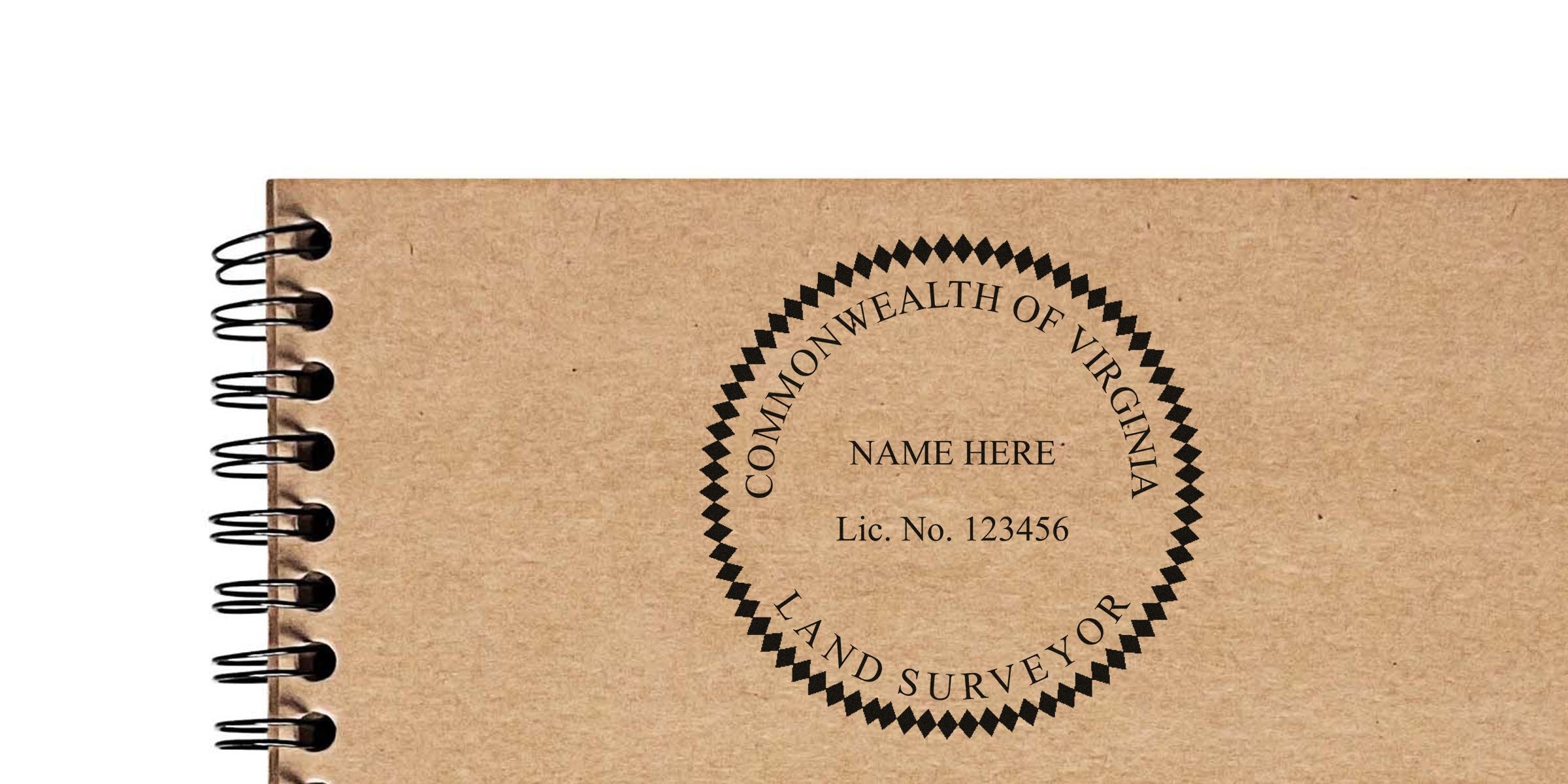
Understand Virginia Land Surveyor Stamp Laws
If you handle land surveying projects in Virginia, you’ve likely come across Virginia land surveyor stamp laws in your daily workflow. These rules govern exactly how you use your stamp on official documents, including plats, drawings, and boundary surveys. Complying with stamp laws protects you from legal headaches while also confirming the authenticity of your work. Imagine you’re approving a final site plan—without the correct stamp in place, your plan might not be recognized by local authorities.
Below, you’ll learn why the stamp is so crucial, how it’s regulated, and how to keep everything compliant without stress. By the time you finish reading, you’ll be ready to tackle your next land surveying project with complete confidence.
Why Stamps Are Essential
Is a stamp just a fancy signature substitute? Not exactly. Your official seal is your professional calling card. It certifies that you performed or supervised the work and that it meets Virginia’s technical standards. In many ways, a well-placed stamp can say, “I personally stand behind these measurements.”
- It establishes your professional credibility.
- It reassures clients and government bodies that the project meets regulatory demands.
- It helps protect you in legal scenarios by proving your involvement and approval.
In short, stamping is more than a formality. It’s an assurance that the data in your documents is accurate and prepared under your licensed authority.
The Regulatory Body In Virginia
In Virginia, the Board for Architects, Professional Engineers, Land Surveyors, Certified Interior Designers and Landscape Architects sets forth rules on licensure and the use of professional seals. If you sense a bit of formality there, it’s because these regulations ensure only qualified individuals stamp surveys or related technical documents. While the idea of sifting through dense regulations might feel intimidating, the essential point is this: you need a properly designed seal, used in accordance with board guidelines, to show that you’re operating above board.
Follow Requirements For Proper Stamp Use
Once you have a sense of why the legalities matter, it’s time to look at the practical side. This next section focuses on turning those laws into everyday habits, so you don’t risk compliance hiccups.
Creating A Compliant Stamp
In Virginia, your land surveyor stamp must include specific identifying elements, typically:
- Your name, exactly as it appears on your license.
- The words “Licensed Land Surveyor” or a similar designation.
- Your license number.
- “Commonwealth of Virginia” or an acceptable variant.
If you’re not sure about every detail, it’s smart to verify what the board expects before paying for a new stamp. You can explore more on virginia land surveyor stamp requirements for a helpful checklist.
Another key tip: keep an eye on size. Stamps or seals that are too large or too small can sometimes fall outside official guidelines. Aim for a design that fits neatly on standard document margins without overshadowing other important text.
Physical Or Digital Stamps
Today’s world offers options. If you prefer old-school ink stamps, you’ll still be perfectly fine—as long as the stamp is clear and legible on official paperwork. More and more professionals, however, are opting for digital seals. Digital stamping lets you authenticate your files for electronic submissions, especially when local or state agencies accept e-signed and e-sealed documents.
Both physical and digital stamps are valid in Virginia. At the end of the day, the biggest factor isn’t which one you choose, but that you consistently follow the rules for affixing or embedding the seal. Print or digital, the concept remains the same: your stamp equals your professional endorsement.
Steps To Maintain Compliance
- Keep your stamp up to date. If you change your legal name or your license number, it’s time for a new seal.
- Use indelible ink for physical stamps so the seal doesn’t fade over time.
- Ensure digital signatures and seals are locked within the PDF so they can’t be easily altered.
- Double-check every document for clarity—nothing should block or wash out your seal.
By following these simple guidelines, you’ll stay on the safe side of Virginia’s land surveyor stamp laws and avoid administrative problems.
Avoid Common Violations
Even with the best intentions, mistakes happen. Sometimes an oversight can lead to rejected documents or, worse yet, disciplinary action. Let’s pinpoint the most common pitfalls so you can steer clear.
Potential Penalties
Violating Virginia’s stamp laws can carry some weighty consequences, ranging from minor administrative reprimands to legal trouble that might endanger your license. While these outcomes are typically reserved for serious infractions—like stamping documents outside your area of expertise or lending your stamp to unlicensed individuals—it’s worth staying cautious. The board expects you to seal only those documents you either created or directly supervised, offering accountability for the final results.
Common examples of violations include:
- Stamping incomplete or draft documents that are subject to major changes.
- Failing to sign or date the seal properly, which can render it invalid.
- Lending your stamp to another professional or colleague without direct oversight.
Renewal Requirements
Maintaining your license is one of the easiest ways to avoid trouble. In Virginia, your land surveying license typically needs renewing every two years (though it’s wise to confirm current requirements with the board). If you let your license lapse, your once-valid stamp becomes moot until you settle your renewal obligations.
- Mark your calendar for upcoming renewal deadlines.
- Complete the necessary continuing education credits or training.
- Verify that your address on file with the board is current so you receive reminders.
By prioritizing these steps, you’ll keep your professional credentials in good standing, ensuring you never miss a beat with your stamping privileges.
Partner With Trusted Suppliers
Having the right logo or license number won’t help if the manufacturer of your stamp misprints your details. Working with a reliable supplier can remove a lot of guesswork, so you can focus on serving clients, not reordering faulty stamps.
About Acorn Sales
Acorn Sales has been supplying stamps and seals to professionals since 1964. Over the decades, we’ve helped countless Virginia land surveyors gain peace of mind with durable designs that meet the state’s specifications. Whether you’re looking for a traditional self-inking stamp or a digital seal to attach to your CAD documents, Acorn Sales aims to make the process straightforward.
- Free digital seal included with many stamp purchases.
- Materials built to last, so your impression stays clean and crisp.
- In the business since 1964, offering decades of stamp and seal expertise.
Imagine never having to second-guess whether your seal meets Virginia’s size or design guidelines. Acorn Sales strives to ensure you get exactly what you need, so your projects sail through the final approval stage.
Steps For Ordering
- Choose a stamp style: self-inking, pre-inked, or a traditional rubber stamp with a separate ink pad.
- Provide your name, license number, and other required details.
- Review a proof: double-check the draft design for spelling and sizing.
- Confirm and place your order: once you’re satisfied, your stamp should be on its way shortly.
It’s a hassle-free approach that saves time. Plus, you’ll have support if you have questions about compliance or customization.
Whether you’re renewing your license or stamping your first newly approved survey, clear knowledge of Virginia land surveyor stamp laws keeps your projects on track and your professional record in good standing. With the right supplier and a few good habits, you’ll find that staying compliant and confident is easier than ever. If you’re ready to order a new stamp or prefer a digital seal, you can look into virginia land surveyor stamp requirements for more details and find what fits best for your projects.
Go ahead and give yourself a moment to double-check your current stamp. Does it have the correct name, license number, and wording? If something is even slightly off, you’ll want to fix that before taking on your next big project. After all, every perfect survey starts with your stamp of approval.
Frequently Asked Questions
Do I Need To Sign Over My Stamp Every Time I Use It?
Yes. Even with a perfectly designed seal, you still need your signature and date to validate the document. Your seal alone doesn’t confirm final approval unless it’s accompanied by your handwritten (or secure digital) signature.
What Happens If I Change My Name Or License Number?
You’ll have to update your stamp right away. Any mismatch between the stamp details and your official licensing records can invalidate the seal. Contact suppliers like Acorn Sales to help you create a new stamp that reflects your current credentials.
Can I Use One Stamp For Multiple States If I’m Licensed Elsewhere Too?
Generally, no. Each state has slightly different requirements for the seal’s wording or layout. Always use a distinct stamp for each jurisdiction to ensure accuracy and legality.
Is A Digital Stamp Really Legal In Virginia?
Absolutely, if it meets Virginia’s guidelines for secure electronic seals. An electronic seal must be password-protected or otherwise locked so it cannot be easily tampered with. Make sure you comply with any additional local or county-level rules about electronic file submissions.
What If The Ink Fades On Paper Copies Over Time?
Best practice is to use indelible ink, which is less likely to fade or smear. You can also make sure final prints are handled and stored properly. If you’re in doubt, keep an additional digital record with the electronic seal to preserve a crisp version of your original stamp.








