
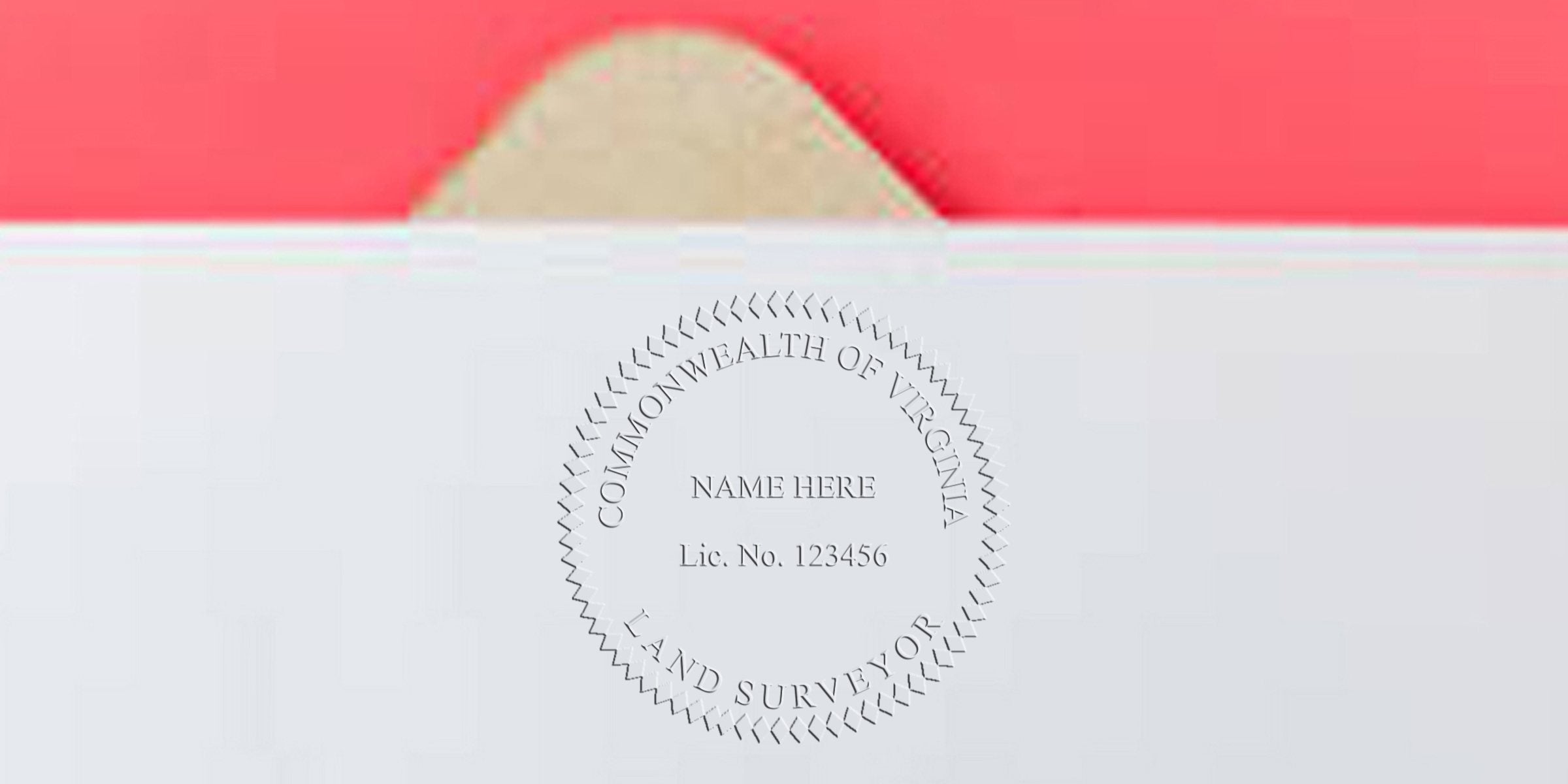
If you’re working as a land surveyor in Virginia, you already know there’s more to your job than measuring property lines. Your Virginia land surveyor seal design is a direct reflection of your commitment to professional standards and the accuracy your clients expect. It may seem like a simple logo, but its layout, legibility, and adherence to state guidelines can protect your hard-earned license and build trust in your work. In the following sections, we’ll walk through the key elements you need to know, from specific design components to digital seal options. Let’s dive into how you can get it right the first time.
Understand The Importance
Your seal is often the very first thing people see on your final survey documents. It’s more than just a stamp or emboss—think of it as your professional signature.
Meeting State Requirements
Every state sets out regulations on what’s allowed or required for a land surveyor’s seal. In Virginia, these standards cover shape, size, and text specifications. If you miss a detail, whether it’s the correct border or the placement of your license number, you could face reprints, compliance issues, or even risk your legitimacy as a licensed practitioner. For more detailed insights on rules and usage, you might find further details at virginia land surveyor stamp requirements.
Protecting Your Professional Status
Your seal design isn’t just a graphic you choose on a whim. It’s a visual statement that says, “I’m qualified to do this work.” A well-designed seal, recognizable and neat, allows your clients, regulatory bodies, and peer surveyors to immediately confirm you’re operating within the law. Overlooking official specifications can leave you open to doubts about authenticity, which is the last thing you want when building your reputation.
Check Virginia Regulations
Before ordering your seal, it’s crucial to familiarize yourself with the Virginia Board for Architects, Professional Engineers, Land Surveyors, Certified Interior Designers, and Landscape Architects. They detail what your seal or stamp must include, such as your name, license number, and state designation. While these rules may seem technical, they exist to safeguard both landowners and professionals alike.
Common Shape And Size
Most Virginia seals follow a circular shape, typically around 1.5 to 2 inches in diameter. This size ensures readability even when scanned or photocopied. If you go too large, you might exceed standard document margins and risk overshadowing important survey details. Too small, and your text can end up blurred, making it hard to verify details.
Ink Color And Readability
Picking an ink color that stands out on various document backgrounds is essential. Traditional black or blue ink is common, but some professionals opt for a dark red or green. The key is contrast. If your seal is too faint, it loses its authority. Also, consider bleed-through and smudging—nobody wants a messy, smudged seal that might appear dubious.
Incorporate Essential Elements
At minimum, your seal must display your full legal name and license number. But how you present this information impacts its visual clarity. Here are the must-haves to keep in mind:
Name And License Number
Virginia’s regulations mandate that your name and “Professional Land Surveyor” (or the appropriate title) appear within the circular border. Including your license number is also part of the deal, ensuring anyone who looks at your work can quickly confirm your identity and credentials. Double-check for typos, because a single incorrect digit can pose big problems later.
Legibility And Clarity
Legibility goes beyond simple font choice. Spacing, letter size, and overall arrangement must align so that your details are readable at a glance. If text elements are bunched too closely, you risk a cluttered look—plus potential compliance violations. And when in doubt, always err on the side of clarity. Clear text is non-negotiable.
Explore Design Layout Options
Even though you’re bound by certain rules, you do have a bit of creative freedom in how you arrange these required elements. A well-structured seal is often more memorable and lends a professional air to your documents.
Typical Layouts
One common layout places your state designation (i.e., “Commonwealth of Virginia”) at the top arc, your name in bold across the middle, and your license number along the bottom arc. Some surveyors switch it around by featuring the license number or “Professional Land Surveyor” label at the top. As long as you remain within size and labeling requirements, you can choose the arrangement that best reflects your style.
Size Balancing
Think about proportion when designing your seal. Each textual element should appear balanced in relation to the others, contributing to a cohesive design. You might prefer slightly larger text for your name, placed at the center, to ensure anyone searching for the responsible surveyor sees it immediately. Reserve smaller, yet still readable, type for your license number or secondary text.
Consider Digital Seals
In today’s digital age, relying on a single physical stamp alone might not cut it. With so many official documents sent electronically, having a digital version of your seal is a smart move.
Why Digital Matters
Digital seals save you time and effort, particularly when you’re sending plans to clients or agencies by email. They also maintain a professional look without requiring you to print, stamp, and scan every document. As more government offices switch to online submissions, your digital seal helps future-proof your workflow and keeps you competitive.
How To Access
Plenty of providers offer digital seal files, typically in formats like PNG or JPEG for easy insertion. Some even provide vector files, which keep your seal crisp no matter the size. At Acorn Sales, you receive a free digital seal when you invest in one of our physical Virginia land surveyor stamps or embossers. That way, you’re covered whether you need to physically emboss a blueprint or email a signature-ready document.
Choose A Trusted Supplier
Selecting the right vendor for your seal starts with focusing on quality, compliance, and service. You want your seal delivered on time, meeting your exact specifications, and lasting for years.
Acorn Sales
Acorn Sales has been in business since 1964, providing top-notch products tailored to industry professionals. From physical embossers to self-inking stamps, we ensure each product meets Virginia’s legal requirements and passes rigorous quality checks. Our decades of experience mean we’ve seen every tricky scenario you might face. We’ll help you pick the optimal design style, ink type, and even the best handle for your stamp.
Quality And Longevity
Seals take a lot of wear and tear, so durability matters. Our seals are built to stand up to repeated use, whether you’re stamping large sets of documents or embossing multiple copies for clients. You won’t need to worry about your seal wearing down or producing faint impressions half a year down the road. Plus, if you have any trouble at all, our customer support team is always ready to step in and help.
Avoid Common Mistakes
It’s easy to overlook small details when you’re juggling multiple survey projects. But certain missteps can lead to wasted funds, compliance headaches, or extra steps to correct errors.
Illegible Details
Squeezing too much text into your seal, using fancy fonts, or skipping the recommended diameter can hurt legibility. If your text is bunched together or printed too lightly, it can be disqualified by the licensing board. Before you finalize your design, print a few test impressions. Make sure your name and license number are fully visible in both the original and photocopied versions.
Overly Complex Layouts
While you do have freedom to personalize your seal, adding unnecessary flourishes or multiple shapes might confuse readers and obscure your mandatory details. Simplicity is usually your friend. If your seal is visually stunning but fails to meet basic clarity requirements, that’s a problem. Aim for elegance, but remain consistent with Virginia’s guidelines.
Final Thoughts
Your seal design may be just one piece of the larger surveying puzzle, but it is a critical one. By carefully aligning your seal with Virginia regulations, focusing on clarity, and choosing a reliable supplier like Acorn Sales, you’ll avoid frustrating rejections or compliance issues down the line. Remember, you’re not just stamping a piece of paper—you’re stamping your professional reputation on every document you sign. Embrace both physical and digital options, keep up with the state’s requirements, and trust your instincts when it comes to style.
If you’re ready to take the next step or update an existing seal, we hope this guide has helped clarify where to start. Whether you prefer the crisp look of an embosser or the convenience of a self-inking style, it’s all about guaranteeing you’re in full compliance. You’ve worked hard to earn your license—make sure your seal reflects that achievement. Happy surveying!
Frequently Asked Questions
What Size Should My Seal Be?
In Virginia, a two-inch diameter is popular because it balances readability and space on official documents. You can go slightly smaller or larger, but be sure not to undermine clarity or crowd the page.
Do I Really Need A Digital Seal?
While not mandatory in every scenario, a digital seal is becoming a standard practice. It provides a quick way to authenticate your documents electronically, especially when you’re working with government bodies that accept digital submissions.
Can I Change Colors For Different Clients?
You can choose different inks as long as they remain legible and professional. Common choices include black, blue, or red. Whichever color you pick, consistency is helpful to maintain brand identity and avoid confusion.
Are Self-Inking Stamps Or Embossers Better?
Both options are valid. Self-inking stamps are quick and easy, providing a clear mark every time. Embossers lend an official, embossed impression, giving your document a classy feel. Many surveyors keep both on hand for different situations.
How Quickly Can I Get My Seal?
With Acorn Sales, production times are generally fast—we understand the importance of getting your seal quickly, so we aim to ship it promptly. If you have a looming deadline, let us know and we’ll do our best to accommodate.








