
Understand The Basics
Navigating Louisiana interior designer stamp requirements can feel a bit intimidating when you first get started. You might wonder which rules apply to you and how to format your official seal. The good news is that Louisiana has clear guidelines in place to ensure all interior designers maintain a consistent, professional standard. Understanding these basics, from who needs a stamp to how that stamp should look, is one of your first steps toward compliance.
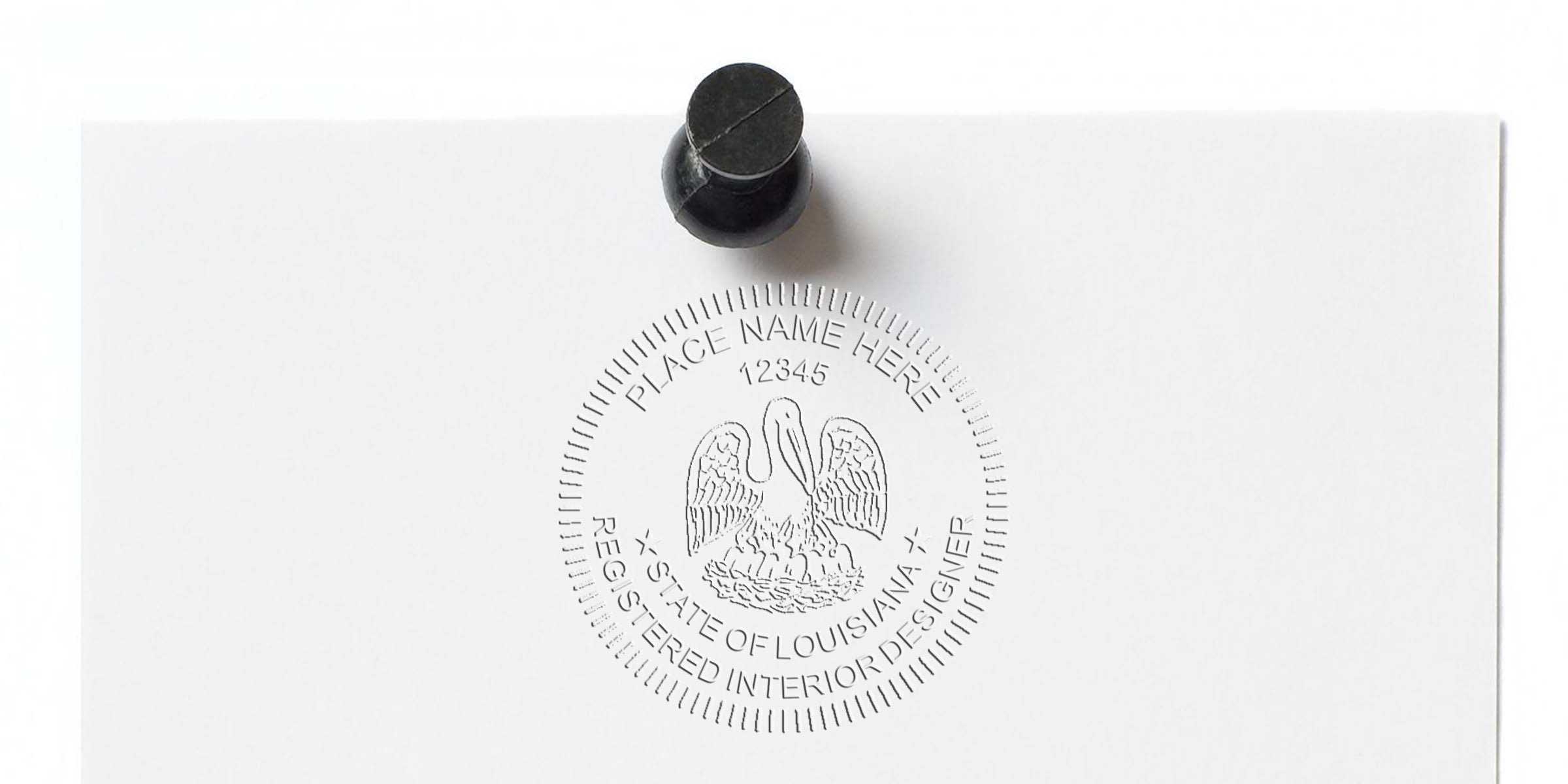
Before you order or design a seal, it helps to know what the state expects. Generally, you need to display key details, such as your legal name and your official registration number, on all stamped project documents. The intention is to verify that a licensed professional is behind each interior design plan. Think of it as proof that your work meets local safety, style, and structural expectations.
You’ve likely invested time and effort to become a certified interior designer. Louisiana’s stamping requirements are a natural extension of that journey. They exist both for your protection and your clients’ peace of mind. Once you understand the fundamentals, preparing a compliant stamp that stands up to scrutiny becomes much easier.
Check Louisiana Regulations
Rules can vary from state to state, so it’s smart to confirm that you’re following Louisiana’s specific statutes for interior designers. You’ll find that these regulations typically cover:
-
Designation Of Registration
- Your stamp or seal should indicate that you’re registered in Louisiana. You’re often required to include a title such as “Registered Interior Designer” to distinguish your professional standing.
-
Use Standards
- States may impose particular standards on when and how you need to use your stamp. This might include signed and sealed drawings for code compliance or for formal submissions to local authorities.
-
Expiration And Renewal
- Always be mindful of your renewal dates. Louisiana may require you to renew or recertify your registration at certain intervals, and your stamp usage typically needs to stay current with that renewal.
-
Liability Concerns
- Stamping your work makes you accountable for its accuracy. If there’s an error in a stamped document, you as the designer can be held responsible.
Because requirements change from time to time, it’s best to check with the Louisiana State Board of Interior Designers (or the relevant licensing board) for the latest rules. Their site should have forms, checklists, and guidance documents that break down everything in plain language. If you’re ever unsure about a specific situation, reaching out to the board directly can save you headaches later.
Plan Your Stamp Format
Once you understand the core regulations, you’ll want to plan exactly how your official stamp should look. In many states, the most common layout includes:
- Your name, exactly as it appears on your registration.
- The words “Registered Interior Designer” or the state’s approved title.
- The official state name (“Louisiana”) as part of the seal design.
- Your unique registration or license number.
You’ll also need to consider the size of your stamp or seal. Some registered professionals prefer a compact stamp for convenience, while others go for a larger diameter to make details more legible. There is no one-size-fits-all here, but Louisiana regulations may set strict minimum or maximum dimensions. If so, double-check those measurements before you purchase or create your stamp.
It helps to keep your stamp design minimal. The simpler it is, the clearer your information will be. If you show a detailed logo within your seal, be sure that your key details remain easy to read. Small text or ornate decor can clutter the layout and make it less functional. Function is everything here: your goal is to confirm you are the professional behind that set of plans.
Arrange Your Official Stamp
Once you’ve decided on a design that meets your state board’s expectations, it’s time to get your official stamp produced. This is often simpler than it sounds. Trusted suppliers, such as Acorn Sales, have been providing Louisiana interior designers with stamps and seals for decades. In fact, Acorn Sales has been in business since 1964, so you can count on their experience and craftsmanship.
- Look for a supplier that specializes in professional seals. They should be familiar with Louisiana’s rules.
- Ask about customization options if you want a certain design or style.
- Check for special offers, such as a free electronic seal with every order (Acorn Sales provides this perk, which can save you time when you need a digital stamp for electronic documents).
If you want a closer look at a ready-to-use option, swing by the louisiana interior designer stamp on our site. You’ll see a sample layout that reflects typical requirements, and you can verify whether it aligns with the guidelines you’ve researched. Make sure your name and license number match your official records so that the state board can clearly identify you.
Use Your Seal Correctly
After you’ve got your official stamp in hand, the next step is understanding how and when to use it. If you’re new to stamping, start with these simple guidelines:
-
Seal Only What You Supervise
- Your stamp indicates that you are the one responsible for the design’s correctness. So don’t stamp work from other professionals unless you’re confident you can vouch for its accuracy and compliance.
-
Include Your Signature
- Stamping on its own isn’t always enough. You may also need to sign across or close to the seal, usually with the date, to show that you reviewed and approved the plan or document.
-
Keep Dates Accurate
- If you’re reissuing or updating a stamped plan, use the current date. Expired stamps give the impression that the project is old and might no longer follow current codes.
-
Protect Your Seal
- Don’t let unauthorized individuals access your stamp. You’re responsible for its use and safeguarding.
You’ll need to use your professional judgment on each project. If your work requires direct approval by city officials or other regulatory bodies, you’ll likely stamp any pages that contain critical specifications, floor plans, or design layouts. If the document is a simple sketch for a friend, you typically won’t need an official seal. Trust your board’s guidelines for final say, and track your usage so you always know which documents are officially sealed.
Maintain Current Credentials
Getting your license or registration is a huge milestone, but staying current over the years is just as important. Louisiana may require certain ongoing education (known as continuing education units or CEUs) so that you remain up-to-date in your field. You might also need to renew your credentials periodically, often every couple of years. Keep track of these dates to avoid any licensing lapse.
Why does renewal matter for your stamp? If your license expires or you fall out of good standing, your seal might be considered invalid. That could put your projects at risk or delay important approvals. No designer wants to be caught off guard by a lapsed certification. Here’s a quick approach to stay on top of renewals:
- Mark your calendar for renewal deadlines.
- Check the board’s website for CEU requirements, if applicable.
- Submit your renewal application or fees well ahead of time.
- Request updated documentation so that your stamp’s details are always accurate.
If you keep your paperwork in order, you’ll never have to worry about a last-minute scramble to prove you’re properly credentialed.
Benefit From Digital Options
In today’s world, many interior designers are embracing digital tools to make project collaboration simpler. Digital seals or e-stamps are a big part of that shift. Louisiana boards often acknowledge electronic certification, but you’ll still need to follow their rules for digital stamping—just as you would for physical documents.
The perks of going digital can be huge:
- You can apply your seal directly to PDFs or other file formats.
- Clients and contractors anywhere in the state (or across the country) can view your sealed documents online.
- You save on printing, mailing costs, and that occasional frantic search for your physical stamp during a tight deadline.
When you place an order for your official seal, see if you can bundle a digital option. Companies like Acorn Sales include a free electronic seal with your purchase, so you won’t have to pay extra or wait long to start stamping electronically. Do verify that the electronic seal or e-stamp is recognized by the relevant authorities. In some cases, you may need to use a board-approved digital signature platform or meet certain encryption standards.
Troubleshoot Common Pitfalls
Even the most diligent designer can run into hiccups. Maybe you misplaced your stamp, or the board updated a regulation without you realizing. Thankfully, you can prevent many pitfalls by following these steps:
-
Update Immediately
-
If there’s a revision to Louisiana’s requirements or you spot a discrepancy between your seal and the board’s guidelines, correct it as soon as possible.
-
Keep Backup Supplies
-
Consider having a second stamp on hand, especially if you run a busy practice or travel frequently. A lost stamp can stall your projects and cost you valuable time.
-
Document Everything
-
Whenever you seal a major design, note the date, project name, and parties involved. If there’s a question down the line, having a record of your sealed work can help address concerns faster.
-
Confirm Local Rules
-
Some parishes or cities might have extra requirements, even though you’re licensed on a state level. A quick call or check on a local website can ensure your plans meet all local codes.
The more prepared you are, the smoother your stamping process will be. Most pitfalls come from small oversights, so a routine check of your stamp design and usage helps maintain your professional reputation.
Explore Time-Saving Tips
It’s no secret that interior designers juggle a lot of tasks—meeting clients, developing sketches, and sourcing materials. Figuring out the details of your Louisiana seals might feel like just another chore on your long list. To ease some of that strain, consider these time-saving tricks:
-
Template Your Documents
Create final pages or layouts that include reserved spaces for your stamp and signature. You’ll always know exactly where to place the seal. -
Automate Your Workflows
Use project management or document-sharing platforms that let you store frequently used stamps or digital signatures. This lowers the risk of error and speeds up approvals. -
Collaborate Smart
If you’re working with multiple professionals—like architects or landscape designers—discuss your stamping procedures upfront, so everyone understands roles and responsibilities early on. -
Checklists
Make a simple checklist for every project. It can include lines like “Confirm current license,” “Stamp official drawings,” “Obtain required signatures,” etc. Checking off each item might sound old-school, but it works wonders for reducing mistakes.
Getting into a consistent habit with your stamping ensures you’ll rarely scramble at the eleventh hour. Over time, you’ll develop a routine that aligns seamlessly with state requirements.
Staying informed and proactive about these details can help you avoid costly mistakes. If you have more questions or want to see a preview of what your Louisiana interior designer stamp might look like, you can browse our louisiana interior designer stamp options for design inspiration and ordering details.
Remember that maintaining compliance isn’t just about meeting rules—it’s about reinforcing your commitment to quality and professionalism. You’ve worked hard to earn your interior designer registration. Backing that up with a clear, accurate, and timely stamp is one of the simplest ways to show your competence and give clients confidence in your craft. If you ever need personalized help, Acorn Sales has been around since 1964, and we’re happy to talk you through the process. Stay updated on Louisiana’s guidelines, renew on time, and keep your stamping station stocked with everything you need. You’ll be ready to focus on what you do best: creating inviting, innovative spaces that people love.
(Word count: approx. 1,650)
Frequently Asked Questions
Do I need a stamp if I’m just starting out?
Typically, if you’re a newly registered interior designer in Louisiana, you do need a stamp that reflects your name and your registration status. Even if you’re only handling small projects, having your stamp ready is a smart move for when you need to submit or approve official designs.
What if my license number changes?
You’ll want an updated stamp that shows your current license number. Regulations often require every stamp to include accurate registration details, and using an out-of-date stamp may cause confusion or lead to disapproval of your documents.
Are electronic seals accepted?
Yes. Louisiana, like many other states, often recognizes digital stamping, especially for electronic submissions. Always confirm with the board whether you’re using a compliant platform or file format. When you purchase from Acorn Sales, you get a free electronic seal, which helps you speed up digital approvals.
How often should I renew my stamp?
The stamp itself doesn’t expire, but your license or registration does. If your registration lapses or you need a new license number, you’ll require an updated stamp. Mark your calendar with renewal dates so your seal always matches your active credentials.
Can I share my stamp with colleagues?
It’s best not to. Your seal and license are unique to you. If a colleague uses your stamp, it implies you took responsibility for that work, which could land you in trouble if errors surface. Keep your stamp locked up somewhere safe, and encourage teammates to secure their own credentials and seals if needed.








