
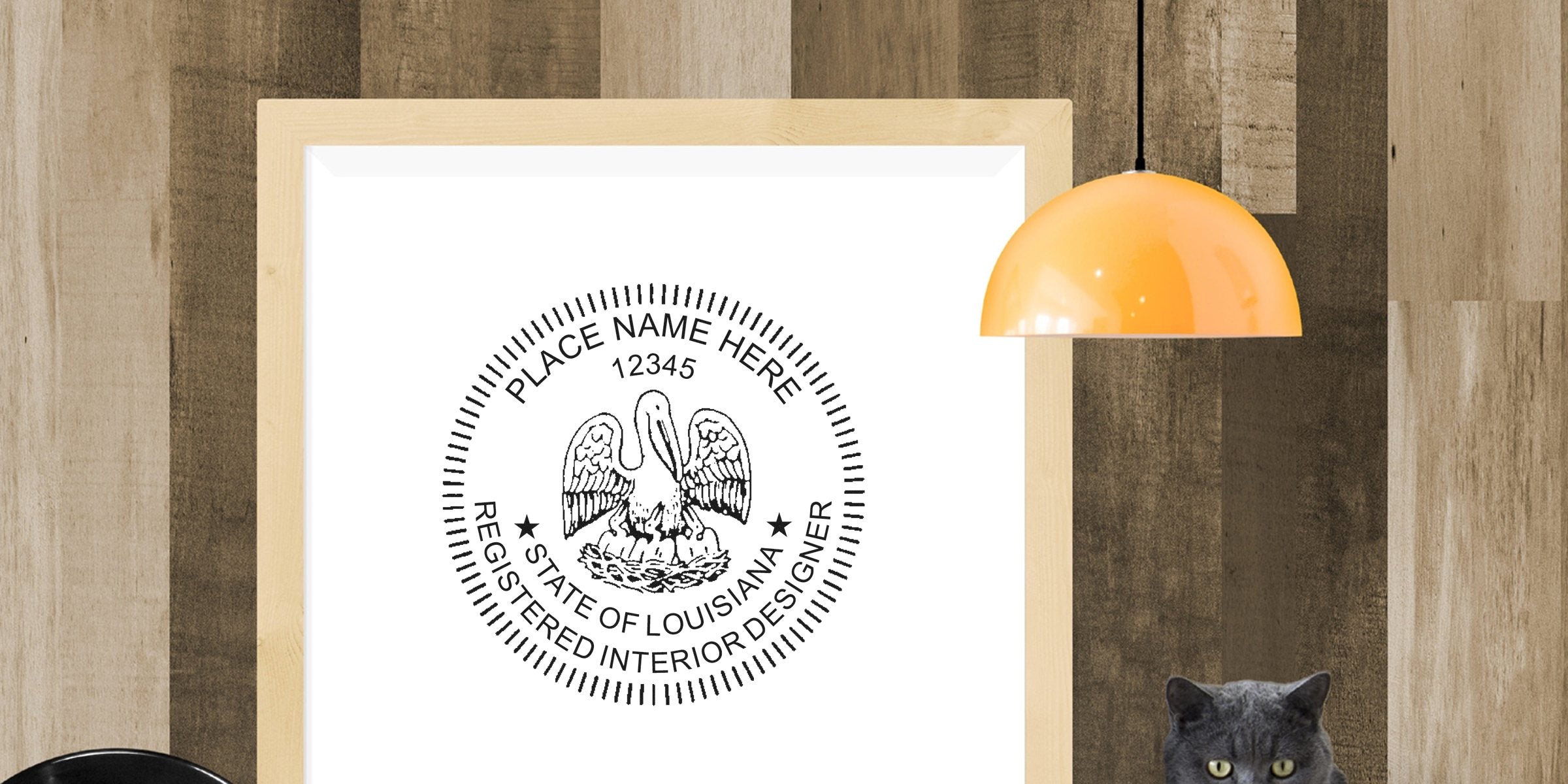
Louisiana’s interior design field has its own set of guidelines you simply can’t ignore. Right from brand-new designers to seasoned pros, everyone must comply with Louisiana interior designer seal regulations to safeguard both clients and professional credibility. It might sound daunting at first, but once you break it down, it’s much simpler to follow than you’d expect.
Below, you’ll find a practical overview of how to meet the state’s requirements, tips for using an official seal effectively, and advice on avoiding compliance headaches. By the end, you’ll have a roadmap for honoring the rules and establishing trust with every project you touch.
Recognize The Importance
You might already know that your Louisiana license is your calling card, but your seal ultimately seals the deal. Used correctly, it demonstrates that your work meets the standards required by state law. Used incorrectly, it could land you in hot water. So let’s dissect why these regulatory measures matter in the first place.
Role Of The Interior Designer Seal
A seal is more than just an embossed or digital stamp: it’s a visual guarantee that you have the credentials to back up your designs. When you apply it to design documents, you’re making a statement:
- You’re licensed to practice under Louisiana law.
- You’re attesting that your work complies with safety codes and regulations.
- You’re confident enough in your expertise to stake your reputation on it.
Remember, clients often look to official marks to verify professional legitimacy. The presence of your seal can ease their minds and encourage them to trust your recommendations. If you’re unsure what the difference is between stamps and seals, you can always learn more about the louisiana interior designer stamp.
Legal Consequences Of Noncompliance
What happens if you skip or misuse your seal? You could face penalties or disciplinary action by the state licensing board. These issues might include:
- Fines for failing to affix the proper seal on plan sets.
- Delays in project approval when plan reviewers find a missing seal.
- Damage to your professional standing, potentially losing your license altogether.
To avoid these pitfalls, always double-check that your seal meets the most up-to-date directives. Even if you think you know the routine, regulations may shift over time, so stay alert to new developments.
Navigate Official Requirements
Staying current with Louisiana’s rules involves more than just placing any old mark on your drawings. You must learn exactly what your seal should include, how you can present it, and when you are required to use it.
Licensing Bodies And Statutory Guidelines
In Louisiana, you’ll typically work with the state’s governing board for interior designers, which outlines specific standards for professional seals. Each requirement, from design style to usage scope, aims to maintain consistent, high-quality documents. Generally, you can expect that:
- The seal should display your name and license number clearly.
- It must be readily visible, ensuring that anyone reviewing a plan can identify the licensed designer.
- The mark must adhere to design format rules, such as size or shape, prescribed by the board.
If you find yourself uncertain about the precise rules, it’s wise to consult the latest handbook or check the board’s official updates. Taking that extra step can spare you a ton of stress if you end up in compliance audits later.
Typical Steps To Obtain Your Seal
Curious about how to officially secure your seal? Generally, you’ll have to go through a few basic steps:
-
Ensure You’re Licensed
You must hold an active Louisiana interior designer license. That’s step zero before you can invest in a seal. -
Check Design Requirements
Find out if the board mandates an official template, specific wording, or boundary lines. Some states have standard guidelines, while others offer more flexibility. -
Choose A Trusted Maker
You want a seal that follows every last detail of the Louisiana interior designer seal regulations, so ordering from a reputable supplier can be a lifesaver. -
Submit For Approval
Before you use your seal in real-world scenarios, confirm that it meets the board’s appearance and layout requirements. A quick validation might save you from pricey do-overs.
Once you have the green light, you can use your seal for official submissions, guaranteeing your projects meet the necessary legal framework.
Follow Best Practices When Using Your Seal
Using a seal responsibly means knowing the exact situations in which it’s required, ensuring the information is legible, and storing or handling it securely. Read on for a few practical guidelines to keep your seal usage seamless and stress-free.
Physical Vs Digital Options
Louisiana generally allows physical seals, digital seals, or a combination of both. While traditional embossers will always have their place, electronic seals are gaining popularity—especially for project teams that collaborate remotely. Let’s explore each:
-
Physical Seals:
-
Often feature raised impressions, which help confirm authenticity.
-
Require a bit of planning so you don’t forget to seal documents before sending.
-
Provide a tactile feel that some clients still love for important paperwork.
-
Digital Seals:
-
Can be quicker to apply, especially when you have multiple documents to finalize.
-
May require software to embed a secure signature or special macro for each plan sheet.
-
Ideal for electronic submission, which many municipalities are moving toward.
Try to maintain consistency: if you use digital formats for most files, it might be simpler to stay entirely paperless. On the other hand, if your local authority prefers paper, ensuring you have a physical embosser on hand is wise.
Placing And Confirming Legibility
Even the best seal won’t help you if it’s unreadable or placed in a tricky spot. Here are a few tips:
- Make sure the impression is free from smudges or cuts.
- Position it on a consistent area of each sheet so project reviewers know where to look.
- Avoid overlaying the seal on dense drawings or dark backgrounds that obscure text.
- Check the final print, whether it’s from your own office or the local print shop, to verify that the seal stayed clear.
In short, placement matters. You never want frantic calls from a reviewer who can’t locate or decipher your seal.
Work With A Trusted Supplier
Getting a seal might feel straightforward, but it pays to choose a company that understands the nuances of state rules. Whether you’re obtaining your first seal or updating your existing one, a high-quality source will save you from time-consuming errors.
Meet Acorn Sales
When you’re ready to create a seal that aligns with Louisiana codes, consider ordering from Acorn Sales. We’ve been in business since 1964, and we specialize in official stamps and seals for professional designers. We also provide a free electronic seal with every order, which is a huge plus for anyone looking to streamline their document workflow.
Through years of collaborating with various boards, we’ve learned how vital it is for your seal to be precise, professional, and fully compliant. When you trust a company that’s proven itself in the field, you’ll confidently order a product that meets all official standards.
Why Quality Matters
It might seem tempting to budget-shop for a seal, but your credibility is on the line. Here’s why a quality seal is a must:
-
Durability:
A top-notch embosser will stand up to continuous use without breaking. -
Precision:
Each seal element, from your name to your license number, should be easy to read. -
Board Compliance:
Reputable suppliers keep up with the latest formatting and design specifics from licensing boards, reducing the risk of errors.
When your stamp or embosser is crafted to exact specifications, you can focus on making every design project shine, knowing your seal is good to go.
Final Thoughts
Making sure your projects comply with Louisiana interior designer seal regulations is essential for protecting both you and your clients. By diligently understanding the rules, placing your seal clearly, and staying up to date on any changes, you’ll stay on solid ground every time you submit a plan. If you trust a proven provider like Acorn Sales, you’ll get a reliable, board-compliant product that won’t leave you second-guessing.
Remember, your seal exists for a reason: it represents your commitment to following all requirements and delivering safe, well-crafted spaces. Each time you press that seal onto a blueprint—or attach it digitally—you reaffirm your promise of quality and professional responsibility. That’s a win for you, your clients, and for Louisiana’s design community. Enjoy the peace of mind that comes from doing it right, and take pride in every sealed project you complete.
Frequently Asked Questions
Do I Need A Seal For Every Project?
Generally, yes. Any official interior design plans that require submission to a building department or other regulatory body should include a valid seal. However, smaller projects that don’t require permits may not need it. Always check local rulings to be sure.
Can I Reuse The Same Embosser Forever?
You can keep using it as long as it remains accurate, clear, and your license stays active. If the licensing board updates certain elements, such as the wording of your title, then you’ll need a revised seal.
Should I Have Multiple Seals?
Some designers use multiple seals—one for the office, one for travel, and possibly a backup in case of loss or damage. Just ensure every seal is an approved format.
What’s The Benefit Of A Digital Seal?
Digital seals speed up your document approval process, especially if your municipality manages electronic plan reviews. They also enable you to sign and seal from anywhere, which is convenient if you’re collaborating remotely.
Does Acorn Sales Offer Help With Design Requirements?
Absolutely. Acorn Sales has been around since 1964, and because we specialize in professional stamps and seals, we can walk you through the design and formatting requirements. Plus, every physical seal order includes a free corresponding digital version, making compliance that much simpler.








