
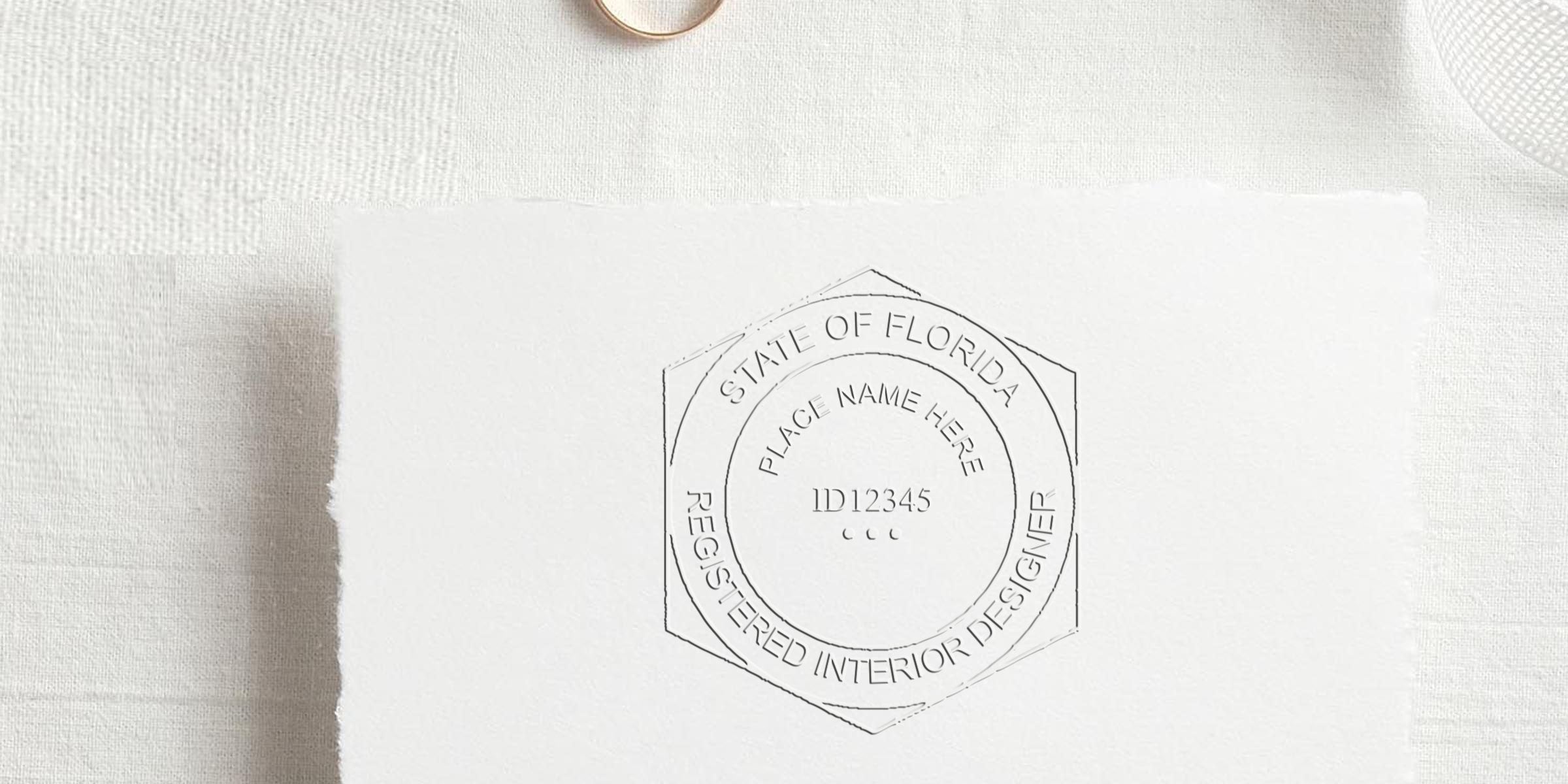
If you’re working as an interior designer in Florida, you’ve probably heard about Florida interior designer stamp embossers. They might sound complicated at first, but they’re basically specialized seals that confirm your compliance with state regulations. Whether you’re submitting project plans or final design documents, your stamp or embosser assures the authorities (and your clients) that you meet Florida’s professional standards. Let’s break down the essentials so you can stay compliant, protect your professional reputation, and make the entire process as smooth as possible.
Know Florida Requirements
Before you pick out your stamping tools, it’s important to understand which Florida rules apply. The state typically outlines specific details about your seal or embosser size, layout, and mandatory wording. If you choose to ignore these guidelines, you risk having your applications or documents rejected by local building officials.
Why These Requirements Matter
- They prove you’re a licensed interior designer working within state standards.
- They improve the clarity and legitimacy of your submitted documents.
- They help government agencies quickly verify your credentials.
Florida’s regulations often specify that the seal or stamp includes your name, license number, and the phrase “Licensed Interior Designer.” If you’re not sure about the exact specifications, feel free to check the Florida Interior Designer Stamp Requirements for additional guidance on design and usage rules.
Identify The Right Stamp Or Seal
You have two main style options when it comes to marking your documents: stamps and embossers. Understanding each type will help you decide what’s best for your workflow.
Stamps
A stamp uses ink to display your professional details. Most stamps use self-inking or pre-inked technology, so you don’t have to worry about a separate ink pad. If your day-to-day work involves quickly signing off on multiple drawings or documents, a stamp may be your fastest bet.
Key attributes:
- Quick application: Just press down, and you’re done.
- Consistent results: You get the same crisp imprint each time.
- Budget-friendly: Typically, these cost less than embossers.
Embossers
An embosser physically raises the paper where you press it, creating a three-dimensional impression. Because there’s no ink required, embossers deliver an elegant and tamper-resistant seal. Some interior designers prefer that professional feel, especially on official contracts or final presentations.
Key attributes:
- Classic look: Raised lettering adds a polished appearance.
- No ink smudges: Perfect for documents where neatness really counts.
- Long-term durability: Embossing creates a lasting mark that’s difficult to forge.
Steps To Get Your Florida Interior Designer Embosser
If you’ve decided an embosser is your go-to tool, here’s how you can secure one quickly and easily:
Choose A Reputable Supplier
You want a company that guarantees high-quality products and meets Florida regulations. At Acorn Sales, we’ve been in business since 1964, and we know exactly how to craft a compliant stamp or seal that meets state guidelines. We also offer free electronic and free digital seals if you prefer to keep your workflow paperless.Provide Your Credentials
Before your embosser can be made, you’ll need to supply your full name and license number exactly as recognized by the Florida Board of Architecture and Interior Design. Any discrepancy could lead to an invalid seal, so double-check your official documentation.Confirm The Seal Layout
In Florida, you typically need specific words in your stamp or seal layout. Make sure your design states “Interior Designer,” alongside your license details, and follows Florida’s spacing requirements. Your supplier should know the standard specifications, but it’s always wise to verify.Place Your Order
Once you’ve confirmed the layout and your credentials, you can place your order. Acorn Sales, for example, offers different embosser handle styles and impression frames, so you can pick one that fits your preferences.Inspect And Test
When your embosser arrives, test it on a scrap piece of paper. Look closely at the raised details. Is everything clean and legible? If so, you’re good to go. If not, reach out to your supplier for adjustments.
Maintaining Stamp Compliance
You’ve invested in a stamping tool that meets Florida requirements. Great! Now let’s talk about how to keep it that way. The last thing you want is to show up at a meeting with a worn-out seal that’s barely legible.
Regular Inspection
Treat your embosser or stamp like a key piece of equipment. Check its components for any noticeable wear at least once a month. Look at the metal plate (on an embosser) or the rubber die (on a stamp) to confirm the design’s integrity.
Proper Storage
Humidity and extreme temperatures can degrade your stamping tools more quickly. A cool, dry drawer or storage case is your best bet. Avoid tossing it into a bag without protection. That’s how designs get scuffed or bent.
Updating Information
If you ever change your name or renew your license, see if you’re required to update your seal. Some designers forget to reflect personal changes, which can cause confusion. Even a minor mismatch in your name can throw off record-keeping at local offices.
Digital Seals And E-Options
Paper documents aren’t disappearing any time soon, but more and more municipalities allow electronic submissions. That means digital stamps and seals can save you time, money, and paper, especially if you frequently submit drawings online.
Why Go Digital?
- Fast Approvals: You can upload your signed documents in minutes.
- Convenience: No printing, stamping, or scanning.
- Eco-Friendly: Reduce paper usage, which is great for the environment and your conscience.
At Acorn Sales, we offer a free digital seal that mirrors the look of a physical stamp. This digital version carries the same legal weight, assuming Florida recognizes electronic submissions. Double-check with your local building department to confirm they accept digital documentation.
Getting Your Electronic Seal
You can typically order a digital seal through the same process as your physical stamp. Provide your license details and confirm the layout. Once it’s ready, you’ll receive a file you can embed into PDFs or other document formats. Just be sure you protect it, so no unauthorized person can use your seal. Think of it like a password you wouldn’t want to share.
Shop With Confidence At Acorn Sales
When it’s time to pick up your physical embosser or digital seal, choosing the right vendor can make a difference in your daily tasks. Here’s why we believe Acorn Sales is a solid match:
-
Over Half A Century Of Experience
We opened our doors in 1964, and we’ve been supporting professionals ever since. You’re not just buying a stamp, you’re getting the benefit of decades of know-how. Free Electronic And Digital Seal
You shouldn’t have to pay extra for convenience. That’s why we bundle electronic and digital seals at no additional cost, making your purchase that much better value.Customer Support That Gets It
Shooting us a call or sending an email is easy. Our team is here to simplify your purchasing process and help you avoid any compliance pitfalls. If you’ve got a weird question, we’ve probably heard it before, and we’re happy to guide you.Wide Range Of Options
Whether you want a traditional hand-held embosser, a sleek self-inking stamp, or a robust desktop embosser, we can tailor products for your needs. Different handle shapes, metal finishes, or color choices are all up to you.
Key Takeaways
As an interior designer in Florida, staying compliant is vital to your professional credibility and your project’s success. Here are the points to remember:
- Understand Regulations: Florida has unique requirements for font size, wording, and overall layout.
- Pick Your Marking Tool: Decide between a stamp’s quick ink impression or an embosser’s timeless raised design.
- Maintain Your Seal: Regular inspection and proper storage will keep your seal accurate.
- Consider Digital: Many local departments accept electronic versions, so leverage a digital seal for faster turnaround.
- Shop Strategically: Working with a trusted supplier, like Acorn Sales, ensures you meet Florida’s guidelines from day one.
It might feel like a lot at first, but once you have the right embosser or stamp in your toolkit, you’ll be signing off your drawings with confidence. If you keep on top of your updates and store your equipment with care, you’ll rarely run into compliance snags. After all, you’re a creative professional, so let your designs shine without the distraction of paperwork headaches.
By covering your bases and picking a top-quality product, you ensure that your professional documents convey the authority and expertise you’ve worked so hard to earn. It’s your livelihood, after all, and having the right stamp or seal is a straightforward way to protect it. Good luck with your future design projects, and remember to keep stamping (or embossing) those drawings with pride!
Frequently Asked Questions
What Is The Difference Between A Stamp And An Embosser For Florida Interior Designers?
A stamp uses ink to leave a clear impression on any paper surface, while an embosser raises the paper to create a more secure and tactile imprint. Many Florida interior designers prefer embossers for their professional appearance and durability.
Do I Need A New Stamp Or Embosser If I Move To Another State?
Yes. Licensing requirements tend to vary by state, meaning the seal design you use in Florida may not be valid elsewhere. Always review the guidelines for the new location and obtain an updated seal or stamp that meets that state’s mandates.
How Much Does It Cost To Order A Compliant Florida Interior Designer Seal?
Costs can vary depending on the type (stamp vs. embosser) and any extra features. That said, many suppliers, including Acorn Sales, offer budget-friendly options. You can also receive free electronic and digital seals, which saves money in the long run.
Can I Still Use Paper Stamps If My Local Building Office Accepts Digital Files?
Absolutely. Paper stamps are perfectly valid, but you can speed up your submission process with an electronic seal. It’s often a personal preference. Some designers switch between paper and digital, depending on the project requirements.








