
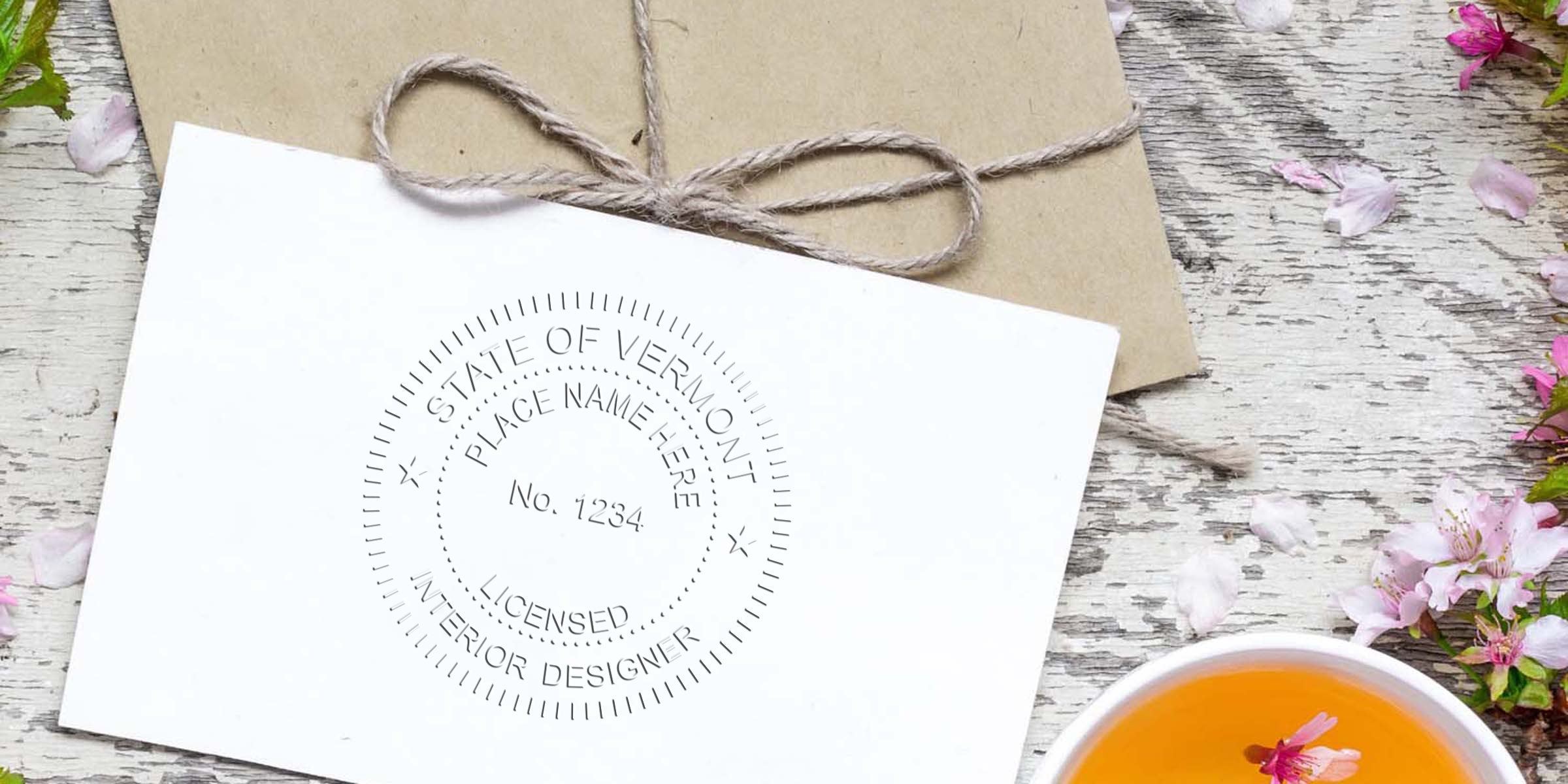
If you’re an interior designer in the Green Mountain State, there’s one tool that can set you apart in a truly professional way: a Vermont interior designer seal embosser. Not only does this embosser give your documents a polished, official appearance, it also speaks volumes about your dedication to meeting Vermont’s requirements. And while the art of interior design might already feel specialized, adding this final touch can help your work stand out. After all, acting as a certified interior designer means following rules, presenting top-notch stamped documents, and giving your clients confidence in your expertise.
But how do you make the most of this tool, and why does it matter in the first place? In this article, you’ll discover the significance of a seal embosser for Vermont interior designers, learn how to pick the right design, and explore step-by-step usage tips. You’ll also get to know Acorn Sales, a trusted supplier that has served professionals for over 60 years, providing quality stamps, seals, and a free electronic seal that complements your physical embosser. Let’s dive in.
Discover The Value Of A Seal Embosser
An interior designer’s work isn’t just about picking colors or arranging furniture, it’s about showing that you meet industry standards in everything you do. A seal embosser brings that sense of reliability to each plan, proposal, or contract you present. Imagine handing a client a drawing, pressed with a crisp, raised impression. Right away, they know they’re dealing with a professional who takes compliance seriously.
Even if you’re confident your designs speak for themselves, a raised seal is a visual signature that feels official. It’s a bit like a chef plating a final garnish—yes, the dish might already taste great, but a finishing touch makes the entire experience more impressive. With a vermont interior designer seal embosser, your clients and local authorities know you’ve got the credentials to back it up, and they see it in the embossed imprint on every important page.
Understand Key Requirements
Of course, it’s not enough just to own a seal embosser. You need to follow the specific guidelines set by Vermont’s standards. Some professionals mix up what’s required for stamps and seals vs. general design documents. Before heading out to get your seal, it’s wise to familiarize yourself with the basics.
- Vermont may outline specific information that must appear on the seal, such as your name, license number, and “State of Vermont” for clarity.
- Different design disciplines, including interior design, can have unique rules around how often the seal must appear on official documents.
- Requirements might change occasionally, so check for updates if you’ve been practicing for a while.
Curious about official guidelines? Take a look at these requirements for a Vermont Interior Designer Stamp. Staying in the loop helps you avoid accidental oversights, and it ensures your seal remains valid.
Explore Design Options
Seal embossers aren’t all the same. You can find desk embossers, pocket embossers, and even electric embossers for high-volume needs. Each style has pros and cons, so think about your workflow before choosing.
- A desk embosser sits firmly on a flat surface, which can be useful if you spend most of your time in an office setting.
- A pocket embosser offers a lightweight alternative that’s easy to carry to client meetings or site visits.
- Electric embossers are convenient if you handle a hefty pile of documents every day, but they come at a higher price.
Beyond style, you’ll also see variations in seal design. Some contain a distinct border, others feature separate lines for your name and license number. Decide what fits your creative taste, but also double-check that it aligns with Vermont’s legal standards. You might see a variety of fonts and graphics, but clarity is crucial. If the impression can’t be read easily, it defeats the purpose of an official seal.
Benefit From Acorn Sales
Finding the right supplier for high-quality embossers can feel overwhelming—especially if you’re new to the process. This is where Acorn Sales comes in. Our company has been crafting professional stamps and seals for over 60 years, making sure each embosser meets both stylish and official standards. When you’re dealing with design projects, you want a tool that’s dependable, so you’re not fidgeting with a broken handle or an unclear imprint in front of a client.
At Acorn Sales, you can also get a free electronic seal included with your order. Maybe you prefer to submit digital proposals or share PDF versions of your drawings. With an electronic seal on hand, your brand presence remains consistent across all platforms. It’s one more way to showcase professionalism and reassure your clients that you follow every detail of Vermont regulations.
Why Choose Acorn Sales?
- Maker for over six decades, ensuring long-standing expertise.
- Trusted supplier for Vermont Interior Designer stamps and seals.
- Offers both physical and electronic seals, so you can cover all your document formats.
- Quick, friendly customer support that helps you navigate any part of the ordering process.
Follow Proper Usage Steps
Getting your vermont interior designer seal embosser is only half the journey. You’ll also need to know how to use it on your documents for maximum clarity. Think about how a chef doesn’t just have knives—he or she knows exactly how to slice, dice, and present a meal flawlessly. The same goes for your seal embosser. If you’ve never used one before, let’s break it down step by step.
Gather Your Materials
First, make sure everything you need is within reach. You’ll want:
- The document that requires sealing.
- A sturdy surface to rest the embosser on (or, if it’s a pocket embosser, a flat spot to press).
- A soft cloth to quickly wipe away any dust or debris from the embosser’s parts, if necessary.
Using a clean surface ensures your seal’s raised impression remains crisp and free of smudges.
Prepare Your Document
Position your document so that you know exactly where to place the seal. Typically, you’ll decide if the seal goes near your signature or in the designated area an official form requires. Vermont may have specific guidelines about whether the seal must go in a certain corner, so confirm that detail before stamping.
Position And Press
Now, place the embosser’s clamp on the correct spot. Gently hold the paper in place to avoid any slips. Then, press the handle down until you feel a firm impression. One helpful tip: give a gentle pause at the bottom of the press to ensure the paper is nicely embossed. Lift the handle, and voila—your design now has an official and professional mark of approval.
Maintain Your Embosser
You’ve invested in a seal embosser, so why not keep it in top shape for years to come? Maintenance is simple if you stick to a few habits:
- Clean regularly. Wipe the metal parts gently with a dry cloth. Remove any bits of paper dust that might collect in the grooves of the seal.
- Store properly. Keep your embosser in a protective case or a small drawer to shield it from moisture or light spills.
- Check alignment. If the impression looks off-center or uneven over time, contact the supplier for any needed adjustments.
These small steps help your embosser function smoothly whenever you need it.
Frequently Asked Questions
Question 1: “Do I need both a stamp and a seal embosser in Vermont?”
Yes, certain forms might call for a stamp, while others require an embossed seal. It’s important to check the latest regulations for interior designers to know exactly where and how each tool should be used.
Question 2: “Will my electronic seal be legally valid?”
In many cases, an electronic seal can be accepted on digital documents, but it depends on the relevant Vermont guidelines or the preferences of your client or local authority. An electronic seal from Acorn Sales matches your physical seal design, preserving consistency across formats.
Question 3: “How do I know if my seal design is compliant?”
Look for guidelines specific to interior designers in Vermont. They’ll list details that must be on the seal, such as your license number and where to place official markings. Also, check out these requirements for a Vermont Interior Designer Stamp for more detailed info.
Question 4: “Is it difficult to replace an embosser if my information changes?”
Not at all. If you change your name, license status, or any relevant detail, you can easily order an updated seal embosser. Many designers keep an older version of the embosser on file until the new one arrives, just to ensure they can show their chain of compliance if needed.
Question 5: “How often should I emboss my documents?”
That depends on local rules. Some projects might only need the seal on final drawings, whereas others require a seal on each revision. If you’re ever unsure, err on the side of caution and include the seal where it might be relevant to confirm your professional credentials.
Wrap Up Key Points
A Vermont interior designer seal embosser isn’t just a technical tool—it’s a visual statement of your credibility. When you imprint that raised emblem, you’re telling clients and authorities, “I stand by my work, and I’m sticking to the standards.” That extra layer of assurance can go a long way in building trust, especially if someone is choosing between different interior designers.
To recap, you’ve learned how the embosser sets you apart, the steps to properly use and maintain it, and why partnering with a seasoned supplier like Acorn Sales helps you get the quality and support you deserve. You’ve also got a glimpse into Vermont’s specific requirements, so you won’t be caught off guard. With the right seal embosser in hand, you’ll streamline the approval process, make strong impressions, and enjoy the peace of mind that comes from being fully prepared.
If you haven’t already, consider finalizing your embosser design and ordering from a dependable provider. Then, start adding that brilliant raised mark to your plans and proposals. You’ll be amazed at how it elevates your role in the eyes of clients. Who knew that a simple press could speak volumes about your interior design prowess?
Feel free to share your own experiences stamping those plans or drop any questions in the comments. You never know which fellow professional might be wondering the same thing, and your insight could guide them too. Happy embossing!








