
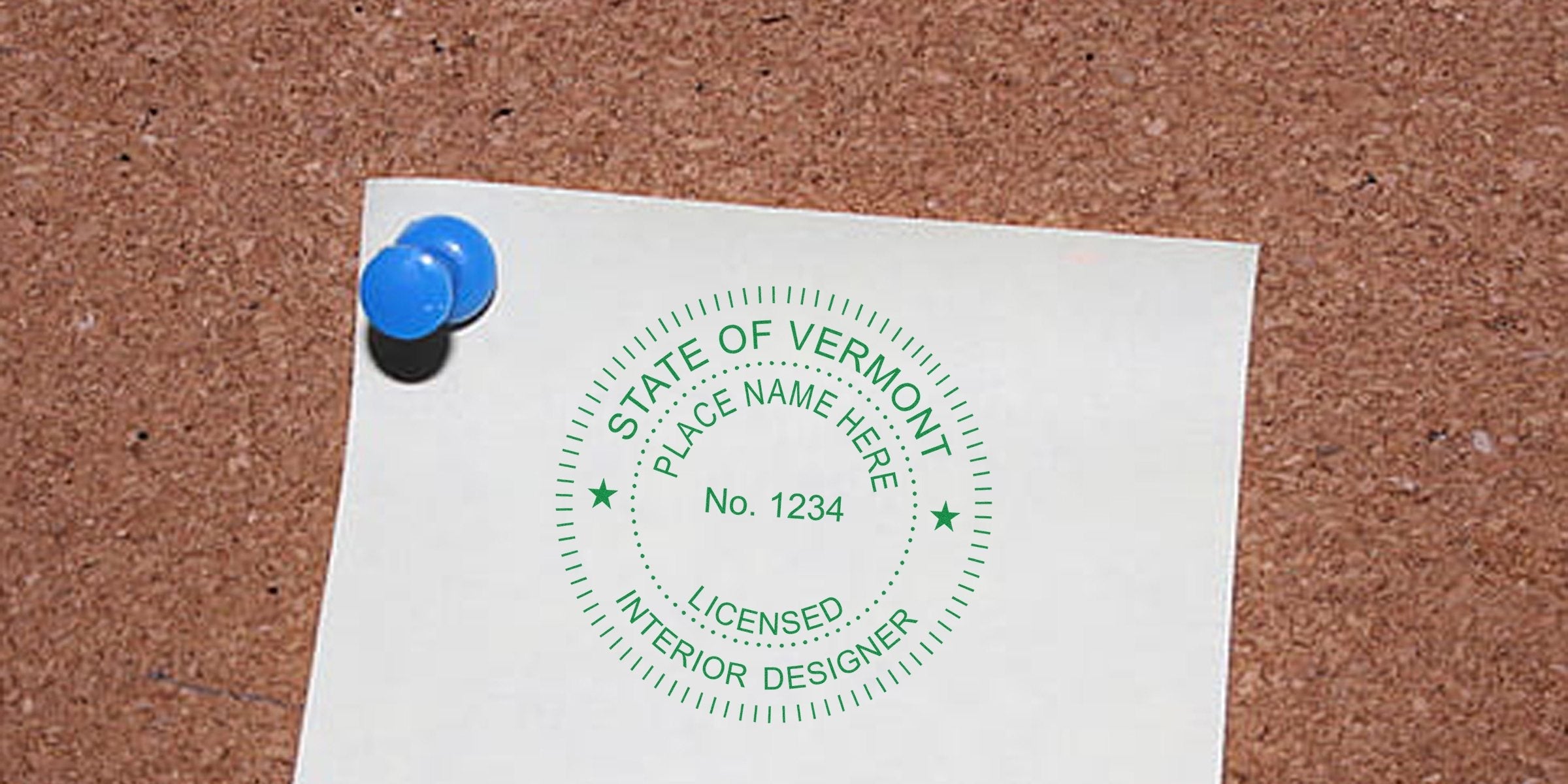
Whether you’re an established interior designer in Vermont or just starting out, understanding Vermont interior designer seal regulations makes a huge difference in staying compliant with the state’s requirements. And let’s be honest, it’s not just about following rules. A properly executed seal positions you as a qualified professional—and boosts your credibility in every project you tackle. In this guide, we’ll walk through the fundamentals of Vermont’s interior designer seal regulations, share practical tips on how to obtain and use your stamp or seal, and answer some of your most pressing questions. Ready to dig in?
Understand The Regulations
Successfully navigating Vermont interior designer seal regulations starts with learning what they are and why they matter. At a high level, the state establishes specific guidelines for design professionals so clients, builders, and government officials can trust the authenticity and quality of approved documents. By using the correct seal, you communicate that your work meets state standards and that you hold the necessary credentials.
Why The Professional Seal Matters
In many industries, official seals or stamps serve as visual proof that the person signing off is licensed or authorized to produce that document. As an interior designer in Vermont, you must stamp or seal various project drawings, specifications, or related materials to demonstrate that you’ve taken responsibility for the accuracy of the work.
- Having the right seal shows you’re compliant with Vermont’s regulations.
- It reassures clients your design plans aren’t just tossed together, but reflect professional insight and accountability.
- It prevents confusion around who prepared certain documents or who’s legally responsible.
Without it, your project approvals can get delayed, clients might question your legitimacy, and in worst-case scenarios, you could face penalties.
Who Sets The Vermont Rules
Vermont typically has a licensing board or similar regulatory body that oversees interior designers. In some states, interior designers might fall under a broader architectural or engineering board. While requirements can vary year to year, these boards issue licenses and maintain regulations dictating how, when, and where you should use your professional seal.
If you’re curious about the nitty-gritty of these administrative codes, it’s wise to explore official government websites for the most up-to-date statutes. But here’s the main takeaway: the board’s goal is to protect public health and safety, ensuring only qualified professionals practice interior design in Vermont.
Obtain Your Stamp
Every professional seal has a couple of basic requirements—certain text, shape, maybe a border or a specific arrangement of your name and license number. Vermont is no exception. Getting your seal involves meeting the state’s standard licensing requirements first, then ordering a seal that meets all design parameters. From there, you can begin stamping or sealing your official documents with confidence.
Essential Application Steps
Before you even get your seal, you need to handle the licensing process. Here’s a broad outline of the usual steps (though it’s best to confirm specifics with Vermont authorities):
- Submit Your Application: Complete the official forms, which typically ask for your educational background, work experience, and references.
- Pass Required Exams: Depending on Vermont’s protocol, you might sit for the National Council for Interior Design Qualification (NCIDQ) exam or a state-specific exam.
- Wait for Approval: This can take a few weeks or longer. The board reviews your application, exam results, and any supplementary documents. Once they give you the thumbs up, you’re officially licensed.
- Order Your Seal: After you’re licensed, you can order a seal from a trusted provider that follows Vermont interior designer seal regulations in shape, size, and text.
If you’re not certain which details are required on the seal, you can check out the vermont interior designer stamp requirements for more specifics. It’s better to get it right from the start than to find out later that you’re missing a crucial element.
Design Features To Consider
Seals aren’t just any random graphic tacked onto your design documents. Vermont may specify various design features, such as:
- The phrase “Registered Interior Designer” or a similar title that reflects your professional status.
- Your name as it appears on your license.
- Your license number clearly displayed.
- The state’s name, typically “Vermont” or “State of Vermont.”
- A circular or rectangular border in a set diameter or dimension.
Once your seal design meets these requirements, you’re free to use it on all relevant documents. And because you’ll rely on this seal daily, it’s a good idea to invest in a durable and ergonomic model—whether that’s a self-inking stamp or a sturdy embossing device.
Complying With Requirements
Getting your license and seal is one thing. Knowing when, where, and how to use it properly is another. Luckily, Vermont’s regulations are fairly straightforward once you read through them carefully. You might just need a bit of practice remembering to stamp your drawings and paperwork at the right times.
Placement Do’s And Don’ts
Where does that official seal go? Usually, you’ll place it on cover sheets, title blocks, or anywhere specified by code. You want it in a clear, visible spot so that reviewing officials, clients, and colleagues immediately recognize a document as a certified piece of work.
- Do place your seal in an area that won’t be cropped off during printing or binding.
- Do use consistent sizing and clarity so the information is always legible.
- Don’t place the seal on top of crucial notes or overshadow text needed for code review.
- Don’t forget to sign across or near the seal, if the regulations require your signature as well.
Renewals And Expiration Dates
Most states require license renewal every couple of years, and your seal privileges hinge on that active license. If your license expires, you’re technically not allowed to stamp new documents until you renew. Keep track of renewal dates—mark them on your calendar or set a reminder on your phone. The last thing you want is to get caught with an expired credential.
- Check if Vermont requires continuing education to renew your license.
- Confirm if you need to order a new seal for an updated license number or changed license status.
- Always allow enough time for the renewal process, which can sometimes take weeks.
Working With Acorn Sales
The idea of meeting all these regulations might feel overwhelming, but here’s some good news: Acorn Sales is here to make the process easier. We’re a trusted supplier for Vermont Interior Designer stamps and seals, and our mission is to get you a durable, user-friendly seal that meets every single one of Vermont’s requirements.
Why Choose Acorn Sales
Our company has been crafting professional stamps and seals for over 60 years, so we’ve seen the full range of design styles and regulatory changes. That means:
- You’ll receive a seal that matches state guidelines right out of the box.
- There’s minimal guesswork when placing an order—we already know the standard elements Vermont requires.
- We focus on quality materials, helping you avoid replacing your seal too often.
We also offer friendly customer support. Sensible, approachable guidance can be the difference between nailing those requirements on your first try or dealing with frustrating trial and error. We prefer that you feel confident in your stamp from day one.
Free Electronic Seal Benefits
We get that paper documents remain useful, but digital workflows are taking over in many design firms. That’s why we also include a free electronic seal with your purchase. With an electronic seal, you can:
- Stamp PDFs of your drawings or project specs before emailing.
- Speed up your submittal process so you’re not constantly printing, scanning, and shipping.
- Keep a professional, consistent look across both print and digital platforms.
Including a free electronic seal is our way of helping you stay on top of technology, because we know that e-signatures and digital approvals aren’t just a futuristic concept anymore. They’re part of everyday practice for busy interior designers.
Wrapping Up
Getting a handle on Vermont interior designer seal regulations doesn’t have to be nerve-racking. With a solid grasp of local licensing rules, attention to how you apply your seal, and the help of a reliable supplier like Acorn Sales, you’ll be ready to produce professional, compliant plans your clients and reviewers can trust. Keeping your seal current also signals that you’re accountable for the visions you create, inspiring confidence and boosting your credibility.
Whenever you feel uncertain about steps in the licensing or sealing process, remember that the core goal is straightforward: to protect the public and maintain professional standards. You’ve already done the demanding work of becoming an interior designer. Now, let your seal show the world that you’re fully qualified to design safe and beautiful spaces in Vermont.
Have questions or need additional insights? Talk to the experts at Acorn Sales. We’re here to guide you in selecting the right seal or stamp, plus we offer a convenient free electronic seal to streamline your workflow. After all, when your documents look polished and official, your clients and local officials can see the care and expertise behind every design decision you make. Good luck with all your Vermont interior design projects, and don’t forget to showcase that seal whenever you can.
Frequently Asked Questions
Do I Need a Specific Format for My Vermont Seal?
Yes. Vermont typically specifies shape, border, wording, and the inclusion of your name and license number. Our seals at Acorn Sales already meet these core parameters, but always double-check your license details before finalizing.
Is It Mandatory to Stamp Every Page of a Project?
That depends on regulations and the preferences of local permitting offices. Some states only require the cover sheet or title block to be stamped, while others want individual pages sealed. Check with your local permitting department to be sure.
What if I Need to Revise Plans After Stamping Them?
If the revision significantly changes design details that you’re responsible for, you’ll want to restamp the updated documents with the new date. That indicates you’ve reviewed and approved the modifications.
Will I Need a New Seal If My License Number Changes?
It’s possible. If you renew your license or receive a brand-new number, your old stamp or seal might not be valid. In many cases, the state requires the correct and current license number. We can help you update or reorder whenever needed.
How Often Must I Renew My Interior Designer License?
In Vermont, it’s common to renew every one or two years. Exact intervals vary, so check with the state board. Don’t let that expiration date creep up on you. Staying current ensures you remain legally allowed to stamp designs.








