
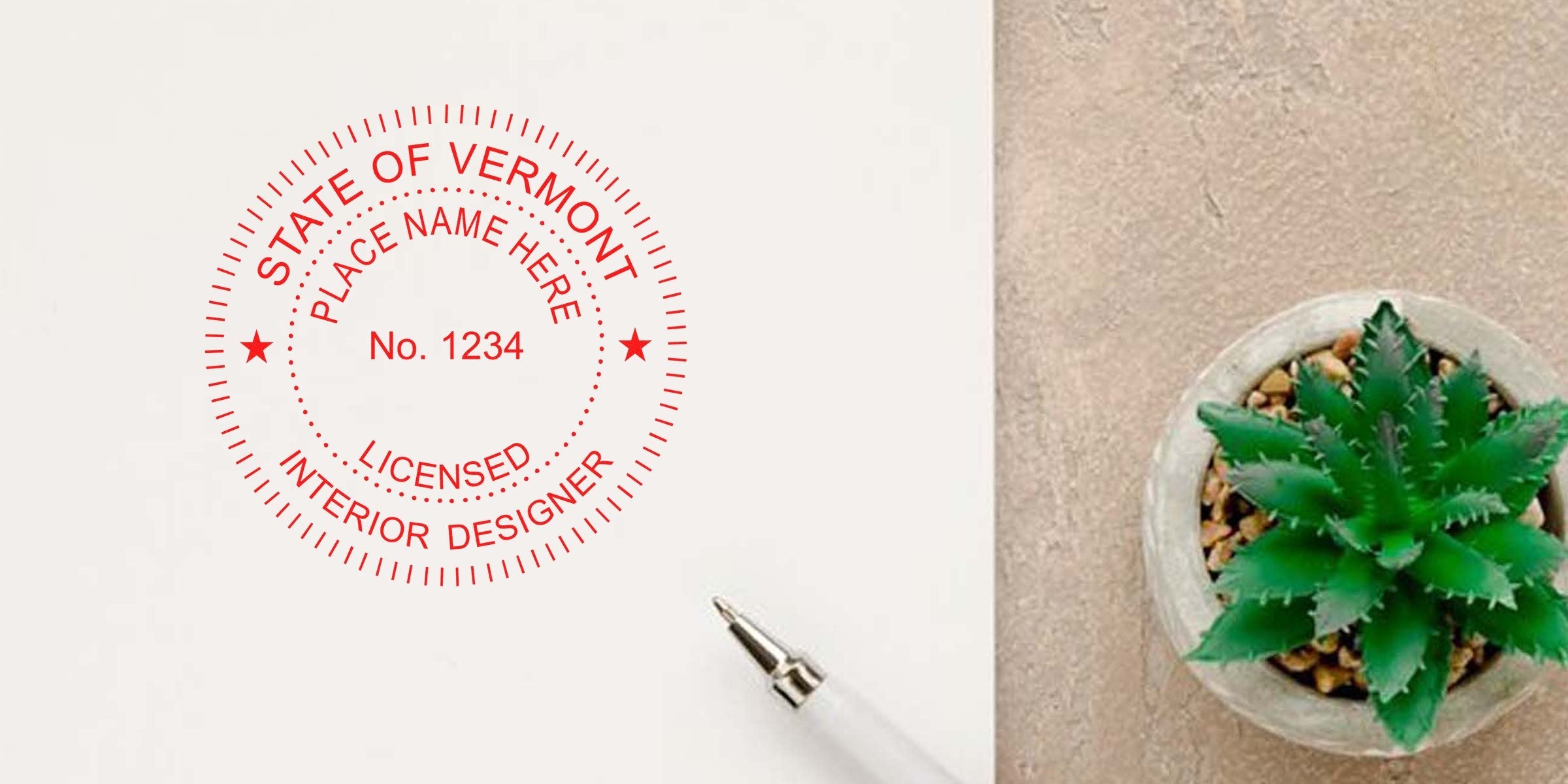
Ever wondered how to handle the official stamp required for interior designers in Vermont? If you’ve come across Vermont interior designer stamp information and felt a little uncertain, you’re not alone. Whether you’re embarking on your design career or ensuring your existing practice meets state guidelines, understanding the ins and outs of your interior designer stamp can streamline your professional journey. Let’s dig in and make it crystal clear.
Discover The Purpose Of An Interior Designer Stamp
A Vermont interior designer stamp or seal offers more than just a fancy imprint. It signifies that you’re authorized to design spaces in line with local regulations, ensuring public safety and welfare. By stamping your plans, you reassure clients, contractors, and government agencies that your work meets professional standards.
- Establishes trust: Displaying a proper stamp shows clients you’re dedicated to following Vermont’s professional guidelines.
- Confirms expertise: Stamped drawings highlight your skill level and compliance with state laws.
- Ensures accountability: Your stamp acts as a signature, indicating you stand behind the quality and accuracy of your designs.
Think of your stamp like a personal business card with official backing. It follows you through your career, helping you stand out in a competitive market. The moment you apply it to final drawings, you’re letting everyone know you’re playing by the rules.
Meet Vermont’s Licensing Requirements
Before you can even think about purchasing or using a stamp, you need to be sure you meet Vermont’s license prerequisites. Although regulations can shift over time, you typically need:
- A recognized education in interior design or a closely related field
- Sufficient real-world design experience, often gained through supervised work
- Successful completion of any required exams or board reviews
Once you’re ready to dive deeper into the guidelines, be sure to check out the Vermont interior designer stamp requirements. Staying up to date on these fundamentals helps you avoid pitfalls that can lead to rework—or worse, noncompliance.
Why Proper Steps Matter
Skipping a step in the licensure process can stall your progress. Without the right documents or exam completions, you might run into delays receiving your official seal. So, if you’re new to the area, relocating, or simply switching design specializations, confirm your credentials satisfy Vermont’s prerequisites.
Select The Right Stamp Format
In Vermont, interior designer stamps generally follow specific guidelines related to size, shape, and content. If you don’t follow these specifications, your stamp might be considered invalid. While the state board may offer a template, it’s crucial to confirm the exact details.
- Typical Dimensions: Check height and width requirements, usually measured in inches.
- Required Text: Ensure your name, license number, and state designation appear clearly.
- Layout And Border: Some seals specify a circular border, while others allow rectangular designs.
Pay attention to any lettering size stipulations so clients can read your stamp with ease. Clarity matters, and a crisp, well-crafted seal makes a professional impression.
Digital vs. Physical Stamps
Digital documents are common in modern design workflows. Many interior designers now use an electronic seal for quick file submissions, especially for project approvals that require digital signatures. Make sure you know Vermont’s stance on electronic stamping. Some agencies welcome them, while others need ink-on-paper. If you’re working with local officials, verify they accept digital versions to prevent hold-ups in your approvals.
Navigate Usage And Compliance
Once you secure your stamp, it’s time to learn where and how to apply it. In general, you’ll stamp and sign each set of final or revised construction documents. These documents might include floor plans, reflected ceiling plans, and even finish schedules if they’re integral to public safety.
Best Practices For Using Your Stamp
-
Stamp Final Documents Only
Make it a habit to stamp the most up-to-date version of your plans. Stamping drafts or incomplete designs can cause confusion, especially if changes occur later. -
Keep A Consistent Process
Whether you stamp hard-copy sheets or digital PDFs, deploy a uniform process. Some designers prefer stamping the cover sheet and disclaimers, while others stamp on every page. Follow what Vermont’s board prefers or prescribes. -
Avoid Post-Stamping Edits
If you edit a plan after stamping, the official seal might no longer be valid. Always re-stamp to confirm you endorse the new details.
It’s natural to wonder if your responsibility ends once you have the stamp. In truth, using the stamp correctly is just part of your professional obligations. Failing to meet Vermont standards or misusing your seal can lead to penalties that may jeopardize your standing as an interior designer.
Keep Your Documentation Current
Regulatory requirements can shift when new building codes come into effect. As a licensed interior designer in Vermont, you must stay in contact with the state board and check for updates that could affect your practice.
- Renew your license in a timely manner, generally every few years, according to the board’s schedule.
- Participate in continuous professional development. Some states mandate ongoing education to keep your knowledge fresh.
- Maintain a record of all your final designs, certificates, and compliance documents.
Overlooking license renewal or ignoring continuing education can lead to a lapse in your stamp privileges. If your license isn’t in good standing, your stamped plans become invalid—making your life considerably more complicated for future projects.
Choose A Trusted Supplier
When you’re ready to obtain your official seal, you might be tempted to order from the first online store you find. But your stamp isn’t something you want to gamble on. Low-quality rubber or loose-fitting type can result in blurry impressions, and that’s hardly a good look on plan sets meant for official review. Instead, select a reputable supplier who can walk you through the details.
Acorn Sales: Over 60 Years Of Service
For more than six decades, Acorn Sales has helped professionals across Vermont and beyond secure high-quality stamps and seals, including those specifically for interior designers. We’re known for:
- Precision Craftsmanship. Our seals offer crisp impressions to keep design details clear.
- Durability. Because you’ll be stamping multiple sheets per project, you’ll need a product that can keep up with your workflow.
- Free Electronic Seal. We understand many designers submit digital files, so we provide a free electronic seal with your purchase of a physical stamp.
- Trusted Legacy. With over 60 years in business, we have experience working with state boards and the exact specifications you need.
Whether you’re fresh out of design school or a seasoned pro, choosing a reliable stamp partner can save you from reordering and potential compliance issues. We’re here to help ensure your stamp works perfectly the first time.
Putting It All Together
Ensuring you meet Vermont’s guidelines for your interior designer stamp can feel overwhelming at first. The good news is that once you have your formalities in order, it simplifies your workflow and boosts your professional credibility. Think of the stamp as a handshake between you and Vermont’s regulatory boards: it tells them you’re skilled, compliant, and fully supportive of the state’s codes.
By following proper usage guidelines, regularly updating your license, and keeping excellent records, you eliminate many hiccups that other designers face. It’s also wise to stay connected with local building departments or professional organizations for the latest updates, so you never get caught off guard by new rules or codes.
Finally, don’t underestimate the value of partnering with a top-notch supplier. Acorn Sales not only delivers on quality but also offers a free electronic seal and a heritage of reliability built over 60 years. With the right stamp in hand, you can refocus on what you do best: creating interiors that truly make people feel at home.
Feel free to share any tips or ask questions if you’re stepping into the Vermont design space. We’re all learning along the way. Ready to make your next project official? Up your game by investing in a trusted stamp that keeps you compliant and confident. Have fun designing, and remember: you’ve got the power to shape the places where people live, work, and relax, one carefully stamped plan at a time.
Frequently Asked Questions
Do I Need A Seal For Every Rendering?
Typically, you only stamp official documents tied to public health and safety. You’re not required to seal simple concept sketches or in-progress drafts. To stay on the safe side, confirm with your local permitting office if you’re unsure which pages demand a seal.
Can I Use An Old Stamp From My Previous State?
In most cases, no. Each state designs its own seal regulations, so you’ll need a Vermont-specific stamp. Even if your old stamp looks similar, it won’t be valid for projects under Vermont jurisdiction.
Are Digital Stamps Always Accepted?
Acceptance varies county by county or even department by department. Many do welcome digital seals, as long as they align with encryption or e-signature rules. Always check local guidelines before you rely solely on an electronic file.
Will My Stamp Expire If My License Does?
Yes in practice. Your stamp remains your personal property, but you cannot lawfully use it if your license lapses or isn’t renewed on time. Once you reactivate or renew your license, you can use your existing seal again.
How Do I Order A Vermont Interior Designer Stamp?
Start by verifying your license details with the state board so you have the correct name, license number, and official format. Then, visit a trusted supplier like Acorn Sales, where you can place an order for a physical stamp and collect your free electronic seal. We handle the specifics, making the process smooth and stress-free.








