
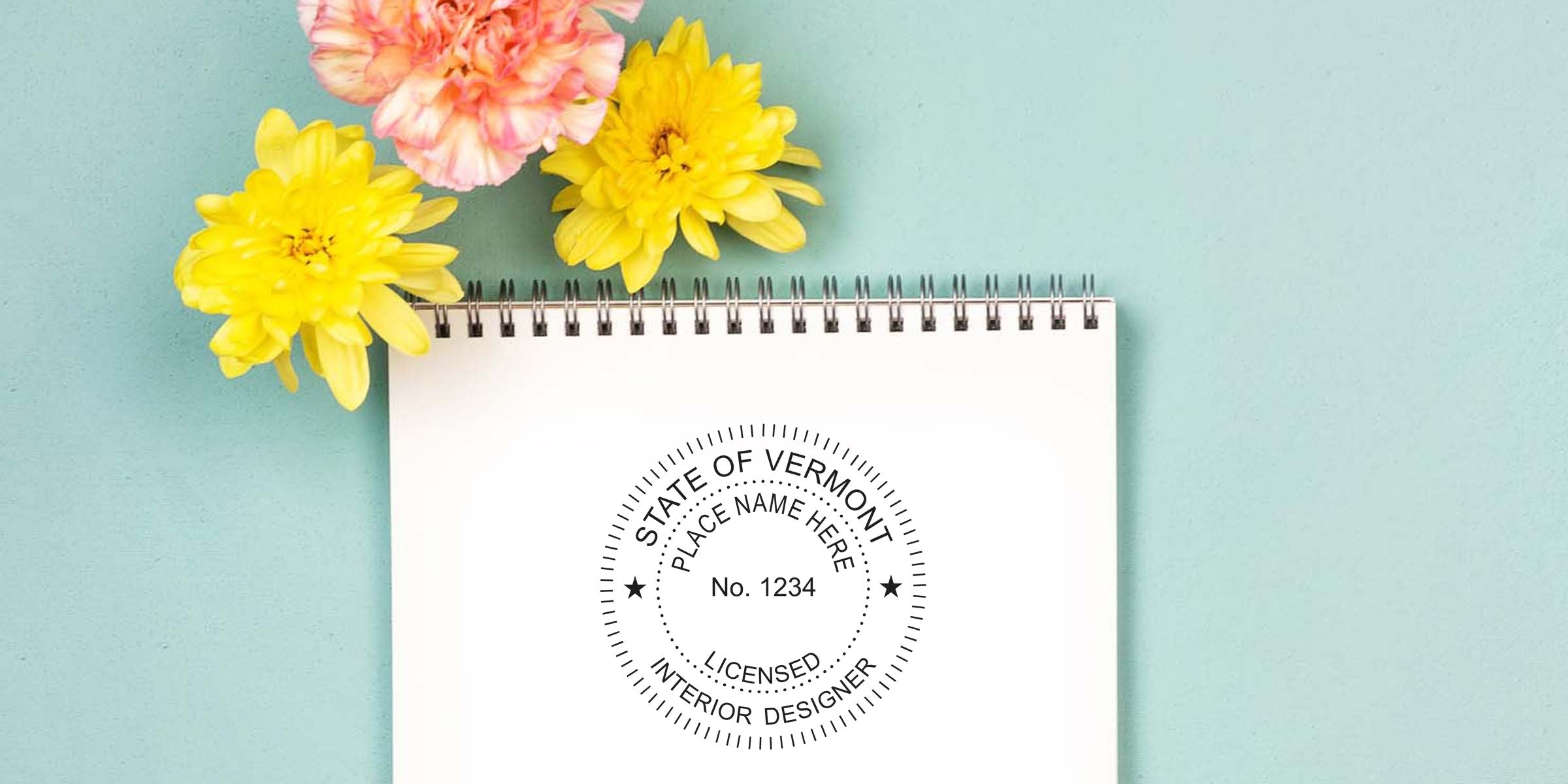
Understand Vermont Interior Designer Stamp Requirements
If you plan to practice interior design in Vermont, you may already know that Vermont interior designer stamp requirements can be a bit confusing. You want to protect your professional standing, ensure your designs pass state inspections, and keep your clients confident in your work. In this article, you'll learn exactly how the process works, why the right stamp matters, and how to steer clear of common pitfalls.
You're about to see how a well-chosen stamp or seal can solidify your professional status and help you meet every regulatory condition. Let's walk through the essentials step by step.
Recognize Why Stamps and Seals Matter
When you submit drawings or other design documents for projects in Vermont, you're likely required to attach a stamp or seal. This isn't just a fancy mark on your paperwork. Instead, it serves a few key purposes:
-
Validates Your Credentials
Show that you're legally authorized to provide interior design services in Vermont. -
Clarifies Official Responsibility
Make it clear who designed specific aspects of a project, so there's no confusion down the road. -
Provides Legal Backing
Many local jurisdictions and review boards demand a recognized stamp for building permits and regulatory approvals.
If you want to go a little deeper into the specific rules, you could check out the vermont interior designer seal regulations.
Know the Core Elements of a Vermont Stamp
Vermont has guidelines about what your seal or stamp looks like and what it should include. Although you're often free to customize fonts or graphic elements, the basics remain consistent:
-
Your Name and License Number
This tells officials and clients exactly which designer is taking responsibility. -
The Words "Registered Interior Designer" or Similar
Terms can vary slightly. If you'd like more thorough instructions, check out the vermont interior designer seal design guidelines. -
State Identification
Your stamp must indicate it's for Vermont, so there's no confusion when multiple states get involved. -
Legibility
You want every detail to be crystal clear, so there’s no misinterpretation or consistent errors when scanning or copying documents.
By meeting all these elements, your stamp shows you're playing by the rules. If you've ever skimmed through official documents without a proper stamp, you might be aware that a missing or incorrect seal can be a big headache.
Explore Different Stamp or Seal Types
A standard rubber stamp might come to mind first, but interior designers in Vermont often rely on several types of seals. Each option solves a particular need:
| Stamp/Seal Type | Key Features | Best For |
|---|---|---|
| Pre-Inked Stamp | No separate ink pad needed, crisp impression | Consistent stamping of multiple documents |
| Self-Inking Stamp | Built-in ink pad, easy to re-ink | Medium-volume use while staying budget-friendly |
| Embossing Seal (Embosser) | Creates a raised impression, professional | Official records or formal document presentation |
If you're curious about the embosser style, take a look at the vermont interior designer seal embosser and see if it fits your workflow.
Follow the Application Process
To get your official stamp, you’ll likely complete a licensing or registration procedure. The steps usually go like this:
-
Confirm Licensing Eligibility
Make sure you've met the education, examination, and experience criteria. Details can vary, so take time to verify that you’ve checked every box. -
Submit Relevant Documentation
You may need transcripts or exam results, plus a completed application form. For more specifics, consider visiting the vermont interior designer stamp application process. -
Await Approval from the State
Once you've submitted your paperwork, the next step is to wait for official approval. This process can take anywhere from a couple of weeks to a few months. -
Obtain Your Stamp or Seal
After you're approved, you’re free to order a stamp that meets all state standards.
When you’re all set, your new seal will help you legally sign off on design plans. Think of it as your personal handshake on every project.
Avoid Common Pitfalls
Regulatory requirements are detailed, so it's easy to overlook something. Here are some frequent slip-ups you can avoid:
-
Not Updating Expired Licenses
A valid stamp must also correspond to an active license. If your license expires, your stamp is essentially unusable for official sign-offs. -
Using an Outdated Seal Design
Vermont occasionally updates guidelines. Staying in the loop is essential if you ordered your current stamp years ago. If you suspect your design is outdated, see the latest vermont interior designer seal template. -
Failing to Provide Original Impressions
Digital copies might be acceptable in some scenarios, but many offices require an original stamped or embossed document. -
Missing Required Wording
Double-check that your seal reads “Registered Interior Designer” or its official variant, along with your name and license number.
Consider Additional Costs and Timelines
Before you finalize your seal, it helps to budget appropriately. A typical Vermont interior designer stamp purchase involves:
-
Cost of the Stamp or Embosser
Prices vary by design, quality, and features. For more details, see the vermont interior designer stamp cost. -
Shipping and Handling
If you're in a hurry, you might pay more for expedited shipping. -
Replacement Over Time
Stamps can wear out, and embossers may need part replacements, so factor in an occasional refresh.
Being aware of these points means fewer surprises. The last thing you need is a holdup on an important project because your seal didn't arrive on time.
Order from a Trusted Supplier
You might wonder where to buy a stamp or embosser that meets Vermont's requirements. Acorn Sales has been making stamps and seals for over 60 years, delivering both top-notch quality and trusted expertise. Each Vermont Interior Designer product comes with a free electronic seal, which is especially handy if you work with digital submissions. Whether you need an embosser for official letters or a self-inking stamp for quick plan sign-offs, you can rely on a dependable supplier that truly understands your needs.
If you’d like even more background on the state’s licensing specifics, take a look at the vermont interior designer licensing stamp page, or review detailed info on the vermont interior designer seal maker to see what goes into producing these tools.
Learn More About Stamp Information
No two designers are alike, and your practice deserves the best fit. Maybe you work on large commercial plans and need a self-inking option for repetition. Or perhaps you specialize in historic renovations and prefer a formal embossed seal. For a more complete breakdown, you can explore the vermont interior designer stamp information.
Once you land on the stamp or embosser that matches your projects, you'll be on track to complete your design documents with a professional mark. Nothing says “I’m legit” like an official seal on your carefully drafted plans.
Recap and Next Steps
Meeting the official Vermont rules for interior designers can feel complicated at first. Yet once you figure out which type of stamp to use, confirm your licensing details, and avoid some of the usual mistakes, your everyday workflow becomes smoother. Having a clear, correct seal on each set of plans underlines your professional credibility and gives you peace of mind.
Ready to elevate your practice? Start by verifying your license is up to date, exploring the different stamp or seal styles, and selecting your perfect match. In minutes, you can be on your way to stamping or embossing newly approved documents like a pro.
By staying up to date with Vermont's rules and selecting a reliable supplier, you’ll keep your projects running smoothly. Have any personal tips or experiences with interior design stamping? Feel free to share with colleagues, or pass this along to anyone who’s stepping into the Vermont design space. It might be exactly what they need to finalize their next project in style.
Frequently Asked Questions
How does a Vermont interior designer seal differ from a stamp?
A seal often refers to an embosser that leaves a raised impression, while a stamp uses ink. Both fulfill official requirements, but some professionals prefer one style over the other for aesthetic or practical reasons.
Can I design my own stamp?
Generally, you must follow state guidelines on wording and layout. However, you can choose certain style elements such as fonts. If you want a quick reference, check out the vermont interior designer seal design guidelines.
What if my stamp wears out?
It’s crucial to replace a worn stamp that no longer leaves a clear impression. Consider exploring the vermont interior designer seal maker to get a lasting replacement.
Do electronic seals count?
Many organizations accept digital seals for electronic document submissions, but confirm with your local authorities. Acorn Sales includes a free electronic seal with your purchase, which can be a big help for online submissions.
Is there a specific color of ink required?
Vermont typically doesn't limit ink color as long as it's readable, though black or blue are most common. If you’re unsure, check with your specific licensing board or local permitting office.








